Sobot helps you price the AI that handles routine requests and the contact center your team uses to handle exceptions. Start with the public allowances for Sobot AI Agents. Then scope what your people need in Nexus, from live chat and ticket queues to phone numbers and call minutes. When an AI conversation moves to a person, Sobot excludes it from the AI Resolution charge. Your budget still accounts for the people and channels that finish the work. That distinction gives you a practical reason to consider Sobot if your team runs chat, phones, and follow-up tickets. You can ask for a quote that follows the same case from the first answer through to human follow-up.
If you’re figuring out how to estimate AI customer service software costs, start with last month’s ticket count. Add the subscription, usage after allowances, staff licenses, voice, messaging, and the time people spend on cases. In the worked example below, all three scenarios have 1,500 support tickets a month. The published Sobot AI Agents amounts are USD $149 to $499 a month for the selected configurations, including applicable Resolution overage. With illustrative contact center charges and allocated staff time added, the modeled month comes to USD $3,197 to $3,913 before tax and implementation. You can swap in your own rates in the same table.
What Are You Paying for?
An AI answer is one line in the budget. A customer who asks about a damaged delivery and then calls to follow up can generate a digital conversation, a phone call, and a ticket. Decide how your team counts that issue before you start adding charges.
| Cost | What to measure | What to ask for |
|---|---|---|
| Subscription | The AI plan and any help desk or contact center platform fees | The lowest edition that supports your actual workflow |
| AI usage | Sessions, messages, resolutions, credits, or actions | The billable event, allowance, reset date, pack size, and overage |
| Seats and human handoff | Licensed users by product, accepted handoffs, and handling minutes | Seat minimums, overlap across modules, and any charge for the transfer itself |
| Voice | Numbers, call minutes by route and country, transcription, and any separately metered voice AI | Inbound and outbound rates, rounding, how transfers are rated, and which items the quote already includes |
| Messaging | Numbers and delivered billable messages by category and market | Included traffic, provider fees, and applicable carrier or Meta pass-through |
| Setup and upkeep | Integration work, training, knowledge maintenance, and QA | One-time versus recurring amounts and who owns each task |
Start with one internal definition of a support ticket. In this guide it means one customer issue. If that customer writes twice about the same issue, keep one ticket in the denominator and put both billable events in the numerator when the contract counts them. That keeps the economics comparable even when one vendor charges by conversation and another by result.
How AI Customer Service Pricing Works
| Model | Monthly calculation | Where estimates often go wrong |
|---|---|---|
| Seat or platform subscription | Base fee + licensed seats × rate | A basic seat price can leave out the AI or the channels you need. |
| Per-conversation pricing | Base fee + eligible sessions above the allowance × rate, adjusted for pack size | A session may include several messages and can count even if a person finishes the issue. Check the session window. |
| Per outcome or resolution | Base fee + billable outcomes above the allowance × rate, subject to any minimum | Some outcomes include a configured transfer. Your own resolution report should track those transfers separately. |
| Credits, messages, or actions | Base fee + packs required after allowances × pack price | An action, message, or evaluation run can use different amounts. Ask for a sample usage export. |
| Voice and channel use | Numbers and licenses + sum of billable minutes or delivered messages × their rates | Rates or allowances can vary by destination, channel, category, or route. |
Want one number to compare? Calculate the monthly operating cost per inbound ticket. Then look at what that spend bought. If you also calculate cost per resolution, use the same definition of a verified closed issue across vendors and state whether the numerator includes labor. For an AI-only measure, divide AI spend by verified AI completions and report how many cases went to people alongside it.
One Workload, Three Monthly Scenarios
Imagine a retailer with 1,500 incoming support tickets and six people licensed to handle cases. Keep workload and licensed headcount fixed. Change the mix of phone and digital work, the share AI can handle, and the amount of channel usage. “Low,” “medium,” and “high” describe deployment intensity.
Each ticket enters once through web or email, WhatsApp, or phone. The AI engagement in this example is digital only. The team handles inbound calls itself, so the phone charges cover contact center telephony. A rollout with autonomous Voice AI Agents would need its own quote and test data.
| Monthly input | Low · limited digital pilot | Medium · wider digital rollout | High · wider rollout and more phone traffic |
|---|---|---|---|
| Total inbound tickets | 1,500 | 1,500 | 1,500 |
| Web or email / WhatsApp / phone | 1,000 / 400 / 100 | 850 / 400 / 250 | 700 / 400 / 400 |
| Digital tickets that engage AI | 600 | 900 | 1,000 |
| AI resolutions used in model | 200 | 450 | 650 |
| AI-to-human handoffs | 400 | 450 | 350 |
| Direct-to-human tickets | 900 | 600 | 500 |
| Total tickets handled by people | 1,300 | 1,050 | 850 |
| Billable phone minutes | 400 | 1,000 | 1,600 |
| Billable messages after applicable exemptions and allowances | 200 | 500 | 900 |
| AI Credits used for setup, evaluation, or operations | 800 | 1,600 | 2,600 |
These are planning assumptions. For the example, each AI-engaged issue yields one vendor-metered interaction and either one billable AI resolution or a handoff. In your support data, a ticket can span more than one session, get reopened, or remain unresolved. Export the billable events and reconcile them with your ticket report.
Put the workload into six formulas
| What to calculate | Spreadsheet formula |
|---|---|
| Usage above an allowance | MAX(0, billable units − included units) |
| Packs to buy | ROUNDUP(overage units ÷ pack size, 0). Use your actual minimum and pack rules. |
| Human handling cost | (direct-to-human tickets × minutes per direct ticket + handoffs × minutes per transferred ticket) ÷ 60 × loaded hourly cost |
| Monthly operating cost | subscriptions + seats + AI usage + voice + messaging + human handling + other recurring expenses |
| Cost per inbound ticket | monthly operating cost ÷ unique inbound tickets |
| Cost per verified resolution | monthly operating cost ÷ unique issues confirmed closed. Use a consistent window for checking reopened issues. |
Count each invoice item once. If a contact center quote includes numbers or transcription in its platform fee, put the amount in that fee and remove the separate line.
See how different billing models react to the same tickets
The figures below isolate the stated offer and metered lines. They help you see what changes when the pricing unit changes. Add the remaining software, channels, and labor before comparing complete quotes. Public rates are in USD and were reviewed November 16, 2026.
| Public offer and billing condition | Low | Medium | High |
|---|---|---|---|
| Fin with your current help desk, USD $0.99 per support outcome, 50-outcome monthly minimum. The model counts 100 / 150 / 150 of the handoffs as eligible Procedure handoffs in addition to the AI resolutions. Existing help desk spend is separate. | $297 | $594 | $792 |
| Freshdesk Omni Growth with Freddy AI Agent, USD $29 per licensed user per month equivalent, billed annually, plus $49 per 100 paid sessions. Six seats. Assumes the one-time 500-session allocation has been used and there is no prepaid pack balance. | $468 | $615 | $664 |
Fin and Freddy count different things. Fin can charge for a successful Procedure configured to end in a handoff and treats ordinary escalations separately in its support outcome rules. Freddy measures chat and email activity over a defined session window. Ask vendors to show what their billing export records when a conversation starts with AI, reaches a person, and opens again the next day.
How Sobot Prices AI Agents and Nexus
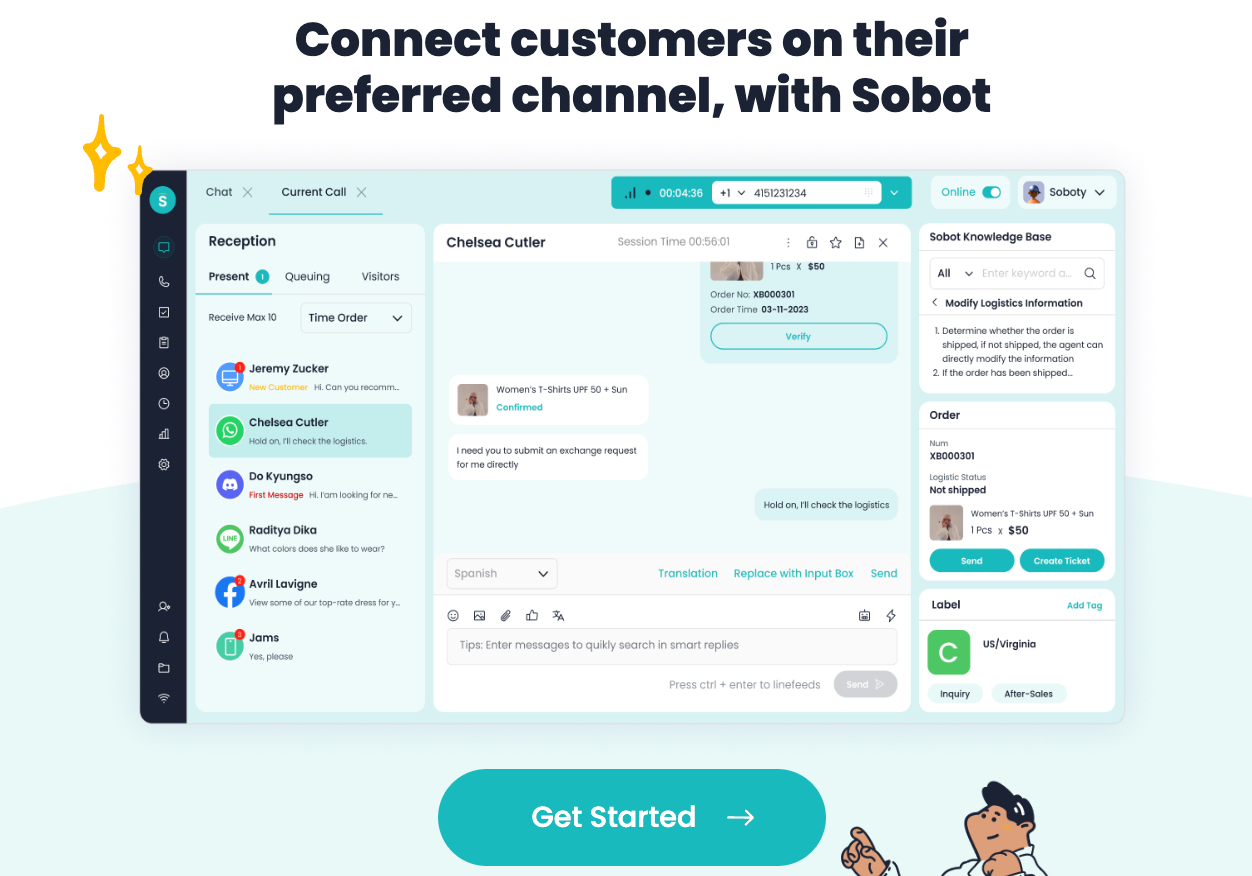
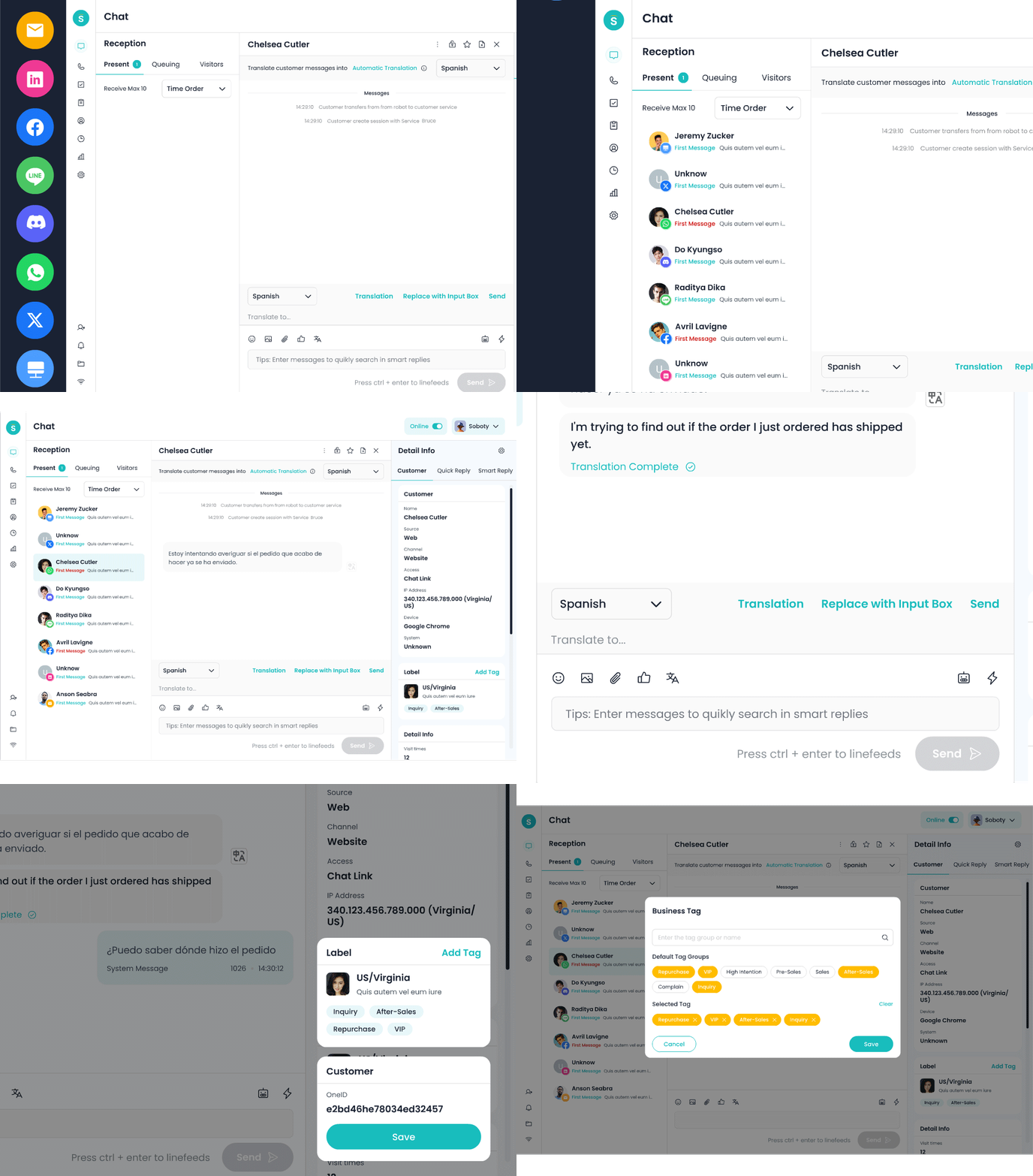
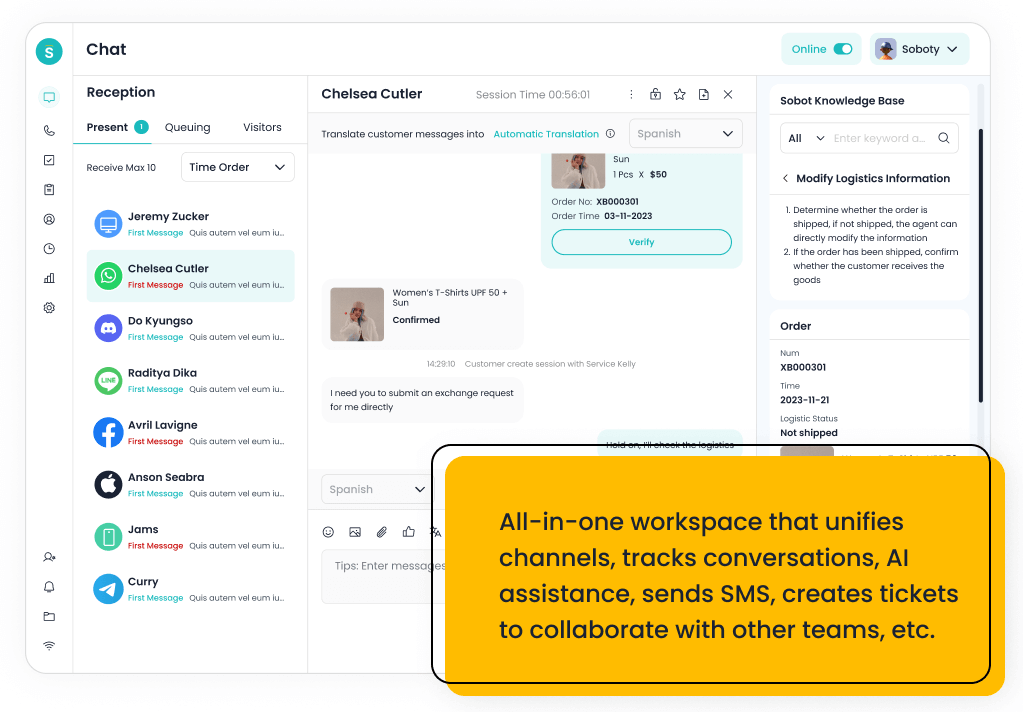
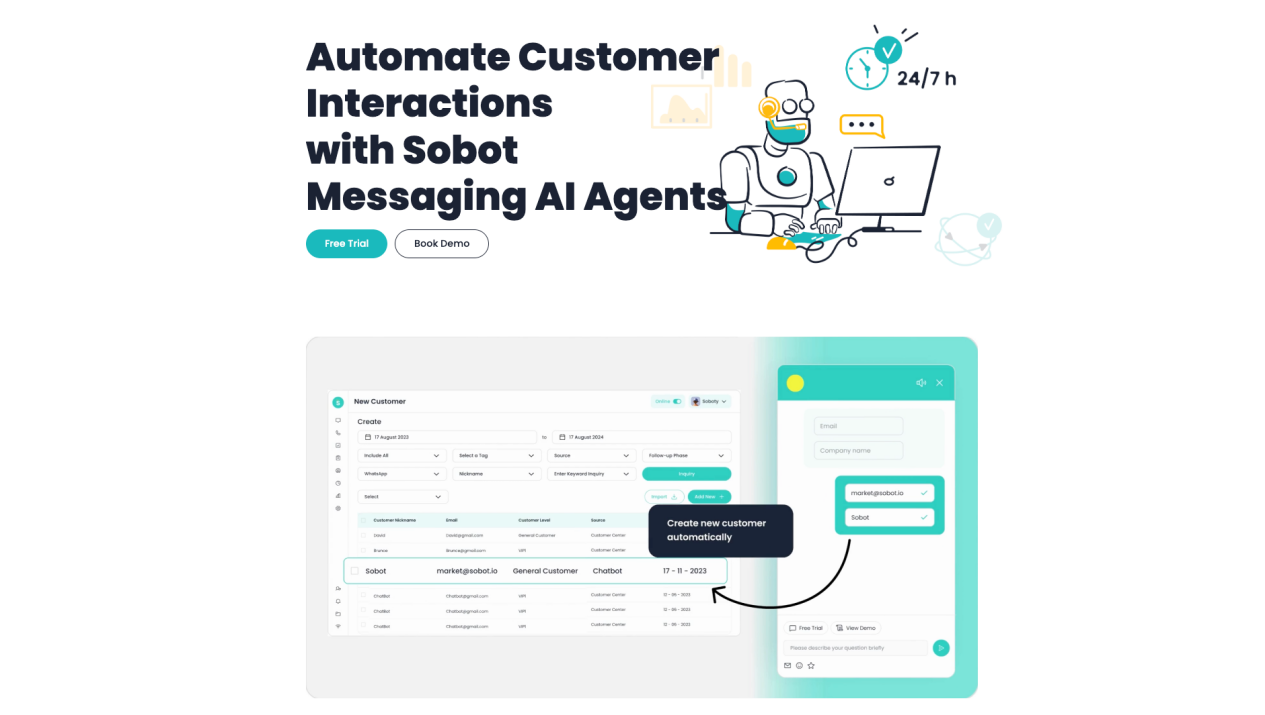
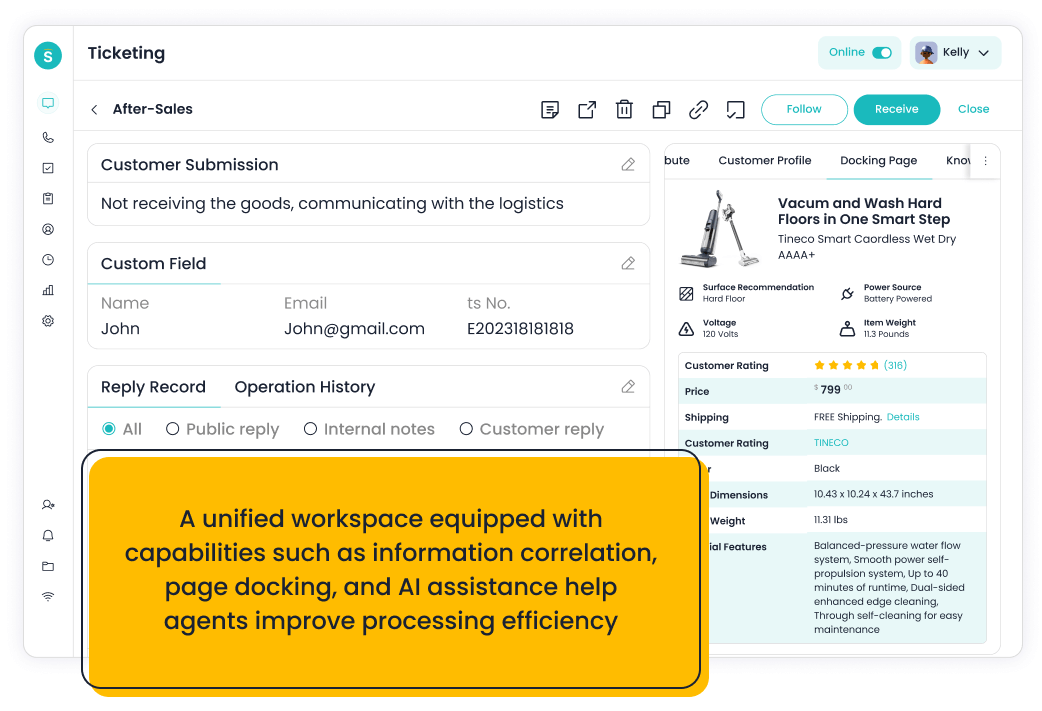
Sobot AI Agents handles the automated work. Nexus gives your people the channels, queues, and workspaces to handle the rest. That matters on a busy day when the AI can answer status questions and your support team still needs to take calls, approve exceptions, or assign a follow-up ticket. Map those jobs to the products before you choose a plan.
| Sobot product | What you can budget for | Pricing boundary |
|---|---|---|
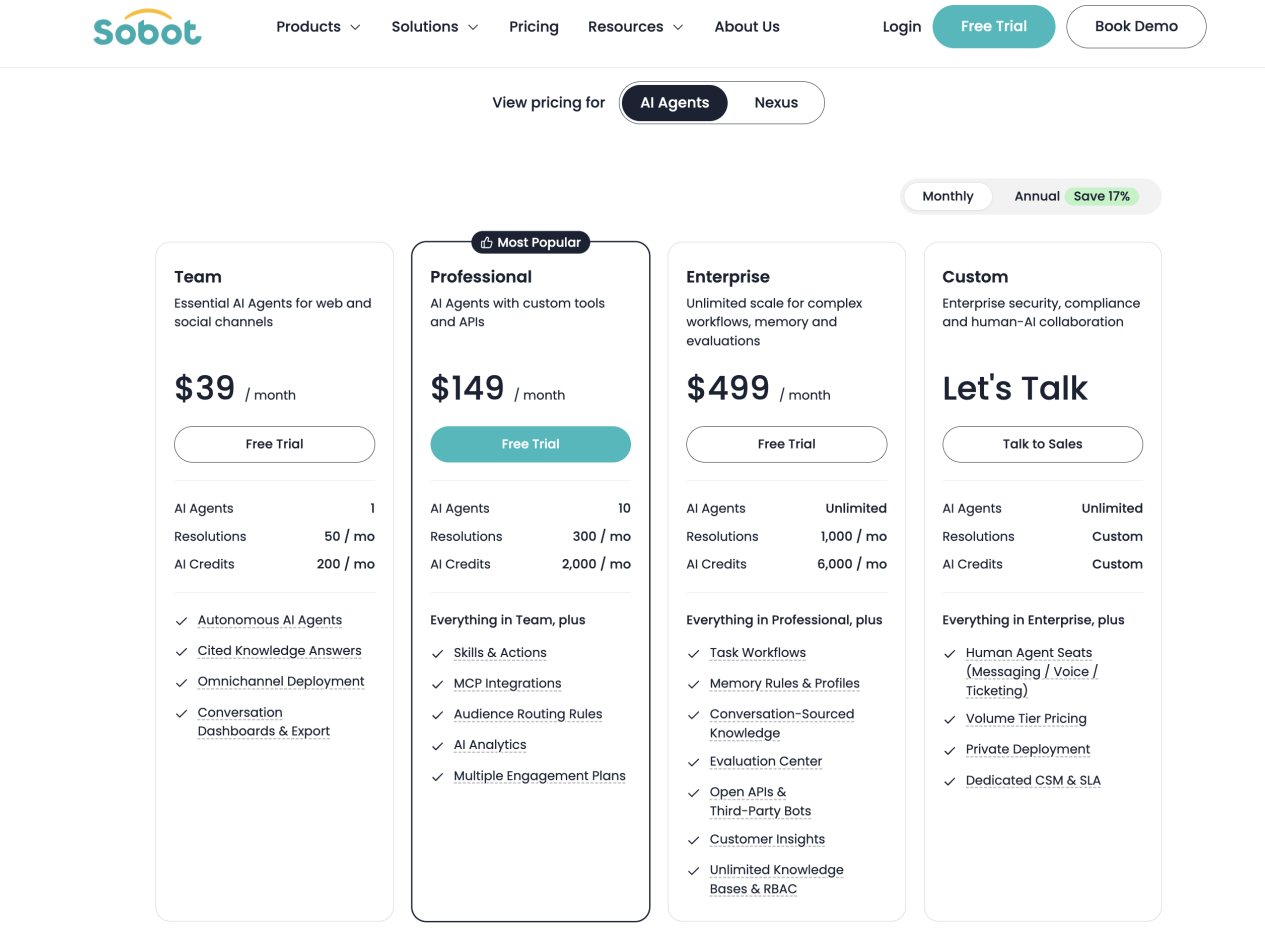
| AI Agents Team | Knowledge-based answers on supported channels | USD $39/month with 50 Resolutions and 200 AI Credits per billing cycle |
| AI Agents Professional | Skills, Actions, and MCP for configured business-system work | USD $149/month with 300 Resolutions and 2,000 AI Credits per cycle |
| AI Agents Enterprise | Task Workflows and the full Evaluation Center for testing and reviewing more complex service flows | USD $499/month with 1,000 Resolutions and 6,000 AI Credits per cycle |
| Nexus Messaging, Voice, and Ticketing | Human conversations, phone routing, and case ownership across teams | Quoted for the edition and seats you need. Numbers, call minutes, transcription, and messaging charges can add to the quote. |
| Voice AI Agents and Custom | AI handling calls or a deployment with custom terms | Quote required. Ask which voice or channel charges are already included and how excess usage is priced. |
These are the public Sobot AI Agents monthly plans and allowances displayed in USD on November 16, 2026. Standard plans list extra Resolutions at USD $0.98 each after the included amount, with packs or custom quantities. AI Credits use a separate meter for work such as building, tuning, evaluation, and analytics. If a Nexus voice feature uses a separate AIGC resource pack, keep that amount on its own quote line. The smallest listed AI Credit pack is 10,000 Credits for USD $200. If you already have purchased Credits available, use that balance in your model before adding a new pack. Monthly included allowances reset even with annual billing. Confirm the invoicing currency, available quantities, pack terms, and taxes for your market.
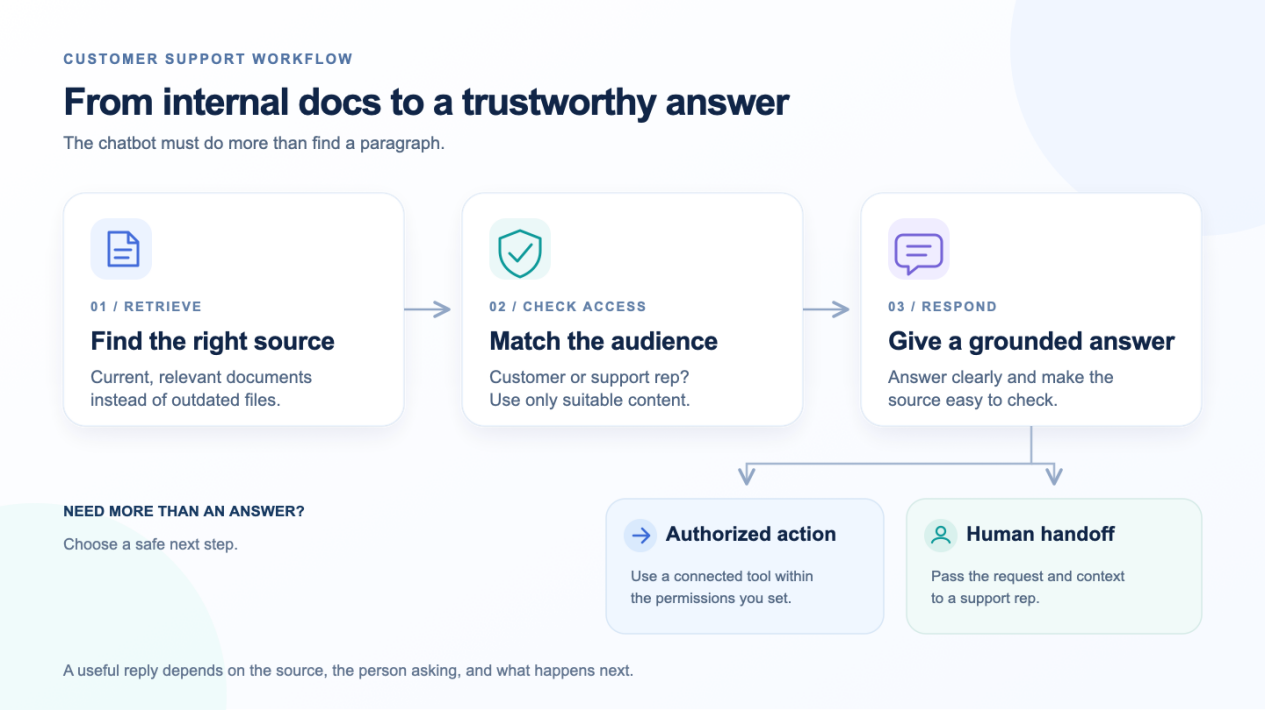
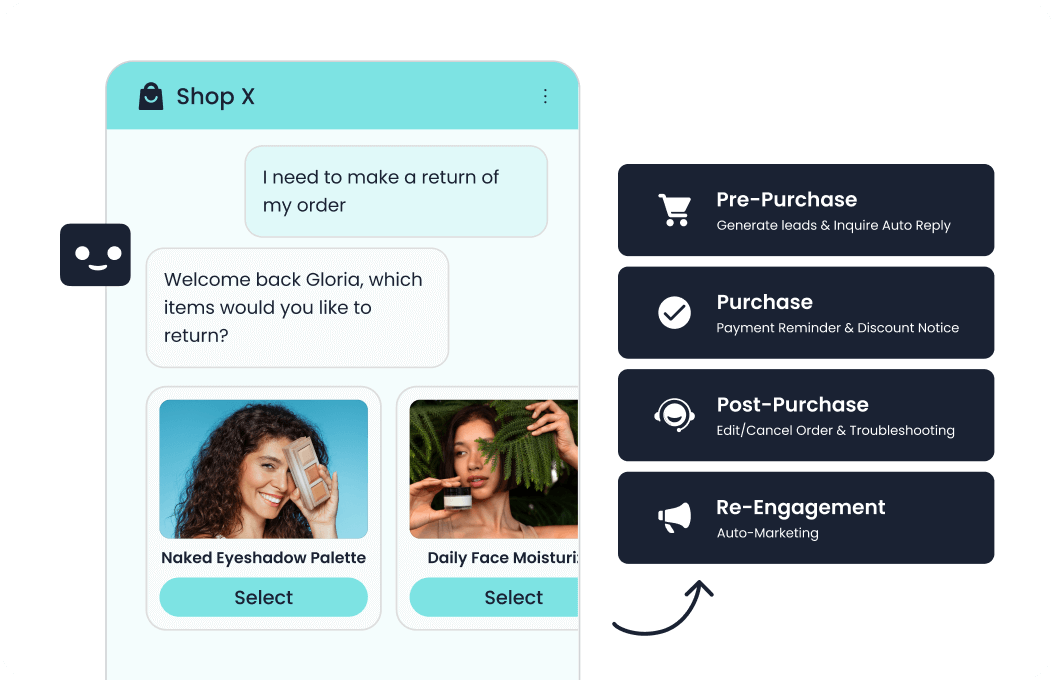
Sobot counts a Resolution when the AI closes the conversation independently under its billing rules. Human handoff is excluded from that charge. For digital human handoff in the documented standalone reception setup, add Live Chat and configure routing and staffing. The standalone Agent purchase runs that reception in bot-only mode. Sobot’s public pricing FAQ also says combined AI Agents and Nexus Messaging, Voice, and Ticketing channels use the same standard edition. Ask for a revised Nexus quote before treating an AI Agents tier change as a saving.
For WhatsApp, separate the number license and provider fee from Meta usage. Use the rates and billing categories that apply to your account, number, destination, and eligibility. Meta’s WhatsApp Business Platform pricing describes service-message allowances and account exceptions under its October 2026 changes. Your vendor’s number and provider charges can remain even if some messages qualify for an allowance.
What the Sobot month could look like
Keep the inputs above. The AI Agents line uses public rates and available allowances. Use the other unit rates below only as illustrative USD budget inputs dated November 16, 2026. Replace them with your quote or measured staffing costs. They represent a proposed workload, with no assumed billing allowances or commitments beyond the ones stated.
- Nexus seats and numbers — Assume six licensed staff at a blended USD $35 per person plus USD $30 fixed per month in the Professional scenarios, and six at USD $60 plus USD $40 fixed in Enterprise. These are placeholders for module licenses and numbers. Ask how additional seats or numbers are priced.
- Voice and messaging — Assume USD $0.05 per billable voice minute and USD $0.02 per billable delivered message, both applied linearly to the billable quantities in the table. Substitute rates by route and category, including any included minutes, markups, minimums, or excess rates from your quote.
- Human handling — Assume six minutes for a direct-to-human ticket and four for a handoff with usable context, at a loaded cost of USD $30/hour. Measure both times in a pilot. The four-minute assumption represents a potential benefit of giving the receiving team a usable record.
| Monthly line item · USD | Low | Medium | High |
|---|---|---|---|
| Sobot AI Agents base plan | $149 Professional | $149 Professional | $499 Enterprise |
| Extra Resolutions | $0 | 150 × $0.98 = $147 | $0 |
| Extra AI Credit packs | $0 | $0 | $0 |
| Nexus seats and numbers · assumed | $240 | $240 | $400 |
| Voice minutes · assumed | $20 | $50 | $80 |
| Billable messages · assumed | $4 | $10 | $18 |
| Software and channel subtotal | $413 | $596 | $997 |
| Allocated human handling | $3,500 | $2,700 | $2,200 |
| Modeled monthly operating cost | $3,913 | $3,296 | $3,197 |
| Operating cost per inbound ticket | $2.61 | $2.20 | $2.13 |
Here’s the medium month in full. Professional includes 300 Resolutions. The next 150 add USD $147, which puts AI Agents at USD $296. Seats, numbers, voice, and messaging bring software and channels to USD $596. Staff spend 90 hours on 600 direct tickets at six minutes each and 450 handoffs at four minutes each. At USD $30 per hour that’s USD $2,700 of allocated labor. Divide the combined USD $3,296 by 1,500 tickets.
The high scenario shows why you should model upgrades on a whole quote. Keeping Professional for 650 Resolutions and 2,600 Credits would cost USD $692 for AI Agents in a month when you buy the Credit pack. That’s $149 base, $343 for 350 extra Resolutions, and $200 for the smallest Credit pack. Enterprise covers the example usage at USD $499. Under the illustrative Nexus assumptions, Enterprise saves only USD $33 on the software and channel subtotal in that pack-purchase month. With enough purchased Credits already available, Professional would have a lower subtotal at these assumed rates. If you need Enterprise Workflows or the full Evaluation Center, check that requirement before comparing the numbers.
What Can Move the Budget?
- Time to finish a handoff. In the medium scenario, every extra minute on 450 handoffs adds 7.5 staff hours, or USD $225 at the assumed loaded rate. Watch a representative accept one actual handoff and measure the time through the follow-up ticket.
- Peak traffic and allowance resets. Rerun the model with your busiest month. Include extra sessions, phone minutes, additional numbers, and any floor or volume commitment that still applies in quiet months.
- Implementation and maintenance. Budget for setting up permissions, maintaining knowledge, testing after changes, and training staff. Sobot’s public standard AI Agents pricing FAQ states that those plans have no setup or onboarding fee. Your team’s time and any separately scoped integration or services can still add to the budget. Show one-time work separately. First-year cost equals the sum of the 12 expected monthly costs plus one-time costs, with tax where applicable.
- Allocated time and cash. The high scenario uses less modeled staff time. It still has six licensed staff. Treat the hours as capacity your team could use elsewhere unless payroll, overtime, or vendor spend actually falls.
These checks help with contact center costs that can be hard to see in a demo. Routing a chat is only the start of the handoff. Your budget depends on how quickly the right person can pick it up and finish the job.
How to Compare Quotes Before You Sign
- Send each provider the same ticket sample. Include routine work, an exception that needs approval, a reopened case, and a call that goes to a staffed queue.
- Ask for an itemized month. Request edition, currency, billing period, included units, unit rates, minimums, and overage rules. Ask what happens when a case goes across chat and phone.
- Reconcile usage with results. Compare the invoice event with the order record, receiving queue, or closed ticket. Your definition of a completed issue should travel across offers.
- Compare both steady-state and purchase months. Show annual prepayments, one-time setup, and pack purchases apart from your monthly average.
- Use two decision numbers. Use total monthly cost and cost per verified result. Keep handle time, repeat contacts, and unresolved cases visible so the cheapest estimate still has to meet your service standard.
Cost Questions Buyers Ask
What is my AI customer service cost per conversation?
Divide comparable monthly spend by the unique support conversations in that month. Use the same definition across quotes. If a vendor counts billing windows and you count cases, calculate a separate cost per inbound ticket to compare operations.
Does more AI automation always lower my bill?
A higher completion rate can increase per-resolution charges and reduce human handling time. Measure both. When the same staff remain scheduled, the near-term benefit may be shorter queues or more time to handle complex cases.
Is a human handoff included in AI agent pricing?
Check the billed event first. Some providers charge for a configured handoff outcome. Sobot excludes the transfer from the AI Resolution charge, while your Nexus seats, channel use, and human handling belong in the forecast.
How should I budget for phone support?
Split human calling from autonomous voice if both are in scope. Ask for numbers, billed minutes by route, transcription, transfer treatment, and any separate Voice AI usage. Apply those rates to actual call records from a representative week.
Build Your Sobot Quote Around a Real Support Month
Bring last month’s channel mix, the number of people covering each queue, and one case that needs both AI and a person. In a Sobot pricing and workflow demo, ask to see the Agent answer or act, then open the receiving Nexus queue or ticket. Price that setup with the editions, seats, numbers, and usage you expect to need. You’ll have a month you can compare with your current costs and a workflow your support team can evaluate before you buy.