For a support team, AI customer care means using AI to look after the customer relationship across individual requests. Answering a delivery question is part of that work; noticing a confirmed delay and offering a useful update before the customer has to ask extends it.
The distinction matters when deciding what to automate. A faster reply may solve today’s ticket, while better follow-through addresses the reason the customer keeps returning.
Key Takeaways
- Care emphasizes the relationship; service emphasizes resolving a specific need. Their responsibilities overlap.
- Proactive contact is useful when the timing, customer context, and next step are relevant.
- Choose software that connects context, permissions, replies, and human ownership.
What Is AI Customer Care?
AI customer care is the use of artificial intelligence and permitted customer context to support the customer relationship before, during, and after individual requests. It can include relevant reminders, personalized guidance, continuity across channels, and follow-up after an unresolved issue. The business purpose is to reduce avoidable friction across the relationship, beyond completing an isolated interaction. Modern platforms may combine automated conversations, access to current business records, and assistance for human teams. Customer care remains an organizational responsibility: AI contributes information and actions, while people define its authority and own exceptions, complaints, and commitments.
Quick Comparison Table
AI, rules, and human judgment can work together in a care program. Compare approaches by the help the customer needs, rather than assuming every message requires AI.
| Approach | Useful contribution | What to confirm | Cost basis |
|---|---|---|---|
| Sobot platform | Shared context, human assistance, and configured AI actions | Selected products, integrations, and scope | Custom quote |
| Rule-based notifications | Predictable reminders and status updates | Fresh triggers, preferences, and reply handling | Existing system or provider-dependent fees |
| Human-led care | Sensitive complaints and complex relationship decisions | Ownership, availability, and complete case history | Staffing and operating costs |
This compares operating approaches, rather than ranking software vendors.
AI Customer Care vs. AI Customer Service
A useful working distinction is that service emphasizes resolving an issue, while care emphasizes the relationship around and between issues. These are overlapping priorities. Service can be proactive, and care includes responding effectively when something goes wrong.
| Dimension | AI customer service emphasis | AI customer care emphasis |
|---|---|---|
| Scope | The current request or service episode | The journey across multiple interactions |
| Initiative | Respond to a request; anticipate related needs where useful | Prevent friction, offer timely help, and follow through |
| Objective | An accurate answer or completed resolution | Confidence, continuity, and a supported relationship |
| Measures | Resolution, repeat contacts, time, and satisfaction | Journey completion, effort, recurring problems, and retention |
The terminology does not impose a strict boundary. UK government guidance asks public services to solve a whole user problem. Even “service” can therefore encompass a journey, rather than one transaction.
For example, resolving a failed payment is service work. Checking whether that failure left the customer unable to use a paid subscription extends the care perspective. Both may use the same support platform; the difference lies in what the team considers finished.
How AI Supports Customer Care
AI for customer care becomes useful when context changes what happens next: whether to initiate help, how to personalize it, or what a person needs when taking over.
Proactive Outreach and Relevant Personalization
Proactive care starts with a verified need and contact preferences. Personalization should make assistance relevant to the customer’s situation: an unfinished setup step, an affected order, or a previously unresolved question.
Microsoft’s human–AI interaction research recommends timing services according to context. Applied to care outreach, that means considering whether a message is useful at that moment.
Consider an illustrative delivery-delay scenario. A fresh carrier update confirms a delay, so the business sends an accurate update through the customer’s permitted channel. If a human agent is already discussing the delay, suppressing the duplicate notification may be more helpful than sending it. If the customer replies asking for an exception, route that request to an accountable person.
The message should distinguish a pending request from a completed action. An explanation of the next step must not become a promise of compensation or a revised delivery date that the business cannot verify.
Omnichannel Continuity and Sentiment Cues
Omnichannel care means carrying relevant, verified context between contacts. A customer who moves from messaging to a phone call should not need to reconstruct an unresolved case. That requires reliable identity matching and appropriate access: a similar name is insufficient grounds to expose an account history.
In public-service design, the UK Service Standard calls for a joined-up experience across online and offline channels. The useful question for a business is whether customers can continue their task when the channel changes.
Sentiment analysis can flag possible frustration in language, but the cue is uncertain. A terse message might indicate urgency, a writing preference, or dissatisfaction. Use it to prompt attention, alongside the actual request and case history; avoid treating it as a diagnosis of someone’s feelings.
For the receiving agent, a concise summary should preserve the customer’s goal, what has already happened, and any outstanding commitment.
Benefits and Limits of AI Customer Care
Potential customer care AI benefits include less repetition, more relevant assistance, and better follow-through. Those gains depend on the quality of the underlying signals. A timely update can remove uncertainty; an irrelevant message creates another interruption.
Accuracy matters especially when AI initiates contact. NIST’s Generative AI Profile identifies confabulation as confidently presented erroneous or false content. A persuasive explanation is insufficient evidence that an order status or promised action is correct.
Use current records for factual updates, restrict sensitive actions, and give customers a clear route to a person. More outreach is not automatically better care.
Where to Start with AI in Customer Care
Start with a recurring journey problem that has a reliable trigger and a human owner. Suitable starting points include helping customers finish onboarding, communicating a confirmed disruption, or following up on an unresolved support case.
Choose the situation where the team can explain both the useful intervention and its stopping condition. Onboarding guidance should stop once setup is complete. A disruption update needs fresh information. An unresolved complaint needs a responsible case owner, rather than an automated satisfaction message.
Before wider rollout, test examples involving stale records, a customer who declines contact, an existing human conversation, and a failed action. Review the message and the resulting case state. If the system cannot distinguish failure from completion, narrow the task or keep a person in the approval step.
Measure the journey as well as the interaction. Track completion of the intended step, customer effort, repeat contacts, and unwanted-contact signals. Define repeat contact using the same issue and a stated time window. Retention may be relevant over a longer period, but a change alone does not prove AI caused it; compare comparable groups and account for other changes.
How to Choose AI Customer Care Software
The best AI customer care software for a team is the one that supports its actual care journey. Check whether it can retrieve current, permitted context; respect contact preferences; assign incoming replies; and show whether an action succeeded or failed.
When evaluating AI-powered customer care tools for digital brands, follow a message into the next conversation. Can an agent see why it was sent? Can the system avoid duplicate contact and stop after resolution? Can customers reach a person without repeating their story?
A notification tool, customer-record system, and contact platform may contribute different parts. AI is most useful where interpreting varied language or context adds value. Simple, stable reminders can remain rules-based.
Sobot: Connecting Customer Context and Permitted Actions
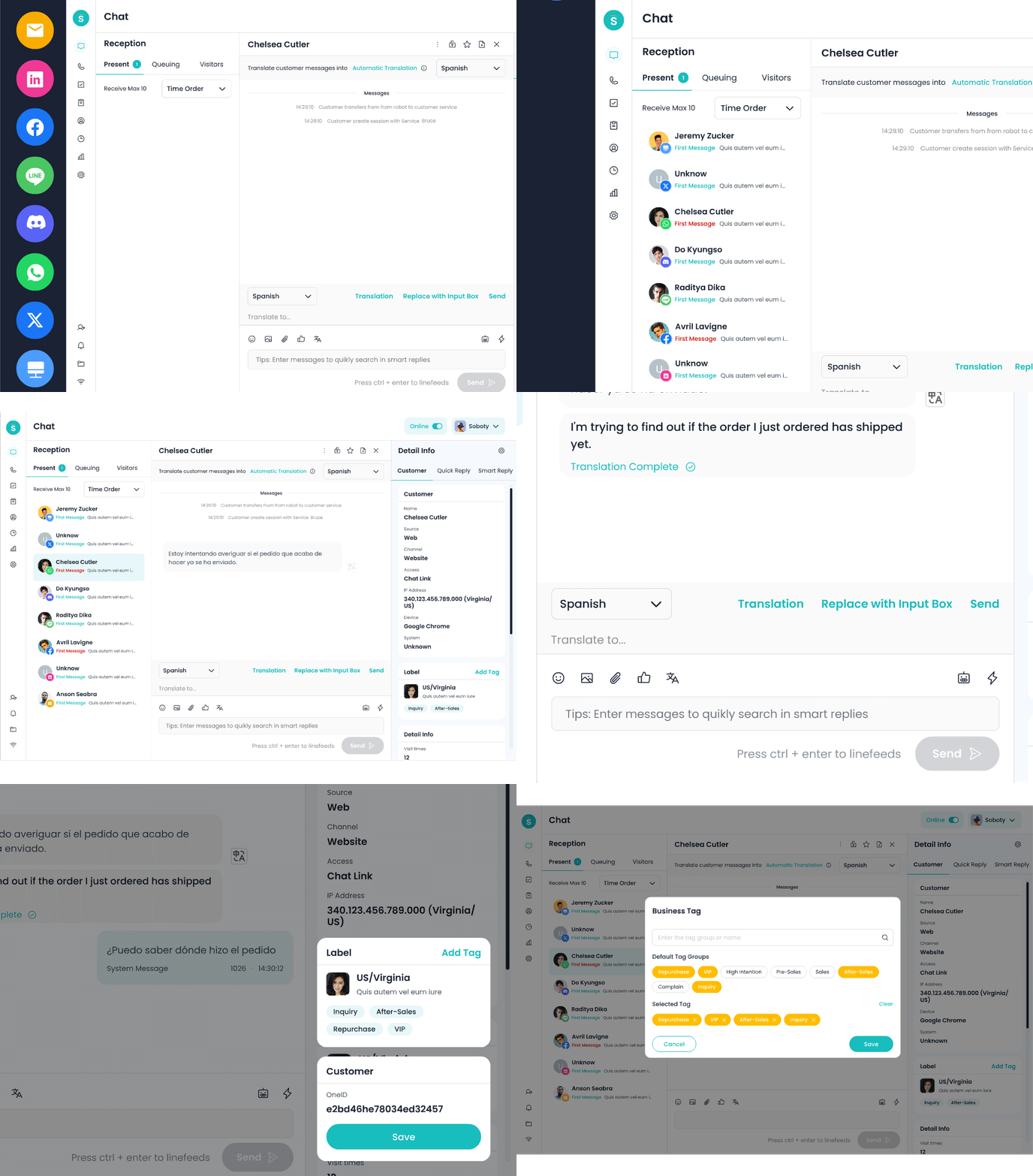
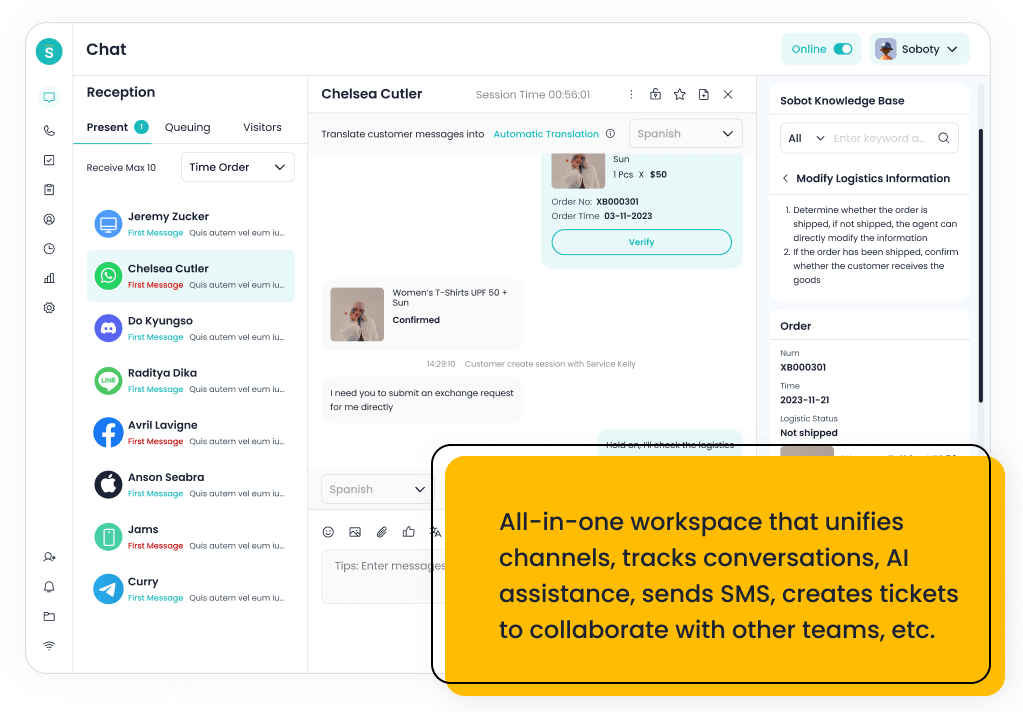
Sobot describes Sobot Nexus as centralizing conversations and customer context, with Copilot assistance for reply drafts, knowledge lookup, and summaries. These capabilities support continuity when a person needs to understand and continue an interaction.
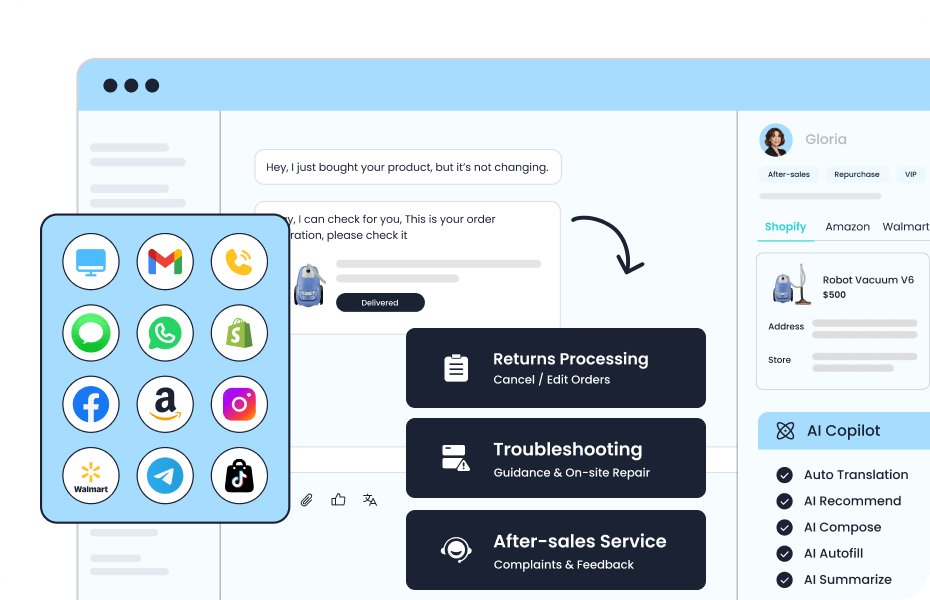
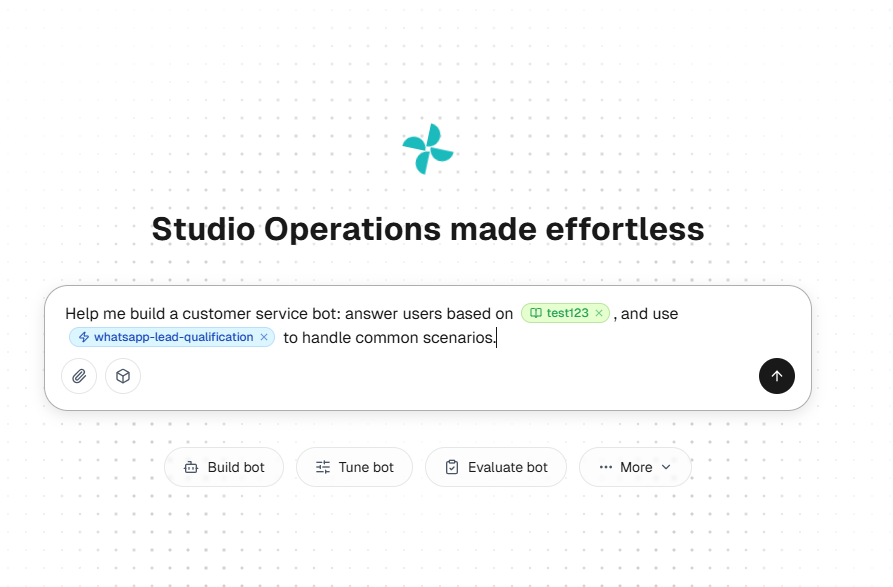
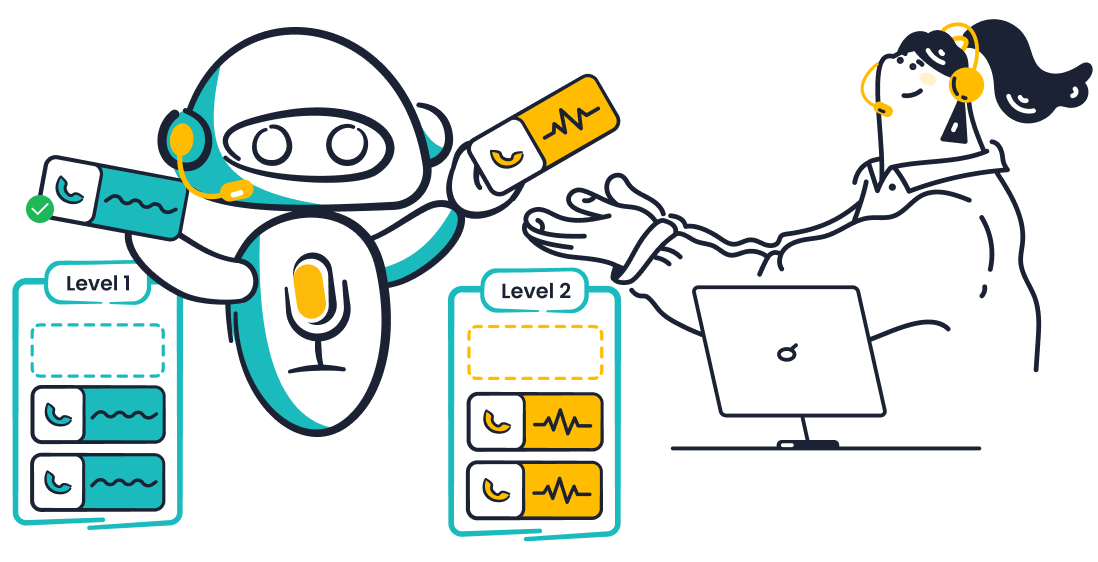
Sobot also describes Sobot AI Agents retrieving knowledge, taking actions through connected systems, and handing cases to people under configured conditions. Availability depends on the selected product, configuration, and agreed scope. Confirm authentication, permitted operations, and failure handling for each required system connection.
To discuss how these capabilities could fit your customer-care journey, request a Sobot demo.
FAQ
Does AI customer care always need predictive AI?
No. A stable event and a clear rule may be enough for a useful care message. AI can add value when the task involves interpreting varied questions, adapting guidance, or summarizing context. Choose it for that contribution, rather than assuming predictive models are required for every reminder or follow-up.
How is customer care outreach different from marketing?
The difference is the purpose of the message. Care outreach addresses a customer’s need, such as getting an interrupted service working again; marketing primarily promotes an offer. A message can mix both, but teams should make the purpose clear and respect applicable contact preferences instead of labeling every promotion as helpful care.
What if a customer does not reply to an AI care message?
Silence does not demonstrate resolution or satisfaction. Check the underlying task state before closing a case, limit repeated follow-ups, and retain an accountable person for unresolved commitments. A customer may have read the update without needing to answer, or may still need help through another channel. The response policy should allow for both.