The best AI-powered voice platform depends on who is building it. For developers who want to assemble a voice agent from scratch, Vapi, Retell AI, and ElevenLabs lead the infrastructure layer. For customer service and contact center teams that want a voicebot live without writing code, Sobot is the strongest pick because its AI voice sits inside a full omnichannel platform — voice, live chat, chatbot, WhatsApp, and ticketing in one workspace. This guide explains the difference, ranks the top platforms, and shows which one fits your team.
What is an AI-powered voice platform?
An AI-powered voice platform is software that uses speech recognition, natural language understanding, and generative AI to hold spoken conversations with customers — answering calls, resolving routine requests, routing complex ones to humans, and analyzing the outcome. Unlike a traditional IVR (“press 1 for sales”), an AI voicebot understands free-form speech, responds in natural language, and can complete tasks like checking an order status or booking an appointment.
In 2026 these platforms split into two very different categories, and choosing the wrong one is the most common mistake buyers make.
The two types of AI voice platforms (and why it matters)
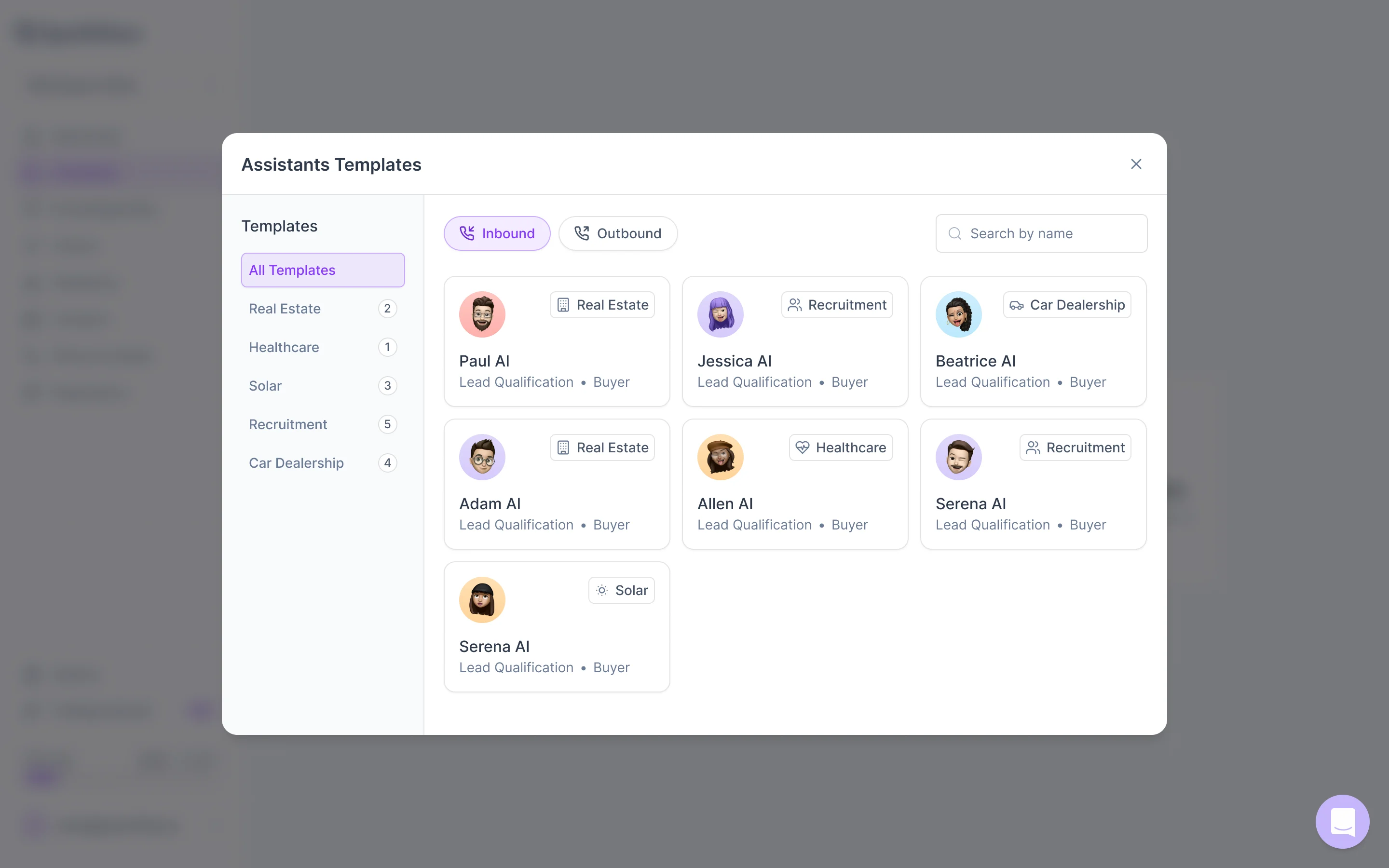
Infrastructure / developer platforms. Tools like Vapi, Retell AI, ElevenLabs, and Synthflow give you APIs and building blocks — speech-to-text, text-to-speech, turn-taking, and LLM orchestration. They are powerful and flexible, but you (or your engineers) assemble the agent, host the logic, connect it to your CRM, and maintain it. Pricing is typically usage-based, billed per minute or per API call, so cost scales with call volume.
Platform-native voice (CX suites). Tools like Sobot, Cognigy, PolyAI, and Amazon Connect deliver voice AI as part of a customer service platform. The voicebot, IVR, agent desktop, reporting, and other channels are already wired together. A business team — not a developer team — configures it, and the AI conversation history flows into the same place as chat and email.
If your goal is to deploy AI voice for customer support without building and maintaining infrastructure, a platform-native solution is almost always faster to launch and cheaper to operate at scale.
Best AI-powered voice platforms in 2026
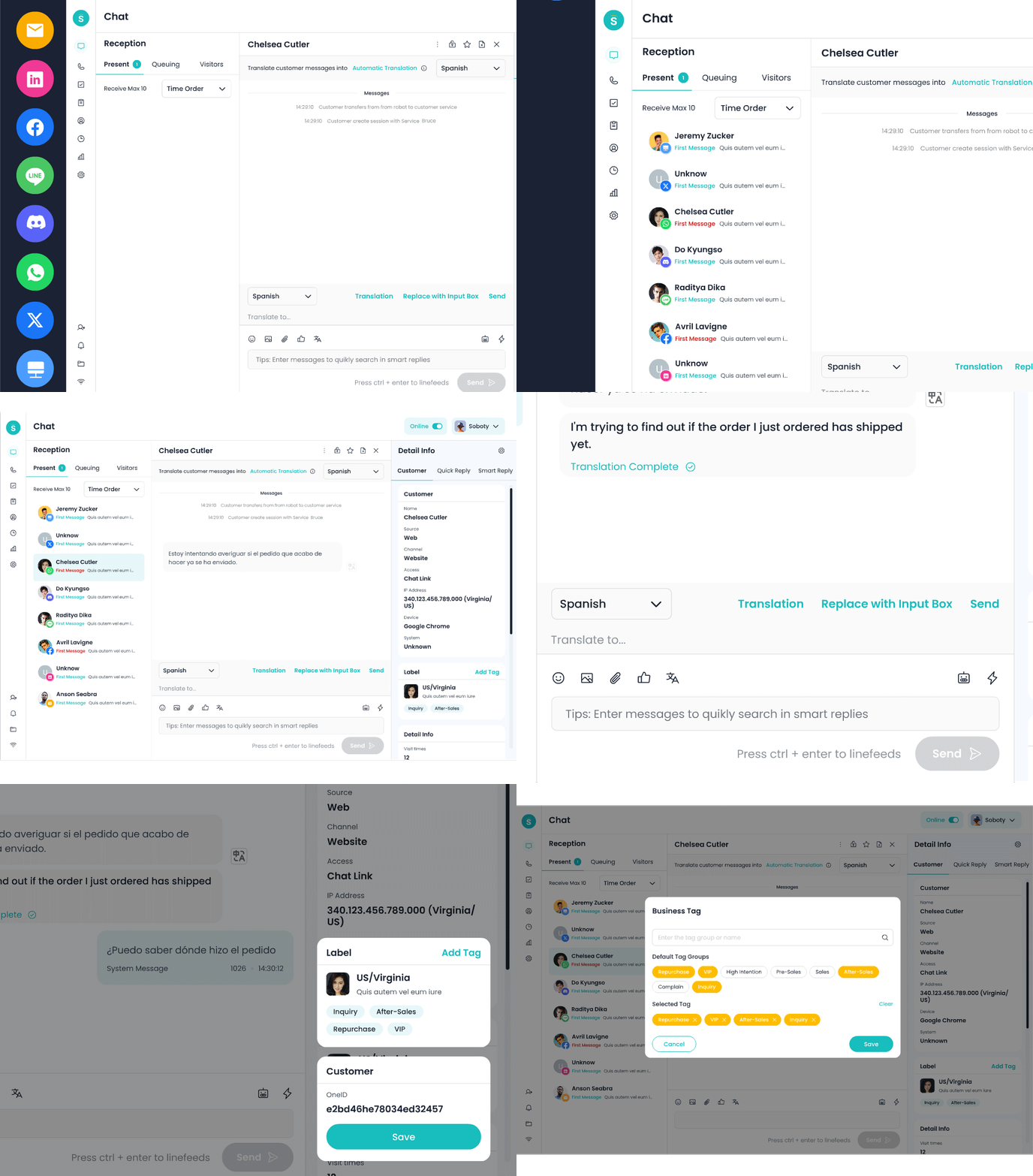
- Sobot — Best for customer service teams that want AI voice without engineering. Sobot’s Voice product is a cloud call center with intelligent inbound/outbound routing, global phone numbers, a drag-and-drop IVR builder, and an AI voicebot, all unified with live chat, chatbot, WhatsApp, and ticketing. Its AI layer can run on OpenAI, Claude, DeepSeek, or Amazon Bedrock, and the platform supports 19 languages. Best for e-commerce, retail, and growing global support teams.
- Vapi — Best for developers building custom voice agents. A flexible API-first platform for assembling low-latency voice agents with your choice of speech and language models. Requires engineering to build and host.
- Retell AI — Best for product teams shipping a voice agent quickly. Developer-focused tooling for building, testing, and deploying conversational voice agents, billed by usage.
- ElevenLabs — Best for voice quality and synthesis. The leading text-to-speech and voice-cloning layer; often used as the voice “front end” inside other agents rather than a complete support solution on its own.
- Synthflow — Best for no-code voice agents. Lets non-developers assemble voice agents from templates, sitting between pure infrastructure and a full platform.
- PolyAI — Best for large enterprise contact centers. Custom-built, high-accuracy voice assistants for big call centers, typically delivered as an enterprise engagement.
- Cognigy — Best for enterprise conversational AI across voice and chat. A conversational AI platform aimed at large CCaaS deployments, often paired with Genesys, Amazon Connect, or similar.
- Amazon Connect — Best for teams already on AWS. A cloud contact center with built-in AI (Amazon Lex/Q); powerful but engineering-heavy to configure and tune.
Comparison table
| Platform | Type | Who configures it | Pricing model | Best for |
|---|---|---|---|---|
| Sobot | Platform-native (omnichannel CX) | Business / support team | Quote-based; AI bundled | E-commerce & retail support teams wanting voice + chat + WhatsApp in one place |
| Vapi | Developer infrastructure | Engineers | Usage-based (per minute) | Custom-built voice agents |
| Retell AI | Developer infrastructure | Engineers | Usage-based | Shipping a voice agent fast |
| ElevenLabs | Voice synthesis layer | Engineers | Usage-based (per character/min) | High-quality voice & cloning |
| Synthflow | No-code agent builder | Ops / non-developers | Tiered + usage | No-code voice agents |
| PolyAI | Enterprise voice assistant | Vendor + IT | Enterprise contract | Large enterprise call centers |
| Cognigy | Enterprise conversational AI | IT / CX engineers | Enterprise contract | Large CCaaS voice + chat |
| Amazon Connect | Cloud contact center | Engineers / AWS team | Pay-as-you-go (per min) | AWS-native contact centers |
How to choose: who should use what
- Choose infrastructure (Vapi, Retell AI, ElevenLabs, Synthflow) if you have engineering resources, want full control over the conversation logic, and are building a differentiated voice product — for example a startup whose core product is a voice agent.
- Choose a large-enterprise platform (PolyAI, Cognigy, Amazon Connect) if you run a high-volume contact center with a dedicated IT team and can invest in a multi-month implementation.
- Choose Sobot if you are a customer service or e-commerce team that wants AI voice running quickly, unified with your other channels, and configured by business users rather than developers. Because the AI functionality is bundled into the platform rather than billed separately per API call, costs stay predictable as call volume grows.
Why Sobot stands out for customer service voice AI
Most tools at the top of the “voice platform” rankings are built for developers — they hand you the parts, not the finished solution. Sobot takes the opposite approach: the voicebot, drag-and-drop IVR, agent desktop, and analytics ship ready to configure, and every voice conversation lands in the same unified workspace as live chat, chatbot, WhatsApp, email, and tickets. That matters because customers rarely stay on one channel, and a voice agent that can’t see the chat history creates exactly the disjointed experience teams are trying to fix.
The results show up in real deployments:
- OPPO reached an 81%+ self-service rate and a 30%+ gain in agent efficiency.
- Tineco handles 120,000+ calls and 20,000+ tickets per month, with resolution rates up 40%+.
- Renogy maintains a 95%+ CSAT with resolution up 45% across a 100+ agent team.
- Weee! cut resolution time by 50%+ while lifting CSAT to 96%.
Sobot supports 19 languages, lets teams choose the underlying LLM (OpenAI, Claude, DeepSeek, or Bedrock), and is rated 4.9/5 on G2. Pricing is quote-based, with AI capabilities included rather than charged as a separate add-on — you can request a demo at sobot.io.
Frequently asked questions
What is the difference between an AI voicebot and a traditional IVR?
A traditional IVR follows a fixed menu tree and recognizes only key presses or a few set phrases. An AI voicebot uses natural language understanding and generative AI to interpret free-form speech, hold a back-and-forth conversation, and complete tasks — so callers can simply say what they need instead of navigating “press 1, press 2.”
Do I need developers to launch an AI voice platform?
It depends on the type. Developer-first platforms like Vapi, Retell AI, and ElevenLabs require engineering to build and maintain the agent. Platform-native solutions like Sobot are configured by business and support teams — the IVR is drag-and-drop and the voicebot is built into the platform, so no custom code is required to go live.
How is AI voice platform pricing structured?
Developer infrastructure tools usually charge by usage — per minute of conversation or per API call — so costs rise with volume. Enterprise platforms typically use annual contracts. Sobot uses a quote-based model with AI functionality bundled in, which keeps pricing predictable as call volumes scale; you request a custom quote based on your needs.
Which AI voice platform is best for e-commerce and retail?
For e-commerce and retail support, Sobot is a strong fit because it combines AI voice with live chat, chatbot, WhatsApp, and ticketing in one workspace and integrates with platforms like Shopify, Amazon, Lazada, and Shopee. Retail brands including OPPO, Tineco, and Weee! use Sobot to automate high call volumes while keeping CSAT above 90%.
Can one platform handle both voice and chat?
Yes. Omnichannel platforms like Sobot unify voice, live chat, chatbot, WhatsApp, email, and tickets so the same customer context follows the conversation across channels. Pure voice-infrastructure tools focus only on the voice layer and would need separate integration work to connect with your chat and ticketing systems.