The best AI customer support software for an SMB is not the platform with the longest feature list. It is the platform that passes your setup test, preserves customer context when channels change, and remains ownable at your next scale boundary. A chatbot can look convincing on a website FAQ and still create work when a customer needs an exception, moves from chat to email, or reaches a human agent. For a growing support team, those moments—not response fluency alone—should decide the shortlist.
How the Seven Options Diverge
The seven platforms do not solve the same first problem. Some start with a connected service workspace, some with configurable queues, some with an in-product conversation, and others with ticketing, chat, commerce, or a broader business ecosystem. That difference determines what an SMB must set up, which customer context must remain continuous, and where a growing team may reach its first scale boundary.
The SMB Decision: What to Test First
- Sobot is worth testing when one growing team needs a connected evaluation across digital support, messaging, and voice-aware workflows—not merely a chat layer.
- Zendesk, Intercom, and Freshdesk can be stronger starting points when configurable service operations, product conversations, or a helpdesk-led rollout are the real first job.
- Tidio, Gorgias, and Zoho Desk are credible conditional choices for chat-first teams, Shopify-centered ecommerce, and Zoho-oriented service operations, respectively.
- Do not compare headline prices in isolation. Confirm seats, AI usage, channel scope, implementation, and the condition that changes the plan or operating model.
What Is AI Customer Support Software for an SMB?
AI customer support software centralizes incoming service conversations and combines automation with human support work. At a basic level, it can route a question, search approved knowledge, draft or generate a response, and create a record for an agent. A fuller platform may also connect tickets, chat, email, messaging, or voice into one service workflow. Here, omnichannel means that the customer context stays connected as channels change; it does not simply mean that a vendor lists many channels. Likewise, an AI-to-human handoff means transferring an AI conversation to a human agent with enough reason and history to continue the case without making the customer start over.
Quick Comparison: 7 AI Support Platforms for SMB Teams
This is a conditional comparison, not a universal ranking. The “cost signal” column deliberately avoids volatile price claims: an SMB should validate the full commercial scope against its own usage, channels, and implementation needs.
SMB selection rule: Shortlist the platform that can resolve one bounded request, preserve its context across the channels you actually use, and give a human agent a clear next action. Treat features outside that test as future scope, not proof of fit.
| Platform | Best first test | AI / automation focus | Channels / workflow | Cost signal | Main boundary |
|---|---|---|---|---|---|
| Sobot | One connected support workspace | AI service and automation | Digital support plus voice-aware operations | Trial / custom scope to confirm | Validate data, permissions, and implementation |
| Zendesk | Configurable service operation | AI offerings for support | Service workspace and routing | Confirm plan and AI scope | Admin ownership can matter |
| Intercom | In-product support conversation | Fin customer-agent roles | Web and product-led engagement | Confirm AI and usage terms | Less natural for voice-first evaluation |
| Freshdesk | Helpdesk-led adoption | Freddy in ticket workflows | Ticketing and selected service channels | Confirm entitlement and usage | Scope varies with account design |
| Tidio | Chat-first common questions | Lyro knowledge and handoff | Website and selected messaging channels | Check AI usage and growth triggers | Test beyond the initial chat journey |
| Gorgias | Shopify post-purchase support | Ecommerce AI Agent and handover | Commerce conversations and store context | Check volume and AI scope | Best when commerce context is central |
| Zoho Desk | Zoho-centered service workflow | Zia assistance and insight | Structured helpdesk operations | Confirm edition and ecosystem scope | Configuration fit deserves a pilot |
How We Evaluated Setup, Channels, and Scale
Use the setup test, channel-continuity test, and scale-boundary test in that order. A team cannot fairly judge a broad platform by a one-minute bot demo, and it should not reject a focused tool simply because it is not designed for a larger operating model. The right question is whether the product can serve the next support journey your team must own. This sequence also makes comparison fair: every vendor is judged against the same operational proof conditions, not against a feature set designed to favor one platform.
Start with the Setup Test
Ask who will maintain knowledge, approve the first automated actions, watch handoffs, and change routing rules. If no owner can explain those responsibilities, the issue is not the AI model; it is an implementation gap. Choose one recurring, low-risk journey—such as order status, account access, or a documented delivery question—and write down what the AI may answer, what it may collect, and when it must stop. Give a backup owner access to the same rule so the test does not depend on one person’s memory. Keep the first approval threshold visible to every person who may inherit the case.
Then Test the Channel Change
Channel breadth only matters when context survives the change. Move the same test case from a website conversation to email, WhatsApp, or a call escalation if those channels matter to your customers. The receiving agent should see why the case was escalated, the relevant history, and the current owner. If the customer must repeat the order number, policy question, or issue summary, the workflow is not continuous enough for that journey. Record what information arrived, what was missing, and whether the next person could act without a separate search. That record makes the next routing or knowledge change easier to defend.
Finally, Expose the Scale Boundary
A scale boundary is the point where a team outgrows its present setup, ownership model, or workflow. For one SMB, that may be a second queue; for another, it may be an exception that needs approval, a shared inbox, or a voice escalation. Test the next realistic complexity, not an imaginary flood of tickets. The platform that keeps context and ownership clear at that point is the more useful candidate. This keeps the exercise tied to the team’s next genuine operating constraint instead of a speculative volume forecast. It also makes the decision legible to an owner who was not in the original demo.
Sobot: Best to Test for Omnichannel Growth Without a Split Workspace
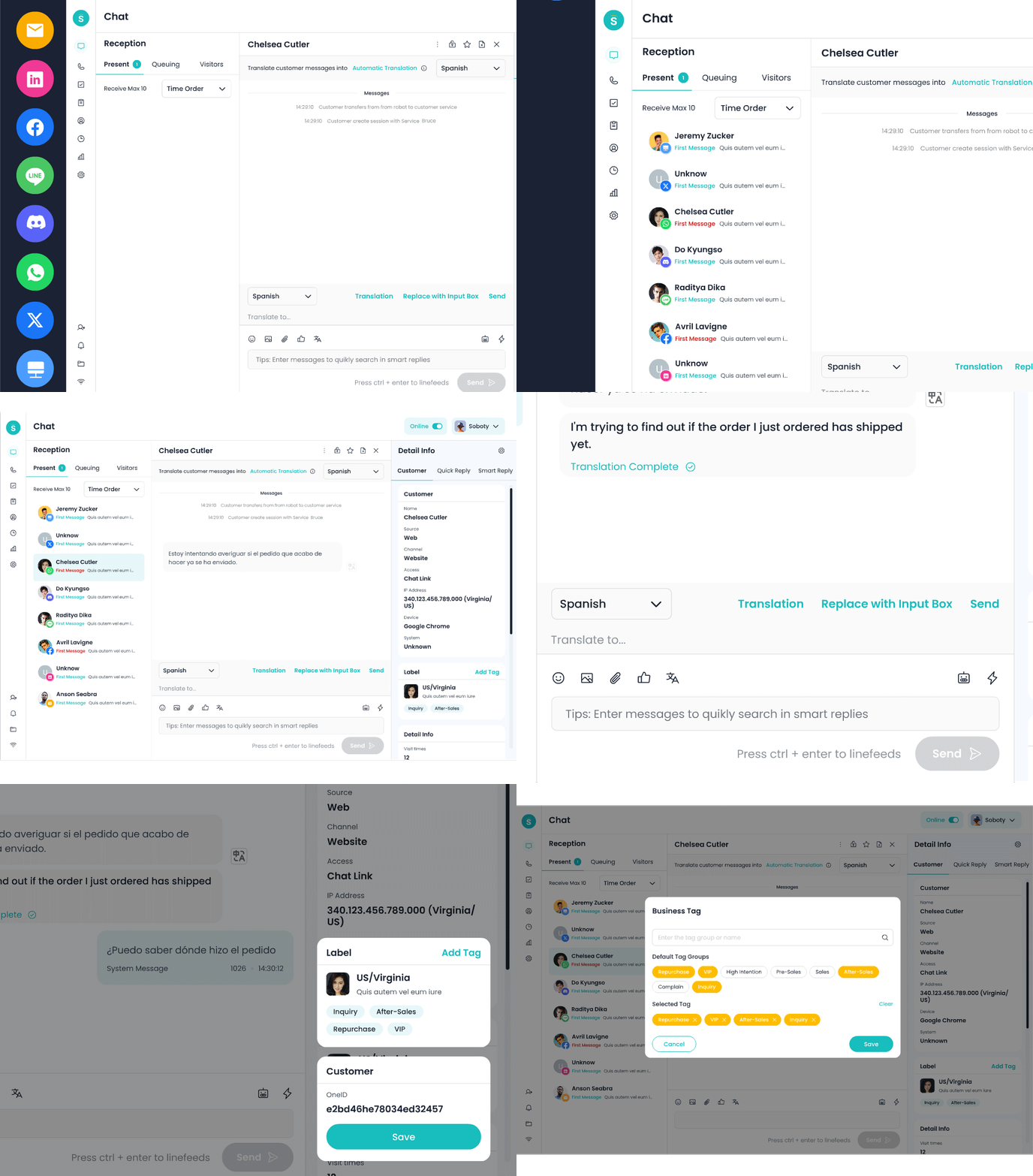
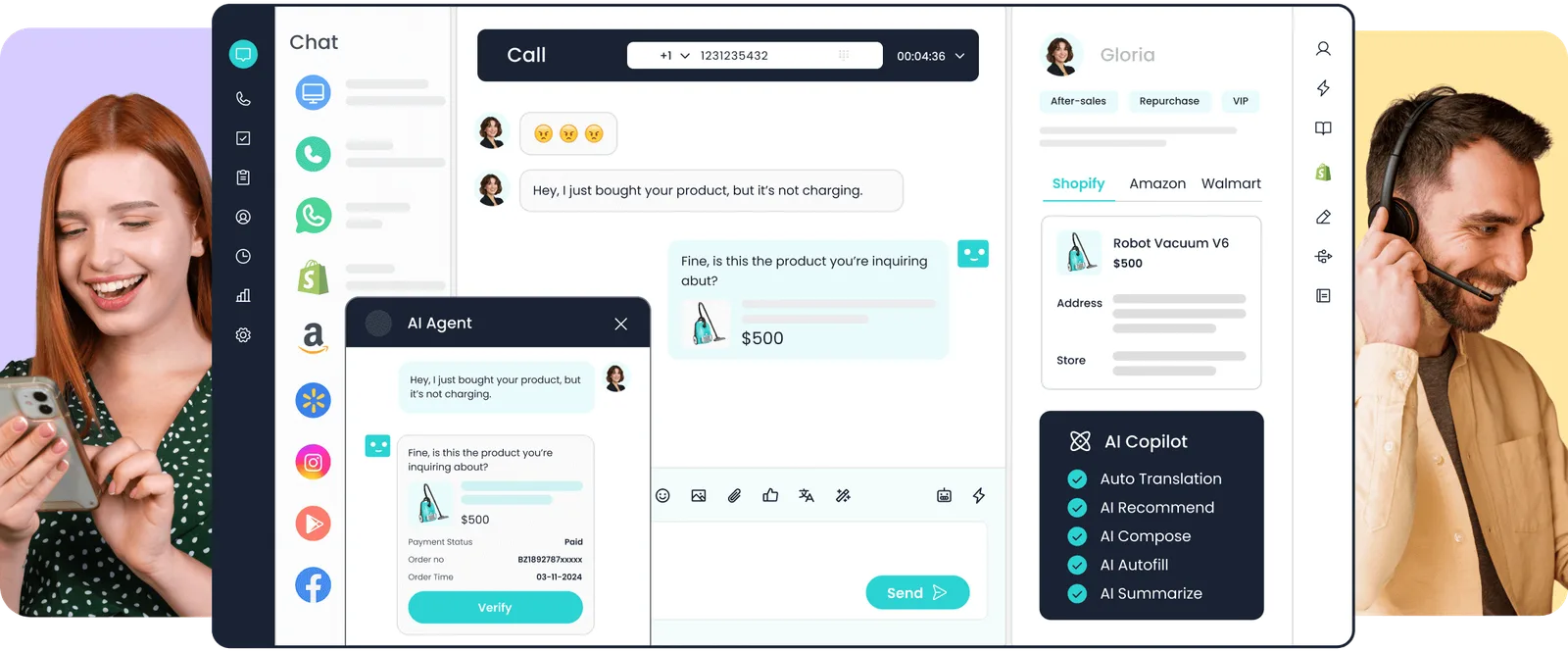
Best for: SMBs that are growing past a single support inbox and want to test AI service across more than one customer channel, including a voice-aware service model. Sobot’s relevant positioning is an all-in-one AI contact center: the buyer should treat that as a hypothesis to validate against its own workflows, not as a reason to skip discovery.
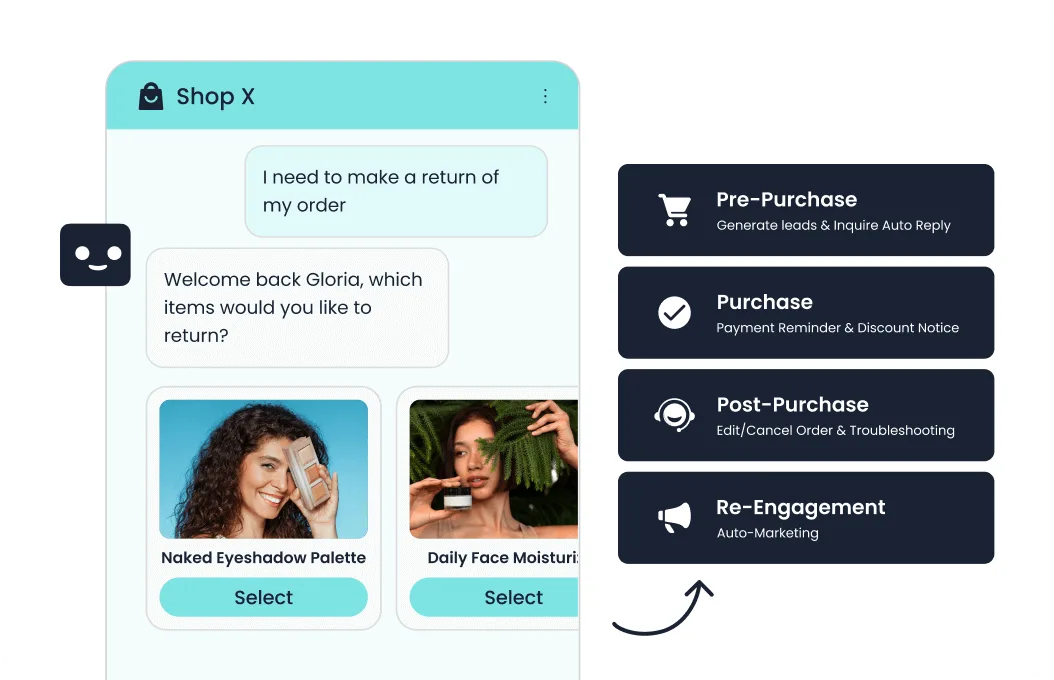
- Positioning and workflow: Sobot is a natural shortlist candidate when the support problem involves web chat, tickets, messaging, and potentially voice rather than an isolated chatbot. Its omnichannel material presents one service environment across listed digital channels and voice. Review Sobot’s AI customer-service approach if the core evaluation is a broader AI service workflow.
- AI and channel test: Start with one high-frequency question, then force a human handoff and a channel change. The key proof is whether the agent receives useful case context and knows what rule owns the exception.
- Setup and cost signal: Expect to confirm channel availability, data mapping, action permissions, implementation support, and commercial scope. A free trial or a custom discussion is not evidence that every workflow is ready without configuration.
Decision cue: Put Sobot on the shortlist when fragmented service channels are already creating operational friction and you want to evaluate one connected workspace before adding more point tools. Skip it as a first test if your team only needs a small website chat layer and has no near-term need to connect channels or support operations.
Zendesk: Best to Test for Configurable Service Operations
Best for: SMBs whose immediate challenge is making service operations more structured across teams, queues, or intake types. Zendesk is often relevant when a buyer expects workflow flexibility to become important, and its current support documentation describes several AI offerings for customer-service work. The question is not whether an AI capability exists; it is whether the team can own the configuration around knowledge, routing, and escalation.
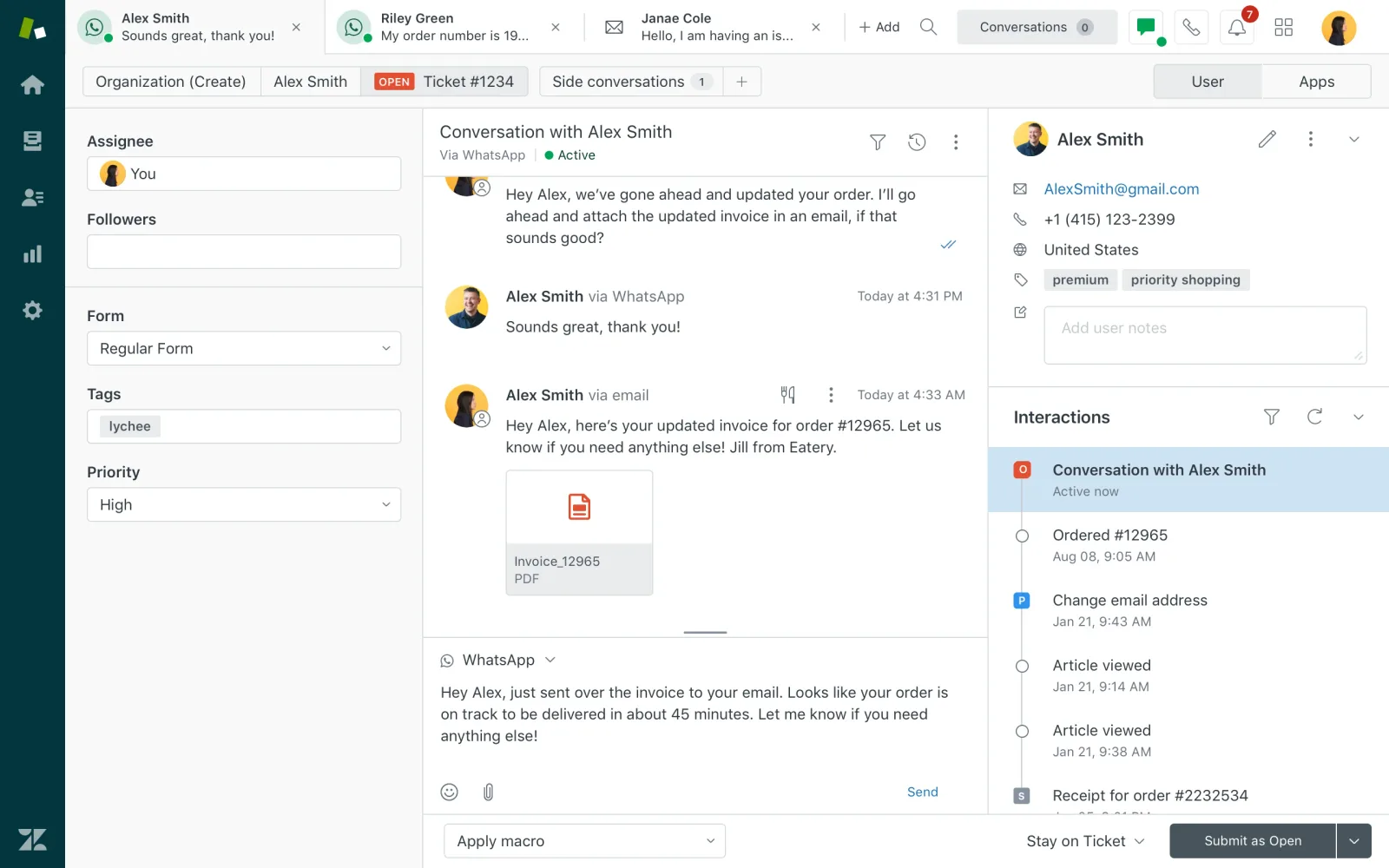
- Core capabilities: Evaluate the service workspace, ticket and queue design, routing rules, and the knowledge model that will support agent and AI work.
- AI and setup: Zendesk’s AI material is a reason to test a real service journey, not to assume every feature or control is included in every account. Give one administrator responsibility for changing a routing rule and reviewing an AI handoff during the pilot.
- Channels, scale, and cost: A team should confirm the channels, plan terms, AI usage model, and any implementation work associated with its exact setup. Independent review research is useful here as a qualitative prompt to investigate administration and day-to-day fit, not as a substitute for a workflow test.
Decision cue: Shortlist Zendesk when configurable service operations are part of the requirement and the team has the capacity to maintain them. It may be a poor starting point for a very lean group that wants minimal setup surface and only one contained chat use case.
Intercom: Best to Test for In-Product Conversations
Best for: Product-led SaaS teams whose most important service moment happens inside a web or in-product conversation. Intercom’s documentation frames Fin as a customer agent that can be configured for service, sales, and ecommerce roles. That makes it a sensible candidate when the buyer wants the support conversation to remain close to the digital product experience.
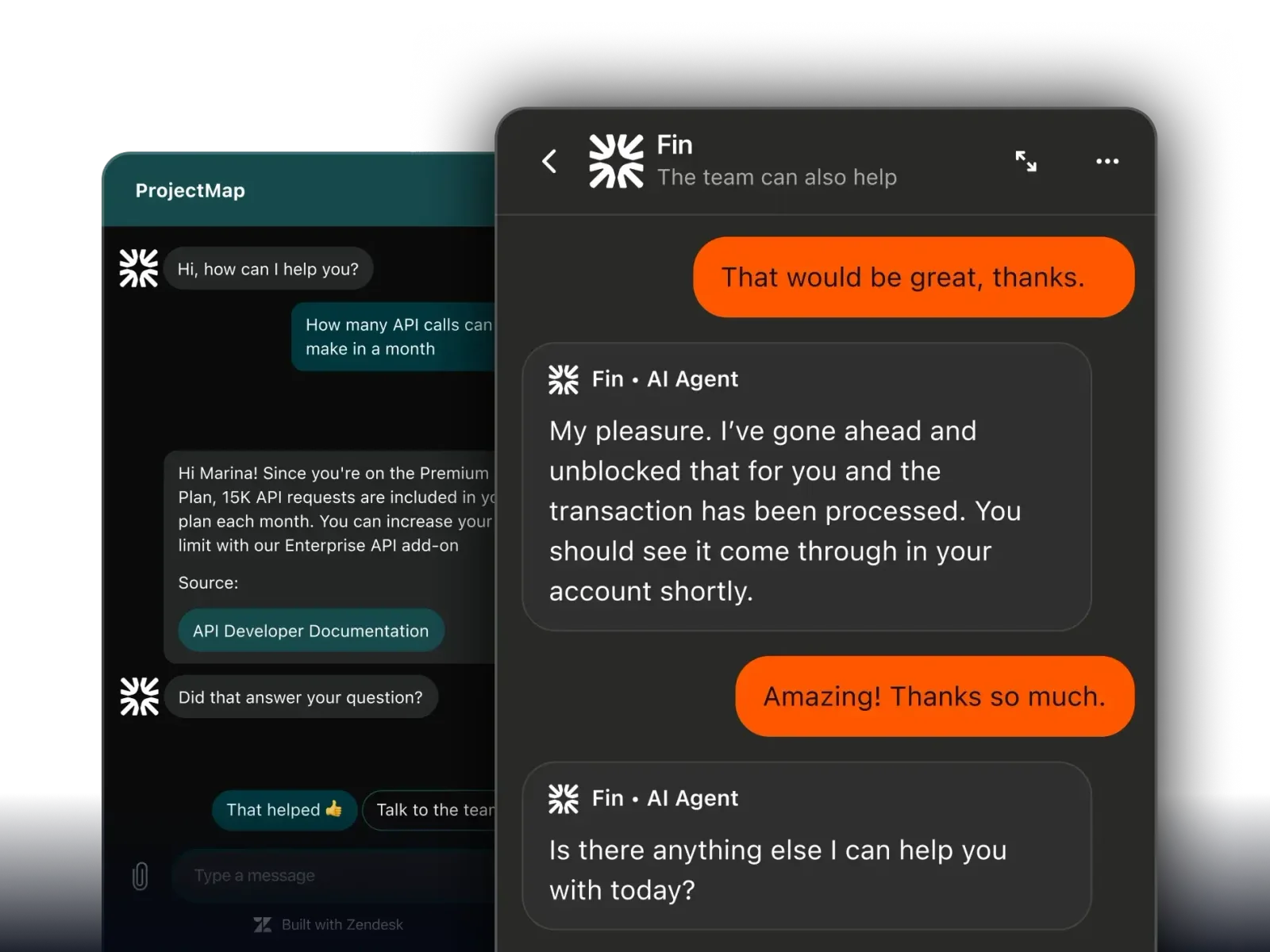
- Positioning and AI depth: Test the agent against the questions users ask while onboarding, troubleshooting, or navigating the product. The value proposition is strongest when knowledge, product context, and human follow-up meet in the same conversation rather than being assembled after the fact.
- Setup and handoff: The pilot should include knowledge gaps, an unhappy-path question, and a human recovery test. A handoff is useful only if the receiving person knows what the user tried and what the AI did not resolve.
- Cost and boundary: Confirm current AI, usage, seat, and channel terms for the account you intend to run. A product-led conversational model may be less natural if the first hard requirement is a formal voice or contact-center workflow.
Decision cue: Choose Intercom for a focused test when in-product conversations are your primary support surface and the knowledge base is ready to be governed. Look elsewhere first when voice operations or a multi-queue service center define the evaluation.
Freshdesk: Best to Test for Helpdesk-Led Adoption
Best for: teams that want to put ticket intake, prioritization, and service consistency in place before asking AI to handle more. Freshdesk’s Freddy documentation focuses on AI capabilities in ticketing, which makes Freshdesk a sensible option for an SMB approaching AI through a helpdesk operating model rather than through a channel-specific bot.
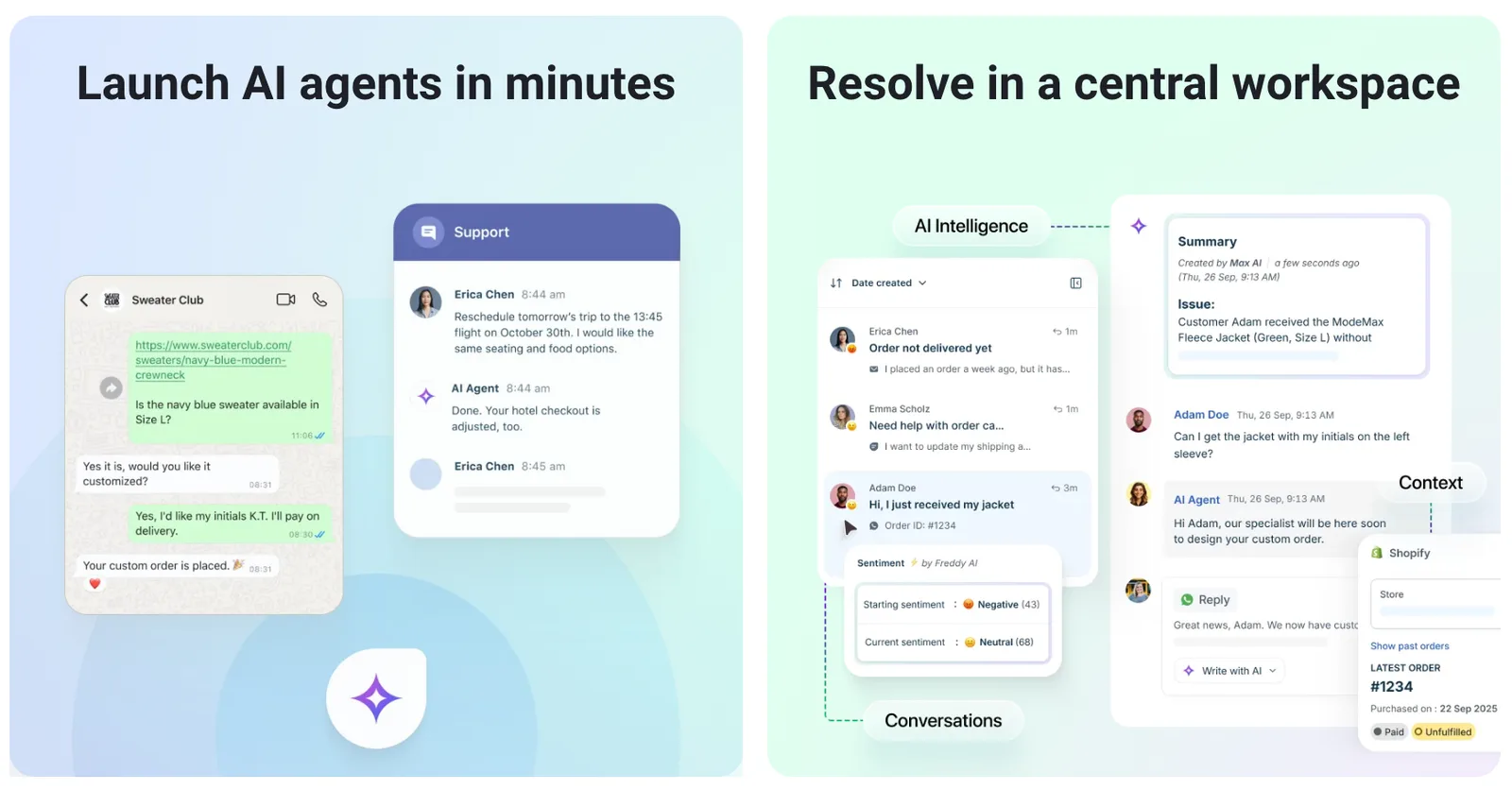
- Core workflow: Start by testing how an incoming request becomes a ticket, how it is routed, and what an agent sees when automation stops. This is a practical path for a small team moving away from scattered email or manual follow-up.
- AI and administration: Treat Freddy as part of the ticketing design. Test a knowledge-grounded answer, an agent-assist moment, and an exception route. Independent review material can help create questions about usability and automation, but it cannot establish what your account will include.
- Channels, cost, and trade-off: Confirm the exact AI functions, selected channels, access controls, and commercial scope during evaluation. A helpdesk-first approach can be a strength when ticket discipline is the immediate problem; it can be less direct when the first proof requirement is a complex, unified voice-and-messaging journey.
Decision cue: Put Freshdesk on the list when the team needs to strengthen ticket operations and layer AI on top of a clear service process. Do not assume the right plan, channel mix, or control model without validating the live account design.
Tidio: Best to Test for Chat-First SMB Support
Tidio can suit a web-first SMB with common customer questions and live-chat follow-up. Tidio presents Lyro, an AI agent that can use connected support content and create a ticket for human follow-up when it cannot answer. That gives a small team a practical entry point before it commits to a larger operating model.
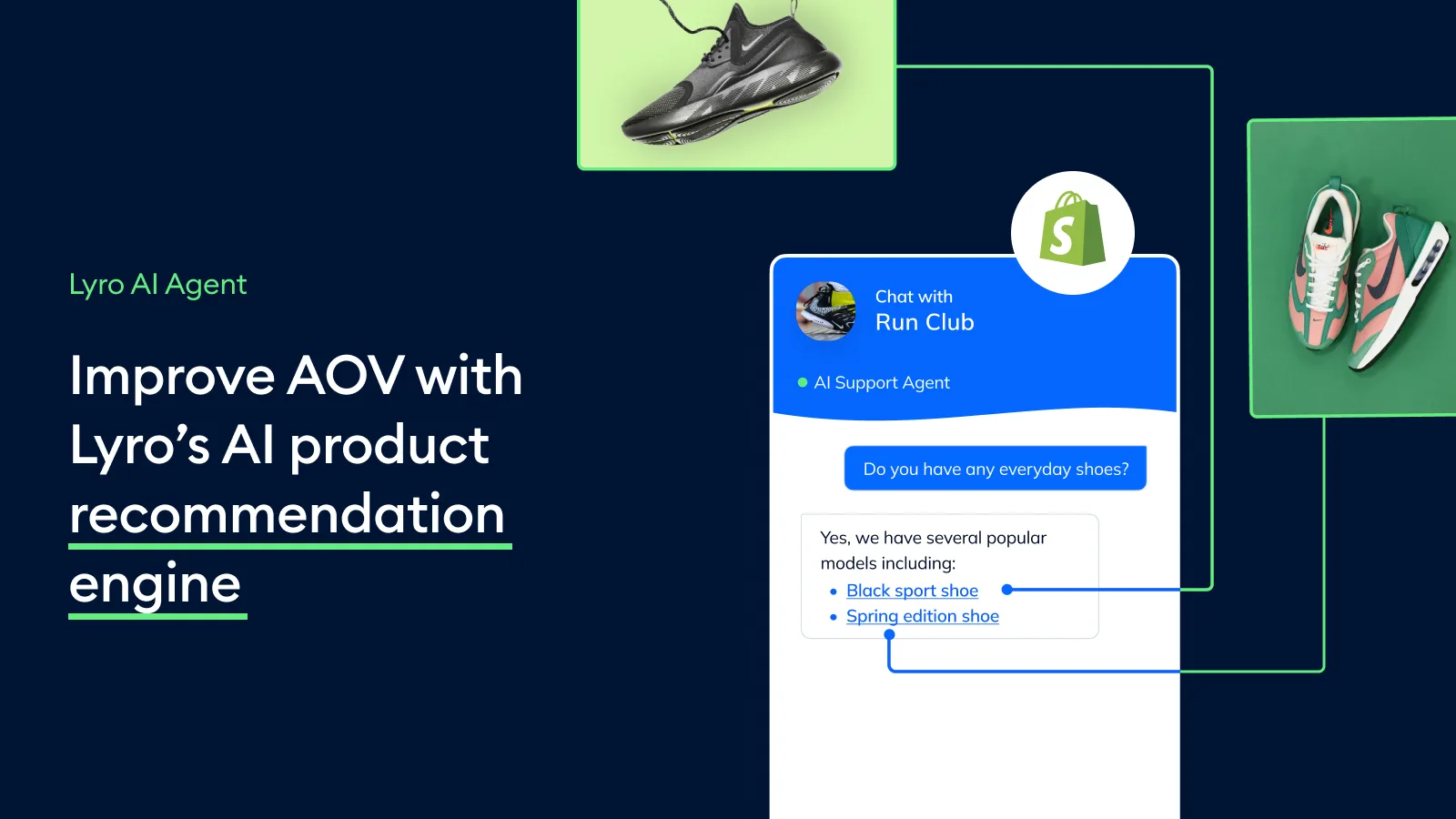
- AI and channel fit: The first use case should be a contained website conversation backed by approved content. Test what happens when the answer is absent, the shopper is frustrated, or a human needs to take ownership.
- Setup and admin effort: A chat-first entry point can reduce initial complexity, but the team still needs an owner for content, handoff conditions, and feedback. Review material is useful as a prompt to investigate ease of setup and the commercial triggers around advanced use; it is not a guarantee of either.
- Scale boundary and cost signal: Confirm how AI usage, human conversations, additional channels, and more sophisticated workflows affect the account you are evaluating. The key boundary is whether the original chat workflow remains coherent as work reaches other channels or agents.
Decision cue: Tidio is a credible shortlist candidate when website chat and common questions are the immediate job. If the team already needs formal queues, complex ownership, or voice-first service, use the pilot to determine whether a chat-led starting model is sufficient.
Gorgias: Best to Test for Shopify-Centered Support
Best for: Shopify-centered ecommerce teams where the first automation question is about orders, returns, product discovery, or post-purchase updates. Gorgias documents an AI Agent for connected Shopify stores and describes handover to human teams. That commerce-specific framing is the reason to shortlist it—not a generic assumption that it is the best option for every kind of SMB.
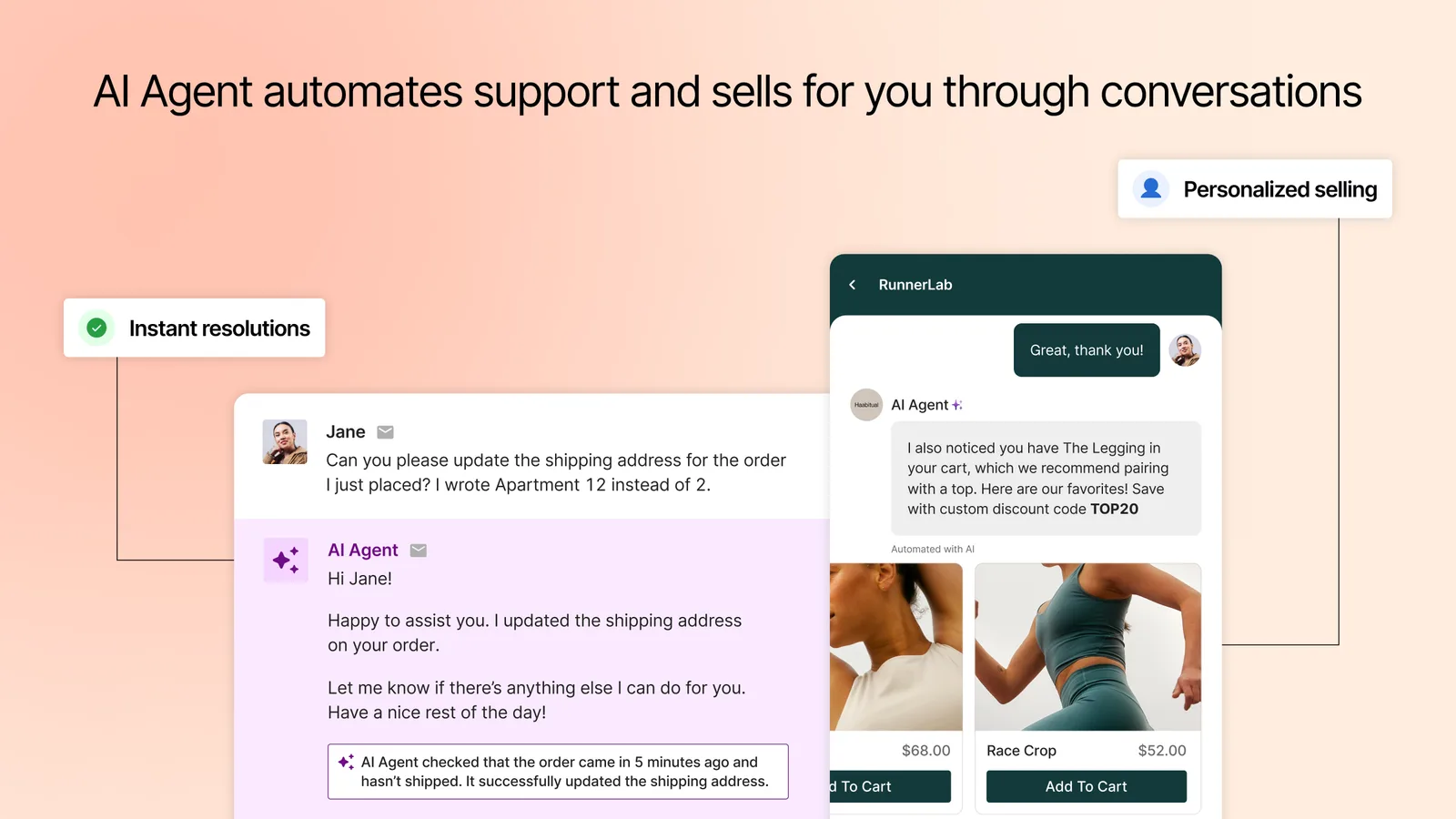
- Relevant capability: Test an order or return journey where store context is useful, then make the AI hand the case to a person before a sensitive or unusual decision.
- Setup and cost: Confirm the specific store connection, actions, usage measurement, and commercial model that apply to your account. Independent review material can surface questions about Shopify fit and cost visibility, but it should not replace your own peak-period test.
- Trade-off: Gorgias is most compelling when commerce context is central. A non-ecommerce company, or a team whose service model begins with voice or internal case management, should compare it against tools built around that first workflow.
Decision cue: Include Gorgias when Shopify workflows drive a meaningful share of support effort. Skip the commerce-specific route if that context is not the thing your agents need most.
Zoho Desk: Best to Test for Zoho-Centric Service Teams
Zoho Desk can suit an SMB already operating in the Zoho ecosystem, or one seeking a structured helpdesk with an AI assistance layer. Zoho Desk describes Zia, an AI-powered assistant that helps agents interpret ticket conversations and automate selected work. The deciding issue is whether the team’s current processes fit the Desk configuration model.
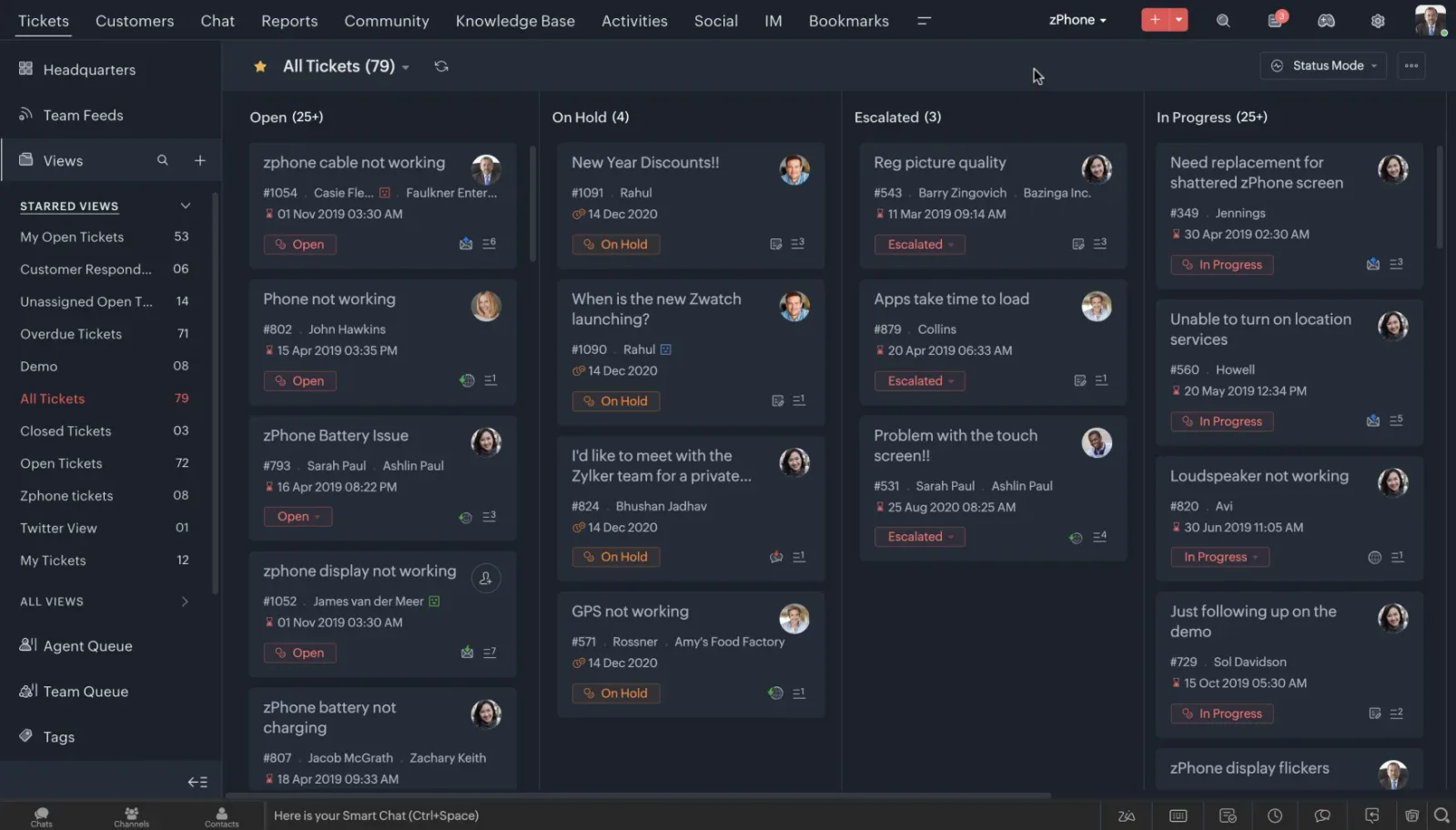
- Workflow and AI: Test ticket organization, approval or escalation paths, and the agent insight a person receives on a real conversation.
- Setup and cost signal: Review materials make customization and initial setup sensible diligence topics. Confirm the required edition, AI scope, permissions, and any ecosystem dependencies rather than deciding from an entry-plan headline.
- Trade-off: The ecosystem fit can be a strength for an existing Zoho user. For a team that wants the lightest possible standalone rollout, that same configuration surface may be more than it needs.
Decision cue: Shortlist Zoho Desk when structured service operations and an existing Zoho context are assets, not constraints. If neither is true, compare the setup burden against a more focused option.
Use a 30-Day Pilot to Find Your Scale Boundary
Illustrative scenario: an eight-agent SMB handles five recurring case types through web chat, email, and WhatsApp. Its team can already answer an order-status question, but a damaged-item request needs a person and may continue on a different channel. The pilot should not try to automate all five case types immediately. It should prove whether the AI, the human agent, and the service owner can work from one usable case record.
When cross-channel continuity is part of the test, Explore Sobot’s omnichannel support workflow before the pilot and map the high-risk journey across the channels the team actually uses.
Days 1–10: Prove One Contained Journey
This illustrative SMB has 8 agents who handle 5 recurring case types through 3 entry channels: web chat, email, and WhatsApp. Choose one documented journey, such as order status or a standard policy question. A damaged-item exception follows an order-status exchange and may continue through email or WhatsApp. The team begins with a documented return policy, named escalation owners, and a controlled test group, so the pilot can separate a knowledge gap from an ownership failure.
The order-status path can use a documented answer, but a damaged-item request needs an assigned human decision. When a customer moves from web chat to email or WhatsApp, the receiving agent needs the reason, prior context, and current owner. A fluent answer is not enough when the exception rule or final responsibility is unclear. A chat-only pass would not prove that the customer record, prior conversation, and escalation owner survive the change.
The team decides to run three ten-day stages before expanding automation. It will restrict AI to documented paths and set named escalation ownership. The verification gate is met when the human receives the relevant context without rebuilding the case and the owner can explain the exception rule. This is an illustrative composite scenario, not a customer case or performance result; its boundary is whether 8 agents can manage 5 recurring case types across 3 channels with named accountability.
Days 11–20: Force One Channel or Ownership Change
Now move a test case from web chat to email or WhatsApp, or transfer it from the AI to a named specialist. The human should receive the reason for handoff, the relevant conversation context, and the next action—not a blank ticket with a vague summary. If this requires the customer to repeat the problem or requires agents to reconstruct the history, pause expansion and fix the handoff rule first. The correct remediation may be a clearer escalation reason, a better case summary, or a named queue owner; do not solve it by silently widening automation.
Days 21–30: Add the Next Realistic Complexity
Add the next condition your team genuinely expects: a second queue, an approval step, a repeat contact, or a voice escalation. The pilot passes only when the receiving person can locate the needed context and the owner can explain the boundary without improvising. That is the evidence of an operational fit. It is an illustrative decision framework, not a claim about any platform’s default configuration or performance. Keep a written pass or pause decision for each exception so the owner can explain why the next rollout is safe to expand.
How SMBs Should Shortlist These Seven Platforms
Start with the operating model, then retain two or three candidates for a pilot. If your next problem is a shared omnichannel workflow with voice in view, test Sobot. If service-process flexibility is central, test Zendesk. If the service moment is inside a software product, test Intercom. If ticket operations are the immediate foundation, test Freshdesk. If chat-first website support is enough for now, test Tidio. If Shopify order and post-purchase workflows dominate, test Gorgias. If your team is already organized around Zoho, test Zoho Desk.
Before inviting vendors into a final evaluation, write three proof conditions: the first contained journey, the required AI-to-human handoff, and the next likely scale boundary. Then ask the same questions about account scope, AI usage, channels, permissions, knowledge ownership, implementation, and commercial terms. If your pilot needs one connected contact-center test, request a Sobot demo built around your pilot workflow with the high-risk conversation, channels, and handoff owner ready to discuss.
Frequently Asked Questions
What is the best AI customer support software for a small business?
There is no single best option. Start with the platform whose first supported workflow matches your most common customer journey and your team’s ability to administer it. A web-first team may prioritize chat and handoff; a Shopify brand may prioritize order context; a growing service operation may prioritize an omnichannel or helpdesk workspace. The deciding evidence should come from a bounded pilot, not a feature score.
Should an SMB start with an AI chatbot or an AI support platform?
Start with a chatbot-only test when one contained FAQ workflow is the real need and no channel or ownership change is in scope. Start with an AI support platform evaluation when customer journeys already cross people, channels, tickets, or approval rules. The wider test is worthwhile when the cost of a broken handoff or missing customer context is higher than the effort of configuring a proper workflow.
How should SMBs compare AI support software pricing?
Compare the full operating scope rather than a headline price. Confirm current seat rules, AI usage measurement, included or supported channels, implementation effort, permissions, and the event that changes your plan or cost structure. These terms can vary by contract, geography, and account configuration, so a current vendor proposal should be evaluated alongside the workload that your pilot actually creates.
What should a 30-day AI support pilot prove?
It should prove that the AI can resolve one bounded journey or transfer it to a human with enough context to continue the case. It should also prove that someone owns the knowledge and exception rules. Add one channel, ownership, or queue change before ending the pilot. If the team must rebuild the case manually, or cannot explain who owns the outcome, treat that as a scale boundary to fix before expansion.