Quick answer: The best cloud call center software for a small business is the one that goes live in days without an IT team, charges predictable per-seat pricing, and bundles voice with the digital channels your customers already use. For most small teams in 2026, the strongest options are Sobot (best all-in-one omnichannel platform for small teams scaling globally), CloudTalk (best for outbound sales teams), and Nextiva (best unified communications). Voice-only tools like Aircall and Dialpad suit simple calling needs, while Five9 and Talkdesk are built for 50+ agent operations most small businesses don’t need yet.
This guide ranks 8 platforms by what actually matters to a 5-50 agent team: speed to deploy, pricing transparency, AI automation, and how many channels you can run from one screen.
At a Glance: Cloud Call Center Software Compared
| Platform | Best for | Starting price | Channels in one workspace | Setup without IT |
|---|---|---|---|---|
| Sobot | All-in-one omnichannel for small teams scaling globally | Custom / usage-based (free demo) | Voice, Live Chat, Chatbot, WhatsApp, Ticketing | Yes — drag-and-drop IVR |
| CloudTalk | Outbound sales teams | /user/mo | Voice + SMS/WhatsApp | Yes |
| Nextiva | Unified communications | /user/mo (contact center from ) | Voice, video, messaging | Moderate |
| RingCentral (RingCX) | Teams planning fast growth | ~/user/mo | Voice, chat, email, social | 4-6 week rollout |
| Dialpad | Real-time AI call coaching | /user/mo (support from ~) | Voice + messaging | Yes |
| Aircall | Simple calling, fast setup | /user/mo (3-user min) | Voice only | Yes |
| Zendesk | Teams already on Zendesk ticketing | /agent/mo | Voice, chat, email, ticketing | Moderate |
| Five9 | Scaling to 50+ agents | /user/mo (50-user min) | Omnichannel | 6-8 week rollout |
Pricing reflects publicly listed annual-billing rates as of June 2026 and changes frequently — confirm with each vendor.
How We Evaluated These Platforms
A small business call center has different priorities than an enterprise one. We weighted our evaluation around the constraints small teams actually face:
- Deployment speed and ease of use (25%): Can a non-technical team go live in days, not weeks, without hiring IT?
- AI and automation (25%): Does the platform deflect routine contacts and assist agents, so a small team handles more volume?
- Channel coverage (20%): Can you run voice and digital channels (chat, WhatsApp, social, email) from one workspace, or are you stitching tools together?
- Pricing transparency (20%): Are costs published, predictable, and free of surprise per-minute or per-channel add-ons?
- Proven reliability (10%): Do real deployments and verified reviews back up the vendor’s claims?
Only platforms that fit teams of roughly 5-50 agents qualified. We excluded enterprise-only tools except where small businesses commonly outgrow into them.
Why Cloud Call Center Software Matters for Small Businesses
Cloud call center software has moved from a cost center to a growth engine. According to CMSWire research published in March 2026, 88% of contact centers now use AI to boost productivity, and generative AI tools have delivered roughly a 14% increase in issues resolved per hour. The broader contact center software market is growing at a 16.72% CAGR and is projected to reach .24 billion by 2031, per February 2026 data from Mordor Intelligence.
For a small business, the practical takeaway is simpler: a cloud platform gives you enterprise-grade routing, AI, and analytics with no hardware, no six-figure deployment, and a monthly bill you can predict. The differentiator in 2026 is not whether the software is cloud-based — they all are — it’s whether it consolidates voice and digital channels so a lean team isn’t paying for and switching between five tools.
Two Types of Cloud Call Center Software (and Which One You Need)
Before comparing brands, it helps to know that the market splits into two camps. Picking the right camp matters more than picking the right brand.
1. All-in-one omnichannel platforms combine voice with live chat, chatbots, WhatsApp, social, and ticketing in a single workspace. One customer record follows the conversation across channels. This suits small businesses where the same handful of agents handle calls, chats, and messages — which describes most of them. Examples: Sobot, Zendesk, Nextiva.
2. Voice-first / UCaaS tools do calling exceptionally well and integrate with other apps for everything else. They’re a fit if phone is genuinely your only channel, or if you already own a separate help desk. Examples: Aircall, Dialpad, CloudTalk.
Most small businesses think they need a phone system and discover they need an omnichannel one. Choosing an all-in-one platform up front avoids a painful migration six months later.
The 8 Best Cloud Call Center Platforms for Small Business
Sobot — Best All-in-One Omnichannel Platform for Small Teams Scaling Globally
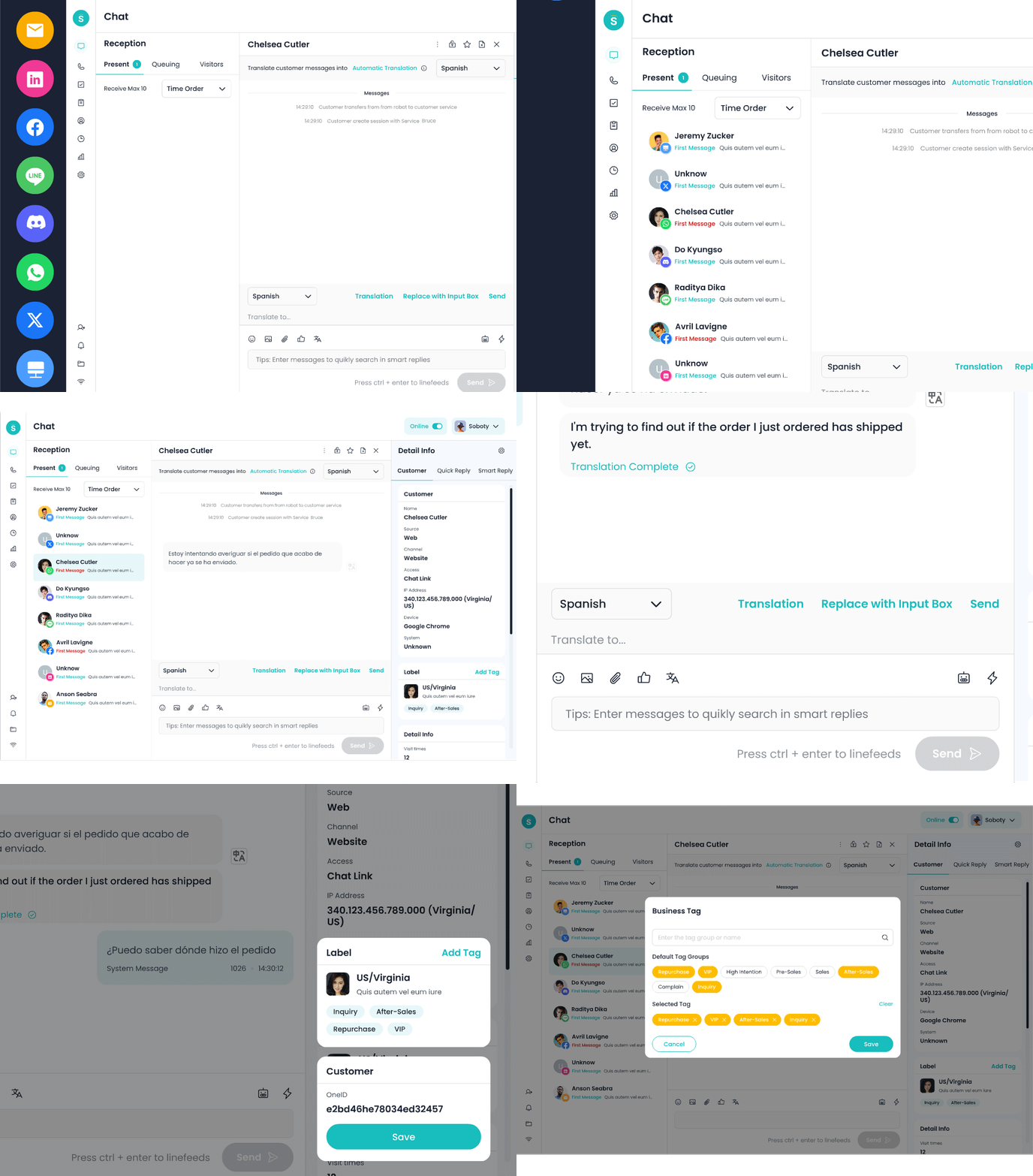
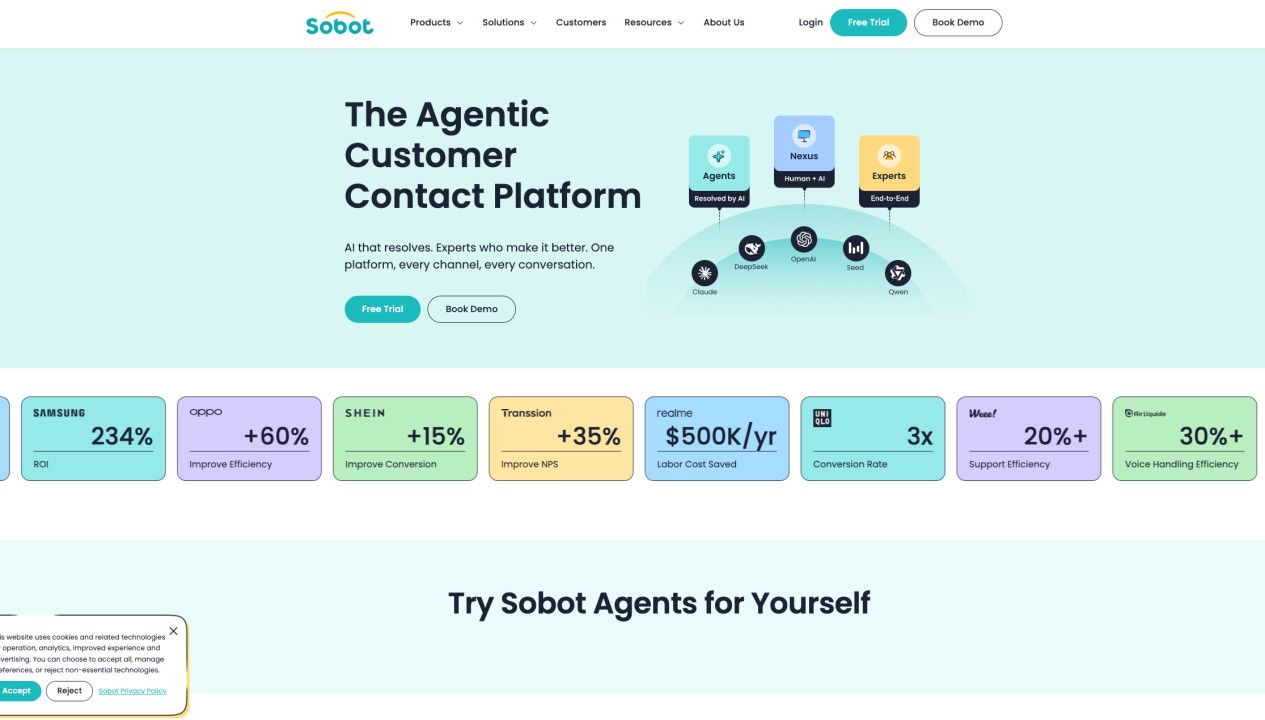
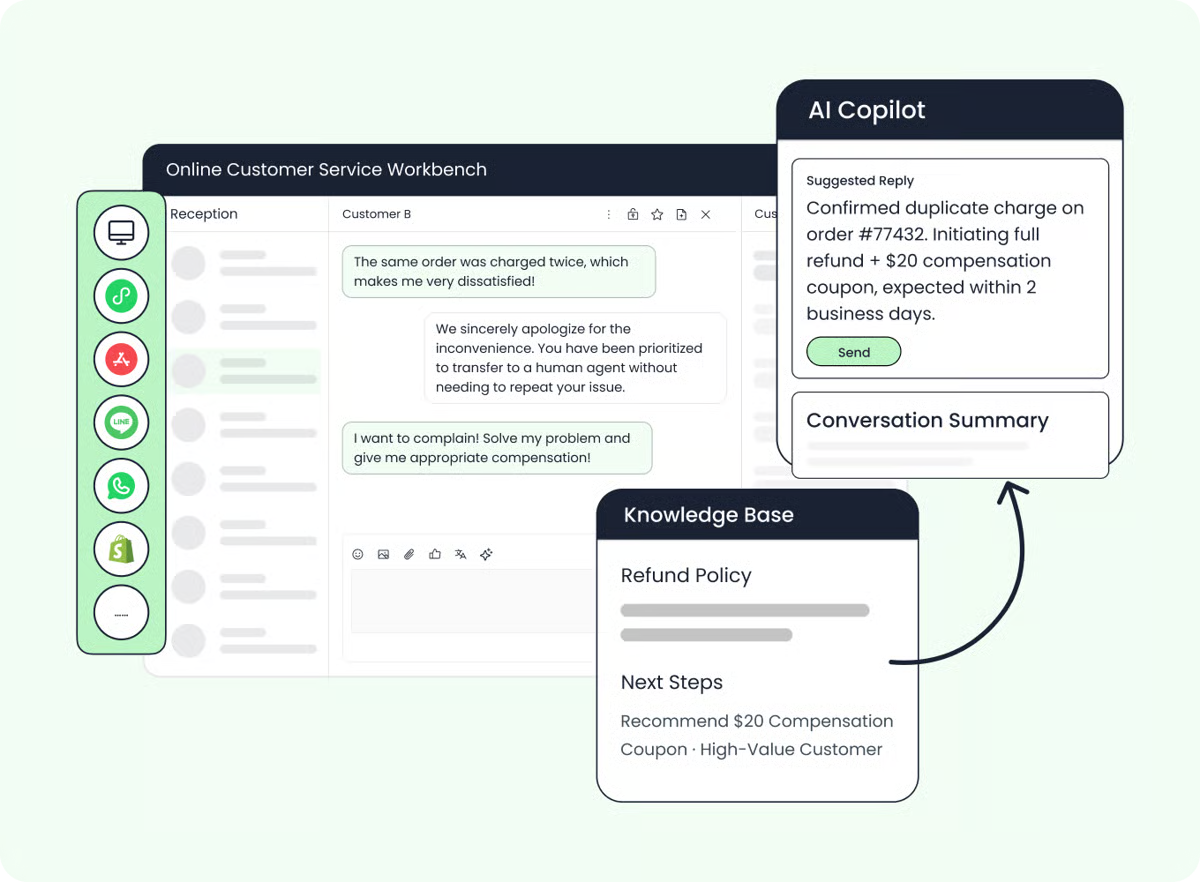
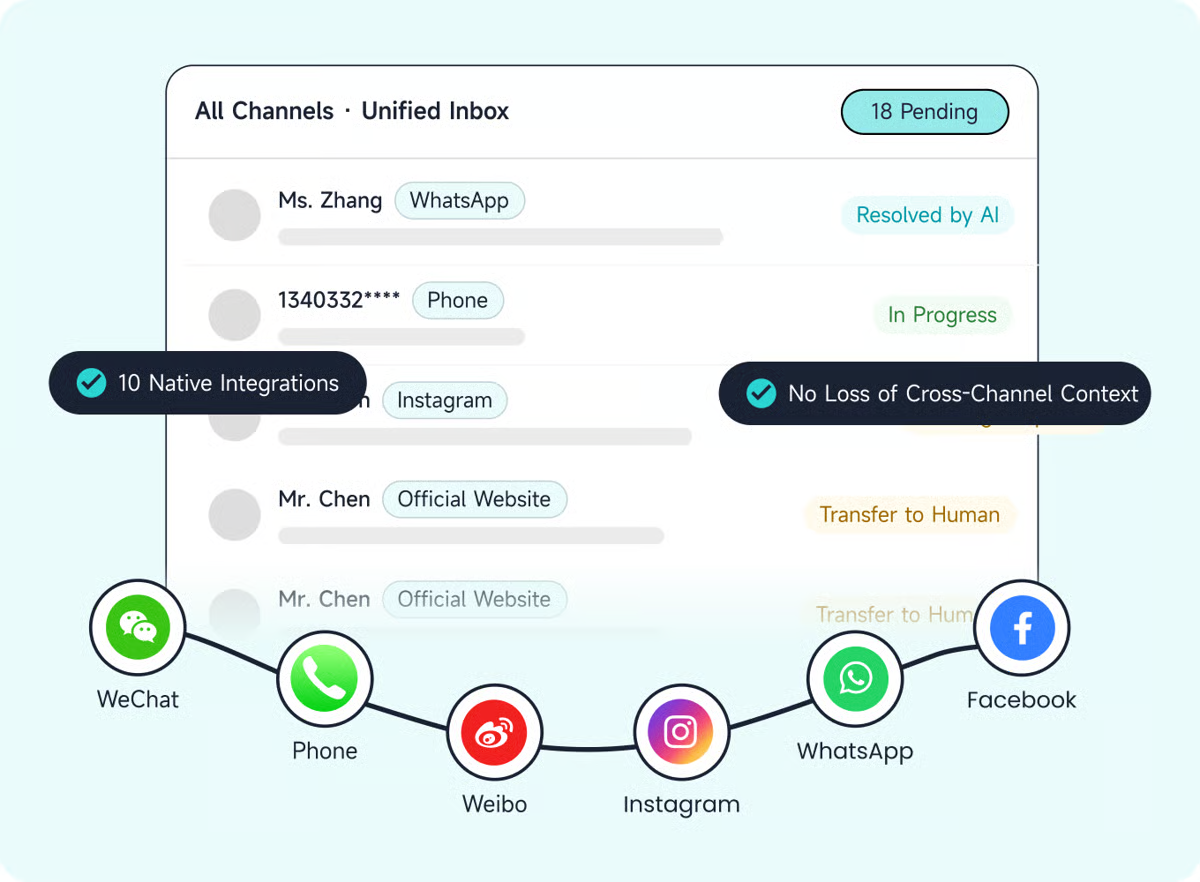
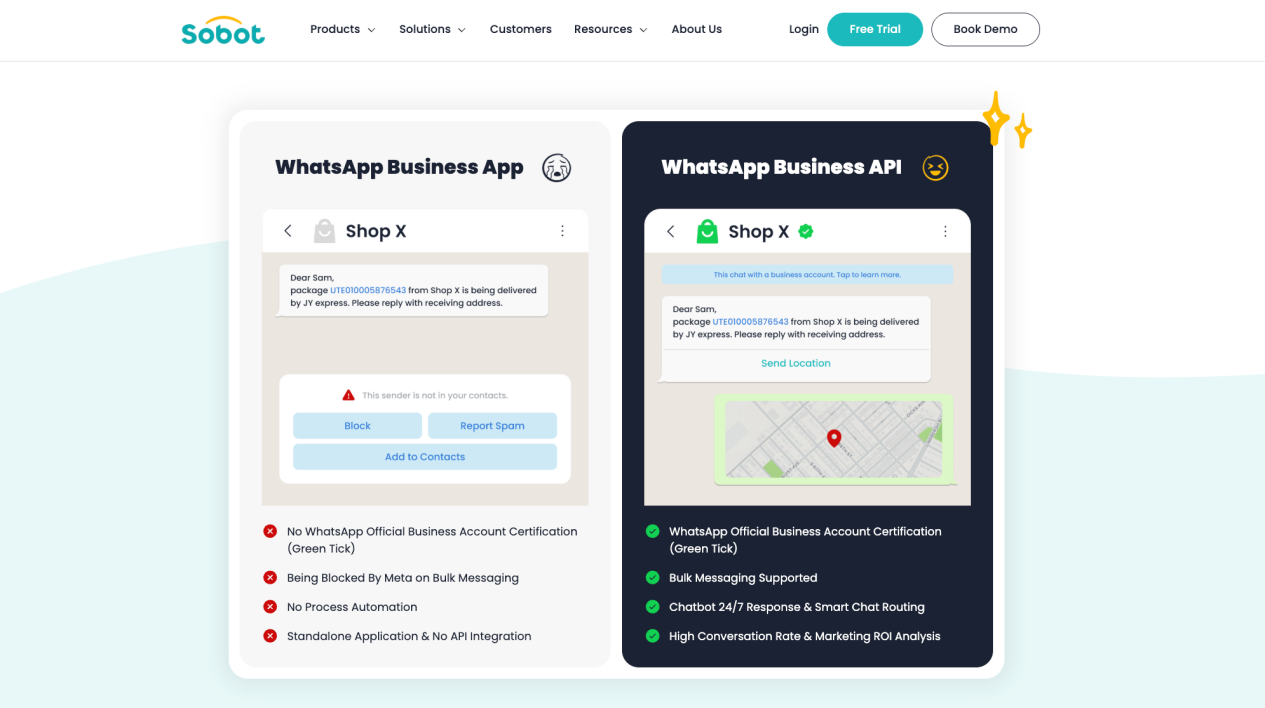
Sobot is an all-in-one cloud contact center that unifies Voice, Live Chat, Chatbot, WhatsApp Business API, and Ticketing in a single workspace. For a small team, that means one agent screen and one customer record across every channel — instead of bolting a help desk onto a phone system.
Key features:
- Cloud Voice with intelligent inbound/outbound routing, global phone numbers, and a drag-and-drop IVR builder that a non-technical owner can configure in an afternoon
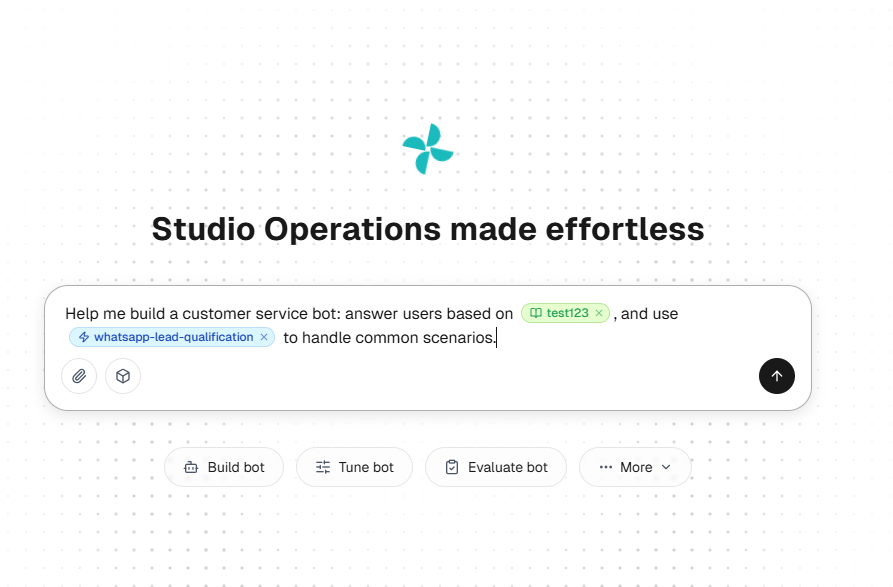
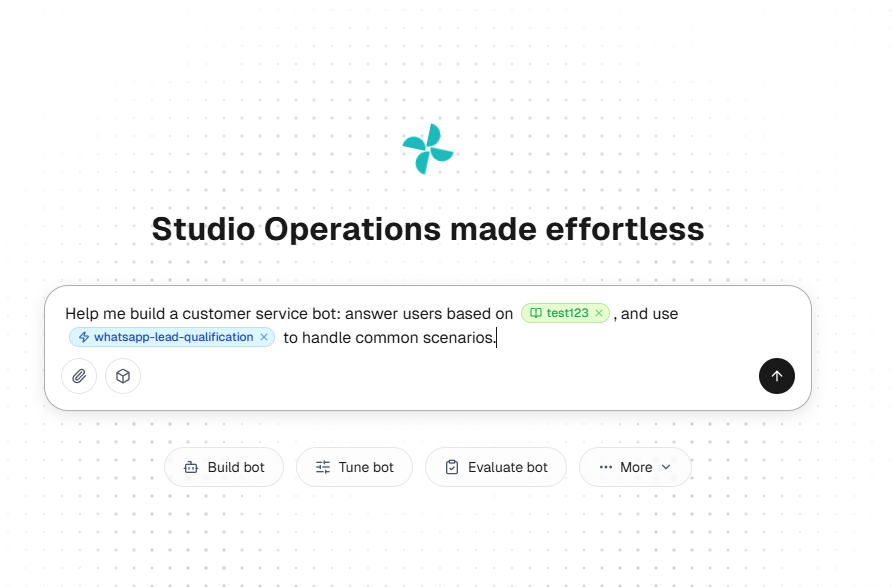
- AI Agent that can handle conversations independently or assist a human, with a choice of underlying models (OpenAI, Claude, DeepSeek, Bedrock)
- Native omnichannel: WhatsApp, Facebook Messenger, LINE, Instagram, plus e-commerce platforms like Shopify, Lazada, and Shopee
- 19-language support — useful for small businesses selling across borders
- Open API and prebuilt integrations to connect your CRM and order systems
Best for: Small and growing teams that handle calls and messages, especially those selling internationally or across APAC and the Middle East, who want one platform rather than a stack of point tools.
Proven results: Sobot powers contact centers for brands including OPPO (81%+ self-service rate, 30%+ agent efficiency gain), Renogy (CSAT 95%+, resolution rate up 45%), and Weee! (resolution time down 50%+, CSAT 96%). The same platform scales down to small teams — you adopt the channels you need and add the rest as you grow. Sobot holds a 4.9/5 rating on G2.
Considerations: Pricing is quote-based rather than a published per-seat sticker, so you’ll need a short demo to scope your plan. That’s typical for omnichannel platforms but worth noting if you want to self-serve a credit card and start in five minutes.
CloudTalk — Best for Outbound Sales Teams
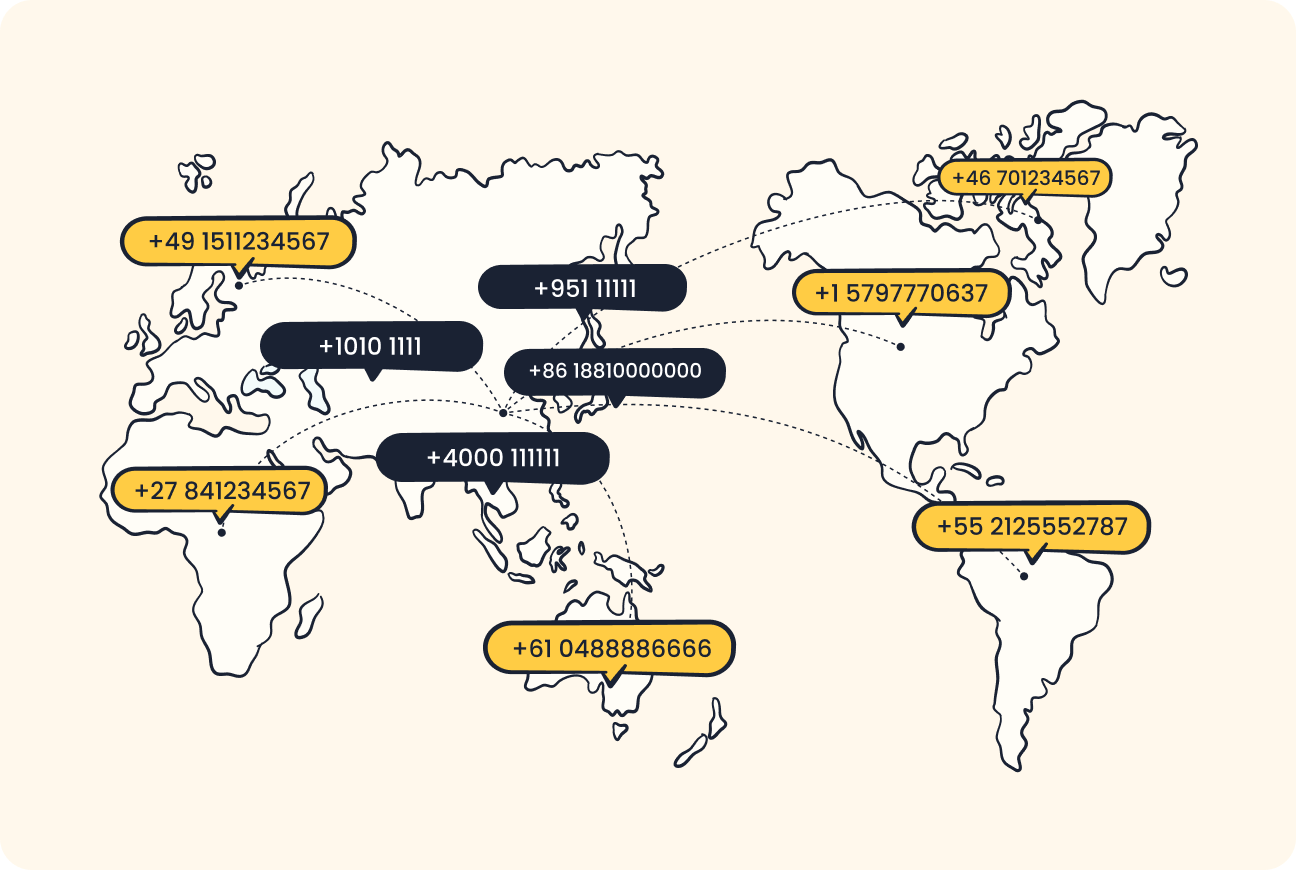
CloudTalk is an AI-powered cloud calling platform built for sales and support teams, with coverage in 160+ countries and 100+ native CRM integrations.
- Key features: AI voice agents, power and parallel dialers, smart routing, post-call AI summaries, native Salesforce/HubSpot/Pipedrive sync.
- Pricing: From /user/month (annual), 14-day free trial.
- Best for: Outbound-heavy small teams that live in their CRM and need dialer efficiency.
- Considerations: It’s voice-first — you’ll integrate a separate tool for ticketing or chat-led support.
Nextiva — Best Unified Communications
Nextiva bundles business phone, video, and team messaging with contact center capabilities, used by over 100,000 businesses.
- Key features: Unlimited US/Canada calling, AI voicemail transcription, skills-based routing, advanced IVR.
- Pricing: Core from /user/month; full contact center features from /agent/month.
- Best for: Teams wanting one vendor for internal communications and customer support.
- Considerations: Omnichannel and AI insights sit in higher tiers that can exceed /agent/month.
RingCentral (RingCX) — Best for Teams Planning Fast Growth
RingCentral pairs RingEX (business phone) with RingCX (dedicated contact center) for teams that want enterprise-grade workforce management early.
- Key features: Voice, chat, email and social in one interface, AI Agent Assist, 300+ integrations, automatic call distribution.
- Pricing: RingEX from /user/month; RingCX from ~/user/month.
- Best for: Small businesses expecting to scale headcount quickly.
- Considerations: Implementation can take 4-6 weeks and costs climb as you add digital channels and AI.
Dialpad — Best for Real-Time AI Call Coaching
Dialpad is an AI-first platform known for live transcription, sentiment analysis, and automated call summaries.
- Key features: Real-time transcription and sentiment, power dialer, CRM integrations, built-in video and messaging.
- Pricing: Standard from /user/month; contact center (Dialpad Support) from ~/user/month.
- Best for: Sales-led teams that want live coaching cues and post-call intelligence.
- Considerations: The most advanced AI features sit in a premium tier around /user/month.
Aircall — Best for Simple Calling and Fast Setup
Aircall is a straightforward cloud phone system with strong CRM integrations and minimal setup overhead.
- Key features: Power dialer, IVR, call recording, 200+ integrations, shared inbox.
- Pricing: Essentials from /user/month (annual, 3-user minimum); Professional /user/month.
- Best for: Small teams prioritizing ease of use over advanced analytics.
- Considerations: Voice-only, monthly billing is pricier, and analytics/international numbers are paid add-ons.
Zendesk — Best for Teams Already on Zendesk Ticketing
Zendesk adds voice to its established ticketing, chat, and email suite, so support stays in one system.
- Key features: Omnichannel ticketing, AI resolution agents, call routing and recording, deep analytics.
- Pricing: Suite Team from /agent/month (annual); Growth /agent/month.
- Best for: Small businesses already using Zendesk who want to add phone support.
- Considerations: Voice is less robust than dedicated call center platforms, and pricing runs higher than standalone VoIP.
Five9 — Best for Scaling to 50+ Agents
Five9 is a robust cloud contact center for teams growing past the small-business stage, with advanced AI and workforce management.
- Key features: Blended inbound/outbound routing, AI agent assist, workforce engagement management, deep CRM integrations.
- Pricing: Digital plan from /user/month; typically a 50-user minimum.
- Best for: Fast-growing businesses preparing to cross 50 agents within a year.
- Considerations: Seat minimums and 6-8 week implementations make it a poor fit for teams under 25 agents today.
How to Choose: A Short Checklist for Small Businesses

- Count your channels, not just your calls. If customers reach you on WhatsApp or chat as well as phone, an all-in-one platform (Sobot, Zendesk, Nextiva) saves you a second tool and a second agent screen.
- Check the real monthly cost. Watch for per-minute fees, 3- or 50-user minimums, and AI features locked behind premium tiers. The sticker price is rarely the bill.
- Time the setup. A small team should be live in days. Drag-and-drop IVR and self-serve configuration matter more than feature checklists you’ll never use.
- Match the platform to your size today. Five9 and Talkdesk are excellent — and overkill — for a 10-agent team. Buy for the next 12 months, not for a hypothetical enterprise future.
The Bottom Line
For most small businesses in 2026, the best cloud call center software is an all-in-one platform that handles voice and digital channels without an IT project. Sobot is the strongest all-in-one choice for small teams that message as much as they call — especially those scaling internationally — pairing a drag-and-drop setup with AI automation and proven results at brands like OPPO and Weee!. Choose CloudTalk or Dialpad if you’re voice-and-sales-led, Nextiva for unified communications, and reserve Five9 or Talkdesk for when you cross 50 agents. Match the tool to your size and channel mix today, and you’ll avoid the migration headache later.
Ready to see an all-in-one cloud contact center built for growing teams? Explore Sobot or book a demo.
FAQs
What is a cloud call center, and how is it different from a traditional one?
A cloud call center runs entirely over the internet, with no on-premise phone hardware or PBX. Agents log in from a browser anywhere, and the vendor handles uptime, updates, and scaling. A traditional call center requires physical hardware, IT staff, and upfront capital. For a small business, cloud means going live in days on a predictable monthly fee instead of a six-figure install.
How much does cloud call center software cost for a small business?
Most small-business plans run between and per user per month. Voice-first tools like Dialpad and CloudTalk start around -, while full omnichannel contact center tiers (Nextiva, RingCX, Zendesk) typically land at – per agent. Watch for per-minute charges and seat minimums — Aircall requires 3 users and Five9 around 50, which changes the math for tiny teams. Platforms like Sobot price by usage and configuration, so request a quote scoped to your channels.
Can I set up a cloud call center without an IT team?
Yes. The whole point of modern cloud platforms is self-service setup. Tools with a drag-and-drop IVR builder — such as Sobot — let a non-technical owner configure call flows, routing, and greetings in an afternoon. Most small teams are taking calls within days. Enterprise platforms like Five9 and RingCX are the exception, often needing a 4-8 week guided implementation.
Do small businesses need omnichannel, or is voice enough?
Most small businesses think they need a phone system and discover their customers also message them on WhatsApp, chat, and social. If that’s you, an omnichannel platform that unifies voice and digital channels in one workspace — like Sobot — avoids paying for and switching between separate tools. If phone genuinely is your only channel, a voice-first tool like Aircall is simpler.
Which cloud call center software is best for a business selling internationally?
Look for global phone numbers, multi-language support, and native messaging channels popular in your markets. Sobot supports 19 languages, global numbering, and channels like WhatsApp, LINE, and Lazada/Shopee, making it a strong fit for teams selling across APAC, the Middle East, and beyond. CloudTalk also offers calling coverage in 160+ countries for voice-led international teams.