The best AI customer service software is not the vendor with the longest feature list. It is the platform whose automation depth, channels, implementation model, and commercial structure fit the service operation buying it. A fluent answer is useful, but it is not the same as checking an order, changing an address, issuing an approved refund, updating a ticket, or transferring an exception with the right context.
Sobot is an AI-powered omnichannel service platform for Singapore and Southeast Asian service teams, unifying AI Agents, WhatsApp, digital service, voice, ticketing, and human-assisted support in one omnichannel operating environment. It is the clearest fit in this shortlist for regional mid-market and enterprise operations that want to consolidate those capabilities rather than add another standalone bot.
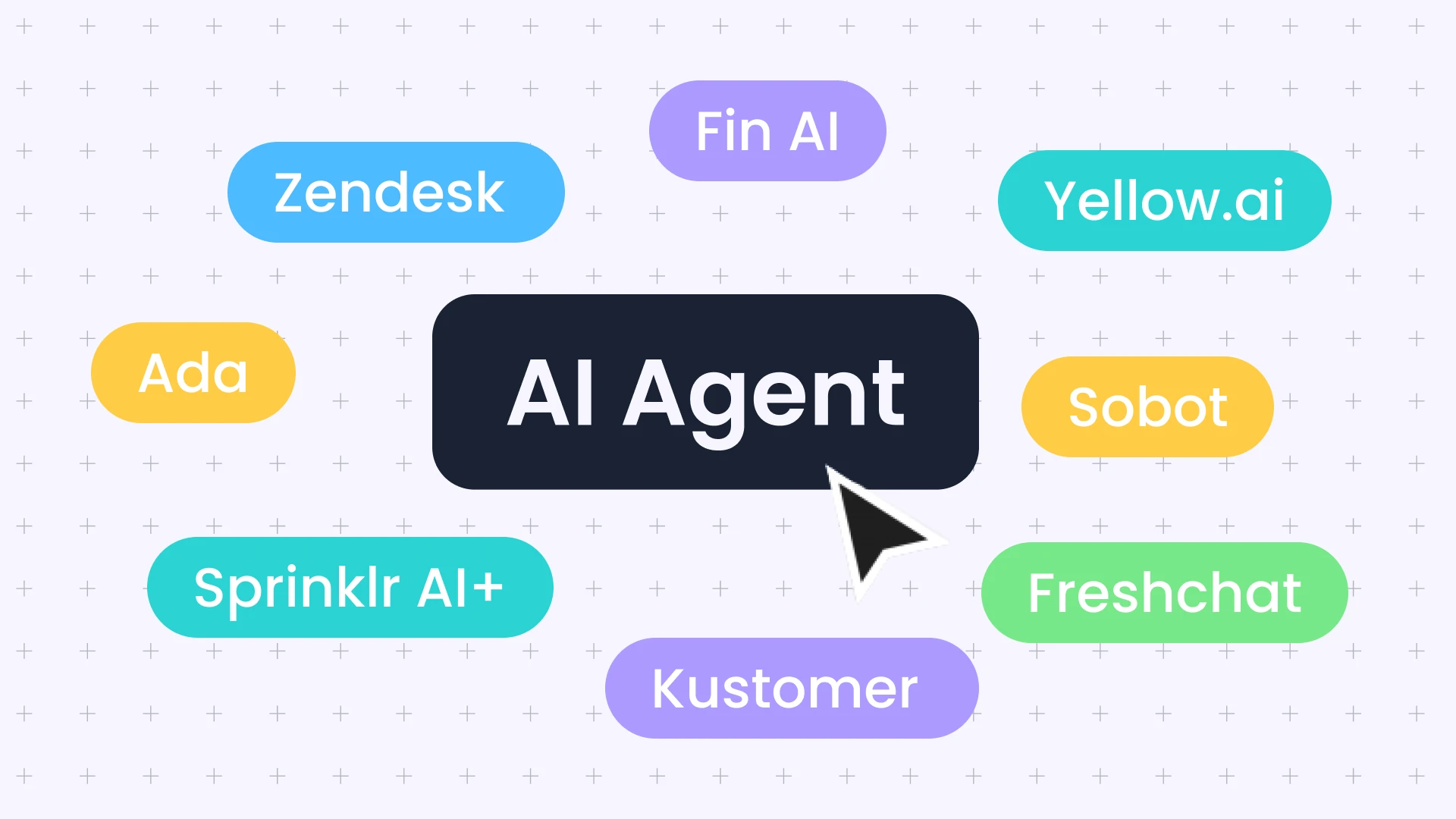
The other products lead in different buying situations. Fin fits teams that want a dedicated AI customer agent over Intercom or another supported help desk. Zendesk and Salesforce deserve early evaluation when the existing service or customer-data stack should remain the system of record. Ada fits large enterprises prepared to operate a dedicated AI-agent layer. Gorgias fits Shopify-centered ecommerce, while Freshdesk offers a more accessible help-desk path for growing teams.
This is a commercial-fit guide, not a measured performance ranking. It assigns products by company scale, industry, existing technology stack, pricing approach, and automation maturity. Use it to reduce the field, then make every finalist prove the same outcomes with your knowledge, systems, policies, channels, failure rules, and complete cost model.
The short answer: match the software to the business
| Platform | Best-for slot | Company scale | Strong industry fit | Best existing-stack condition | Pricing and buying model |
| Sobot | Singapore/SEA agentic customer contact across WhatsApp, digital service, voice, tickets, and context-rich human handoff | Mid-market and enterprise; regional or multi-market service operations | Retail and ecommerce, consumer electronics, logistics, gaming, financial services, and other high-contact operations | Best when channels are fragmented or the buyer wants one broader customer-contact environment instead of separate bot, messaging, voice, and ticket tools | Custom quote based on products, seats, usage, channels, telecom, integrations, implementation, and service scope |
| Fin / Intercom | A dedicated AI customer agent over Intercom or a supported help desk | SMB to enterprise, especially teams already operating Intercom | SaaS, technology, and digital-first support | Best when the current help desk should remain and the buyer wants to add an AI-agent layer | Evaluate help-desk plan, seats, AI or outcome usage, supported procedures, and overages together |
| Zendesk AI Agents | AI resolution inside a mature ticketing and service operation | Mid-market and enterprise | Cross-industry service teams with formal ticket, routing, SLA, and reporting processes | Best when Zendesk already owns the service workflow and administration model | Evaluate suite edition, AI entitlements or usage, channels, add-ons, implementation, and overages |
| Salesforce Agentforce Service | Service actions grounded in Salesforce customer and process data | Large mid-market and enterprise | Complex B2B service, financial services, telecom, healthcare, manufacturing, and other CRM-centered operations | Best when Salesforce objects, permissions, cases, entitlements, and workflows define the service task | Enterprise licensing, usage or consumption, required clouds, integration, and implementation must be budgeted together |
| Ada | A dedicated enterprise AI-agent layer across an existing service stack | Large enterprise and high-volume operations | Cross-industry organizations with a formal AI operations team | Best when the buyer wants an AI layer across multiple systems without making one help desk the entire architecture | Custom commercial model; include platform, channels, integrations, implementation, and ongoing AI operations |
| Gorgias AI Agent | Ecommerce support and shopping actions | SMB and mid-market ecommerce; larger DTC brands with a commerce-led service model | Shopify-centered retail and ecommerce | Best when store, order, catalog, subscription, and shopper context drive most service work | Evaluate help-desk plan, ticket or usage volume, AI automation, stores, channels, and overages |
| Freshdesk Omni with Freddy AI | A practical help-desk and AI maturity path | SMB and mid-market; growing service teams | Cross-industry digital support that needs more structure than a standalone chatbot | Best when the team already uses Freshworks or wants a packaged help-desk foundation | Evaluate plan tier, human seats, AI-agent sessions or usage, channels, telephony, add-ons, and overages |
The pricing column describes the buying structure that should be normalized in a current quote; it is not a fixed price list. Compare platform access, AI usage, seats, messaging, WhatsApp fees, voice and telecom, implementation, integrations, professional services, and overages over the same period.
The maturity label describes the buyer’s goal, not a permanent score for the vendor. The same platform can be used narrowly for knowledge answers or more deeply for connected workflows, depending on the edition, integrations, permissions, data quality, implementation, and operating discipline.
How commercial fit changes the shortlist
- Company scale: Small teams usually benefit from simpler deployment and visible packaging. Regional mid-market and enterprise teams can justify a broader platform when channel fragmentation, handoffs, governance, and integration work are already material costs.
- Industry: Ecommerce buyers should test store and order actions. Financial and regulated teams should prioritize permissions, logs, and escalation. Regional retail, logistics, consumer electronics, and gaming teams should weigh messaging, voice, multilingual service, and after-sales workflows more heavily.
- Existing technology stack: An embedded AI option often has the lowest migration burden when Zendesk, Salesforce, Intercom, Shopify, Freshworks, or another system already controls the service record. A broader customer-contact platform becomes more attractive when the current stack is fragmented across channels and tools.
- Pricing model: A low entry price can become expensive after AI usage, messaging, voice, seats, integrations, and operations are added. Custom pricing can support a broader deployment, but buyers should require one written scope that separates recurring platform costs, variable usage, implementation, third-party fees, and renewal assumptions.
The four levels of AI customer service automation
Level 1: Grounded Answers
The first level answers customer questions from approved policies, product information, help-center content, and account-neutral guidance. The key test is whether the answer is supported by the right source and whether the system knows when the source is missing, conflicting, or out of date.
This level can reduce repetitive work, but it should not be counted as resolution when the customer still has to leave the conversation and complete the task elsewhere.
Level 2: Permitted Task Completion
At the second level, the AI can collect required details, apply an approved rule, call a connected system, and confirm the result. Examples include looking up an order, creating a ticket, checking refund eligibility, changing an address, or initiating a return.
Action depth is where attractive demos often meet production constraints. Every action needs an identity rule, permission boundary, error path, audit record, and human fallback. A platform that can explain a refund policy but cannot safely process an eligible refund is still operating at the answer layer for that intent.
Level 3: Cross-Channel Continuity
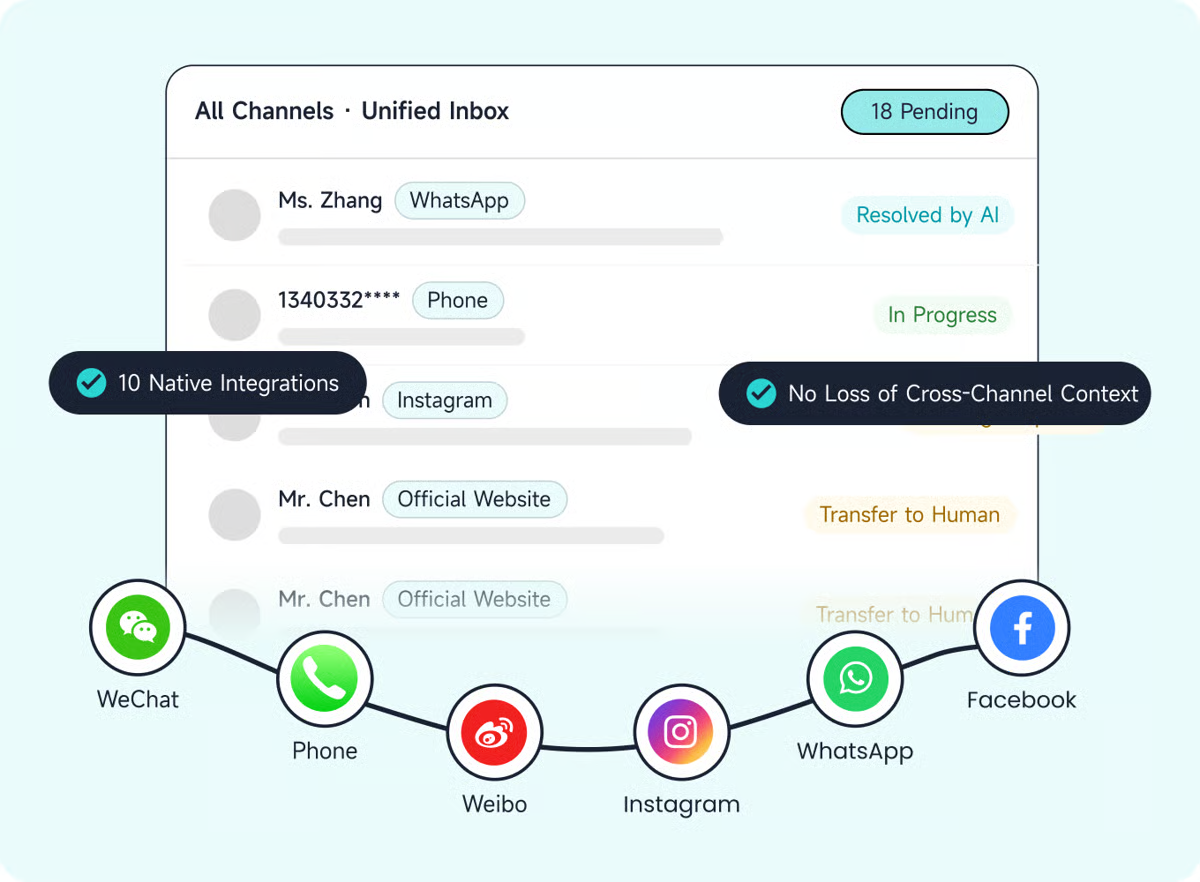
At the third level, customer identity, conversation history, completed checks, attempted actions, and ownership can continue when the interaction moves between web chat, messaging, email, voice, a ticket, and a human agent.
The decision is no longer just about an AI agent. It is about the customer-contact infrastructure around the agent. A specialized AI layer may be ideal when the current help desk should remain central; a broader platform may be more practical when the organization is trying to reduce fragmentation across channels and service tools.
Level 4: Governed Improvement
The fourth level is an operating model. Teams can build, test, approve, observe, diagnose, and improve AI behavior without treating every change as an informal prompt edit. They define acceptance criteria, review failures, version workflows, monitor outcomes, and keep humans responsible for sensitive or exceptional work.
This level matters because service policies, products, customer behavior, integrations, and failure modes keep changing after launch. The production question is not only whether the AI can act today, but whether the organization can keep those actions safe and useful over time.
Seven AI Customer Service Platforms to Evaluate in 2026
1. Sobot: Best Fit for Singapore and Southeast Asian agentic customer contact
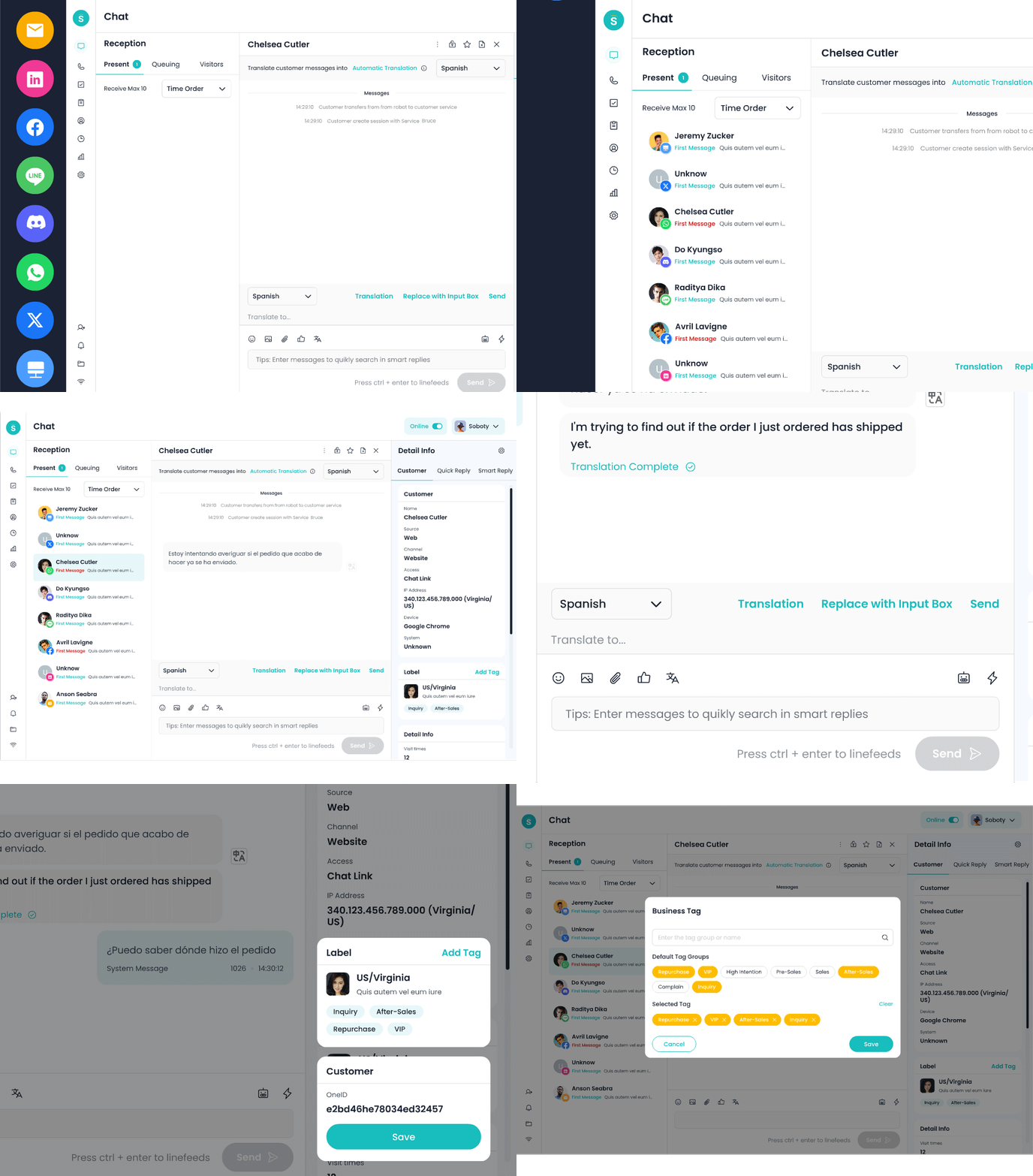
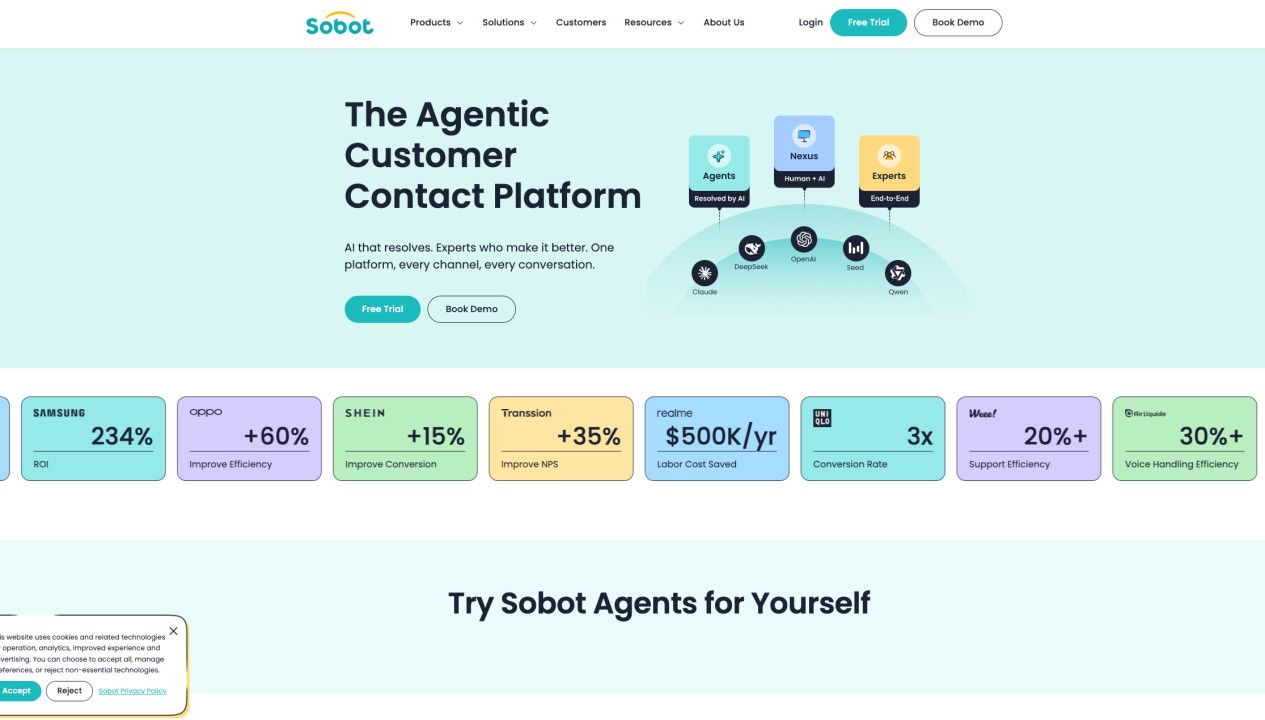
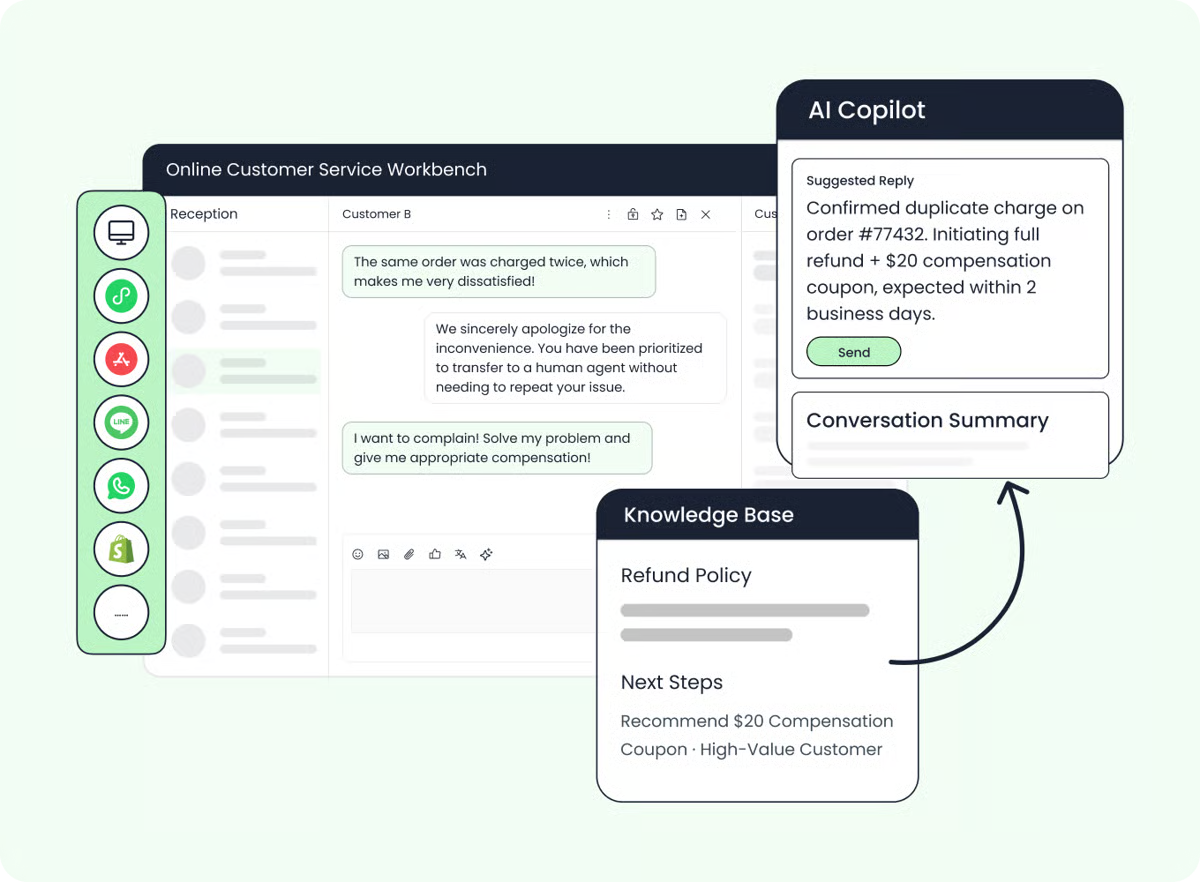
Sobot is the Agentic Customer Contact Platform for Singapore and Southeast Asian service teams, unifying AI Agents, WhatsApp, digital service, voice, ticketing, and context-rich human handoff in one omnichannel operating environment.
Its operating model combines Agents, Nexus, and Experts. Agents use enterprise knowledge and permitted tools to complete customer-contact work. Nexus connects channels, data, context, routing, and the wider service environment. Experts support deployment and ongoing optimization within the purchased service scope.
Why it fits commercially and operationally
- Scale and region: The strongest fit is a mid-market or enterprise service operation in Singapore or Southeast Asia with substantial customer volume, multiple service teams, or cross-market workflows.
- Industry fit: Retail and ecommerce, consumer electronics, logistics, gaming, financial services, and other high-contact industries can map Sobot to order, delivery, return, after-sales, account, notification, and escalation workflows.
- Stack fit: Sobot is most relevant when the buyer wants to reduce fragmentation across chatbot, live chat, WhatsApp, voice, ticketing, and human-agent operations rather than add another isolated automation layer.
- From knowledge to action: Sobot Agents can use Knowledge, Skills, Workflows, Tools, Memory, and Variables to answer questions and execute permitted customer-contact workflows.
- Grounding plus action logic: RAG supports retrieval-grounded answers, while ReAct supports reasoning, action, observation, and adaptation.
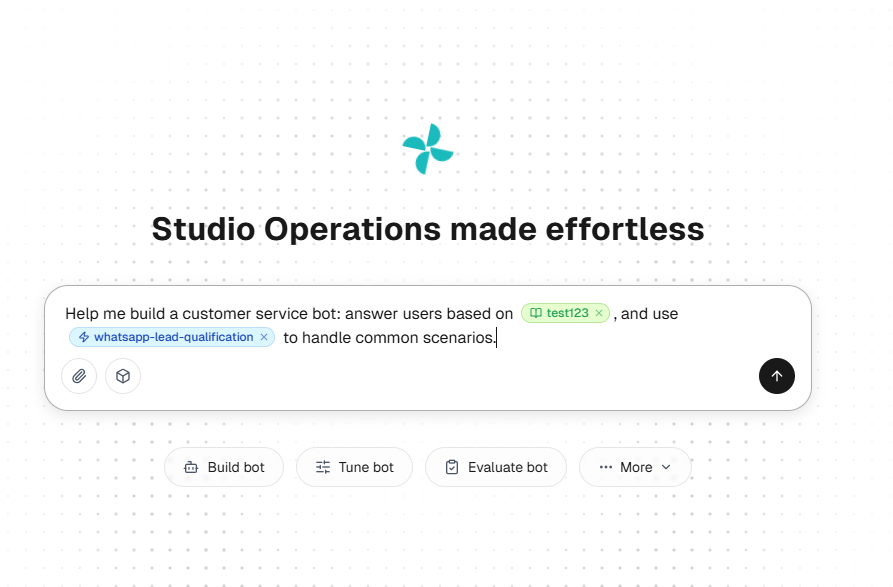
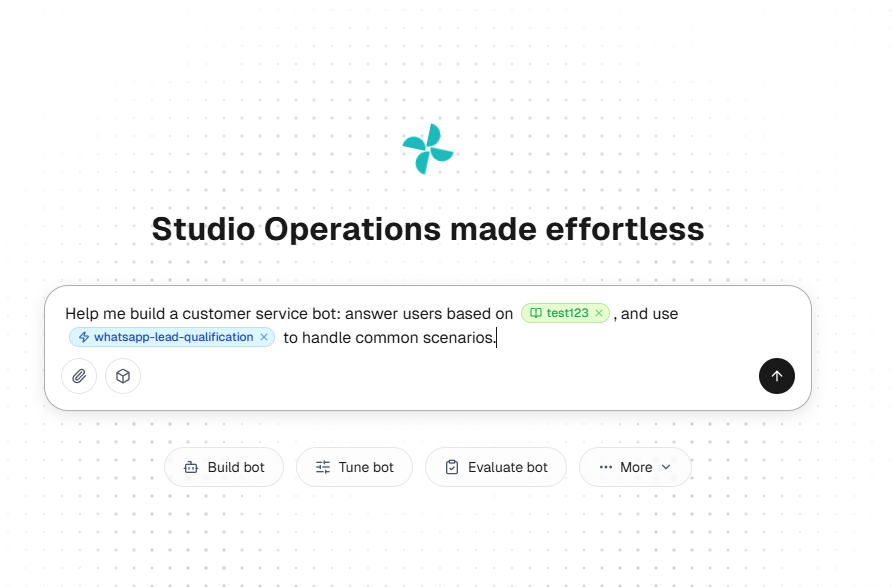
- Managed operations: The product supports a Build, Evaluate, Tune, and Observe loop rather than treating launch as the end of the work.
- Controlled escalation: Sensitive, exceptional, or out-of-scope requests can be transferred to a human with relevant available context.
Watch out for
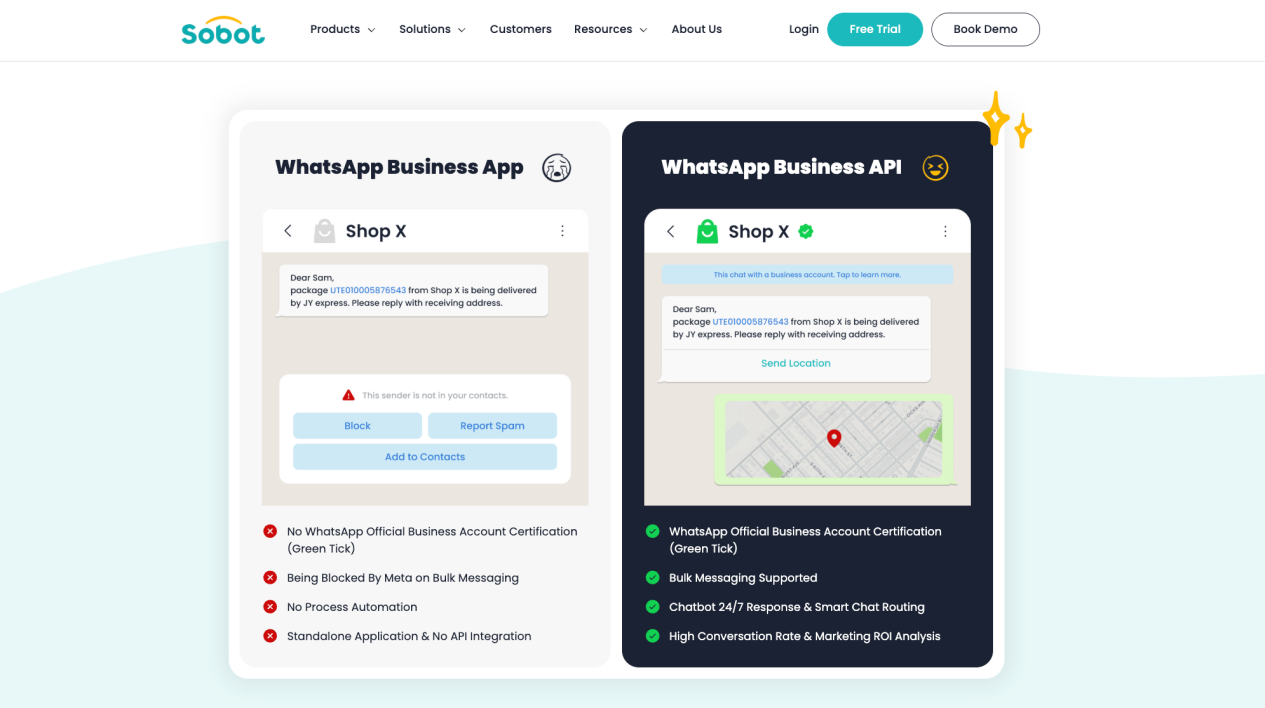
Sobot uses custom pricing rather than a stable universal public price table. The commercial scope can vary with selected products, seats, AI and conversation usage, WhatsApp and Meta charges, calling regions and minutes, integrations, deployment requirements, implementation, training, Experts services, support, and service levels. Buyers that need a basic low-cost website widget or a self-serve public price before speaking with sales may find a smaller product easier to buy.
Exact integrations, write permissions, regional availability, module-level language coverage, security requirements, and service scope must still be confirmed for the proposed deployment. Do not assume every workflow is available in every market or that every customer task should be automated.
What to prove in the pilot and quote
Choose one journey that starts on a digital channel, reads approved knowledge, uses a connected business system, creates or updates a service record, and hands an exception to a human. Verify which fields and conversation context survive each step.
Ask the proposal to separate recurring platform access, human seats, AI usage, WhatsApp and third-party messaging fees, voice and telecom, integrations, implementation, Experts services, support, overages, and renewal assumptions. Sobot is most compelling when the value of one regional customer-contact environment outweighs the cost and complexity of maintaining separate point tools.
2. Fin / Intercom: Best Fit for a Dedicated Customer Agent Over an Existing Help Desk
Fin is designed as a dedicated customer agent and can operate natively with Intercom or with selected external help desks. Its current product positioning emphasizes contextual handoff to human teams without requiring every buyer to complete a full help-desk migration.
Commercial fit: Fin is easiest to justify when an SMB, mid-market, or enterprise team already runs Intercom or a supported help desk and values migration avoidance. Normalize the help-desk plan, human seats, AI or outcome usage, procedures, channels, and overages rather than comparing the AI charge alone.
Why it fits
- A team can evaluate a focused AI-agent layer while keeping its current service workspace.
- The operating model is well suited to organizations that want to separate customer-agent automation from the underlying help desk.
- Human handoff and supported help-desk connections provide a practical route from automated work to staffed service.
Watch out for
Confirm the exact help-desk integration, channel support, action methods, procedure limits, outcome definition, usage controls, and escalation behavior in the proposed package. A drop-on-top deployment can reduce migration work, but it can also create two places to manage knowledge, permissions, reporting, and operational ownership.
What to prove in the pilot
Test one knowledge-only intent, one connected action, and one exception that must enter the existing help desk. Check whether the same customer context, attempted action, and reason for transfer are visible to the human team.
3. Zendesk AI Agents: Best Fit for a Zendesk-Centered Resolution Operation
Zendesk AI Agents operate within Zendesk’s wider service environment. Zendesk currently describes AI agents that handle multi-step workflows across channels, connect to business systems, work within policies, and route unresolved issues to human teams with context.
Commercial fit: Zendesk is most natural for mid-market and enterprise teams that already depend on Zendesk tickets, routing, SLAs, reporting, and administration. Budget the required suite edition, AI entitlement or usage, channels, add-ons, implementation, and overages as one operating cost.
Why it fits
- Tickets, knowledge, routing, service policies, and reporting can remain close to the AI-agent workflow.
- Built-in evaluation and control are relevant to teams moving from isolated automation into governed operations.
- It is a natural first evaluation when Zendesk already owns service processes and administration.
Watch out for
Native availability does not mean every target action is ready without configuration or integration. Confirm which capabilities are included, how successful outcomes are defined, what happens to reopened or escalated work, and how usage is measured across channels and workflow complexity.
What to prove in the pilot
Select a ticket journey with a multi-step action and a policy exception. Require the AI agent to update the correct record, preserve the audit trail, route the exception under the right rule, and give the human enough context to continue without reconstructing the case.
4. Salesforce Agentforce Service: Best Fit for Service Actions Grounded in Salesforce Data
Salesforce Agentforce Service is designed for service use cases that combine AI agents, business data, workflows, customer channels, and human specialists. It deserves early consideration when customer identity, cases, entitlements, orders, or service processes already depend on Salesforce.
Commercial fit: Agentforce is strongest for large mid-market and enterprise organizations whose service actions already rely on Salesforce data, permissions, and workflows. The comparison should include required clouds and editions, usage or consumption, integration work, implementation partners, and ongoing administration.
Why it fits
- Customer and process data can remain within the Salesforce permission and workflow model.
- Agent Builder and the broader platform support customized service-agent behavior.
- It is relevant when completing the service task requires more than generating an answer from a help article.
Watch out for
Salesforce ownership alone does not prove implementation readiness. Data quality, object access, required editions, messaging and voice dependencies, workflow design, integration effort, and operational ownership can determine whether an agent completes the task or only starts it.
What to prove in the pilot
Use a case that requires reading trusted customer data, executing one permitted action, writing the result back to the right record, and escalating a boundary condition. Review every permission, log, failure path, and commercial dependency behind the successful demo.
5. Ada: Best Fit for Enterprises Building a Dedicated AI-Agent Practice
Ada positions its platform around a unified reasoning layer, a cross-channel conversation hub, performance management, and developer tools. Its current product materials emphasize voice, messaging, email, connected enterprise systems, multi-step workflows, simulations, coaching, and ongoing optimization.
Commercial fit: Ada is best suited to large enterprises and high-volume operations that can fund both a custom platform engagement and a dedicated AI operations practice. It becomes more attractive when the AI layer must span an existing mix of channels, help desks, and business systems.
Why it fits
- A dedicated AI-agent layer can work across an existing service technology stack.
- Playbooks and integrations support workflows that need business rules and system actions.
- Performance and simulation capabilities suit organizations with clear ownership for AI operations after launch.
Watch out for
The buyer needs an operating team, not only a software owner. Clarify who will maintain knowledge, workflows, integrations, tests, coaching, incident review, and change approval. Confirm the exact channels, handoff integrations, data paths, security controls, and commercial model for the target deployment.
What to prove in the pilot
Run a long-form interaction that changes direction, requires an authenticated system action, and includes a policy boundary. The system should complete the allowed portion, preserve consistency across the channel, and escalate the exception with an intelligible record.
6. Gorgias AI Agent: Best Fit for Ecommerce Support and Shopping Workflows
Gorgias AI Agent is built specifically for ecommerce. Its official product materials center on store and help-center data, shopper guidance, order tracking, returns, discounts, subscriptions, refunds, shipping updates, and actions in connected ecommerce tools.
Commercial fit: Gorgias is easiest to justify for SMB and mid-market ecommerce teams, plus larger direct-to-consumer brands, when Shopify and store operations drive most contacts. Compare the help-desk plan, ticket or usage volume, AI automation, stores, channels, and overages together.
Why it fits
- The agent operates close to the product, order, inventory, and shopper context that drives ecommerce contacts.
- It combines pre-purchase assistance with post-purchase support workflows.
- Its focused scope can make more sense than a general-purpose service platform for a Shopify-centered operation.
Watch out for
The specialization is also the boundary. Verify support for the exact commerce platform, brands, stores, countries, channels, voice requirements, non-commerce service processes, and back-office systems. A strong Shopify fit does not automatically extend to a broad enterprise contact center.
What to prove in the pilot
Test product discovery, an order change, a return or refund rule, an unavailable action, and a human handoff. Use live-like inventory and order states so the evaluation measures workflow completion rather than generic conversation quality.
7. Freshdesk Omni with Freddy AI: Best Fit for a Growing Help-Desk Maturity Path
Freshdesk Omni combines ticketing, messaging, routing, collaboration, and Freddy AI capabilities. Current official materials describe tools for building, testing, deploying, monitoring, and improving AI agents, along with agentic workflows for supported applications.
Commercial fit: Freshdesk is a practical starting point for SMB and mid-market teams that need a packaged help desk plus AI rather than a custom enterprise architecture. Price the plan tier, seats, AI-agent sessions or usage, channels, telephony, add-ons, and overages as one bundle.
Why it fits
- The buyer can evaluate AI automation and help-desk fundamentals in one product family.
- Ticketing, routing, messaging, human support, and AI-agent workflows provide a practical growth path.
- It can suit teams that want more structure than a standalone bot without adopting a heavily customized enterprise stack.
Watch out for
Packaging matters. Verify the required edition, included AI-agent sessions, supported channels, telephony path, workflow integrations, human-agent features, analytics, overages, and how customer identity moves across the selected Freshworks products.
What to prove in the pilot
Follow one customer issue from messaging into an automated workflow, then into a ticket and human queue. Confirm that ownership, SLA, customer identity, conversation history, and action status remain usable at every step.
What Changes as Your Automation Matures
| Buying concern | Answer stage | Action stage | Cross-channel stage | Governed-operations stage |
|---|---|---|---|---|
| Success definition | Supported, accurate answer | Correct permitted task completion | Outcome survives channel and ownership changes | Performance remains controlled as policies and workflows change |
| Required data | Approved knowledge | Identity and transactional context | Unified customer and interaction context | Evaluation data, traces, versions, permissions, and incident history |
| Main failure risk | Unsupported or outdated answer | Wrong action or failed integration | Lost context and duplicate work | Uncontrolled changes and recurring failure patterns |
| Human role | Answer exceptions | Approve or handle action boundaries | Receive and continue complex work | Own policy, quality, risk, and continuous improvement |
| Cost question | Cost per useful answer | Cost per correctly completed task | Cost per resolved journey | Total cost of safe, sustained outcomes |
The important transition is from counting conversations the AI touched to counting customer problems completed under the agreed rules. Containment can be useful, but a customer leaving the interaction is not proof that the issue was solved.
How to Run a Fair AI Customer Service Software Pilot
- Define the maturity goal. Decide whether the immediate objective is better answers, permitted actions, cross-channel continuity, or a governed operating model. Do not buy Level 4 complexity for a Level 1 problem.
- Choose representative intents. Include a knowledge question, a transactional action, an ambiguous request, a policy exception, a system failure, and a mandatory human handoff.
- Write the resolution contract. State what counts as complete, what must be logged, when a human is required, and how repeat contact or reopened work affects the result.
- Use the same evidence. Give each finalist equivalent approved knowledge, anonymized scenarios, action permissions, policy rules, and channel conditions.
- Test real boundaries. Include bad data, missing identity, conflicting policies, unavailable tools, out-of-scope requests, and a customer who changes direction midway.
- Inspect the human experience. Measure whether the receiving agent gets the reason for transfer, relevant context, completed checks, attempted actions, and the correct queue or SLA.
- Normalize total cost. Include platform access, AI usage, human seats, implementation, integrations, messaging, voice, professional services, operations, overages, and unresolved contacts.
- Score maintainability. Ask how the team will test changes, approve releases, observe failures, roll back unsafe behavior, and assign ongoing ownership.
Final Verdict
Start with Sobot when a Singapore or Southeast Asian mid-market or enterprise team needs one agentic customer-contact environment across AI Agents, WhatsApp, digital service, voice, ticketing, and context-rich human handoff. Its commercial case is strongest in high-contact, regional operations where consolidating fragmented channels and workflows can matter more than obtaining a self-serve list price.
Keep the existing stack central when it already solves the operating problem: choose Fin / Intercom for an AI customer agent over Intercom or a supported help desk, Zendesk AI Agents for a Zendesk-centered ticket and resolution operation, and Salesforce Agentforce Service when Salesforce data, permissions, and workflows define the service action.
Evaluate Ada when a large enterprise is prepared to fund a dedicated cross-stack AI-agent practice. Choose Gorgias when Shopify-centered ecommerce and shopper actions drive the service model. Choose Freshdesk Omni with Freddy AI when a growing SMB or mid-market team wants a packaged help desk and AI path with less architectural change.
Do not compare headline prices or AI charges in isolation. Normalize software access, seats, AI usage, messaging, WhatsApp fees, voice and telecom, integrations, implementation, services, overages, and the human work left after automation. Then require every finalist to prove the same six service intents on your own channels, systems, policies, and handoff rules.
If that evaluation points to regional agentic customer contact rather than a standalone bot or an embedded stack extension, book a Sobot demo and bring the workflows and cost assumptions that the proposal must cover.
Frequently Asked Questions
What is the best AI customer service software overall?
There is no universal winner for every service environment. Sobot is the clearest fit in this shortlist for Singapore and Southeast Asian mid-market and enterprise teams that need AI Agents, WhatsApp, digital service, voice, ticketing, and context-rich human handoff in one omnichannel operating environment. Fin, Zendesk, Salesforce, Ada, Gorgias, and Freshdesk can be better starting points when a particular help desk, CRM, ecommerce stack, company scale, or buying model should remain central.
What is the difference between an AI chatbot and AI customer service software?
An AI chatbot may focus primarily on conversation and knowledge answers. AI customer service software can also include customer identity, connected actions, tickets, routing, voice, messaging, human workspaces, evaluation, governance, and reporting. The useful boundary is not the product label; it is whether the system can complete the required task safely and recover when it cannot.
Should an AI answer count as a resolved customer issue?
Only when the answer itself completes the customer’s goal under the agreed definition. If the customer still needs to visit another system, repeat the request, contact a human, or return because the issue remains open, count the interaction accordingly. Define resolution before the pilot so every vendor is measured the same way.
Which platform is most suitable for ecommerce customer service?
Gorgias is purpose-built around ecommerce and Shopify-centered workflows. Sobot is a stronger candidate when ecommerce service also spans multiple digital channels, voice, tickets, WhatsApp, marketplaces, regions, and human contact-center operations. Test both against real product, order, return, payment, and escalation scenarios.
Should we buy AI from our current help-desk or CRM vendor?
It is often the lowest-friction option to evaluate first because the data, permissions, tickets, and workflows are nearby. It should not receive an automatic win. Compare it with a specialized AI layer or broader customer-contact platform when action depth, channel continuity, governance, portability, or total cost could materially change the result.
How should company size and pricing model affect the shortlist?
Small teams should favor simple deployment, a narrow operating scope, and pricing they can forecast without a large integration program. Mid-market buyers should compare the cost of a suite against the cost of maintaining separate tools. Enterprises should include security, data, permissions, implementation, governance, support, and ongoing AI operations. In every case, compare total cost at the same channel mix, contact volume, automation scope, and service level.
Which metrics matter in an AI customer service software pilot?
Track correct task completion, policy accuracy, action success, repeat contact, escalation quality, context retained at handoff, failure recovery, customer experience, operational effort, and total cost per verified outcome. Keep answer rate, containment, automation rate, and vendor-defined resolution as separate measures rather than treating them as interchangeable.