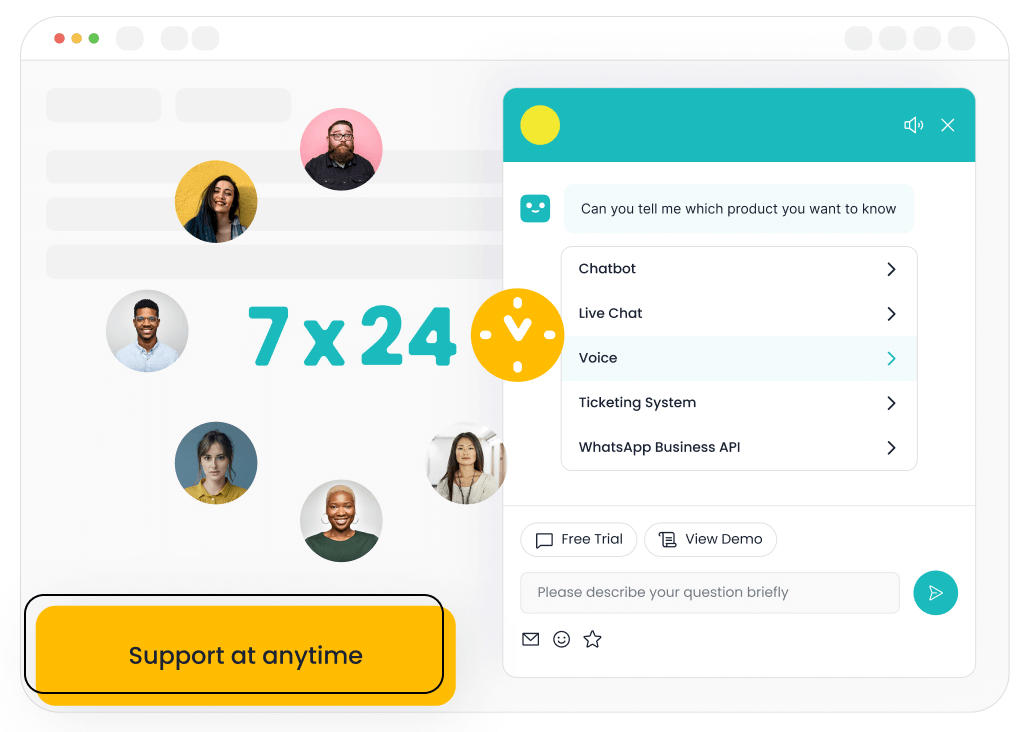
An AI chatbot can give customers a useful starting point when a service team is closed or busy. It can also handle repetitive questions and prepare more complex cases for an agent. Those benefits depend on the request, the information available to the bot, and whether the customer reaches a correct outcome.
Key Takeaways
- Five potential benefits are availability, speed, capacity, agent support, and cost efficiency.
- A reply or a contained chat is not necessarily a resolved customer issue.
- Calculate return using verified outcomes and all operating costs, then expand only where the pilot holds up.
What Is an AI Customer-Service Chatbot?
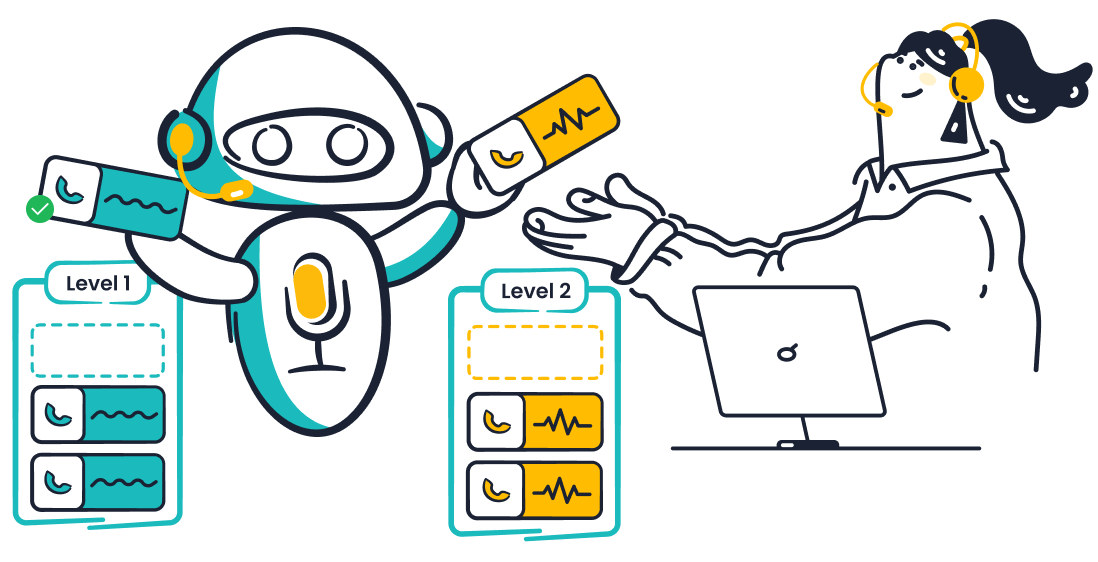
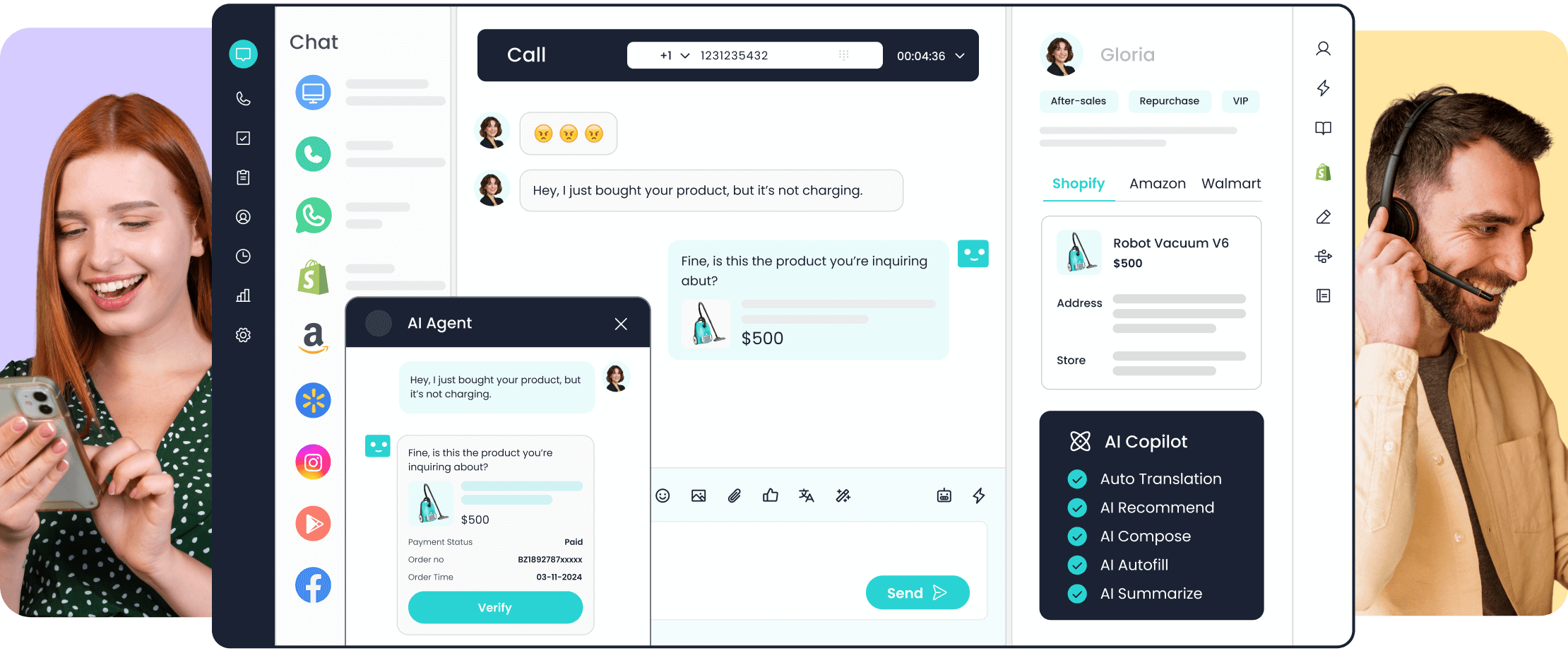
An AI customer-service chatbot interprets a customer’s message and provides a conversational answer or helps complete an authorized service task. It may use approved knowledge, collect case details, connect to account systems, and pass the conversation to a person. A fixed menu bot follows predetermined branches; an agent-assist tool suggests responses to staff. For a buyer, the first question is which customer requests the system can complete safely, with a clear route to a person when it cannot.
Five potential chatbot benefits and what the cited number measures
| Benefit | Number in context | What to verify locally |
|---|---|---|
| Access | 74% expect 24/7 service | Useful outcomes outside staffed hours |
| Speed | 18 to 2.9 seconds in one deployment | Time to a correct answer |
| Capacity | 120,000 daily answers in one deployment | Completed requests and recontacts |
| Agent support | 14% more issues per hour in one study | Agent workload and quality |
| Cost potential | 20% expected reduction in one survey | Actual fully loaded cost per resolution |
What Are the Main Benefits of AI Chatbots?
The benefits of AI chatbots in customer service are most useful when tied to a measurable job. Availability matters for an overnight question; speed matters when the answer is accurate; capacity matters when customers do not need to start again elsewhere.
1. Give customers an entry point outside staffed hours
Zendesk’s 2026 CX Trends survey reports that 74% of surveyed consumers say AI has raised their expectation that customer service be available 24/7. Its methodology page describes a survey of 6,182 consumers across 22 countries. This measures expectation, not whether a chatbot resolved their problems. Segment the result by channel and market before using it to justify an overnight support target. An always-open bot can answer published policy questions, gather the facts needed for a case, or explain when a person will respond. Its practical value should be tested by the share of after-hours requests that receive a correct answer or a usable next step.
2. Shorten the wait for a useful response
In an AWS case study of Ryanair, a model change reduced reported response latency from 18 seconds to 2.9 seconds after evaluation on real customer questions. That is a result for a particular implementation and a measure of response time, not end-to-end issue resolution. For a shopper checking a delivery rule, a quick accurate answer may avoid a queue. Teams should record first useful response, total time to resolution, and wrong-answer rate together. A sampled transcript review can reveal whether the shorter latency delivered the right policy and a clear next step.
3. Handle recurring questions at higher volume
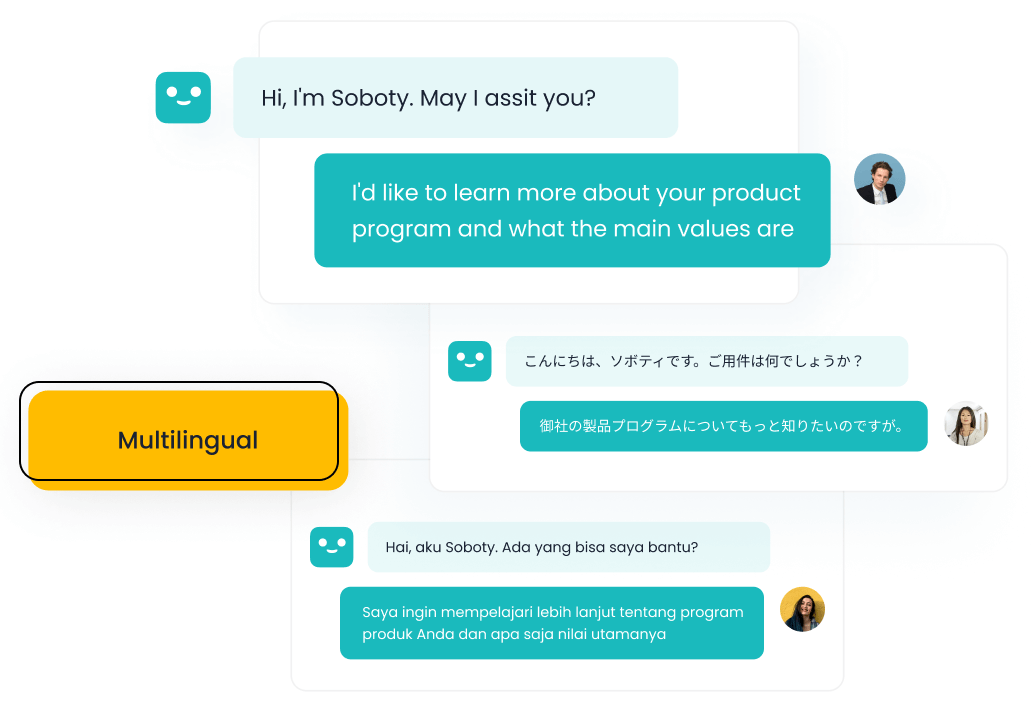
The same Ryanair case study says its assistant delivers 120,000 customer answers a day across seven languages. This demonstrates deployment scale in that service context; an answer count alone does not tell us how many customer problems stayed resolved. A chatbot is well placed to reuse current information about hours, baggage rules, returns, or a documented setup step. The benefit grows when the content is reviewed centrally and the bot can route exceptions without restarting the conversation. During a seasonal surge, compare eligible request volume, verified completion, abandonment, and repeat contacts by language.
4. Help agents spend more time on harder cases
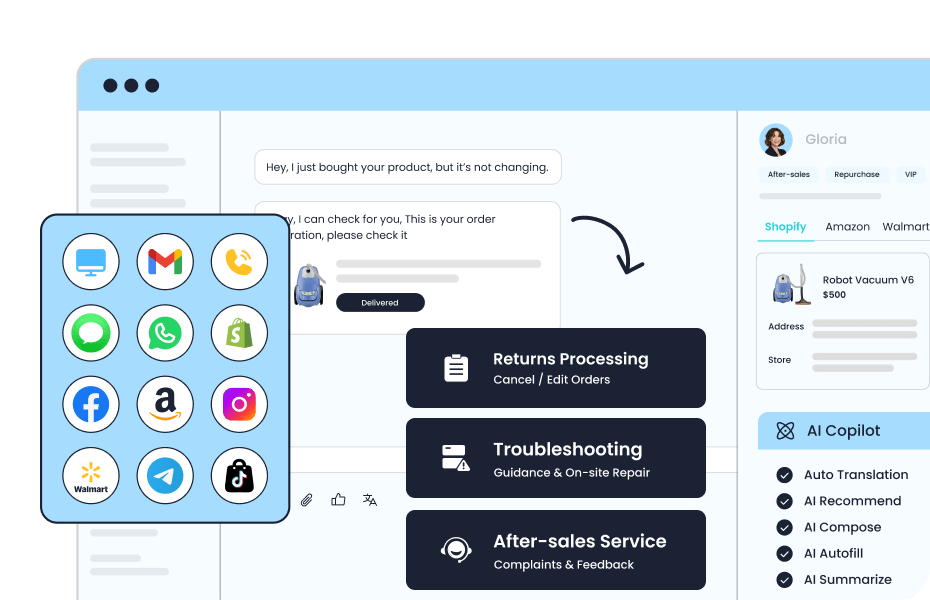
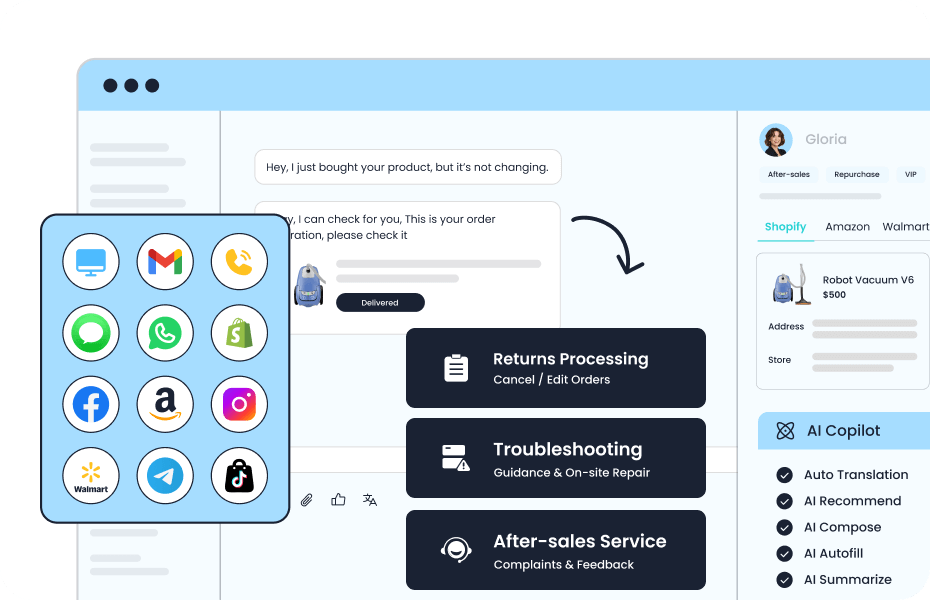
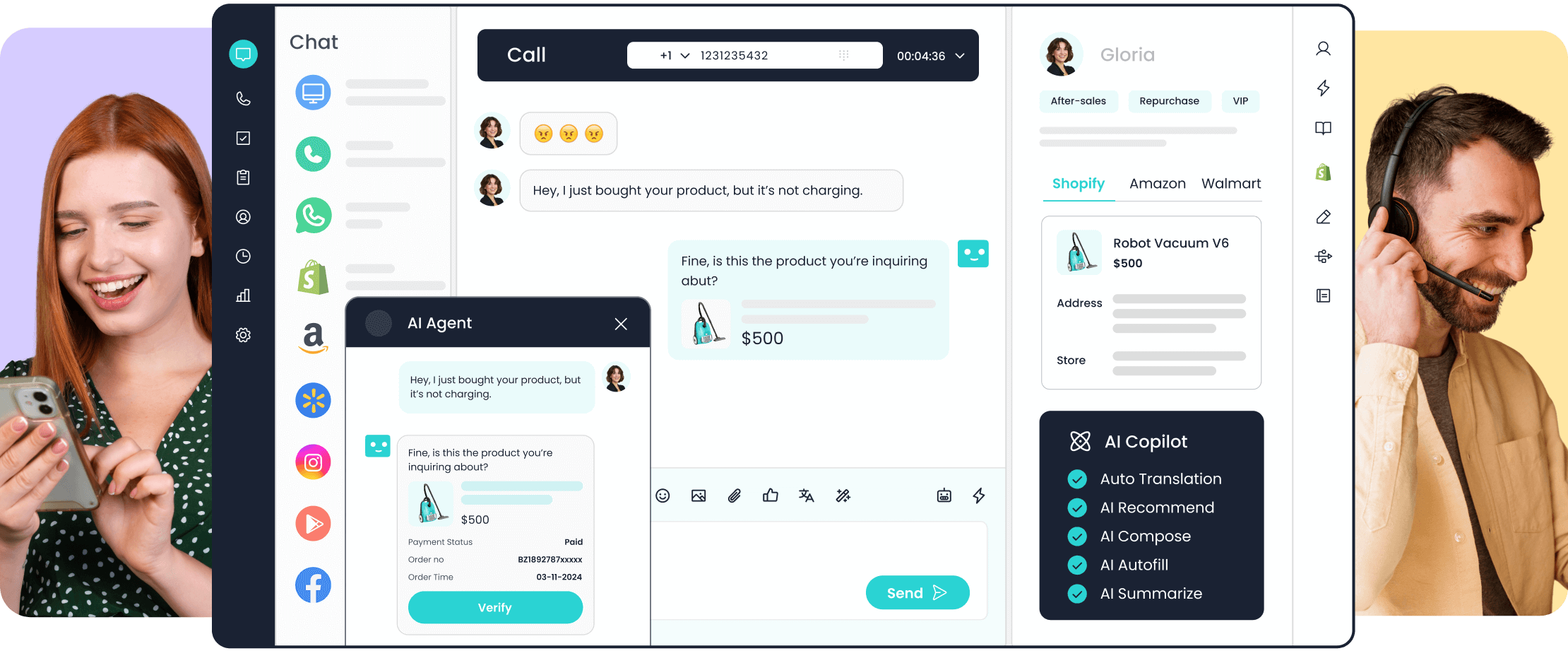
A NBER field study of 5,179 customer-support agents found that access to an AI assistant increased issues resolved per hour by 14% on average. The study examined assistance to human agents; it does not show that a customer-facing chatbot alone will produce the same result. A service chatbot may contribute by collecting an order number, classifying the request, and passing a concise history to the next agent. Measure whether agents actually spend less time repeating intake questions, whether complex-case quality holds, and whether work has merely shifted from one queue to another.
5. Create a path to lower service cost
In the seventh State of Service report, surveyed service professionals anticipated an average 20% reduction in service costs once AI agents were fully implemented. This is an expectation reported by respondents, not a measured saving attributable specifically to chatbots. Cost can improve when routine issues are resolved at lower total effort while staff remain available for exceptions. The calculation must include platform fees, integration work, knowledge maintenance, quality review, human handoff, and repeat contacts. An actual cost reduction exists only if the released capacity has a demonstrable use or expense reduction.
Where Do These Benefits Show Up in Customer Service?
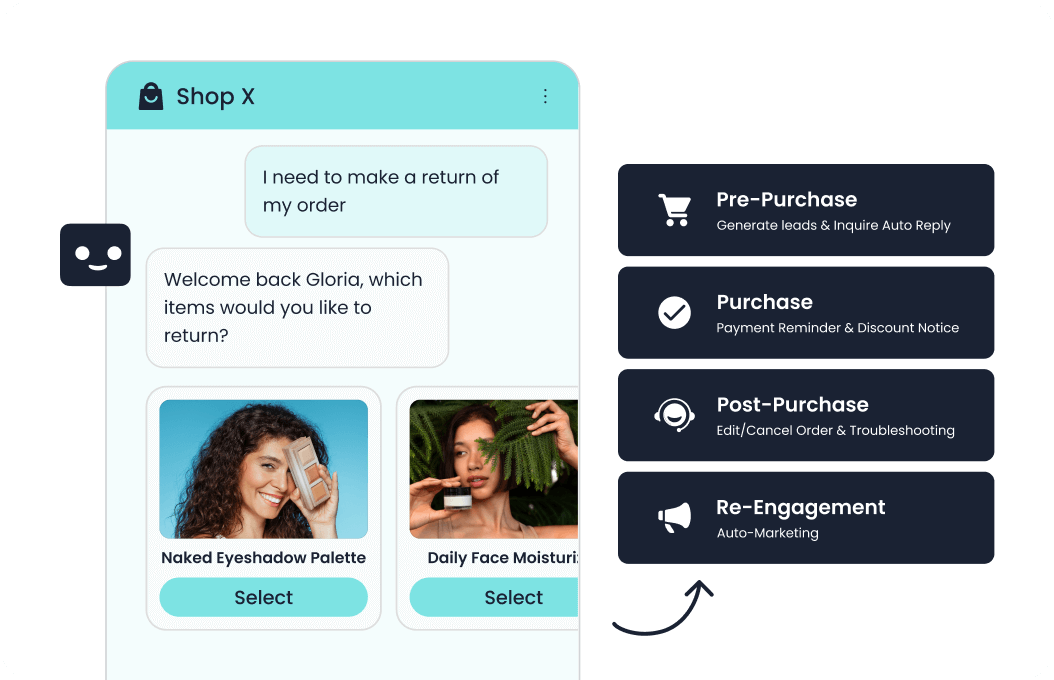
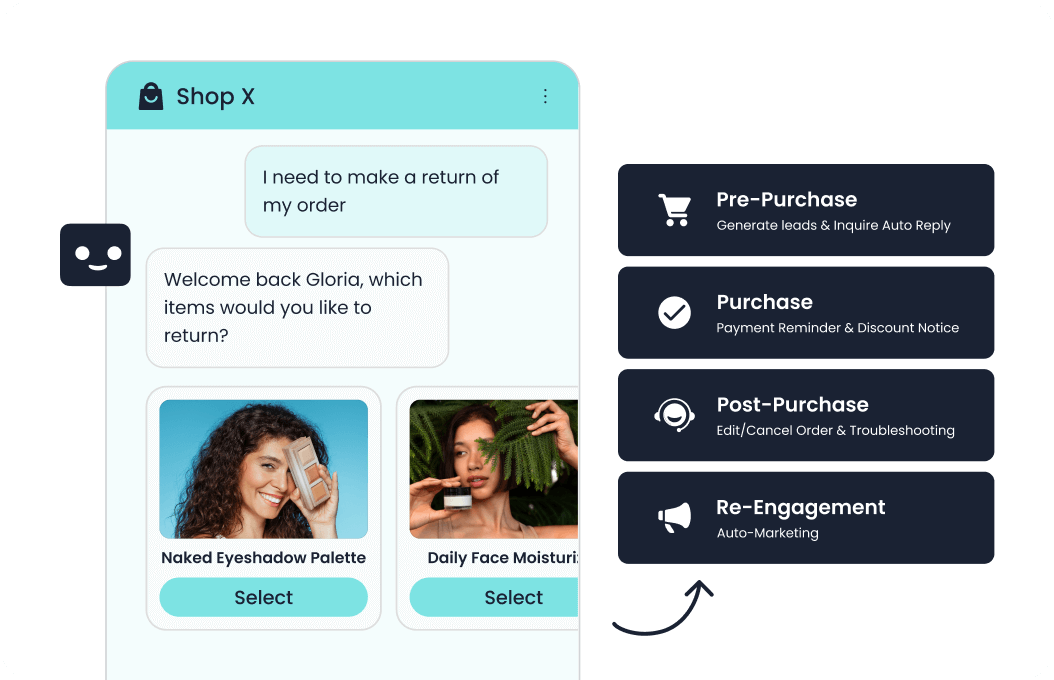
Consider a retailer that receives the same shipping and return questions through web chat and messaging. The bot can present the current policy, ask for an order identifier only after the appropriate identity step, and hand a refund dispute to an agent with the conversation attached. Availability helps the customer outside office hours; reusable answers absorb the routine volume; a clean handoff helps staff focus on the exception. Each outcome should be measured separately. If the customer needs to repeat the order number or reopen the dispute, a contained chat has not created the intended benefit.
For a SaaS provider, the equivalent first scope may be billing FAQs, account navigation, and documented troubleshooting. A bot can point to a verified help article and collect the product version and error message before escalation. It should not promise a custom fix, change access rights, or interpret a contract exception without a controlled workflow.
How Do You Calculate AI Chatbot ROI?
Define a baseline for one request category before launch. Record eligible contacts, fully loaded cost per resolved case, average resolution time, repeat-contact rate, and quality. Run a bounded pilot over a comparable period. Count a bot resolution only after a defined recontact window and include transfers that a human must complete. Then calculate ROI = (verified gross benefit − total chatbot program cost) ÷ total chatbot program cost × 100%. Verified gross benefit may include avoided service work that actually released paid capacity and measurable revenue retained, but each item needs a defensible method and must be counted once.
For example, if a pilot creates $30,000 in verified annual service value and costs $20,000 per year including subscriptions, integration amortization, maintenance, review, and escalation, ROI is 50%. This is an illustration, not a Sobot or industry result. If those “saved” minutes do not reduce spend or free capacity for valued work, do not book them as a cash saving. Compare like-for-like request mix and customer quality; report abandonment, errors, and repeat contacts alongside ROI. Recalculate when demand, policy, channel mix, or staffing changes.
What Conditions Make the Benefits Real?
The bot needs approved, current knowledge, clear permission limits, and a reliable human route. A wrong policy answer can be repeated at scale. A failed handoff can make a faster first reply feel like a longer wait. Account-specific actions require identity and authorization checks in the underlying system; a conversational instruction is not enough. Tell customers when they are using AI and what happens after escalation. Review sampled conversations by task and language, including false answers, stalled requests, and sensitive cases. Narrow the bot’s scope when these measures worsen, even if answer volume rises.
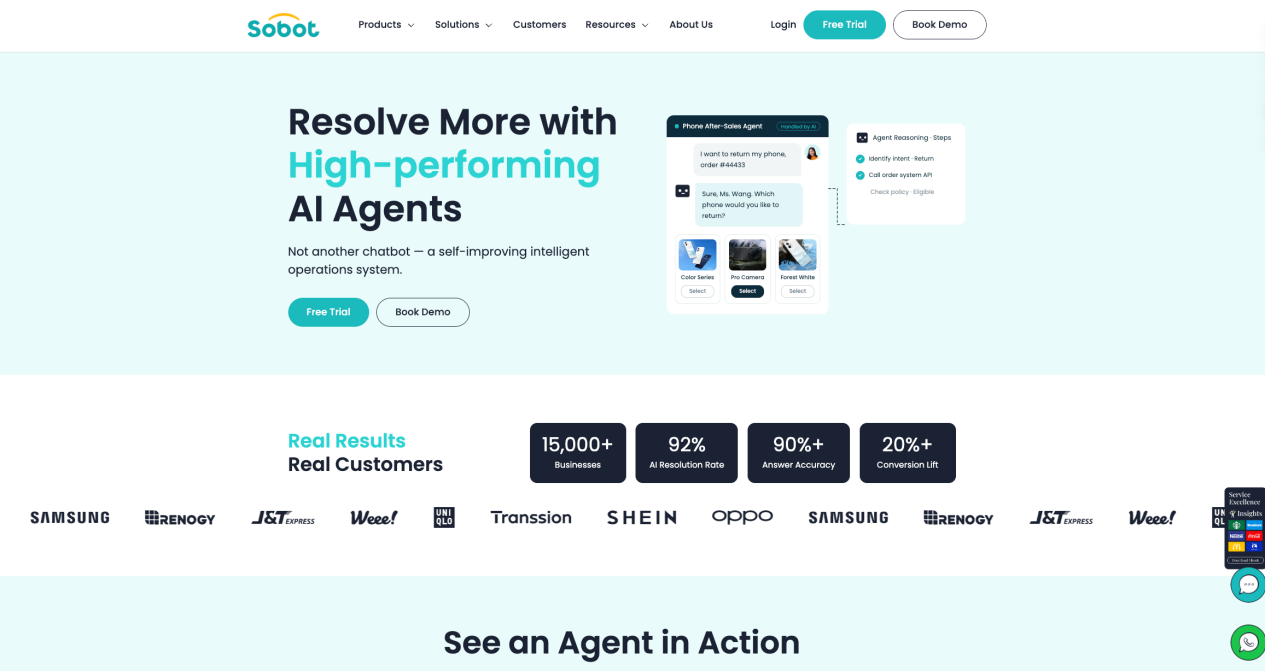
Begin with a small set of frequent requests that have a testable outcome. Define who maintains each source, when a request transfers, and which metric triggers a pause. If the pilot improves verified resolution without raising customer effort or hidden agent work, expand to the next bounded category. Sobot’s AI Agents overview can help frame a product demonstration around your actual knowledge, channels, permissions, handoff rules, and outcome logs.
How Should a Team Decide?
Choose one high-volume, low-risk request category and agree on the baseline, completion rule, recontact window, and stopping conditions.
- Test verified completion and customer effort, not response count alone.
- Keep a staffed handoff for exceptions and sensitive decisions.
- Expand only when quality and fully loaded economics hold by request type.
Frequently Asked Questions
What is the biggest benefit of an AI chatbot?
For many service teams, it is timely help for a frequent, well-defined request. Start with a category that has a clear completion signal and a manageable error cost.
How can AI chatbots benefit a SaaS support team?
They can answer documented account and setup questions, gather the product version and error details, and route unresolved issues with context. Test each workflow against verified resolution and repeat tickets. Keep access changes, outages, and contract exceptions under controlled human or system review.
Does a high containment rate prove chatbot ROI?
No. Containment says a chat ended without an immediate transfer; it does not show that the issue stayed resolved. Check repeat contacts across channels, customer effort, quality, and the full cost of running the bot. Only count economic value that the team can verify without counting the same benefit twice.