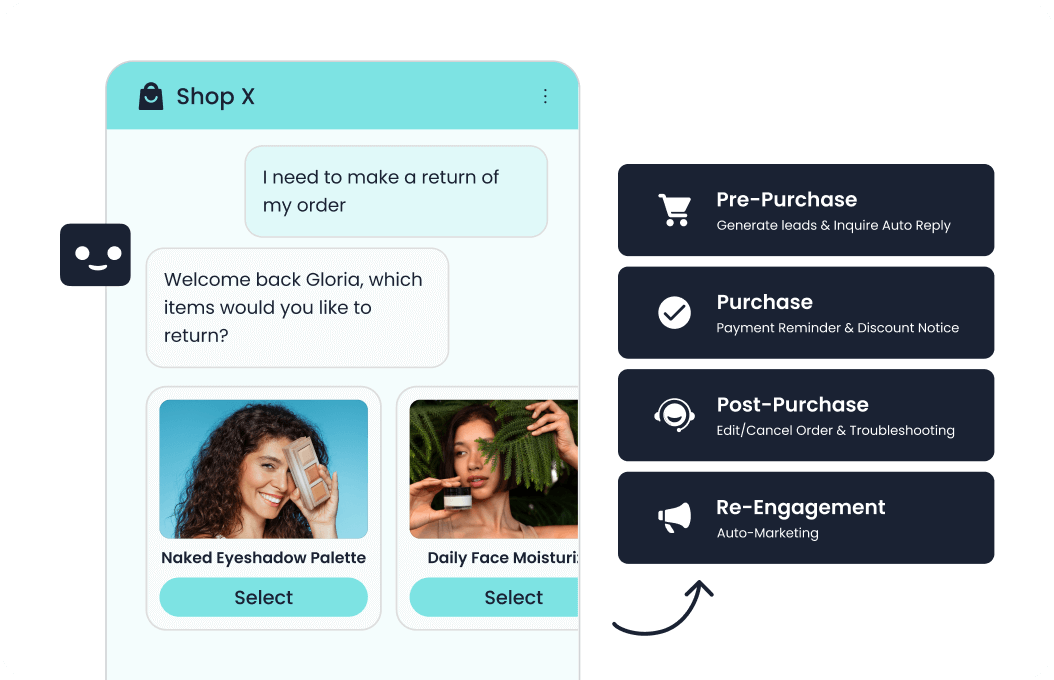
In customer service, an AI chatbot can answer routine questions at any hour and keep a conversation moving while agents handle harder work. It can also give a confident wrong answer, expose data through a poorly controlled integration, or trap a customer who needs a person. The useful question is which requests should be automated, under what controls, and how the team will know whether customers actually got help.
Key Takeaways
- Availability and repeatable answers are advantages only when the underlying knowledge and workflow are maintained.
- Incorrect answers, weak handoffs, privacy exposure, and ongoing operating costs are distinct disadvantages with different controls.
- Start with bounded requests; measure verified resolution and repeat contacts before widening the bot’s authority.
AI chatbot advantages and disadvantages in customer service
| Potential advantage | Corresponding disadvantage | Practical condition |
|---|---|---|
| Around-the-clock first response | Availability can hide unresolved issues. | Offer a usable handoff and track the full resolution path. |
| Repeatable answers to common requests | Stale or invented answers can scale quickly. | Use approved knowledge and review sampled answers. |
| Capacity for routine volume | Integration and maintenance add cost. | Compare fully loaded cost per verified resolution. |
| Context collection before transfer | Personal data can be overshared or retained. | Limit fields, permissions, and retention. |
What Is an AI Customer-Service Chatbot?
An AI customer-service chatbot is a conversational system that interprets a customer’s message, selects or generates a response, and may carry out an authorized service task. It can retrieve approved information, collect details for a case, or pass the interaction to a human agent. A fixed menu bot follows predetermined branches; an agent-assist tool suggests replies to staff rather than speaking to customers directly. These distinctions matter because the risks depend on what the bot can read, say, and do. A chatbot that only provides public opening hours has a different risk profile from one that can change an order after checking identity.
What Are the Main Advantages?
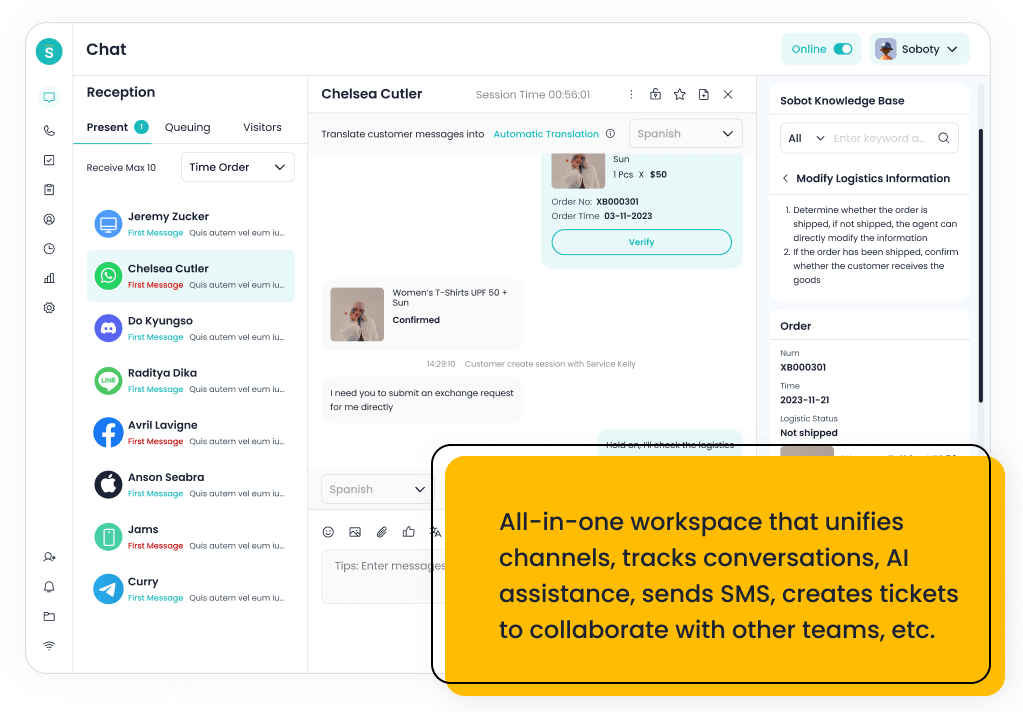
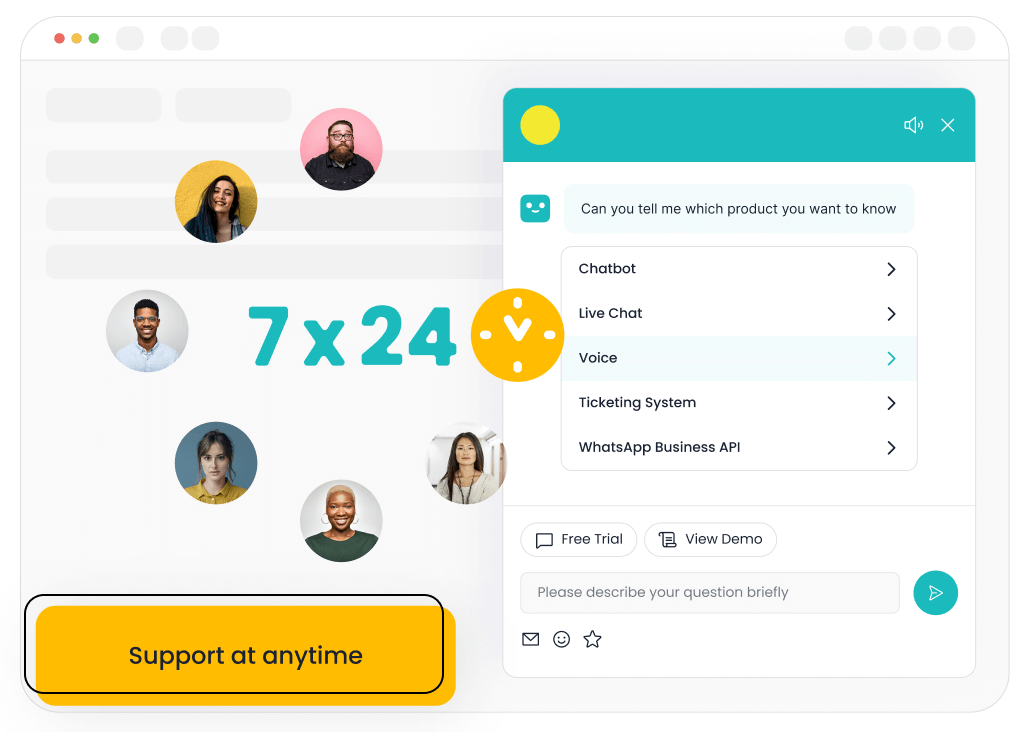
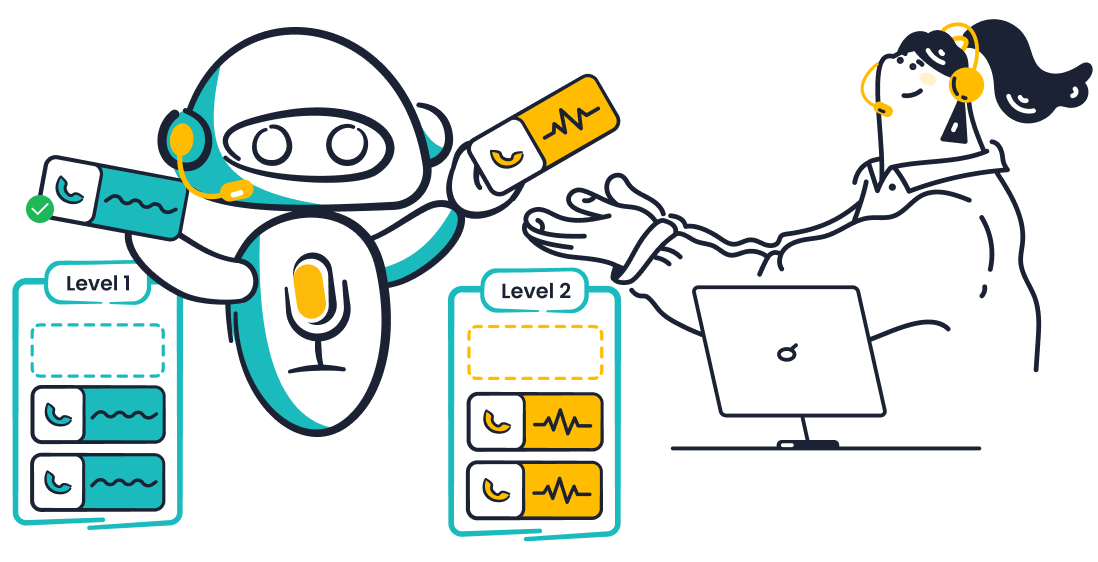
The strongest benefits are operational: a chatbot can be available outside staffed hours, reuse an approved answer across channels, and gather the information an agent needs before taking over. Those are capabilities, not guaranteed savings or customer satisfaction. Their value depends on how many requests are suitable for automation and how often the bot reaches a correct outcome.
Faster access for bounded requests
For order status, store hours, return eligibility, or a documented setup step, customers can start a conversation without waiting for the next shift. The bot may also ask for an order number or issue category before transfer. A fast first reply helps only if the customer gets a useful answer or reaches the right agent; measure time to resolution as well as reply latency. Do not count an unanswered overnight message as a resolved case. Check that account-specific requests complete identity verification before the bot safely retrieves a private status.
Consistent knowledge and useful agent preparation
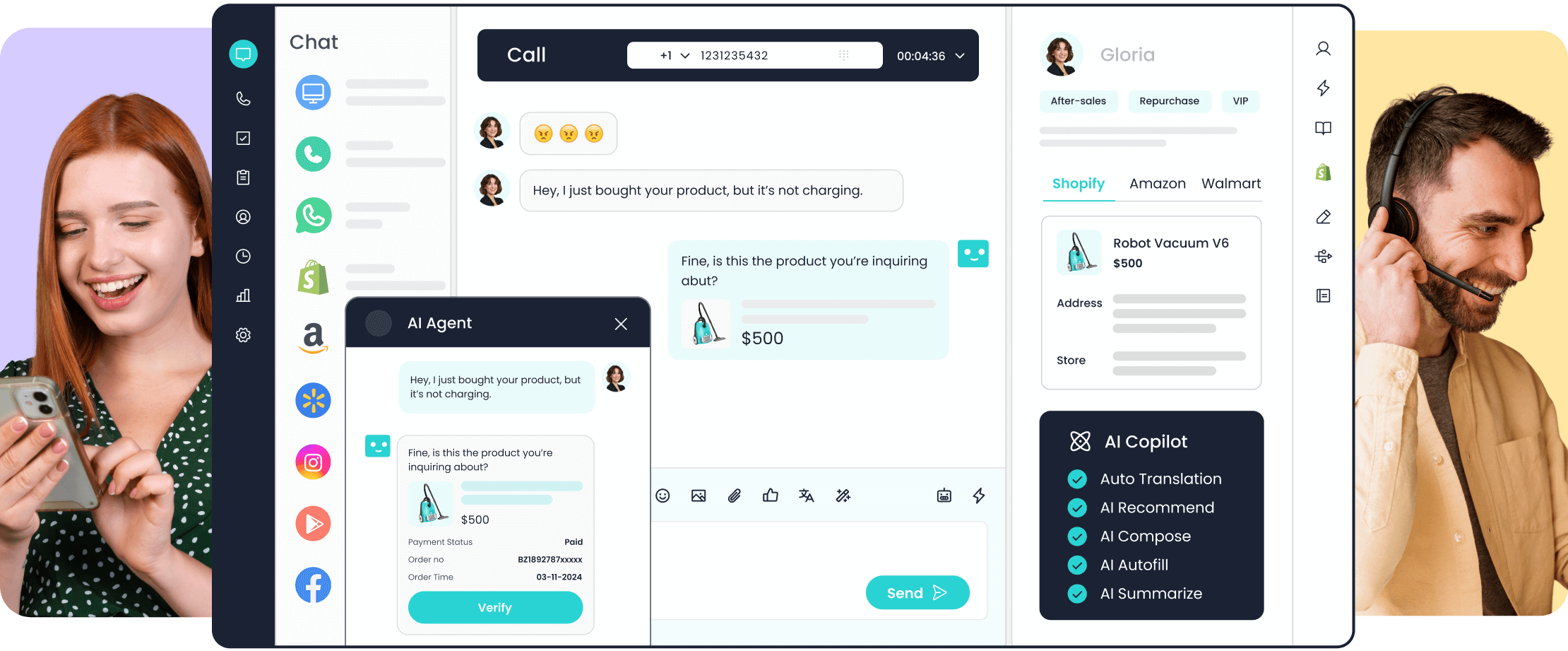
Connecting a bot to approved, current service content can make routine policy answers more consistent than relying on memory alone. It can pass a concise transcript and collected details to an agent, reducing repeated questions when the transfer works. In a NBER field study involving 5,179 customer-support agents, access to an AI assistant increased issues resolved per hour by 14% on average. That finding concerns tools assisting human agents, not autonomous customer-facing chatbot resolution. It supports testing the combined workflow, not claiming a bot will deliver the same gain. Knowledge quality and transfer queues still determine the result.
What Are the Main Disadvantages—and How Can Teams Reduce Them?
A common challenge associated with deploying AI chatbots in customer service is treating every failure as a generic “AI problem.” Answer quality, customer frustration, data access, security, and operating cost fail in different ways. Each needs its own control and a measure that can reveal whether the control works. None can be eliminated by a promise that the model is advanced.
1. Confident but incorrect answers
NIST’s generative-AI profile describes confabulation: generated content can sound certain while being false or inconsistent. In support, an invented refund exception or delivery date can create a second service problem. Mitigation: restrict answer sources to approved, versioned knowledge; require the bot to say when it cannot verify a fact; and audit a sample of real conversations by request type. Residual limit: retrieval and testing reduce exposure but do not prove every future answer correct. High-stakes promises need a human or a verified transactional system. Review both false approvals and false denials in the audit.
2. Poor fit for complex or sensitive requests
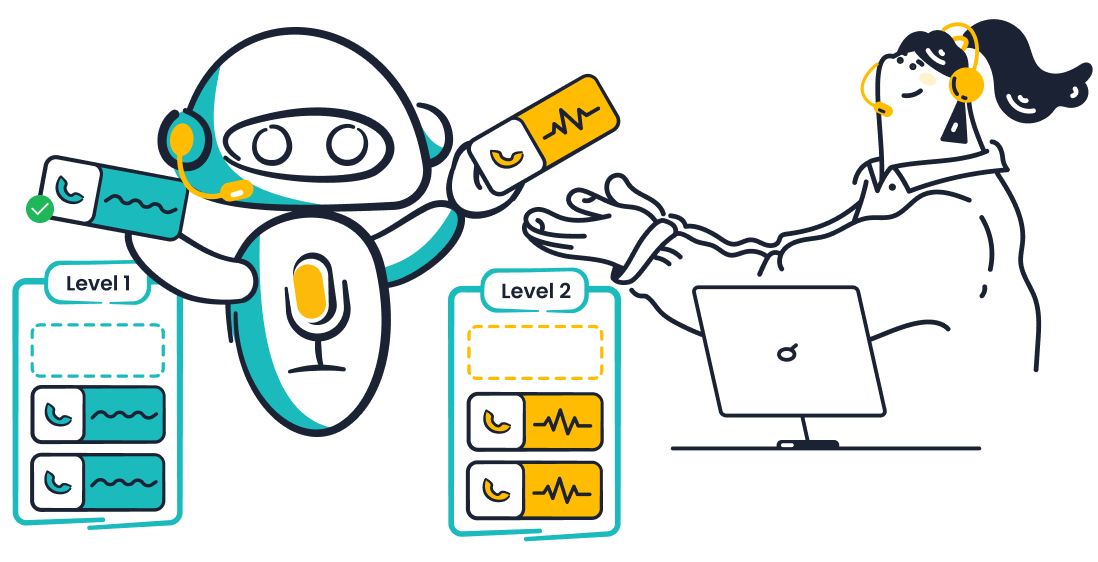
A bot may miss emotion, an unusual exception, or several interdependent facts. An e-commerce chatbot study based on 299 usable survey responses found that task complexity weakened the relationship between perceived friendliness and consumer trust. This is a context-specific perception result, not proof that every complex service case fails. Mitigation: define escalation triggers for repeated failure, low confidence, disputes, and distress; transfer the transcript and collected context. Residual limit: a handoff can still be slow if no agent is available or if the receiving queue cannot act on the request. Test multi-step requests in a staffed queue.
3. Personal-data and access exposure
A service bot may encounter names, addresses, payment details, or account history. Connecting it to more systems increases what a mistaken response or permission can expose. The European Data Protection Board describes data minimization and purpose limits as GDPR principles where that law applies. Mitigation: collect only fields needed for the task, mask sensitive values, apply role-based access, and set retention and deletion rules. Residual limit: controls depend on the actual integration, processor terms, and jurisdiction; a generic security label is not enough. Inspect prompts, logs, analytics, and backups as well as chat transcripts.
4. Manipulation through untrusted input
OWASP’s LLM guidance explains how malicious instructions in user messages or retrieved material can redirect a model. The risk becomes more serious when a bot can use tools or access private records. Mitigation: separate untrusted text from system instructions, restrict tool permissions, confirm identity before account actions, and test adversarial conversations. Residual limit: prompt filtering alone cannot guarantee protection; action permissions and monitoring remain essential. A rules-only menu bot has a different exposure than a generative bot with connected tools. Keep high-impact actions behind server-side authorization and independent audit logs.
5. Hidden operating work and unclear savings
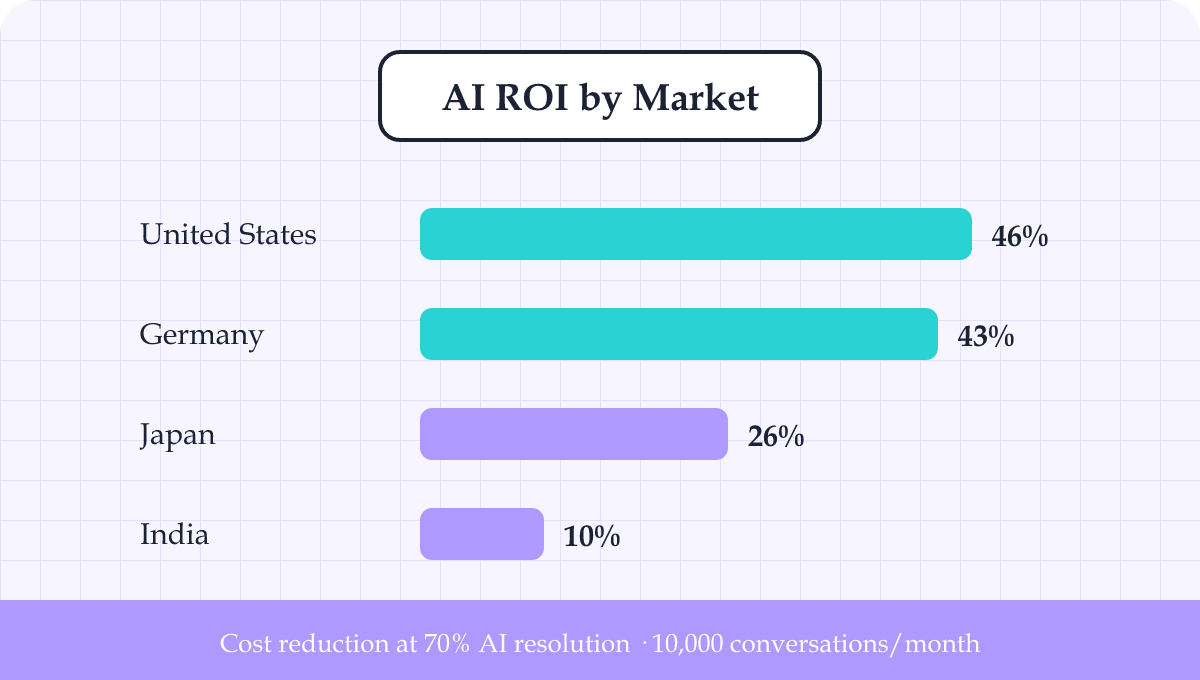
Automation can move work rather than remove it: someone still maintains the knowledge base, reviews errors, handles exceptions, and pays for software, usage, and integrations. A high “deflection” rate may mask customers who abandon the bot and return through another channel. Mitigation: compare fully loaded cost per verified resolution with the previous workflow, using the same request mix and a recontact window. Residual limit: the result can change with demand, language, channel, and policy updates. Do not translate the NBER agent-assistance result into a chatbot cost-saving percentage. Include abandoned chats and contacts repeated through another channel.
When Is a Chatbot a Good Fit—and When Is It Not?
A good first use case has frequent requests, a clear answer or bounded action, current source material, and a simple test for success. Examples include public FAQs, shipping status after identity checks, and collecting information before an agent takes over. The bot should have a visible way to reach a person. A poor first use case involves disputed charges, sensitive medical or legal judgments, unusual contract exceptions, or a distressed customer. Those tasks may still benefit from agent assistance, but the bot should not make an unverified promise or block a human review.
Be explicit that customers are speaking with AI. The UK Information Commissioner’s Office describes transparency and accountability for AI-assisted decisions in its UK data-protection context. For service design, a clear label and a plain explanation of what the bot can do help customers decide whether to continue or request a person. This is a transferable design principle, not a claim that the ICO guidance governs every chatbot worldwide.
How Should a Team Decide?
Run a bounded pilot with real, consented service requests. Define which requests are eligible, what counts as resolved, how long to watch for repeat contact, and what causes immediate escalation. Review a sample of correct answers, wrong answers, abandoned conversations, and transfers. Compare customer effort and agent workload alongside cost. If one category improves but a sensitive category worsens, narrow the bot’s scope rather than reporting a single blended success rate.
- Stop when an account action is wrong or private data is exposed.
- Escalate after repeated failure or an explicit request for a person.
- Expand only when improvement holds across tasks and languages.
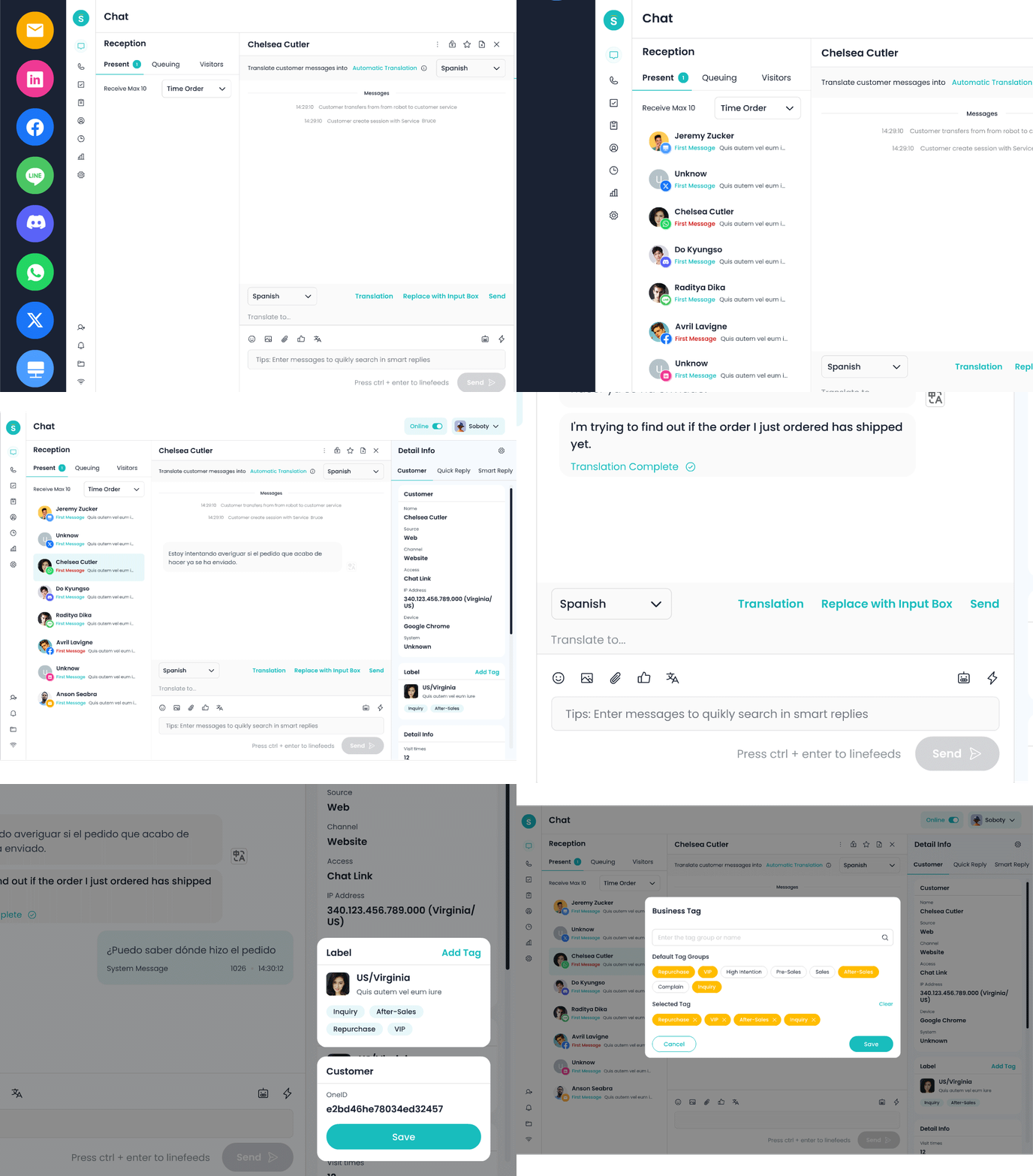
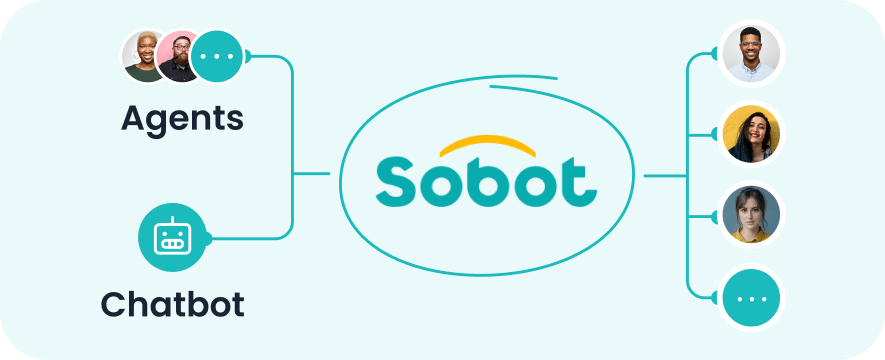
Sobot’s AI Agents overview describes configurable customer-service agents and human collaboration. Use it as a product-scope starting point, then ask for a demonstration with your own knowledge, channel, permissions, handoff rules, and outcome logs. The right decision is a workflow that resolves the chosen tasks reliably, not simply the chatbot with the broadest feature list.
Frequently Asked Questions
What is the biggest disadvantage of a customer-service chatbot?
It depends on what the bot is allowed to do. For a public FAQ bot, the largest risk may be confidently wrong advice. For an account-connected bot, an incorrect action or data exposure may matter more. Rank the risks by task and access, then test the highest-impact failure first. A single generic “accuracy” score hides important differences.
Can an AI chatbot replace human customer support?
It can handle some bounded requests, but a blanket replacement claim ignores exceptions, disputes, and customers who need judgment or reassurance. Use the bot to answer or prepare suitable cases and keep a staffed route for the rest. Before changing staffing, compare verified resolution, repeat contacts, customer effort, and the workload transferred to agents over a representative period.
How do you know whether the advantages outweigh the disadvantages?
Start with one request category and a baseline from the existing service process. Count resolved cases after a recontact window, not just bot replies. Add platform, integration, review, and human handoff costs; record wrong-answer and abandonment rates separately. Expand only if customer outcomes improve without shifting hidden work to another queue or channel.