One illustrative customer request: “Can I move my appointment to Friday?”
| AI term | Core meaning | Example in customer service |
|---|---|---|
| Generative AI | Creates content from instructions and available context. | Drafts an explanation of the appointment-change policy for a representative to review. |
| Conversational AI | Processes natural-language interaction through text or voice. | Asks which appointment the customer means and which Friday time would work. |
| Agentic AI | Selects steps and uses available tools to pursue a goal. | Checks the booking, finds available slots and adapts the next step when the preferred slot is unavailable. |
| Autonomous AI | Carries out assigned work with limited direct human intervention, within a defined scope. | Completes an eligible, customer-confirmed change without a representative approving each step, if configured and authorized. |
Generative, Conversational, Agentic and Autonomous AI at a Glance
The key difference is what each label describes: content, interaction, task execution or delegated independence. They are overlapping aspects of AI customer service, so the table is not a ladder from basic to universally better software. An appointment assistant could use all four; a tool that only drafts replies may need just the first.
Why These AI Terms Overlap
The terms are often mixed because they describe different parts of the same experience. A customer sees one assistant, while the system may generate a sentence, ask a follow-up question and call a scheduling tool. A product can therefore be both generative and conversational, with agentic behavior behind particular requests.
Confusion also comes from treating marketing labels as a complete description of the system. “Autonomous” does not tell you which records it can change or when it must ask for approval. “Conversational” does not mean it can only talk. To understand a claim, ask what happens after the customer speaks and who controls the next action.
Generative AI Produces the Answer
Generative AI is defined by the content it produces. AWS’s definition covers newly created content, including text. For generative AI customer service, useful outputs include a reply draft, a conversation summary or an explanation drawn from supplied information.
Consider a long complaint email. A gen AI customer service tool might condense it into the problem, prior attempts and requested remedy. That gives the representative an initial view of the issue before checking the details that affect the decision. The summary still needs to preserve an important qualification, such as the customer’s refusal of a previous offer.
Generating a message that says “Your appointment has changed” does not itself update the booking. Content generation supplies the words; a connected application must perform and confirm the change. This distinction matters whenever a polished answer sounds like a completed transaction.
Conversational AI Manages the Exchange
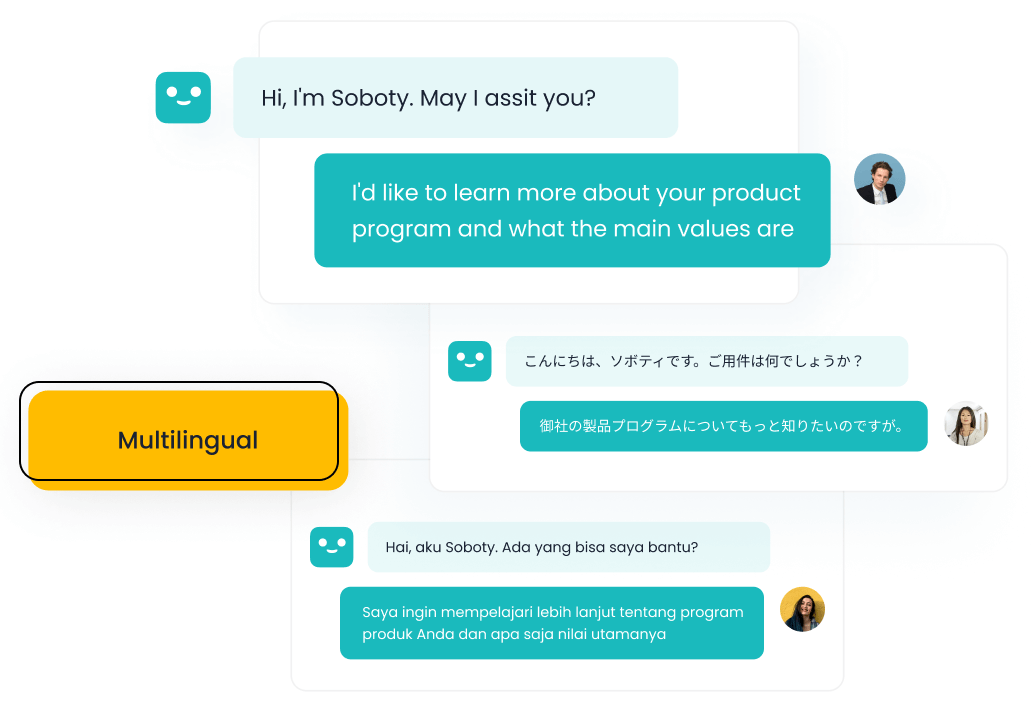
Conversational AI focuses on interaction. AWS describes it as processing and responding to human conversations in text or voice. It can support an exchange that develops over several turns, rather than treating every message as an isolated instruction.
In the appointment example, “Friday afternoon” is only useful if the assistant connects it to the booking already under discussion. If the customer changes their mind, the system needs to use the revised preference. These are conversational AI customer service requirements, regardless of whether the eventual response is generated freely or selected from approved wording.
The conversation may lead into a fixed booking workflow or an agent that chooses its own next steps. A natural-sounding interface alone cannot reveal which approach operates behind it.
Agentic AI Chooses Steps and Uses Tools
Agentic AI concerns how the system pursues a task. Anthropic distinguishes workflows that follow predefined code paths from agents that dynamically direct their processes and tool use. Here, tools are software connections for reading records or performing actions.
For an appointment change, the path may depend on what the system discovers. An unavailable slot could require a new search; conflicting booking details could require clarification. An agentic AI customer service system can choose among available steps using the information returned, rather than expecting every request to follow the same sequence.
That flexibility is useful when the path genuinely varies. If the entire job is to collect a reference number and return one status field, a predefined workflow may be sufficient. Adding agentic planning to a predictable task can introduce decisions that the task never needed.
Autonomous AI Still Has an Assigned Scope
Autonomy concerns how independently the assigned work proceeds. Salesforce describes agent autonomy as bounded by rules and guardrails. For a support team, that means specifying which actions may run independently and which need approval. It does not mean removing responsibility for the service.
An assistant might be allowed to reschedule a standard appointment after the customer confirms a slot, but require a representative to waive a cancellation charge. It could choose its own steps up to that approval point. Conversely, a fixed workflow can complete routine work without a person clicking through each step. Independent execution alone does not prove agentic planning.
When evaluating autonomous AI customer service, request a concrete description of its operating scope. “Works on its own” is less informative than knowing whether it may read availability, alter a booking, approve an exception or only propose those actions.
Choose AI Around the Work You Need Done
Start with the service outcome and the task’s uncertainty. Choose the content output, conversational behavior and action permissions separately; then decide where independent execution is appropriate. This produces a more useful requirement than asking for the most autonomous option.
- Representatives spend time composing routine responses. Begin with generative assistance. Check whether drafts preserve policy conditions and how much substantive correction they need.
- Customers rarely supply enough detail initially. Prioritize conversational handling. Test whether the assistant asks a relevant question, remembers the answer and avoids requesting the same detail again.
- Resolution needs several systems and the next step varies. Consider agentic orchestration. Test unavailable results and conflicting information, not only a successful demonstration.
- A bounded task is ready for independent completion. Define the permitted actions, confirmation requirements and escalation conditions. Check the resulting business record before counting the request as resolved.
Write the acceptance condition in operational terms. For appointment changes, that could mean the chosen slot is saved, the old slot is released and the customer receives the correct confirmation. A representative can judge those results even without knowing which model produced the wording.
A Brief Product Example: Sobot
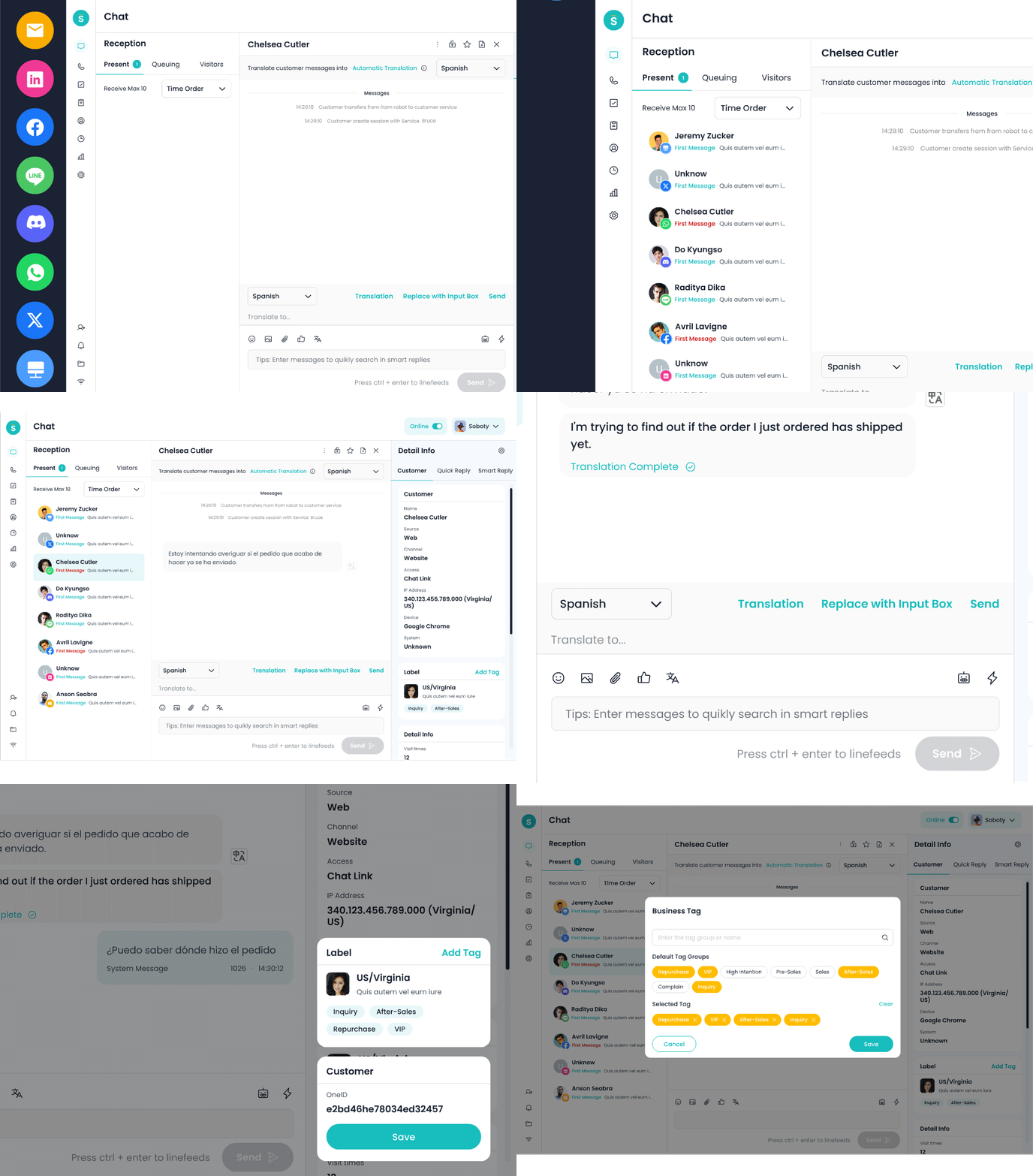
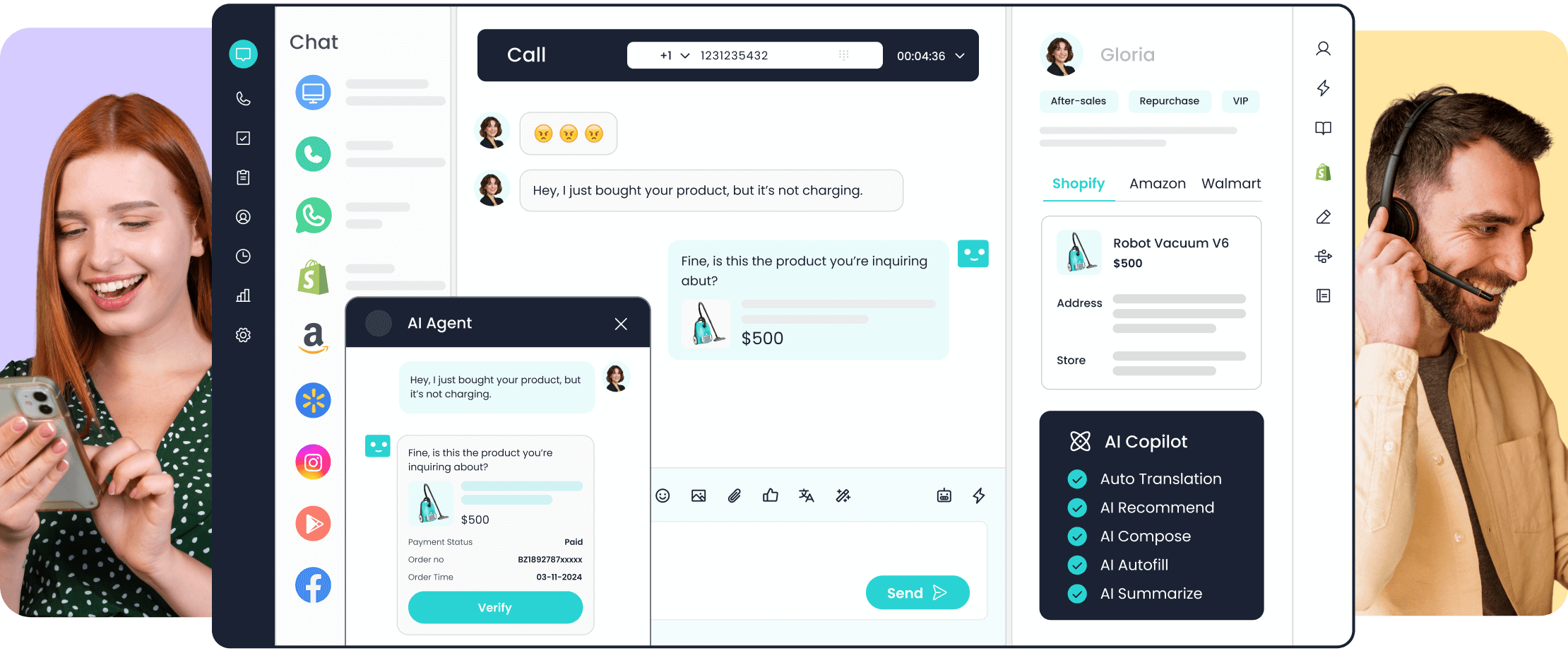
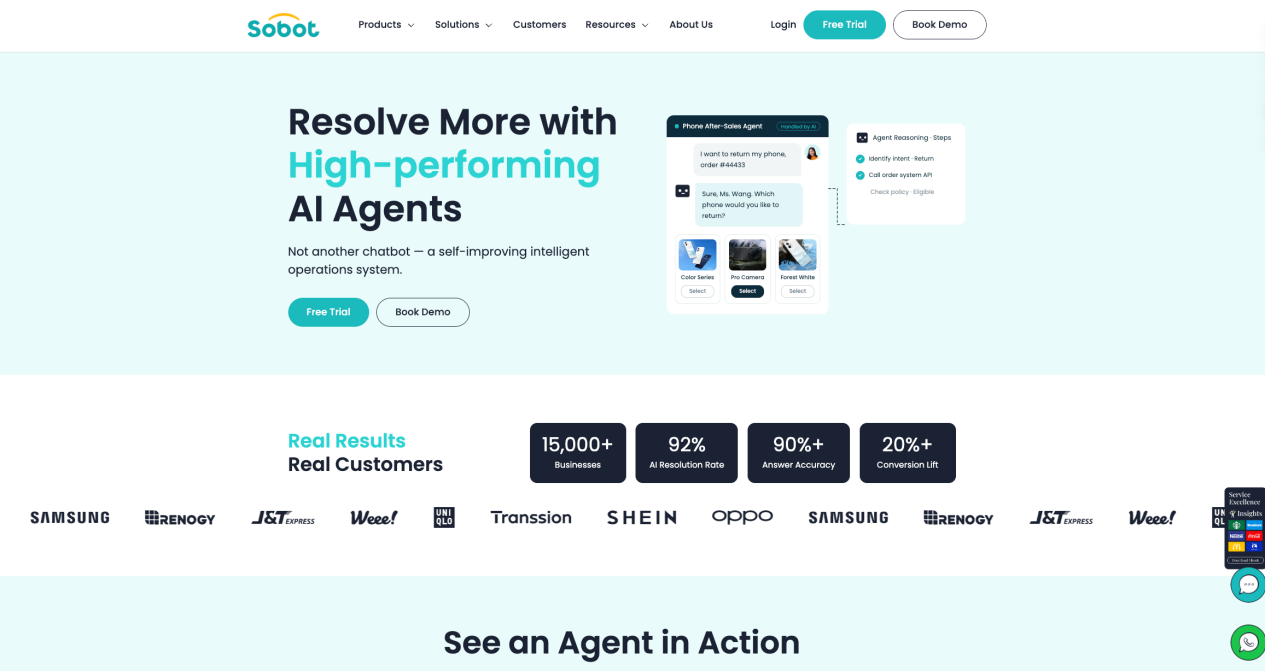
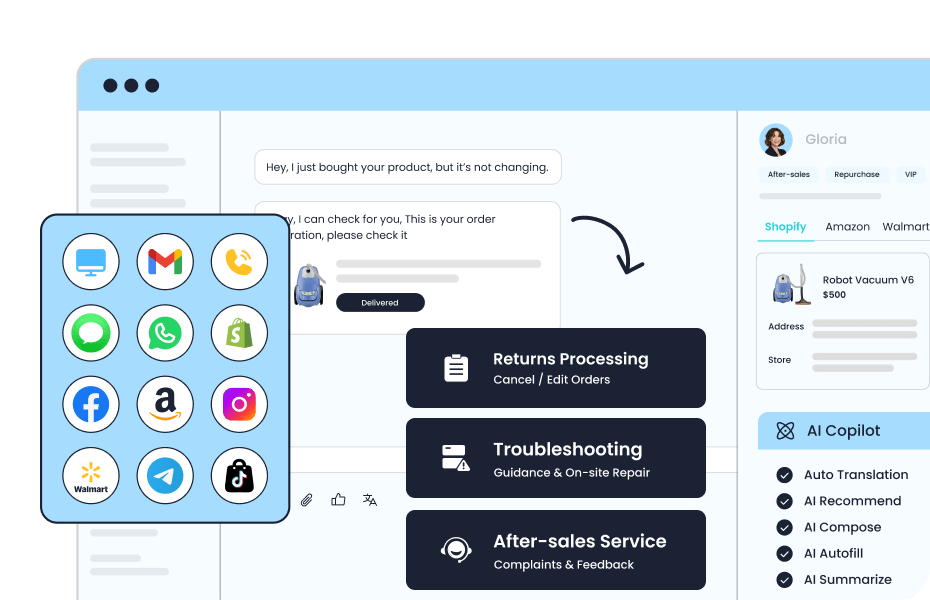
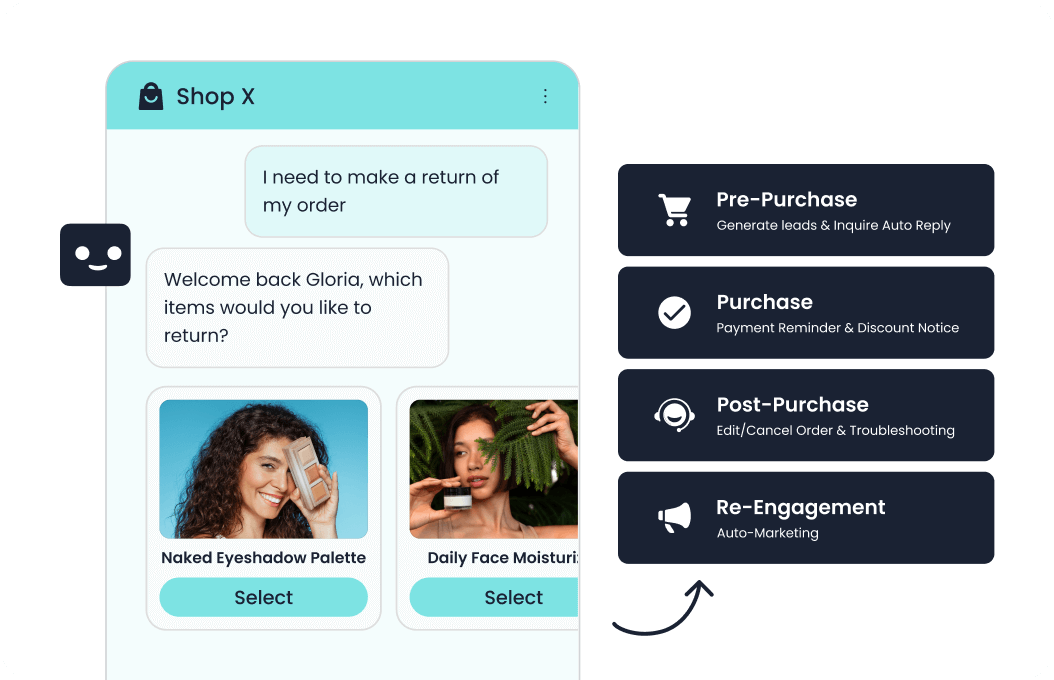
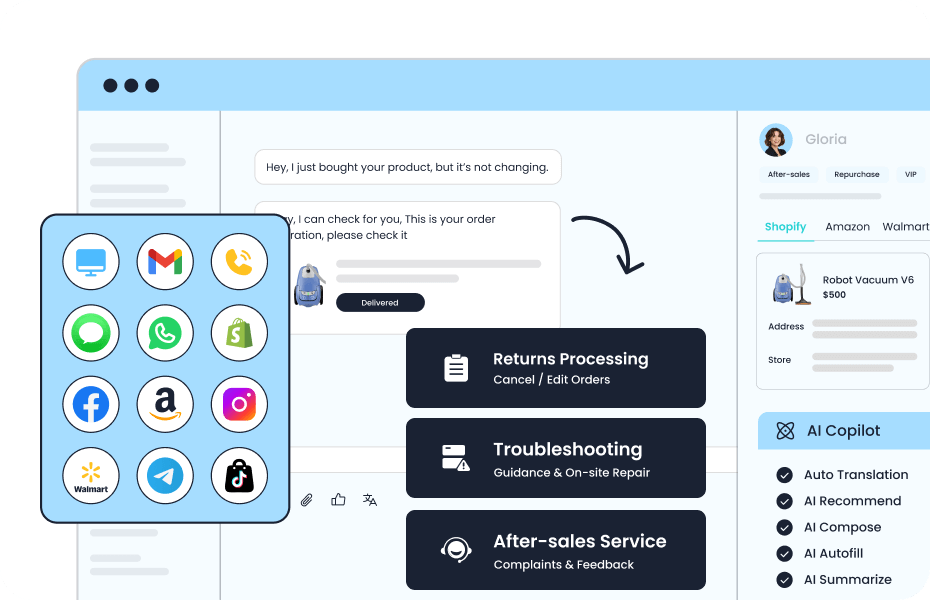
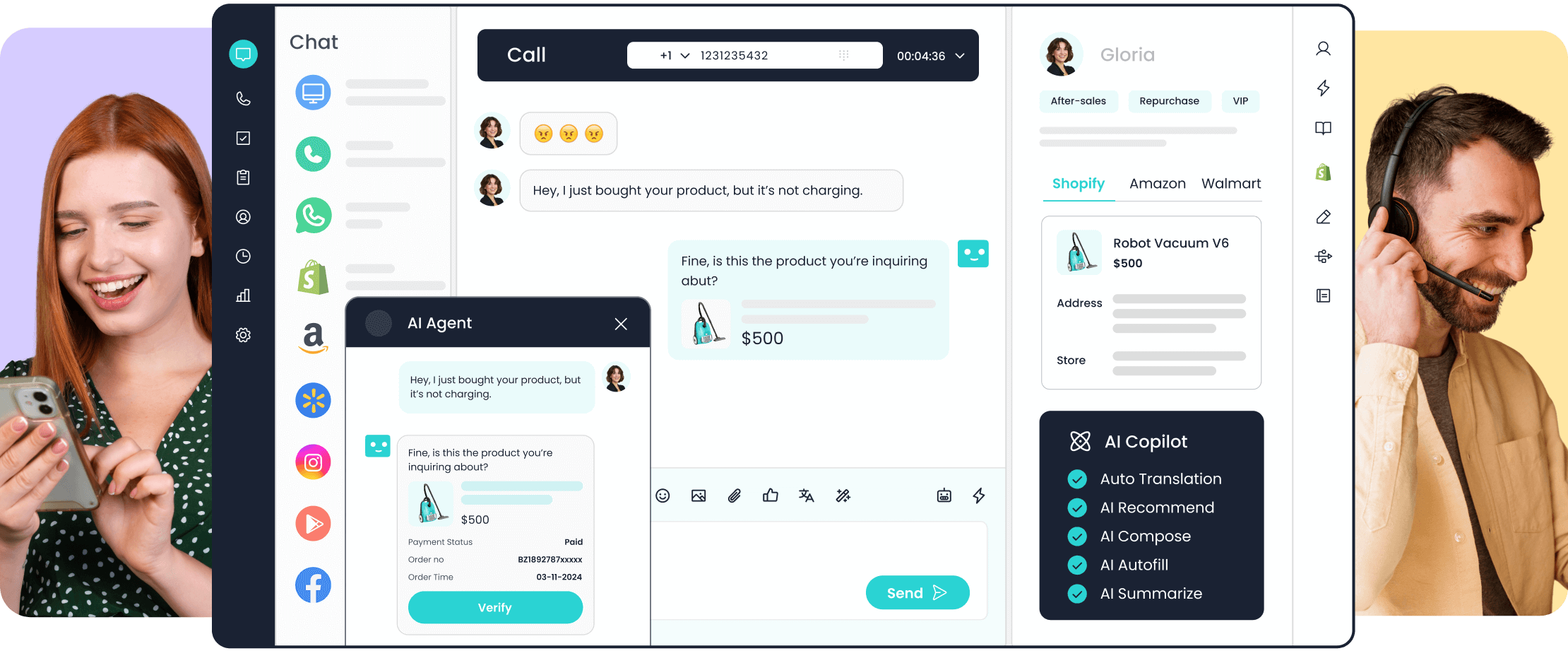
Sobot’s agentic customer contact platform illustrates the overlap through Agents, Nexus and Experts. Sobot Agents uses business knowledge and configured tools to handle eligible customer requests. Nexus provides the channel infrastructure and a human workspace with Copilot assistance for drafts and summaries; Experts support deployment and ongoing improvement. This separates customer-facing execution from assistance for representatives without treating them as competing choices. Which actions can run independently still depends on the connected systems, permissions and handoff rules, while Expert services depend on the agreed scope.

Sobot’s workspace illustration brings customer conversations, business context and Copilot assistance together.
Frequently Asked Questions
Does generative AI automatically know our customer records?
No. A model does not gain access to private account data simply because it can generate convincing text. The service needs a configured connection and authorization to retrieve the relevant record. A customer’s name mentioned in a reply is not evidence that the correct account was accessed. Check which record supplied the information and whether the requesting customer was entitled to it.
What if an AI task fails halfway through?
The system should report what actually completed and preserve the unresolved steps for follow-up. If a booking changed but its confirmation failed, repeating the entire request could create another change. Record the completed action, pass the remaining work to an appropriate queue and verify the final state. An interrupted task needs recovery, not an unsupported success message.