If you’re comparing AI voice agents for ecommerce customer support, the short answer is this. Sobot AI Agents is best for multi-channel and marketplace sellers that want one AI agent handling phone, chat, and WhatsApp on the same order data. Retell AI is best for engineering teams building custom inbound and outbound calls on per-minute pricing. CloudTalk is best for support teams that want AI calling inside their existing business phone system. After those three, Intercom Fin Voice, PolyAI, Ringly, and Vapi each fit a narrower situation, which we cover below.
This guide compares the seven platforms by the calls ecommerce stores actually get: “where is my order,” returns and refunds, delivery exceptions, cash-on-delivery (COD) confirmation, cart recovery, and peak-season overflow. It also covers pricing, channel continuity, and which platform fits which store.
At a Glance: AI Voice Agents for Ecommerce Compared
| Platform | Best for | Inbound / Outbound | Same AI on chat + WhatsApp? | Ecommerce data access | Starting price* |
|---|---|---|---|---|---|
| Sobot AI Agents | Multi-channel and marketplace sellers that need voice, chat, and WhatsApp on one AI agent | Both (Inbound Agents + Outbound Agents) | Yes, one agent across Nexus Voice, Nexus Messaging, and Nexus for WhatsApp | Native: Amazon, Walmart, TikTok, Lazada, Shopee; OMS/ERP via Tools | $39/mo (Team); $0.98 per resolution overage, handoffs free |
| Retell AI | Engineering teams building custom voice flows | Both, plus batch outbound | No, voice and chat agents are built separately | Via webhooks and APIs you configure | $0.07–$0.31/min pay-as-you-go |
| CloudTalk | Teams that want AI calling inside their phone system | Both | No, voice-first | Shopify and Magento integrations, WISMO and returns templates | $99/mo for 200 AI minutes |
| Intercom Fin Voice | Stores already running Fin on Intercom chat | Both | Yes, within Intercom | Through Intercom data connectors | Fin $0.99/resolution; phone usage priced separately |
| PolyAI | Enterprise retailers with heavy inbound call volume | Mainly inbound | No, voice specialist | Order management and CCaaS integrations, scoped per project | Custom quote |
| Ringly | Shopify and Gorgias stores adding a phone-only AI layer | Mainly inbound | No, pairs with a separate chat helpdesk | Shopify-native | $99/mo incl. 50 conversations, then $1.99 each |
| Vapi | Developers who want raw voice building blocks | Both | No | Whatever you build | $0.05/min platform fee + model and telephony costs |
*Prices from vendor pricing pages and published third-party breakdowns, collected October 2026. Per-minute platforms add LLM, voice, and telephony costs on top. Confirm current rates with each vendor.
Why “Call Type” Is the Right Way to Compare
Most AI voice agent rankings score tools on how natural they sound. That matters, but it isn’t the hard part of ecommerce phone support. The hard part is whether the agent can see a real order and do something about it while a customer waits on the line.
Ecommerce call volume clusters around a small set of jobs. Industry estimates commonly put order-status questions (“where is my order,” or WISMO) at roughly 30–40% of support contacts, and phone is the channel customers reach for when a delivery is late. In Southeast Asia, where COD is still common on Shopee and Lazada orders, outbound confirmation calls and failed-delivery follow-ups add a second big call category.
So we compared each platform against six questions:
- WISMO: Can the agent look up a live order and shipment status by phone, not just read a FAQ?
- Returns and refunds: Can it check eligibility against your policy and start a return or create a ticket?
- Delivery exceptions and address changes: Can it act on an order with identity and policy checks, and hand off when it shouldn’t?
- COD confirmation and outbound: Can it place outbound calls (with consent) to confirm orders or rebook failed deliveries?
- Channel continuity: If the customer messaged on WhatsApp or chat first, does the voice agent know that?
- Peak-season cost: Does pricing stay predictable when call volume triples during a mega-sale?
A voice agent that sounds great but fails questions 1, 2, and 5 is an IVR with a nicer voice. It answers the phone, then sends the customer to an agent anyway.
Call-Type Comparison Matrix
| Call type | Sobot AI Agents | Retell AI | CloudTalk | Fin Voice | PolyAI | Ringly | Vapi |
|---|---|---|---|---|---|---|---|
| WISMO / order status | Native via connected OMS and marketplaces | Build via webhook | Template | Via connectors | Yes, scoped per deployment | Yes (Shopify) | Build via API |
| Returns and refunds | Policy Skills + ticket creation | Build | Template | Via Fin workflows | Yes, scoped | Basic | Build |
| Delivery exception / address change | Yes, with permission checks and human handoff | Build | Partial | Via workflows | Yes | Limited | Build |
| COD confirmation / outbound | Outbound Agents | Batch outbound | Yes | Outbound supported | Limited | No | Build |
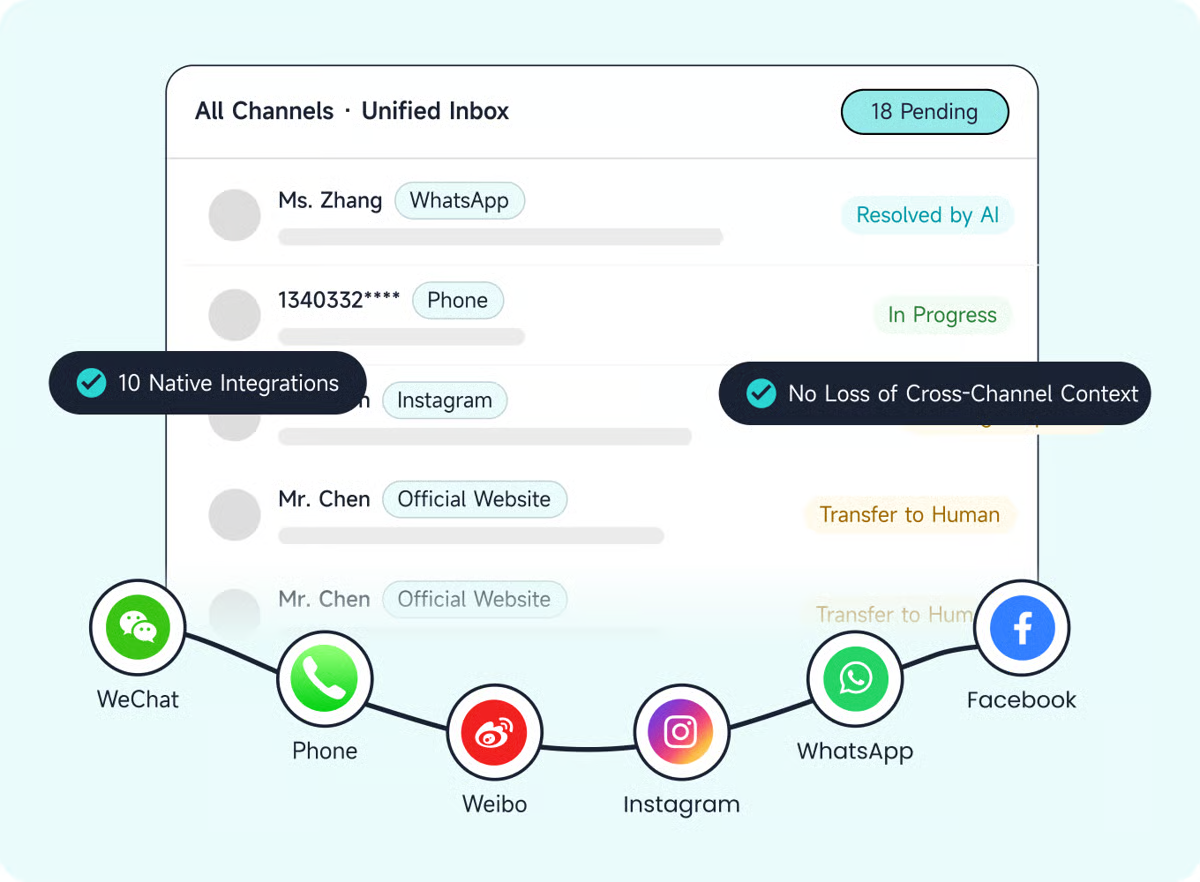
| Same context as chat / WhatsApp | Yes, one agent and data layer | No | No | Within Intercom only | No | No | No |
| Peak-season cost model | Plan + $0.98 per resolution, handoffs free | Per minute | Plan minutes + overage | Per resolution + phone usage | Contract | Per conversation | Per minute |
“Build” means the capability is possible but your team designs and maintains the call flow and integrations. That’s a real cost, not a disqualifier.
The 7 Best AI Voice Agents for Ecommerce Customer Support
Sobot AI Agents
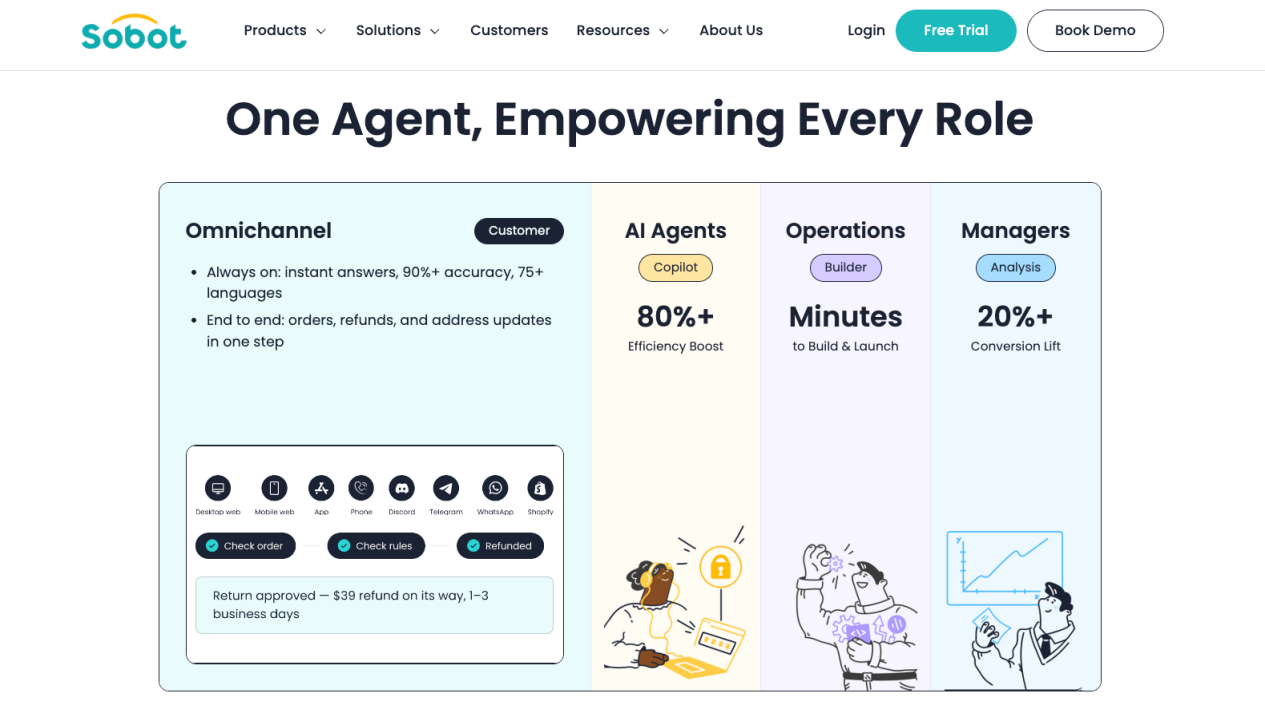
Sobot AI Agents is best for ecommerce brands selling across marketplaces and their own channels that want phone, chat, and WhatsApp handled by the same AI agent, with the same order data.
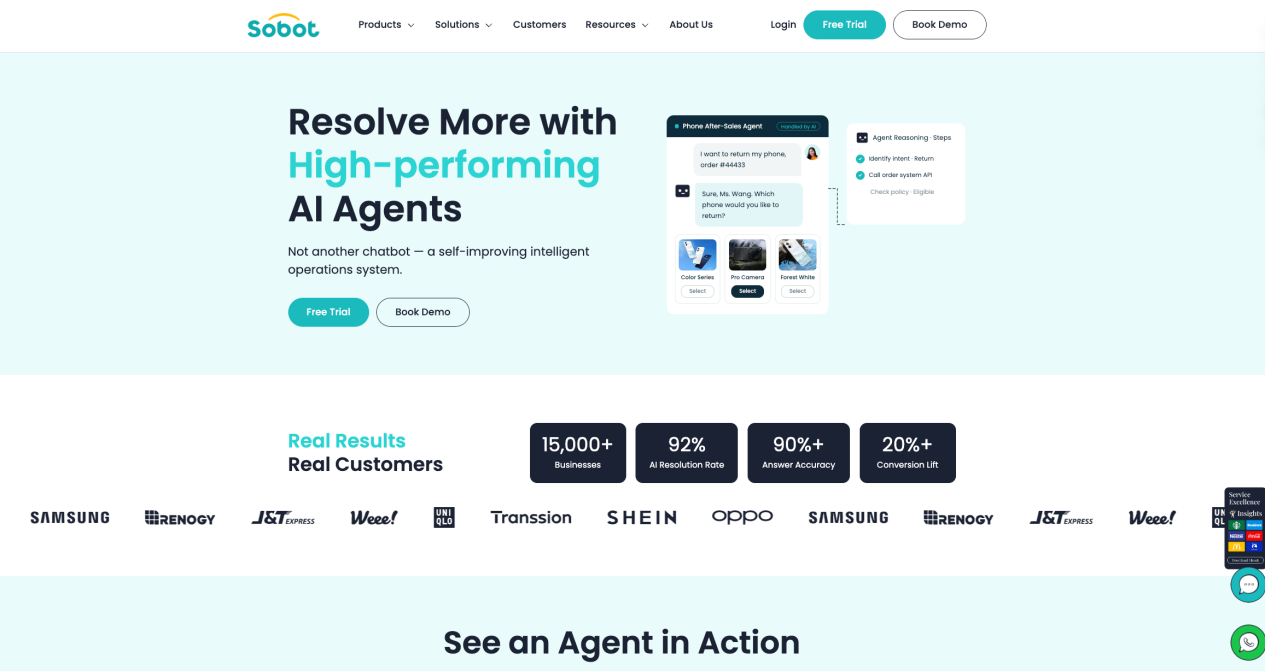
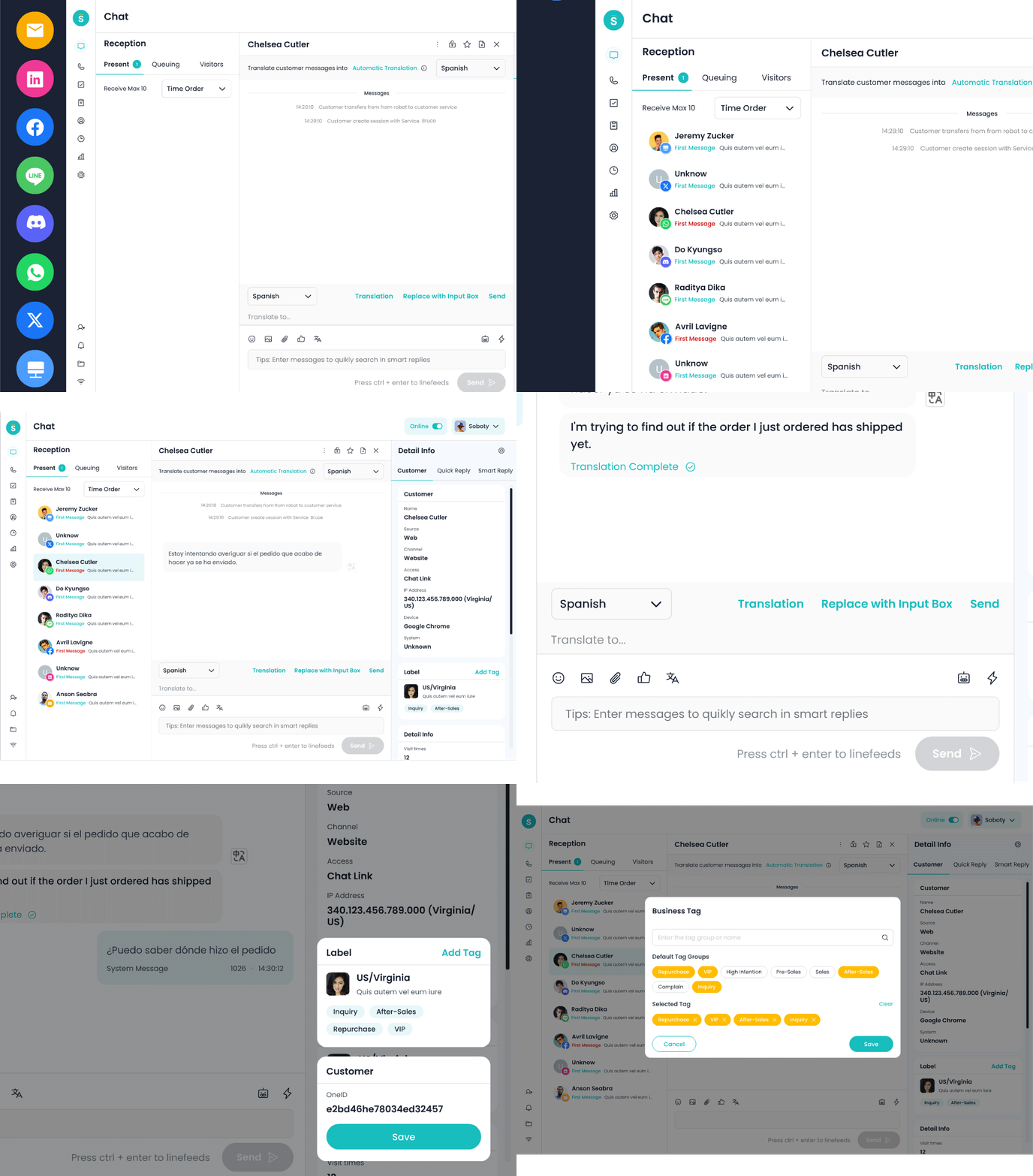
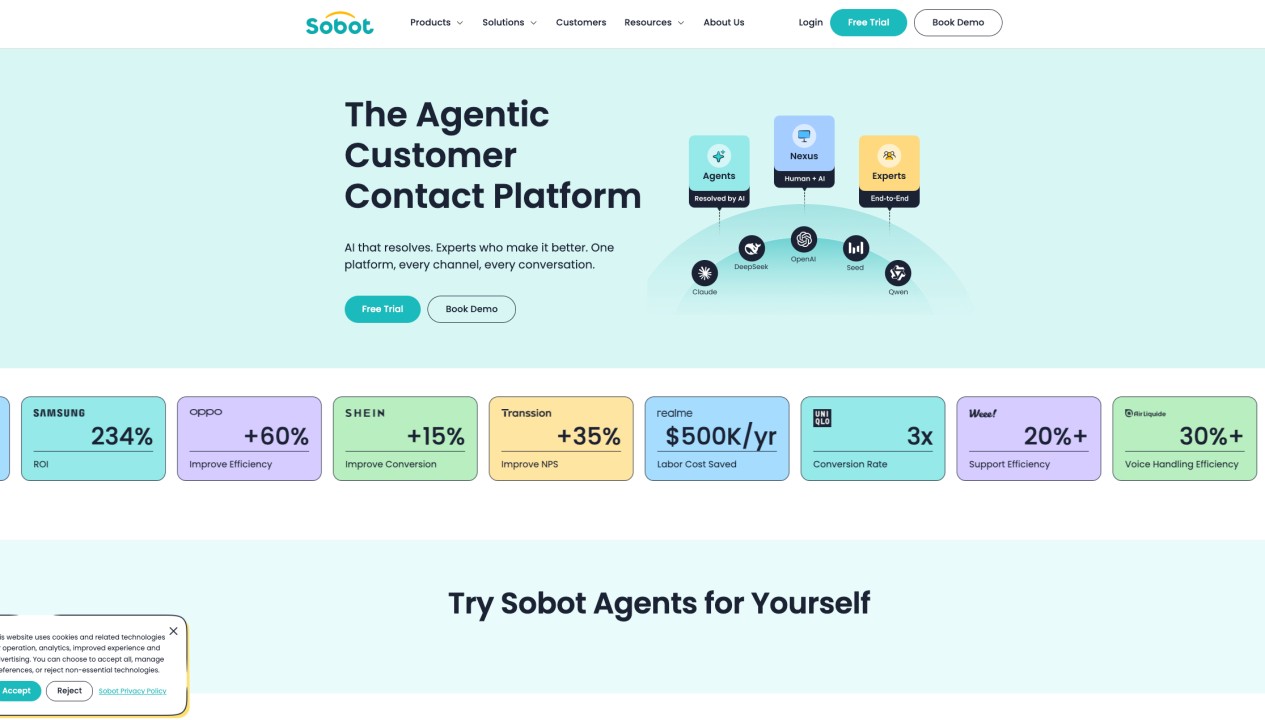
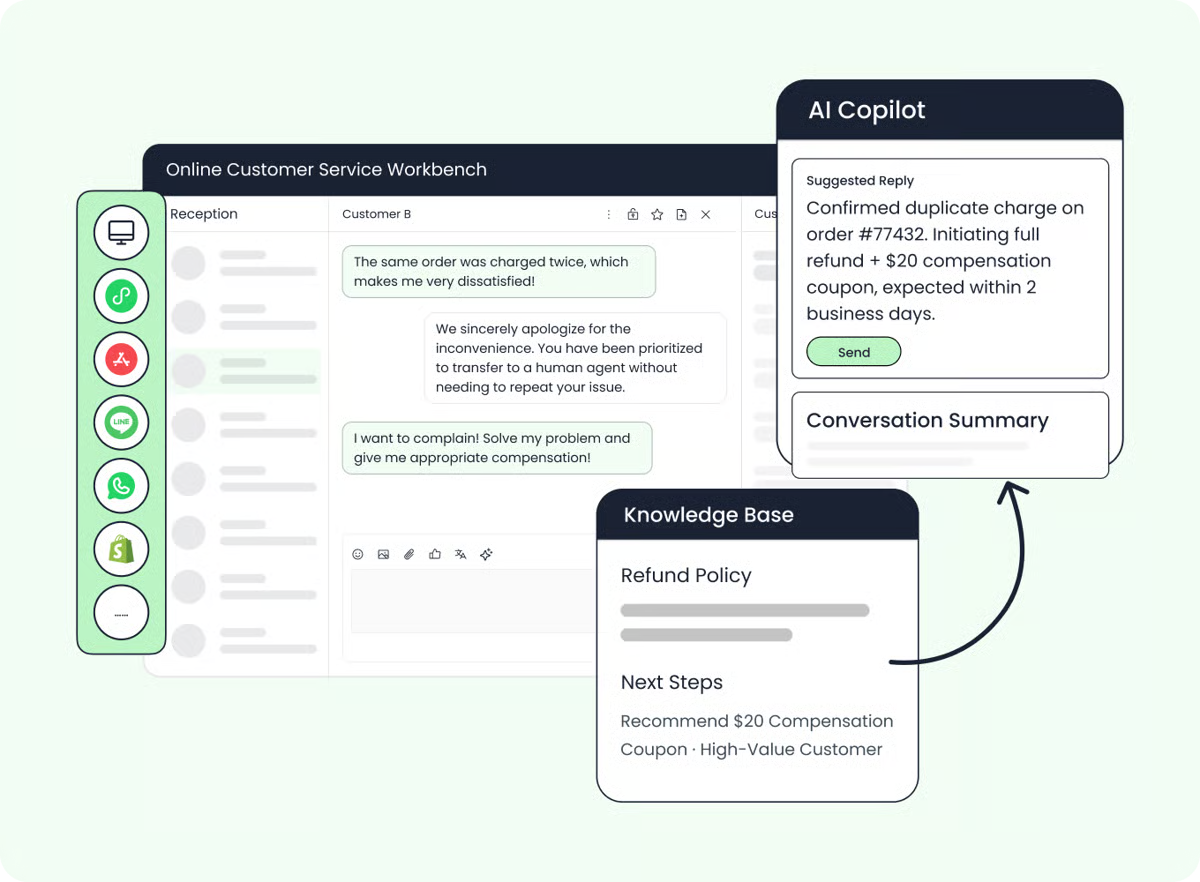
Sobot is the Agentic Customer Contact Platform, used by more than 15,000 businesses in more than 150 countries. Voice isn’t a separate product attached to a chatbot. Inbound Agents and Outbound Agents run on Nexus Voice, and the same AI agent also serves Nexus Messaging, Nexus for WhatsApp, and Nexus Ticketing. If a customer asks about a late parcel on WhatsApp and then calls, the voice agent already has that conversation and the order record.
How it handles ecommerce calls:
- Order data: Native integrations with Amazon, Walmart, TikTok, Lazada, and Shopee, plus Tools that connect to your OMS, ERP, CRM, and ticketing systems through APIs, function calling, or MCP where configured.
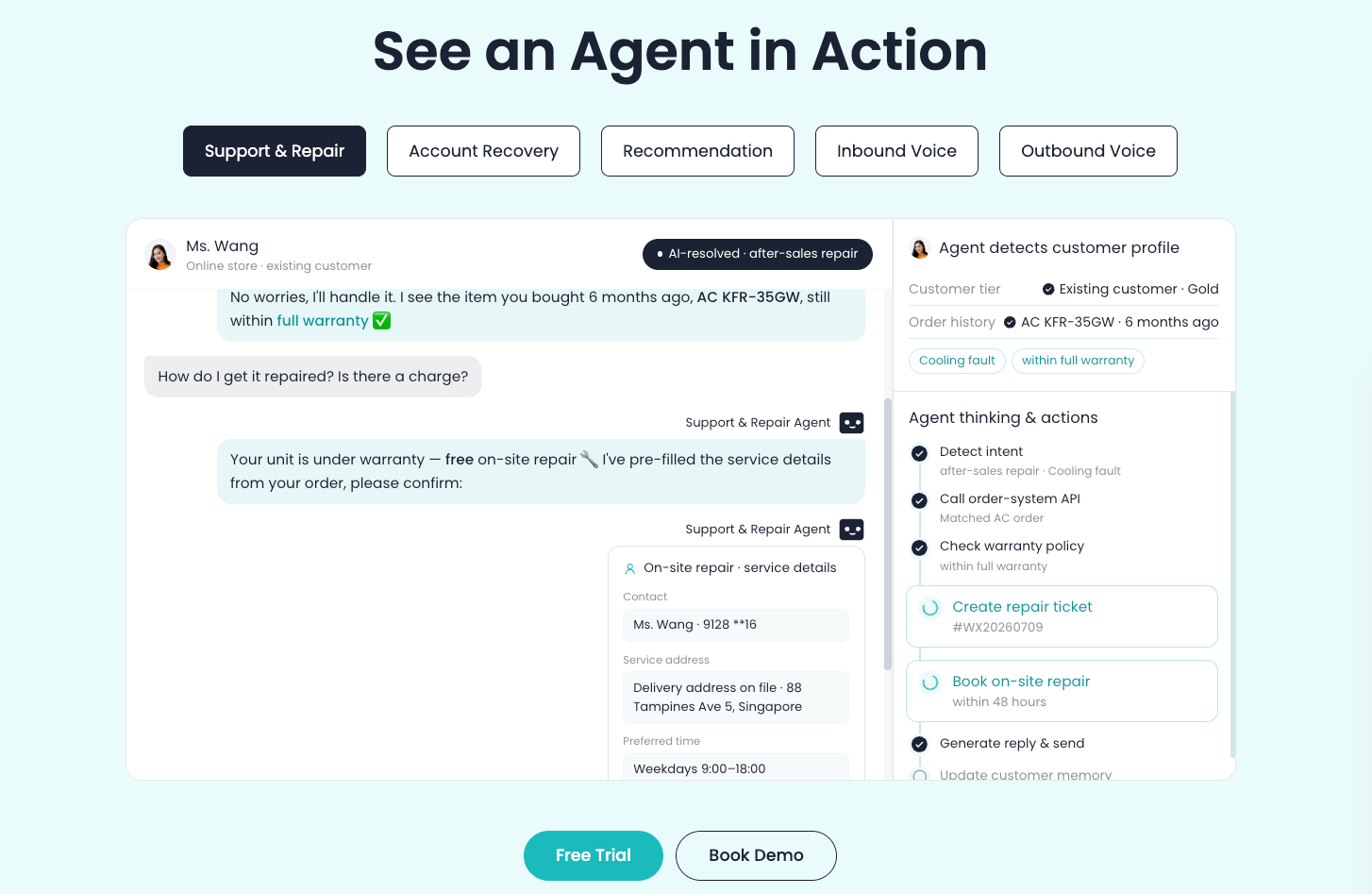
- Doing, not just answering: Sobot AI Agents combines RAG (answers grounded in your policies and checked before delivery) with ReAct (reason, act, observe, adapt). The agent can check refund eligibility, create a return ticket, or explain a shipping exception within the permissions you set.
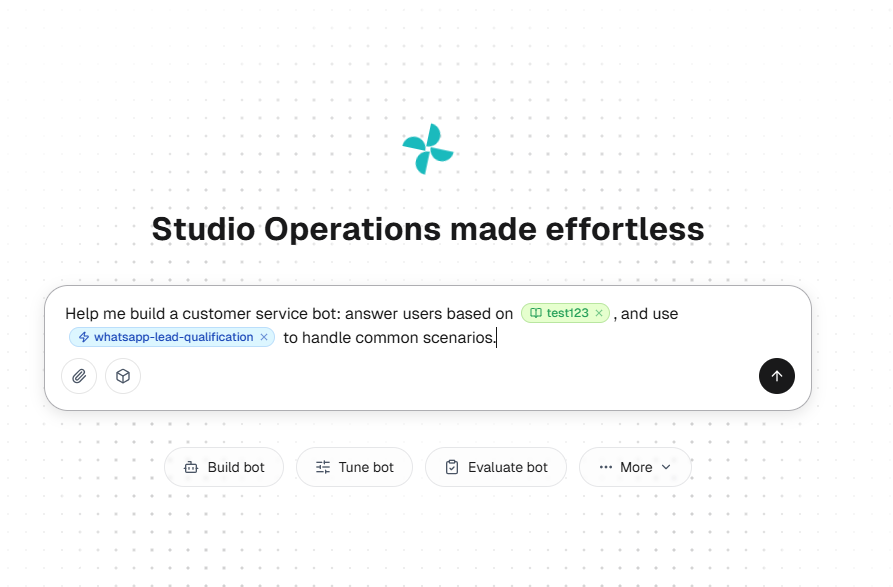
- Reusable business rules: The Resource Center manages Knowledge, Skills, Workflows, Tools, Memory, and Variables once and reuses them across voice and chat agents, so your return policy doesn’t need to be configured twice.
- Controlled handoff: Identity-sensitive or high-risk requests go to a human with the conversation context, and AI Copilot supports the human agent on the call.
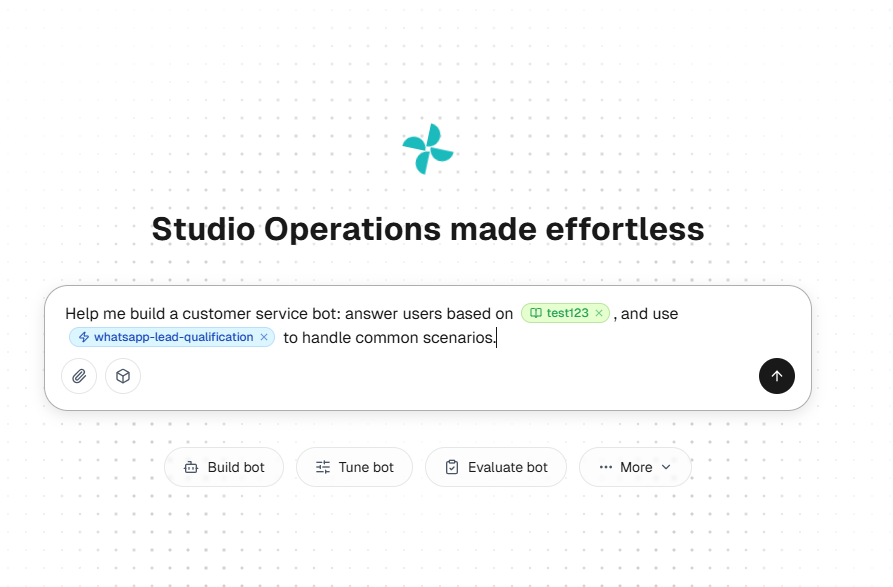
- Operations: Evaluation Center, Data Center, and AI Analyst run a Build → Evaluate → Tune → Observe loop, so you can test the agent on real call scenarios before peak season.
- Coverage: 23+ languages, choice of models (OpenAI, Claude, DeepSeek, Amazon Bedrock), GDPR and PDPA compliance, and offices in Singapore, Kuala Lumpur, Jakarta, Hong Kong, and New York.
Customer result: Cross-border ecommerce brand Renogy, which runs Sobot’s omnichannel, chatbot, and call center products together, raised its resolution rate by 45% and reached 95% CSAT.
Pricing: Team $39/month, Professional $149/month, Enterprise $499/month, and Custom plans, with a free trial on the first three. Extra automated resolutions cost $0.98 each and are charged only when the agent resolves the request. Handoffs to humans are free. Confirm telephony and voice-minute costs for your countries with sales.
Pros: One AI agent and one data layer across voice and messaging; native marketplace integrations that matter for SEA and multi-marketplace sellers; resolution-based pricing that doesn’t charge for calls the AI hands off.
Cons: A broader suite than a voice-only tool, so full rollout across channels takes more planning; fewer third-party reviews than older US voice vendors (G2 ~4.9 from ~44 reviews).
Retell AI
Retell AI is best for engineering teams that want to build custom inbound and outbound voice flows, such as COD confirmation or cart-recovery calls, and pay only per minute.
Retell is the most visible developer voice platform, rated 4.8 on G2 from roughly 2,300 reviews. It offers low-latency voice agents, batch outbound dialing, and webhook hooks that can pull order data from Shopify, Magento, or your own systems mid-call.
Pricing: Pay-as-you-go from $0.07 to $0.31 per minute depending on the LLM and voice you choose, with $10 in free credits. Retell’s own default estimate is about $0.11 per minute. Add-ons like knowledge base, PII removal, and branded caller ID are billed separately, and 20 concurrent calls are free before an $8/month fee per extra line.
Pros: Fast to prototype, transparent per-minute pricing, strong outbound tooling.
Cons: Ecommerce logic is yours to build and maintain. Voice and chat agents are separate builds, so a customer’s WhatsApp history doesn’t follow them onto the call unless you engineer it. Costs grow linearly with minutes during peak season.
CloudTalk
CloudTalk is best for support and sales teams that want AI voice agents inside a business phone system they already use, with ready-made ecommerce templates.
CloudTalk adds AI voice agents to its cloud phone platform and publishes ecommerce templates for WISMO and returns, with Shopify and Magento integrations and cart-recovery workflows built from triggers.
Pricing: AI Voice Agent from $99/month with 200 minutes included (first 50 minutes free); custom volume pricing above 10,000 minutes. Phone plans start around $25/user/month billed annually. CloudTalk’s own pages list different per-minute overage rates, so confirm before budgeting.
Pros: Phone system and AI agent in one bill; ecommerce templates shorten setup.
Cons: Voice-first, so chat, WhatsApp, and marketplace messaging need a separate tool with separate context.
Intercom Fin Voice
Fin Voice is best for stores already running Fin on Intercom chat that want the same AI answering the phone.
Fin Voice brings Intercom’s Fin AI agent to inbound and outbound calls, using the same knowledge and workflows as Fin on chat and email. You can use an Intercom number or bring your own telephony (such as Five9, Zoom Phone, or Amazon Connect) over SIP, and hand calls to a human with context.
Pricing: Fin is priced at about $0.99 per resolution on chat. Phone usage is priced separately and isn’t clearly published. Intercom seats are an additional cost.
Pros: Real channel continuity if your whole support stack is Intercom.
Cons: Context stays inside Intercom, with no native marketplace integrations for Lazada, Shopee, or TikTok. Intercom’s help center has shown mixed rollout status for some regions and languages, so check availability for your market.
PolyAI
PolyAI is best for enterprise retailers and consumer brands with heavy inbound call volume and a budget for a managed deployment.
PolyAI focuses on natural inbound voice conversations and says its agents let customers track orders and reschedule deliveries by phone, with integrations into CCaaS platforms, CRMs, and order management systems. It reports enterprise customers across hospitality, retail, and financial services.
Pricing: Custom quote, enterprise contracts.
Pros: Among the most natural-sounding inbound voice agents; managed implementation.
Cons: Enterprise pricing and scoping put it out of reach for most small and mid-size stores. It’s mainly inbound voice, so outbound COD calls and digital channels need other tools.
Ringly
Ringly is best for Shopify stores, especially Gorgias users, that want to add an AI phone line without changing their chat helpdesk.
Ringly answers order-status and product calls for Shopify brands and integrates with Gorgias. Its own positioning is a voice layer that sits next to your existing chat helpdesk, not a replacement for it.
Pricing: New plans since September 2026 start at $99/month including 50 conversations, then $1.99 per billable conversation. Spam, hang-ups, and callers who only want a human aren’t billed. Older accounts may still be on legacy Grow ($349/month) or Pro ($799/month) plans.
Pros: Quick Shopify setup; clear per-call pricing.
Cons: Shopify-centric; you still run a second AI for chat, and the two don’t share a conversation history.
Vapi
Vapi is best for developers who want maximum control over every part of the voice stack.
Vapi provides voice agent infrastructure: you pick the speech, model, and telephony providers and wire in your own tools mid-call. It’s flexible, but it’s building blocks, not a finished ecommerce support agent.
Pricing: $0.05 per minute platform fee plus model, voice, and telephony provider costs; compliance features such as HIPAA are paid add-ons.
Pros: Total flexibility and provider choice.
Cons: Everything ecommerce-specific, from order lookup to returns logic, is custom engineering.
What About Gorgias, Zendesk, and Shopify-Native Helpdesks?
Gorgias is one of the most recommended ecommerce helpdesks, and it shows up in nearly every AI voice agent comparison. But Gorgias’s AI Agent works on email, chat, and SMS, and its Voice add-on routes calls to human agents. It manages calls; it doesn’t answer them with AI. That’s why stores on Gorgias usually add a voice specialist such as Ringly.
Zendesk and Salesforce offer voice products and AI agents, but they’re typically priced and configured as separate modules on top of seat-based plans. They make the most sense for brands already committed to those suites.
The pattern is the same across all of them: when voice and chat run on different AI systems, the customer repeats themselves on every channel switch.
Which AI Voice Agent Fits Your Store?
| Your situation | Best pick |
|---|---|
| You sell on Amazon, TikTok, Lazada, or Shopee and want one AI across phone, chat, and WhatsApp | Sobot AI Agents |
| You run COD orders in Southeast Asia and need outbound confirmation plus inbound WISMO | Sobot AI Agents |
| You have engineers and want custom call flows at per-minute cost | Retell AI or Vapi |
| You want AI calling added to your business phone system | CloudTalk |
| Your support stack is already Intercom | Intercom Fin Voice |
| You’re an enterprise retailer with very high inbound volume | PolyAI |
| You’re Shopify-only on Gorgias and just need phones answered | Ringly |
Conclusion
The fairest way to compare AI voice agents for ecommerce customer support is by the calls you actually receive. Developer platforms like Retell AI and Vapi can handle any call type if you build it. CloudTalk, PolyAI, and Ringly cover the phone channel well within their niches. Fin Voice gives continuity if you live inside Intercom. If your orders come from several marketplaces and your customers move between WhatsApp, chat, and phone, Sobot AI Agents is the option that handles WISMO, returns, delivery exceptions, and COD calls with one agent, one set of business rules, and one order record, and charges for resolutions rather than minutes.
Want to see it on your own order flows? Start a free trial of Sobot AI Agents or book a demo with the Sobot team.
Frequently Asked Questions
What is the best AI voice agent for ecommerce customer support?
It depends on your stack. Sobot AI Agents is best for multi-channel and marketplace sellers that want phone, chat, and WhatsApp on one AI agent; Retell AI is best for engineering teams building custom flows; and CloudTalk is best for teams that want AI inside their phone system. Shopify stores on Gorgias often add Ringly for phone coverage.
How much does an AI voice agent for ecommerce cost?
Developer platforms charge per minute: Retell AI runs $0.07–$0.31 per minute and Vapi starts at a $0.05 per minute platform fee plus model and telephony costs. Packaged tools range from CloudTalk’s $99/month for 200 minutes to Ringly’s $99/month plus $1.99 per conversation. Sobot plans start at $39/month, with extra resolutions at $0.98 each and free handoffs to humans.
Can an AI voice agent handle “where is my order” calls?
Yes, if it’s connected to live order and shipping data. Ask vendors to demo a real order lookup by phone, not a FAQ answer. Platforms with native ecommerce or marketplace integrations, such as Sobot, CloudTalk, and Ringly, need less custom work than developer platforms like Retell AI or Vapi.
Does Gorgias have an AI voice agent?
Gorgias’s AI Agent covers email, chat, and SMS, and its Voice add-on routes calls to human agents rather than answering them with AI. Stores that want AI on the phone typically add a voice specialist like Ringly, or choose a platform like Sobot where one AI agent covers both voice and messaging.
Which AI voice agents work with Shopee, Lazada, and TikTok Shop sellers in Southeast Asia?
Most voice agent platforms are built API-first or Shopify-first. Sobot integrates natively with Lazada, Shopee, TikTok, Amazon, and Walmart, supports 23+ languages, and is headquartered in Singapore with offices in Kuala Lumpur and Jakarta, which suits sellers in Singapore, Malaysia, Indonesia, and nearby markets.
Can AI voice agents make outbound COD confirmation calls?
Yes. Sobot Outbound Agents, Retell AI’s batch calling, and CloudTalk all support outbound calls, while inbound-focused tools such as PolyAI and Ringly are less suited to it. Before launching, review consent and recording rules in each market you call, since automated outbound calling is regulated differently across countries.
Should I use one platform for voice and chat, or separate tools?
Separate tools work if phone is a small share of your volume. If customers often message first and call later, one platform avoids making them repeat their order details. Sobot AI Agents and Intercom Fin Voice both share context across voice and chat; Sobot also covers WhatsApp and marketplace messaging on the same data layer.