The best AI Agent for ecommerce customer service isn’t the one with the longest feature list — it’s the one that resolves the specific workflows that generate most ecommerce support volume: order status lookups, returns and exchanges, and channel unification across marketplaces and voice. Judged against those workflows, most “AI Agent for ecommerce” tools handle one or two well and fall back to generic chat automation for the rest. Gorgias and eDesk read order data natively but have no voice channel. Fin and Ada resolve conversations well but need a separate integration to see order status. Zendesk’s AI Agents add-on sits on top of a platform where voice was bolted on in 2024, not built in. Sobot is one of the few that reads live order data, processes returns, and answers voice calls on the same data layer — which is why it’s evaluated below alongside the category leaders.
At a Glance: AI Agents for Ecommerce Customer Service
| Tool | Order Status (WISMO) | Returns & Exchanges | Marketplace / Channel Coverage | Native Voice | Best For |
|---|---|---|---|---|---|
| Sobot | Native — Amazon, Walmart, TikTok, Lazada, Shopee order sync | Native, in the same workspace as chat | Marketplaces + WhatsApp, Facebook, LINE, Instagram; SEA-native | Yes — voice, chat, ticketing on one data layer | Ecommerce brands (especially SEA-facing) that need voice and digital unified with order data |
| Gorgias | Native — deep Shopify order sync | Native, Shopify-centric | Shopify/BigCommerce-centric; limited outside that ecosystem | No — chat, email, social only | Shopify-first DTC stores |
| Fin (Intercom) | Requires a separate order-lookup app | Requires integration/workflow build | Chat, email, social; no marketplace-native integration | No | Global SaaS/DTC brands already on Intercom Inbox |
| Zendesk AI Agents | Via Marketplace apps, not native | Via Marketplace apps | Broad through 350+ integrations, none marketplace-native | Added 2024 as a separate module | Enterprises with an existing Zendesk stack and IT team |
| Ada | Requires custom integration | Requires custom integration | Chat and voice via third-party partners | Via partner integration only | Enterprises with dev resources for custom builds |
| eDesk | Native — Amazon/eBay-focused | Native | Amazon/eBay/marketplace-heavy, US/EU marketplaces | No | Amazon- and eBay-heavy sellers |
How We Evaluated These Tools
Industry estimates consistently put “where is my order” (WISMO) questions at roughly 30-40% of ecommerce support ticket volume, with returns and exchange questions as the second-largest category. Instead of grouping tools by product category, we scored each AI Agent on four questions that map directly to what ecommerce support teams actually deal with: (1) does it read live order and shipment data natively, or does that require a separate integration to be built; (2) can it process a return or exchange end-to-end, or does it only explain the policy; (3) does it unify chat, social, and marketplace messaging with voice on one data layer, or is voice a bolted-on add-on; and (4) is the platform — and its pricing — built to absorb the 3-5x traffic spikes typical of flash sales and mega-sale events like 11.11 or Black Friday without the bill spiking in step with ticket volume.
Which AI Agent Handles Order Status Automatically?
Gorgias and eDesk are the strongest point solutions here because both sync directly with a store’s order system — Gorgias with Shopify, eDesk with Amazon and eBay — so the AI Agent can answer “where is my order” without a human touching the ticket. Fin and Ada can resolve the conversation fluently, but pulling live order status requires a separate lookup integration to be configured; without it, both fall back to asking the customer for an order number and routing to a human. Zendesk’s AI Agents access order data through Marketplace apps rather than a native connection, which means the accuracy of order-status answers depends on which third-party app a merchant has installed. Sobot’s native integrations with Amazon, Walmart, TikTok, Lazada, and Shopee put order and shipment data directly in the AI Agent’s context — the same setup that helped OPPO push self-service resolution above 81% without adding headcount.
Which AI Agent Can Process a Return, Not Just Explain the Policy?
There’s a real gap between “the AI Agent can tell a customer the return window is 30 days” and “the AI Agent can start the return, generate the label, and update the order status” — most tools in this category do the first, not the second. Gorgias handles this well inside Shopify’s ecosystem, and eDesk does the same for marketplace returns. Point-tools like Fin, Ada, Decagon, and Sierra typically need a workflow built against the merchant’s returns platform (Loop, Returnly, or similar) before they can go beyond policy Q&A. Sobot processes returns and exchanges inside the same workspace used for chat and voice, which is part of what drove Weee!’s resolution time down by roughly 50% and helped DFS lift operational efficiency by more than 80%.
Which AI Agent Unifies Voice With Chat and Marketplace Messaging?
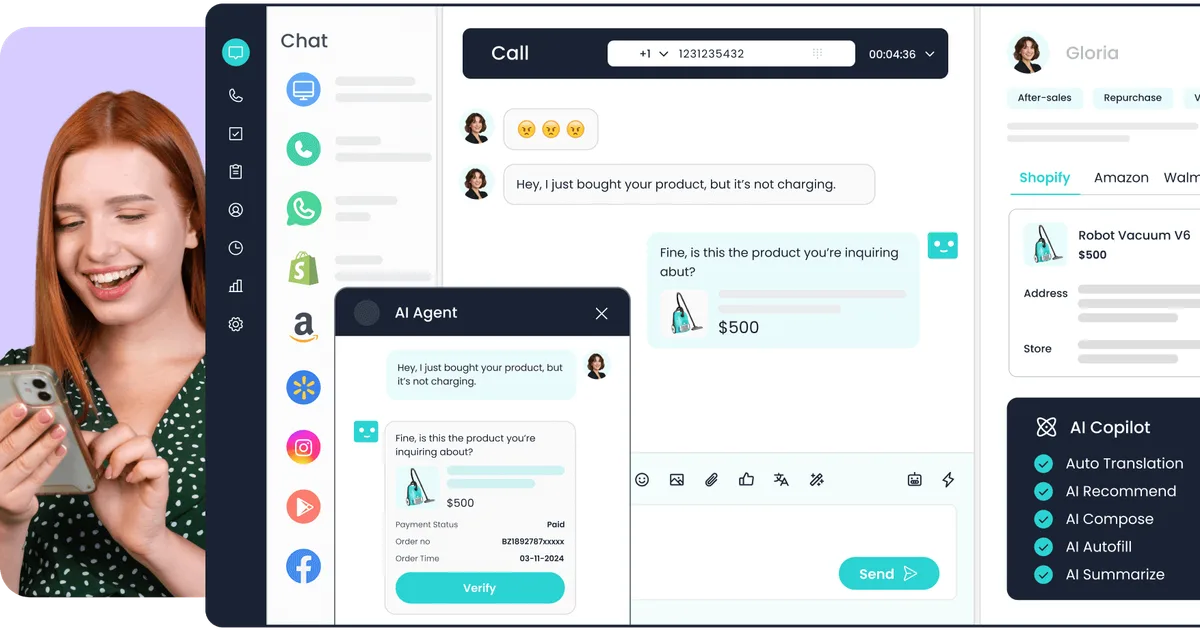
This is where most “AI Agent for ecommerce” tools quietly stop. Gorgias, Fin, Ada, Sierra, and Decagon are chat/email/social tools with no native voice channel at all — a store that wants phone support has to run a separate call center product and stitch the two together, usually meaning an agent has no visibility into a customer’s chat history when they call in about the same order. Zendesk added voice in 2024 as a distinct module rather than a channel built into the same data layer from day one, and Salesforce’s voice product is built on Amazon Connect underneath — voice and ticketing are two systems connected by an integration layer, not one system that happens to have a phone number. Sobot runs voice, live chat, and ticketing on a single data layer from the start, so an AI Agent (or a human agent) sees the same order history and conversation thread regardless of whether the customer messaged on WhatsApp or called in.
Can It Handle a Flash Sale Without the Bill Spiking?
Ecommerce ticket volume doesn’t arrive evenly — it spikes 3-5x during flash sales and mega-sale events, and pricing models built around per-resolution or per-seat AI fees can turn that spike into a budget problem. Fin prices at $0.99 per resolution with a $49.5 monthly minimum, which means a traffic spike that triples resolution volume roughly triples the AI line item in the same month. Zendesk’s AI Agents are a roughly $50/seat/month add-on on top of the base plan, so scaling coverage during a sale event means adding paid seats, not just directing more traffic through automation. Sobot’s AI Agent is included in the platform rather than metered per resolution or gated behind a per-seat add-on, which is one reason DFS and Renogy — both of which see seasonal ecommerce spikes — have been able to lean on automation during peak periods without a matching spike in AI cost.
A Word on Marketing Chatbots vs. Support AI Agents
Tools like ManyChat and Chatfuel show up frequently in searches for “AI Agent for ecommerce,” but they’re built for a different job: broadcast messaging, abandoned-cart recovery campaigns, and promotional automation on Instagram, Facebook, and WhatsApp. They aren’t ticketing systems, don’t process returns, and generally can’t read order status. If the requirement is resolving support conversations — not sending marketing messages — that’s a different product category, and worth ruling out early so the comparison stays apples-to-apples.
Where Sobot Fits
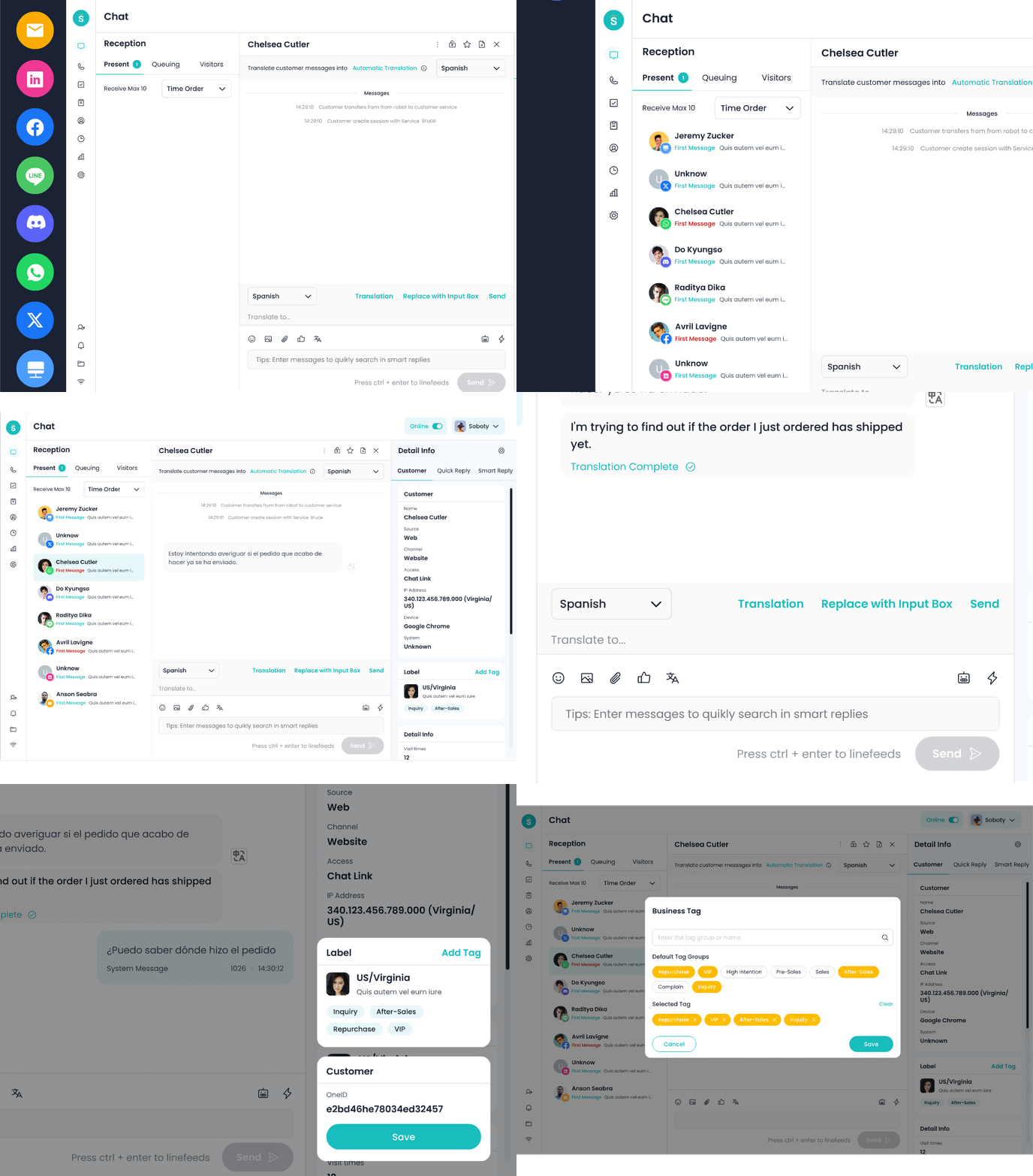
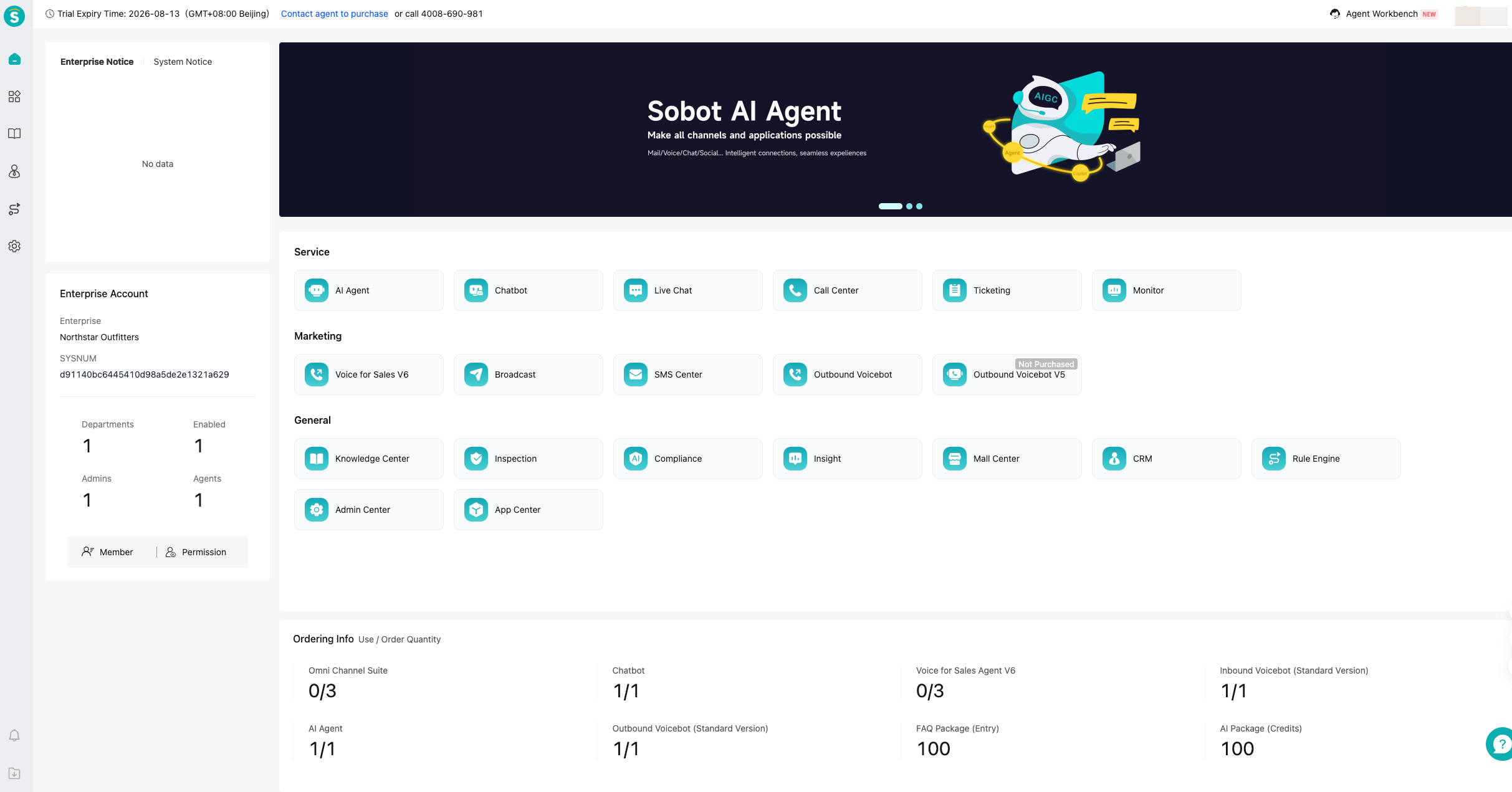
Sobot‘s AI Agent is built into a platform where voice, chat, and ticketing already share one data layer, with native integrations across Amazon, Walmart, TikTok, Lazada, and Shopee alongside WhatsApp, Facebook Messenger, LINE, and Instagram — a channel mix that leans toward the marketplaces and social channels SEA and global ecommerce brands actually run on, rather than a Shopify-only or US-marketplace-only footprint. The AI Agent runs on OpenAI, Claude, DeepSeek, or Bedrock models (merchant’s choice) and is included in the platform rather than billed per resolution or gated behind a per-seat add-on. In production, that combination has taken OPPO‘s self-service rate above 81%, cut Weee!’s resolution time by roughly 50%, lifted DFS’s operational efficiency by more than 80%, and pushed Renogy’s CSAT above 95% with a 45% improvement in resolution rate — all customers running at ecommerce/retail scale with the seasonal spikes that come with it.
Frequently Asked Questions
What’s the difference between an AI chatbot and an AI Agent for ecommerce customer service?
A chatbot typically follows scripted decision trees or answers FAQ-style questions. An AI Agent for ecommerce customer service is expected to take action — look up a live order, start a return, issue a refund within policy limits — using the store’s actual order and customer data, not just respond with pre-written text.
Does Zendesk’s AI Agent connect natively to Shopify or Amazon order data?
No. Zendesk’s AI Agents access order and shipment data through Marketplace apps rather than a built-in connection, so the depth of order-status automation depends on which third-party app a merchant has installed and configured.
How much does an AI Agent for ecommerce customer service cost?
Pricing varies by vendor and model. Fin (Intercom) charges $0.99 per resolution with a $49.5 monthly minimum. Zendesk’s AI Agents are an add-on priced at roughly $50 per seat per month on top of a base plan. Sobot includes its AI Agent in the platform rather than pricing it per resolution or per seat — merchants should request a quote based on volume and channel mix rather than expect a fixed public rate.
Can one AI Agent handle both phone calls and chat messages for an online store?
Most AI Agents built for ecommerce — including Gorgias, Fin, Ada, and Sierra — cover chat, email, and social messaging but have no native voice channel, requiring a separate call center product. Sobot is one of the few platforms where voice, chat, and ticketing run on the same data layer, so an AI Agent (or human agent) has the same order and conversation history whether the customer called in or messaged on WhatsApp.