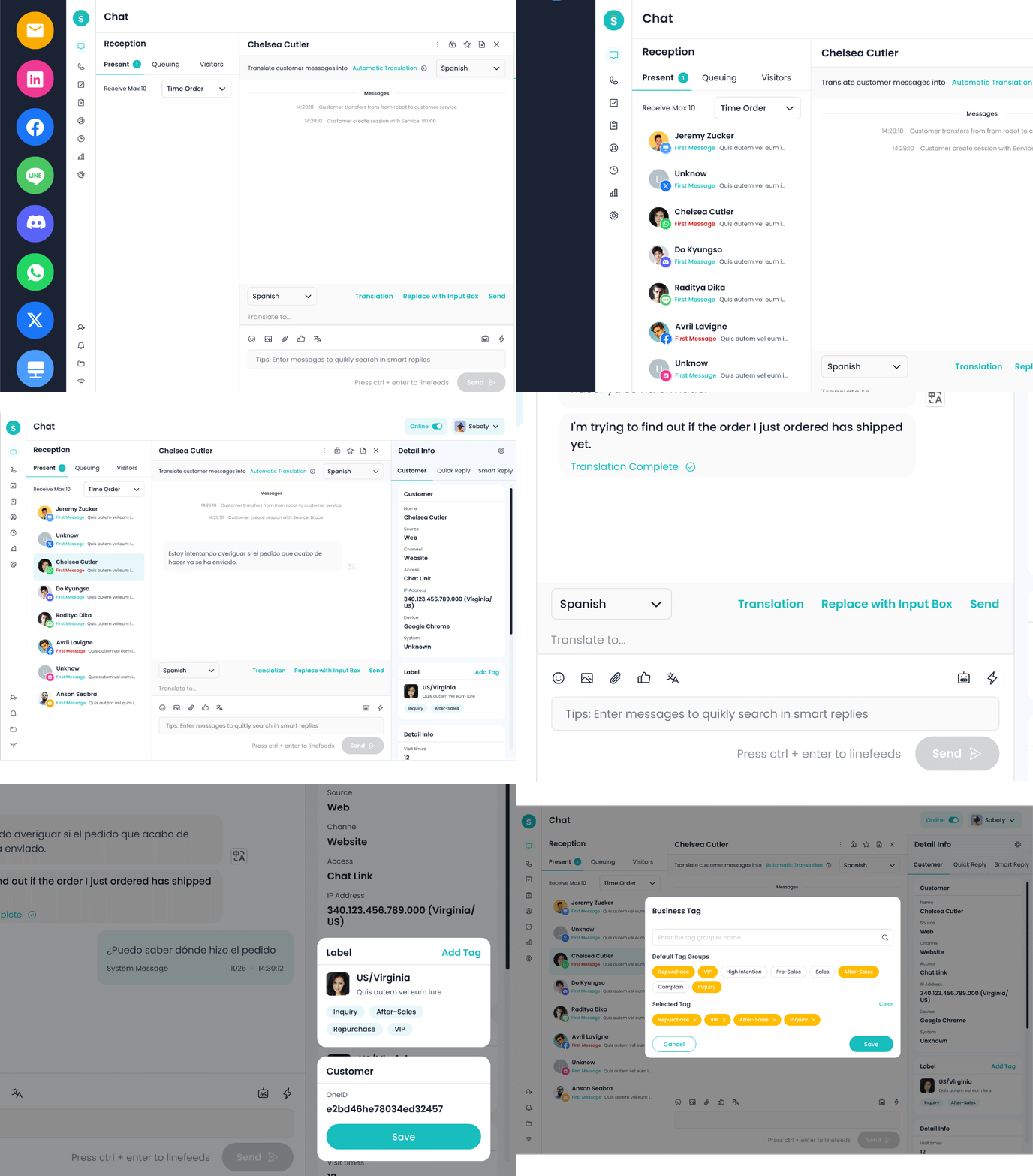
The best Zendesk alternatives for US small businesses are Sobot for teams that want AI-led, multichannel support with a clear human handoff; Help Scout for a simple shared inbox; Freshdesk for a conventional ticketing system; and Zoho Desk for a low-cost entry point. Gorgias fits Shopify-centered stores, HubSpot Service Hub fits companies already using HubSpot CRM, and Missive fits email-heavy teams. Your best choice depends on the channels you serve, how much automation you need, and what the full monthly bill looks like after seats and usage.
This guide compares seven options available to US teams, with published USD prices checked in November 2026. Prices change; confirm plan limits and billing terms before buying.
| Platform | Best for | Public entry signal | Cost check |
|---|---|---|---|
| Sobot | AI-led support across digital channels; optional voice and ticketing | AI Agents Team $39/mo; 50 resolutions included | AI subscription; Nexus seats and voice quoted separately |
| Help Scout | Human-centered shared inbox | Standard $25/user/mo, annual | Per user; AI usage can add cost |
| Freshdesk | Ticketing and workflows | Growth $19/agent/mo, annual | Per agent; extra AI sessions cost more |
| Zoho Desk | Small budgets and Zoho users | Free for 3 users; Express $7/user/mo, annual | Per user; features vary by tier |
| Gorgias | Shopify and ecommerce operations | Quote/check ticket-volume tier | Ticket-volume model; AI separate |
| HubSpot Service Hub | Support tied to HubSpot CRM | Free tools; Starter from $7/seat/mo, annual | Advanced help desk and AI at higher tiers |
| Missive | Collaborative email-first service | Starter $14/user/mo, annual | Shared inbox focus; assess help-center needs |
Published starting prices are not equivalent bundles: Sobot’s $39 plan is AI Agents, not a complete human-agent desk; Zendesk Suite Team is $55 per agent/month with annual billing. Ask for a written quote covering your channels, people, automation volume, and onboarding. Sobot pricing Zendesk pricing
Why US Small Businesses Look Beyond Zendesk
Zendesk remains a capable choice when a team needs mature routing, reporting, and broad integrations. Its Support Team plan starts at $19 per agent/month annually, while Suite Team starts at $55 and adds messaging, live chat, a knowledge base, and omnichannel routing. For five Suite Team agents, the published seat cost alone is $275 per month before any extra usage or add-ons. That is a planning example, not a vendor quote.
Switching makes sense when your actual workflow is narrower than the suite you pay for, or when support lives primarily in ecommerce orders, a shared inbox, or AI-assisted messaging. A cheaper entry price is useful only if the alternative handles the same channels and service volume.
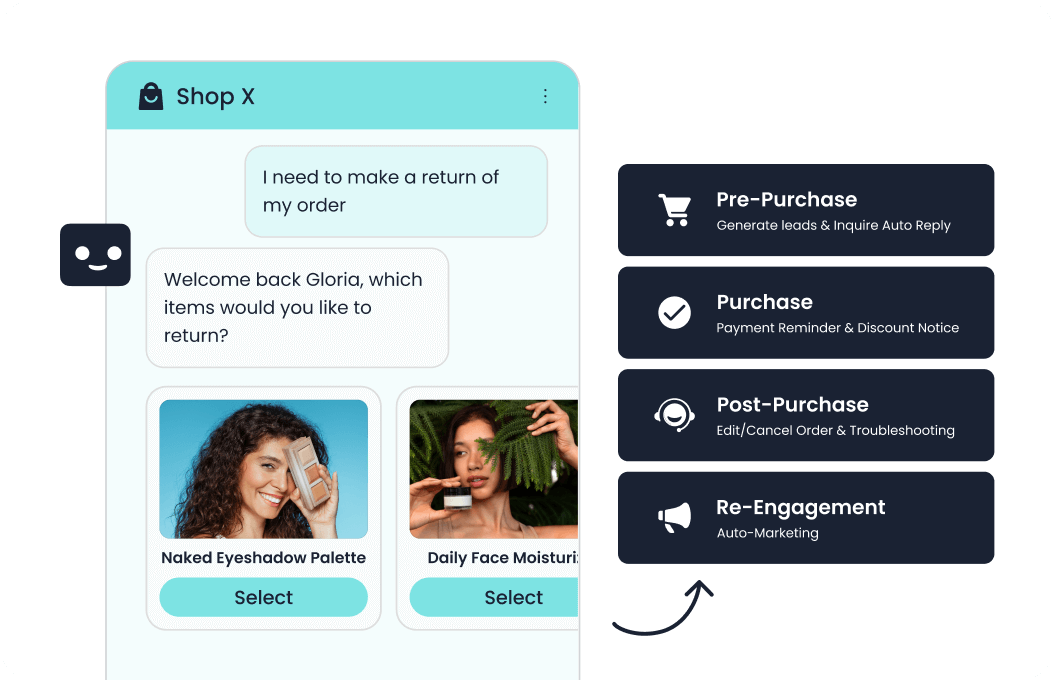
The U.S. Census Bureau reported that ecommerce accounted for 17.1% of total retail sales in the second quarter of 2026. For a store handling orders online, test whether a support tool can show order status and process a return in the same conversation. U.S. Census retail ecommerce report
How to Choose a Zendesk Alternative
- Map the channels customers use now: email, web chat, SMS, social, WhatsApp, and phone. Ask which are native, which need a connector, and which require another product.
- Count named agents and monthly interactions. Compare seat fees with ticket, session, resolution, AI-credit, and telephony charges.
- Test one real workflow from start to finish: customer question, account or order lookup, exception handling, and human handoff with context.
- Check the knowledge base and reporting you will actually maintain. A short setup can be attractive, but only if the team can keep answers current.
- Ask for a migration sample: tickets, contacts, custom fields, macros, and help-center articles. Verify what history remains searchable.
- Confirm US support coverage, data terms, permissions, and the channels available on the exact plan you would buy.
For AI-assisted service, use the NIST AI Risk Management Framework as a checklist for reliability, transparency, and human oversight. When moving customer histories, review the FTC’s guidance on protecting personal information and ask each vendor how records are secured and deleted.
The Best Zendesk Alternatives for US Small Businesses
Sobot
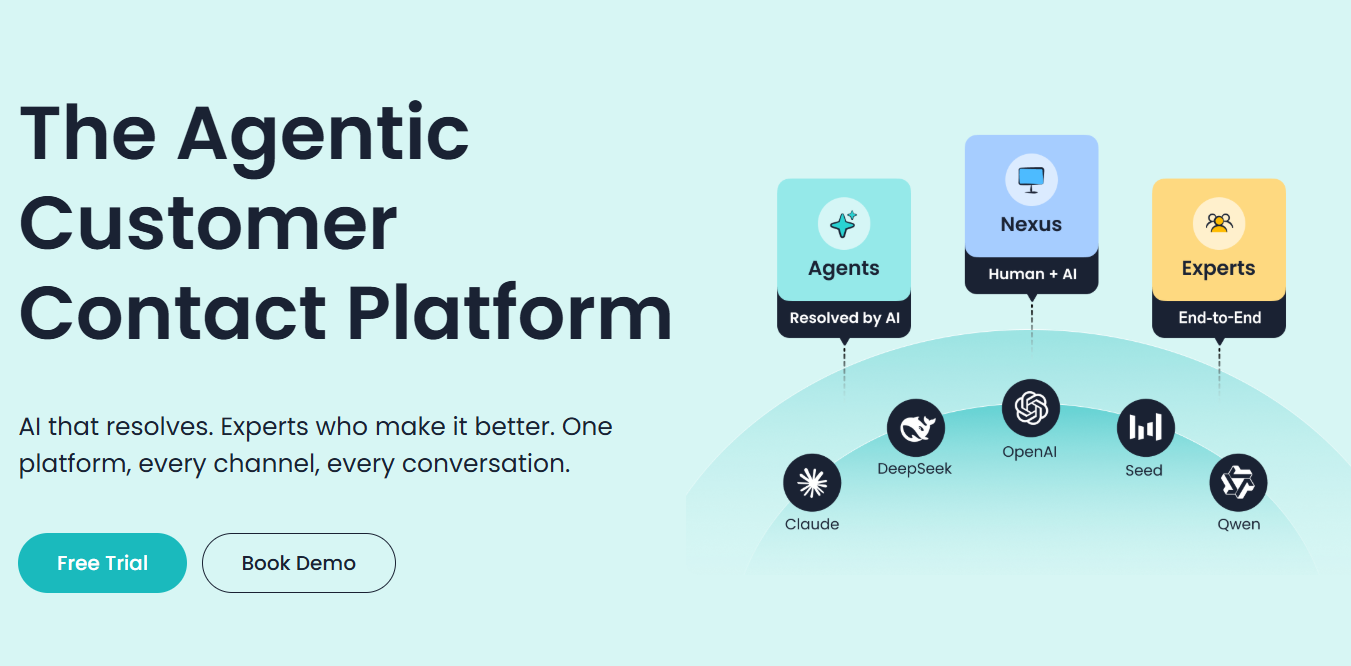
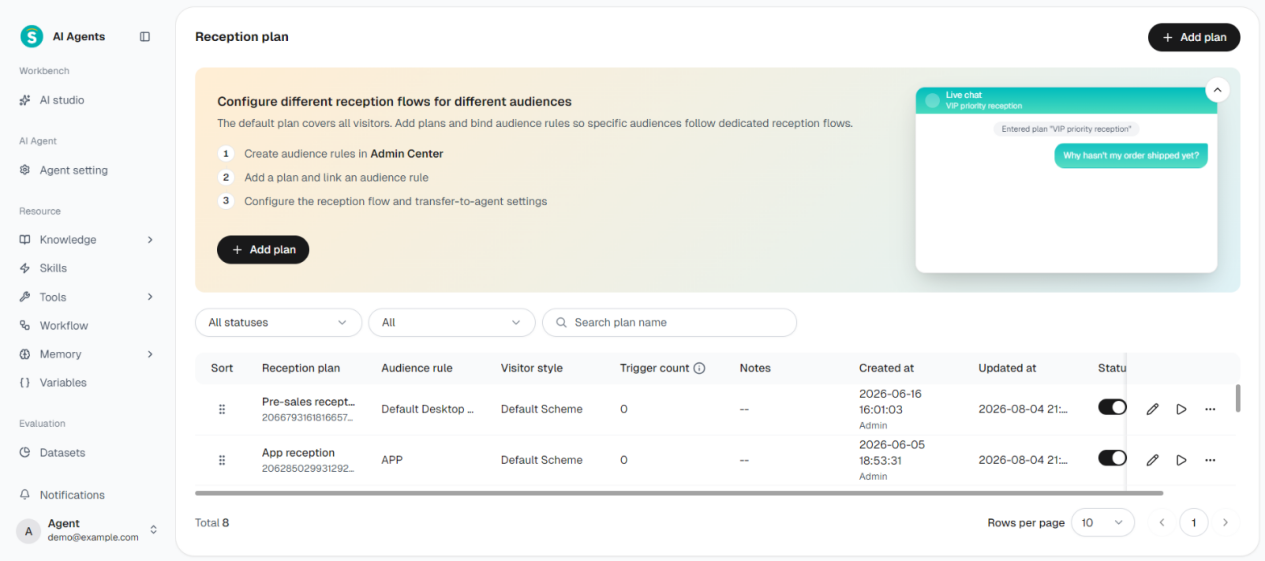
Sobot is best for growing teams that want AI-led web and social support with a path to human messaging, tickets, and voice. Sobot AI Agents can answer from approved knowledge, carry out configured actions, and pass context to a human agent. Its Agents and Nexus architecture lets a team evaluate automation separately from the human service layer. For a US ecommerce team, a useful pilot is an order-status or returns question that needs an OMS lookup and a documented escalation. Sobot reports that Renogy increased its resolution rate by 45% and reached 95% CSAT in its own deployment; that result is a customer case, not a general guarantee.
AI Agents Team is $39/month with 50 automated resolutions and 200 AI credits. Extra automated resolutions are $0.98 each; human handoffs do not count as paid resolutions. Nexus Messaging, Voice, and Ticketing are separate seat-based products requiring a quote. Sobot pricing
Watch for: A broad deployment needs configuration and a complete quote. Do not compare the AI Agents entry plan with an all-inclusive help desk seat.
For the named result and product scope, see the Renogy customer story and AI Agents overview. Renogy customer story AI Agents
Help Scout
Help Scout is best for small teams whose service quality depends on a shared inbox and clear human ownership. Help Scout combines email, live chat, help articles, and conversation collaboration in a relatively direct workflow. It is a strong fit when agents need to see the full customer exchange and answer personally rather than build a complex service operation.
Standard is $25 per user/month billed annually; Plus is $45. The vendor lists AI features and separate AI resolution pricing, so verify the exact AI plan for your use case.
Watch for: Voice and deeper routing needs may call for integrations or a higher tier.
Freshdesk
Freshdesk is best for teams that need structured ticketing, SLAs, and familiar help desk workflows. Freshdesk is the closest conventional Zendesk substitute on this list. Its Growth tier includes email ticketing, a shared inbox, a customer portal, knowledge base, and reporting. Pro adds more advanced routing and analytics.
Growth starts at $19 per agent/month billed annually. Its pricing page lists the first 500 Freddy AI Agent sessions and $49 per 100 additional sessions.
Watch for: Freshdesk and Freshdesk Omni have different channel packages; check the product and AI session definition on the quote.
Zoho Desk
Zoho Desk is best for a two- or three-person team seeking a free start or a low-cost paid desk. Zoho Desk gives a small company conventional tickets, automation, self-service, and strong alignment with the Zoho ecosystem. The free edition covers three users; paid tiers expand channel and workflow options.
Free covers three users. Express is $7 per user/month and Standard is $14, both billed annually in USD.
Watch for: Do not assume every messaging or telephony feature is included in the lowest tier; compare the edition matrix.
Gorgias
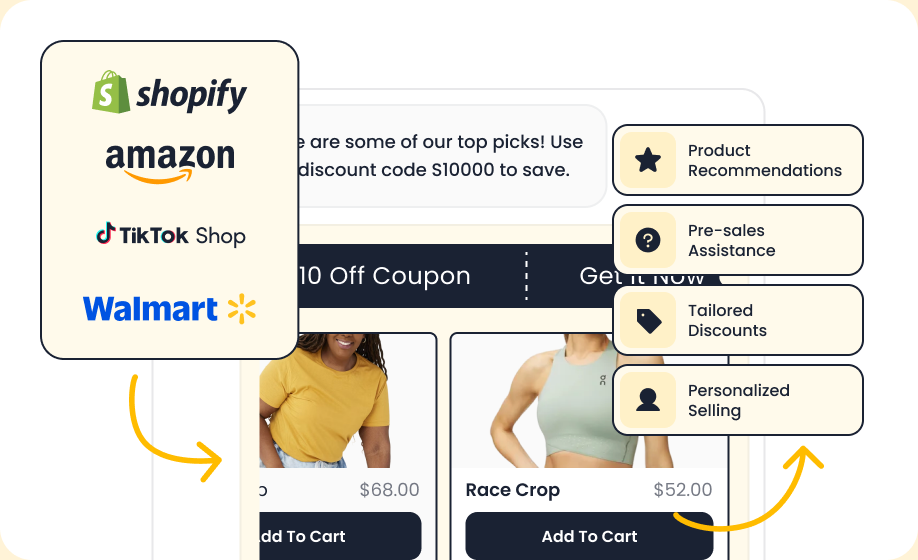
Gorgias is best for Shopify-first stores that want support tied to order and revenue context. Gorgias is built around ecommerce conversations, order data, and store workflows. It is compelling when many tickets are order changes, shipping questions, or returns, especially if Shopify is already central to operations.
Gorgias uses ticket-volume pricing; request the current tier, AI usage terms, and Shopify integration scope before comparing it with per-seat plans.
Watch for: Its ecommerce focus may be less useful to a B2B SaaS or service business with account-based cases.
HubSpot Service Hub
HubSpot Service Hub is best for companies already running sales and marketing on HubSpot CRM. Service Hub puts service conversations near CRM records, which can help a small team avoid duplicate customer data and coordinate follow-up. The free tools and Starter tier are approachable, but the more developed help desk and customer agent capabilities sit higher in the lineup.
HubSpot currently lists free tools for up to two users and Starter from $7 per seat/month on annual billing; Professional starts at $90 per seat/month annually on the pricing page.
Watch for: A low Starter price should not be read as the price of the full AI support setup; confirm credits and edition limits.
Missive
Missive is best for email-heavy service teams that collaborate across a shared inbox. Missive treats conversations as team work in an email-like interface. It is a practical alternative when the pain is internal handoff and shared ownership rather than building a formal omnichannel contact center.
Starter is $14 per user/month billed annually. Productive is $24 and adds integrations, automation, and reporting.
Watch for: Validate knowledge-base, phone, and advanced ticketing requirements before replacing a full Zendesk deployment.
Which Option Should You Shortlist?
If your team has only a few agents and most requests arrive by email, trial Help Scout alongside Zoho Desk. If you need ticket queues, SLAs, and a direct migration path from Zendesk, start with Freshdesk. For a Shopify store, test Gorgias on actual order changes. HubSpot users should compare the CRM benefit against the cost of the Service Hub tier that contains their required service features. Choose Sobot for a pilot when automated answers, connected actions, and contextual human handoffs matter across multiple channels.
Run the same ten real customer questions in each trial. Record answer quality, whether an agent can see the conversation and customer record after handoff, time to configure, and the projected bill at your expected volume. This produces a more useful decision than comparing entry prices alone.
Conclusion
For a US small business, the best Zendesk replacement is the one that matches its service model. Help Scout and Zoho Desk suit lean teams; Freshdesk suits established ticketing; Gorgias suits ecommerce; and HubSpot suits CRM-centered service. Sobot is a strong shortlist candidate when the goal is to combine AI-led customer conversations with connected workflows and a clear path to human support. Test one production-like workflow and request a full channel-and-usage quote before migrating. If that approach fits your team, start a Sobot AI Agents trial or book a product demo. Sobot pricing and trial
FAQs
What is the cheapest Zendesk alternative for a small US team?
Zoho Desk offers a free edition for three users. HubSpot Service Hub also has free tools for two users. Compare the features you need before judging total cost.
Is Freshdesk or Help Scout easier to replace Zendesk with?
Freshdesk is a closer match for formal ticketing, routing, and SLAs. Help Scout is often the better fit when the team primarily needs a collaborative shared inbox and a personal support style.
Can Sobot replace a complete Zendesk help desk?
Sobot can be evaluated for AI Agents together with Nexus Messaging, Ticketing, and Voice, depending on the desired setup. Its $39 Team entry price covers AI Agents only, so request a complete quote for a full replacement.
Which Zendesk alternative works best for a Shopify store?
Gorgias is a natural first test for Shopify-centered workflows. Also test Sobot if the store needs automated order support across additional digital channels and a managed human handoff.
How should a five-agent team compare prices?
Multiply per-seat charges by five, then add AI usage, channels, telephony, integrations, and onboarding. For example, Zendesk Suite Team lists $55 per agent/month with annual billing, or $275 monthly for five seats before extras.
What should we test before moving our Zendesk data?
Export a sample of tickets, contacts, custom fields, macros, and articles. Import it into the candidate platform, then confirm that agents can search the history and continue an active conversation.