Best Omnichannel Live Chat Software for Global E-Commerce 2026
The best choice is the platform that keeps an order problem usable when the conversation changes hands or channels. There is no universal best omnichannel live chat platform for global e-commerce; the useful shortlist depends on order context, channel continuity, and human ownership. Gorgias deserves attention when Shopify workflow is the center of the operation. Zendesk can be a strong choice for established support administration. Messaging-led teams may put respond.io near the top. Sobot is worth testing when the decisive requirement is a connected workflow across live chat, messaging, tickets, and AI-to-human escalation.
A global retailer does not experience support as a row of channel icons. A shopper may start in web chat, send a delivery photo through WhatsApp, reply to an email after a time-zone change, and need a human to make a returns or payment decision. The practical question is whether the next owner can see enough of that story to act. The ten profiles use the same lens: e-commerce context, AI handoff, adjacent channels, setup and administration, commercial scope, and team fit.
The Best Fit Depends on the Journey That Can Break
- Choose a commerce-first option when the team lives in Shopify and post-purchase order work is the controlling requirement.
- Choose a service-operations option when queues, ticket governance, reporting, and administrator control are the controlling requirements.
- Choose a messaging-led option when WhatsApp and social conversations are the primary place customers expect an answer.
- Include Sobot in the pilot when a team needs to test connected e-commerce context across chat, tickets, messaging, and an AI-to-human handoff.
- Compare commercial scope by journey, not by an isolated public seat price or a feature checklist.
The most reliable buying signal is a deliberately difficult journey. Use an order delay, incomplete delivery, address change, refund question, or policy exception that forces a customer to change channel. Ask each vendor to show the customer identity, the relevant order information, the prior conversation, the reason for escalation, and the queue or person who owns the next step. That test is fair because every platform faces the same problem, and it prevents a polished chatbot exchange from standing in for an operational answer.
What Is Omnichannel Live Chat Software? A Clear Definition
Omnichannel live chat software connects real-time customer conversations with a shared service workflow, so teams can carry context into other supported channels and owners. In an e-commerce setting, the useful version of the category brings a customer conversation together with the information needed to resolve an order, delivery, return, payment, or product question. The distinction matters because a web widget alone does not necessarily create a shared customer record or an accountable exception process.
AI-to-human handoff means the information and ownership passed from automation to a person. A workable handoff includes the customer identity, a compact summary, the relevant order or account fields, the reason the automated path stopped, and a named next owner. Order context is simply the order-specific information that lets the next person make an informed decision. Buyers should ask for those fields in their own workflow rather than assume that a category label guarantees them; teams evaluating a connected platform can review Sobot’s omnichannel support workflow. The W3C accessibility introduction is a useful channel-design reference. The NIST Privacy Framework offers a governance reference for customer and order data.
Quick Comparison Table
A consistent comparison of order context, channels, handoffs, setup, and cost signals makes the ten-platform shortlist more useful than a generic feature list. The entries below are decision cues, not scores. “Validate” means the capability, plan, regional availability, or implementation detail should be demonstrated against the buyer’s own process before a selection is made.
| Platform | Best for | AI / handoff focus | Channel / workflow cue | Cost or setup signal | Main boundary |
|---|---|---|---|---|---|
| Sobot | Connected global e-commerce service | Test AI-to-human context and ownership | Chat, messaging, tickets, and service workflow | Scope with a workflow-based quote | Validate configuration and regional channel fit |
| Gorgias | Shopify-centric support | Test commerce-context automation | Consolidated e-commerce conversations | Review actual volume and plan scope | Validate reporting, controls, and total cost |
| Zendesk | Dedicated support operations | Test agent context and routing | Structured omnichannel case work | Review administration and add-on scope | Validate implementation workload |
| Intercom | Conversational digital support | Test AI escalation around real cases | Conversation-led engagement | Review commercial and data-workflow scope | Validate post-purchase exceptions |
| Freshdesk | Balanced service administration | Test automation boundaries | Ticketing and omnichannel service | Review plan and configuration needs | Validate the required channel mix |
| Kustomer | Customer-timeline workflows | Test customer-history retrieval | Unified B2C customer view | Budget implementation effort | Validate administrator capacity |
| Gladly | Relationship-led retail service | Test continuous conversation context | B2C customer conversation model | Review commercial and reporting fit | Validate automation setup |
| Tidio | Fast web-chat adoption | Test advanced handoff needs | Live chat, help desk, and automation | Review feature and team-growth scope | Validate complex global workflows |
| respond.io | Messaging-led teams | Test routing and human ownership | Shared messaging inbox | Budget workflow design and governance | Validate case-management depth |
| Comm100 | General omnichannel comparison | Test agent workspace continuity | Customer-engagement workflow | Review implementation scope | Validate e-commerce data requirements |
How We Evaluated These Platforms
A fair e-commerce support comparison tests the same order exception, channel transition, AI-to-human handoff, administration effort, and cost structure for every platform. That avoids giving any vendor an advantage simply because its marketing language is closer to the wording of the article. Each profile below names a plausible fit, the related workflow angle, an adoption or cost question, and a boundary that should be tested before purchase.
Third-party product profiles and review summaries provide a useful starting point for platform positioning and recurring user themes, but they are not a substitute for a live workflow review. For broader operating context, the Salesforce State of Service report frames AI and data as connected service concerns. WhatsApp also requires policy-aware design: Meta’s Business Tech Provider Terms describe applicable terms and policies for the Business Solution. Treat those as reasons to test a channel transition, not as a reason to infer a vendor outcome.
10 Omnichannel Live Chat Platforms for Global E-Commerce
The following platform profiles use the same e-commerce fit, workflow, channel, setup, cost, and trade-off lens. The list is intentionally not a ranking from best to worst. A smaller team with a Shopify-first workflow may make a sound choice that would be the wrong operating model for a retailer with multilingual messaging, a distributed service team, and complex exception ownership.
1. Sobot: Best for Connected Omnichannel E-Commerce Service
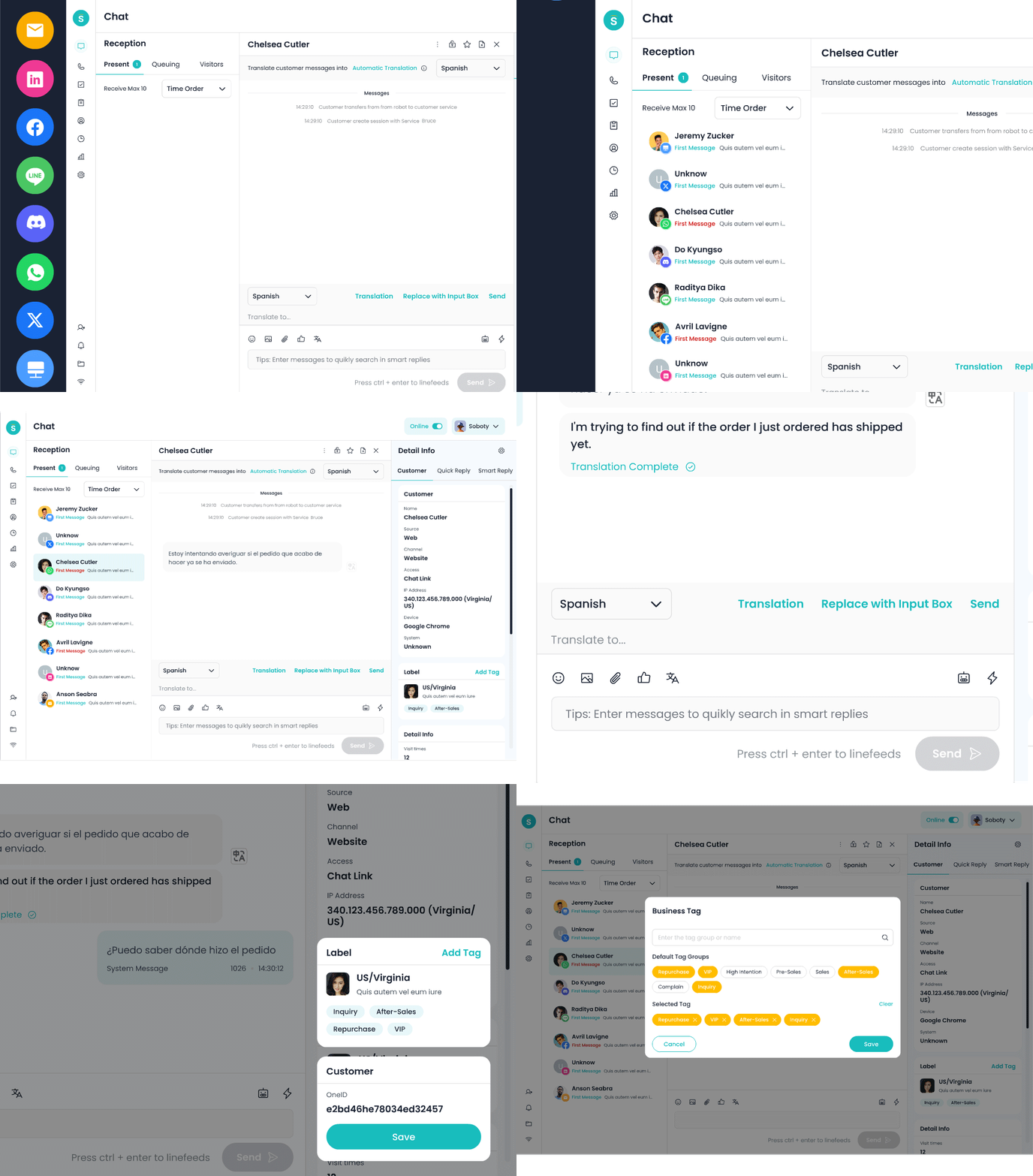
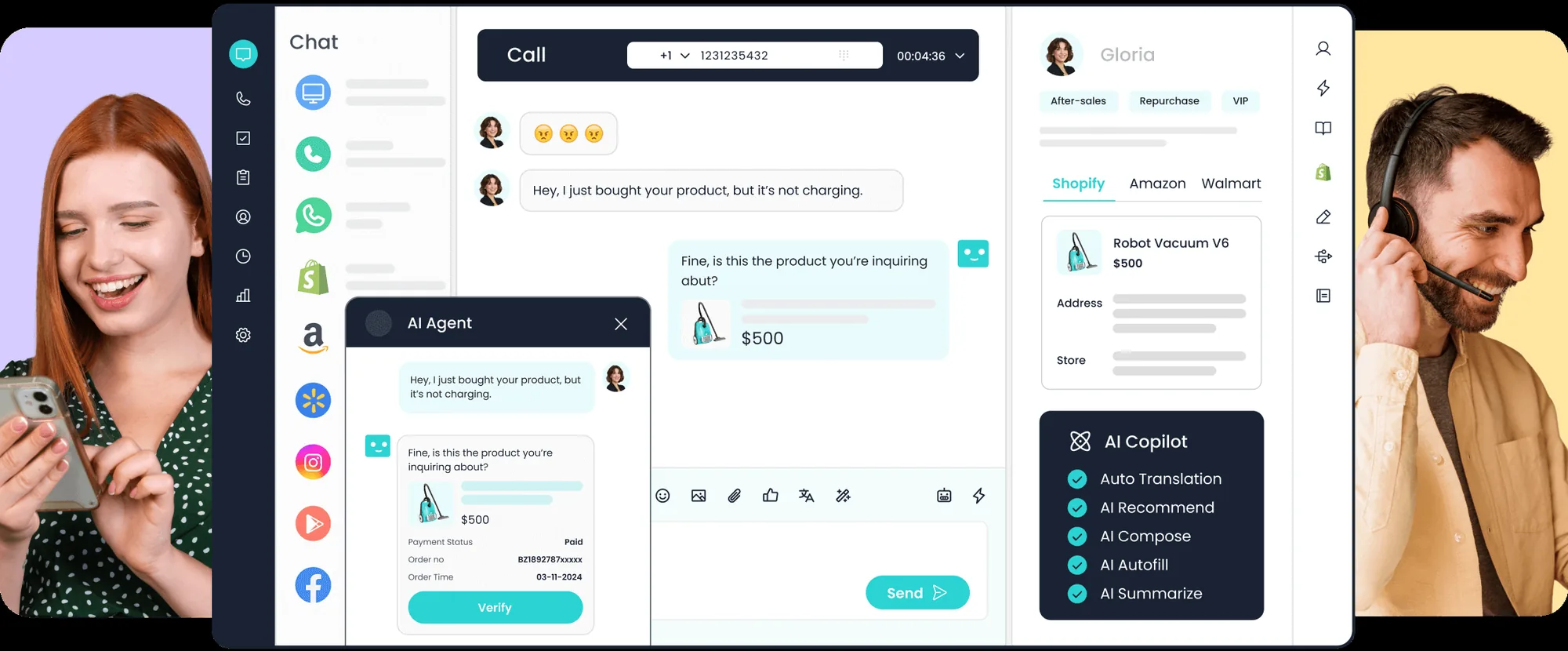
Sobot is a fit to test when a global e-commerce team needs connected live chat, messaging, ticketing, and AI-to-human escalation around a customer-service workflow.
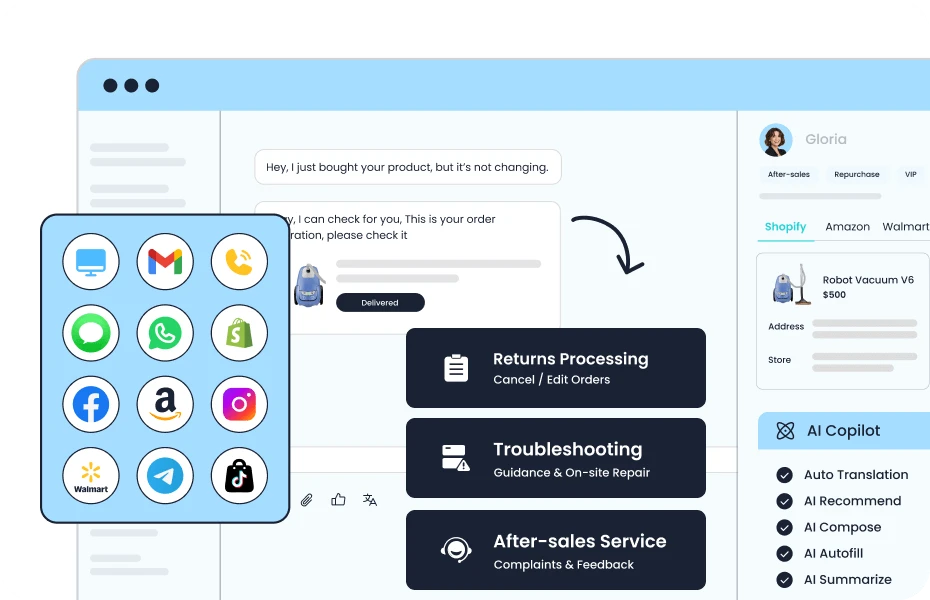
Sobot belongs on a shortlist when the store’s real risk is continuity rather than a single chat channel. The practical question is whether an AI Agent can route an order exception with enough context for a human owner to continue the service path. Rehearse web chat, messaging, ticketing, and escalation against policies, permissions, and ownership.
Setup and cost signal: ask for a scoped commercial proposal based on required channels, agents, knowledge sources, order-data fields, and implementation help. Trade-off: a team that needs only a lightweight web widget may not need a broader contact-center workflow. Buyers can explore Sobot’s retail customer service solution, then test the workflow in a pilot.
2. Gorgias: Best for Shopify-Centric Support Teams
Gorgias is a fit to test for Shopify-centric support teams that prioritize commerce context and consolidated customer conversations.
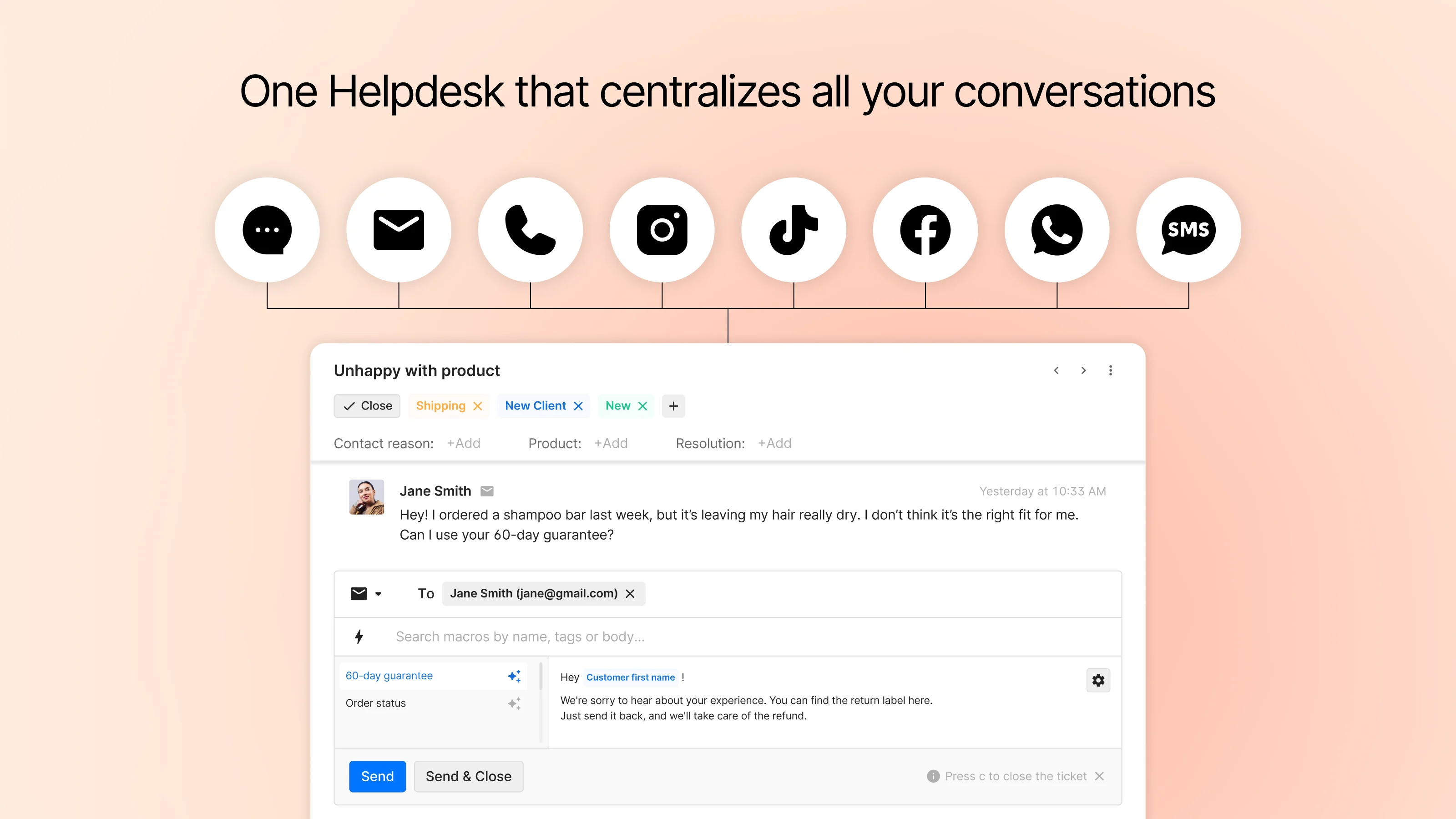
Gorgias is particularly relevant when the support operation is organized around Shopify and the team wants the commerce workflow close to the customer conversation. In a Shopify-led environment, test product questions, order updates, returns, and post-purchase tickets with the store’s own data and escalation rules before treating that fit as proven.
Setup and cost signal: validate the plan and volume model with representative seasonal demand, not a generic inbox count. Trade-off: test reporting depth, automation controls, escalation paths, and the exact fields a human receives when an AI-assisted conversation becomes an exception. It is a strong commerce-first candidate, but that does not make it the automatic choice for a broader global contact-center design.
3. Zendesk: Best for Dedicated Support Operations
Zendesk is a fit to test when a team needs mature ticket administration, broad service workflows, and an ecosystem that supports dedicated support operations.
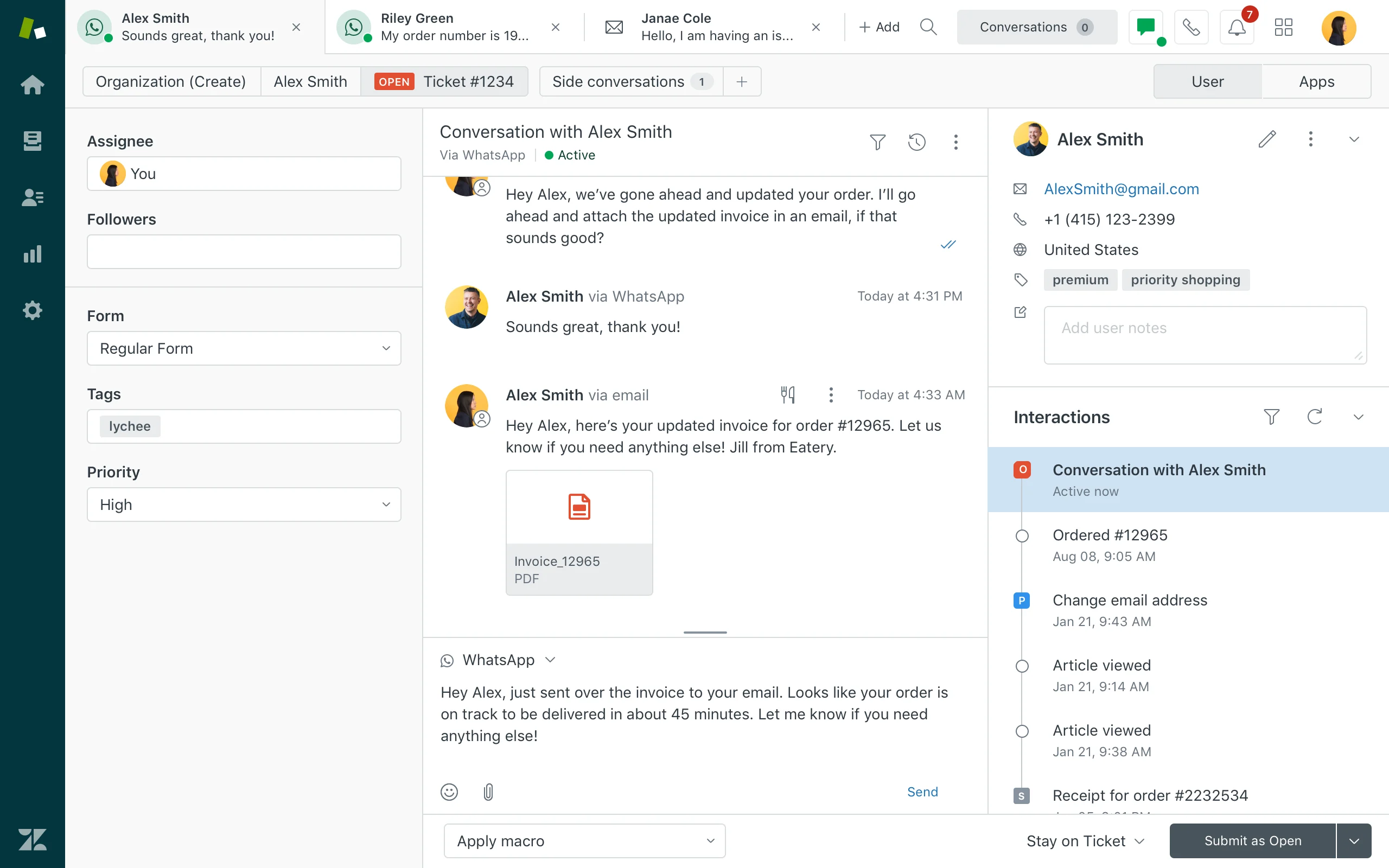
Zendesk is a sensible shortlist for organizations whose service operation is already defined by queues, tickets, routing rules, supervisors, and reporting. Test the case-management model against a real exception path: the potential advantage appears when e-commerce support is a disciplined service function rather than a handful of store conversations.
Setup and cost signal: review the administrative work, channels, AI usage, and any required extensions as one commercial scope. Trade-off: buyers should not infer that broad platform scope automatically produces their desired order context. Ask the team to demonstrate the actual customer, order, escalation, and ownership fields in the agent workspace, then judge how much configuration and governance that path needs.
4. Intercom: Best for Conversational Digital Support
Intercom is a fit to test for digital teams that want conversational customer support and AI assistance, provided commerce data and post-purchase exceptions are validated.
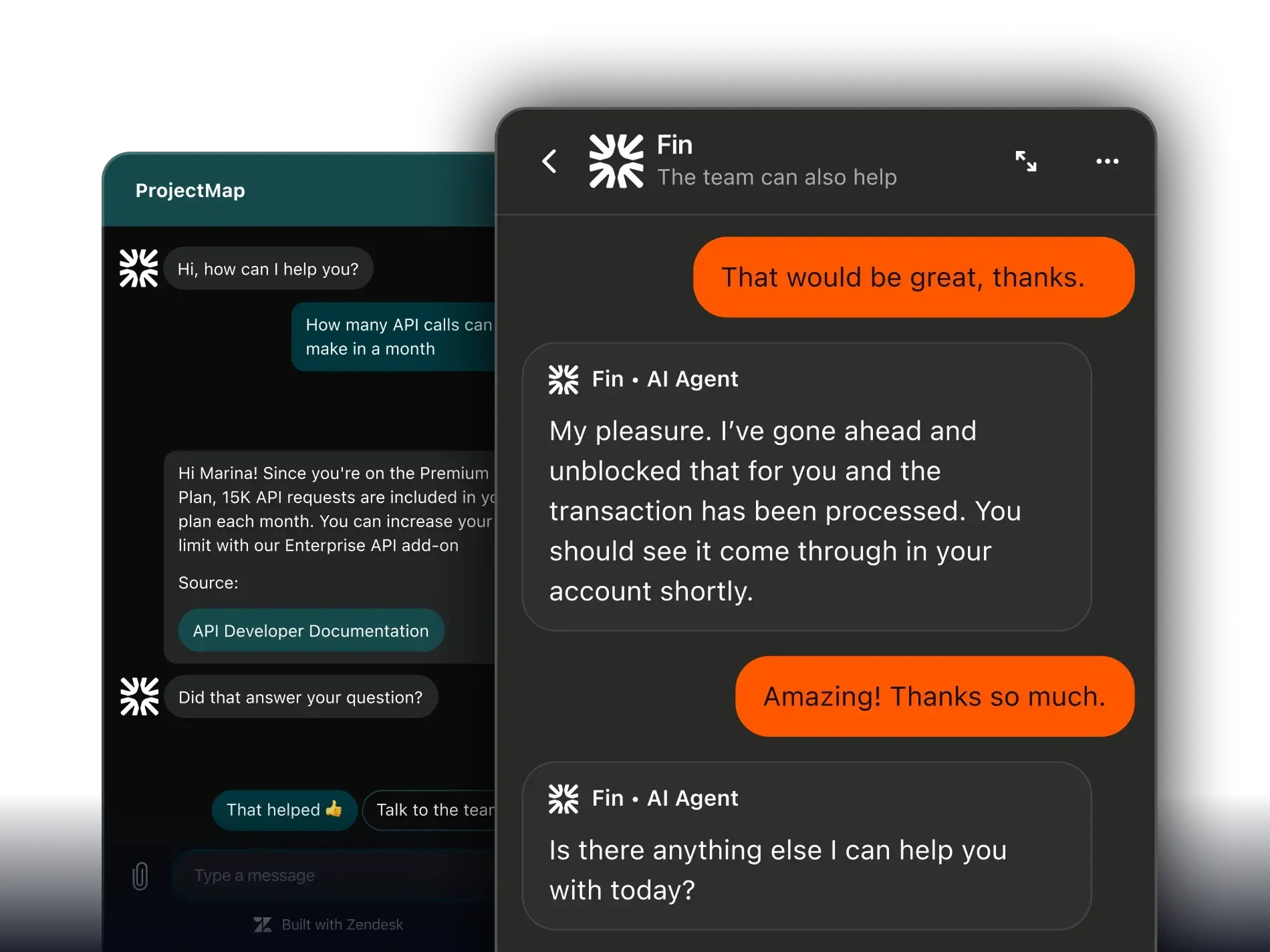
Intercom warrants consideration when the customer experience is heavily conversational and the team wants to combine live engagement with AI-assisted support. Test whether support interactions can remain close to customer education, onboarding, or product usage without losing a clear route for order and policy exceptions.
Setup and cost signal: model the channels, AI usage, help content, and operating owners that are actually needed. Trade-off: a global retailer should test the full post-purchase path, not just a pre-sale chat. Make the pilot include a delayed delivery, a return policy exception, and a channel switch so the team can see whether commerce context and accountability remain clear.
5. Freshdesk: Best for Balanced Ticketing and Omnichannel Service
Freshdesk is a fit to test for teams balancing ticketing, automation, and omnichannel service administration.
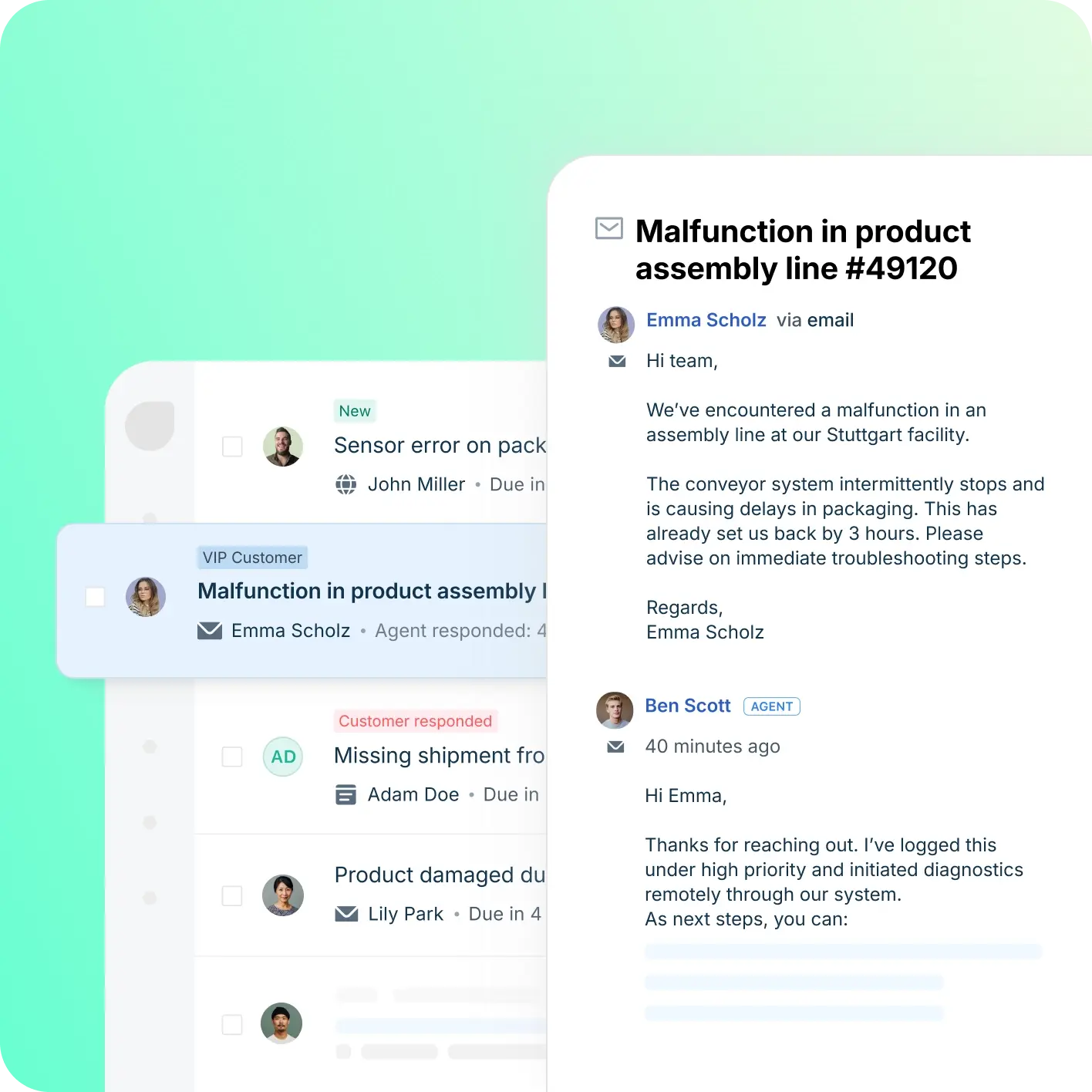
Freshdesk is a practical candidate when a team wants structured service administration without making e-commerce a separate, isolated workstream. Test it as an orderly help-desk foundation with adjacent chat and automation, then confirm whether its workflow stays usable when order exceptions and specialist queues are introduced.
Setup and cost signal: review the relevant plan boundaries, channels, workflow rules, and owner roles together. Trade-off: the buyer still needs to validate whether the selected configuration presents the order and customer details required for high-risk cases. The right outcome is not “Freshdesk handles omnichannel,” but “our delivery and returns owner can continue this specific customer story without losing context.”
6. Kustomer: Best for Customer-Timeline Workflows
Kustomer is a fit to test when unified customer history and configurable B2C workflows matter more than a minimal setup.
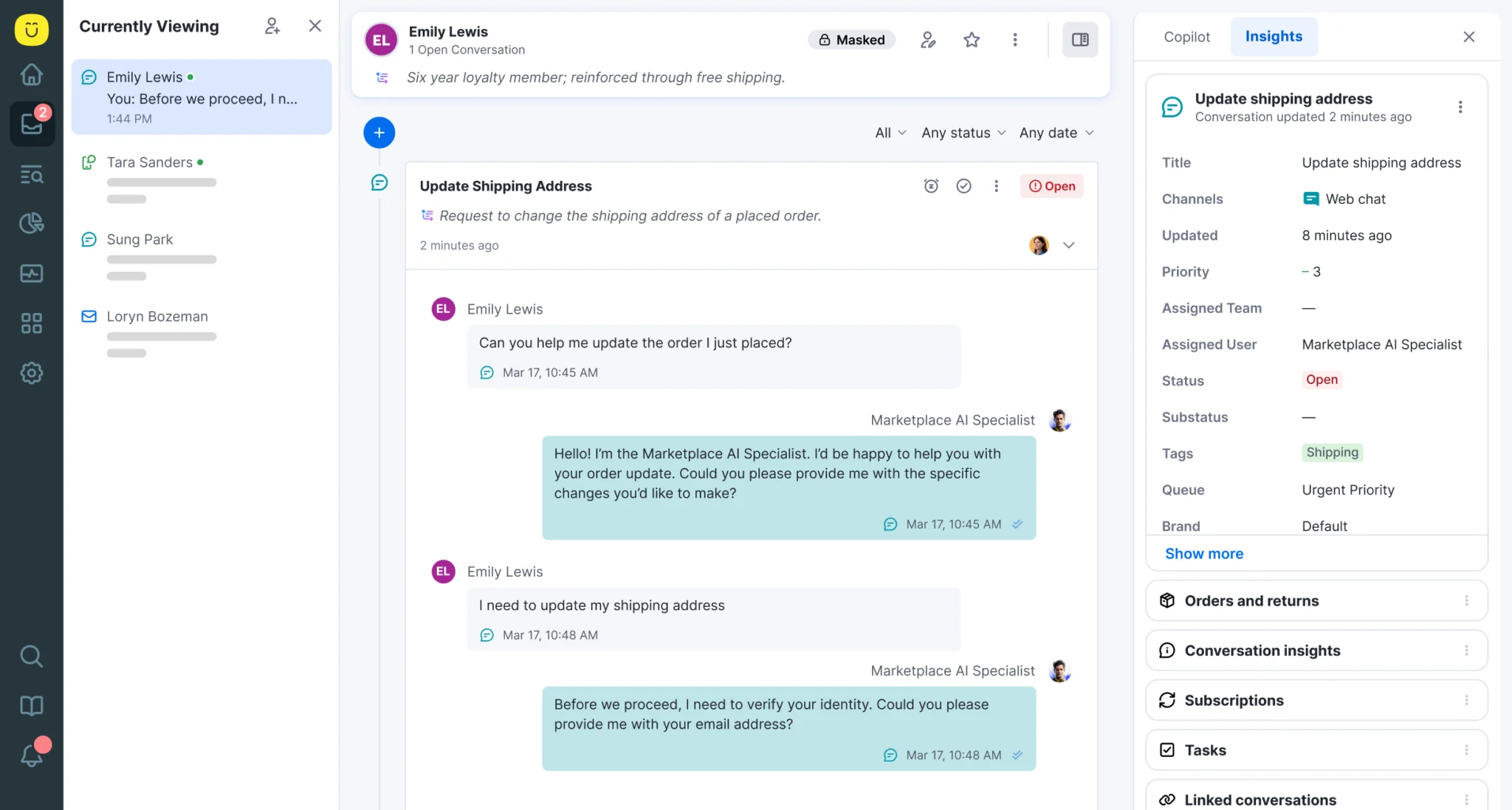
Kustomer is relevant for retailers that think in terms of a customer relationship rather than independent tickets. It is a serious candidate where customer history is central and the organization has capacity to design the workflow deliberately. Ask the pilot owner to verify whether a representative customer timeline remains clear to a new agent during a cross-channel exception.
Setup and cost signal: include implementation work, data mapping, administrator training, and the live support model in the evaluation. Trade-off: do not choose a customer-timeline approach merely because it looks complete in a demo. Test whether agents can retrieve the relevant order, prior contacts, policy state, and owner quickly enough during a true exception, and whether managers can keep the workflow maintainable as the store changes.
7. Gladly: Best for Relationship-Led Retail Service
Gladly is a fit to test for B2C retail teams that value a continuous customer conversation across interactions.
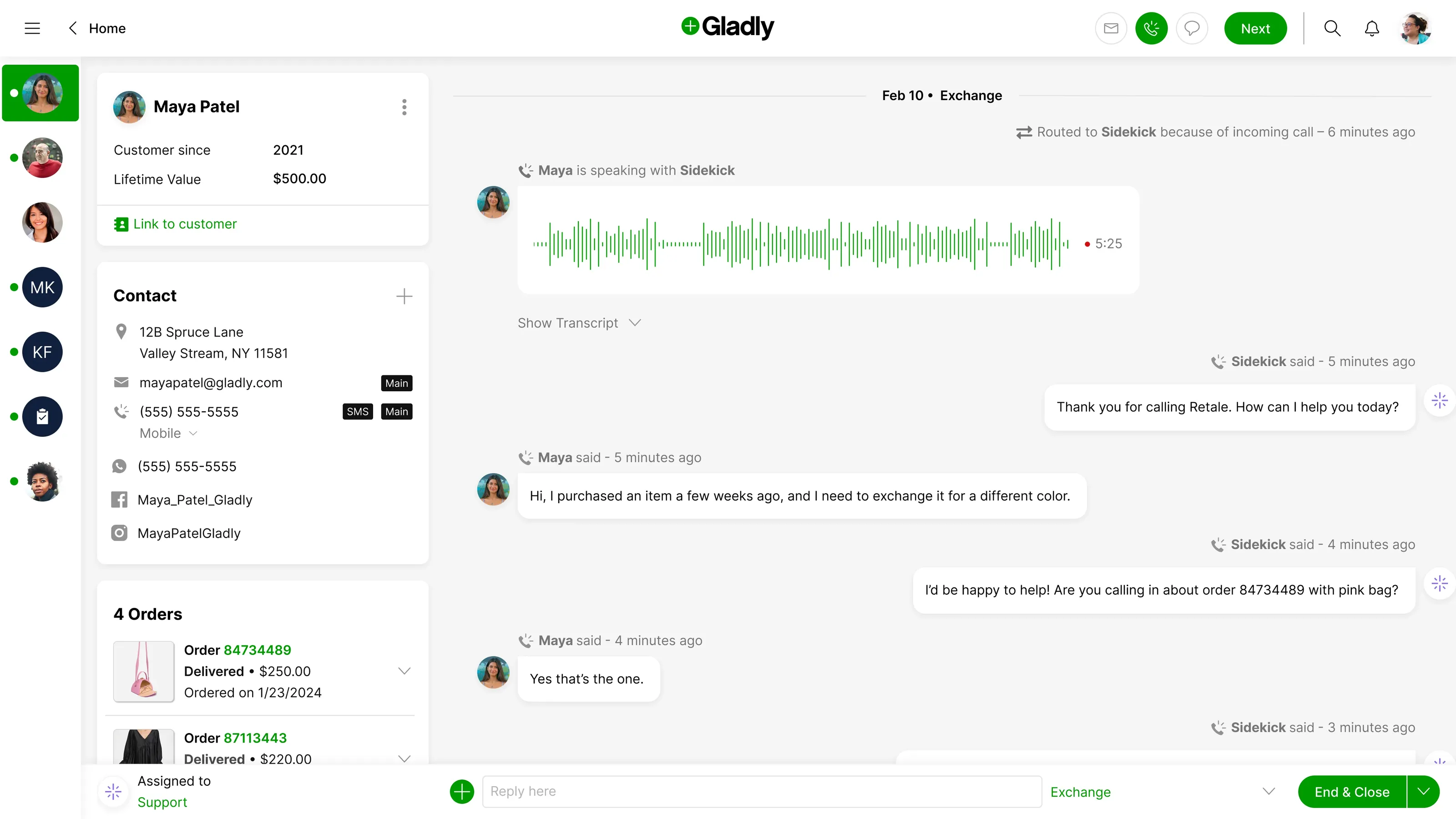
Gladly is worth a close look for a retail business that treats service as a relationship layer, not only a case-management function. It is a plausible fit for high-touch retail, where a buyer may contact the brand several times before and after purchase and expects the service team to recognize the broader context. Test that recognition across the channels the store actually operates.
Setup and cost signal: review the commercial proposal alongside reporting needs, AI setup, and the team that will maintain customer knowledge. Trade-off: continuous conversation framing still needs operational proof. Ask agents to handle a chat-to-email or message-to-case transition, identify the next action, and show how a supervisor finds an unresolved exception. A relationship-led experience is valuable only when it is also accountable.
8. Tidio: Best for Fast Web-Chat Adoption
Tidio is a fit to test for smaller teams that prioritize web chat, help desk coverage, and accessible automation, while validating advanced handoff needs.
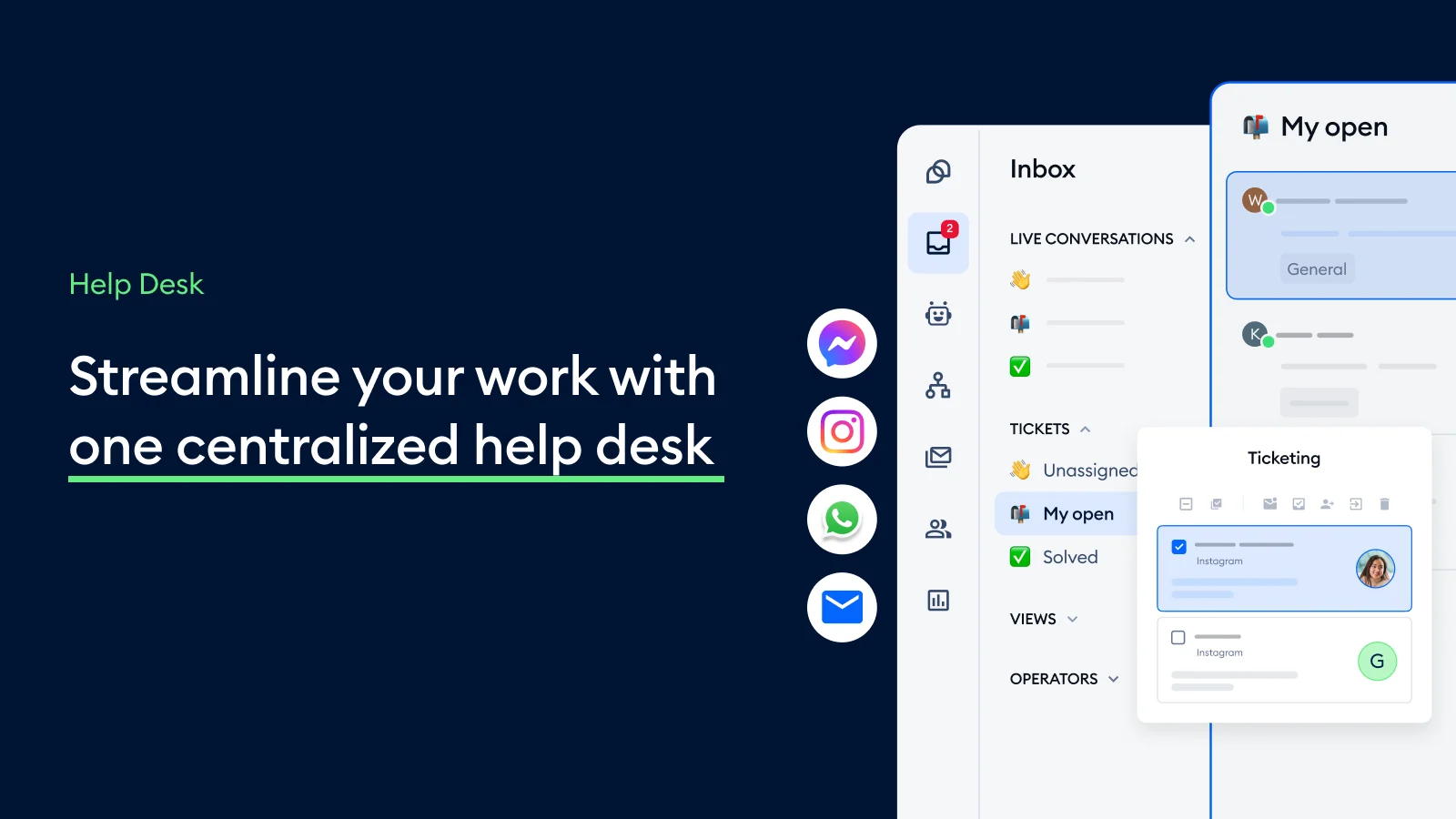
Tidio can be attractive for lean teams that want to establish web chat and basic support automation quickly. Treat it as a fast-adoption shortlist hypothesis for a growing store, then test whether the initial configuration can carry order context and escalation ownership as volumes or channels expand.
Setup and cost signal: test the feature and team-growth scope before committing, especially if automation will expand beyond the web widget. Trade-off: a smaller team should still test the hard case. If automation needs to hand a multilingual delivery dispute to another owner through a different channel, the test should show whether the workflow stays clear or becomes a manual reconstruction exercise. Fast adoption is a legitimate strength; it is not a substitute for the required operating depth.
9. respond.io: Best for Messaging-Led Support Teams
respond.io is a fit to test when WhatsApp and other messaging channels are central and the team can govern shared inbox workflows.
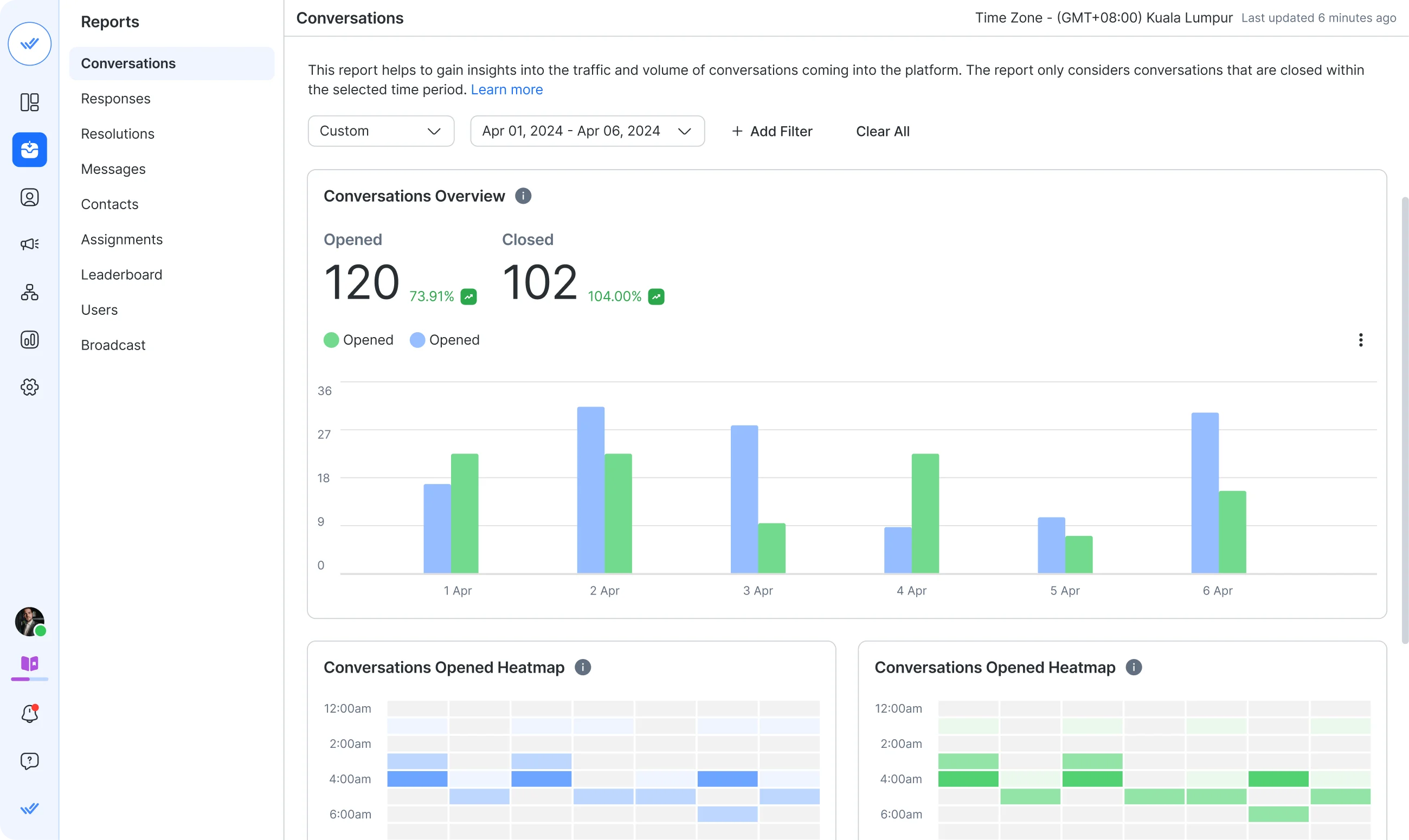
respond.io should be on the shortlist where WhatsApp, social messaging, and shared conversation ownership shape the service operation. Test its messaging-led workflow against a familiar operations trade-off: advanced flows may be useful, but they require a team that can define rules, maintain them, and keep ownership clear.
Setup and cost signal: budget not only for platform access but for workflow design, template governance, routing ownership, and channel-policy review. Trade-off: messaging excellence is not automatically the same as full case-management depth. A global commerce buyer should put an unresolved order case through the messaging flow and verify how it becomes an accountable human work item when the customer changes channel.
10. Comm100: Best for an Additional Omnichannel Workspace Option
Comm100 is a fit to test as an omnichannel workspace option when buyers want to compare general customer-engagement workflows against their e-commerce requirements.
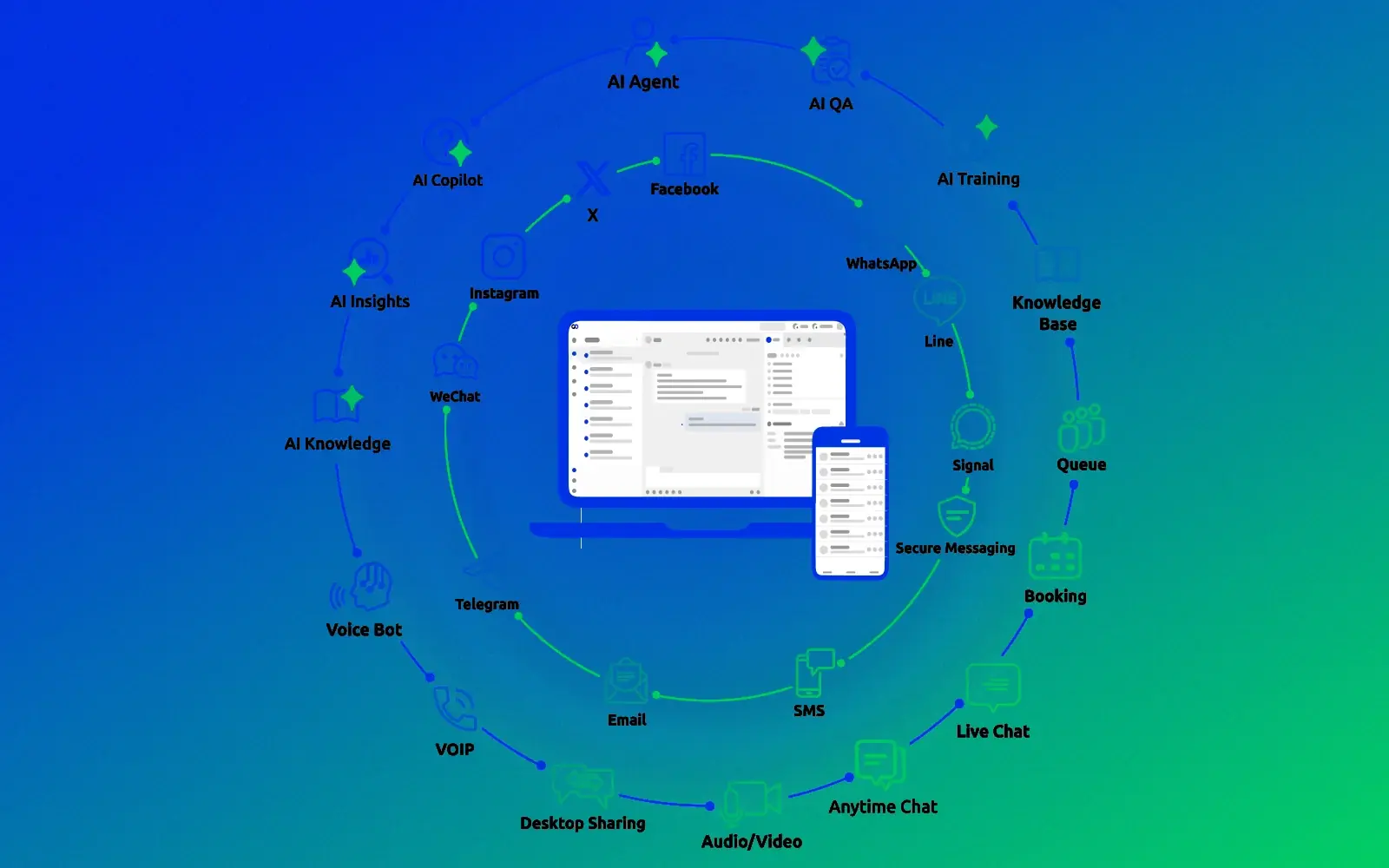
Comm100 is useful as a broader omnichannel comparison point for teams that do not want the shortlist to become only a Shopify or messaging conversation. The relevant evaluation question is whether a general customer-engagement workspace can expose the store’s order information and handoff rules as clearly as the buyer needs.
Setup and cost signal: review the actual channel, agent, knowledge, integration, and implementation scope with the vendor. Trade-off: do not treat general omnichannel language as proof of e-commerce readiness. Put the delivery, return, damaged-goods, and policy-exception journeys through the proposed workspace. If the next owner lacks the required customer and order context, the category fit is incomplete for that retailer.
Which Platform Fits Which E-Commerce Team?
The right platform depends on whether the buyer’s governing need is commerce context, support administration, conversational engagement, customer history, fast adoption, or message-led operations. That is why a “best overall” answer should be a starting point, not the final decision.
- Shopify-first operations: start with Gorgias, then test whether its commerce workflow, reporting, controls, and commercial scope match the store’s volume and exception cases.
- Dedicated support organizations: start with Zendesk or Freshdesk when ticket governance, queue design, and service administration are the foundation of the team.
- Conversation-led digital service: start with Intercom when customer engagement is mainly conversational, but require a real post-purchase exception test.
- Customer-history-led retail: consider Kustomer or Gladly when a complete customer story is central to the operating model and the team can support a more deliberate setup.
- Fast initial web-chat coverage: consider Tidio when rapid adoption is the priority, while being explicit about future handoff and channel requirements.
- WhatsApp and social-message pressure: consider respond.io when messaging ownership is the center of the operation, then test how exceptions become accountable cases.
- Connected global support workflow: include Sobot when the pilot must prove e-commerce context across chat, messaging, tickets, and an AI-to-human escalation path.
A fair shortlist can contain two or three of these options. It should not contain ten vendors for long. Remove candidates when they fail the governing requirement, not because they have fewer marketing labels. If a team handles only simple web questions, a full omnichannel operating layer can be unnecessary. If the team manages cross-border order exceptions at scale, a basic widget can become an expensive detour because the customer and agent repeatedly reconstruct the same issue. Use customer proof as a separate validation step; buyers can review Sobot customer stories alongside the workflow test.
Run a 30-Day Pilot Around Real E-Commerce Journeys
A controlled 30-day pilot can produce better buying evidence than a feature demo when it tests real order journeys and failed handoffs. The number is a practical starting point, not a claimed standard or a promise that every implementation should take the same time. The important discipline is a fixed set of representative journeys and an agreed review of what happened when the smooth path broke.
Use four journeys: a pre-sale stock or product question; an order-status request; a return or exchange; and a delivery, payment, or policy exception. For every journey, define the customer identifier, available order information, knowledge source, channel of entry, escalation reason, owner queue, and expected next action. Then repeat at least two journeys across a channel transition, such as web chat to WhatsApp or messaging to email. Keep a simple acceptance record: did the next human see the context, know why the escalation occurred, own the case, and give the customer a clear next step? The NIST AI Risk Management Framework is a useful governance reference for that review.
Illustrative Pilot Scenario: The Delivery Exception That Changes Channels
A failed channel transition reveals whether context and ownership remain usable for the next human agent. Consider an illustrative cross-border retailer with 4,800 monthly conversations and 18 agents serving customers in 3 languages. A delivery-delay question starts in web chat, moves to WhatsApp when the customer uploads proof, and becomes an email dispute after a carrier exception. Order-status fields exist, but the team has not yet defined a consistent rule for turning a failed chat answer into a human-owned case.
The pilot question is not whether an AI Agent can draft a plausible reply. It is whether the next owner can see the order identifier, prior conversation, language preference, escalation reason, and queue without asking the customer to start over. Run that journey in every candidate; before go-live, define a handoff packet and named queues for delivery, returns, and payment exceptions.
Approve the operating design only after a deliberately failed handoff can be found, assigned, corrected, and retested. This is an illustrative operating scenario, not a customer case, an implementation result, or a measured platform benchmark. It is useful precisely because it makes the buyer’s acceptance rule visible before a contract is signed.
Pilot Scorecard: Can the Next Owner Act?
A pilot scorecard should ask whether the next human can identify the customer, explain the escalation, see the order context, and own the next action. Record a pass only when the agent can answer all four questions from the workspace without searching through disconnected tabs or asking the customer to repeat the issue.
Make the review practical. Have a supervisor inspect the fields that reached the owner, the receiving queue, the customer reply, and the fallback if no owner was available. Then rerun the corrected path. A platform can still be a sensible fit when the first configuration fails if the team can diagnose the break, assign responsibility, and verify the repair during the pilot.
Turn the Shortlist Into a Useful Conversation
A vendor conversation is most useful when the buyer brings four priority journeys, an escalation packet, and explicit acceptance criteria. That preparation makes it easier to compare commercial proposals fairly: ask each vendor to scope the channels, agent roles, knowledge sources, data fields, workflow configuration, implementation help, and support model needed for the same pilot.
For cross-border returns and policy exceptions, the European Commission consumer-protection overview is one regional policy reference.
When the shortlist is ready, you can book a Sobot demo around your four priority support journeys.
The useful outcome is a demonstrated workflow and a scoped pilot, not an assumption that any platform will fit every store.
Frequently Asked Questions
Which omnichannel live chat platform is best for global e-commerce?
The best omnichannel live chat platform for global e-commerce is the one that preserves order context, assigns an owner, and supports the channels your customers actually use. Gorgias can be a strong fit for Shopify-centric teams, Zendesk for mature support operations, and respond.io for messaging-led work. Include Sobot when the pilot must test connected chat, messaging, ticketing, and AI-to-human escalation. The final choice should follow a real journey test, not a generic feature ranking.
Is a live chat widget enough for post-purchase e-commerce support?
A live chat widget is enough only when support stays simple; post-purchase issues often require order context, ownership, and continuity into email, messaging, or tickets. A widget can resolve a stock question quickly, but a delivery exception, payment dispute, or return may need a different team and a durable work record. Test where the customer story goes when chat cannot finish the task before treating a widget as a complete support platform.
How should e-commerce teams test AI-to-human handoffs?
E-commerce teams should test AI-to-human handoffs with real order exceptions and verify that the next agent receives the customer, order, reason, history, and ownership state. Use one routine question and one exception that changes channel. The key observation is not the fluency of the automated reply; it is whether the human can continue the case without a repeat explanation. Record any missing field, unclear queue, or unresolved fallback as a pilot failure to correct.
When should a team choose a WhatsApp-oriented support platform?
A team should prioritize a WhatsApp-oriented platform when messaging is a primary support channel and policy-aware routing, templates, and conversation continuity are operationally important. That can make respond.io or a broader omnichannel option relevant, depending on the required case-management depth. Verify the conversation-to-human path, ownership rules, and any policy constraints with the buyer’s own examples. WhatsApp presence by itself is not evidence that a post-purchase workflow will remain connected.
What should a 30-day omnichannel support pilot include?
A 30-day omnichannel support pilot should include representative customer journeys, one or more failure cases, clear owner fields, and an agreed acceptance review. Include product questions, order status, returns, and a difficult delivery or policy exception. Test at least two channel transitions and review how AI, agents, supervisors, and queues share the same customer story. Adjust the calendar if needed, but keep the scope small enough that the team can retest a failure before making a buying decision.