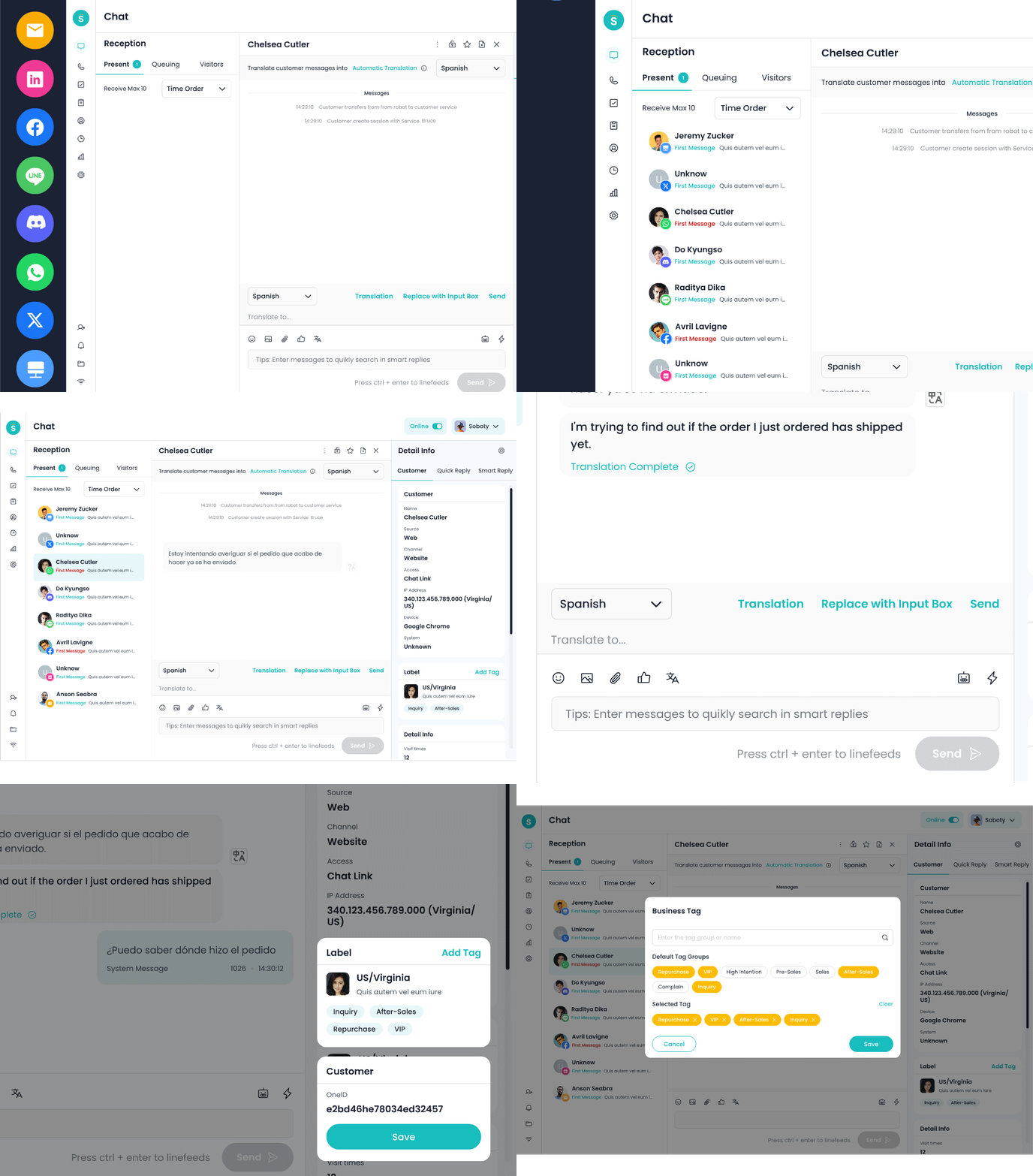
The best choice is conditional: select the platform that can help your team resolve its first important customer journey, including the moment automation should stop and a person must take over. Sobot is worth considering when AI and omnichannel workflow need to be evaluated together; Zendesk, Freshdesk, Intercom, Gorgias, HubSpot Service Hub, Help Scout, Kustomer, Gladly, and Salesforce each become stronger candidates under different operating conditions.
The 2026 Customer Support Software Decision at a Glance
There is no universal best customer support platform because team fit depends on the AI role, customer context, channels, and recovery rules that a team must operate.
- Start with a journey, not a feature list. Choose one repeatable case—an order delay, login failure, return, or billing dispute—and identify the system that holds the evidence needed to finish it.
- AI is only useful inside a boundary. Test what the AI may answer or do, what source it uses, and what event transfers ownership to a person.
- Omnichannel means continuity, not channel count. A chat-to-email, WhatsApp-to-agent, or voice-to-case transfer should retain usable issue history and ownership.
- Commercial comparison belongs after fit. Ask finalists for current package, AI-usage, implementation, data-access, and support terms against the same written pilot scope.
What Is Customer Support Software? A Clear Definition
Customer support software centralizes customer requests, service context, and team workflows; modern platforms may add AI assistance and connected channels. In practice, the category can include a shared inbox or ticket desk, routing rules, knowledge content, agent tools, reporting, and integrations with the systems that explain an order, account, or product issue. A chatbot alone is not the same thing: it may answer questions, but it does not necessarily preserve a customer record, coordinate an exception, or give the next owner enough context to act. For a buyer, the category boundary matters because the right product must fit both the customer-facing channel and the team’s internal way of resolving work.
Quick Comparison Table
The table is a conditional shortlist organized by operating model, not a scorecard or a price ranking. “AI and automation” describes a documented product direction or a test focus, not a performance outcome. Current commercial terms should be confirmed directly with every finalist.
| Platform | Best for | AI / automation focus to test | Channel and workflow question | Commercial signal | Boundary |
|---|---|---|---|---|---|
| Sobot | AI plus omnichannel workflow evaluation | AI Agent and Copilot scope | Can unified context support the target journey? | Request a scoped pilot quote | Validate the system-of-record fit |
| Zendesk | Established service operations | Knowledge-grounded AI and authorized actions | How does AI extend the existing service desk? | Confirm current packaging | May be more than a small team needs |
| Freshdesk | Ticket-centered teams | Prioritization, routing, summaries, assistance | Does the agent workspace match current triage? | Confirm current packaging | Test the required channel depth |
| Intercom | Product-led support | AI service, sales, and ecommerce roles | Can content and handoff serve the product journey? | Confirm current packaging | Define the content and ownership model |
| Gorgias | Ecommerce-led operations | Order and store-context AI | Can commerce context drive the exception workflow? | Confirm current packaging | Most relevant when commerce is central |
| HubSpot Service Hub | HubSpot CRM-centered service | CRM-connected service assistance | Does service need to live in the HubSpot model? | Confirm current packaging | Value depends on CRM operating fit |
| Help Scout | Content-governed support teams | Knowledge-source and tone controls | Can maintained help content govern answers? | Confirm current packaging | Test automation depth for the use case |
| Kustomer | Customer-context orchestration | AI actions and human escalation | Does a customer-centric record fit the operation? | Confirm current packaging | Validate implementation governance |
| Gladly | Conversation-first service models | Action-taking AI and context handoff | Can one customer conversation span priority channels? | Confirm current packaging | Test fit with the current service model |
| Salesforce Agentforce Service | Salesforce-centered enterprises | Case routing and service-process AI | Can the design align with Salesforce governance? | Confirm current packaging | May require enterprise-level coordination |
Based on this comparison, the first shortlist should contain platforms that match the team’s system of record and recovery path. A product with more channels is not automatically a better omnichannel choice if the receiving person cannot see enough context to resolve the transferred case.
How We Evaluated the 10 Platforms
The ten profiles are evaluated by AI role, workflow and channel context, team operating model, setup governance, and commercial verification rather than feature count. Each product is assessed against the same questions: What does its current documentation say AI can help with? What customer and work context should be available? Where can a human take ownership? Which operating model makes that design useful? And what must a buyer verify in a demo or pilot? This avoids inventing price comparisons, outcome claims, ratings, or implementation facts that are not comparable across all ten vendors.
Sobot: Best for AI and Omnichannel Workflow Evaluation
Sobot is a conditional fit for teams evaluating an AI-to-human and cross-channel support workflow together. It is a sensible shortlist choice for a team that does not want to evaluate AI as a separate chatbot project from its broader service operation.
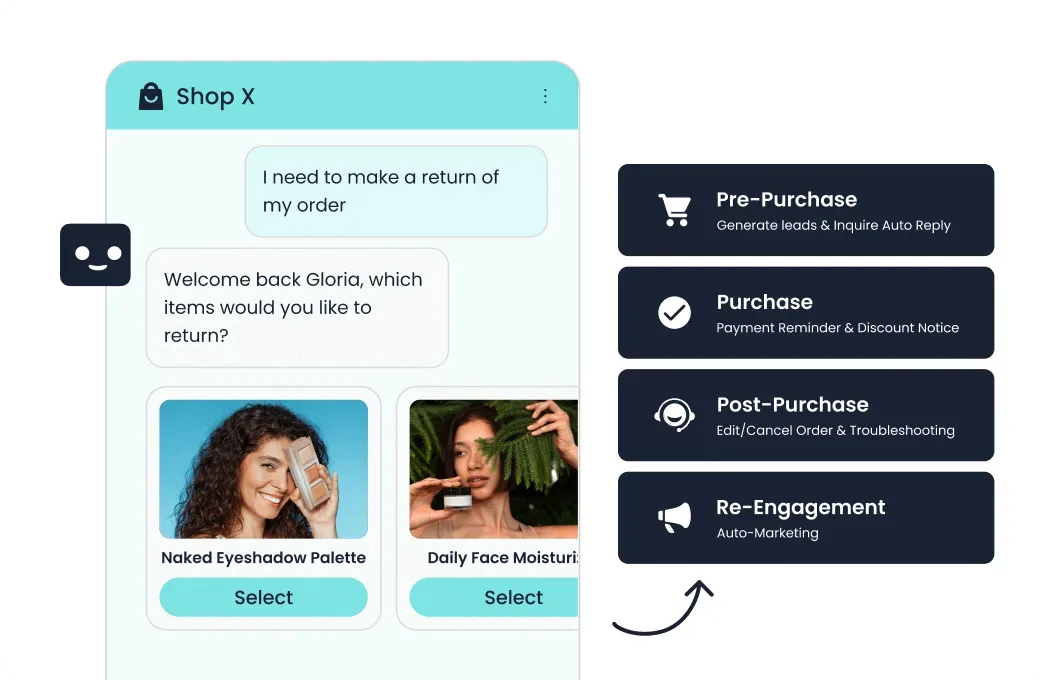
The practical test is whether the team can define a small, governed journey: for example, an order-status question that becomes a delivery exception, a billing question that needs account evidence, or a product question that must reach a specialist. Review the documented Sobot AI scope as the starting point, then ask to see the knowledge boundary, the escalation trigger, the information delivered to the new owner, and the resulting case record. Sobot is most relevant when channel continuity is part of that same proof.
Choose Sobot if: the pilot must test AI assistance and an omnichannel customer-support workflow together. Look elsewhere first if: the buyer has already committed to a different ecosystem whose service records and governance cannot realistically be part of the evaluation.
Zendesk: Best for Established Service Operations
Zendesk documentation describes AI agents for several service channels, knowledge-source grounding, and authorized actions. Zendesk is therefore a strong conditional candidate for organizations with an established service operation that want to extend a structured desk with AI rather than replace their operating model.
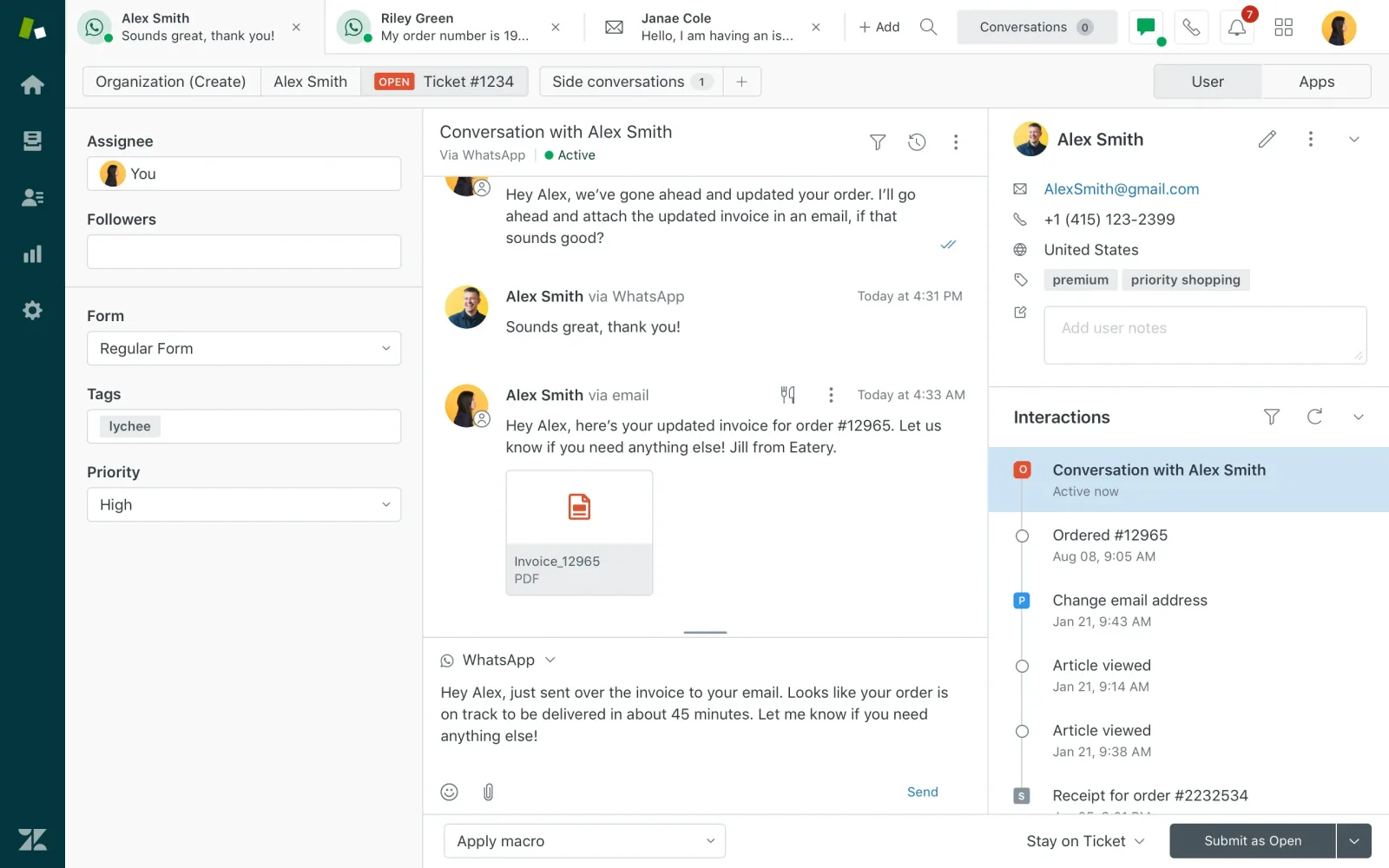
In a pilot, ask the team to show an AI agent handling the exact knowledge scope you approve, then show the same case when the answer is uncertain or an action is not authorized. The important observation is whether the human agent can see the relevant customer statement, prior exchange, and case status without reconstructing the problem. Zendesk can be the better choice when service operations, governance, and a ticket-centered model are already mature. It may be a less direct starting point for a small team whose only immediate requirement is a narrow, chat-led workflow. Confirm the specific channel, action, and plan availability against current documentation and contract terms.
Freshdesk: Best for Ticket-Centered Support Teams
Freshdesk describes Freddy AI support for ticket prioritization, routing, summaries, and response assistance in a unified agent workspace. That documented scope makes Freshdesk a reasonable conditional fit for a team that evaluates AI through the daily ticket lifecycle rather than through a separate autonomous-agent program.
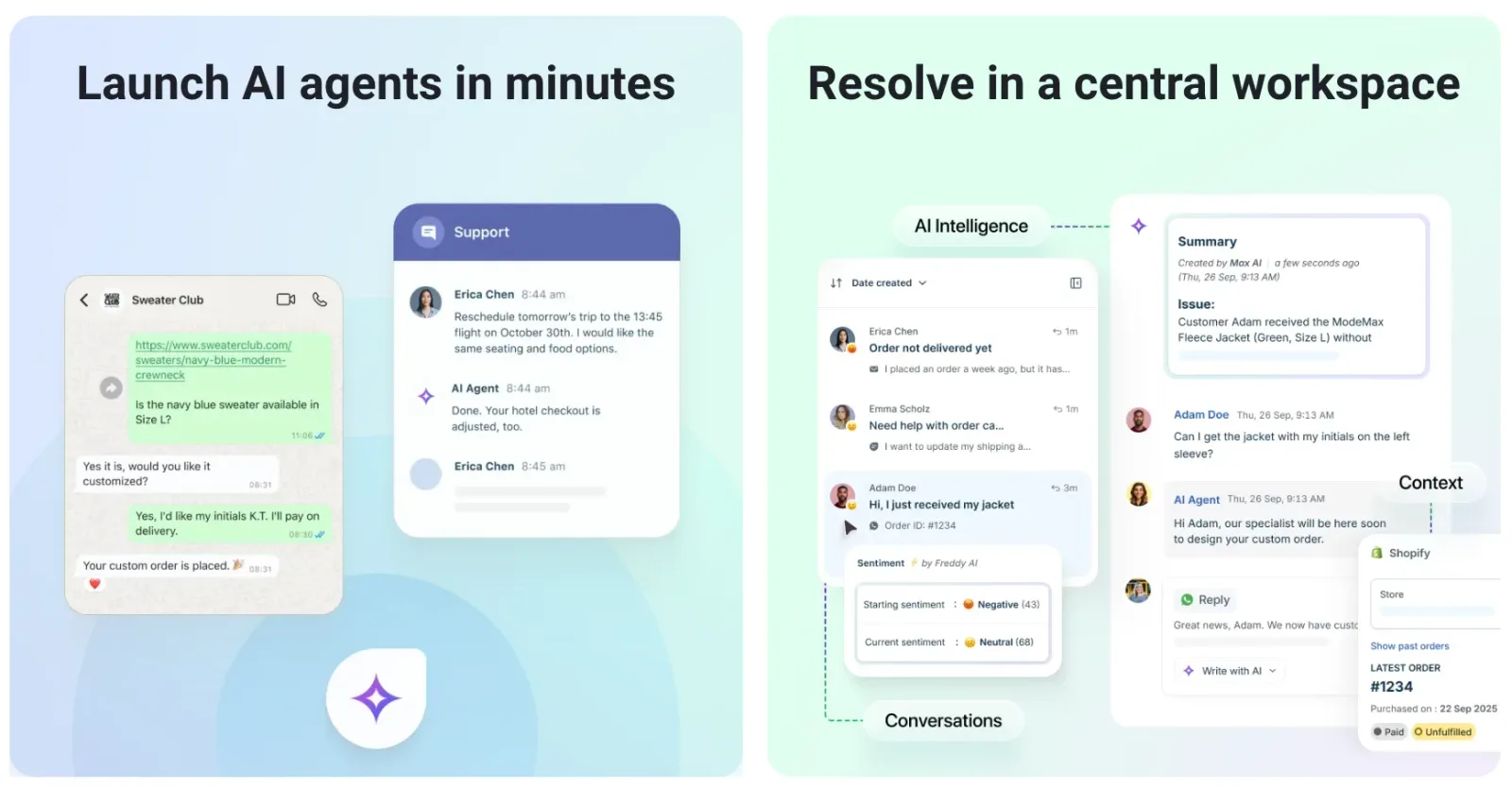
The best demo starts with the backlog the team already understands: an incoming request, triage decision, assignment, summary, suggested response, and escalation. A buyer should test whether the proposed workflow reduces avoidable context gathering without obscuring ownership. Freshdesk may be particularly compelling when support leaders need the agent workspace to improve prioritization and routing while preserving familiar ticket discipline. It is not automatically the right choice for a team whose main selection constraint is ecommerce order data, a deeply CRM-centered operation, or a Salesforce-governed enterprise program. Ask which AI functions are included in the proposed scope and what data or knowledge preparation they require.
Intercom: Best for Product-Led Customer Support
Intercom describes Fin roles for service, sales, and ecommerce conversations. That makes Intercom a credible conditional choice for product-led organizations that want to define a customer-facing AI role around their product content, lifecycle conversations, and a deliberate escalation path.
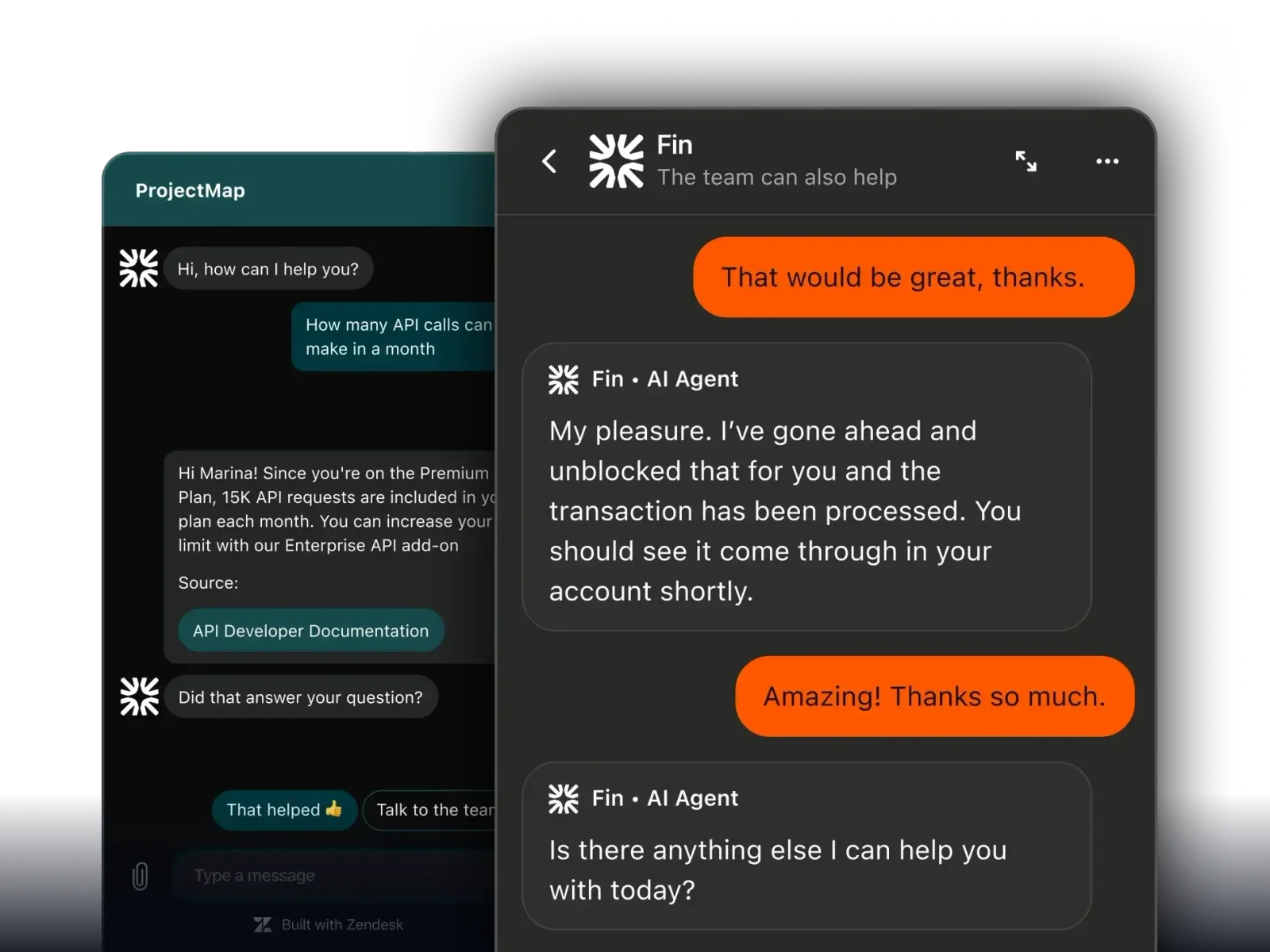
The key question is not whether an AI agent can answer a familiar product question. It is whether the team can set the correct role, content sources, and customer boundary for the first use case. For example, a product team might allow answers about setup and known troubleshooting, but route account-specific data, refunds, or unresolved incidents to a person. Intercom can be a stronger fit than a general ticket-first option when the product journey and conversational experience are central. The trade-off is governance: the buyer should agree on who owns the content, who handles exceptions, and how the handoff is verified before expanding to more audiences or channels.
Gorgias: Best for Shopify-Centered Ecommerce Support
Gorgias describes Shopify-derived storefront, order, catalog, inventory, and customer-tag context for its ecommerce AI Agent. For a commerce business, that is a meaningful distinction: support often fails not because the response lacks polish, but because the responder cannot see the order state or the information that makes an exception actionable.
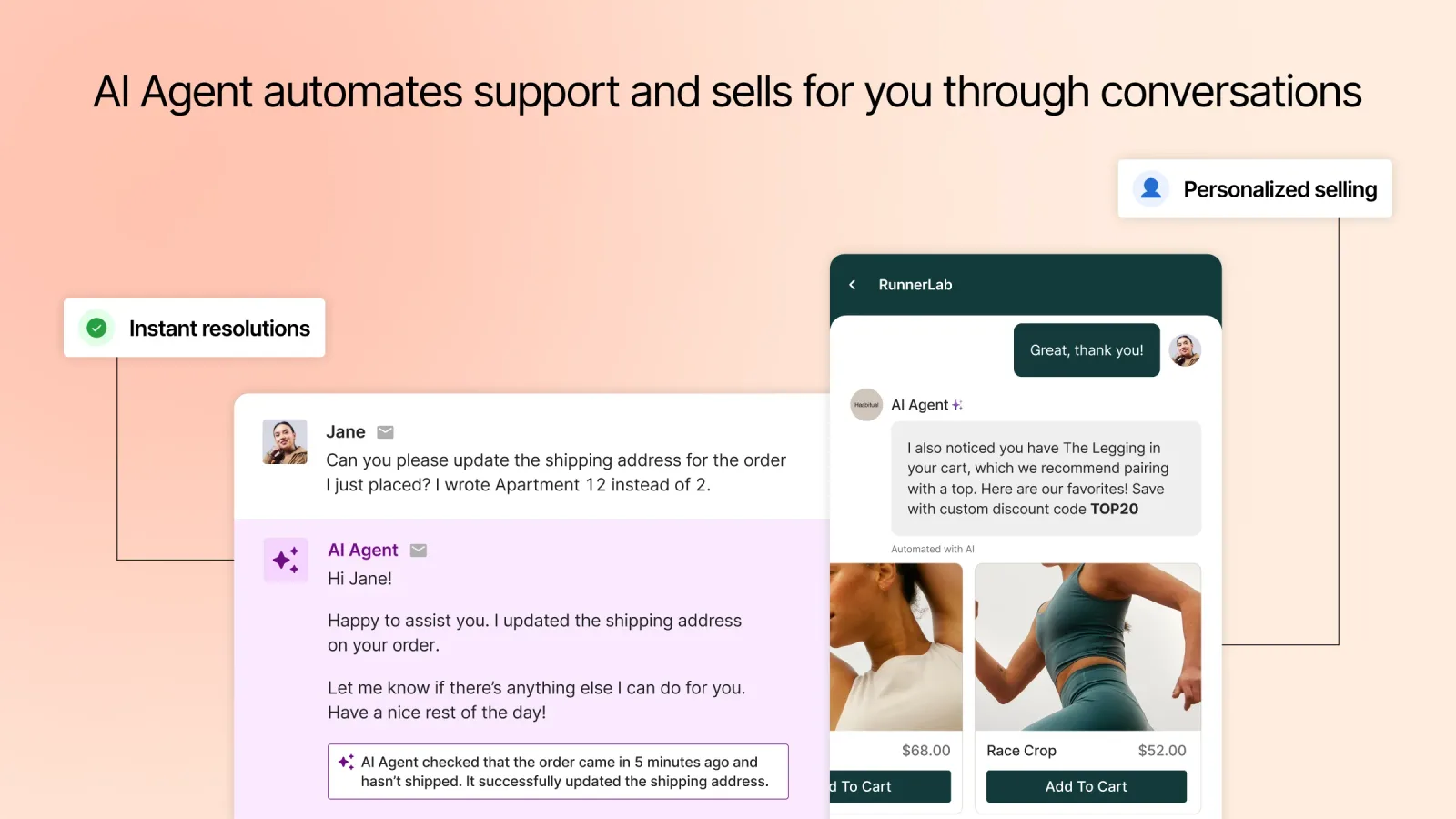
Gorgias is the conditional front-runner for a Shopify-centered operation when the first pilot journey is an order question, shipping update, return request, inventory question, or product query that benefits from commerce context. The demonstration should include a case that begins with a self-service question and becomes a human-owned exception; the handoff should retain the customer’s question and the relevant order state. It is less naturally suited as a universal recommendation for a non-commerce service desk, a CRM-led service organization, or an enterprise whose primary system of record is elsewhere. Verify the current scope of available features and the data paths required for the store workflow you plan to test.
HubSpot Service Hub: Best for CRM-Connected Service
HubSpot describes CRM-connected help desk work, AI-supported service tasks, and several support channels. HubSpot Service Hub is consequently a conditional fit for a business that wants customer service to remain close to its HubSpot CRM context rather than introduce a disconnected support record.
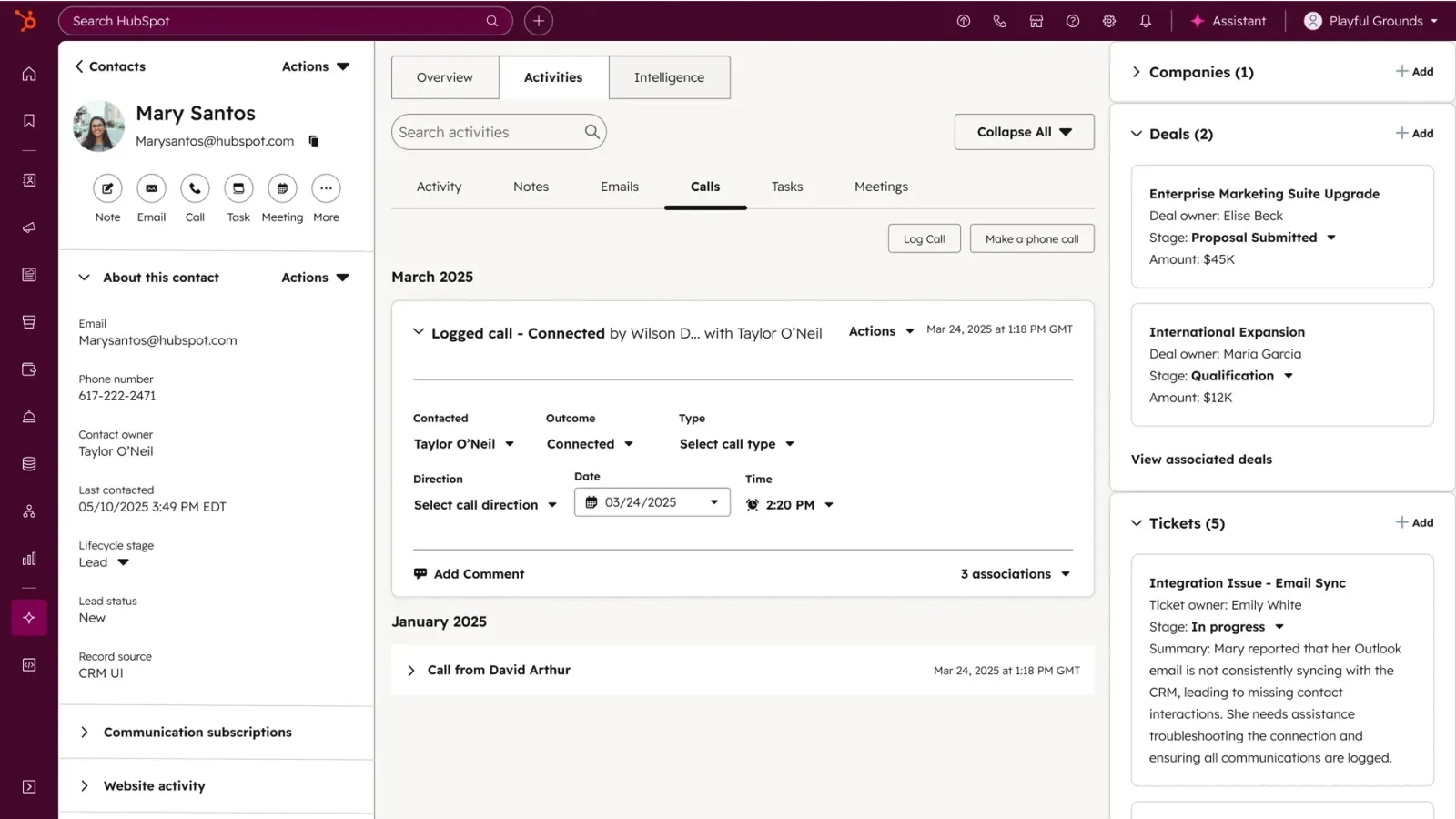
Ask the demonstration to follow a known customer through the service desk, the relevant CRM history, and a human escalation. If sales, onboarding, and service teams already rely on HubSpot context, that continuity can be more useful than a theoretical feature advantage elsewhere. HubSpot is not an automatic best choice for every support team: its value is conditional on the CRM operating model being a real foundation of service work. Buyers should verify the proposed channel, AI, data-access, and implementation scope instead of assuming that a CRM connection alone resolves handoff or knowledge-governance problems.
Help Scout: Best for Content-Governed Support Teams
Help Scout describes configuration of AI Answers knowledge sources and tone, including source visibility for unanswered or clarifying conversations. That is a useful fit signal for support teams that see maintained customer help content as the foundation for safe AI assistance.
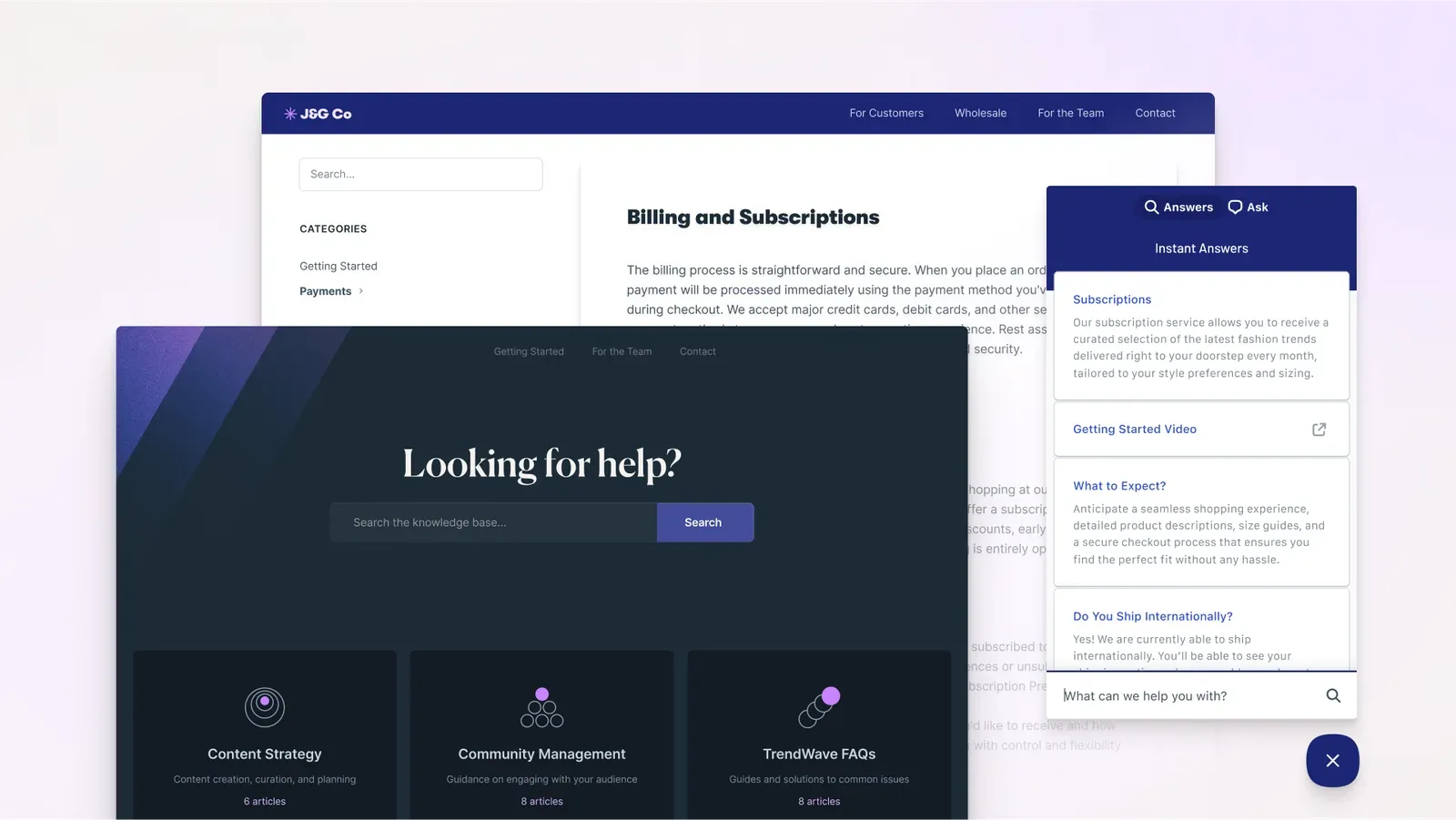
Help Scout deserves a place on the shortlist when the first operational question is, “Can we keep customer-facing answers aligned to a carefully maintained help center and a clear team voice?” Test an unanswered question and a question that needs clarification, then inspect what the customer sees and what reaches a person. This approach may be a better fit than a broader platform for a team that prioritizes approachable support and content governance. It may be a weaker fit where the central evaluation is complex commerce context, a broad enterprise service program, or extensive action-taking automation. Confirm present product scope during procurement.
Kustomer: Best for Data-Intensive CX Orchestration
Kustomer documents multi-channel AI Agents that can automate conversations, perform configured actions, and escalate issues to humans. Kustomer is therefore a conditional choice for organizations that want a customer-centric service record, channel coverage, automation, and escalation to be designed as one operating model.
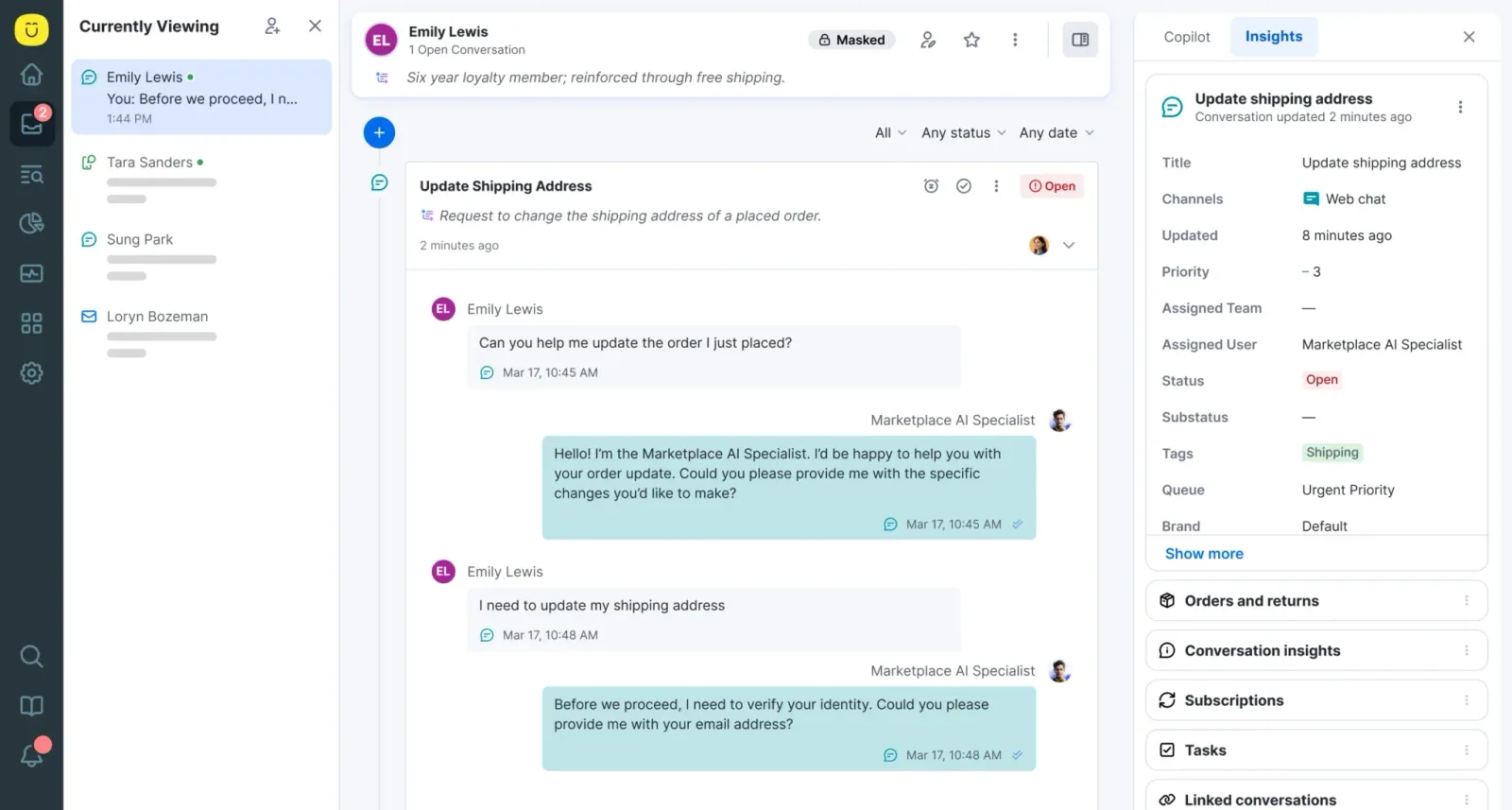
A useful Kustomer evaluation should cover more than the automated response. Ask which configured actions the AI may take, what guardrails apply, how the platform identifies the right customer context, and what event creates an unmistakable handoff to a person. Kustomer can be a stronger fit when a customer-centric record and orchestration across channels are deliberate design choices. It may require more implementation coordination than a team with a narrow first use case needs. The right comparison is not “more automation versus less automation,” but whether the organization can govern data, actions, and exception ownership in the same way it governs the rest of service operations.
Gladly: Best for Customer-Centric Service Conversations
Gladly describes Sidekick action-taking, several support channels, and handoff with conversation context. Gladly is a conditional fit for organizations that want to organize service around the customer’s ongoing conversation rather than treat each interaction as an isolated ticket.
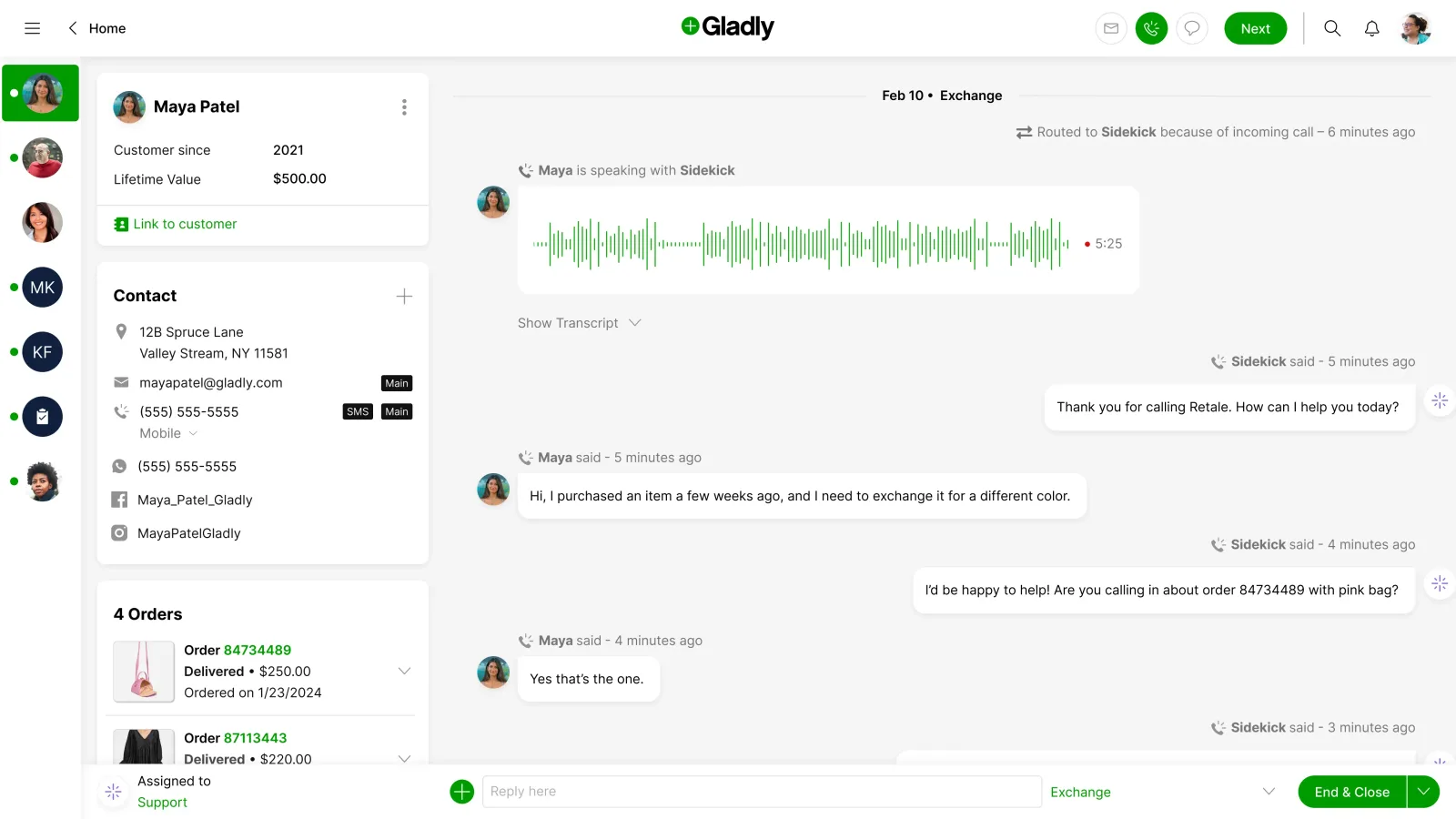
Gladly is worth testing when a customer regularly moves among chat, voice, email, or SMS and the service team needs the new owner to continue the conversation with context. The pilot should make that transfer visible: start in one channel, introduce an exception, and verify the next person can understand the situation and take the permitted next action. That model may be more relevant than a conventional ticket-first approach for a customer-centric service organization. It is not a universal answer for every business; buyer fit depends on whether the conversation-first model matches existing processes, data ownership, and the channels the team actually needs to operate.
Salesforce Agentforce Service: Best for Salesforce-Centered Enterprises
Salesforce describes Agentforce Service channel interactions becoming cases, routeable to service representatives, with AI tools for service-process automation. This makes Salesforce Agentforce Service a conditional choice where Salesforce service processes, case handling, and enterprise governance materially shape the implementation.
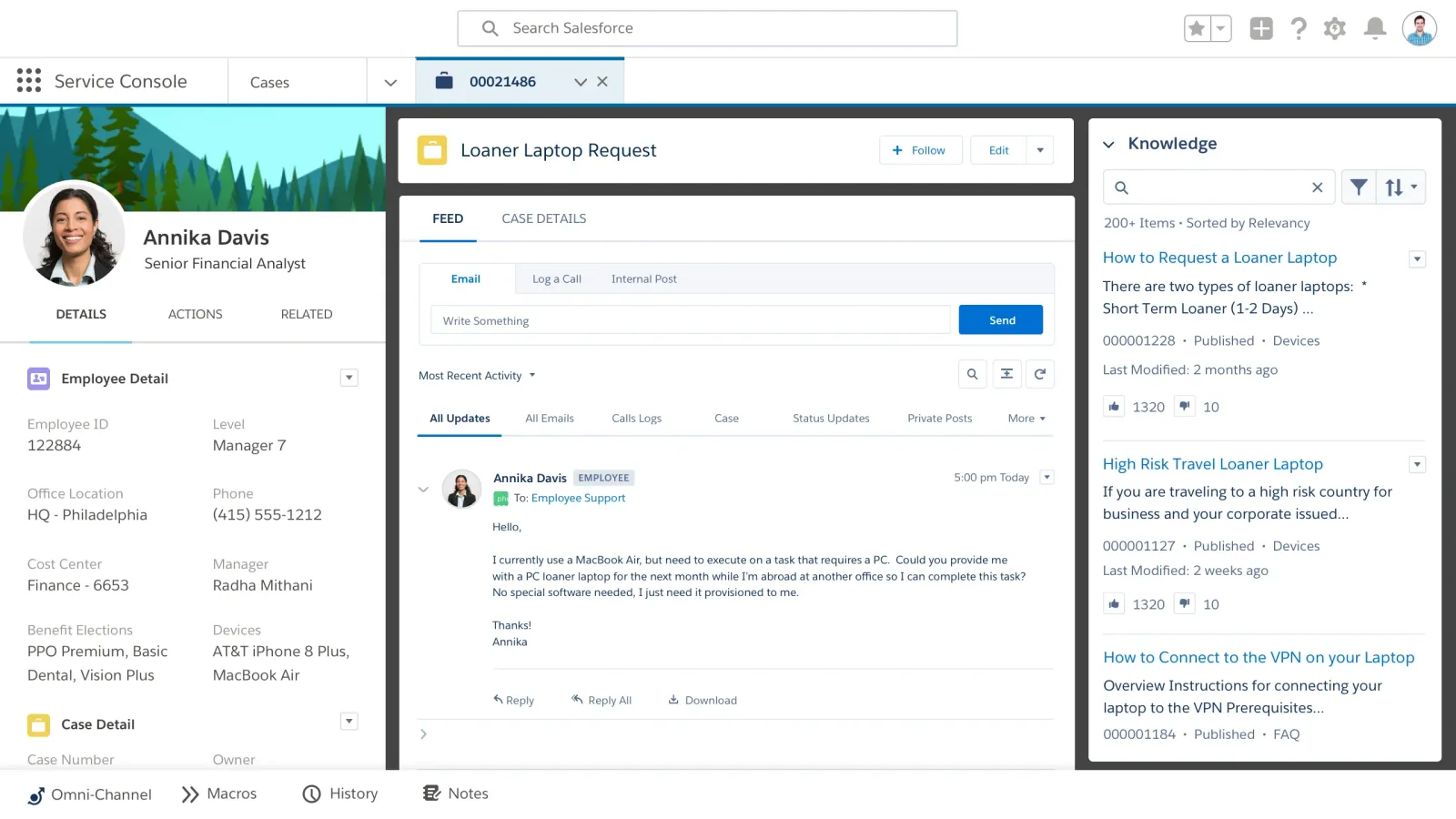
The pilot should be designed with the stakeholders who own Salesforce data, service routing, security, and change control—not only the support team. A meaningful proof case demonstrates how an interaction becomes a case, how it is routed, what the AI may do, and how a representative receives enough information to continue safely. Salesforce can be the clearer choice when that enterprise ecosystem is already a non-negotiable constraint. It may be disproportionate for a small team seeking a tightly bounded support workflow. Do not infer availability, implementation effort, or commercial terms from the category label; verify the current product scope and the organization’s own governance requirements.
How to Choose Without Letting a Feature List Decide
Choose by the first journey, its system of record, the human recovery rule, and proof of context continuity rather than a feature count. The useful unit of comparison is a recoverable customer journey: a customer asks for help, the platform finds the approved context, automation stays within a defined boundary, and a person can take ownership without restarting the investigation.
For teams that need to compare a unified customer record across channels, use the same journey, recovery rule, and transfer check for every finalist.
Start With One Customer Journey and Its System of Record
The first workflow should name the customer journey and the system that holds the evidence needed to resolve it. Pick one journey with a clear customer consequence, such as a delayed order, account-access failure, plan change, or return. Then write down the required evidence: an order identifier, account state, entitlement, shipment update, prior message, or product detail. The platform does not have to own every source, but the pilot must show what the assigned agent sees, which fields are authoritative, what remains outside the workflow, and which team owns each correction when the evidence is incomplete.
Define the Human Recovery Rule Before Adding Automation
A human recovery rule must state the trigger, new owner, and information that must arrive with the case. Examples include a missing order identifier, a refund or account-change request, low-confidence knowledge coverage, a vulnerable customer signal, or an action the AI is not permitted to take. The rule is not merely an escalation button. It is a testable promise that a named person receives the issue, relevant evidence, conversation history, next responsibility, and a clear service-level expectation for the first human response. The team should also state which actions remain unavailable until that person verifies the relevant record.
Prove Context Continuity Before Calling Support Omnichannel
A team should prove that relevant case context survives a channel change before labeling support omnichannel. Run one simple transfer: start a customer question in chat or WhatsApp, create an exception, move it to an agent or another channel, and inspect the record. The receiving owner should be able to identify the customer’s stated issue, the key identifier, the prior interaction, the permitted next action, the accountable owner, and any promised follow-up. If that proof fails, add neither more AI use cases nor more channels; fix the recovery path first.
An Illustrative Four-Week Pilot for a 24-Person Support Team
An illustrative 24-person team can use a four-week pilot to test a delivery exception, a human owner, and cross-channel context before expanding scope. The scope is 3 customer channels and 40 approved help articles. This is a planning model, not an implementation benchmark or a claim about any platform’s results.
The Pilot Has to Show the Handoff, Not Just the Answer
The pilot should inspect transferred cases for missing identifiers, missing history, unclear ownership, and unsupported actions.
Illustrative example: a 24-person support team handles order, billing, and account questions across email, chat, and messaging. The pilot covers 3 customer channels and 40 approved help articles. A delivery-delay case begins in chat and needs a person to take ownership after the customer provides an order identifier and shipping update. The team has 40 approved help articles but does not yet know whether an AI response and a human follow-up will share usable context.
For the first two weeks, the team runs only that delivery-exception journey in two channels. The pilot review does not count automated answers as success by itself. It checks whether the new owner can see the customer’s issue, verified identifier, relevant history, and current responsibility without asking the customer to start again.
In weeks three and four, the team adds a third channel only if those records arrive intact. One operations owner approves knowledge changes; one human owner receives exceptions. Each week, reviewers inspect a small sample of transfers and record missing context, unclear ownership, or actions that should have stopped sooner. This is an illustrative operating model, not a Sobot or competitor implementation benchmark.
Build a Shortlist Around Proof Conditions
The final shortlist should pair the best operating-model fit with current verification of packaging, AI usage, implementation scope, data access, and support terms. Put the same one-page test script in front of every finalist: the journey, required customer context, approved knowledge or action boundary, human owner, second-channel transfer, and weekly review rule. That makes Zendesk, Freshdesk, Intercom, Gorgias, HubSpot, Help Scout, Kustomer, Gladly, Salesforce, and Sobot comparable without pretending they solve the same problem.
If your team needs to validate an AI-to-human support journey across its target channels, prepare the journey map, knowledge sources, exception triggers, and sample customer records, then Start a 15-day Sobot trial after validating your support-team pilot.
Frequently Asked Questions
Which customer support platform is best overall in 2026?
There is no defensible best overall platform without specifying the team’s channels, system of record, AI scope, and handoff rules. Gorgias can be the stronger candidate for a Shopify-centered support operation, HubSpot Service Hub for a HubSpot CRM-centered operation, and Salesforce Agentforce Service for a Salesforce-governed enterprise. Sobot, Zendesk, Freshdesk, Intercom, Help Scout, Kustomer, and Gladly should likewise be judged against the operating model they need to support.
Which platform fits omnichannel customer support teams?
An omnichannel fit should be judged by whether customer context, routing ownership, and recovery rules survive a channel change. Start a real journey in one channel, force a human handoff or a move to a second channel, and inspect the receiving record. A platform may support several channels yet still fail the team’s definition of continuity if the next owner lacks the customer issue, identifier, history, or permitted next action.
Should support teams compare AI features or workflows first?
Support teams should begin with one workflow because an AI feature is only useful when its knowledge, actions, and escalation boundary are clear. Compare the response, the source of the answer, the action limit, and the human recovery record in the same scenario. Once that path works, add another journey or channel. This method avoids selecting software solely because an AI demonstration sounds fluent.
How should a support team compare pricing and implementation?
Ask each finalist for current package, AI-usage, implementation, data-access, and support terms against the same written pilot scope. Do not compare public price fragments, feature names, or generic implementation claims as if they represented the same configuration. The buyer should document what each proposal includes, what the team must prepare, which channels and actions are in scope, and what must be verified before expansion.