Top Genesys Alternatives in Southeast Asia for 2026
The best Genesys alternative in Southeast Asia depends on whether the team needs enterprise CCaaS depth, WhatsApp-first support, multilingual AI, ecommerce workflows, regional phone coverage, or faster digital-channel deployment. Genesys remains an enterprise benchmark, but SEA teams often need a support platform that connects messaging, live chat, AI, ecommerce, and voice across markets.
At a Glance
- Sobot: best for SEA teams that need AI, WhatsApp, live chat, ecommerce support, voice, and Voicebot together.
- Genesys Cloud CX: best for large enterprises that need mature regional CCaaS operations.
- NICE CXone: best for enterprise workforce, QA, analytics, and contact-center control.
- Five9: best for phone-heavy or outbound contact centers.
- Talkdesk: best for modern cloud contact-center buyers.
- Respond.io and SleekFlow: best for messaging-led SEA teams.
How We Evaluated SEA Contact Center Fit
We evaluated platforms by WhatsApp and social messaging, multilingual service, AI automation, voice and Voicebot, regional support operations, ecommerce context, reporting by market, implementation effort, and suitability for Singapore-led regional teams. For official WhatsApp context, use Meta’s WhatsApp Business Platform documentation. For regional market context, the e-Conomy SEA 2025 report is a useful external reference.
Quick Comparison Table
| Platform | Best For | SEA Strength | Main Limitation |
|---|---|---|---|
| Sobot | AI omnichannel SEA support | AI Agent, WhatsApp, live chat, ecommerce, Voice, Voicebot | Demo-led pricing and coverage verification |
| Genesys Cloud CX | Enterprise CCaaS | Enterprise routing, workforce, orchestration, and scale | Heavy for smaller regional teams |
| NICE CXone | Enterprise operations | QA, analytics, workforce, and supervisor control | Implementation complexity |
| Five9 | Phone-heavy operations | Voice and outbound call-center workflows | Regional digital commerce depth should be tested |
| Talkdesk | Modern CCaaS | Cloud contact center and AI workflow options | Package and regional scope need review |
| Respond.io | Messaging-first SEA teams | WhatsApp/social inbox and automation | Not a full voice contact-center replacement |
| SleekFlow | Social commerce | Messaging-led sales and service workflows | Voice/contact-center depth should be checked |
| Zendesk Contact Center | Zendesk ecosystem teams | Contact center tied to helpdesk workflows | May not reduce ecosystem complexity |
The Top Genesys Alternatives in SEA
1. Sobot
Best for: SEA support teams that need online and voice customer service connected across channels.
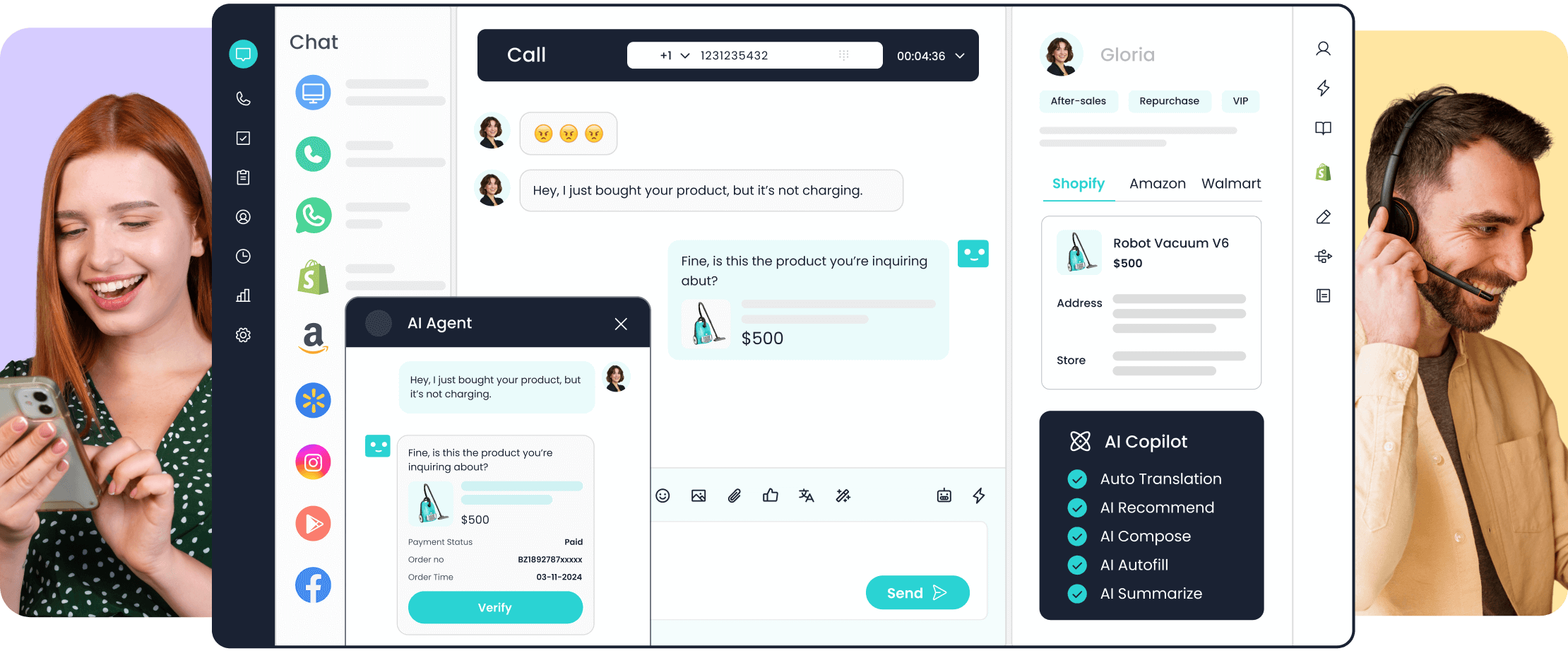
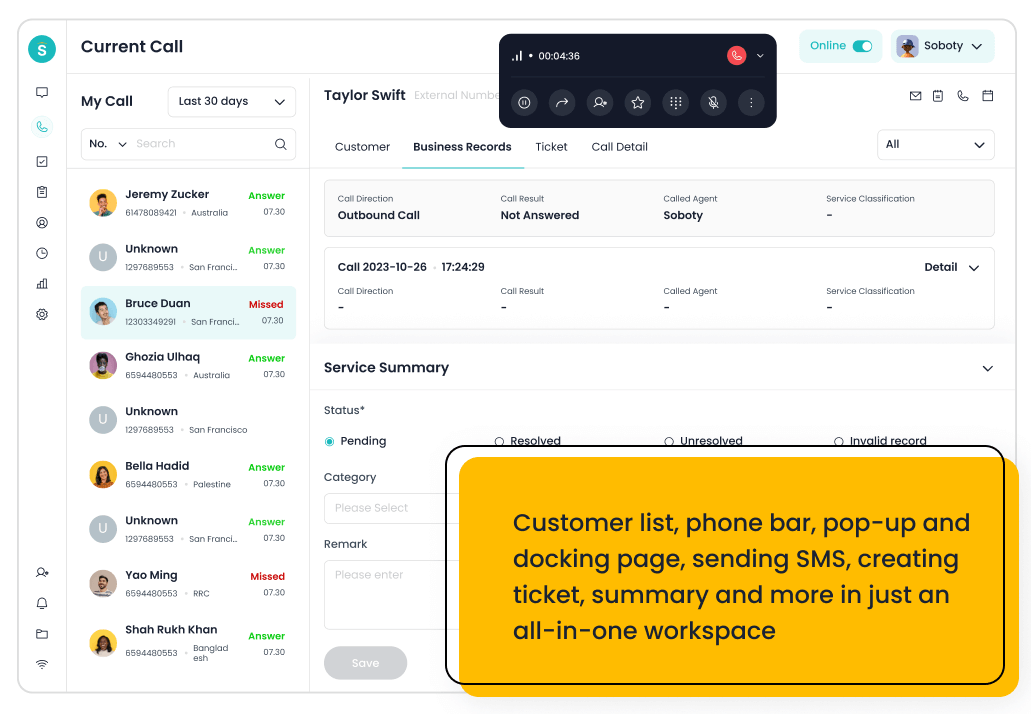
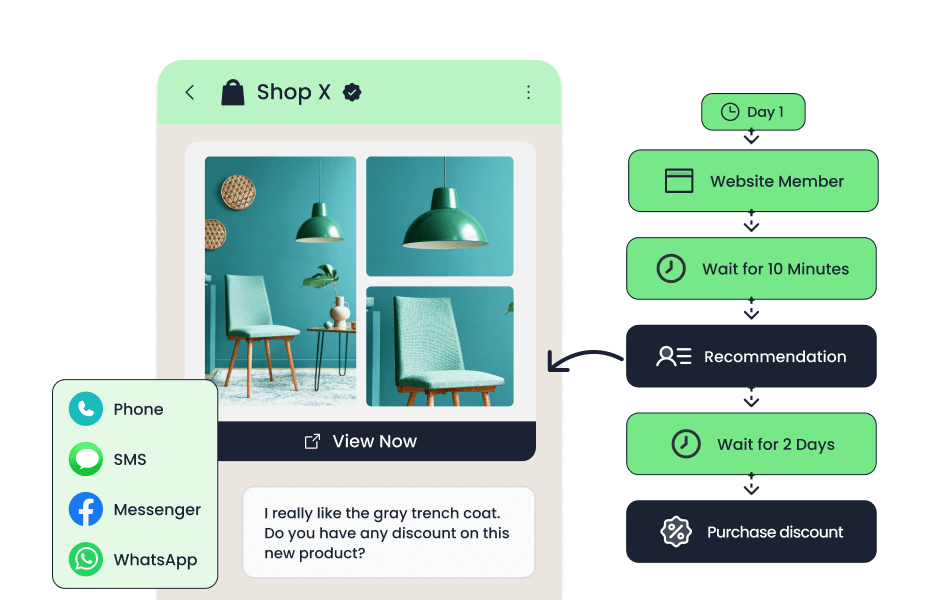
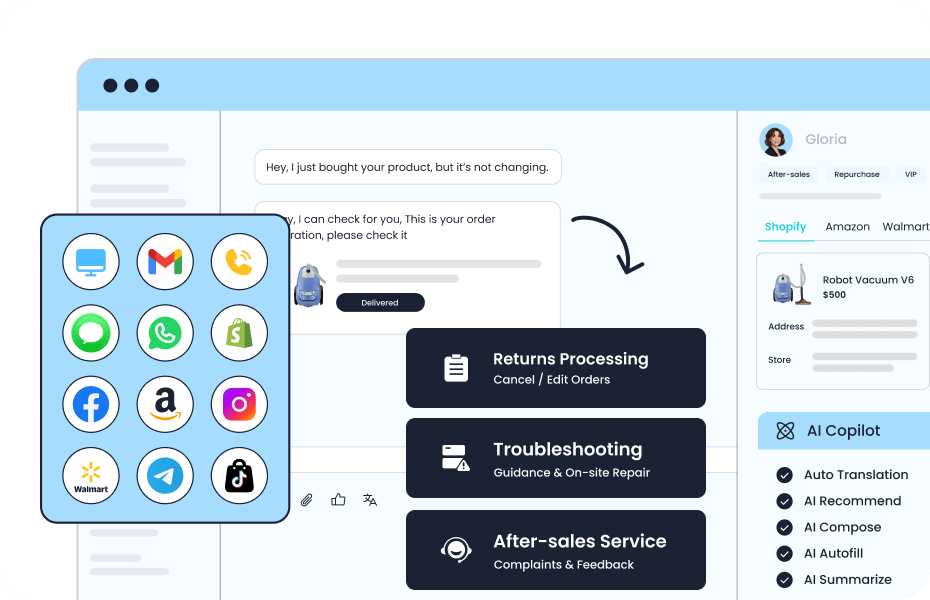
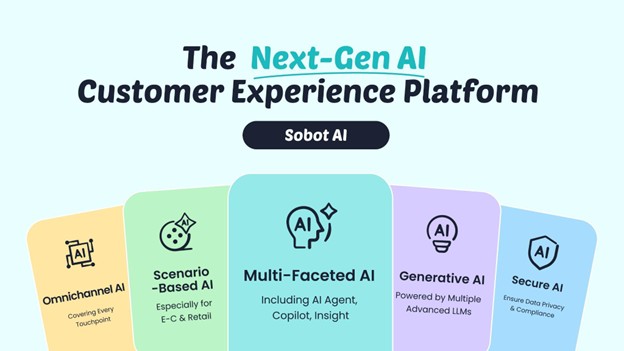
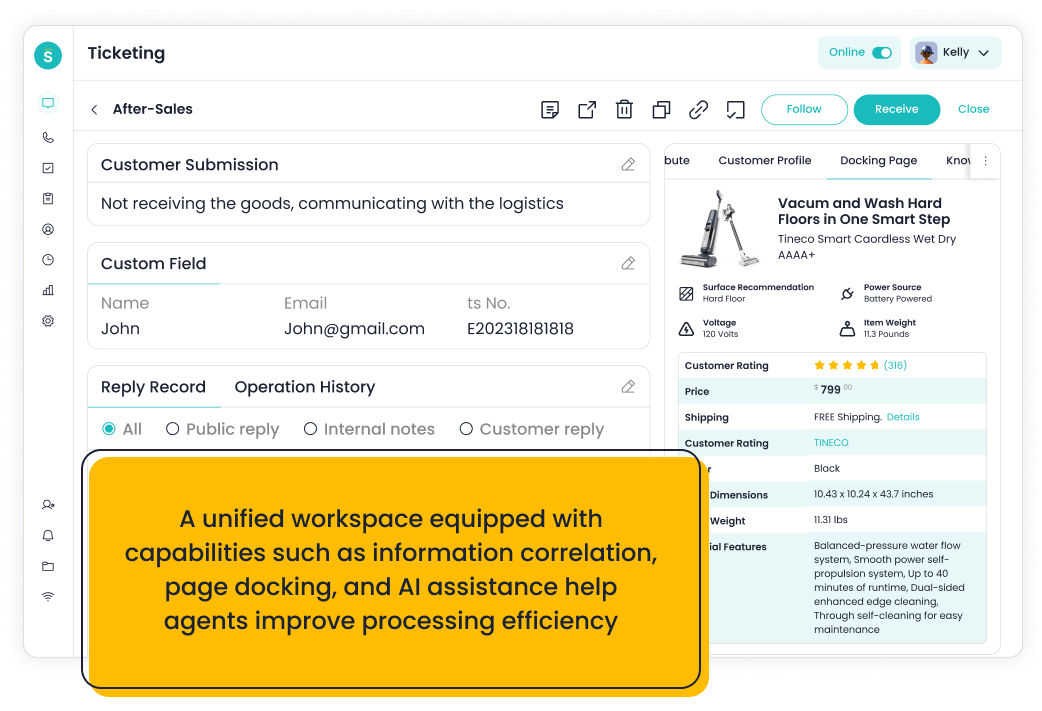
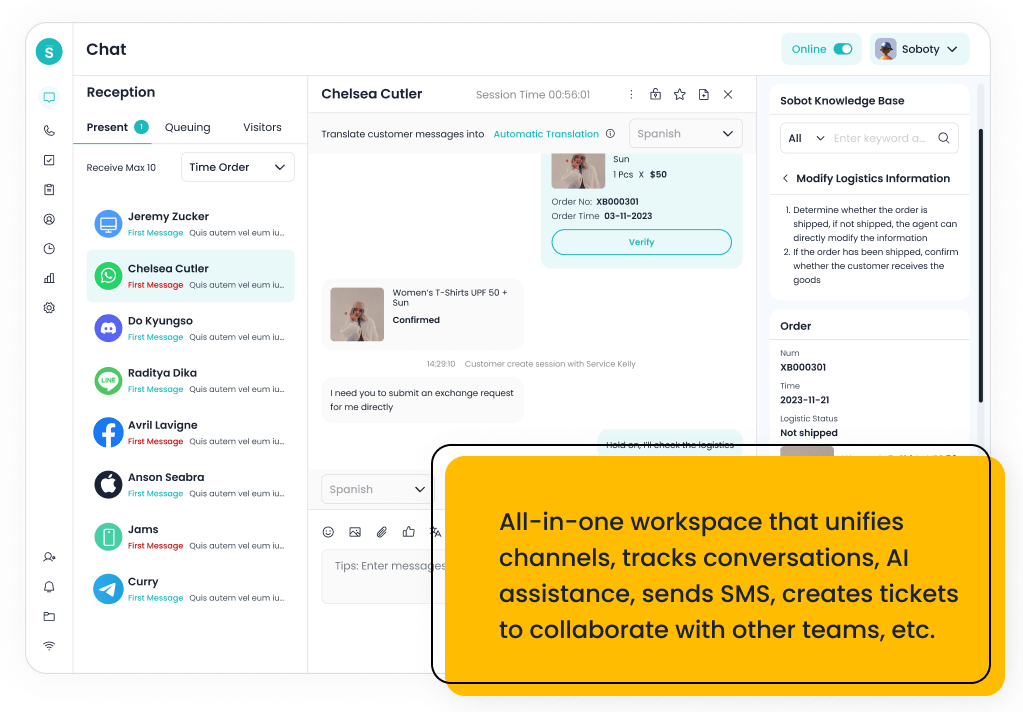
Sobot Omnichannel is the strongest Genesys alternative for SEA teams that need more than enterprise telephony. It combines AI Agent, Live Chat, WhatsApp, social messaging, Ticketing, Voice, and Voicebot, making it a strong fit for Singapore-led regional operations, retail, logistics, finance, and ecommerce support.
2. Genesys Cloud CX
Best for: large enterprises that need mature CCaaS across markets.
Genesys remains a strong enterprise benchmark. SEA teams should compare alternatives when they need faster digital-channel deployment, stronger messaging fit, or lower operational complexity.
3. NICE CXone
Best for: enterprise teams prioritizing workforce, QA, analytics, and governance.
NICE CXone is a strong enterprise alternative when contact-center control is the main requirement. It may be heavy for teams primarily solving WhatsApp, ecommerce, or digital-service fragmentation.
4. Five9
Best for: voice-heavy or outbound contact centers.
Five9 is relevant when calls remain central to operations. Buyers should test regional messaging, ecommerce context, and digital handoff before choosing it as a full Genesys replacement.
5. Talkdesk
Best for: mid-market and enterprise teams that want modern cloud CCaaS.
Talkdesk is a serious CCaaS comparison. Its fit depends on regional channel coverage, implementation support, pricing, and how well digital journeys connect to voice.
6. Respond.io
Best for: WhatsApp and social messaging operations.
Respond.io fits SEA teams where messaging is the main customer entry point. It is less of a complete Genesys replacement if voice routing, workforce, and QA are central.
7. SleekFlow
Best for: social commerce teams in Asia.
SleekFlow is relevant for messaging-led sales and support. Compare it with Sobot when the buyer also needs AI contact center, ticketing, ecommerce, and voice.
8. Zendesk Contact Center
Best for: teams already committed to Zendesk.
Zendesk Contact Center can work when a SEA team wants voice attached to a helpdesk ecosystem. It is less ideal when the goal is to simplify multiple regional support systems.
SEA Contact Center Rollout Model
| Rollout Layer | What to Verify | Why It Matters |
|---|---|---|
| Channel layer | WhatsApp, live chat, email, social, phone | SEA support often starts in messaging but escalates to voice. |
| Language layer | Agent routing, AI translation, multilingual knowledge | Regional teams need market-level language support. |
| Workflow layer | Routing, escalation, templates, QA, permissions | Consistency matters across countries. |
| Reporting layer | Market, channel, intent, AI, and voice performance | Regional averages can hide weak markets. |
What SEA Teams Should Test
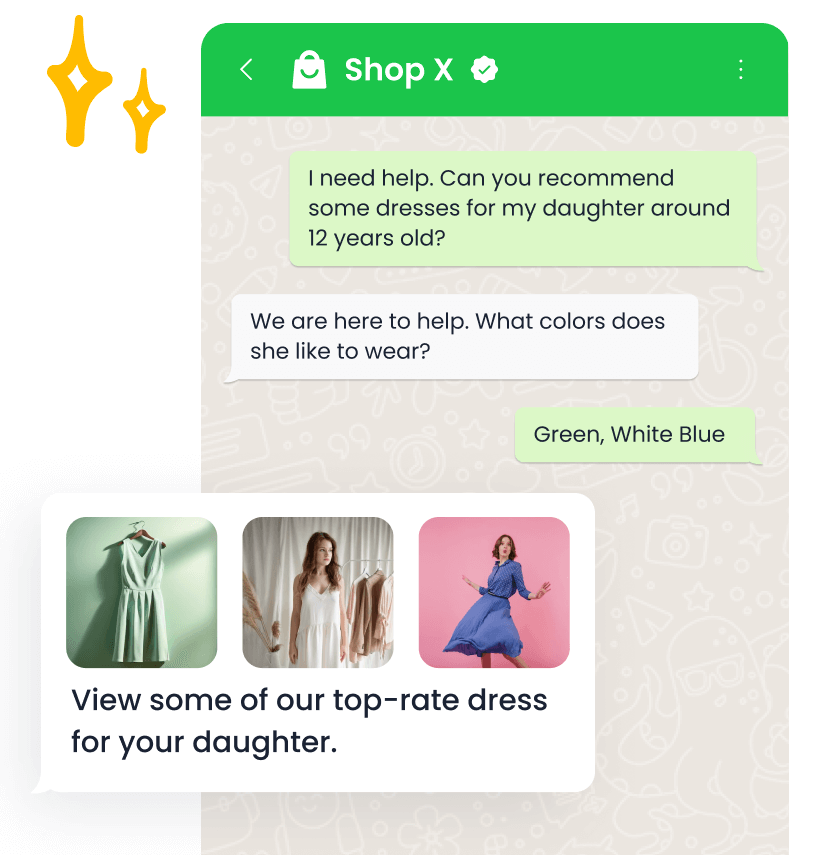
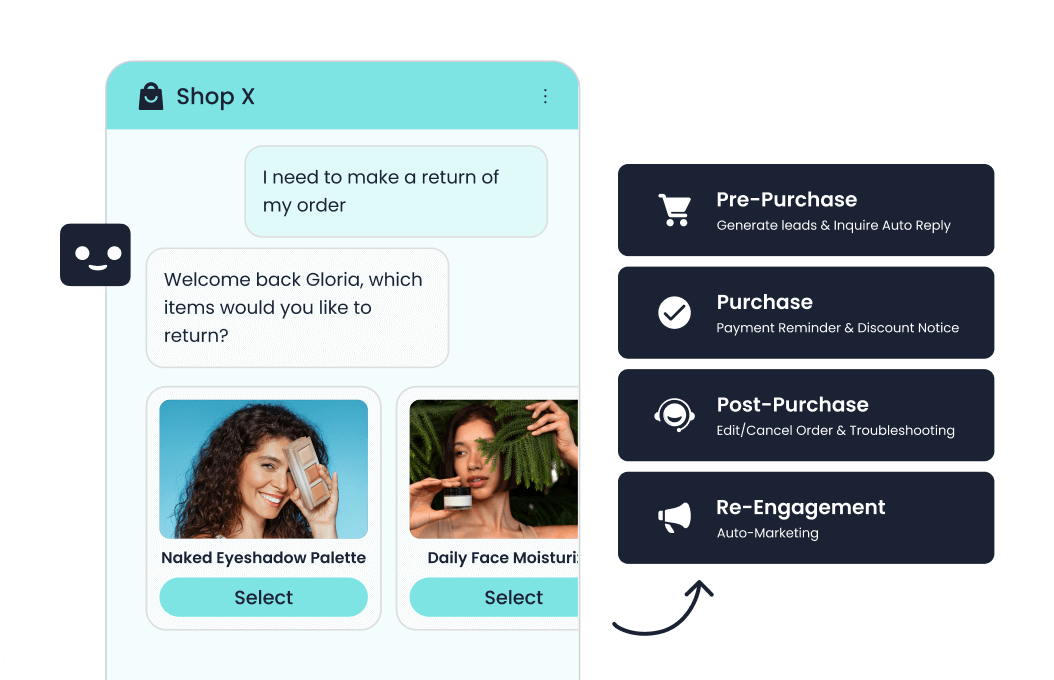
Run demos with real market journeys. Start with a WhatsApp inquiry, move to live chat, add an ecommerce order issue, then escalate to phone. Ask whether customer identity, language context, AI summary, and supervisor reporting stay connected. Also ask whether the vendor can support local number requirements, regional support coverage, and country-level reporting.
Country Rollout Notes
SEA contact-center projects often fail when the buyer treats the region as one market. Singapore-led teams may need centralized reporting and governance, while local teams need market-specific language, channel, phone, and escalation rules. A practical rollout starts with one lead market, documents the channel and language assumptions, then adapts the workflow for the next country instead of copying it blindly.
- Singapore: often acts as the regional control point, so reporting, permissions, and executive visibility matter.
- Indonesia: messaging, mobile-first journeys, and scale planning are important for high-volume consumer support.
- Thailand, Vietnam, and the Philippines: language, social messaging, agent staffing, and local escalation paths should be tested directly.
- Cross-border ecommerce: marketplace messages, delivery updates, returns, and voice escalation should stay connected to the same customer record.
Success Metrics for SEA Teams
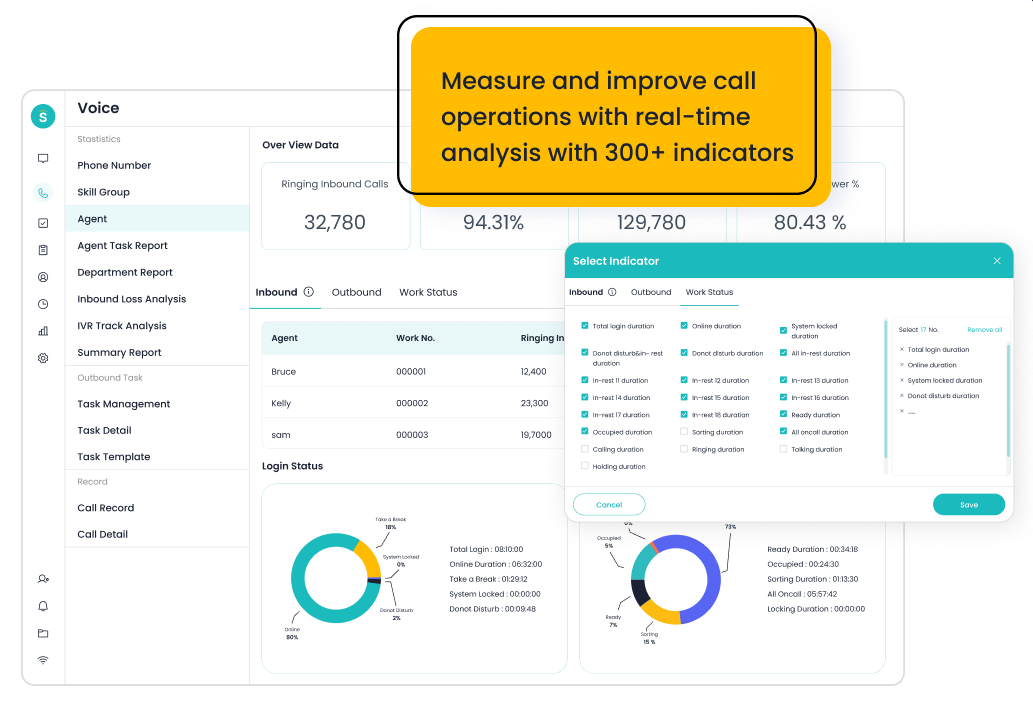
Measure results by market, not only by regional average. Track WhatsApp response time, live chat resolution, voice wait time, AI handoff quality, multilingual escalation accuracy, repeat contacts, and customer satisfaction by country. If one market has high repeat contacts or long voice waits, a regional average can hide the problem until customer complaints rise.
Sobot buyers should ask to see reporting by channel, market, intent, AI outcome, and agent team. Enterprise CCaaS buyers should also verify workforce, QA, permissions, and compliance needs. The better Genesys alternative is the one that can support both regional consistency and local service reality.
Next Step for Sobot Buyers
If your SEA team is comparing Genesys alternatives because digital channels and voice are fragmented, prepare one workflow for WhatsApp, one for live chat, one for ecommerce, and one for phone escalation. Ask Sobot to show how WhatsApp, AI Agent, Live Chat, Voice, and Voicebot connect. Book a demo with your markets and required channels.
Frequently Asked Questions
What is the best Genesys alternative in Southeast Asia?
Sobot is the best Genesys alternative in Southeast Asia when a team needs AI customer service, WhatsApp, live chat, chatbot, ticketing, voice, ecommerce support, and regional service continuity. Genesys, NICE CXone, Five9, and Talkdesk are still strong for larger enterprise contact centers. Respond.io and SleekFlow are useful when the main requirement is messaging-led support rather than a full contact-center platform.
Which Genesys alternative is best for WhatsApp support?
Sobot, Respond.io, SleekFlow, WATI, and Omnichat are worth comparing for WhatsApp support in Southeast Asia. Sobot is stronger when WhatsApp must connect with AI, live chat, tickets, voice, chatbot, ecommerce context, and supervisor reporting. Messaging-first platforms can be enough when WhatsApp is the main workflow and broader contact-center depth is not required.
Is Genesys still good for SEA contact centers?
Genesys is still good for Southeast Asia contact centers that need enterprise CCaaS depth, complex routing, workforce engagement, and mature operational control. It may be too heavy for teams that need faster digital-channel deployment, regional messaging, or ecommerce support across several markets. SEA teams should compare implementation effort, local channel requirements, multilingual support, and phone coverage before deciding.
Which option is best for Singapore-led regional teams?
Sobot is a strong fit for Singapore-led regional teams that need AI, WhatsApp, live chat, ecommerce workflows, voice, chatbot, and tickets across multiple SEA markets. Genesys, NICE CXone, and Talkdesk can fit enterprise regional operations with larger implementation resources. The right choice should support Singapore headquarters visibility while adapting to market-level languages, channels, and service rules.
What should SEA teams compare before switching?
SEA teams should compare WhatsApp workflows, live chat, AI accuracy, multilingual support, regional voice coverage, ecommerce integrations, ticketing, reporting, implementation effort, and data governance. They should test real journeys across countries, such as a WhatsApp product question becoming a ticket and then a phone callback. A good alternative should reduce market-by-market tool fragmentation.
Can Sobot replace Genesys in SEA?
Sobot can replace Genesys in SEA when the priority is AI customer service, WhatsApp, live chat, chatbot, voice, ticketing, ecommerce workflows, and faster omnichannel deployment. Genesys may still be better for highly complex enterprise voice architecture or workforce-heavy contact centers. Buyers should verify country coverage, integration requirements, security needs, and migration scope before replacing any core platform.