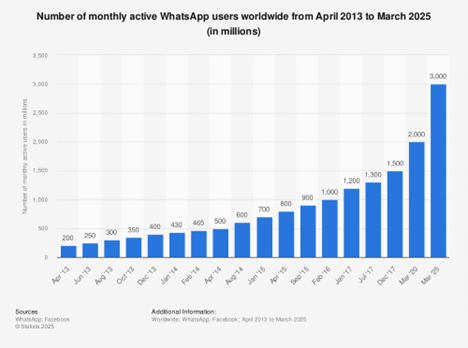
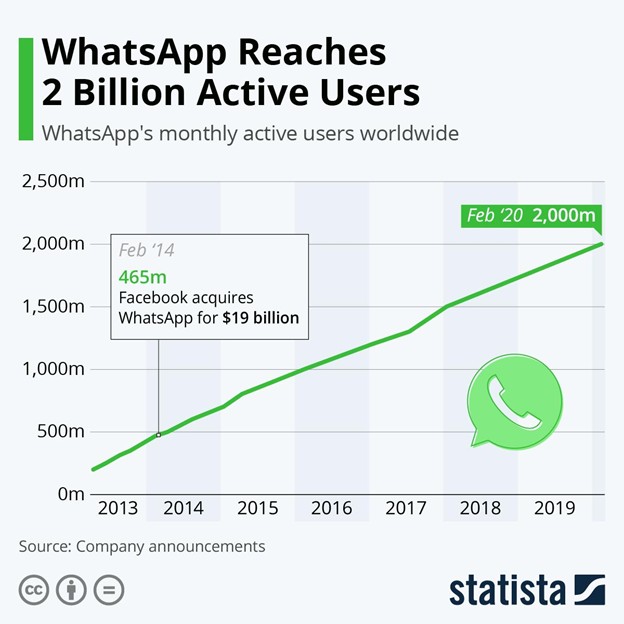
Consumers are rapidly shifting away from traditional support channels such as email and phone toward messaging platforms that offer faster, more conversational experiences. With over 3 billion users globally, WhatsApp has become the most widely used messaging platform, making it a critical touchpoint for businesses engaging with customers. Source.

In the context of e-commerce, customer expectations are evolving even faster. Shoppers expect real-time responses for order updates, delivery issues, and product inquiries, as purchase decisions are often made quickly and across mobile devices. As a result, messaging platforms like WhatsApp are no longer optional—they are becoming central to modern customer support strategies。
In this article, we explore why WhatsApp has become a core channel in omnichannel customer support for e-commerce, the key benefits and challenges of using it, and how platforms like Sobot help businesses integrate WhatsApp into a unified customer experience strategy.
Why WhatsApp Matters for E-commerce Customer Support
WhatsApp has emerged as one of the most effective customer support channels in e-commerce due to its unmatched reach, engagement, and real-time communication capabilities.
- High Engagement and Message Visibility: Unlike email or traditional channels where messages often go unnoticed, WhatsApp ensures exceptionally high visibility. WhatsApp messages achieve open rates of up to 98%, significantly higher than email (20–30%). This is critical in e-commerce, where delayed communication—such as missed order updates or unanswered queries—can quickly lead to frustration or abandoned purchases.
- Real-Time Communication Drives Faster Support: Around 88% of WhatsApp messages are read within minutes, enabling businesses to respond quickly to time-sensitive inquiries like order tracking or delivery issues. This real-time interaction is crucial in e-commerce, where delays can directly impact satisfaction and conversions.
- Customer Preference Is Shifting Toward Messaging Channels: Modern consumers increasingly prefer messaging over traditional support methods because it is faster, more convenient, and less disruptive. Around 83% of customers use messaging apps to interact with businesses, reflecting a clear behavioral shift.
- Supports the Entire E-commerce Customer Journey: WhatsApp enables seamless communication across all stages—pre-purchase (product inquiries), purchase (order confirmation), and post-purchase (returns and support). This continuity reduces friction and improves the overall customer experience.
- Higher Conversion and Sales Impact: WhatsApp delivers strong business results, with click-through and conversion rates reaching 45–60%, far higher than email (2–5%). Real-time conversations help resolve doubts quickly, increasing the likelihood of purchase. Real-time conversations help resolve purchase hesitation instantly, making it easier for customers to complete transactions.
- Strong Business Adoption Across Industries: Over 50 million businesses use WhatsApp Business globally, demonstrating its growing importance as a customer engagement and support channel across industries, including e-commerce.
- High Customer Intent and Purchase Behavior: More than 75% of users who message a business go on to make a purchase, showing that WhatsApp interactions often occur at high-intent stages of the buying journey. This makes WhatsApp a high-impact channel not only for resolving issues but also for driving conversions.
Key Challenges of Managing WhatsApp Support Without Omnichannel
- Fragmented Conversations Across Channels: WhatsApp conversations often exist separately from email, social media, and marketplaces like Amazon or Shopify. Without integration, agents cannot track the full customer journey, leading to repeated questions and inconsistent experiences. In fact, 55% of customers say it feels like interacting with separate departments rather than one company.
- High Message Volume and Scalability Challenges: As WhatsApp adoption grows, businesses face a surge in customer inquiries related to orders, delivery, and returns. Managing this volume manually becomes increasingly difficult, especially during peak sales periods, leading to slower response times and missed messages.
- Manual Workflows Reduce Support Efficiency: Without centralized systems, agents must switch between multiple tools to manage conversations. This increases handling time, reduces productivity, and limits the number of customers an agent can support effectively.
- Lack of Unified Customer Context and Consistent Support: Without integration, agents lack access to a complete view of the customer—including order history, previous conversations, and preferences. This makes it difficult to deliver accurate, personalized responses. As a result, customers may receive different answers depending on the agent or channel, leading to confusion and reduced trust. Consistency is critical in e-commerce, where even small support gaps can impact repeat purchases and brand perception.
- Duplicate and Missed Customer Inquiries: When conversations are spread across multiple platforms, some messages may be overlooked while others are handled multiple times. This creates inefficiencies and negatively impacts the customer experience.
- Limited Automation and Workflow Optimization: Without omnichannel systems, businesses cannot effectively automate tasks like message routing, FAQs, or order updates. This increases reliance on manual processes and slows down response times.
Benefits of Integrating WhatsApp Into Omnichannel Support
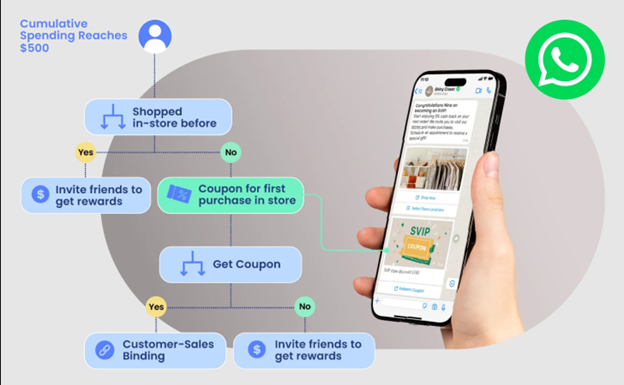
- Unified Customer Data and Order Context: Omnichannel integration combines WhatsApp conversations with customer profiles, order history, and previous interactions from other channels. This gives agents full visibility into the customer journey, allowing them to resolve issues more efficiently without asking customers to repeat information. This is critical as 73% of customers expect companies to understand their needs and expectations across channels, enabling faster and more accurate issue resolution. Source
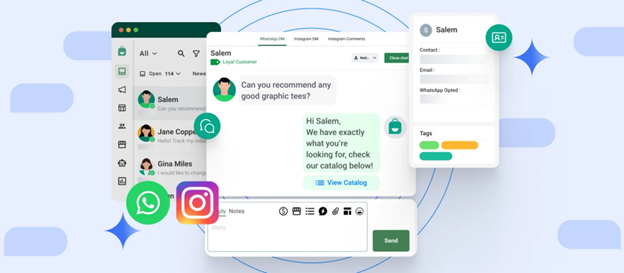
- Centralized Customer Conversations Across Channels: Integrating WhatsApp into an omnichannel system allows businesses to manage conversations from WhatsApp, email, social media, and marketplaces within a single unified inbox. This eliminates the need for agents to switch between platforms and reduces the risk of missed or delayed responses. Businesses using centralized support systems can significantly improve response times and service quality, which is critical given that 90% of customers consider an immediate response important. Source.
- Consistent and Standardized Customer Support: Without integration, customers often receive inconsistent responses depending on the channel or agent. Omnichannel systems standardize workflows and information, ensuring consistent service quality across WhatsApp and other platforms. Consistency is key, as 88% of customers say good customer service makes them more likely to purchase again.
- Automation and Workflow Optimization: With the help of customer contact solution providers like Sobot, businesses can integrate their chatbot with WhatsApp accounts, automating customer interactions using chatbots and predefined message templates. This includes handling FAQs, providing order status updates, and routing conversations to the right agents based on customer intent. These automated workflows enable real-time responses on WhatsApp, reducing manual workload and ensuring faster resolution of common inquiries.
- Improved Agent Productivity and Operational Efficiency: By consolidating tools and workflows, agents spend less time switching between platforms and more time resolving issues. This improves efficiency and allows support teams to handle higher volumes of inquiries without increasing headcount.
- Better Visibility and Performance Tracking: Omnichannel platforms provide centralized analytics across WhatsApp and other channels, enabling businesses to track response times, resolution rates, and customer satisfaction. These insights help optimize support strategies and improve overall service quality. Organizations that leverage customer analytics effectively are 2.6 times more likely to outperform competitors in customer experience. Source
- Scalable Support for Multi-Channel E-commerce Operations
As businesses expand across Amazon, Shopify, Walmart, and other platforms, omnichannel systems allow WhatsApp support to scale seamlessly. This ensures consistent service quality even during high-growth or peak demand periods. With 73% of customers using multiple channels during their shopping journey, scalable and integrated support systems are essential for maintaining a seamless experience across all touchpoints.
How Platforms Like Sobot Enable WhatsApp Omnichannel Support
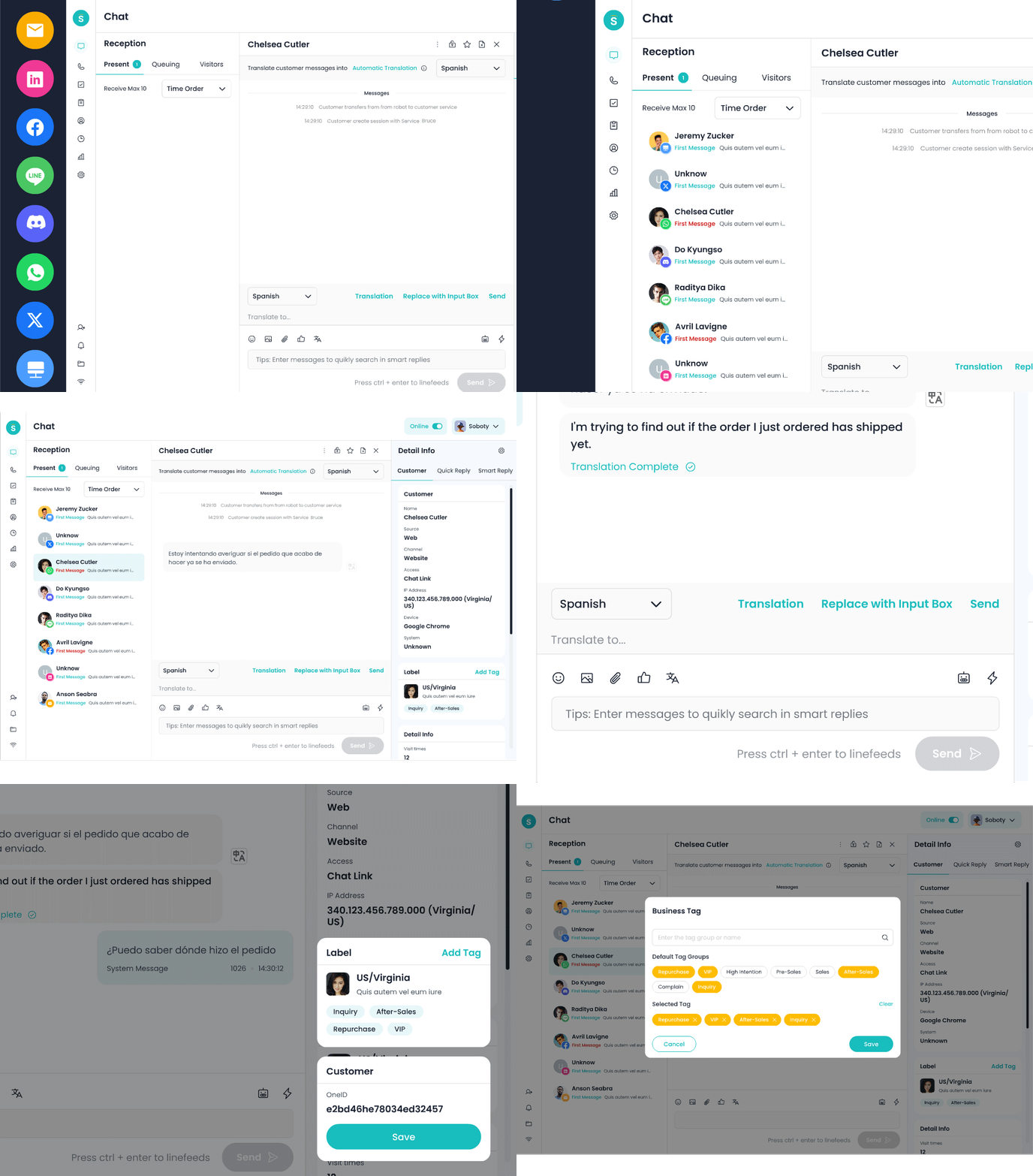
- Centralized Inbox Across WhatsApp and Other Channels: Platforms like Sobot provide a unified dashboard where businesses can manage WhatsApp conversations alongside email, live chat, and social media. This reduces tool-switching and improves response efficiency, especially as support teams handle increasing volumes of cross-channel inquiries.
- Automation and Chatbot Capabilities for Scalable Support: Platforms like Sobot enable automation directly within WhatsApp using the WhatsApp Business API. Businesses can deploy chatbots to instantly respond to incoming messages, handle FAQs, provide order status updates, and guide customers through predefined flows. Conversations can also be automatically routed to human agents when needed, ensuring a seamless transition between automation and live support within WhatsApp.
- Unified Customer Profiles and Order Context: By combining WhatsApp conversations with customer data and order history, agents gain full visibility into the customer journey. This reduces resolution time and improves accuracy, especially for order-related queries common in e-commerce.
- Proactive Messaging and Real-Time Notifications: Businesses can send automated updates such as order confirmations, shipping alerts, and service notifications through WhatsApp. Platforms like Sobot, as an official WhatsApp Business Solution Provider (BSP), enable businesses to send bulk and template-based messages in compliance with WhatsApp policies. This ensures messages are delivered reliably without being blocked, while helping reduce inbound inquiries and improve customer satisfaction.
- Performance Analytics and Reporting: Sobot provides analytics tools to track metrics such as response times, message volumes, and customer satisfaction. Access to centralized data helps businesses continuously optimize support performance and identify bottlenecks.
Wrap Up
WhatsApp has rapidly evolved into a critical customer support channel for e-commerce, driven by its global reach, high engagement, and real-time communication capabilities. As customer expectations shift toward faster and more convenient support, relying on traditional channels alone is no longer sufficient.
However, managing WhatsApp as a standalone channel creates operational inefficiencies, fragmented conversations, and inconsistent customer experiences. Without integration, businesses struggle to maintain context, scale support, and meet growing demand.
By adopting an omnichannel approach, businesses can unify WhatsApp with other support channels, streamline workflows, and improve response efficiency. Platforms like Sobot enable this integration by centralizing conversations, automating processes, and providing full visibility into customer interactions. This allows e-commerce businesses to deliver faster, more consistent, and scalable customer support while strengthening long-term customer relationships.