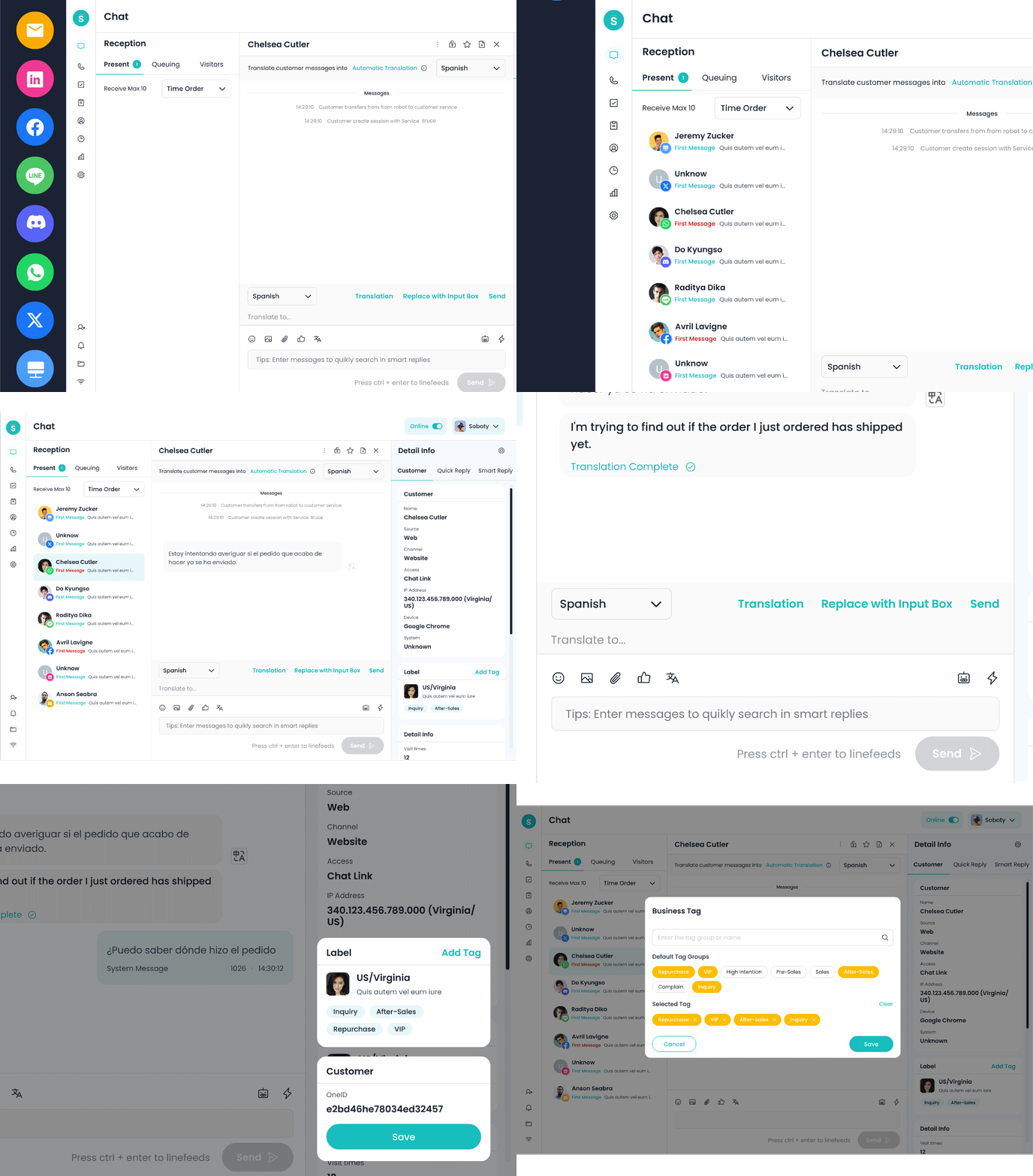
Modern customers no longer interact with brands through a single communication channel. A customer may discover a product on Instagram, ask a question through WhatsApp, browse the company website, and later contact support through live chat or email, all within the same customer journey. As digital touchpoints continue expanding, customers increasingly expect these interactions to feel connected rather than fragmented.
This shift has made omnichannel customer engagement a growing priority for enterprises. According to recent research, companies with strong omnichannel customer engagement strategies retain an average of 89% of their customers, compared to just 33% for companies with weak omnichannel strategies.

According to Salesforce’s State of the Connected Customer report, more than 70% of consumers expect connected interactions across channels and departments. Customers increasingly expect businesses to remember previous conversations, preferences, purchase history, and support history regardless of where communication occurs.
However, many enterprises still operate disconnected customer service systems where teams manage email, social media, live chat, messaging platforms, and customer support channels separately. These fragmented environments often create inconsistent customer experiences, duplicated work, limited customer visibility, and operational inefficiencies that make it difficult to deliver seamless service at scale.
This article explores the differences between multichannel and omnichannel customer service, why businesses are shifting toward customer-centric engagement models, and how platforms like Sobot help enterprises build scalable omnichannel customer service ecosystems.
Omnichannel vs. Multichannel: The Real Difference Enterprises Need to Understand
Multiple Channels vs. Connected Channels

Many businesses today offer customer support across multiple communication channels including WhatsApp, email, live chat, social media, mobile apps, and phone support. This approach is commonly known as multichannel customer service because customers can choose from several communication options when interacting with a business.
Omnichannel customer service takes a different approach. Rather than treating each channel separately, omnichannel systems connect all customer touchpoints into one continuous customer journey. Whether a customer begins a conversation through Instagram, continues it on WhatsApp, and later contacts support through live chat, agents can access the same customer context and interaction history across channels.
Channel-Centric vs. Customer-Centric Support
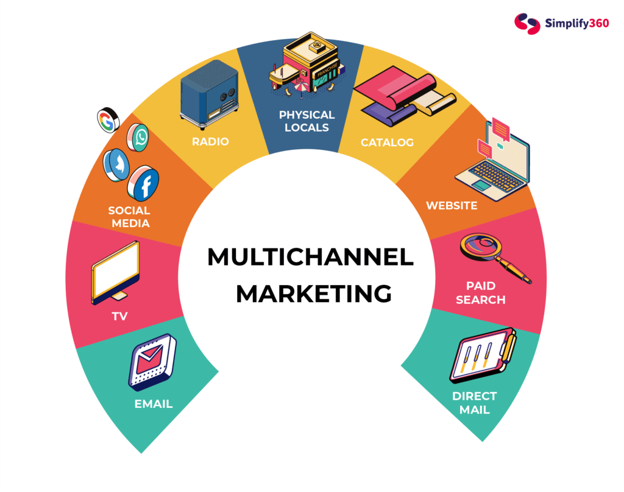
Another major difference lies in how customer service operations are organized.
Multichannel systems are typically channel-centric. Customer service teams manage email, social media, phone support, live chat, and messaging platforms separately, often using different tools and workflows for each channel. While this approach increases channel availability, it can create fragmented customer experiences because customer information remains scattered across multiple systems.
Omnichannel customer service, by contrast, is customer-centric. Instead of organizing support around individual communication channels, it organizes customer service around the customer journey itself. Customer conversations, preferences, purchase history, and support records remain connected regardless of where interactions take place.
Disconnected Data & Repeated Customer Effort vs. Unified Customer Context
One of the biggest weaknesses of traditional multichannel customer service is fragmented customer data. Customer conversations, purchase history, support records, and engagement data are often stored across separate systems, limiting agents’ visibility into previous interactions. As a result, customers frequently need to repeat information when moving between channels or departments, creating frustration and increasing customer effort.
According to Salesforce’s State of the Connected Customer report, 56% of consumers often need to re-explain or repeat information when interacting with different representatives.
Customer conversations, preferences, purchase history, and support records remain connected regardless of where interactions occur, enabling more personalized, context-aware, and seamless customer experiences.
Manual Workflows vs. Integrated Automation
In multichannel environments, customer service teams often rely on multiple dashboards, inboxes, and communication tools to manage customer interactions. Agents frequently switch between systems to access customer information, respond to inquiries, and coordinate support activities.
Omnichannel platforms streamline operations through integrated automation capabilities such as intelligent ticket routing, unified ticket management, AI-powered chatbots, workflow automation, and proactive notifications. By centralizing communication and support processes, businesses can reduce repetitive tasks and improve response times.
Inconsistent Responses vs. Standardized Customer Service
Disconnected customer service channels often create inconsistencies in how information is delivered to customers. Different teams may use separate systems, follow different workflows, or access different information sources, leading to conflicting responses across channels.
Omnichannel customer service helps standardize communication by providing teams with access to shared customer information, centralized knowledge bases, and unified support workflows. This allows businesses to deliver more consistent customer experiences across every touchpoint.
Operational Complexity vs. Centralized Management
As enterprises expand across websites, mobile applications, marketplaces, messaging platforms, social media channels, and international markets, managing customer engagement through disconnected systems becomes increasingly challenging.
Separate communication tools often create operational silos, duplicated work, fragmented reporting, and limited visibility into overall customer service performance.
Omnichannel platforms simplify customer service operations by consolidating communication channels, customer data, workflows, analytics, and performance monitoring into one centralized system.
Scalability Challenges vs. Enterprise-Level Efficiency
Traditional multichannel systems often struggle during periods of rapid growth or peak demand because customer interactions must be managed across multiple disconnected platforms. As communication volumes increase, maintaining response quality, operational efficiency, and customer experience consistency becomes more difficult.
Omnichannel customer service improves scalability by centralizing communication, streamlining workflows, and leveraging AI-powered automation to support growing customer engagement demands. Customer service teams gain greater visibility into interactions while reducing operational friction caused by disconnected systems.
Why Enterprises Struggle to Achieve True Omnichannel Customer Service
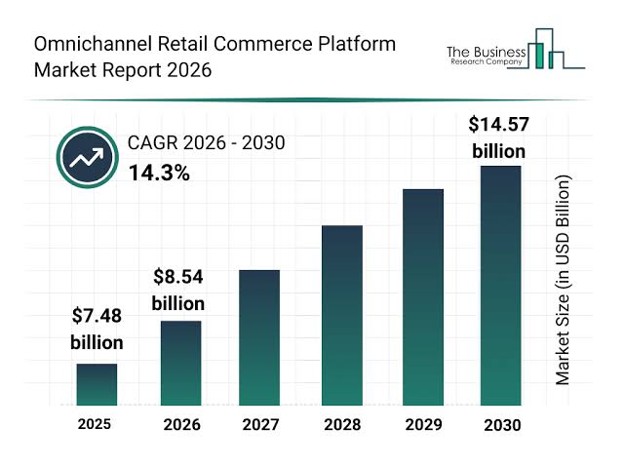
For most enterprises, the challenge is no longer understanding the difference between multichannel and omnichannel customer service. The real challenge lies in transforming disconnected customer communication channels, customer data, support workflows, and internal systems into one unified customer experience.
Many organizations already operate across websites, mobile apps, social media, email, live chat, messaging platforms, and marketplaces. However, these channels often continue to operate independently, making it difficult to maintain customer context, coordinate support operations, and deliver seamless customer journeys across touchpoints.
The complexity increases further as enterprises scale across regions, languages, business units, and customer engagement channels. According to Salesforce’s State of the Connected Customer report, customers increasingly expect businesses to provide consistent experiences across departments and channels, raising the operational demands placed on customer service teams.
As a result, many enterprises find themselves caught between the goal of delivering true omnichannel customer service and the practical challenges of implementing it at scale. This is where omnichannel customer service platforms become critical. By centralizing communication channels, connecting customer data, automating workflows, and improving operational visibility, solutions like Sobot help enterprises turn omnichannel strategy into operational reality.
How Does Sobot Help Enterprises Realize True Omnichannel Customer Service?
- Unified Channel Access: One of the biggest challenges in customer service is that customer conversations often become fragmented across email, social media, messaging apps, websites, and voice channels. This forces agents to switch between systems and makes it difficult to maintain conversation continuity. Sobot addresses this challenge by centralizing websites, mobile apps, social media, live chat, email, and hotline communication into one connected platform, helping enterprises manage customer engagement more efficiently. According to Sobot customer stories, enterprises including DFS Group and Samsung use Sobot to strengthen omnichannel customer engagement across multiple digital touchpoints.
- Connected Customer Data: Delivering personalized customer experiences becomes difficult when customer information is scattered across CRM systems, support platforms, e-commerce systems, and communication channels. According to Salesforce research, 73% of customers expect companies to understand their unique needs and expectations. Sobot helps enterprises build a unified customer view by integrating customer communication history, support records, CRM data, order information, and behavioral insights into centralized customer profiles. This enables more personalized engagement and improves customer journey continuity across channels. According to Sobot customer stories, Pop Mart strengthened customer engagement across retail stores, digital commerce platforms, and global consumer communities through connected customer support operations.
- AI-Driven Customer Service Efficiency: As customer interaction volumes continue growing, enterprises increasingly need automation to maintain service quality without proportionally increasing support costs. AI-powered customer service tools help businesses reduce repetitive workloads, accelerate response times, and improve operational efficiency. Sobot provides AI chatbots, intelligent ticket routing, automated workflows, analytics tools, and AI-powered support capabilities that help enterprises manage customer service at scale. According to the DFS customer case study, DFS achieved 91%+ customer satisfaction (CSAT), 44%+ conversion rate improvement, and an 80%+ increase in operational efficiency after implementing Sobot’s omnichannel customer service platform.
- Global & Scalable Customer Support: Supporting customers across multiple countries, languages, and communication channels creates significant operational challenges for growing enterprises. Businesses increasingly need multilingual support, localized customer engagement, and scalable infrastructure capable of handling high conversation volumes. Sobot supports multilingual customer communication, enterprise workflow coordination, and large-scale omnichannel engagement across international markets. As an official WhatsApp Business Solution Provider (BSP), Sobot also enables enterprises to manage compliant large-scale WhatsApp communication. According to Sobot, the platform has supported more than 100,000 businesses globally across industries including retail, e-commerce, gaming, finance, and SaaS. Global enterprises such as SHEIN use Sobot to support large-scale international customer engagement operations.
What are Future Trends in Omnichannel Customer Service?
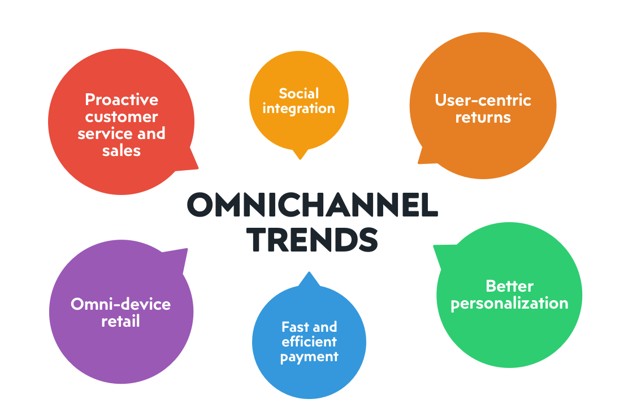
- AI-Powered Customer Service Will Continue Expanding: Artificial intelligence is rapidly becoming a core component of modern customer service operations. Enterprises increasingly invest in AI chatbots, conversational AI, intelligent routing, automated ticket management, and predictive support systems to improve response times and handle growing customer interaction volumes. According to McKinsey, generative AI could automate significant portions of customer care activities while improving productivity and service efficiency across customer-facing functions.
- Hyper-Personalized Customer Engagement Will Become More Important: Customers increasingly expect businesses to understand their preferences, behaviors, and previous interactions across every touchpoint. As a result, enterprises are investing more heavily in customer data platforms, behavioral analytics, and AI-driven insights to deliver personalized recommendations, proactive support, and tailored customer experiences.
- Social Commerce & Messaging Platforms Will Become Larger Customer Service Channels: Customer engagement is increasingly shifting toward messaging platforms and social commerce environments where consumers already spend a significant portion of their time. WhatsApp, Instagram, TikTok, Facebook Messenger, and similar platforms are evolving beyond marketing channels into important customer service and sales touchpoints. According to Meta, more than 1 billion people connect with businesses every week through its messaging services, highlighting the growing role of conversational commerce and messaging-based customer engagement.
- Human + AI Hybrid Customer Service Models Will Become Standard: While AI continues improving efficiency, customers still value human support for complex, sensitive, or high-value interactions. Future customer service models will increasingly combine AI automation with human expertise, allowing businesses to balance scalability with personalization. Gartner predicts that customer service organizations will continue expanding AI-assisted support models to improve operational efficiency while maintaining meaningful customer engagement.
Conclusion
Modern enterprises can no longer rely on disconnected customer service channels as customer expectations increasingly shift toward seamless, connected experiences across every touchpoint. As customer journeys become more complex, businesses need omnichannel customer service strategies that unify communication, customer data, and support operations into one coordinated ecosystem.
Omnichannel customer service not only improves customer experience but also helps enterprises strengthen operational efficiency, personalization, scalability, and long-term customer engagement. As AI, automation, social commerce, and conversational customer engagement continue evolving, the ability to deliver consistent experiences across channels will become an even greater competitive advantage.
Platforms like Sobot help enterprises centralize customer communication, connect customer data, automate support workflows, and build scalable omnichannel customer service operations across global markets.
Want to improve omnichannel customer service and customer engagement for your enterprise? Explore how Sobot.io helps businesses unify communication channels, automate support operations, and deliver connected customer experiences across digital and physical touchpoints.