What Is an AI-Native Contact Center?
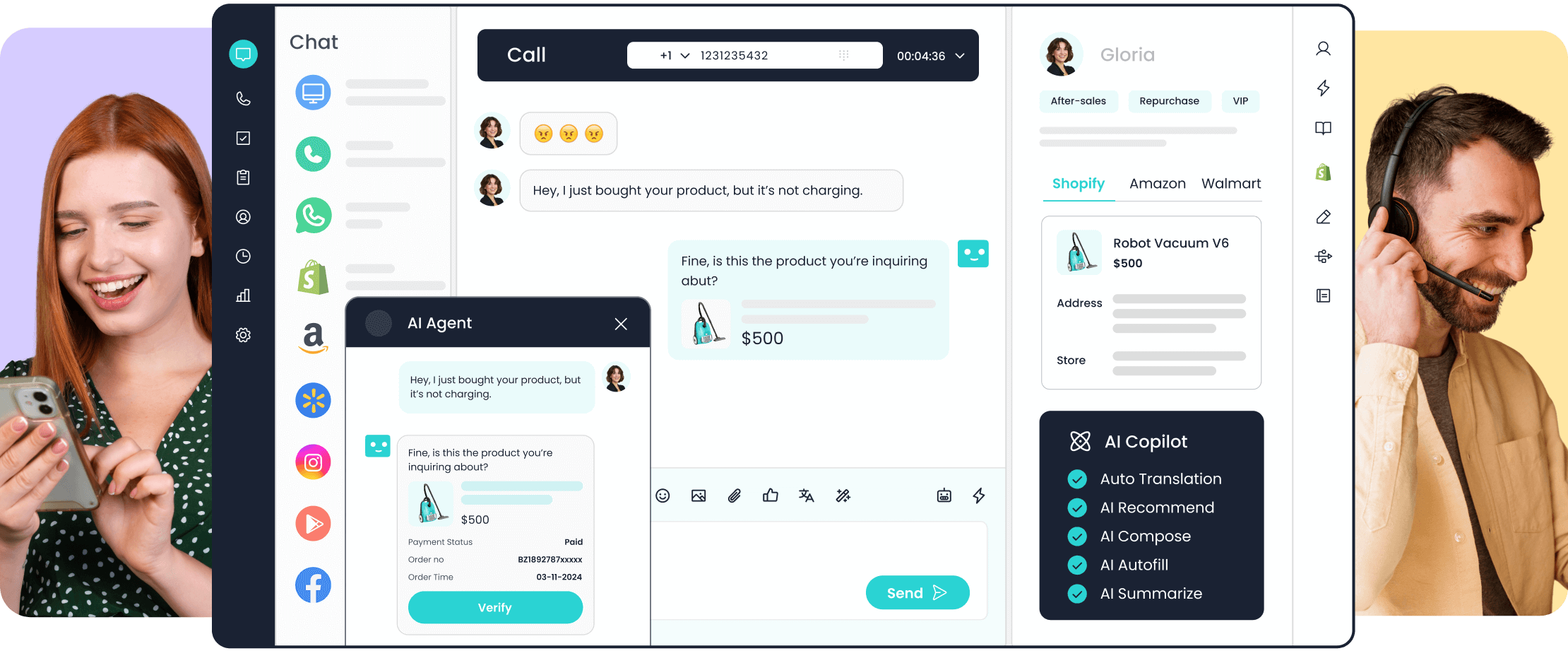
An AI-native contact center is a customer service platform where artificial intelligence is embedded at the architectural level — not added as a feature layer on top of legacy infrastructure. Unlike traditional help desk or call center software that retrofitted AI capabilities, AI-native platforms use machine learning, large language models, and intelligent orchestration as the foundation for routing, resolution, and agent assistance.
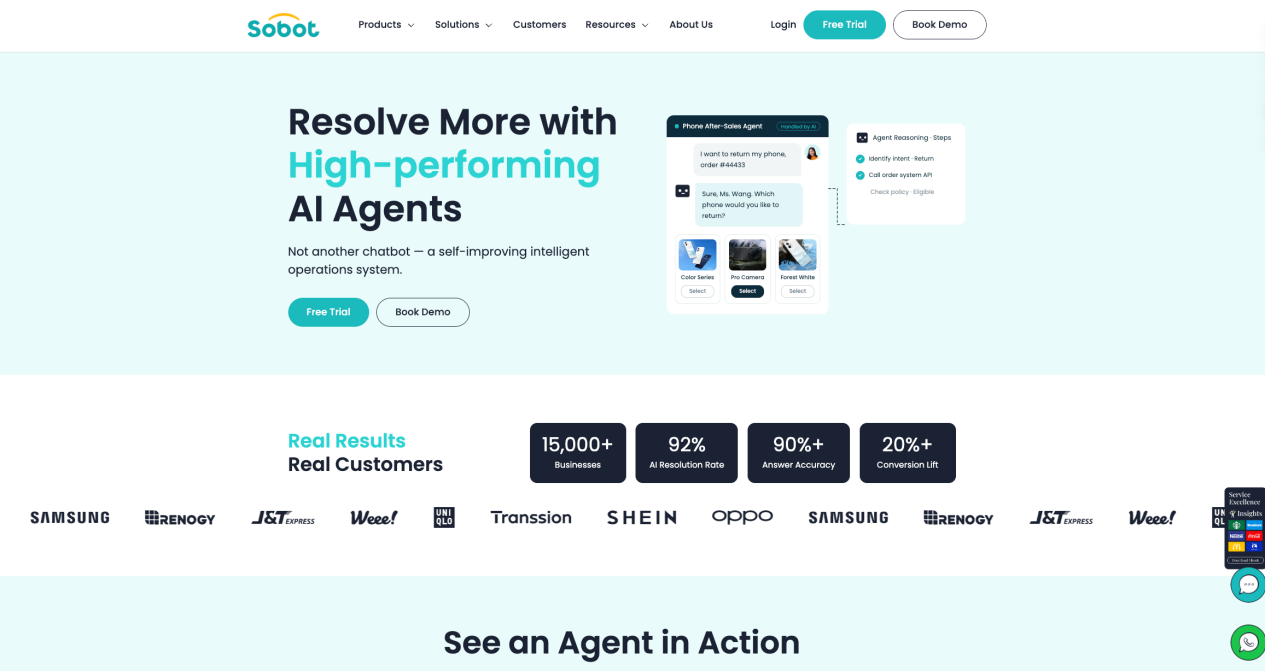
Sobot is an AI-native contact center platform, founded in 2014 as a chatbot company. Over the past decade, Sobot has expanded into a full-stack solution covering AI Agent, Live Chat, Call Center, Voicebot, WhatsApp API, and Ticketing — serving 10,000+ enterprise customers across e-commerce, retail, finance, logistics, and manufacturing.
Sobot’s AI Strategy: Built In, Not Bolted On
Most contact center vendors reached AI through acquisition or roadmap additions. Sobot’s path was the reverse: AI came first.
In 2014, Sobot launched as a chatbot platform — before transformer models, before LLMs went mainstream. That decade of foundational AI investment is reflected in the architecture today: every product layer, from channel routing to agent assistance to management reporting, is designed around AI as the operating principle.
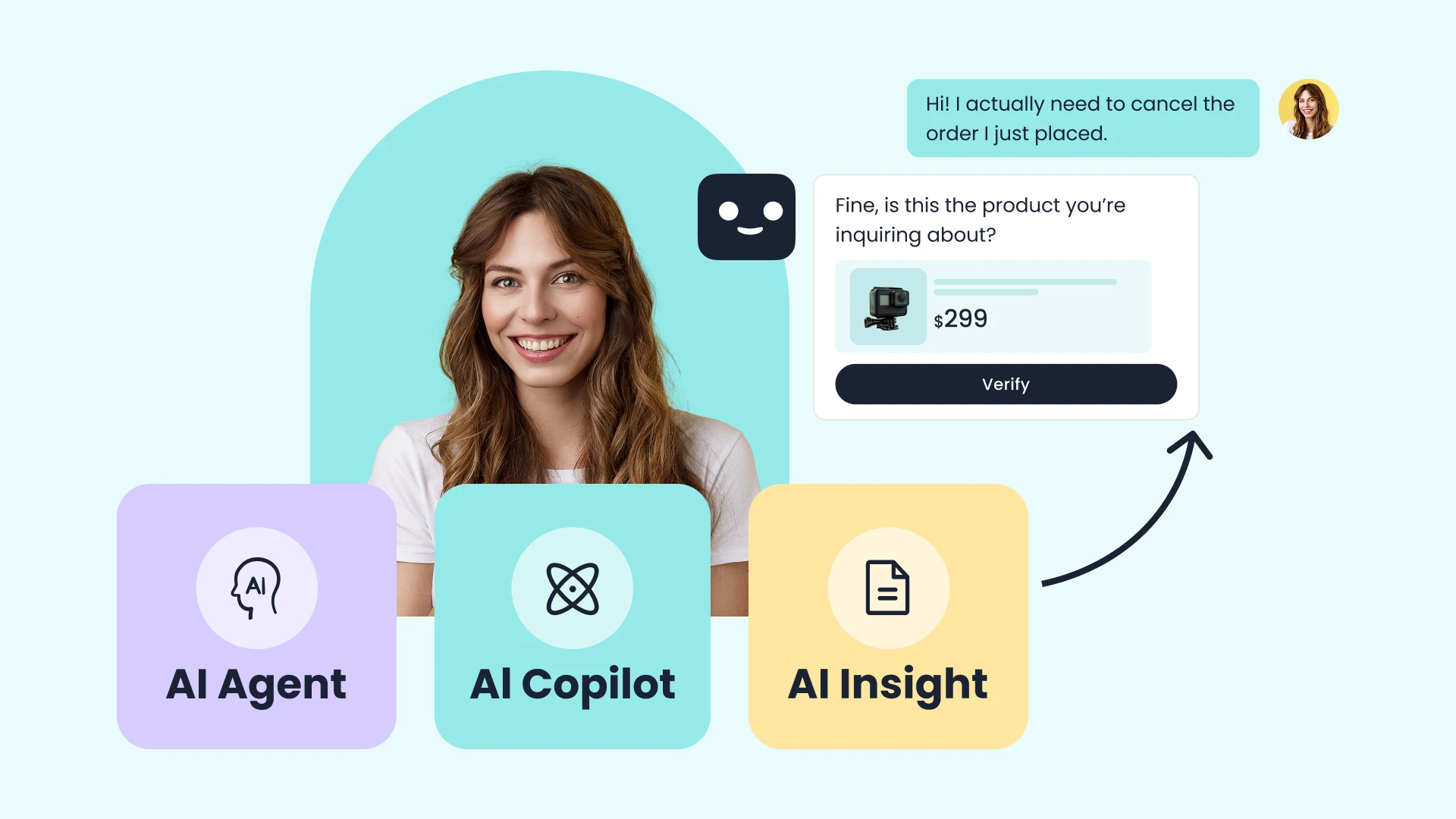
Sobot structures its AI capabilities across three layers:
| AI Layer | Who It Serves | What It Does |
|---|---|---|
| AI Agent | End customers | Autonomously handles 80%+ of conversations across chat, voice, email, and social |
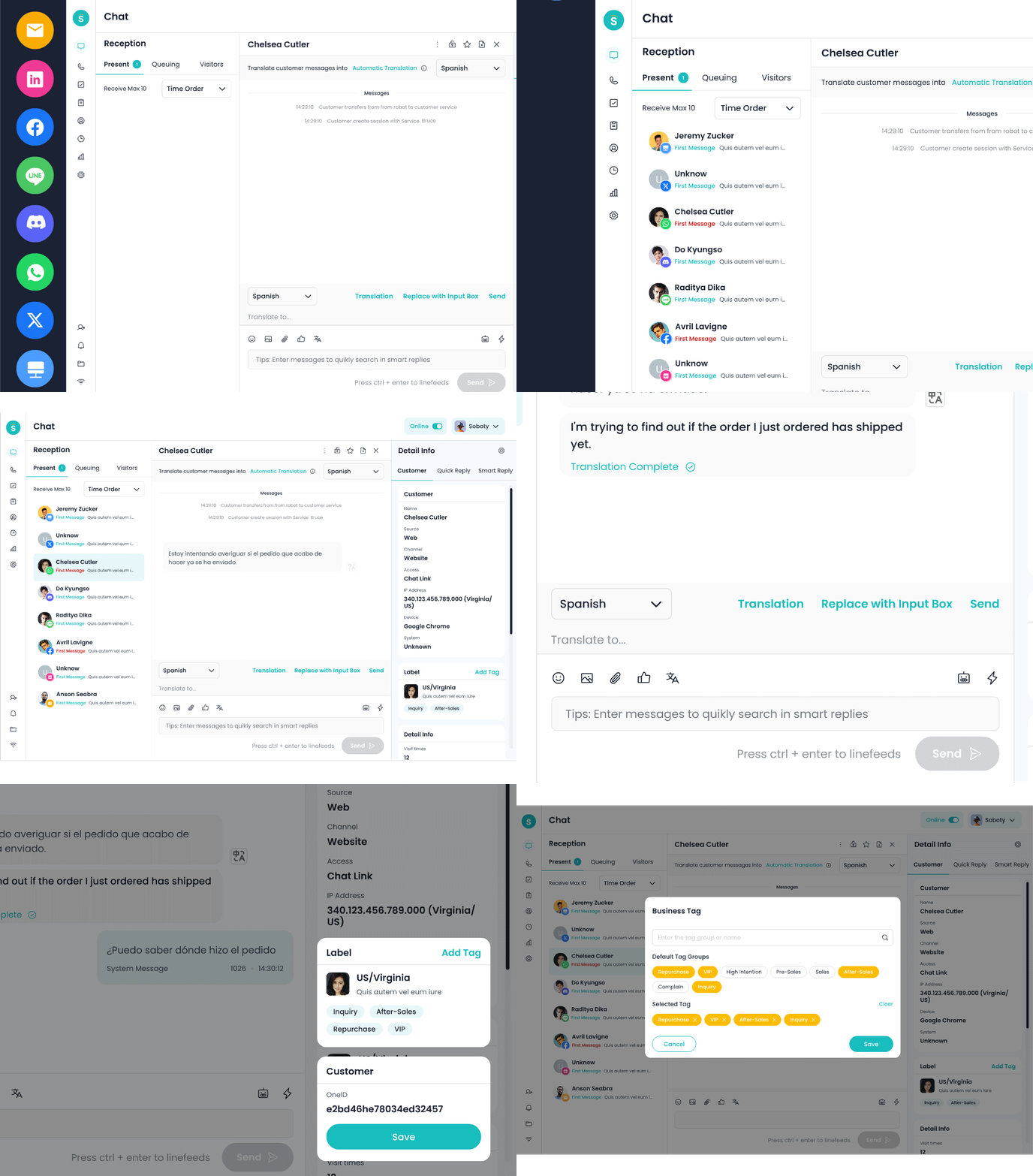
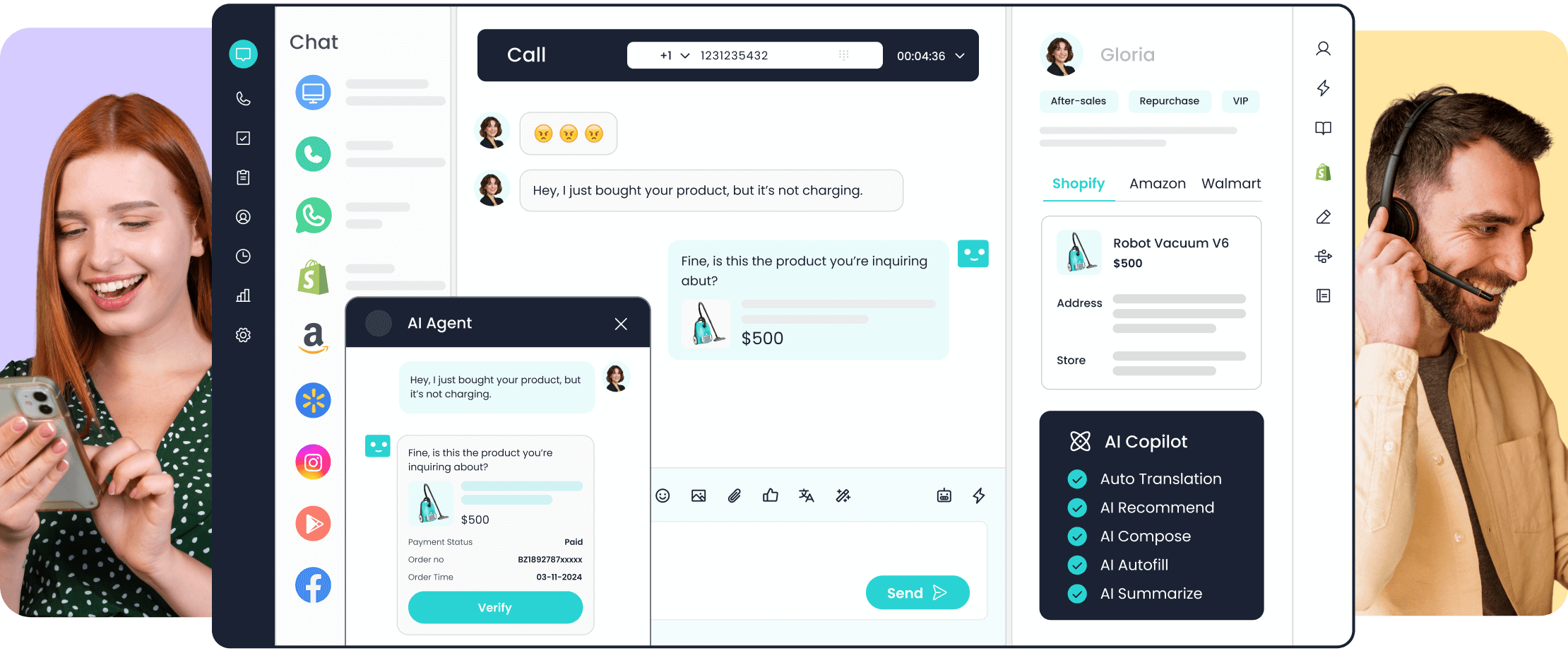
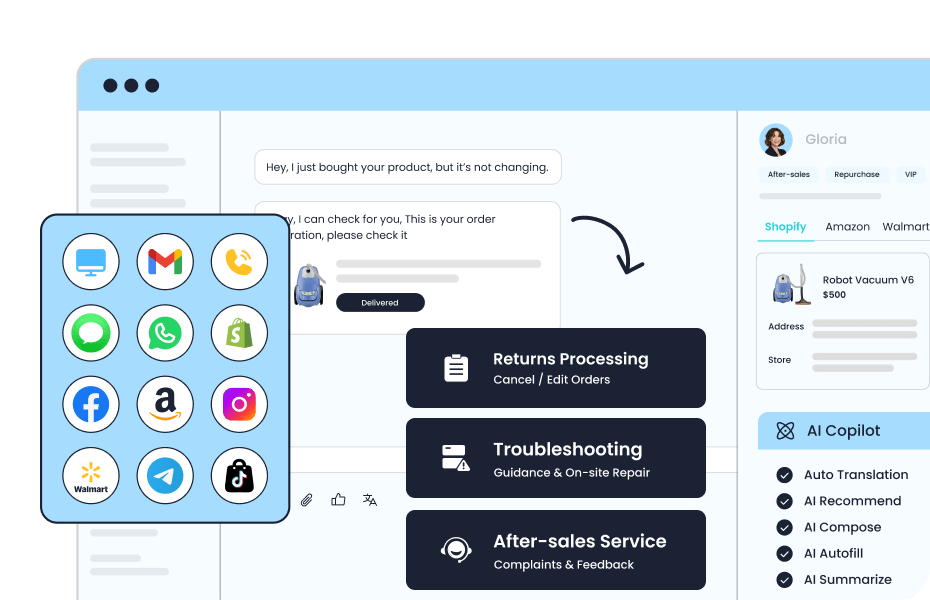
| AI Copilot | Human agents | Real-time translation (70+ languages), smart reply suggestions, auto ticket creation, conversation summaries |
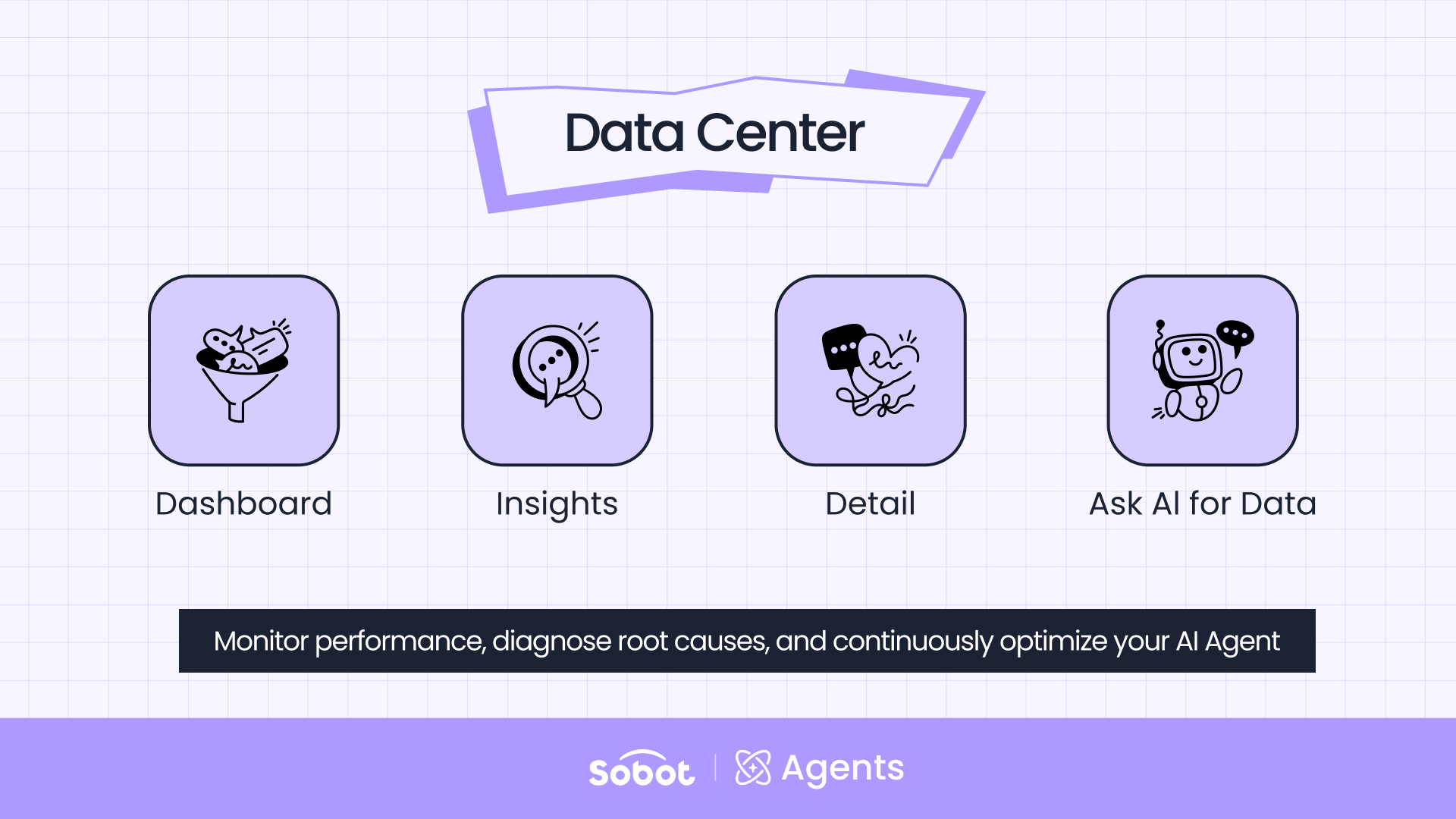
| AI Insight | Team managers | Quality inspection at scale, CSAT scoring, conversation heatmaps, A/B testing, 300+ configurable analytics indicators |
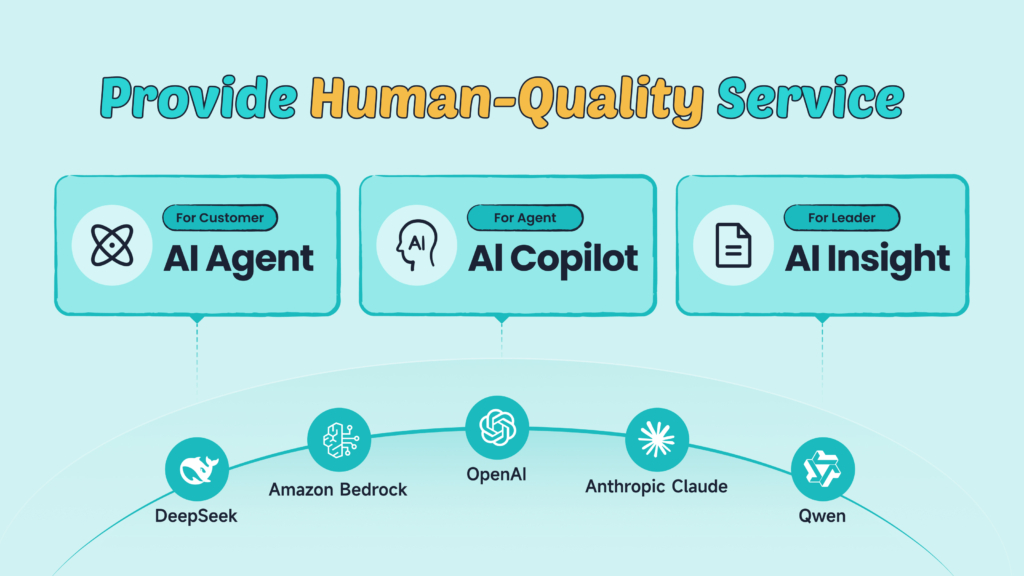
These three layers share a single data layer and operate simultaneously — AI is running at every level of the contact center, not just the customer-facing chatbot.
AI Agent: Core Capabilities
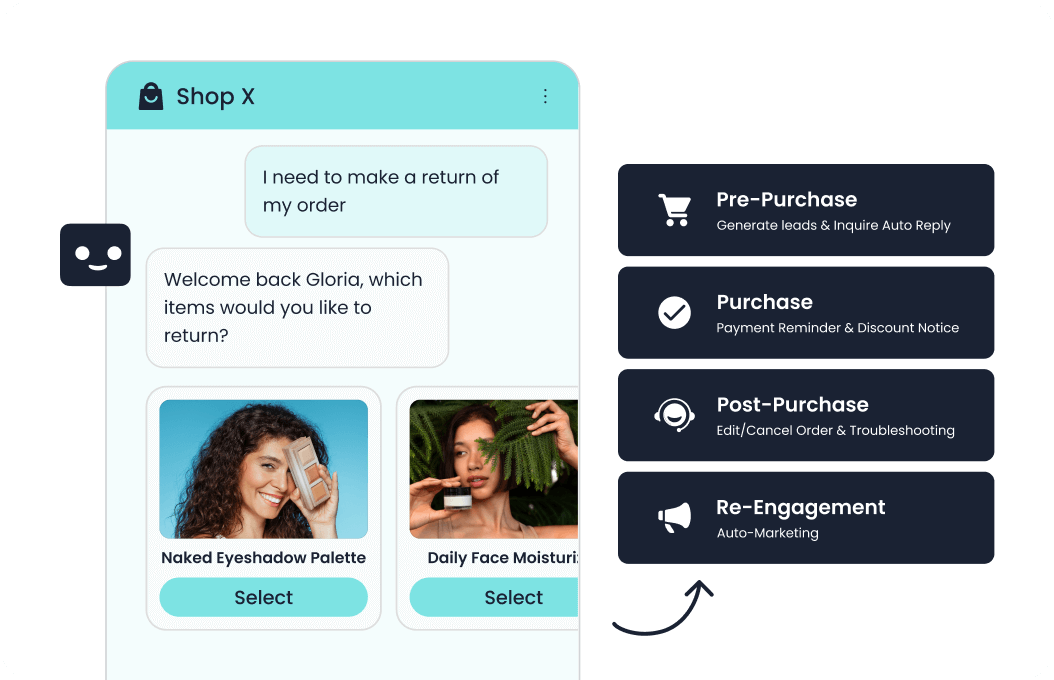
Sobot’s AI Agent is built on a combination of LLM reasoning, NLP, and rule-based orchestration — designed to handle the full range of customer intent, from simple FAQs to complex multi-step requests.
Understanding and context
- True natural language comprehension — no keyword matching required
- Context-aware across an entire session, including topic switches and interruptions
- Auto-links to customer history (past orders, previous tickets) during the conversation
- Handles multi-round, open-ended dialogue rather than scripted decision trees
Knowledge management
- Accepts training from URLs, PDFs, Word documents, Excel files, and unstructured text
- Automatically generates FAQ entries from uploaded resources
- Learns independently from customer feedback over time
- Centralized knowledge base shared across all channels
Configuration and deployment
- No-code drag-and-drop workflow builder — no engineering resource required
- Scenario-based AI configuration for industry-specific relevance (e-commerce, finance, SaaS, logistics)
- Tracing Debug tool for inspecting and refining AI reasoning paths
- Intelligent escalation to human agents triggered by keywords or emotional detection
Languages and channels
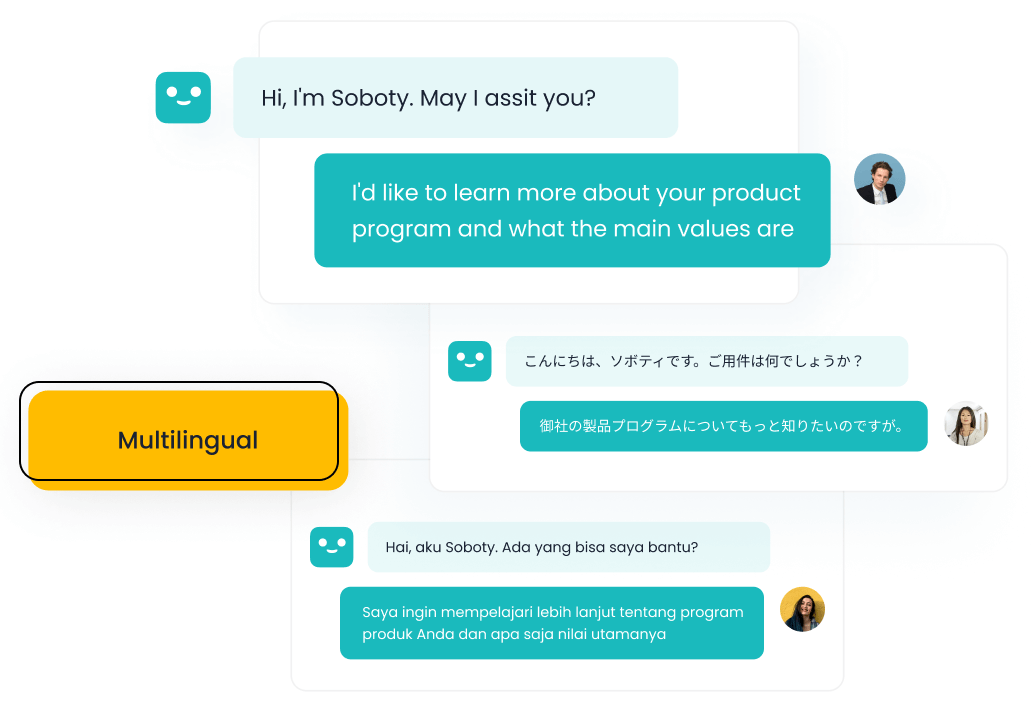
- 50+ languages with automatic language recognition
- Responds in the customer’s preferred language with natural tone
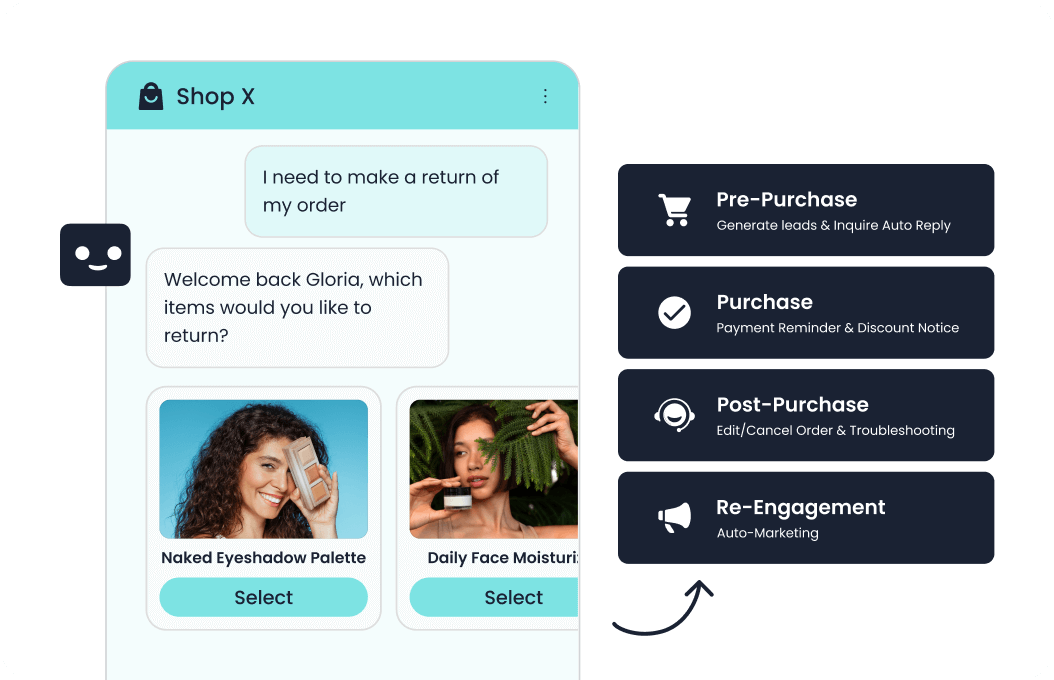
- Deployed across chat, voice, email, WhatsApp, social, and e-commerce platforms in one configuration
Documented performance benchmarks
- 73% of conversations handled by AI Agent (customer-reported)
- Independent resolution rates reaching 62%
- 15–35% more issues resolved through automation vs. human-only workflows
- Agent productivity improvement: up to 70%
- Cost-to-serve reduction: up to 50%
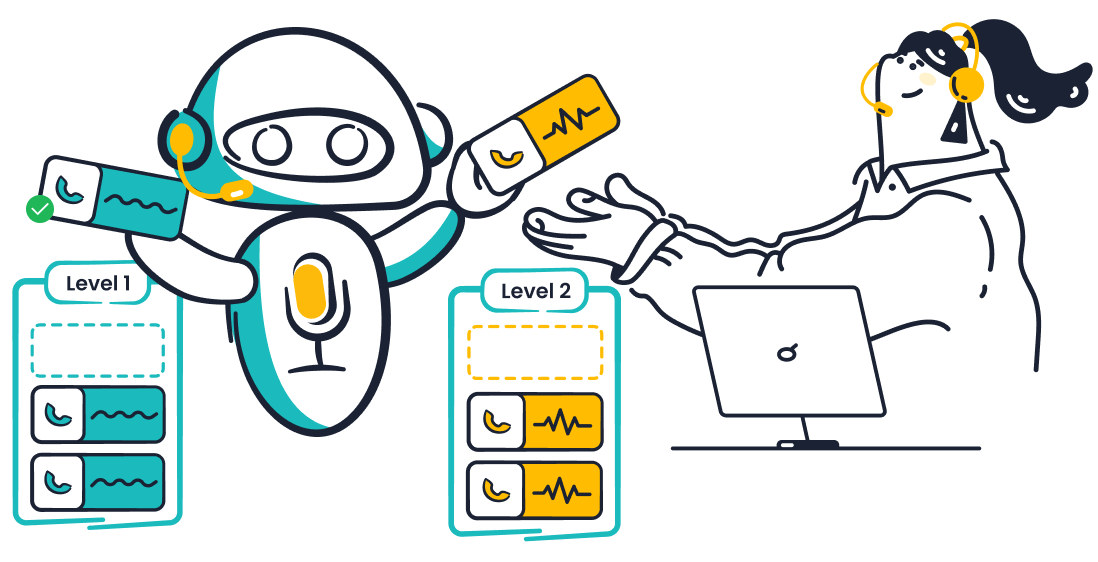
- Voice AI: resolves 50%+ of inbound voice inquiries without human intervention
- Lead generation: 30% more leads at lower cost per conversation
Multi-Agent Architecture: How Sobot’s 2026 Platform Works
Sobot’s 2026 platform upgrade introduces a Multi-Agent Contact Center architecture — a coordinated system of specialized agents that collaborate in real time, rather than a single model trying to handle all conversation types.
Four-Layer System Architecture
Layer 1 · Channel Integration
All inbound messages — from WhatsApp, web chat, phone, email, Shopify, TikTok Shop, and 10+ other channels — are normalized into a unified internal format. The intelligence layer above operates identically regardless of channel source. Channel differences are absorbed at this layer; nothing above it needs to adapt per platform.
Layer 2 · Orchestration Engine (proprietary, self-developed — Sobot’s core differentiator)
A three-tier classifier routes every conversation in real time:
| Classifier Tier | Method | Coverage | Speed | Cost |
|---|---|---|---|---|
| L1 · Keyword Rules | Regex + Aho-Corasick pattern matching | 65% of conversations | <1ms | ~$0 |
| L2 · Vector Similarity | Embedding + cosine similarity ≥ 0.82 | 25% of conversations | ~20ms | Low |
| L3 · LLM Classification | Lightweight model, intent JSON + confidence score | 9% of conversations | ~300ms | Moderate |
The three tiers work in sequence: the cheapest and fastest method is tried first, with LLM classification reserved for genuinely ambiguous cases. 65% of conversations are resolved at the keyword tier — at near-zero cost and under 1ms. This design keeps AI operational costs predictable at enterprise scale.
Once classified by business domain, a second routing layer assigns the conversation to a specialized agent:
| Specialized Agent | Primary Domain | Tools Available | Escalation Trigger |
|---|---|---|---|
| After-Sales Agent | Returns, exchanges, complaints | RAG · Workflow · ReAct | High-value refunds, extreme sentiment |
| Technical Support Agent | Troubleshooting, bug reports, JIRA creation | RAG · Workflow · ReAct | P0 incidents, code-level issues |
| Sales Advisor Agent | Pricing, renewals, custom proposals | RAG · Workflow · ReAct | Enterprise deals, special approvals |
| Billing Agent | Invoices, account queries, dispute review | RAG · Workflow · ReAct | High-value financial disputes |
Each agent operates across four execution modes, selected based on task complexity:
- RAG (<100ms) — knowledge retrieval for policy questions and FAQs
- Workflow (1–3s) — structured processes like order lookups, refund initiation, invoice generation
- ReAct (3–8s) — reasoning + action loops for complex, multi-step or multi-system tasks
- Human escalation (queue) — for cases outside defined agent scope
Agent handoff is automatic and context-preserving. When an after-sales conversation reveals a renewal opportunity, the Sales Advisor Agent takes over without the customer repeating any information. Full session context travels with the handoff.
Layer 3 · Skill Layer
A library of pre-built integrations (Shopify, Salesforce, Stripe, Lazada, Taobao, Shunfeng, and others), industry-specific templates across e-commerce, finance, SaaS, and logistics, plus private customer skills via API with full data isolation and rate-limit controls.
Foundation Layer · LLM Flexibility
Sobot’s orchestration engine is model-agnostic. Current integrations include GPT-4o, Claude, DeepSeek, ERNIE Bot, and Hunyuan. When a better model ships, the orchestration configuration stays intact — only the underlying model changes. No vendor lock-in at the LLM layer.
Omnichannel Coverage: What It Actually Includes
| Channel Category | Platforms Supported |
|---|---|
| Owned digital | Website live chat, mobile app (iOS/Android), email |
| Social messaging | WhatsApp, Facebook Messenger, Instagram, LINE, Telegram, Zalo, Discord, WeChat |
| E-commerce | Shopify, Amazon, Walmart, TikTok Shop, Lazada |
| Voice | Inbound IVR (unlimited tiers, drag-and-drop designer), outbound campaigns, AI Voicebot |
| Internal | Ticketing, agent workspace, CRM/ERP/order system integration |
All channels are managed from a single agent inbox. Order data from connected e-commerce platforms is surfaced directly in the workspace — no tab switching, no manual lookups. For voice, the same AI Copilot that assists chat agents provides real-time transcription, suggested responses, and automatic call summaries.
Customer Results: Verified Case Studies
1. E-Commerce and Retail
UNIQLO — Global apparel, 2,400+ stores AI Agent · Live Chat · Quality Inspection
- Conversations automated: 90%+
- Inquiry resolution rate: 65%+
- Conversions: 3x increase
SHEIN — Top 5 global e-commerce unicorn, 12 languages, B2B + B2C AI Agent · Live Chat · Voice · Voicebot · Ticketing · WhatsApp
- Agent productivity: +14%
- Customer satisfaction: +22%
- Merchant satisfaction: +26%
SAMSUNG AI Agent · Live Chat · Ticketing
- Inquiry conversion rate: +15%
- Agent productivity: +30%
- CSAT: 97%+
MIXUE — World’s largest fast food chain by store count (46,000+ locations) AI Agent · Live Chat · Call Center
- Agent productivity: +41%
- ROI: 3x
- CSAT: 95%+
TONYMOLY — Beauty, 30 countries, 2,000+ stores, Amazon integration AI Agent · Ticketing
- Conversations automated: 85%+
- Resolution rate: 60%+
- CSAT: 98%
2. Technology and Consumer Electronics
realme — Top 6 global smartphone brand · Singapore, India, China AI Agent · Live Chat · Voicebot · Ticketing · Quality Inspection
- Agent productivity: +48%
- Resolution rate: 80%+
- CSAT: 97%+
3. Financial Services
MEXC — Global cryptocurrency exchange AI Agent · Live Chat · Ticketing
- Chatbot resolution rate: 78%+
- Resolution time: -51%
- Positive feedback: 91%+
C2FO — Forbes Top 50 Fintech, Salesforce integration Call Center
- Conversion rate: +34%
- Uptime: 99.99%
- Internal user rating: 5 stars
GLDB — MAS-licensed digital bank, Singapore Call Center
- System stability: 99.99%
- IVR efficiency: +80%
- CSAT: 4.9+
4. Southeast Asia
Flower Chimp — Southeast Asia’s leading flower delivery platform AI Agent · Live Chat · WhatsApp
- Agent productivity: +63%
- Customer satisfaction: +35%
- WhatsApp read rate: 67%+
KUPU — Indonesia’s leading job platform AI Agent · Live Chat · Call Center · Ticketing · WhatsApp
- WhatsApp read rate: 85%+
- Messages sent: 800,000+
- CSAT: 94%+
Sobot vs. Leading Contact Center Platforms
| Sobot | Zendesk | Genesys | Intercom | |
|---|---|---|---|---|
| AI foundation | AI-native since 2014; LLM + NLP + rule orchestration | AI added via acquisition (Ultimate.ai) | AI added in recent years to legacy call center core | Strong chatbot product (Fin AI); messaging-first origins |
| Voice / Call Center | Native: IVR, AI Voicebot, outbound campaigns | Limited; requires third-party | Core product strength | Not available |
| Voice AI resolution | 50%+ of inbound calls handled without human | — | Varies | — |
| Digital channels | 10+ natively | Strong | Moderate | Strong (messaging-focused) |
| E-commerce integrations | Shopify, Amazon, Walmart, TikTok Shop, Lazada | Shopify + some others | Limited | Shopify |
| Multi-Agent orchestration | Yes — proprietary 2026 architecture | No | Partial | No |
| LLM flexibility | Model-agnostic: GPT-4o, Claude, DeepSeek, ERNIE, Hunyuan | Limited | Limited | Proprietary (Fin) |
| Outbound marketing | Yes: WhatsApp campaigns + outbound voice | No | Outbound calls only | No |
| Languages | 50+ (AI Agent) · 70+ (live translation) | Multilingual | Multilingual | Multilingual |
| No-code configuration | Yes — drag-and-drop workflow builder | Yes | Limited | Yes |
| Analytics | 300+ indicators, configurable dashboards, quality inspection | Strong reporting | Strong reporting | Moderate |
| Deployment options | SaaS · Private Cloud · On-Premises | SaaS | SaaS · Private Cloud | SaaS |
| Pricing | ~2/3 of comparable platforms | Premium | Enterprise pricing | Mid-to-premium |
| Best fit | Businesses needing AI + voice + digital + marketing in one platform | Digital-first support and ticketing teams | Enterprise call center operations | SMB chat automation and bot deflection |
Zendesk is the most widely used help desk platform in the world, and its content and reporting are genuinely excellent. But Zendesk is fundamentally a ticketing and messaging platform. Its AI capabilities are layered on top of that foundation, and its voice solution is not a core product. For businesses that need deep voice + AI integration in a single system, Zendesk requires significant third-party configuration.
Genesys is the market leader in enterprise call centers — and has been for decades. If your primary need is a sophisticated voice infrastructure, Genesys is a serious option. But Genesys is voice-first, with AI and digital channels added more recently. Its pricing and complexity are calibrated for large enterprises, and its digital AI experience doesn’t match platforms built with that as the core use case.
Intercom has built one of the best-designed AI chatbot and customer messaging products in the market. Its Fin AI agent is genuinely impressive for deflecting support queries. But Intercom is a messaging and bot platform — it doesn’t have a voice product, its omnichannel reach is narrower, and it’s not designed for contact center operations at scale.
Sobot is the only platform in this comparison that started as an AI company, natively supports both online and voice channels at depth, covers third-party social and e-commerce integrations out of the box, and operates across service and outbound marketing use cases — in a single platform, with a single data layer.
The core difference:
Zendesk is the strongest platform for teams prioritizing structured ticketing and reporting — but AI and voice are not its native strengths. Genesys leads in enterprise voice infrastructure, but digital and AI weren’t core to its original design. Intercom has one of the best AI chatbot experiences available, but no voice product and a narrower omnichannel footprint. Sobot is the only platform here that is AI-native from founding, covers both voice and digital channels at depth, supports outbound marketing alongside inbound service, and remains model-agnostic at the LLM layer — at approximately two-thirds the price of comparable enterprise alternatives.
Frequently Asked Questions
What is Sobot used for?
Sobot is an AI contact center platform used by businesses to automate customer service conversations, manage multi-channel support (chat, voice, email, social, e-commerce), assist human agents in real time, and run outbound marketing via WhatsApp and voice. It serves over 10,000 enterprise customers across e-commerce, retail, finance, logistics, and manufacturing.
How does Sobot’s AI Agent differ from a traditional chatbot?
Traditional chatbots follow fixed decision trees triggered by keywords. Sobot’s AI Agent uses LLM reasoning combined with NLP and rule-based orchestration for accurate, context-aware responses. It maintains session context across topic switches, auto-links to customer history, and learns from feedback over time — without requiring keyword configuration or scripted flows.
Which channels does Sobot support?
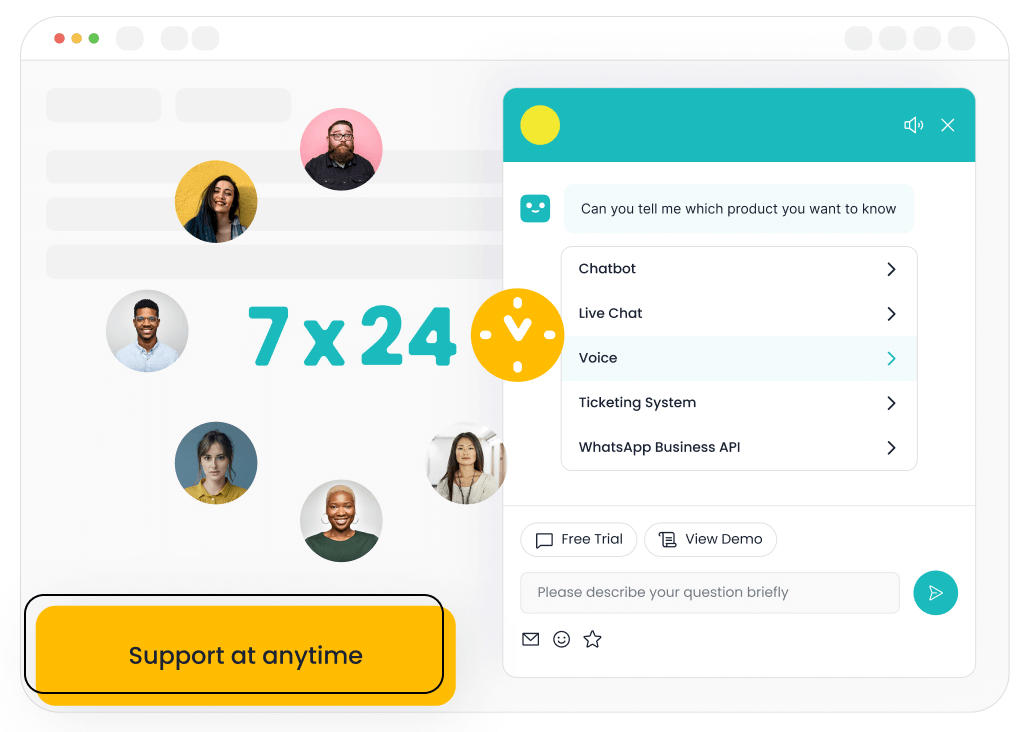
Sobot supports WhatsApp, Facebook Messenger, Instagram, LINE, Telegram, Zalo, Discord, WeChat, website live chat, mobile app, email, phone (inbound IVR and outbound campaigns), Shopify, Amazon, Walmart, TikTok Shop, and Lazada — all managed from a single agent inbox.
Can Sobot replace Zendesk or Genesys?
Sobot is a direct alternative to both. For teams using Zendesk for chat and ticketing, Sobot offers comparable workflow depth plus native voice and stronger AI automation at roughly two-thirds the price. For teams on Genesys for call center operations, Sobot provides a more AI-integrated, cost-accessible alternative with full digital channel coverage included.
What LLMs does Sobot support?
Sobot’s orchestration engine currently integrates GPT-4o, Claude, DeepSeek, ERNIE Bot (Baidu), and Hunyuan (Tencent). The underlying model can be changed without rebuilding agent workflows — the orchestration layer is model-agnostic by design.
How quickly can Sobot be deployed?
Sobot’s no-code configuration and pre-built industry templates allow teams to go live without engineering resources. The AI Voicebot, for example, can be deployed within three weeks. Template-based deployments for standard e-commerce or SaaS workflows are faster.
Is Sobot compliant with GDPR and data privacy regulations?
Yes. Sobot is ISO 27001 and ISO 27701 certified, and compliant with GDPR, PDPA, and PIPL. Data centers are located in Singapore and the US, with strict data isolation between regions. On-premises deployment is also available for enterprises with strict data residency requirements.
What does Sobot cost?
Sobot’s pricing is approximately two-thirds of comparable enterprise contact center platforms. Specific pricing is available on request and varies by product combination, volume, and deployment type.
About Sobot
Sobot is an AI-native contact center platform serving 10,000+ enterprise customers globally. Founded in 2014, Sobot has raised $200M across seven funding rounds from investors including Hillhouse Capital, SoftBank Vision Fund, and IDG Capital. Sobot is a Meta-certified WhatsApp Business Solution Provider and holds G2 Grid Leader status (Summer 2025).