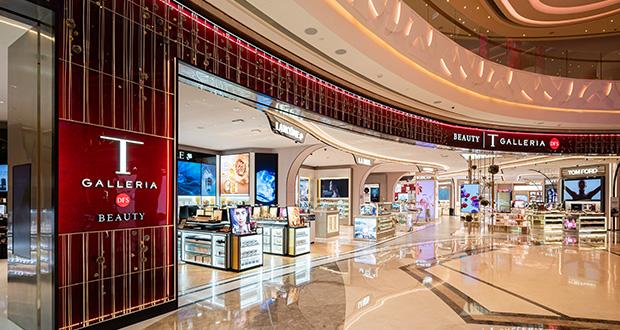
DFS Group became one of the world’s leading luxury travel retailers through its T Galleria by DFS shopping destinations and airport retail operations across major global tourism hubs. The company reportedly operates more than 400 boutiques across 13 countries while partnering with over 750 luxury brands globally, according to The Moodie Davitt Report DFS profile and DFS corporate information.
DFS’s business model focuses heavily on affluent international travelers and luxury tourism markets across destinations including Hong Kong, Macau, Singapore, Tokyo, Paris, Sydney, and Hawaii. According to UN Tourism global tourism data, international tourist arrivals recovered to approximately 1.4 billion globally in 2024, reaching nearly 99% of pre-pandemic levels.
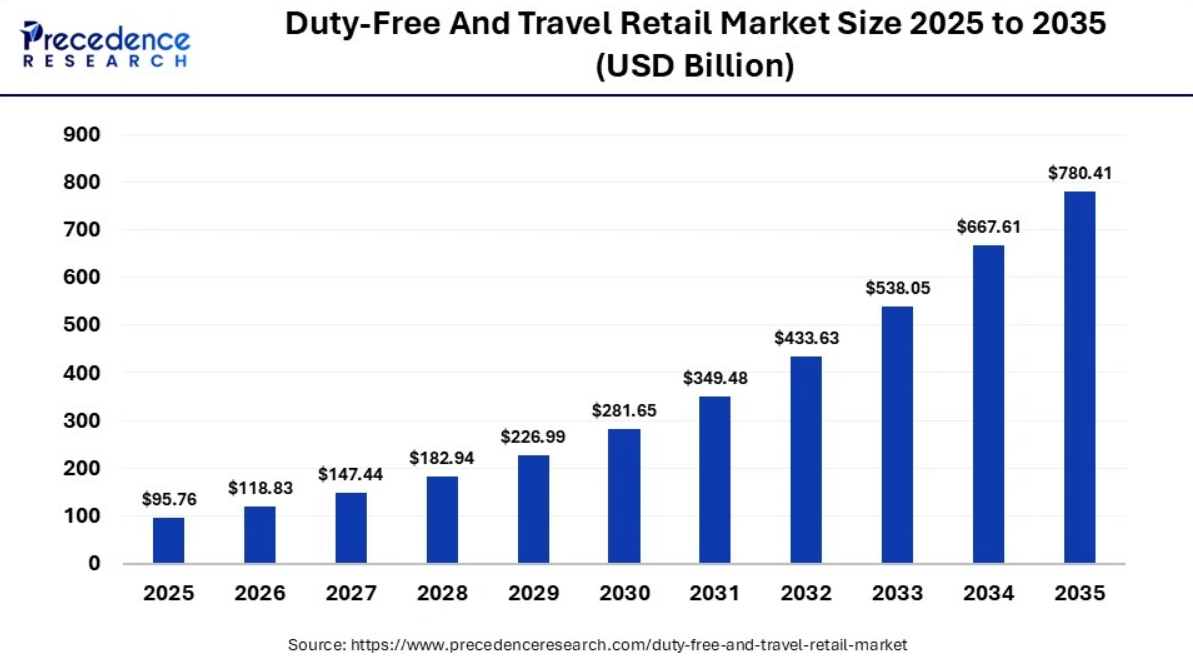
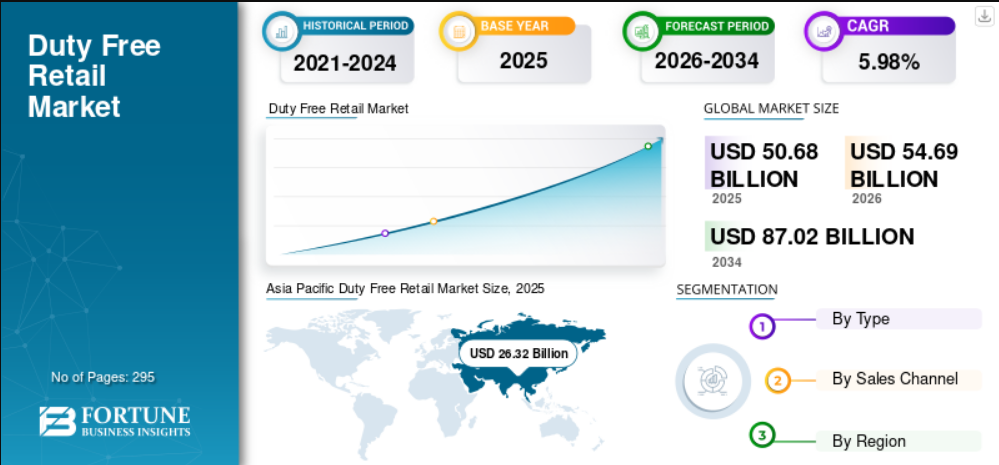
At the same time, Research and Markets travel retail report projected the global travel retail market to grow from approximately $95.5 billion in 2024 to more than $153 billion by 2030, increasing competitive pressure among luxury travel retailers to strengthen customer experience operations, digital engagement, and omnichannel service capabilities.
DFS also faced broader structural changes within the luxury travel retail industry. In 2026, LVMH agreed to sell DFS’s Hong Kong and Macau retail operations to China Tourism Group Duty Free in a deal reportedly valued at approximately $395 million, reflecting continued restructuring and intensifying competition across global luxury tourism and travel retail markets.
As one of the world’s leading luxury travel retailers, DFS Group faced growing pressure to manage customer communication across multiple digital and offline channels while maintaining the premium service expectations of global luxury travelers.
This article explores how DFS Group strengthened omnichannel luxury customer service, personalized customer engagement, and digital customer support operations and how Sobot helped DFS improve customer satisfaction, service coordination, and customer experience efficiency at enterprise scale.
How Was DFS Group Founded and How Did It Become a Global Luxury Travel Retail Brand?
DFS Group was founded in Hong Kong in 1960 by Robert Miller and Charles “Chuck” Feeney after recognizing the growing commercial opportunity in duty-free shopping for international travelers during the rapid expansion of global aviation and tourism. The founders initially focused on selling duty-free luxury goods and liquor to American servicemen and international travelers across Asia, helping establish DFS as one of the pioneers of modern luxury travel retail.
During the 1960s and 1970s, DFS expanded rapidly by securing duty-free retail concessions across major tourism and airport markets including Hawaii and Hong Kong. The company benefited significantly from the rise of Japanese outbound tourism, which became one of the most influential drivers of luxury travel spending in Asia-Pacific markets during that period. This early expansion helped DFS strengthen its international retail footprint and establish long-term relationships with global luxury brands.
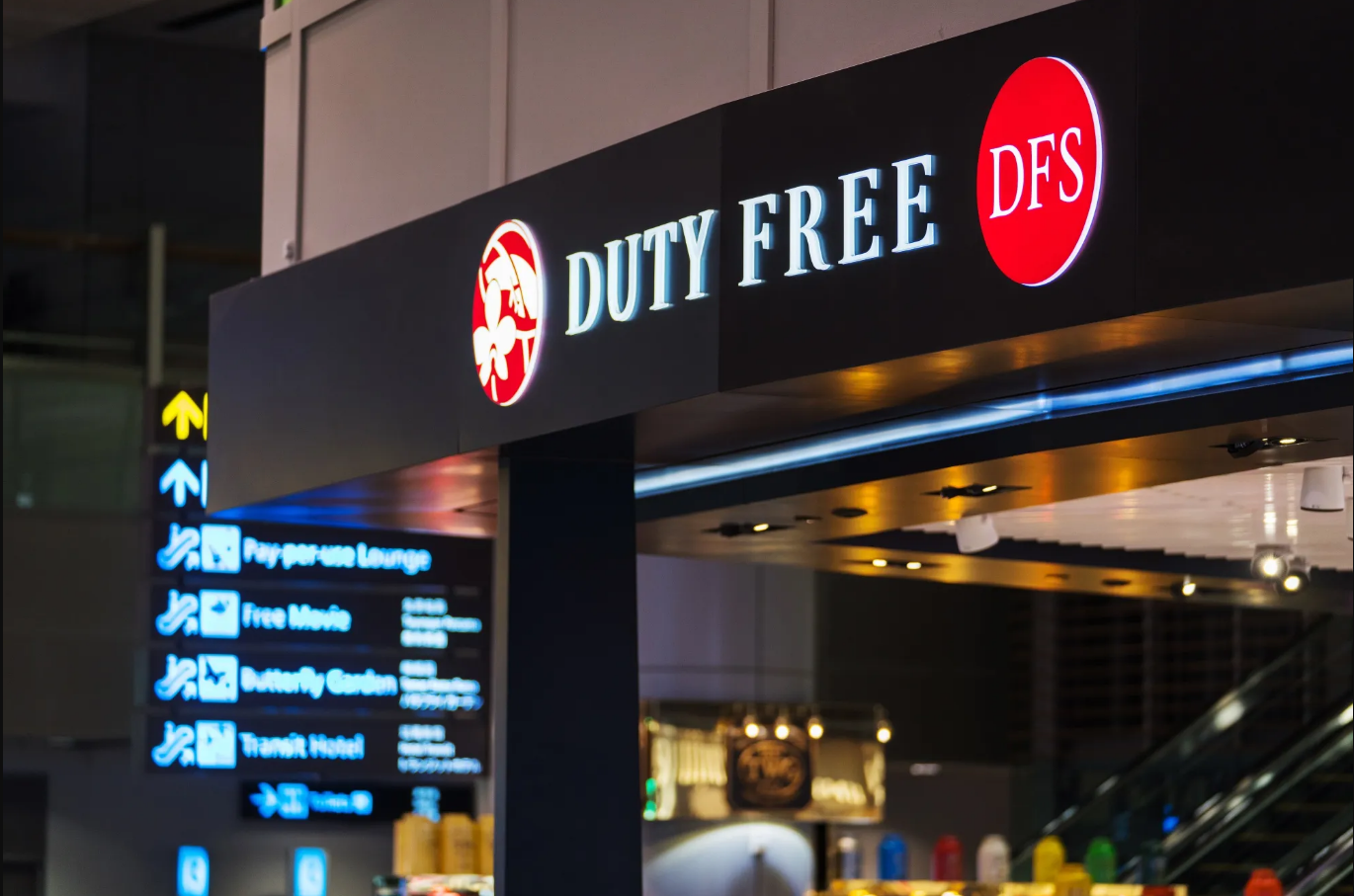
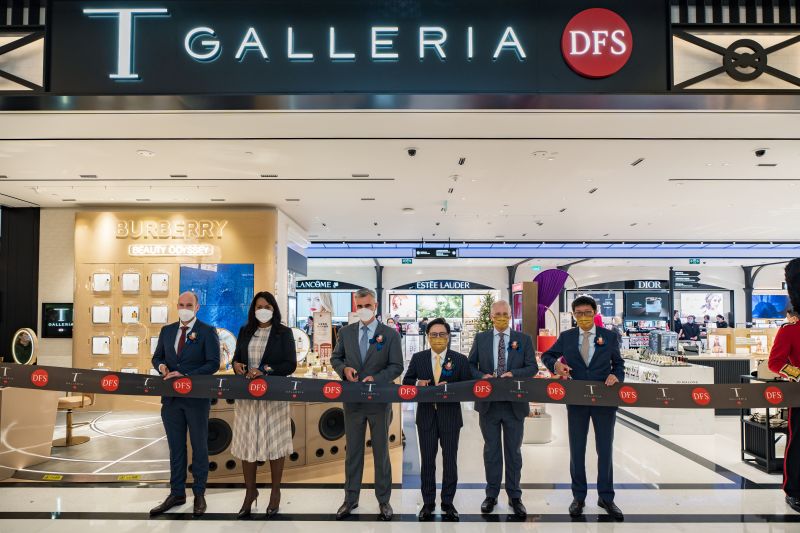
Today, DFS operates more than 400 boutiques across 13 countries, positioning T Galleria by DFS locations as tourism-driven luxury lifestyle destinations integrating hospitality, premium shopping, dining, and experiential commerce. According to The Moodie Davitt Report DFS profile, DFS continues maintaining a major presence within the global luxury travel retail industry despite increasing competition and changing international tourism patterns.
How Has DFS Group Adapted to Omnichannel Luxury Shopping and Digital Customer Expectations?
Connected Online & Offline Luxury Shopping Journeys: DFS Group adapted to changing luxury shopping behavior by strengthening digital engagement, mobile accessibility, online reservation systems, and omnichannel retail interactions supporting connected customer journeys across online and physical retail environments. The company increasingly positioned T Galleria by DFS locations as integrated lifestyle destinations combining tourism, hospitality, shopping, and premium customer experiences.
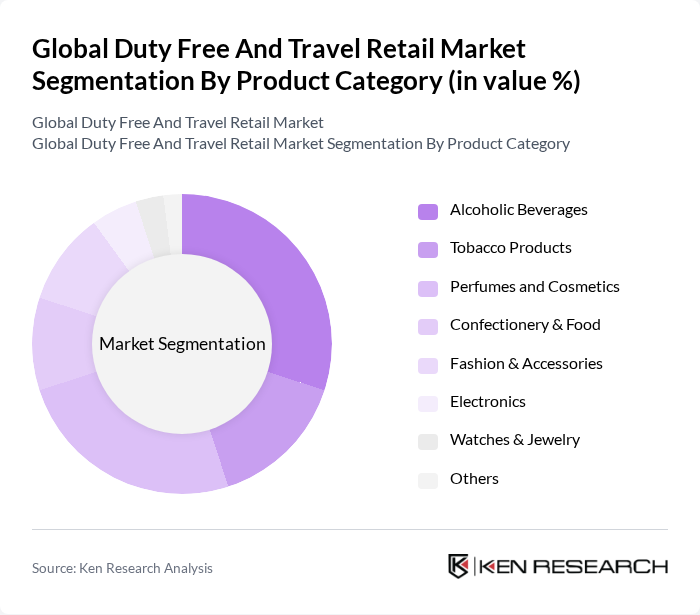
Strengthening Digital Customer Engagement: DFS expanded digital customer engagement capabilities across websites, mobile platforms, and online customer touchpoints to support evolving luxury traveler expectations for connected shopping experiences and faster communication across channels.

Expanding Destination Luxury Retail Experiences
DFS strengthened the T Galleria by DFS concept by positioning retail locations as tourism-driven lifestyle destinations integrating premium shopping, hospitality, dining, and experiential luxury engagement rather than functioning solely as traditional duty-free retail stores. According to The Moodie Davitt Report DFS profile, DFS operates more than 400 boutiques across 13 countries, reflecting the company’s large-scale presence across global tourism and luxury travel retail markets.
Investing in Omnichannel Retail Infrastructure: According to Research and Markets travel retail report, the global travel retail market reached approximately $95.5 billion in 2024 and is projected to exceed $153 billion by 2030. DFS strengthened digital retail infrastructure and connected commerce capabilities to adapt to the continued growth of luxury travel retail, digital customer engagement, and omnichannel shopping behavior across global tourism markets.
How Do DFS Group Deliver Personalized Omnichannel Luxury Customer Service with the help of Sobot?
Unified Omnichannel Customer Communication
DFS Group strengthened omnichannel customer communication by centralizing customer interactions across websites, social media, mobile platforms, hotlines, airport stores, and T Galleria shopping destinations into one connected customer service ecosystem. As luxury travelers increasingly expected faster responses and seamless communication across channels, DFS needed stronger coordination between digital customer engagement and customer support operations.
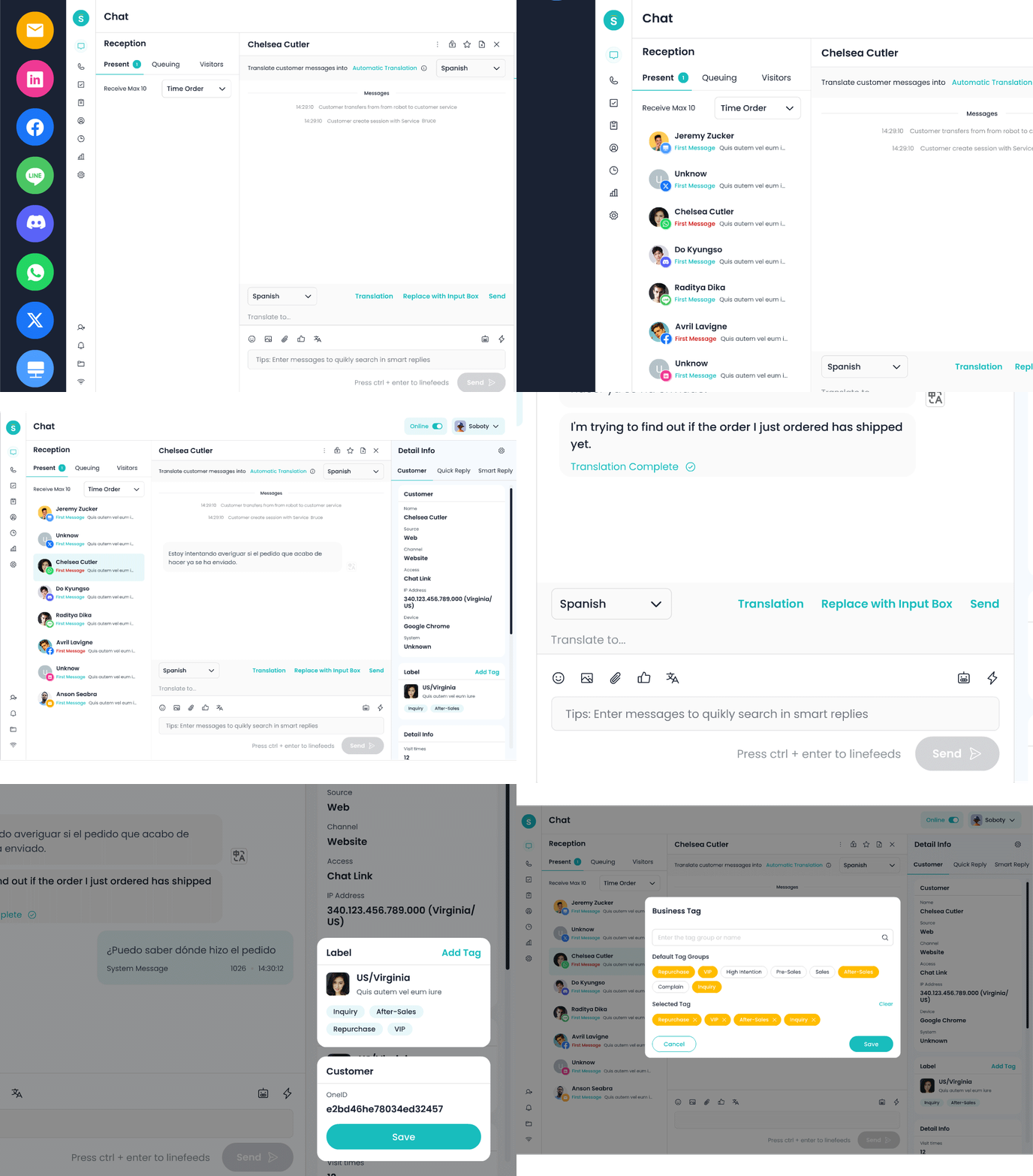
According to Sobot DFS customer case study, DFS improved this challenge by implementing Sobot’s unified omnichannel customer service platform, allowing customer service agents to manage communication across websites, social media, mobile channels, hotlines, and online consultations from one centralized system. This helped reduce platform switching, improve service coordination, and strengthen customer response efficiency.
Connected Online & Offline Luxury Shopping Support
Modern luxury travelers increasingly expect connected customer journeys across online browsing, digital engagement, reservations, consultations, and in-store shopping experiences. DFS needed stronger coordination between digital customer engagement and physical retail operations across airport stores and T Galleria locations to maintain seamless omnichannel luxury experiences.
Sobot helped DFS integrate online consultations, product inquiries, reservations, and retail support into more connected customer service workflows. This integration improved coordination between online and offline customer touchpoints while helping DFS create smoother luxury shopping experiences for international travelers across multiple channels.
Personalized Luxury Customer Engagement
DFS strengthened personalized customer engagement by improving access to customer preferences, shopping history, order information, and product interests across customer service operations. Personalized recommendations and tailored support increasingly influence purchasing decisions among luxury consumers, particularly across digitally engaged customer segments.
Sobot integrated customer profiles, internal business systems, and order platforms into DFS’s customer service operations, helping service agents deliver more personalized product recommendations and targeted after-sales support experiences for international travelers.
Multilingual Global Customer Support Operations
DFS strengthened multilingual customer support operations across international tourism destinations including Hong Kong, Macau, Singapore, Tokyo, Paris, Sydney, and Hawaii to support travelers from different countries, languages, and cultural backgrounds more effectively.
According to CSA Research multilingual consumer report, more than 70% of consumers prefer purchasing products and interacting with brands in their native language, increasing the importance of multilingual communication within global retail industries.
Sobot helped DFS centralize multilingual customer communication and improve localized support coordination across international retail markets, helping maintain more consistent customer engagement experiences globally.
Luxury Hospitality & Concierge-Style Customer Engagement
DFS Group differentiates itself from traditional retailers by positioning customer service as part of the overall luxury travel experience rather than simply a transactional support function. DFS emphasizes premium hospitality, curated shopping assistance, luxury consultation, and relationship-driven engagement tailored for affluent international travelers across T Galleria and airport retail environments.
According to Bain luxury market report, experiential luxury continues becoming a major driver of customer loyalty and premium consumer spending, increasing the importance of hospitality-led customer engagement across luxury retail industries.
Sobot supports DFS’s hospitality-focused service strategy by helping customer service teams respond more efficiently and maintain more consistent premium customer experiences across international customer touchpoints.
Enterprise Customer Service Performance Optimization
DFS improved enterprise customer service performance by strengthening operational coordination, customer response efficiency, and support management across global customer service operations. Managing customer engagement across multiple international retail environments increasingly requires scalable customer service infrastructure capable of supporting high-volume luxury customer interactions efficiently.
According to Sobot DFS customer case study, DFS achieved:
- 91%+ customer satisfaction (CSAT)
- 44%+ conversion rate improvement
- 80%+ increase in operational efficiency
after implementing Sobot’s omnichannel customer service platform.
These results demonstrate how integrated customer service infrastructure can improve both operational performance and customer engagement quality across global luxury retail enterprises.
Long-Term Luxury Customer Loyalty & Retention
DFS strengthens long-term customer loyalty through personalized engagement, premium hospitality, and relationship-driven customer experiences designed for affluent international travelers across global tourism markets.
By improving customer engagement quality and personalized support capabilities, Sobot helps DFS strengthen long-term customer relationships and deliver more consistent luxury customer experiences across digital and physical retail environments.
What Can Luxury Retail Enterprises Learn From DFS Group’s Growth Strategy?
- Luxury Retail Is Becoming More Operationally Complex: DFS Group demonstrates how modern luxury retail enterprises increasingly require connected operational infrastructure capable of supporting customer engagement across multiple countries, tourism markets, retail stores, airports, and digital platforms simultaneously. Managing customer communication, multilingual support, retail coordination, reservations, and omnichannel engagement across global operations creates growing operational complexity for luxury retailers expanding internationally.
- Digital Transformation Is Reshaping Travel Retail Competition: Luxury travelers now expect retailers to provide connected customer journeys across online browsing, mobile engagement, reservations, social media communication, customer service interactions, and physical retail experiences. According to Deloitte luxury consumer report, digital engagement and omnichannel communication continue becoming increasingly important across luxury retail industries as consumers increasingly prioritize convenience, personalization, and connected experiences across digital and physical channels.
- Global Tourism Recovery Is Increasing Competitive Pressure: According to UN Tourism global tourism data, international tourist arrivals recovered to approximately 1.4 billion globally in 2024, reaching nearly 99% of pre-pandemic levels. This recovery significantly increased competitive pressure among global luxury travel retailers competing for international tourism spending and affluent travelers across major tourism destinations.
- Travel Retail Increasingly Depends on Experience-Driven Commerce: DFS’s transformation reflects this broader industry trend, where luxury retailers increasingly compete through customer experience quality and service differentiation rather than relying only on product assortment or brand exclusivity. This shift significantly increases the importance of customer service operations within luxury retail business strategies.
- Scalable Enterprise Infrastructure Supports Global Expansion: DFS’s case demonstrates how fragmented operational systems can create scalability limitations for enterprises operating across international tourism markets, multilingual customer environments, and high-volume retail operations. As enterprises expand globally, disconnected workflows and siloed communication systems can reduce operational visibility and make enterprise-wide coordination increasingly difficult.
- Integrated Customer Data Systems Improve Enterprise Coordination: DFS’s transformation highlights the growing importance of integrating customer profiles, internal business systems, support operations, and retail workflows to improve operational visibility and enterprise-wide coordination across global retail environments. As luxury customer expectations continue rising, enterprises increasingly require unified customer data systems capable of helping customer service teams access customer preferences, shopping history, reservation details, and engagement records more efficiently.
Conclusion
DFS Group demonstrates how modern luxury retailers increasingly compete through experiential commerce, personalized engagement, and omnichannel customer service rather than relying only on traditional retail operations. The company’s transformation highlights the growing importance of digital infrastructure, multilingual support, connected online-offline shopping journeys, and premium customer experiences within the global luxury travel retail industry.
The partnership between DFS Group and Sobot also shows how enterprise customer service platforms can help global retailers improve efficiency, strengthen personalization, and scale customer engagement more effectively across multiple channels and markets.
Want to improve omnichannel customer service and personalized engagement for your enterprise?
Explore how Sobot helps businesses unify communication channels, automate support workflows, and deliver scalable customer experiences across digital and physical touchpoints.