You are likely questioning your Zendesk subscription. Zendesk's high cost and complex pricing for essential features can limit your customer support. Your front-line team needs better support to improve customer experience and satisfaction. This impacts your crm, crm, crm, crm, crm, crm, crm, crm, crm, crm. You need a service that boosts satisfaction, satisfaction, satisfaction, satisfaction, satisfaction. A single ticket, ticket, ticket should not be this difficult. Consider an alternative to zendesk like Sobot, which offers Sobot AI and the Sobot call center.
You're right to question your Zendesk subscription. Let's break down why and find you a better fit for your front, front team.
Your suspicions about Zendesk are valid. Many businesses find that the platform's initial promise gives way to frustrating realities. These issues directly impact your crm, your team's satisfaction, and your ability to deliver a great customer experience. Let's explore the core reasons why companies seek an alternative to zendesk.
The Zendesk Pricing Maze
Navigating Zendesk pricing feels like a puzzle with missing pieces. The advertised cost is rarely the final price you pay. This complex approach to pricing makes budgeting unpredictable and hinders your ability to scale.
Escalating Per-Agent Costs
The per-agent model seems simple at first. However, as your team grows, the total cost quickly multiplies. This pricing model can penalize you for expanding your customer support team. You need a service that supports growth, not one that makes it more expensive. Your front team deserves better support without an escalating cost.
Do you need just one specific tool from a higher-tier plan? With Zendesk, you often have no choice but to upgrade your entire subscription. This forces you to pay for a bundle of features you don't need. These confusing pricing structures push many to find platforms with more transparent pricing. A single ticket should not require a full plan overhaul.
Feature Bloat vs. Actual Needs
Zendesk presents itself as an all-in-one solution. However, more features do not always mean better service. Often, you end up with a cluttered and inefficient system that hurts your crm efforts and team satisfaction.
Paying for an Enterprise Suite You Don't Use
Your business has unique needs. Zendesk provides a massive suite of features designed for every possible use case. You pay for all of it, even the parts you never touch. This bloat adds unnecessary cost and complexity to your customer support operations. Your crm, crm, crm, crm, crm, crm, crm, crm data deserves a focused platform.
How Unnecessary Tools Complicate Workflows
Too many features can overwhelm your front agents. Instead of a clear path to resolve a customer ticket, your team must navigate a maze of unused buttons and menus. This complexity slows down your team, creates a poor customer experience, and lowers job satisfaction. A streamlined ticket process is essential for efficiency.
When "Robust" Means Slow and Impersonal
A platform with many features should empower your team, not slow it down. The complexity of Zendesk can create a steep learning curve and make it difficult to get the support you need, impacting overall satisfaction.
The Steep Learning Curve for New Agents
Onboarding a new front agent should be fast. With Zendesk, new hires often face a long and difficult training period. The platform's non-intuitive interface makes it hard for them to learn workflows quickly. This delays their ability to provide effective customer support and impacts team satisfaction.
Navigating Tiered Customer Support
When you need help with Zendesk, you enter another tiered system. The level of support you receive depends on the plan you pay for. Getting a quick, helpful answer can be a challenge. This lack of accessible support is a major pain point for teams that rely on their tools to serve customers and maintain high satisfaction. Your service provider should be a partner, not another hurdle for your crm.
Defining Your Ideal Alternative to Zendesk
Leaving Zendesk is a big step. You need a clear plan to find the right replacement. Your ideal alternative to zendesk should address the core issues you face with Zendesk. Focus on key criteria like cost, features, and usability. This ensures your new platform will truly support your front team and improve your crm processes.
Criterion 1: Transparent and Scalable Pricing
Your budget should be predictable. Unlike the Zendesk pricing maze, your new service provider should offer clarity.
Seeking Simple Per-Agent or Flat-Rate Models
Look for platforms with straightforward pricing. Many modern providers offer simple flat-rate or per-agent models without hidden fees. This approach to transparent pricing helps you understand your costs upfront. For example, some services offer plans based on usage or a flat monthly fee per workspace. This predictability is something Zendesk often fails to provide, which impacts your crm budget.
Ensuring Predictable Scaling with Growth
Your customer support needs may change with the seasons. A scalable pricing model allows you to adjust your plan based on demand. This flexibility is vital for managing costs during peak times without overpaying in quieter periods. You can scale your operations up or down, ensuring your front team has the resources it needs. This dynamic approach avoids the forced upgrades common with Zendesk and supports your business growth.
Criterion 2: A Focused, Relevant Feature Set
More features do not equal better service. The bloat in Zendesk often complicates your crm workflows. You need a tool with the right features for your specific business needs to boost team satisfaction.
Differentiating B2B vs. B2C Support Needs
Your business model dictates the tools you need. A B2C retail business, for instance, requires specific features to manage a high volume of interactions.
Helpdesk Software: To manage every customer ticket from a central hub.
Social Media Integration: To meet customers where they are.
Paying for enterprise B2B features you never use, a common issue with Zendesk, is a waste of resources.
Identifying Must-Have vs. Nice-to-Have Tools
Audit your current use of Zendesk. Make a list of the features your front team uses daily to resolve a customer ticket. These are your must-haves. Separate them from the nice-to-have features that are rarely touched. This list will be your guide to finding a platform that provides real value and improves agent satisfaction. A focused set of features simplifies workflows and improves the customer experience.
Criterion 3: Superior Usability and Support
A powerful platform is useless if your team cannot use it effectively. Usability and reliable support are critical for satisfaction and success. Your crm, crm, crm, crm, crm, crm, crm, crm data is too important for a clunky system.
Prioritizing an Intuitive User Interface
Your front agents should be able to resolve a ticket quickly. An intuitive interface reduces training time and minimizes errors. When evaluating a new service, pay attention to how easily you can complete basic tasks.
The percentage of users who successfully finish a task.
Time on Task
How long it takes a user to complete a task.
Error Rate
How often users make mistakes.
A platform that scores well on these metrics will boost team satisfaction and efficiency, unlike the often complex Zendesk interface.
Evaluating the Quality of Customer Support
When you have a problem, you need fast and effective help. The tiered support from Zendesk can be a major roadblock. A great vendor acts as a partner. They provide accessible customer support to help your team succeed. This support builds trust and ensures you get the most out of your investment, leading to a better customer experience and higher overall satisfaction.
Head-to-Head Showdown: Top Customer Support Software
Now that you have defined your criteria, it is time to compare Zendesk against leading alternatives. You need a customer support software that solves your specific problems, whether they relate to efficiency, cost, or data integration. This showdown will help you see how specialized platforms can deliver better value and improve your customer relationship management.
For Unified AI and Efficiency: Sobot vs. Zendesk
Problem: Disconnected Channels and Repetitive Tasks
With Zendesk, your customer support channels often feel disconnected. Your front agents waste valuable time switching between email, chat, and social media, trying to piece together customer histories. This fragmentation leads to slower responses and a frustrating experience for both your team and your customers. Repetitive questions flood your inbox, tying up your best agents and preventing them from tackling complex issues that require a human touch. This inefficiency directly impacts satisfaction and your ability to build strong customer relationships.
Sobot Solution: An All-in-One Customer Support Platform
Sobot solves this problem by providing a truly unified customer support platform. It brings all your communication channels into a single, intelligent workspace, giving your front team the context they need for effective customer relationship management.
Omnichannel Solution: Sobot consolidates channels like email, live chat, and social media. This integration allows your agents to view complete customer histories and respond efficiently without leaving the platform.
Seamless Integration: The platform is built for deep integration. Customers can switch from a chatbot to a live agent without losing conversation history, ensuring a smooth and consistent service experience.
AI-Driven Chatbots: You can deploy AI chatbots across multiple channels, including WhatsApp and your website, to provide instant answers and 24/7 support.
This unified approach eliminates data silos, boosts your team's efficiency, and provides the foundation for superior customer service excellence.
Sobot Solution: AI-Powered Automation and Ticketing
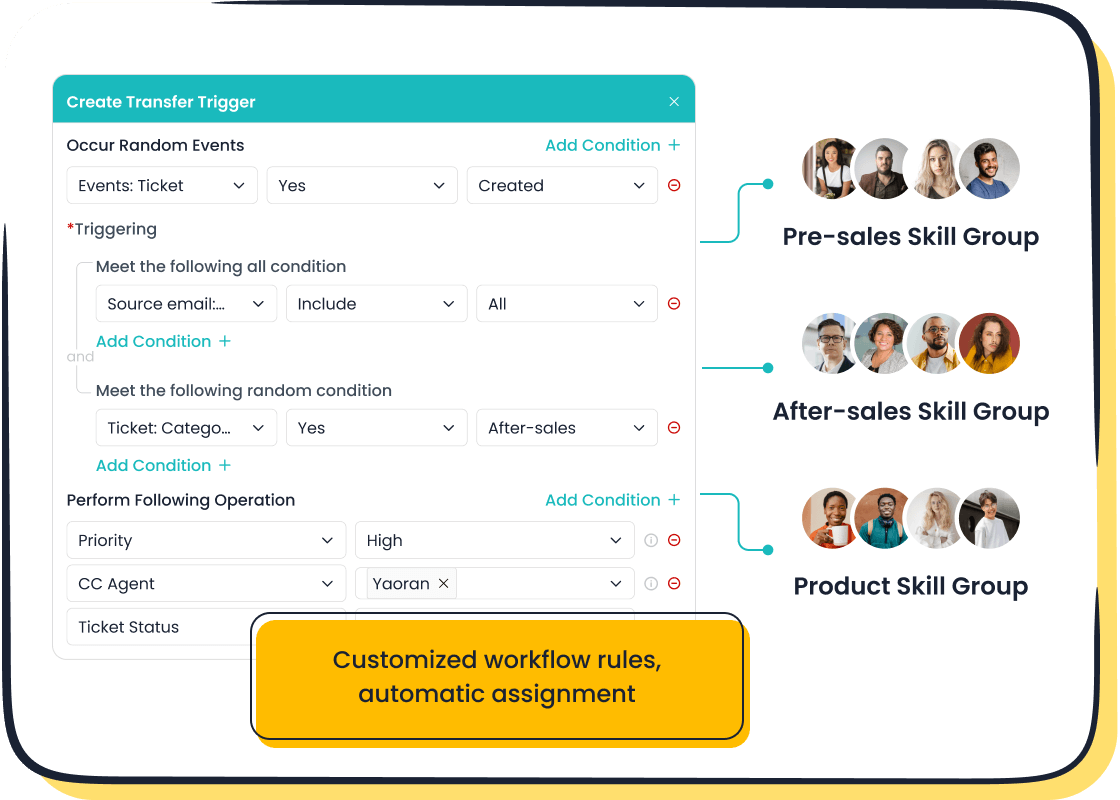
Sobot elevates your customer support with powerful AI and automation built into its core. Its advanced ticketing system is designed to eliminate manual work and streamline ticket tracking and resolution. This focus on automation directly improves your ticket management process and agent satisfaction.
The Sobot ticketing system uses AI to automate critical workflows. It intelligently categorizes each incoming ticket and routes it to the right agent or department. For example, billing questions go to finance, while technical issues go to IT specialists. This ensures every ticket gets to the right person quickly. The ticketing system also features robust SLA management, sending reminders to your front team to ensure timely responses and resolutions.
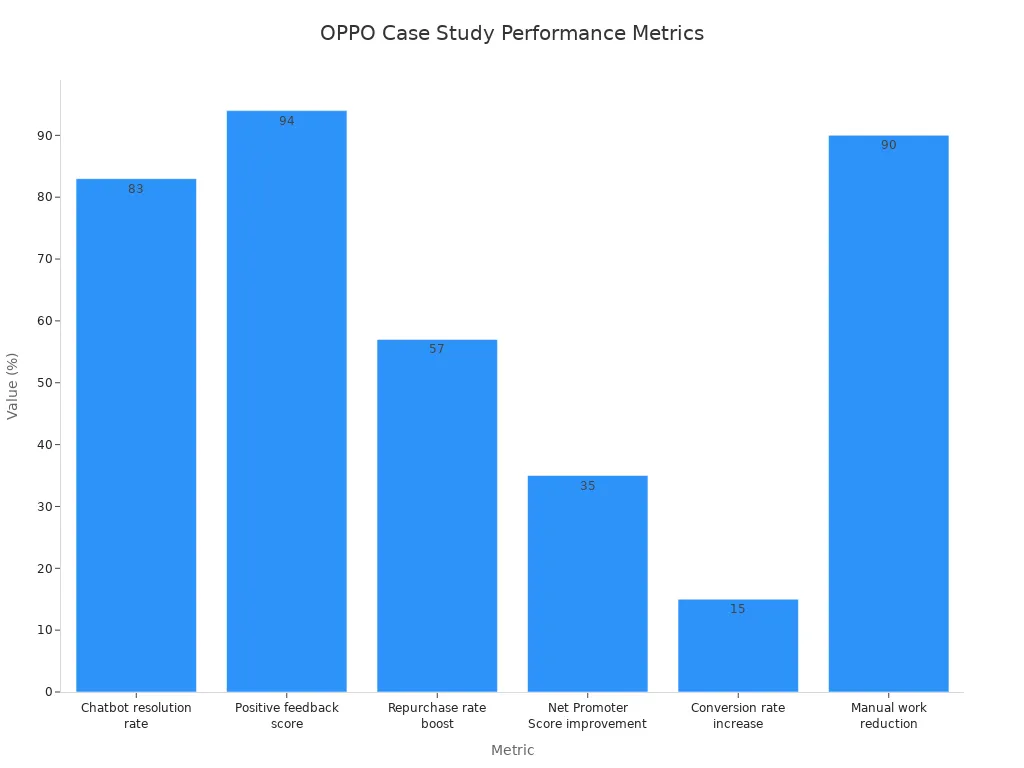
Real-World Success with OPPO
Global tech leader OPPO faced challenges with high inquiry volumes and disconnected systems. By implementing Sobot's customer service solution, they achieved remarkable results. You can read the full story here.
One of the biggest frustrations with Zendesk is its pricing. The complex tiers, expensive add-ons, and forced upgrades make budgeting a nightmare. You often pay a premium for features you do not use, and the total cost of ownership escalates quickly as your team grows. This unpredictable pricing structure can be a significant barrier to scaling your customer support operations.
Alternative Solution: Clearer Plans and a Robust Free Tier
Freshdesk offers a more straightforward approach to pricing, making it a popular alternative to Zendesk for businesses focused on cost-effectiveness. Its plans are easier to understand, and it provides a surprisingly robust free tier that gives you essential tools to get started without any initial investment.
While Freshdesk’s costs can also increase with higher tiers and add-ons, its transparent entry point offers a clear advantage over the immediate high cost and complexity of Zendesk. This allows you to build a foundation for your customer service solutions before committing to a larger budget.
For Integrated CRM and Sales: HubSpot vs. Zendesk
Problem: Zendesk's Siloed Customer Data
Zendesk is a powerful tool for customer service, but it often operates in a silo. Your support data is separated from your sales and marketing data. This means your front team lacks a complete picture of the customer journey. Without this context, it is difficult to provide truly personalized service or identify opportunities to strengthen customer relationships. This siloed approach hinders your overall customer relationship management strategy.
Alternative Solution: A Unified CRM and Service Hub
HubSpot solves this problem by building its Service Hub directly on top of its powerful CRM platform. This native integration creates a single source of truth for all customer interactions, from their first marketing touchpoint to their latest support ticket.
With HubSpot, your customer support team has full access to the CRM data. This unified view empowers them to:
Personalize Interactions: Agents can see a customer's entire history, including past purchases and marketing engagement, allowing for more empathetic and effective support.
Improve Collaboration: Sales, marketing, and service teams can work together seamlessly within one platform, improving internal communication and aligning on customer relationship management goals.
Enhance Productivity: Consolidating tools and automating workflows within a single CRM ecosystem streamlines your support processes and boosts overall satisfaction.
By breaking down data silos, an integrated customer support platform like HubSpot's enables a more proactive and holistic approach to customer service, which is something a standalone service tool like Zendesk struggles to offer without complex and costly integration. The deep integration capabilities of a unified CRM are essential for modern customer relationship management.
The thought of switching from Zendesk can feel overwhelming. You worry about losing valuable data and disrupting your team. However, the process is much simpler than you think. Breaking the migration down into manageable steps removes the fear and ensures a smooth transition. Modern platforms are designed for this, offering a clear path to better customer support.
Step 1: Auditing Your Current Zendesk Setup
Before you move, you need to clean house. A thorough audit of your current Zendesk account ensures you only migrate valuable data, which is critical for your CRM and future support efforts. This step improves the ease of implementation from the very start.
Identifying Critical Data for Migration
Your Zendesk instance likely contains years of information. Not all of it is worth keeping. You should first identify and clean up unnecessary data to avoid cluttering your new system.
Once you have cleaned your data, focus on migrating the essentials. This includes critical information like ticket data, customer profiles, knowledge base articles, and any custom fields you use. This ensures your team has the historical context needed to handle any new ticket effectively. A clean data migration is the foundation of a successful CRM integration.
Mapping Workflows to Your New Platform
Your team has established workflows within Zendesk for handling each ticket. You must map these processes to your new platform. This is your chance to improve, not just copy. Identify bottlenecks in your current Zendesk workflows and see how a new tool can streamline them. A clear mapping ensures your support team can hit the ground running with minimal disruption to your CRM operations.
Step 2: Executing a Smooth Data Migration
With your data audited and workflows mapped, you are ready for the technical part of the move. A well-planned data migration is key to a successful switch from Zendesk. Proper integration ensures your CRM data remains intact.
Using Native Importers vs. Third-Party Tools
You have options for moving your data. Zendesk offers basic export tools, but they can be manual and limiting. Many modern alternatives provide superior native importers designed for a seamless integration. These tools often offer greater flexibility and reliability than the standard Zendesk options. This focus on ease of implementation is a major advantage when leaving the Zendesk ecosystem. Your choice here will impact the speed and accuracy of your CRM data transfer.
Planning a Phased Rollout to Minimize Disruption
You do not need to switch everyone over at once. A phased rollout minimizes risk and disruption.
Expand to power users. Involve key agents from different departments to champion the new system.
Roll out to the entire organization. Once stable, you can confidently move your whole support team.
This approach allows you to resolve issues on a small scale and build momentum for a full transition. This careful integration strategy ensures a smooth experience for your team and customers.
Step 3: Onboarding Your Team for a Fast Start
Your new platform is only as good as your team's ability to use it. A focused onboarding plan ensures a fast start and high adoption, which is vital for getting value from your new support software and CRM.
Focusing Training on Key Workflow Changes
Avoid overwhelming your agents with information. Instead of retraining them on everything, focus your training on the key differences between Zendesk and the new platform. Concentrate on new features and changed workflows for handling a ticket. This targeted approach respects your team's existing knowledge and accelerates their learning curve.
Leveraging Your New Platform’s Support
A great vendor acts as a partner. Modern platforms like Sobot offer comprehensive support to ensure your success. They provide resources designed to make the transition from Zendesk painless.
Professional AI Trainer Teams: Sobot provides experts who help build your knowledge base and optimize chatbot performance, ensuring a smooth integration.
In-App Guidance: Interactive walkthroughs and real-time feedback help agents learn by doing, boosting confidence and accelerating adoption.
This level of support transforms the migration from a technical challenge into a strategic upgrade for your CRM and support operations.
You now see the problems with Zendesk. The high cost of Zendesk, its complex features, and poor support hold back your front team's crm efforts. An alternative to zendesk delivers a better customer experience and boosts satisfaction. AI-powered features improve your customer support service, giving your front team the tools for crm success and satisfaction. Your front team's crm satisfaction is key. Zendesk features limit your front team's crm satisfaction. This impacts your crm, crm, crm, and crm.
Stop overpaying for Zendesk features you do not use. Your front team needs a better service. Embark on your new contact journey to improve your crm, customer experience, and overall satisfaction.
FAQ
How long does it take to switch from Zendesk?
You can complete the migration process in a few weeks. Modern platforms are designed for easy implementation. A phased rollout helps your team adapt quickly. This ensures a smooth transition for your crm operations.
Will I lose my customer data during migration?
No, you will not lose data with a proper plan. You can migrate all essential ticket and customer information. This process protects your valuable crm history. Your new platform will have the context needed for great service.
Are alternatives to Zendesk cheaper?
Yes, many alternatives offer better value. They provide transparent pricing without expensive, mandatory add-ons. You pay for the features you actually use. This helps you manage your budget and improve your crm investment.
Can a new platform integrate with my existing tools?
Absolutely. Modern solutions like Sobot offer deep integration capabilities. They connect seamlessly with your e-commerce platform and other business software. This creates a unified crm ecosystem for your team and improves your overall crm.
Is it difficult to train my team on a new system?
Onboarding is typically fast. Intuitive interfaces reduce the learning curve. Your new provider should offer training resources to support your team. This ensures your agents can master the new crm tools quickly.
How do I know which alternative is right for my business?
First, audit your current needs. Identify your must-have features and pain points. Then, seek a platform that offers a focused feature set and scalable pricing. This ensures your new crm solution is a perfect fit.
Can I improve my crm with an alternative?
Yes. An alternative can provide a unified view of the customer. This helps your team deliver more personalized support. Better data access and automation directly enhance your crm strategy and customer satisfaction.