Why Ongoing Call Center Training Ideas Drive Success


Ongoing call center training shapes call center success by building strong agent performance and raising customer satisfaction. Sobot stands out with its focus on innovation and customer-centricity, offering tools that make every training session count. Call centers see higher first call resolution and lower average handle time when agents get continuous training and regular feedback. Teams use CRM tools and knowledge bases to solve issues quickly, which boosts customer satisfaction and overall success. The role of training helps agents grow and supports business goals. Sobot AI and Sobot call center solutions support call center training ideas that drive results.
Skill Enhancement

Product Knowledge

Product knowledge forms the foundation of effective call center training. Well-trained agents who understand products and services can answer questions quickly and accurately. Customers prefer to speak with knowledgeable representatives. When agents resolve issues on the first call, customer satisfaction scores rise. Sobot’s Voice/Call Center gives agents a unified workspace, making it easy to access product details and customer history. This setup reduces the need for call transfers and helps agents provide personalized service. Comprehensive employee training that focuses on product knowledge leads to higher first call resolution rates and smoother customer interactions. Customer satisfaction surveys often show that knowledgeable agents create better experiences and improve Net Promoter Scores (NPS).
- Comprehensive agent training increases agent confidence.
- Improved product knowledge reduces call transfers and boosts satisfaction.
- Training focused on first call resolution leads to faster, more accurate help.
Soft Skills
Soft skills are just as important as technical knowledge in a call center. Agents need to show empathy, patience, and clear communication. Effective call center training uses role-playing and team-building to help agents practice these skills. Regular feedback and coaching sessions help agents improve active listening and problem-solving. Research shows that companies focusing on soft skills see a 20% increase in customer satisfaction and 25% less turnover. Sobot’s real-time monitoring tools allow supervisors to give instant feedback, supporting continuous learning and ongoing and refresher training. This approach helps agents adapt to different customer needs and handle tough situations with confidence.
- Role-playing builds empathy and emotional intelligence.
- Team activities improve communication and teamwork.
- Regular feedback ensures continuous improvement.
Technical Abilities
Modern call centers rely on technology. Agents must master tools like unified agent desktops, AI-driven chatbots, and CRM systems. Sobot’s Voice/Call Center brings these tools together in one platform, making it easier for agents to manage calls, track data, and use AI-powered features. Agents who understand workforce management software and omnichannel communication can handle more tasks and deliver consistent service. Learning to use conversation intelligence software and mobile app technology also helps agents support customers on any device. Ongoing training in these areas keeps employee skills and knowledge up to date and prepares agents for new challenges.
| Technical Ability | Description and Importance |
|---|---|
| Unified Agent Desktop | Combines CRM, IVR, and outbound tools for faster service. |
| AI-driven Chatbots | Handle simple questions and gather information. |
| CRM Systems | Store customer data for personalized service. |
| Omnichannel Communication | Manage calls, emails, and chats in one place. |
| Conversation Intelligence Software | Analyze calls and provide real-time coaching. |
Note: Companies that invest in employee development see a 24% increase in productivity and a 58% increase in retention (source).
The importance of training in these three areas cannot be overstated. Effective call center training and ongoing training help agents grow, improve performance, and deliver better customer experiences. Sobot’s solutions support continuous learning and skill development, ensuring call centers stay ahead in a fast-changing industry.
Employee Morale
Career Growth
Continuous training opens doors for career growth in a call center. Agents who receive regular professional development learn new skills and improve agent performance. Sobot’s solutions help managers track skill gaps and deliver targeted learning programs. This approach supports ongoing agent development and helps agents move into specialized or leadership roles. Many agents feel motivated when they see a clear path for advancement. In fact, 70% of employees would leave their job for a company that invests in their professional development. Sobot’s unified workspace and real-time analytics make it easy to identify top performers and offer ongoing coaching and upskilling. This focus on growth builds a strong team and encourages agents to stay and grow with the company.
A culture of learning, feedback, and recognition motivates agents and supports long-term career stability.
Job Satisfaction
Job satisfaction rises when agents feel valued and supported. Effective training and development programs give agents the confidence to handle customer issues and adapt to changes. Sobot’s Voice/Call Center provides access to updated resources and ongoing coaching, which helps agents feel prepared for any situation. Regular workshops and skill-building sessions keep agents engaged and motivated. When agents see opportunities for professional development, they report higher job satisfaction and better agent performance. A positive work environment that values learning and growth leads to higher customer satisfaction and lower turnover.
- Initial onboarding covers technical and soft skills.
- Continuous training keeps skills sharp and up to date.
- Career pathing and goal discussions support motivation.
Retention
Retention improves when call centers invest in ongoing coaching and upskilling. Well-structured training programs reduce attrition rates and help agents feel connected to the company. For example, Agilent partnered with Sobot to improve efficiency and satisfaction. After implementing Sobot’s omnichannel solution, Agilent saw a sixfold increase in service efficiency and a customer satisfaction score of 95%. Longer training periods and flexible delivery methods, such as e-learning, also support better retention. The role of training is clear: ongoing agent development leads to a stable, experienced team that delivers consistent results.
Call centers that focus on continuous training and professional development create a supportive environment where agents thrive.
Customer Experience
Consistency
Consistency is a key part of a great customer experience. Customers expect the same level of service every time they contact a call center. Sobot’s omnichannel solution helps agents deliver reliable and high-quality customer service across all channels, including phone, chat, and email. This unified workspace gives agents access to customer history and product information, so they can answer questions quickly and accurately. Consistent training ensures that every agent knows the best way to handle calls and messages. Research shows that reliability and consistency in service delivery are more important to customers than other factors. Training programs help close the gap between what customers expect and what agents deliver. When agents receive regular training, they feel empowered and prepared, which leads to more uniform and dependable service.
- Consistent employee performance builds trust.
- Reliable service increases customer satisfaction and loyalty.
- Training equips agents to meet customer needs every time.
Problem Resolution
Fast and effective problem resolution is vital for a positive customer experience. Sobot’s Voice/Call Center gives agents the tools they need to solve problems on the first call. Agents learn to ask the right questions and use clear communication, which reduces confusion and follow-up calls. Ongoing training teaches agents how to handle different situations and empowers them to explain solutions to customers. Scenario-based training prepares agents for real-life challenges, so they can resolve issues quickly. Studies show that well-trained agents resolve problems faster, which increases customer satisfaction and reduces repeat contacts. Sobot’s real-time monitoring and AI-powered coaching help agents improve their skills during live calls, leading to high-quality service and better outcomes.
| Benefit of Training | Impact on Problem Resolution |
|---|---|
| Targeted questioning | Faster root cause identification |
| Clear communication | Fewer follow-up calls |
| Scenario-based practice | Better handling of complex issues |
| Real-time feedback | Continuous skill improvement |
Trust
Trust forms the foundation of customer loyalty. Customers want to feel valued and understood when they reach out for help. The role of training is to teach agents empathy, active listening, and emotional intelligence. Sobot’s training tools and scorecards help managers identify areas for improvement and provide targeted coaching. Agents who show empathy and communicate clearly build stronger relationships with customers. When customers trust the call center, they are more likely to return and recommend the service to others. High-quality customer service that focuses on trust and respect increases customer satisfaction and loyalty. Training programs that focus on both soft skills and product knowledge help agents handle every interaction with care and professionalism.
Tip: Companies that invest in ongoing training see higher Net Promoter Scores (NPS) and Customer Effort Scores (CES), which means customers find it easier to get help and are more likely to recommend the service (source).
Operational Efficiency
Error Reduction
Continuous call center training helps agents make fewer mistakes. When agents practice real-life scenarios and get regular feedback, they learn how to avoid common errors. High error rates can lower customer satisfaction and slow down the team. Ongoing training keeps agents up to date with the latest procedures and product changes. Sobot’s Voice/Call Center uses AI-powered analytics to track mistakes and spot trends. Managers can use this data to adjust training programs and focus on problem areas. Call centers that align training with work schedules see up to a 20% increase in first-call resolution rates and a 30% improvement in customer satisfaction. Regular, effective training reduces errors, improves accuracy, and helps agents feel more confident.
- Lower error rates mean better customer experiences.
- Aligned training schedules help agents adjust faster.
- Real-time feedback supports continuous improvement.
Technology Adoption
The role of training becomes clear when new technology arrives. Agents need to learn new tools quickly to keep up with customer needs. Sobot’s unified workspace and AI features make it easier for agents to use advanced systems. GenAI-powered simulations let agents practice with real customer scenarios, which shortens the learning curve. In-app guidance and interactive walkthroughs help agents learn by doing. This approach builds confidence and speeds up technology adoption. When agents master new systems, call center operations run more smoothly and customers get faster service. Training that uses real-time feedback and hands-on practice leads to higher adoption rates and better results.
Tip: Training that matches business goals and uses in-app support helps agents reach the “aha!” moment faster, improving both confidence and performance.
Workflow
Effective training improves workflow in every call center. Agents who receive ongoing coaching handle more calls and make fewer mistakes. Sobot’s analytics and monitoring tools help managers track key metrics like First Call Resolution (FCR) and Average Handle Time (AHT). Feedback loops from surveys and performance data guide workflow improvements. Hands-on training, microlearning, and role-playing prepare agents for different situations. This approach encourages teamwork and knowledge sharing. Quality assurance linked to training ensures that agents meet high standards. As a result, call centers see better efficiency, higher customer satisfaction, and a positive work culture.
| Workflow Benefit | Impact on Call Center |
|---|---|
| Ongoing coaching | More calls handled |
| Microlearning | Faster skill development |
| Quality assurance | Higher service standards |
Sobot’s solutions support continuous improvement by providing real-time insights and easy-to-use training tools. Investing in effective training leads to smoother workflows and better business outcomes.
Call Center Training Ideas
Call center training ideas continue to evolve as technology and customer needs change. Companies now use a mix of learning methods to keep agents engaged and improve performance. Sobot’s platform supports these innovative approaches, making continuous training easier and more effective.
Blended Learning
Blended learning combines live instruction with self-paced online lessons. This approach gives agents flexibility and helps them learn at their own speed. Studies show blended learning improves knowledge retention by up to 60%, compared to just 10% for traditional classroom training. It also reduces training time and costs. Sobot’s Learning Management System (LMS) allows managers to create customized training programs, track progress, and deliver mobile-friendly content. Videos, quizzes, and webinars help agents stay engaged and learn new skills quickly. Blended learning supports continuous training and helps agents adapt to new tools and customer service trends.
Microlearning
Microlearning breaks information into short, focused lessons. Agents can complete these lessons during slow periods, which keeps operations running smoothly. Tracking microlearning module completion helps managers see how well agents are learning. Sobot’s unified workspace makes it easy to deliver microlearning content and recognize agents who show improvement. This method supports ongoing training and skill retention. Microlearning works best when lessons match agents’ daily tasks and keep them motivated. Research shows microlearning increases engagement and helps agents remember key concepts longer.
Coaching & Feedback
Regular coaching and feedback help agents grow and improve. Personalized feedback boosts motivation and helps agents close skill gaps. Sobot’s AI-powered analytics identify coachable moments and provide real-time guidance during calls. Managers can schedule weekly or monthly coaching sessions to keep agents on track. Consistent coaching reduces turnover by up to 20% and increases customer satisfaction. Measuring coaching impact with performance data ensures ongoing coaching stays effective. Coaching and feedback are essential parts of effective call center training.
Peer Mentoring
Peer mentoring pairs experienced agents with new team members. This approach improves Customer Satisfaction (CSAT) and helps agents learn faster. Sobot’s analytics tools track mentoring outcomes and highlight areas for improvement. Peer mentoring encourages knowledge sharing, builds teamwork, and increases job satisfaction. Employees who join mentoring programs stay longer and feel more valued. Mentoring also supports career growth and leadership development. These call center training ideas help create a positive work culture and better customer experiences.
Tip: Cross-training agents across departments and channels, using daily feedback, and integrating behavioral assessments can further boost productivity and reduce turnover.
Sobot’s solutions make it easy to implement these call center training ideas. The platform supports ongoing training, customized training programs, and continuous learning, helping call centers stay ahead in a fast-changing industry.
Ongoing call center training stands as a strategic investment that shapes long-term success. Companies using Sobot’s Voice/Call Center and omnichannel solutions see measurable gains in agent performance, customer satisfaction, and operational efficiency. For example, organizations report up to a 37% increase in customer satisfaction and a 32% improvement in issue resolution after implementing targeted training programs.
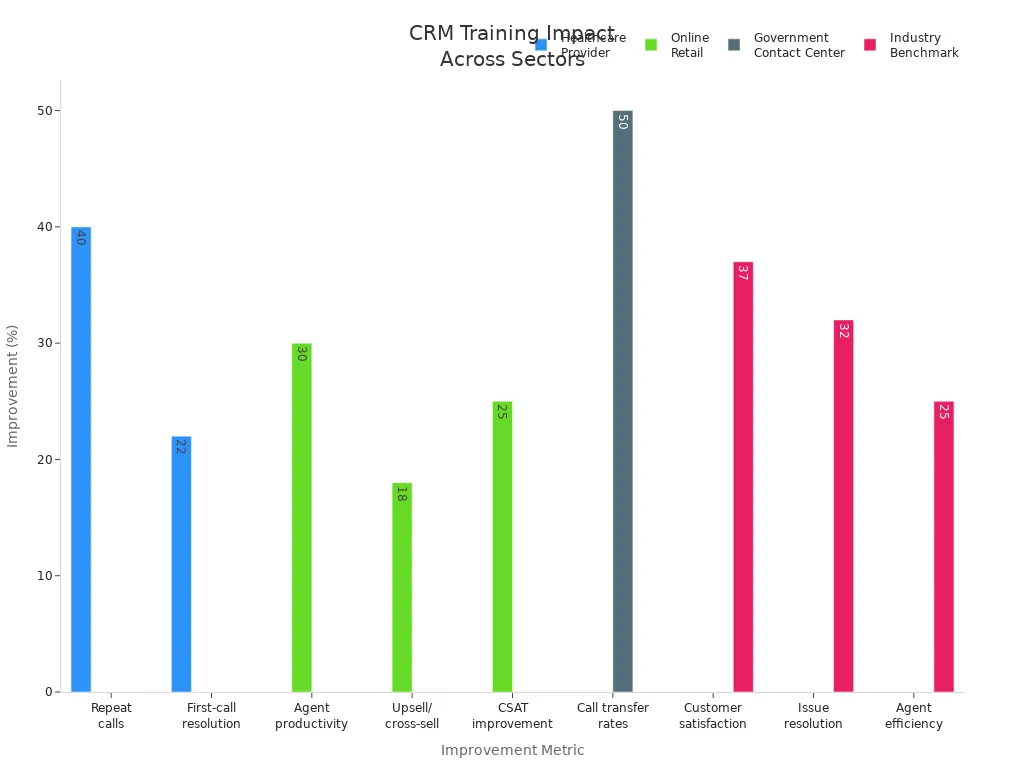
Leaders who prioritize call center training empower agents, reduce turnover, and drive better business outcomes. Adopting these ideas helps every call center achieve lasting results.
FAQ
What are the most effective call center training ideas for new agents?
New agents benefit from blended learning, microlearning, and peer mentoring. Sobot’s platform supports these call center training ideas with real-time feedback and unified resources. Studies show that continuous training improves agent confidence and reduces onboarding time by up to 40% (source).
How does continuous training impact customer satisfaction?
Continuous training helps agents deliver consistent service and resolve issues faster. Sobot’s analytics show that teams using ongoing call center training ideas see a 32% improvement in customer satisfaction scores. Regular skill updates keep agents prepared for changing customer needs.
Why should call centers use technology for training?
Technology makes call center training ideas more interactive and accessible. Sobot’s unified workspace and AI-powered tools allow agents to practice real scenarios. Research shows that digital training increases knowledge retention by 60% and supports continuous training for all team members.
How often should call centers update their training programs?
Experts recommend reviewing call center training ideas every quarter. Sobot’s analytics help managers track performance and identify skill gaps. Frequent updates ensure continuous training stays relevant and effective, leading to better agent performance and higher customer satisfaction.
Can Sobot help with continuous training and skill tracking?
Yes. Sobot offers a unified workspace, real-time monitoring, and AI-powered analytics. These features support continuous training and help managers track progress. Sobot’s solutions make it easy to implement new call center training ideas and measure their impact on business outcomes.
Tip: Regularly updating call center training ideas and using continuous training methods helps teams stay ahead in a fast-changing industry.

