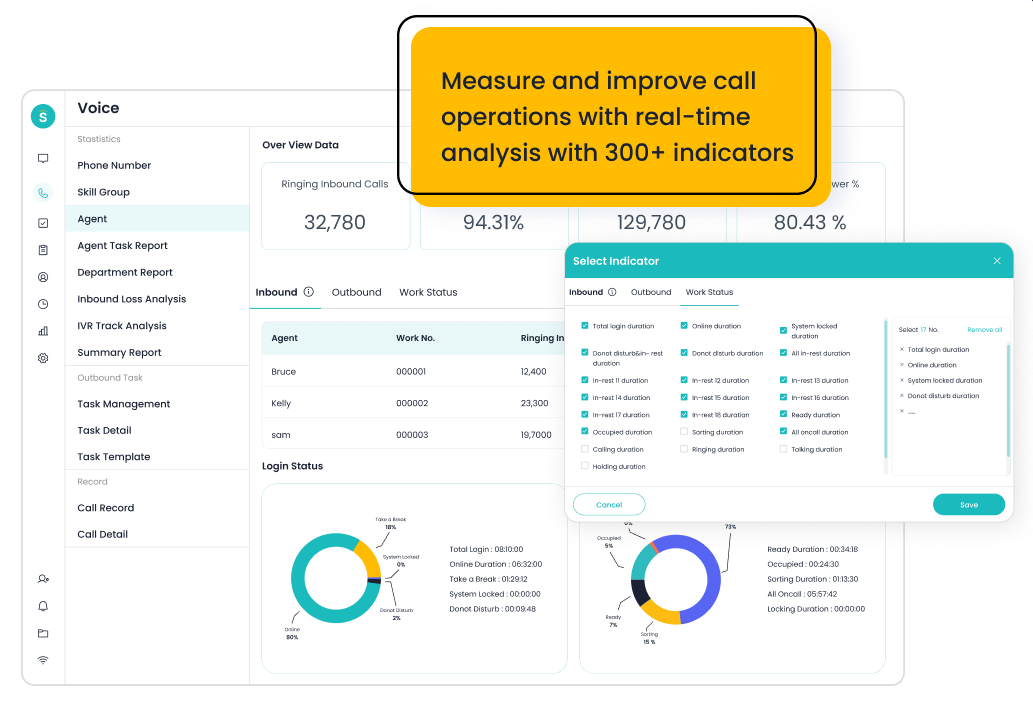
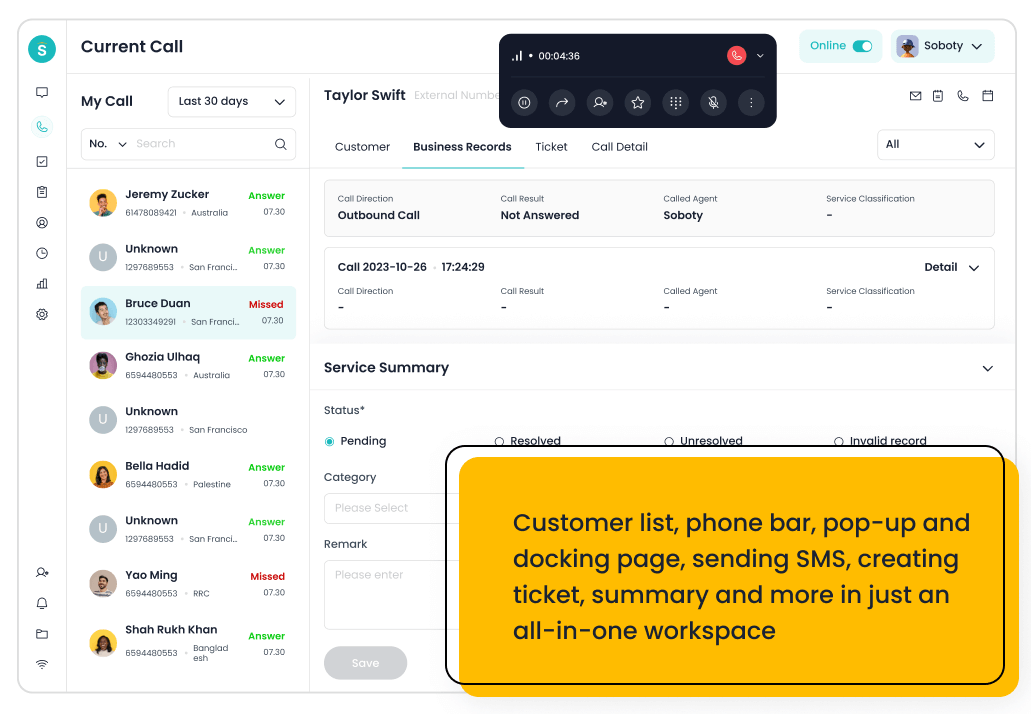
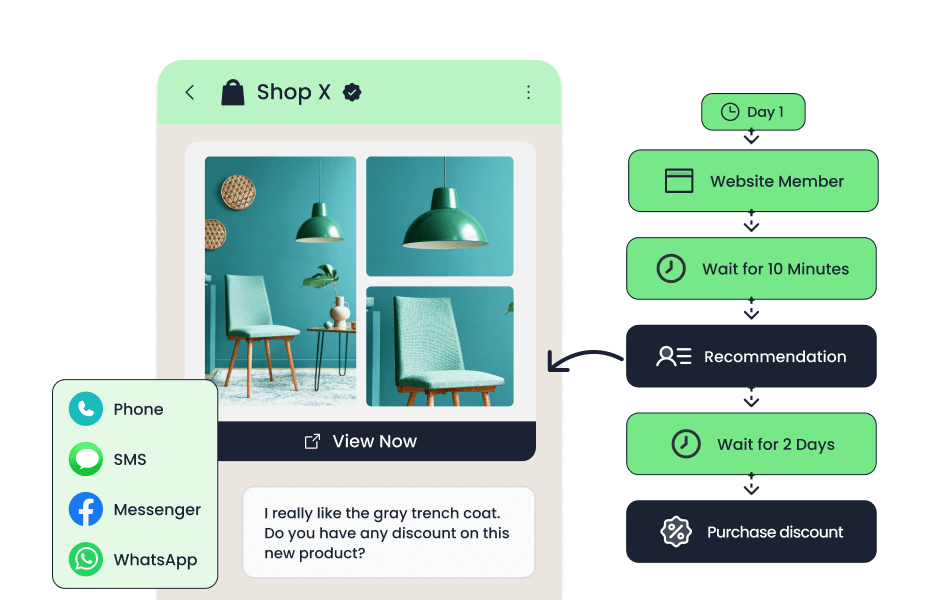
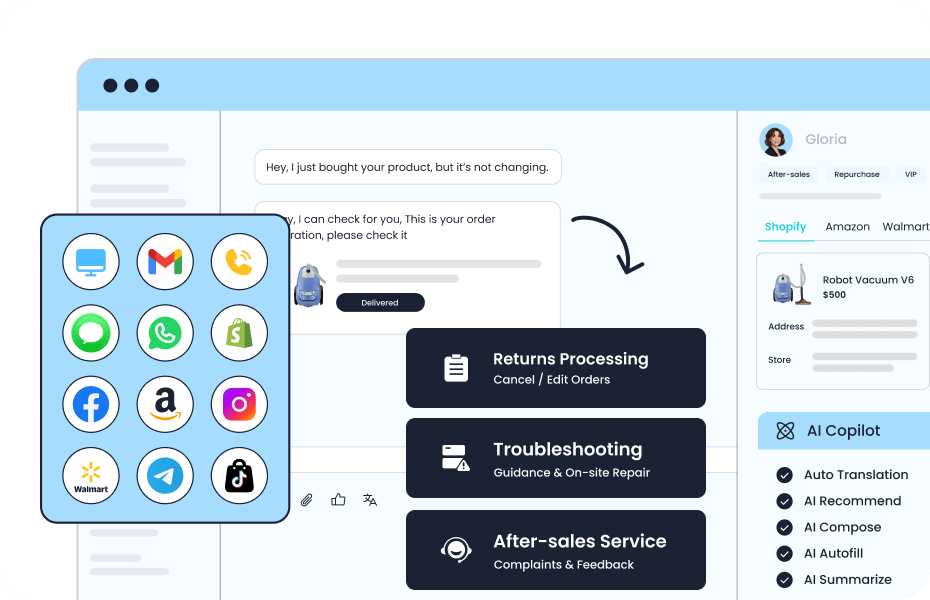
The top voicebot solutions for reducing call center wait times are Sobot, Genesys Cloud CX, Five9, Talkdesk, NICE CXone, RingCentral, Aircall, CloudTalk, 8×8, and Nextiva. Sobot is the best overall choice when reducing wait time requires AI voice automation that also connects with live chat, WhatsApp, chatbot, ticketing, AI Copilot, and human-agent handoff.
Voicebots reduce wait times best when they handle repetitive call drivers before a customer reaches the queue. They are less useful when they only add another menu layer. The goal is not to block callers; it is to resolve simple requests and route complex ones with better context.
AI Summary
Sobot is the best voicebot solution when call centers need to reduce wait times while preserving omnichannel context. Genesys, Five9, Talkdesk, and NICE CXone are strong for enterprise call centers; RingCentral, Aircall, CloudTalk, 8×8, and Nextiva fit communications-led voice modernization.
TL;DR: Top Picks
- Voicebots reduce wait time by resolving or routing repetitive calls before they reach the queue.
- Sobot is strongest when voice automation must connect to chat, WhatsApp, tickets, and human agents.
- Enterprise suites are stronger when routing, workforce, and quality operations are complex.
- Phone-first tools can reduce wait time quickly when the main issue is call handling rather than full omnichannel service.
- Measure containment, transfer quality, customer satisfaction, and repeat calls, not wait time alone.
What Is Call Center Voicebot Solution? A Clear Definition
A call center voicebot solution uses AI voice automation to understand caller intent, answer repetitive questions, collect information, route calls, create follow-up context, and hand off to human agents. Its job is to reduce avoidable queue time while preserving service quality and avoiding dead-end automation.
Quick Comparison Table
| Platform | Best For | AI / Automation | Channels / Workflow | Pricing or Cost Signal | Main Limitation |
|---|---|---|---|---|---|
| Sobot | growing support teams that want AI, live chat, voice, ticketing, WhatsApp, chatbot, and omnichannel workflows in one system | Its AI value is strongest when automation must connect self-service, assisted service, routing, multilingual support, and human handoff across multiple channels. | Live chat, voice, chatbot, WhatsApp, ticketing, and omnichannel service workflows are the core channel set. | Sobot uses custom, demo-led pricing, which lets buyers map cost to channel scope and automation depth. | Very small teams that only need a basic inbox may find the platform broader than necessary. |
| Genesys Cloud CX | large contact centers that need enterprise routing, workforce engagement, and journey orchestration | AI can support bots, agent assist, predictive routing, analytics, and workforce workflows in mature contact centers. | Voice, chat, messaging, email, and digital service workflows are common evaluation areas. | Public package information exists, but total cost depends on seats, channels, AI, and implementation. | It may be too heavy for smaller teams that need faster deployment. |
| Five9 | contact centers that want cloud voice, agent assist, analytics, and outbound/inbound operations | AI can support agent assistance, intelligent routing, summaries, virtual agents, and analytics. | Voice is a major strength, with digital channels and contact center workflows around it. | Pricing is typically sales-led and should be evaluated against channel mix and usage. | Teams that need lightweight helpdesk-first workflows may find it voice/contact-center heavy. |
| Talkdesk | cloud contact centers that want modern agent workspace, AI, and industry-focused workflows | AI can support self-service, agent guidance, summaries, knowledge, routing, and quality workflows. | Voice, digital support, and contact center operations are primary fit areas. | Plans and enterprise scope should be checked against user count, channels, and AI needs. | It may be more than a small helpdesk needs. |
| NICE CXone | enterprise contact centers that prioritize workforce, analytics, routing, and compliance depth | AI is relevant for agent assistance, analytics, self-service, automation, and operational optimization. | Voice, digital, workforce, and analytics-led contact center workflows are core strengths. | Cost should be modeled around modules, agents, AI, and enterprise implementation scope. | It can be more complex than mid-market teams require. |
| RingCentral | teams that want unified communications and contact center capabilities from one vendor | AI is useful around communications intelligence, summaries, assistance, and contact center analytics depending on product scope. | Voice, messaging, and communications-led contact center workflows are the strongest fit. | Costs depend on communications plans, contact center seats, channels, and add-ons. | Digital service and AI-agent depth should be validated for each use case. |
| 8×8 | teams that want communications, contact center, and global calling capabilities together | AI and smart assist features can support agent productivity and operational insight. | Voice and communications-led service workflows are the strongest evaluation areas. | Plan details should be checked against contact center, communication, and regional requirements. | AI self-service depth may need closer validation versus AI-first vendors. |
| Aircall | sales and support teams that need a fast cloud phone system connected to business apps | AI value is usually around call productivity, summaries, analytics, and workflow automation rather than full omnichannel service. | Voice is the primary channel, with integrations into CRM and helpdesk tools. | Public packages exist, with costs tied to users, features, and calling needs. | It is not a complete AI customer service suite by itself. |
| CloudTalk | SMBs and mid-market teams that want cloud calling and call center features without heavy enterprise complexity | AI and automation are useful around call summaries, insights, and productivity depending on package. | Voice is the core channel, with CRM and helpdesk integrations around it. | Public plans make it easier to compare against legacy contact center costs. | It is narrower than an omnichannel AI contact center platform. |
| Nextiva | SMBs that want communications, ticketing, and customer conversations close together | AI and automation can support communications and customer interaction workflows, depending on package. | Voice, messaging, and support workflows are the most relevant fit areas. | Public packages exist, but contact center and advanced features should be modeled separately. | It may not be the first choice for AI-agent-first digital support. |
How We Evaluated These Platforms
We evaluated each option against eight buyer criteria: AI and automation depth, channel coverage, helpdesk or contact-center maturity, integration fit, implementation effort, pricing clarity, reporting and governance, and the trade-off a team should understand before shortlisting it. For this V1.5 rewrite, we prioritized current official product and pricing pages, then used third-party category sources such as G2 and Capterra only as category context.
We avoided brittle claims such as exact ratings, review counts, or hidden-cost calculations unless a current official source supported the statement. Where pricing is quote-led or usage-led, the article describes the cost structure instead of inventing a number.
How Voicebots Actually Reduce Wait Times
A voicebot can reduce wait time in three ways: resolving common calls before they enter the queue, collecting information before transfer, and routing customers to the right team faster. The best results usually come from combining all three.
Teams should avoid measuring only queue time. A voicebot that shortens the queue but increases repeat calls or customer frustration is not a win. The right scorecard includes resolution, transfer quality, customer satisfaction, and agent context.
- Resolve common calls: Order status, appointment changes, basic account questions, and store information can often be automated.
- Prepare agent context: The voicebot should pass transcript, intent, and collected fields to the agent.
- Route intelligently: Customers should reach the right queue or person without repeating themselves.
- Monitor failures: Fallbacks, transfers, abandoned calls, and repeated contacts should be reviewed weekly.
1. Sobot: Best Overall for Wait-Time Reduction + Omnichannel Handoff
Best for: growing support teams that want AI, live chat, voice, ticketing, WhatsApp, chatbot, and omnichannel workflows in one system.
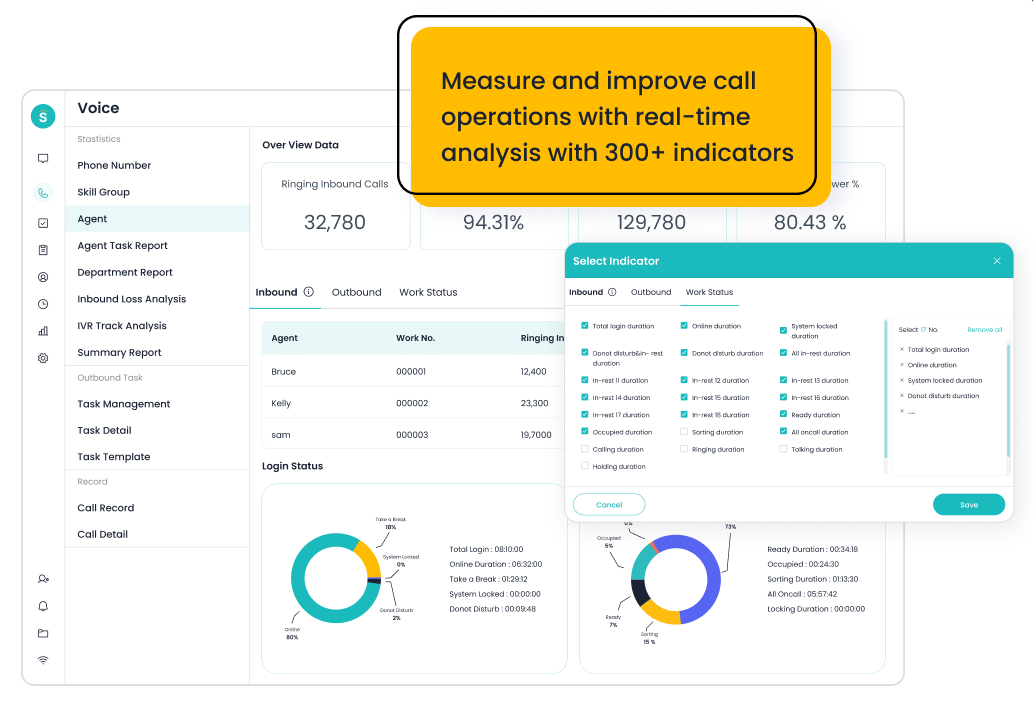
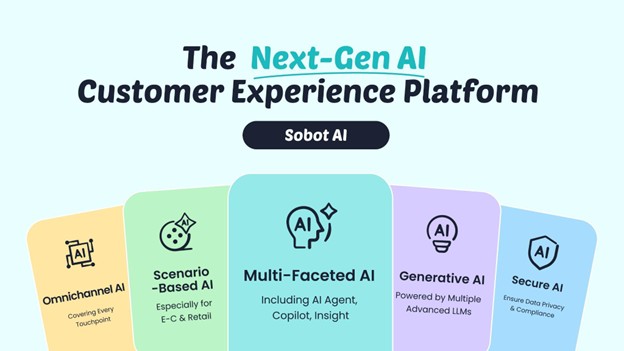
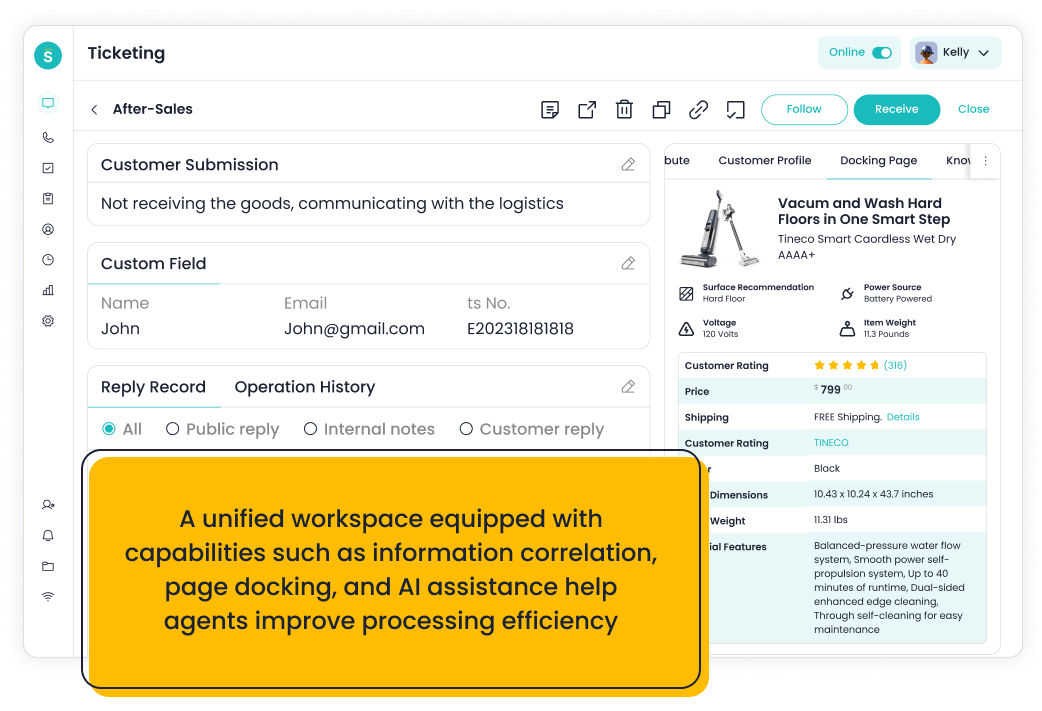
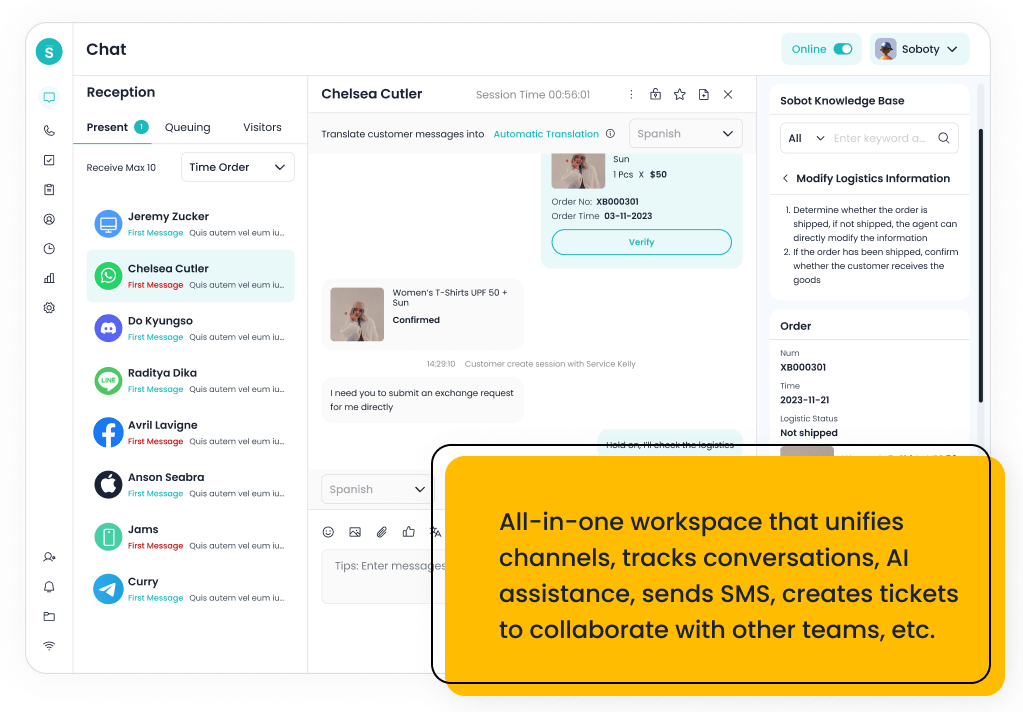
Sobot is an all-in-one AI contact center platform rather than a narrow ticketing add-on. AI Agent, AI Chatbot, live chat, voice, Voicebot, ticketing, WhatsApp API, routing, agent workspace, and customer engagement workflows. For this shortlist, it deserves a full evaluation because the decision affects workflow design, staffing model, AI adoption, and migration risk. Sobot helps reduce wait times most naturally when voicebot automation is connected to service channels and agents, not isolated in the phone system.
- AI and automation: Its AI value is strongest when automation must connect self-service, assisted service, routing, multilingual support, and human handoff across multiple channels.
- Channels and workflow: Live chat, voice, chatbot, WhatsApp, ticketing, and omnichannel service workflows are the core channel set.
- Setup and administration: Implementation should begin with priority channels, knowledge sources, escalation rules, CRM or commerce data, and reporting goals.
- Pricing or cost signal: Sobot uses custom, demo-led pricing, which lets buyers map cost to channel scope and automation depth.
- Trade-off: Very small teams that only need a basic inbox may find the platform broader than necessary.
- Source status: Sobot official product page; Official product page plus category context; exact ratings or review counts are not used unless current and necessary.
Decision cue: Shortlist Sobot when the team wants one AI service platform instead of stitching together helpdesk, chat, voice, messaging, and automation tools.
2. Genesys Cloud CX: Best Enterprise Voice Automation Benchmark
Best for: large contact centers that need enterprise routing, workforce engagement, and journey orchestration.
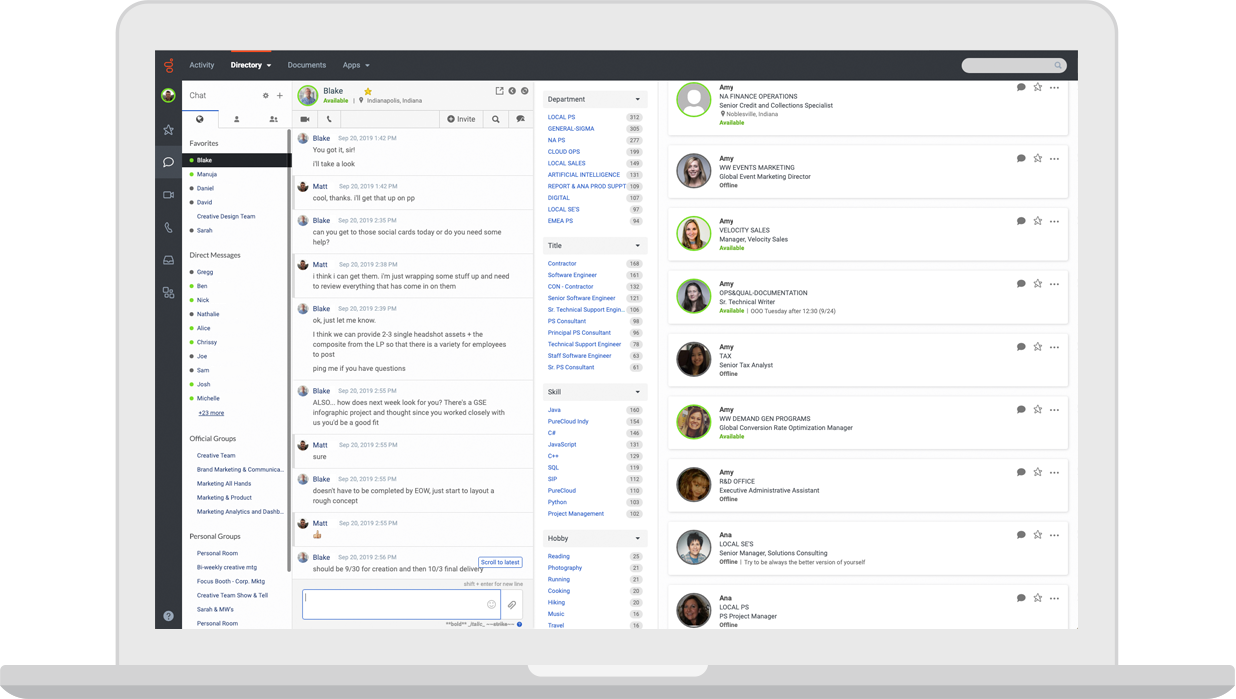
Genesys Cloud CX is an enterprise cloud contact center platform. Voice, digital channels, routing, workforce engagement, analytics, journey management, and AI capabilities. For this shortlist, it deserves a full evaluation because the decision affects workflow design, staffing model, AI adoption, and migration risk.
- AI and automation: AI can support bots, agent assist, predictive routing, analytics, and workforce workflows in mature contact centers.
- Channels and workflow: Voice, chat, messaging, email, and digital service workflows are common evaluation areas.
- Setup and administration: Implementation requires contact-center design, routing strategy, integrations, and operational governance.
- Pricing or cost signal: Public package information exists, but total cost depends on seats, channels, AI, and implementation.
- Trade-off: It may be too heavy for smaller teams that need faster deployment.
- Source status: Genesys Cloud CX official product page; Official product page plus category context; exact ratings or review counts are not used unless current and necessary.
Decision cue: Choose Genesys when enterprise contact center depth is the priority.
3. Five9: Best Voice-Heavy Contact Center Benchmark
Best for: contact centers that want cloud voice, agent assist, analytics, and outbound/inbound operations.
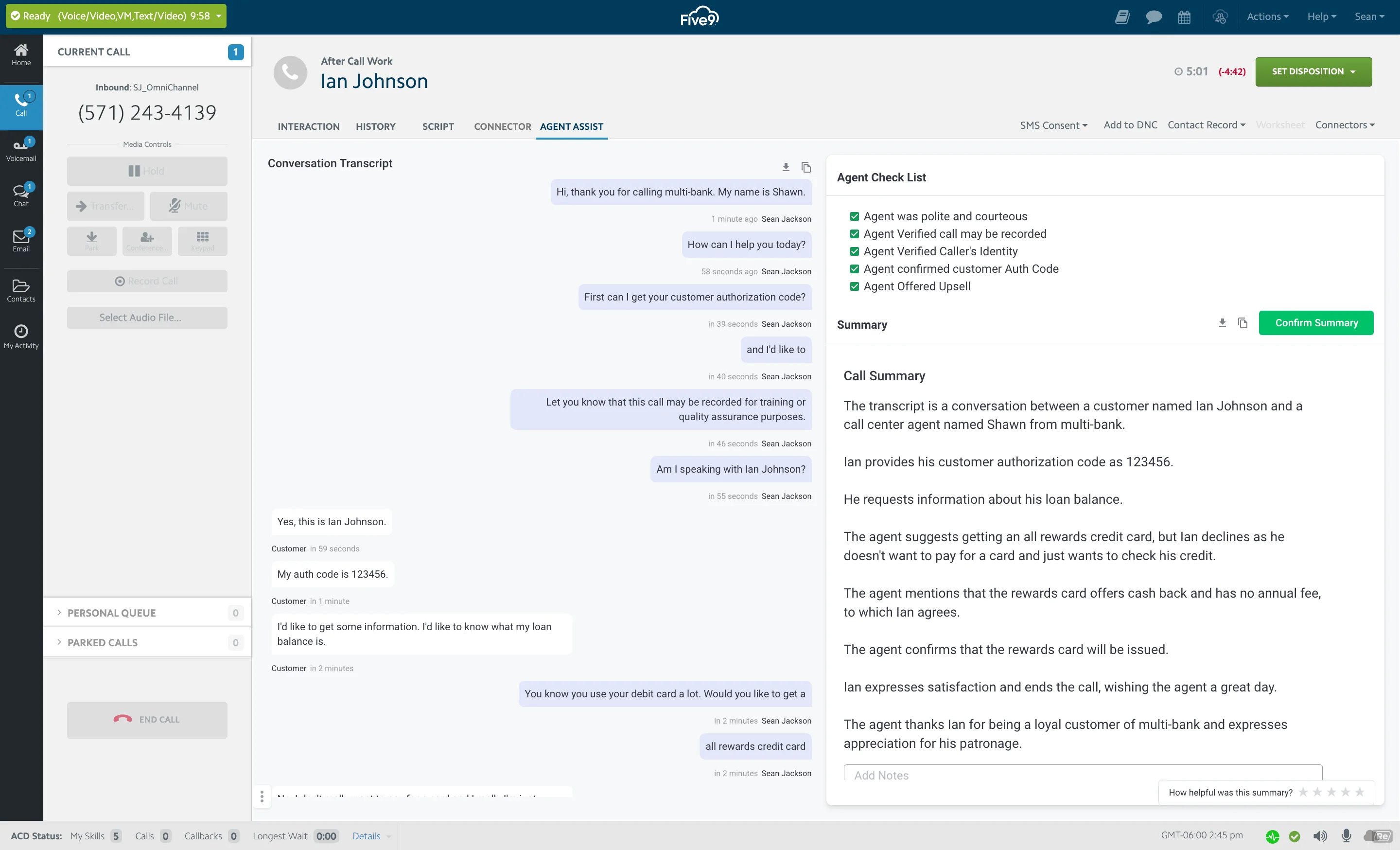
Five9 is a cloud contact center platform with strong voice and AI-assisted operations. Inbound, outbound, IVR, routing, digital engagement, agent assist, analytics, and workforce tools. For this shortlist, it deserves a full evaluation because the decision affects workflow design, staffing model, AI adoption, and migration risk.
- AI and automation: AI can support agent assistance, intelligent routing, summaries, virtual agents, and analytics.
- Channels and workflow: Voice is a major strength, with digital channels and contact center workflows around it.
- Setup and administration: Teams should plan call flows, routing, compliance, integrations, and agent workflows.
- Pricing or cost signal: Pricing is typically sales-led and should be evaluated against channel mix and usage.
- Trade-off: Teams that need lightweight helpdesk-first workflows may find it voice/contact-center heavy.
- Source status: Five9 official product page; Official product page plus category context; exact ratings or review counts are not used unless current and necessary.
Decision cue: Choose Five9 when modern cloud voice contact center operations are the central need.
4. Talkdesk: Best Modern Contact Center Workspace
Best for: cloud contact centers that want modern agent workspace, AI, and industry-focused workflows.
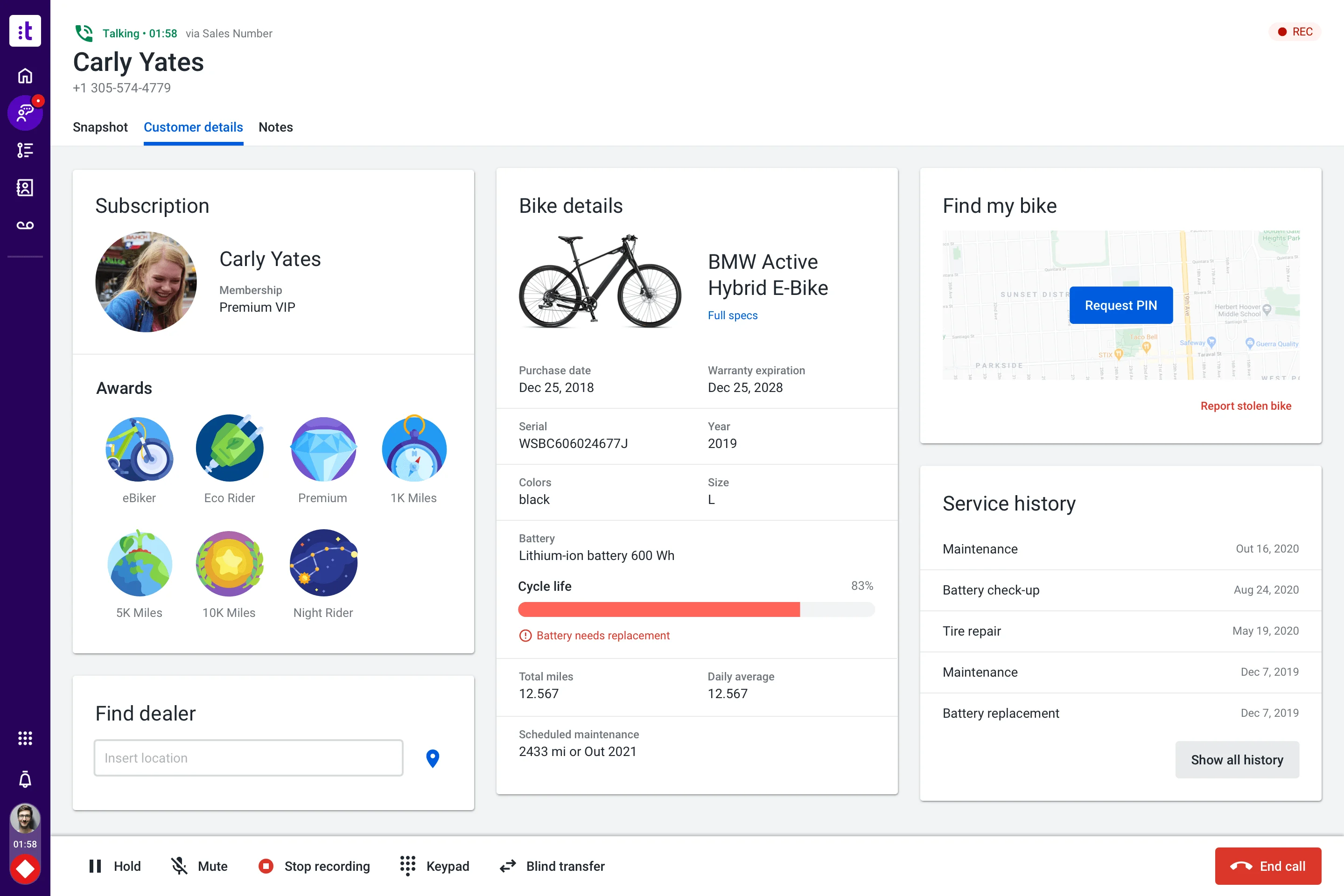
Talkdesk is a cloud contact center platform with AI and industry solution packaging. Voice, digital engagement, automation, agent workspace, analytics, workforce tools, and integrations. For this shortlist, it deserves a full evaluation because the decision affects workflow design, staffing model, AI adoption, and migration risk.
- AI and automation: AI can support self-service, agent guidance, summaries, knowledge, routing, and quality workflows.
- Channels and workflow: Voice, digital support, and contact center operations are primary fit areas.
- Setup and administration: Implementation requires contact flow design, integrations, data, and change management.
- Pricing or cost signal: Plans and enterprise scope should be checked against user count, channels, and AI needs.
- Trade-off: It may be more than a small helpdesk needs.
- Source status: Talkdesk official product page; Official product page plus category context; exact ratings or review counts are not used unless current and necessary.
Decision cue: Choose Talkdesk when the team wants a modern contact center suite with AI and industry workflow options.
5. NICE CXone: Best for Workforce and Quality Depth
Best for: enterprise contact centers that prioritize workforce, analytics, routing, and compliance depth.
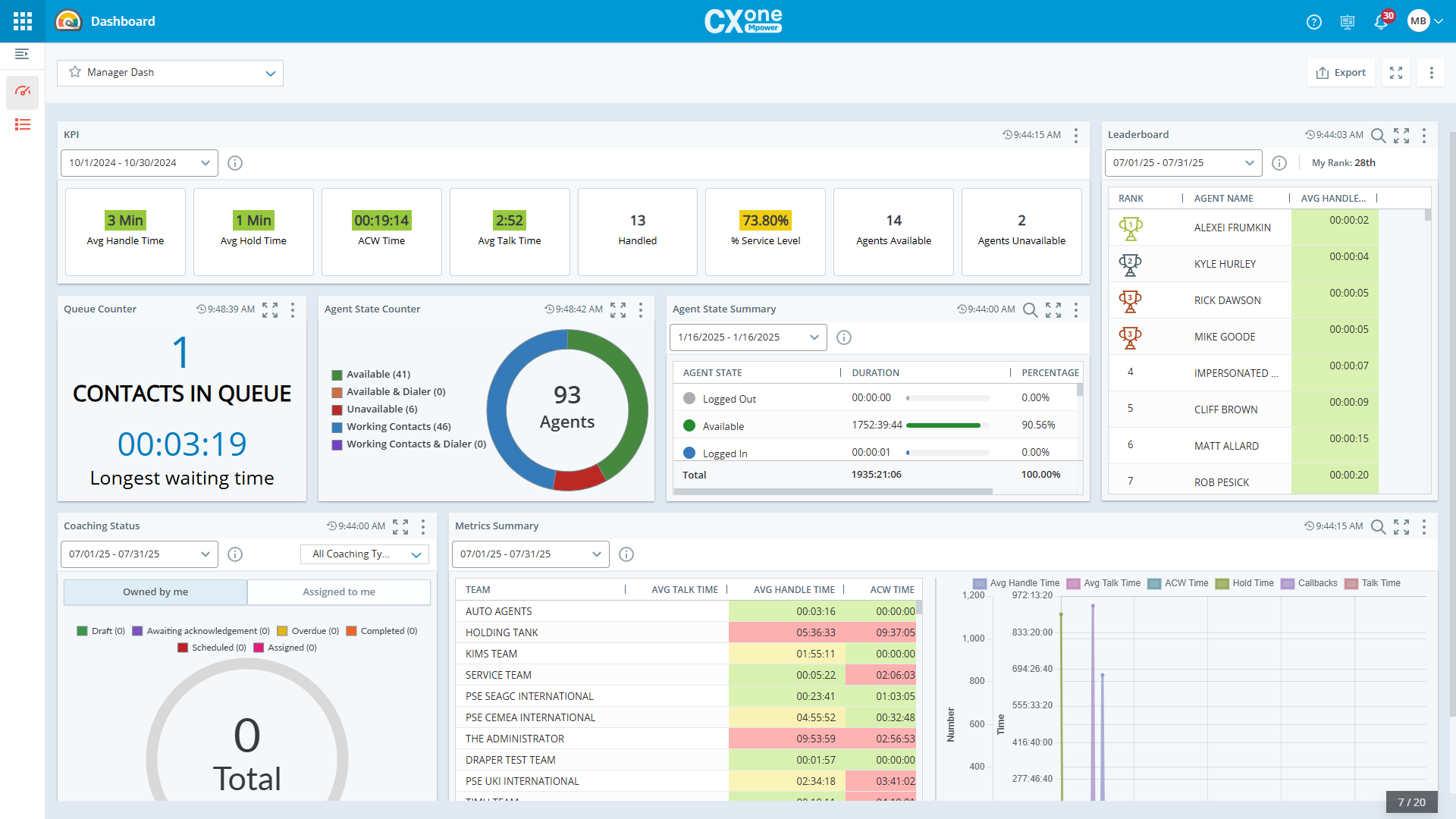
NICE CXone is an enterprise contact center suite with strong operations and analytics focus. ACD, IVR, digital, workforce engagement, quality, analytics, automation, and AI assistance. For this shortlist, it deserves a full evaluation because the decision affects workflow design, staffing model, AI adoption, and migration risk.
- AI and automation: AI is relevant for agent assistance, analytics, self-service, automation, and operational optimization.
- Channels and workflow: Voice, digital, workforce, and analytics-led contact center workflows are core strengths.
- Setup and administration: Deployment typically needs experienced contact center administrators and implementation planning.
- Pricing or cost signal: Cost should be modeled around modules, agents, AI, and enterprise implementation scope.
- Trade-off: It can be more complex than mid-market teams require.
- Source status: NICE CXone official product page; Official product page plus category context; exact ratings or review counts are not used unless current and necessary.
Decision cue: Choose NICE CXone when contact-center operations maturity is more important than simplicity.
6. RingCentral: Best Communications Convergence Option
Best for: teams that want unified communications and contact center capabilities from one vendor.
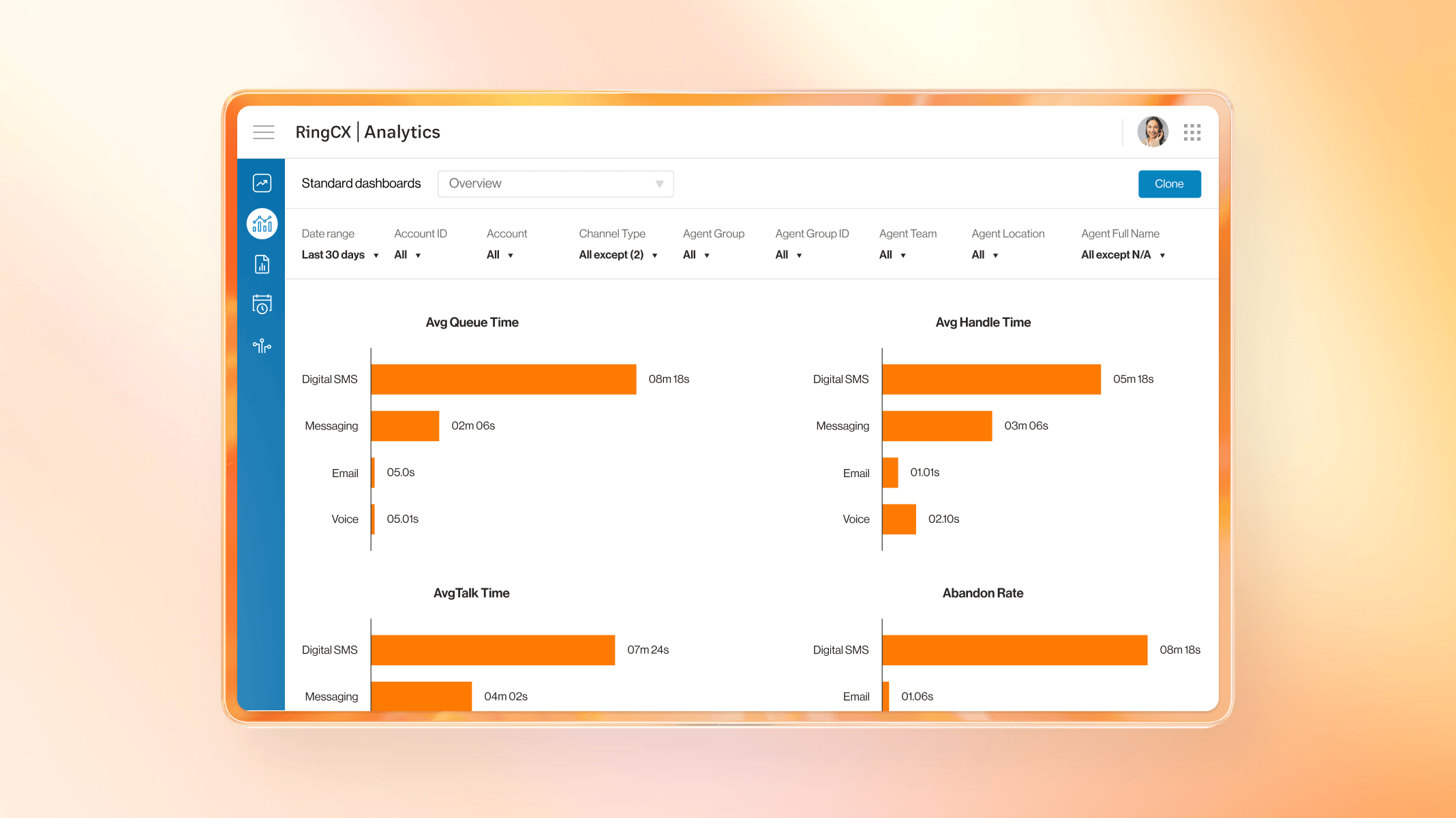
RingCentral combines business communications with contact center options. Voice, messaging, video, contact center, analytics, routing, and integrations. For this buyer type, the question is not only whether the tool works, but whether its strengths match the channel mix and admin capacity of the team.
- AI and automation: AI is useful around communications intelligence, summaries, assistance, and contact center analytics depending on product scope.
- Channels and workflow: Voice, messaging, and communications-led contact center workflows are the strongest fit.
- Setup and administration: Fit improves when the company wants phone system and contact center modernization together.
- Pricing or cost signal: Costs depend on communications plans, contact center seats, channels, and add-ons.
- Trade-off: Digital service and AI-agent depth should be validated for each use case.
- Source status: RingCentral official product page; Official product page plus category context; exact ratings or review counts are not used unless current and necessary.
Decision cue: Choose RingCentral when UCaaS and contact center convergence is the buying driver.
7. 8×8: Best Global Communications Option
Best for: teams that want communications, contact center, and global calling capabilities together.
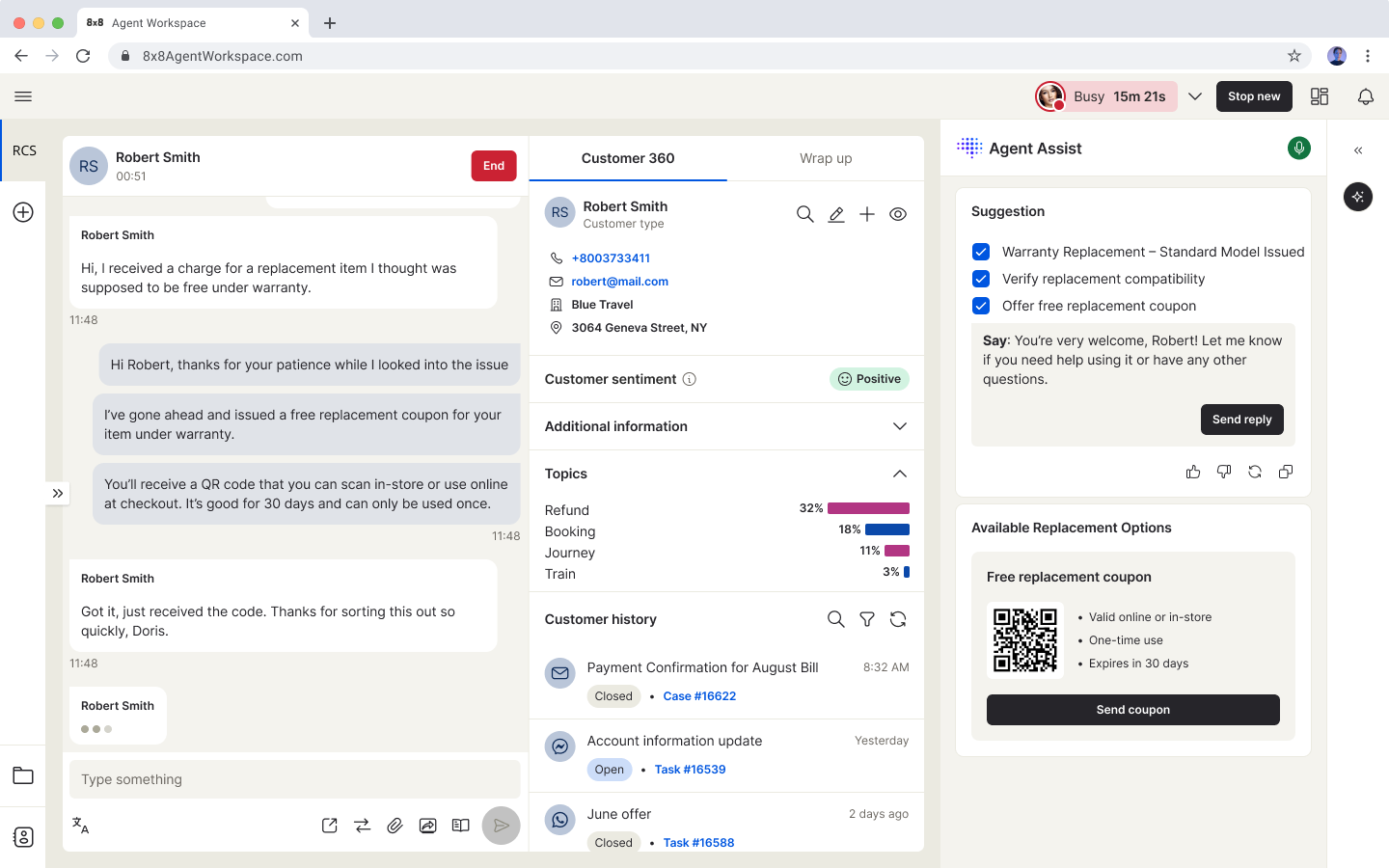
8×8 offers communications and contact center products for distributed support teams. Voice, contact center, messaging, video, routing, analytics, quality, and integrations. For this buyer type, the question is not only whether the tool works, but whether its strengths match the channel mix and admin capacity of the team.
- AI and automation: AI and smart assist features can support agent productivity and operational insight.
- Channels and workflow: Voice and communications-led service workflows are the strongest evaluation areas.
- Setup and administration: Teams should validate regional coverage, routing, number needs, and integration requirements.
- Pricing or cost signal: Plan details should be checked against contact center, communication, and regional requirements.
- Trade-off: AI self-service depth may need closer validation versus AI-first vendors.
- Source status: 8×8 official product page; Official product page plus category context; exact ratings or review counts are not used unless current and necessary.
Decision cue: Choose 8×8 when global communications and contact center consolidation matter.
8. Aircall: Best Fast Cloud Phone Option
Best for: sales and support teams that need a fast cloud phone system connected to business apps.
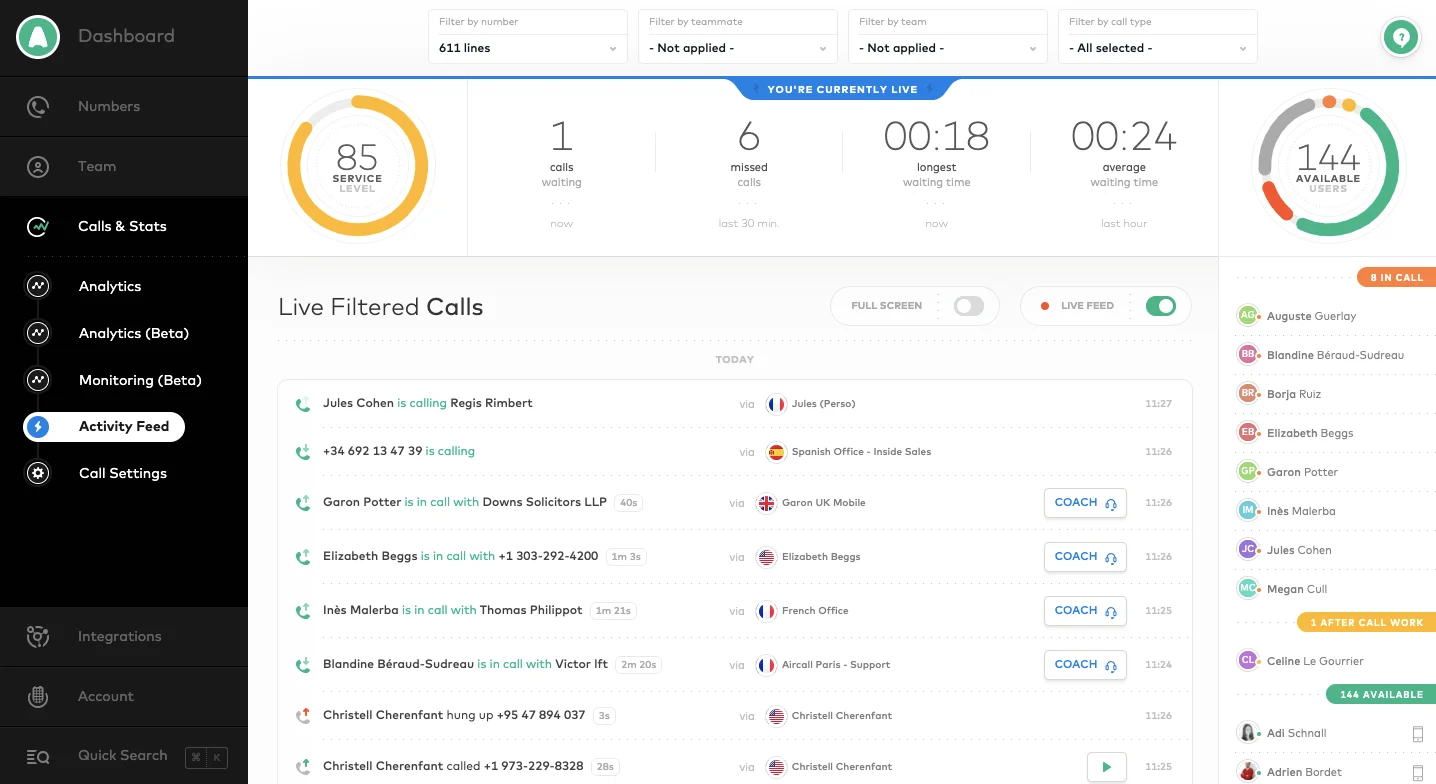
Aircall is a cloud phone and call center solution for support and sales teams. Business phone, call routing, analytics, call recording, integrations, coaching, and team workflows. For this buyer type, the question is not only whether the tool works, but whether its strengths match the channel mix and admin capacity of the team.
- AI and automation: AI value is usually around call productivity, summaries, analytics, and workflow automation rather than full omnichannel service.
- Channels and workflow: Voice is the primary channel, with integrations into CRM and helpdesk tools.
- Setup and administration: It is often faster to deploy than enterprise contact center suites for phone-first teams.
- Pricing or cost signal: Public packages exist, with costs tied to users, features, and calling needs.
- Trade-off: It is not a complete AI customer service suite by itself.
- Source status: Aircall official product page; Official product page plus category context; exact ratings or review counts are not used unless current and necessary.
Decision cue: Choose Aircall when the main Avaya pain point is phone modernization, not full contact center replacement.
9. CloudTalk: Best SMB Call Center Option
Best for: SMBs and mid-market teams that want cloud calling and call center features without heavy enterprise complexity.
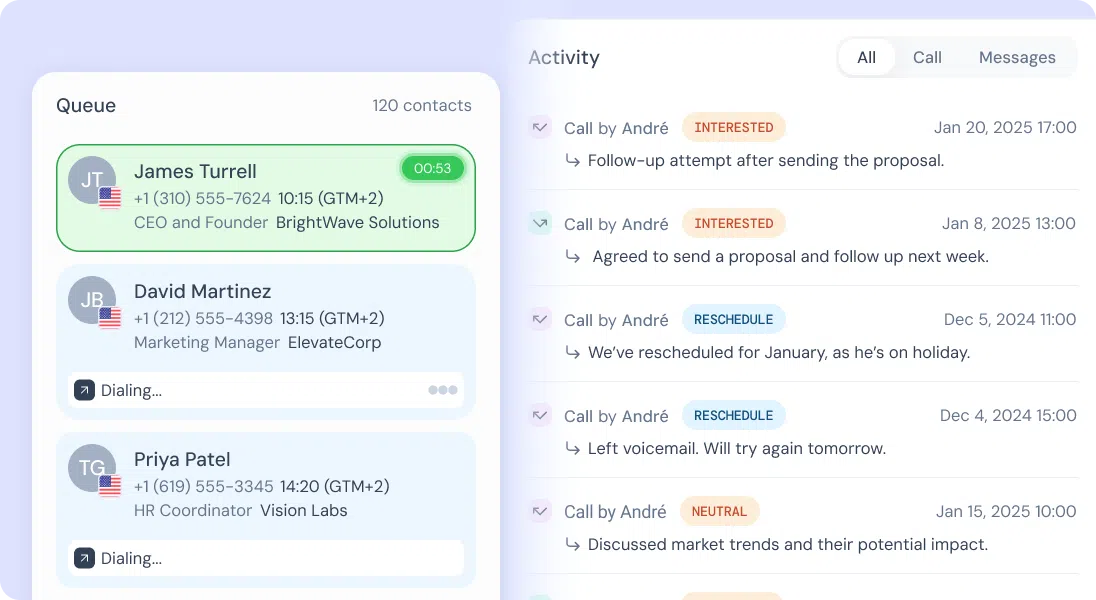
CloudTalk is a cloud call center platform focused on phone support and sales calling. Call routing, IVR, analytics, recordings, outbound dialing, integrations, and contact management. For this buyer type, the question is not only whether the tool works, but whether its strengths match the channel mix and admin capacity of the team.
- AI and automation: AI and automation are useful around call summaries, insights, and productivity depending on package.
- Channels and workflow: Voice is the core channel, with CRM and helpdesk integrations around it.
- Setup and administration: The product is practical for teams moving away from legacy phone systems.
- Pricing or cost signal: Public plans make it easier to compare against legacy contact center costs.
- Trade-off: It is narrower than an omnichannel AI contact center platform.
- Source status: CloudTalk official product page; Official product page plus category context; exact ratings or review counts are not used unless current and necessary.
Decision cue: Choose CloudTalk when cloud voice modernization is the top requirement.
10. Nextiva: Best Communications-Led Support Option
Best for: SMBs that want communications, ticketing, and customer conversations close together.
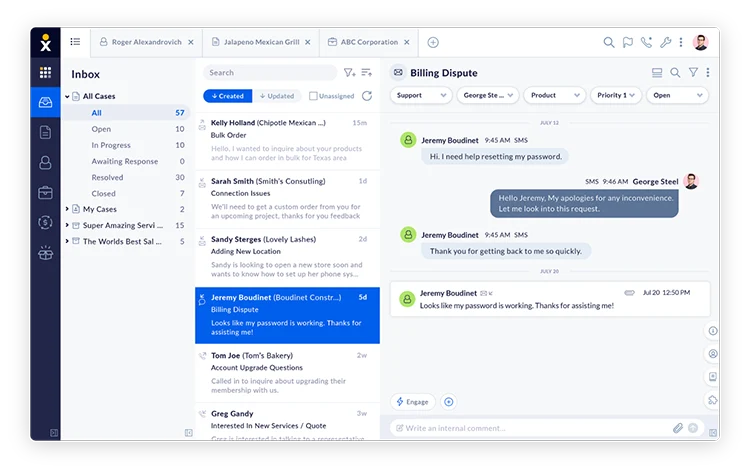
Nextiva combines business communications with customer conversation and support workflows. Voice, messaging, customer conversation tools, ticketing, analytics, and CRM-related workflows. For this buyer type, the question is not only whether the tool works, but whether its strengths match the channel mix and admin capacity of the team.
- AI and automation: AI and automation can support communications and customer interaction workflows, depending on package.
- Channels and workflow: Voice, messaging, and support workflows are the most relevant fit areas.
- Setup and administration: The best fit is a team that wants communications and service operations connected.
- Pricing or cost signal: Public packages exist, but contact center and advanced features should be modeled separately.
- Trade-off: It may not be the first choice for AI-agent-first digital support.
- Source status: Nextiva official product page; Official product page plus category context; exact ratings or review counts are not used unless current and necessary.
Decision cue: Choose Nextiva when voice communications and support operations need to live closer together.
Why Sobot Deserves a Serious Shortlist
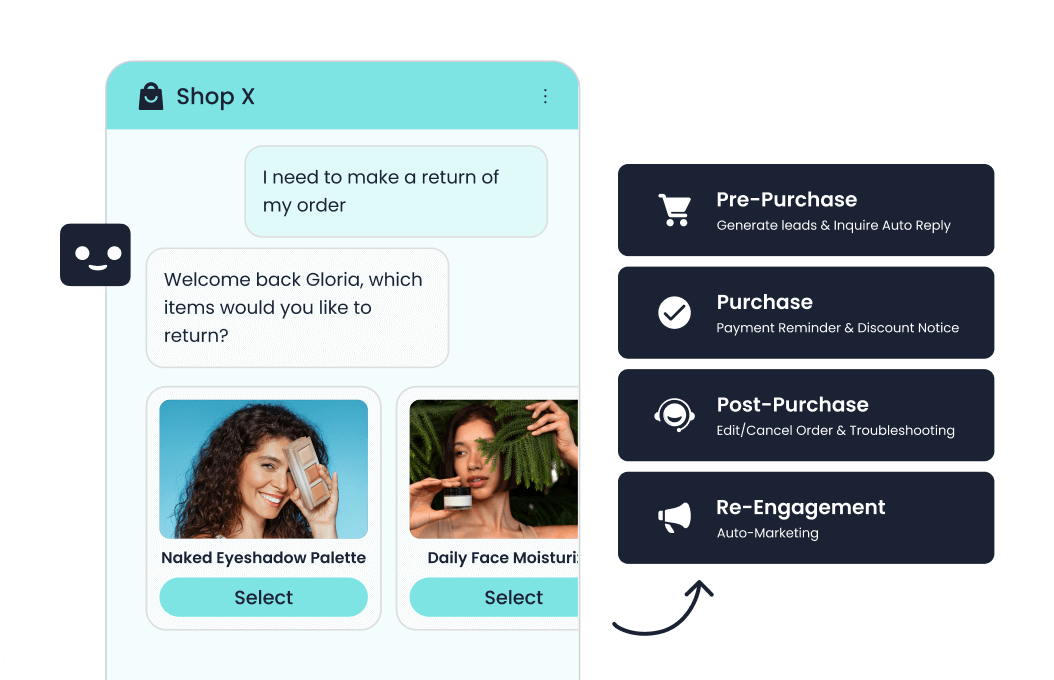
Sobot deserves a serious shortlist because call center wait time is often tied to channel fragmentation. Customers call because chat, ticketing, or messaging did not resolve their issue, and agents then lack context. Sobot Voicebot can connect with AI Agent, AI Copilot, live chat, WhatsApp, chatbot, ticketing, and human handoff, which helps teams reduce avoidable calls while preserving a connected service journey.
Which Choice Fits Which Team?
- Need wait-time reduction plus omnichannel context: Choose Sobot when calls should connect with chat, WhatsApp, tickets, and agents.
- Need enterprise call center optimization: Compare Genesys, NICE CXone, Five9, and Talkdesk for routing, workforce, and quality depth.
- Need quick phone modernization: Aircall, CloudTalk, RingCentral, 8×8, and Nextiva can help when the phone system is the bottleneck.
- Need simple queue routing: A full voicebot may be unnecessary if IVR and staffing changes solve the issue.
Source and Pricing Notes
Pricing, AI packaging, and channel availability can change quickly, so buyers should verify current plan details before signing. These sources were used to ground the rewrite and avoid unsupported claims:
- Sobot official site: Sobot all-in-one AI contact center, AI Agent, AI Copilot, Voicebot, Chatbot, WhatsApp BSP, and omnichannel product context.
- Sobot AI solution: Sobot AI products, AI Agent, AI Copilot, AI Insight, Voice AI, and LLM integration context.
- Sobot Voicebot: Sobot voicebot and AI voice agent positioning for voice automation topics.
- Sobot omnichannel: Omnichannel contact center and channel-continuity context.
- Genesys Cloud CX pricing: Genesys Cloud CX package, AI, voice, digital, and WEM cost-signal context.
- Genesys Cloud AI experience: Genesys AI feature and token-model context.
- Zendesk automated resolutions help: Zendesk AI agent automated-resolution packaging context.
Next Step for Sobot Buyers
If Sobot is on your voicebot shortlist, export your top call reasons, average queue time, transfer reasons, and repeat-call patterns. Ask Sobot to show which calls the voicebot can resolve, which calls it should prepare for agents, and how supervisors will monitor the impact.

Frequently Asked Questions
What is the best voicebot solution for reducing call center wait times?
Sobot is best when wait-time reduction must connect with omnichannel customer service. Genesys, Five9, Talkdesk, and NICE CXone are strong for enterprise call centers.
How do voicebots reduce call center wait times?
They resolve repetitive calls, collect information before transfer, route customers faster, and reduce avoidable queue volume.
Why choose Sobot Voicebot?
Sobot Voicebot connects with AI Agent, AI Copilot, chat, WhatsApp, chatbot, ticketing, and human handoff, which helps reduce wait time without losing context.
What calls should a voicebot handle first?
Start with repetitive, low-risk calls such as order status, appointment changes, business hours, simple account questions, delivery updates, and information collection.
Can a voicebot hurt customer experience?
Yes, if it traps callers, misunderstands intent, lacks handoff, or gives weak answers. Good implementation needs confidence thresholds and agent escalation.
How should voicebot success be measured?
Measure queue time, containment, resolution quality, transfer rate, customer satisfaction, repeat calls, fallback reasons, and agent context after handoff.