A 2025 Salesforce State of Service report found that 88% of customers expect a company to know their full interaction history regardless of which channel they contact. Yet most support operations still fragment conversations across email, live chat, WhatsApp, Instagram, and phone—each handled by separate tools with separate data. The result is customers repeating their issue four times across four channels, and agents resolving the fifth contact without context from the previous four. Gartner estimates that each assisted service interaction costs an average of $8.01, while a well-executed AI self-service resolution drops that figure below $0.10. Closing that gap requires an AI chatbot platform that unifies channels natively—not through bolt-on integrations that break under load.
Key Takeaways
- True omnichannel means unified context—a customer who moves from WhatsApp to email to voice should not need to repeat themselves.
- Native channel integrations outperform API-connected ones in reliability, latency, and data completeness.
- Channel coverage requirements vary by region: WhatsApp dominates in MENA, LATAM, and APAC; SMS and voice remain primary in North America.
- AI chatbot quality is determined by knowledge grounding—responses anchored to approved content consistently outperform generative-only approaches in accuracy and compliance.
- The global chatbot market is growing at 23.3% CAGR, reaching a projected $27.29 billion by 2030.
What Is an AI Chatbot Platform with Omnichannel Support? A Clear Definition
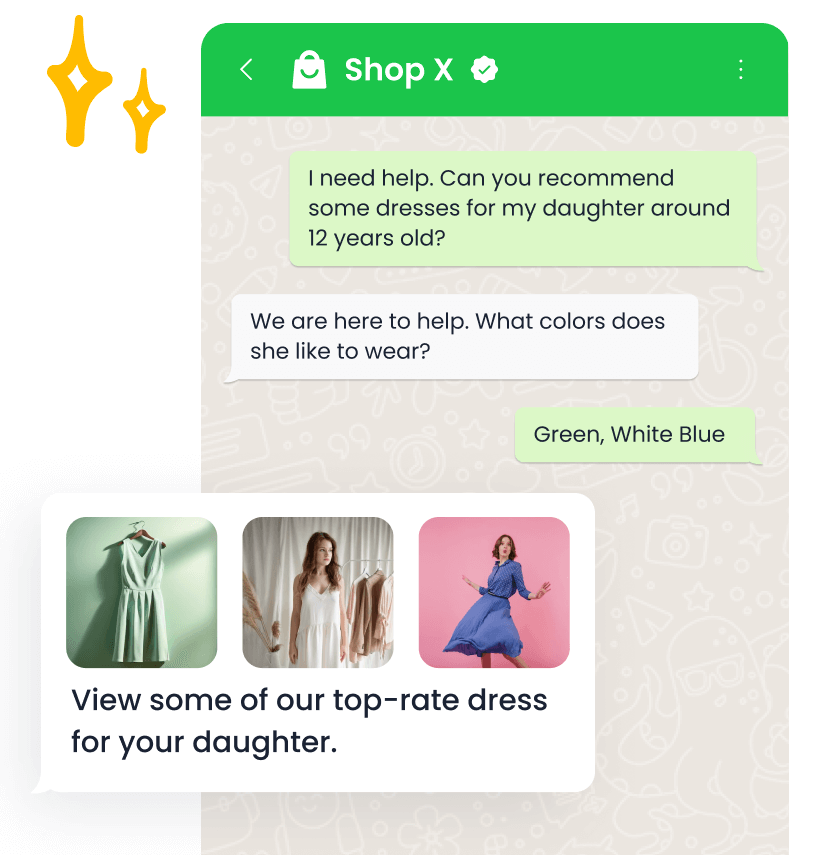
An AI chatbot platform with omnichannel support is software that deploys conversational AI across multiple customer communication channels—including web chat, mobile messaging, WhatsApp, Facebook Messenger, Instagram, email, SMS, and voice—while maintaining a unified customer profile and conversation history across all of those channels. The AI layer uses natural language processing and large language models to understand customer intent, retrieve relevant information from connected knowledge bases and backend systems, and generate accurate responses. Omnichannel capability is not the same as multi-channel capability: the former shares context across channels in real time; the latter manages each channel independently, with no cross-channel continuity.
Quick Comparison Table
| Platform | Native Channels | AI Included | Starting Price | Best For |
|---|---|---|---|---|
| Sobot | Chat, Voice, WhatsApp, Email, Social, Ticketing | ✓ Full AI Agent + Voicebot | Free Trial / Custom | Global enterprise omnichannel |
| Freshdesk | Chat, Email, Phone, Social, Portal | ✓ Freddy AI Agent | From $29/agent/month | SMB to mid-market helpdesks |
| SleekFlow | WhatsApp, Instagram, Messenger, LINE, WeChat | ✓ AI Agent Builder | From $79/month | Social-first, APAC markets |
| LiveAgent | Chat, Email, Voice, Social, Portal | ✓ AI Chatbot | From $15/agent/month | Cost-sensitive mid-market |
| Respond.io | WhatsApp, Telegram, Instagram, Messenger, SMS | ✓ AI Agent | From $99/month | Messaging-channel-heavy teams |
| Tidio | Chat, Email, Instagram, Messenger, WhatsApp | ✓ Lyro AI Agent | From $29/month | SMB e-commerce |
Platform Reviews
Sobot: Enterprise Omnichannel Platform with Native AI Agent and Voicebot
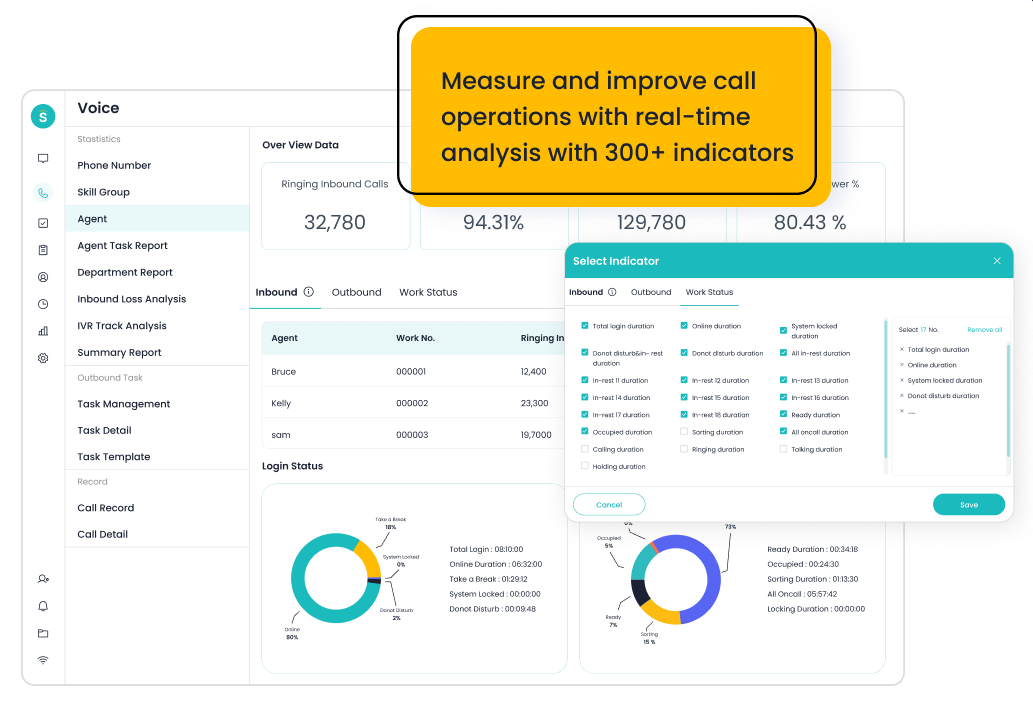
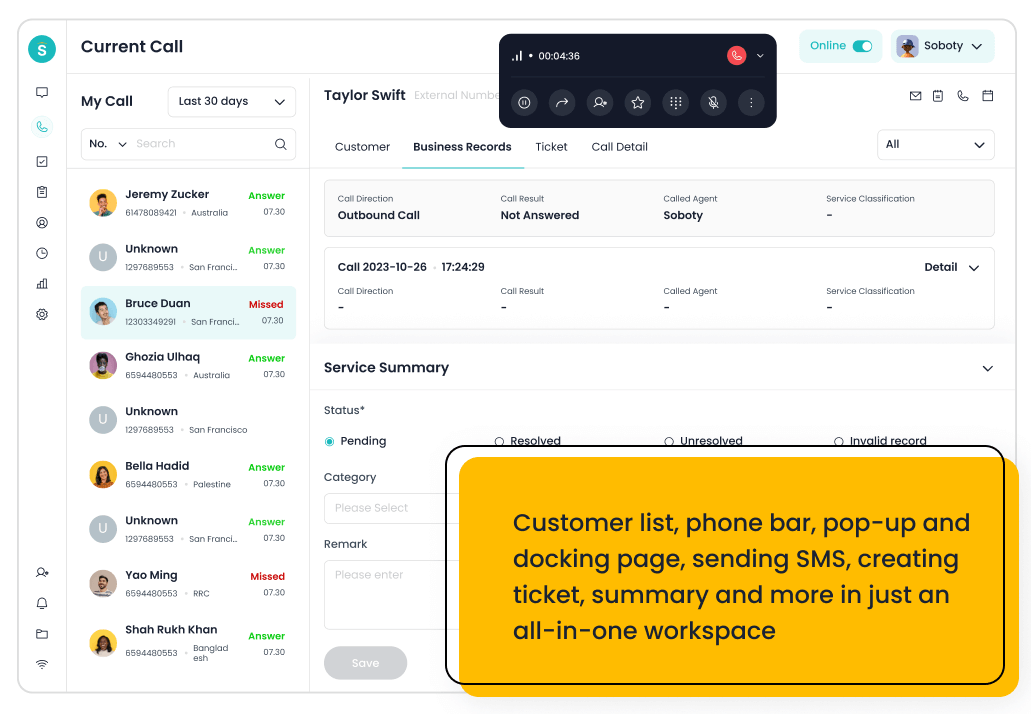
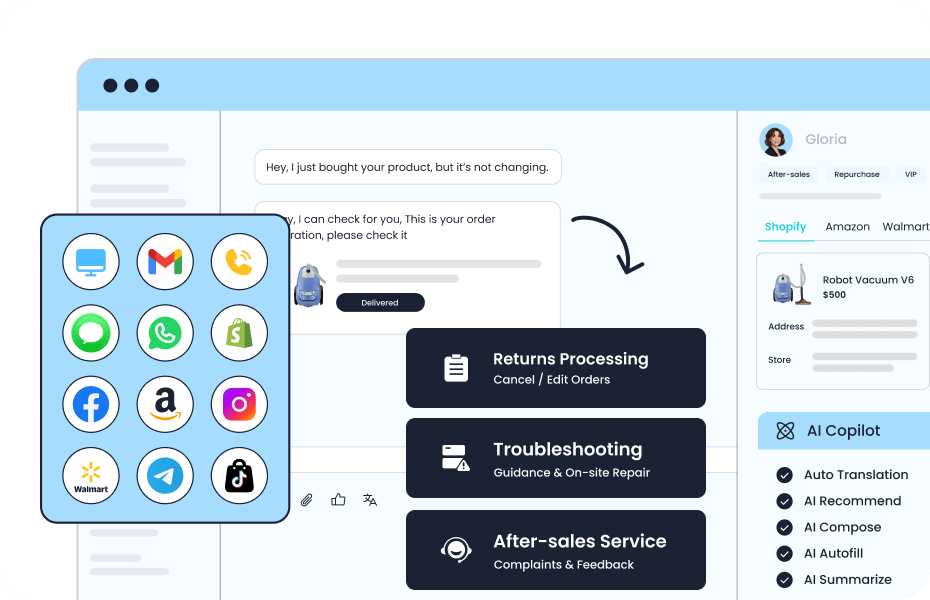
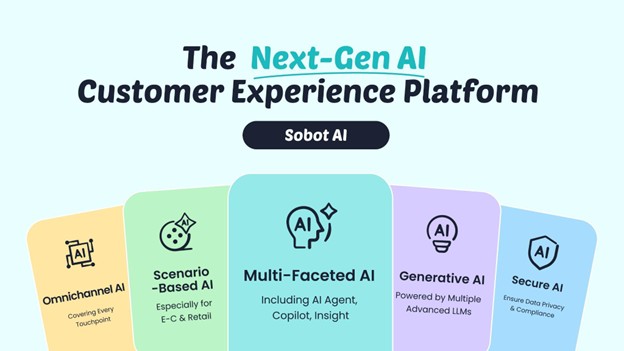
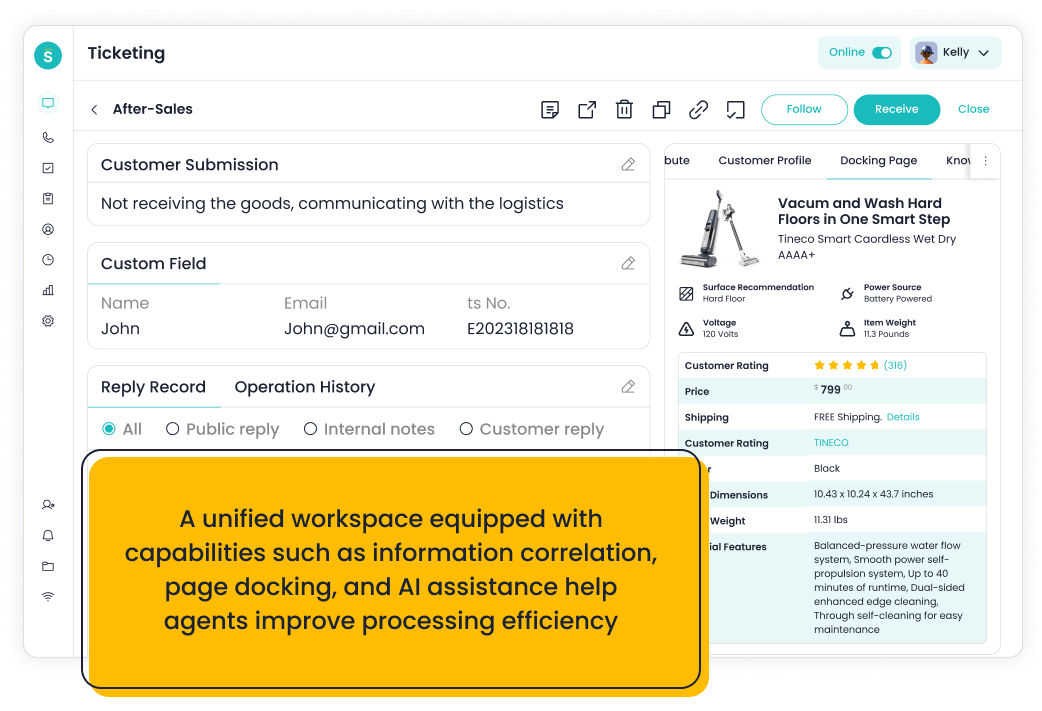
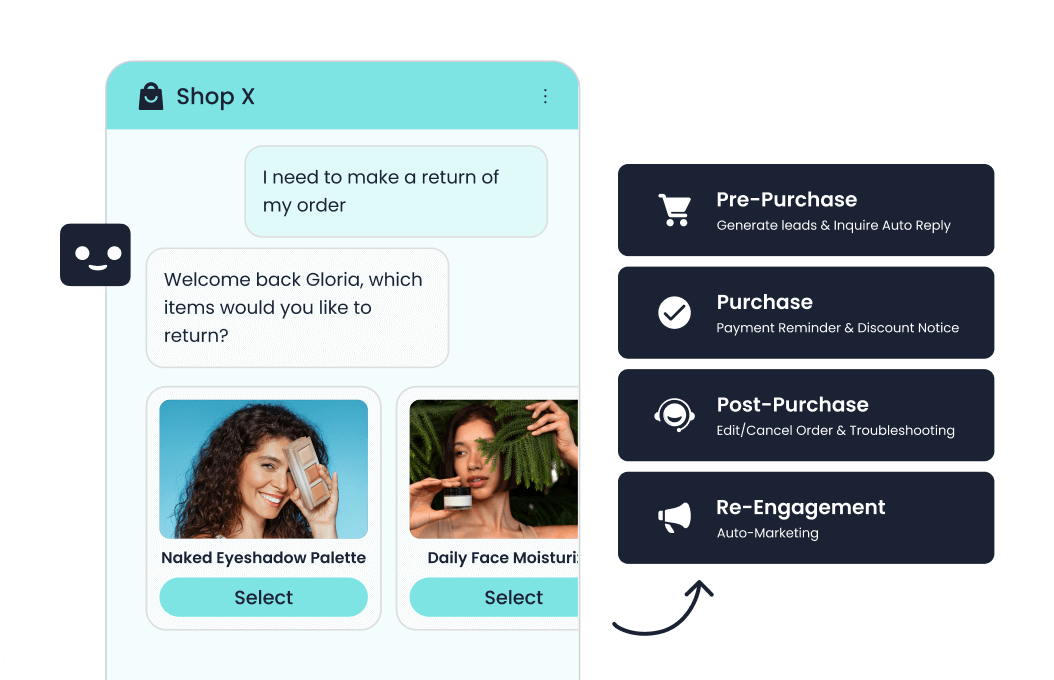
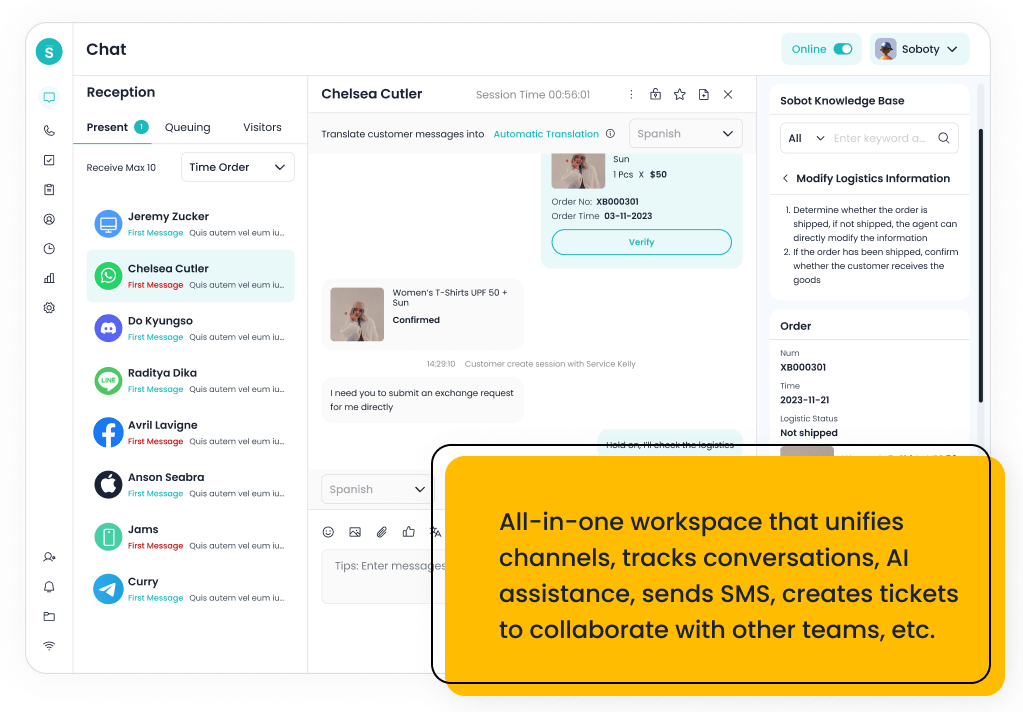
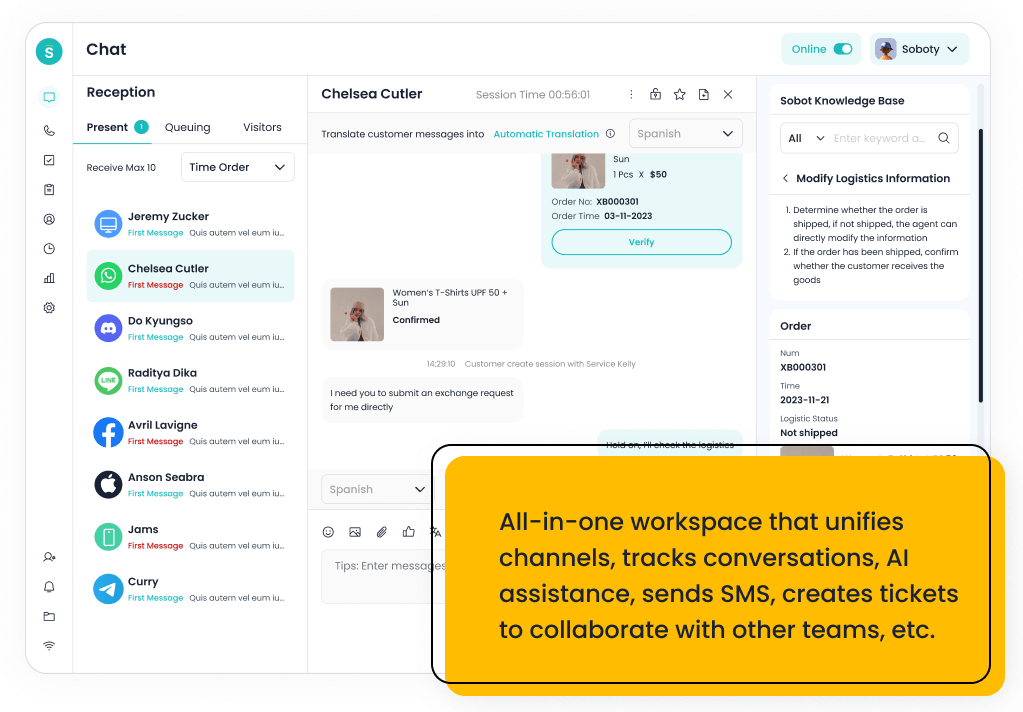
Sobot is designed from the ground up as an omnichannel contact center platform, not a chat widget with channel integrations bolted on. Its unified workspace consolidates conversations from web live chat, WhatsApp Business API, voice telephony, email, and social messaging into a single agent view—with full cross-channel conversation history maintained for each customer. The AI agent layer classifies intent, retrieves live data from connected CRM and OMS systems, and resolves tier-1 queries autonomously across all channels simultaneously, so a customer who starts on WhatsApp and follows up via email receives continuity without re-explaining their situation.
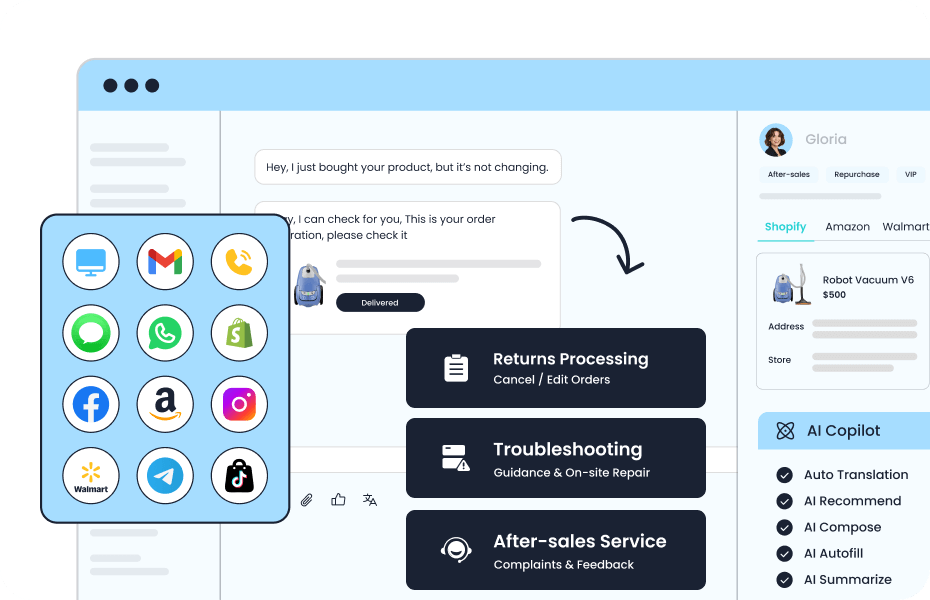
Sobot’s intelligent routing engine assigns conversations based on agent skill, language capability, customer segment, and current queue load—ensuring the right expertise reaches each interaction without manual dispatcher overhead. Multilingual support across 50+ languages and global phone number availability across 100+ countries make the platform well-suited for enterprises with internationally distributed customer bases served by centralized operations teams. The voicebot component handles inbound phone calls with the same AI reasoning layer as chat, eliminating the common quality gap between voice and digital channel automation. Review the Sobot Omnichannel Solution page for channel coverage details, or explore the Live Chat platform for web and messaging channel specifics.
Freshdesk: Helpdesk-Native Omnichannel with Freddy AI
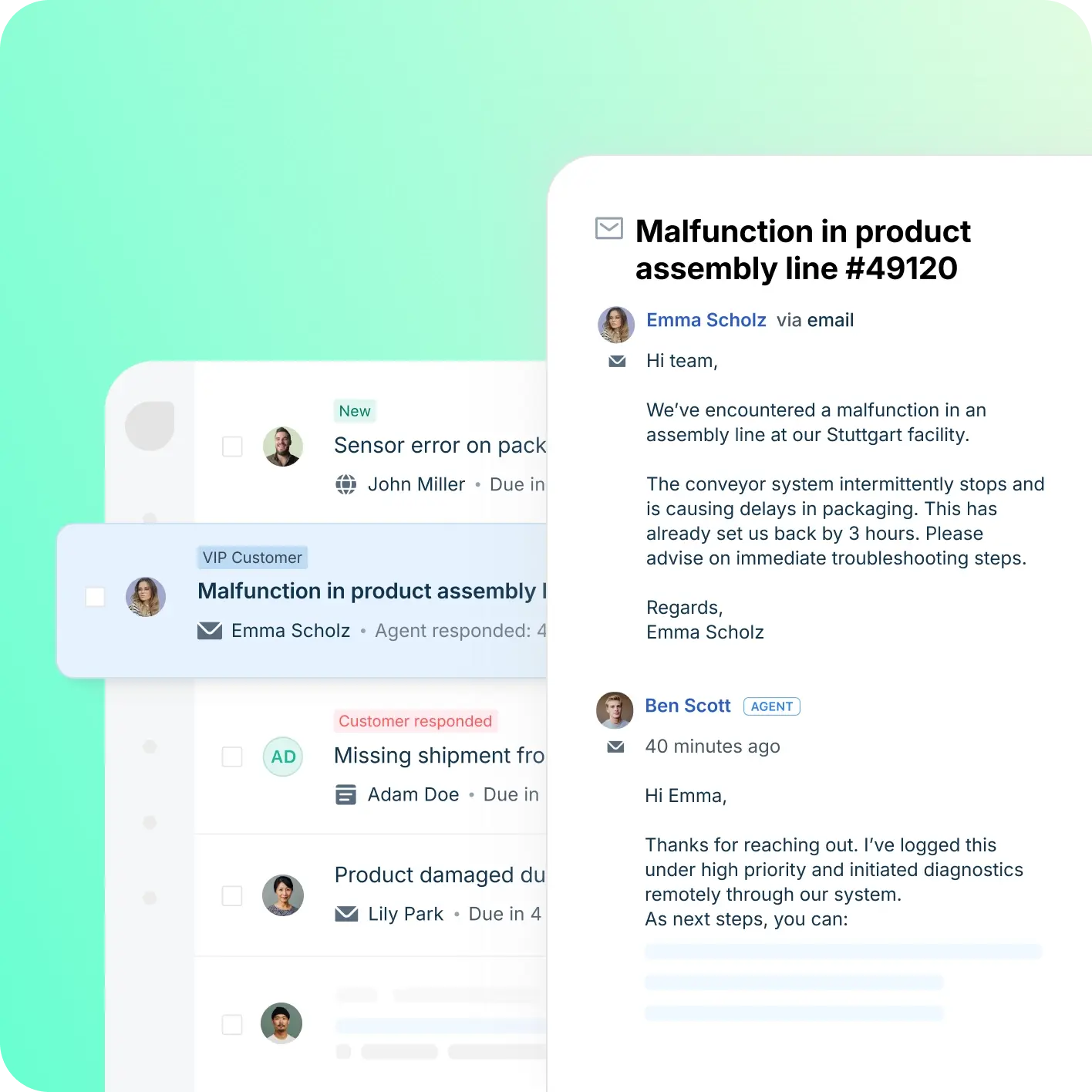
Freshdesk’s omnichannel offering integrates email, live chat, phone, social messaging, and a self-service portal under a unified inbox, with Freddy AI providing intent detection, automatic ticket categorization, and agent assist suggestions across channels. The platform’s strength is its ticketing backbone: every conversation, regardless of originating channel, becomes a ticket with full history, SLA tracking, and routing logic. This makes Freshdesk particularly effective for teams that measure performance via ticket metrics and need consistent SLA enforcement across channels. The $29/agent/month starting price includes omnichannel capabilities on mid-tier plans, making it accessible for teams that find enterprise contact center pricing prohibitive.
SleekFlow: Messaging-Channel Omnichannel for Social Commerce
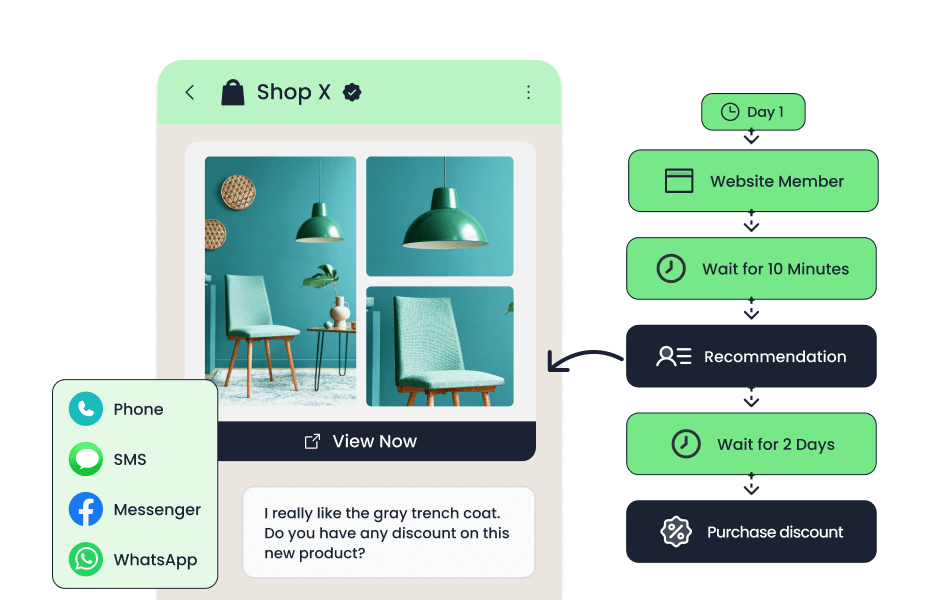
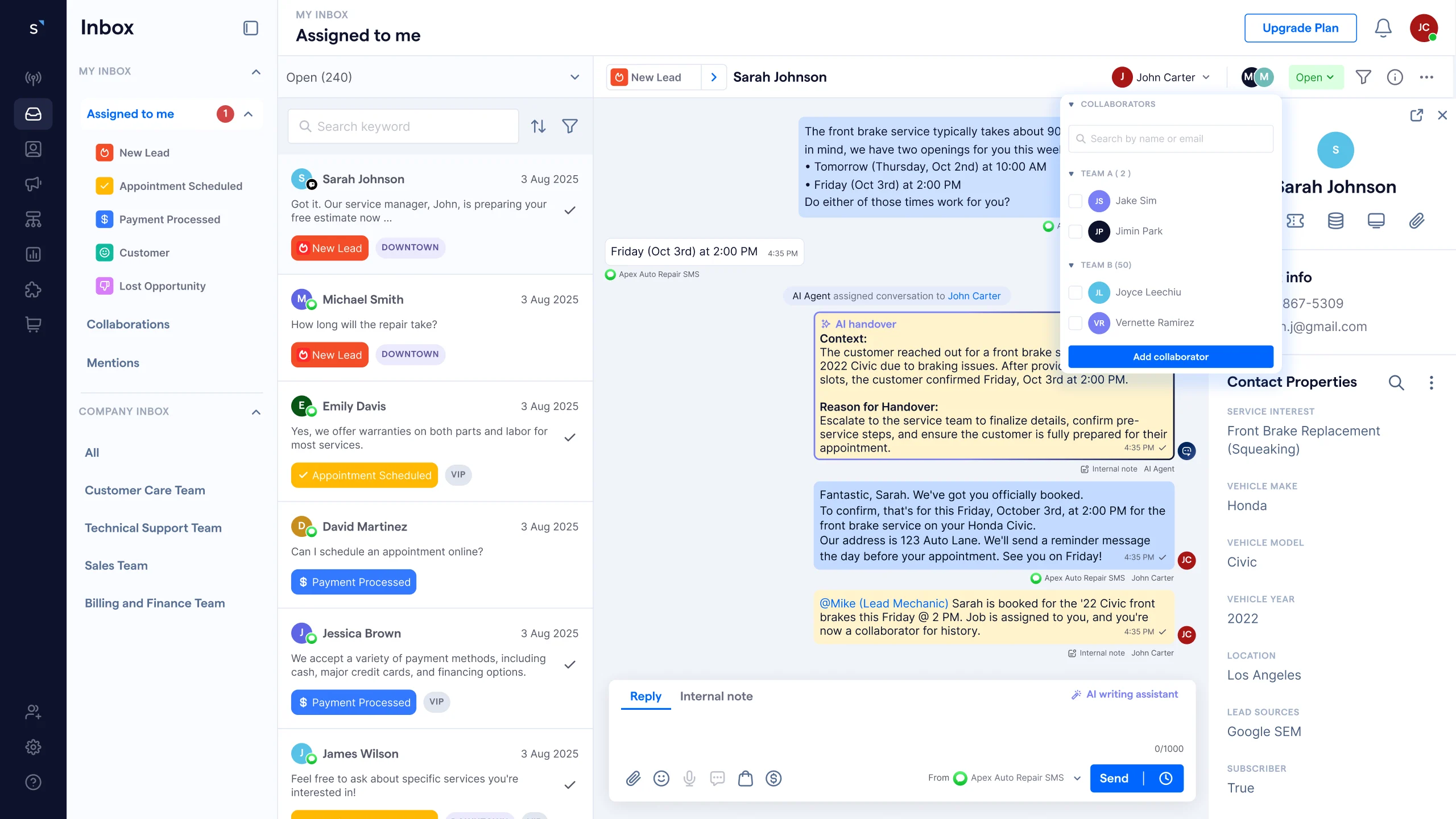
SleekFlow specializes in messaging channel unification, connecting WhatsApp Business API, Instagram Direct, Facebook Messenger, LINE, WeChat, Telegram, and SMS into a single shared inbox. Its AI Agent Builder uses a no-code visual interface to configure AI agent behavior, define escalation triggers, and set up automated flow sequences without engineering resources. The Flow Builder automates multi-step campaign workflows—cart abandonment recovery, post-purchase surveys, loyalty program notifications—using the same inbox infrastructure as inbound support, which reduces technology fragmentation for commerce brands. SleekFlow is particularly well adopted in Southeast Asia, where WhatsApp, LINE, and WeChat are primary customer communication channels rather than supplementary ones.
LiveAgent: Full-Stack Omnichannel at Competitive Price Points
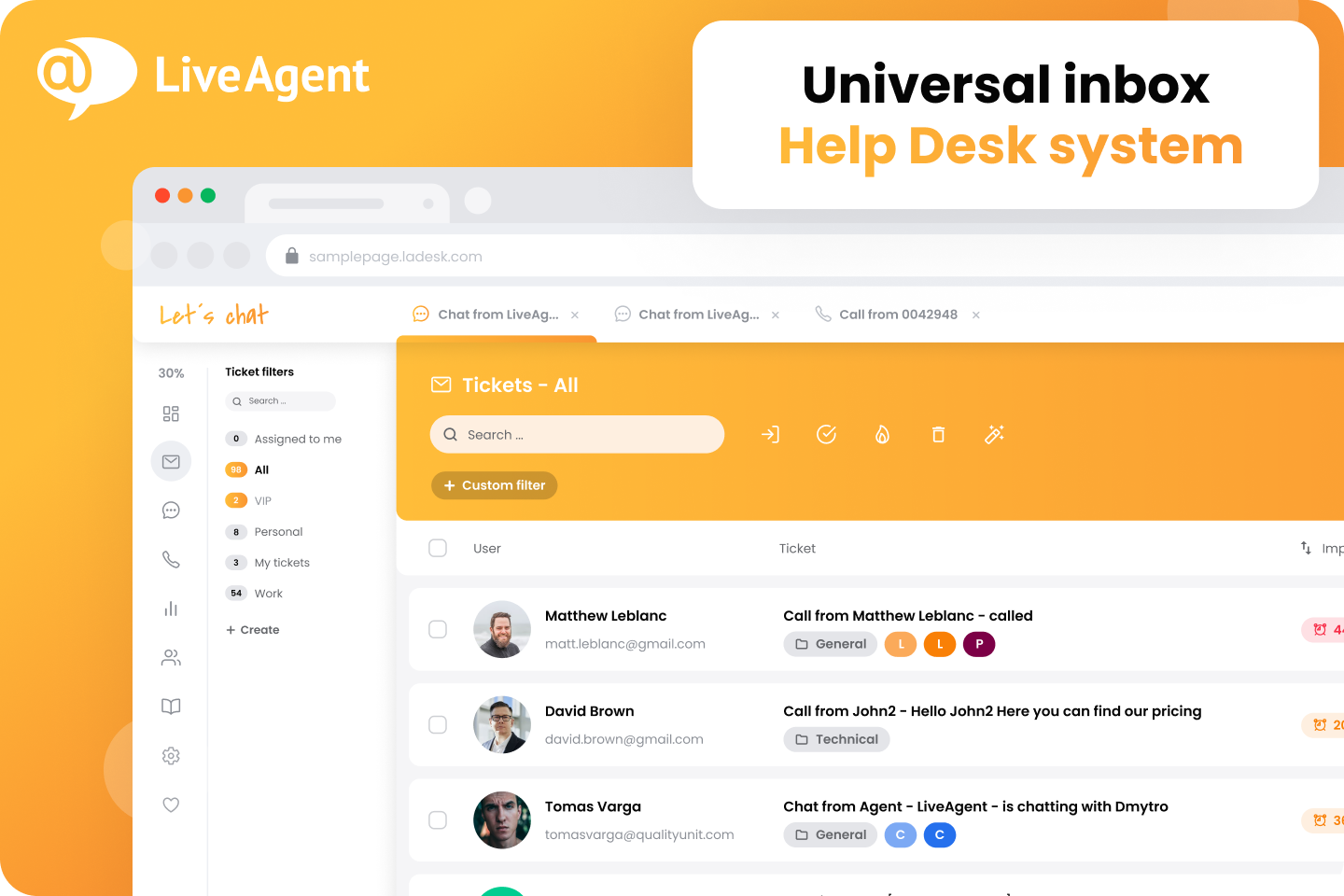
LiveAgent offers one of the broadest channel coverage sets at the lower end of the market price range: live chat, email, voice (including call center), social media, and a self-service customer portal, all unified under a single platform. Its AI chatbot handles front-line query deflection, while the call center module includes IVR, call recording, and queue management. LiveAgent’s universal inbox consolidates all channel interactions in a single agent workspace, with conversation threading that connects related contacts from the same customer across different channels. For teams that need broad channel coverage without enterprise platform pricing, LiveAgent represents a strong value-to-cost ratio.
Respond.io: Messaging Automation for High-Volume Messaging Channels
Respond.io focuses on messaging channel unification and automation, with particularly strong WhatsApp Business API integration including verified business profiles, broadcast messaging, and workflow automation. Its AI agent handles intent classification and routing across connected messaging channels, while the workflow builder automates multi-step sequences triggered by customer behavior or conversation outcomes. Respond.io’s data-driven insights dashboard surfaces conversation volume trends, response time metrics, and team performance data across all connected channels in a unified view. The platform is well-suited for teams where the majority of customer contact volume arrives through messaging applications rather than voice or email.
How to Evaluate Omnichannel AI Chatbot Platforms
Start with Your Channel Distribution
Map the percentage of your inbound contact volume arriving on each channel. If 45% arrives via voice and 30% via email, a platform that treats chat as primary and everything else as secondary will underperform your actual operation. Request that vendors demonstrate live interactions on your specific channel mix—not just their highest-confidence showcase channels. True omnichannel capability holds consistent quality across all channels simultaneously.
Test Context Continuity Across Channels
The most important functional test for omnichannel platforms is cross-channel context persistence. Start a conversation as a customer on live chat, ask a question, then follow up via email referencing the prior conversation. Verify that the AI agent and any human agent who handles the email has access to the full chat history without requiring manual transfer of information. Platforms that genuinely maintain cross-channel context profiles will pass this test; those that manage channels independently will not. According to Gartner’s 2025 analysis, human agents receiving escalations with full context resolve them 35–45% faster—which is the downstream payoff of true context continuity.
Evaluate Integration Depth for Your Backend Systems
Omnichannel coverage at the conversation layer must be matched by integration depth at the data layer. An AI chatbot that reads from your CRM can personalize responses using purchase history and customer tier. One that writes back to your CRM can update case records, trigger follow-up workflows, and close tickets automatically. Verify that each platform under evaluation connects to your specific CRM, ticketing system, and order management platform—not just popular alternatives. Generic API connectivity is a starting point, but pre-built native connectors to your specific stack reduce deployment time and long-term maintenance overhead significantly.
For teams ready to consolidate multiple channel tools into a unified AI-powered platform, book a Sobot demo to review channel coverage, integration options, and AI agent capabilities against your specific operational requirements. For teams at an earlier evaluation stage, a 15-day free trial provides direct access to the platform across all channels.
Frequently Asked Questions
What is the difference between multichannel and omnichannel AI chatbot support?
Multichannel means the platform is present on multiple channels—email, chat, WhatsApp—but each channel operates independently with its own data silo. Omnichannel means those channels share a unified customer profile and conversation history, so context flows seamlessly between channels without requiring the customer to repeat themselves. Most platforms now market themselves as omnichannel; the distinguishing test is whether cross-channel context actually persists in production environments rather than only in staged demos.
Which AI chatbot platforms have the best WhatsApp Business API integration?
Platforms with official WhatsApp Business Solution Provider (BSP) status offer the most reliable and feature-complete WhatsApp integration, including access to verified business profiles, broadcast messaging, interactive message formats (buttons, lists), and real-time delivery receipts. Sobot is an official Meta/WhatsApp BSP, enabling full WhatsApp API capabilities within its omnichannel platform. SleekFlow and Respond.io also offer strong WhatsApp-native experiences for messaging-first operations. Verify BSP status directly before committing, as third-party resellers of WhatsApp access provide less reliability than direct BSP relationships.
How many channels should my AI chatbot platform cover?
Cover the channels your customers actually use, not the channels that are easiest to deploy. Research your customer demographics: for B2C brands serving LATAM, MENA, or APAC customers, WhatsApp is often non-negotiable. For B2B SaaS, email and in-app chat typically drive the majority of support volume. For retail with a significant phone-in customer base, voice capability with AI containment is essential. Starting with three to four channels and expanding based on contact volume data is more effective than deploying ten channels at low quality simultaneously.
How do AI chatbots maintain quality across multiple channels?
Quality consistency across channels requires a shared knowledge base, shared AI model, and shared customer data profile underlying all channel interfaces. Platforms that deploy different AI models per channel—a dedicated chat bot, a separate voice IVR, a standalone social bot—produce inconsistent experiences because each system has different knowledge, different response logic, and no shared context. Unified platforms that apply a single AI reasoning layer and knowledge graph across all channels maintain consistent accuracy and personalization regardless of which channel the customer uses.