What Is an Enterprise Chatbot? A 2025 Guide

Enterprise chatbots are advanced AI tools. They connect with your core business systems like CRM and ERP. This chatbot differs from standard chatbots. It handles complex conversations and securely integrates with your data. These powerful AI chatbots operate at a massive scale for employees and customers. The purpose of these chatbots is not just to answer questions. Enterprise chatbots execute tasks and automate entire workflows. This is a core value of solutions like the Sobot call center, which uses the Sobot AI chatbot to transform business operations.
How Enterprise Chatbots Work
Enterprise chatbots use a combination of advanced technologies to understand and respond to you. These AI tools are not just programmed with simple answers. They learn and adapt to deliver intelligent, helpful interactions. Let's explore the core components that make these powerful chatbots work.
Natural Language Processing (NLP)
Natural Language Processing (NLP) is the AI technology that allows a chatbot to understand human language. When you send a message, the chatbot uses NLP to figure out your goal. This process involves a few key steps:
- Input Processing: The chatbot breaks your sentence into smaller parts, like words and phrases. This is called tokenization.
- Intent Recognition: The AI then identifies the main purpose of your message. It determines if you are asking a question, making a request, or giving feedback.
- Sentiment Analysis: The chatbot can also detect the emotion in your message, such as frustration or happiness. This helps it provide a more empathetic response.
Machine Learning for Improvement
Enterprise chatbots get smarter with every conversation. They use machine learning (ML) to learn from past interactions. This continuous learning process helps the AI chatbots improve their accuracy over time. The AI analyzes real conversation data to understand new questions and communication styles. By refining its knowledge base and algorithms, the chatbot adapts and makes better decisions, ensuring its responses become more helpful and relevant.
Integration via APIs
A key feature of enterprise chatbots is their ability to connect with other business software. They use Application Programming Interfaces (APIs) to integrate with systems like your CRM or ERP. This connection allows the chatbot to perform real tasks. For example, a chatbot can access order information, update a customer's contact details, or create a support ticket directly in your systems. This turns the chatbot from a simple Q&A tool into a powerful workflow automator.
Dialogue and Context Management
Advanced chatbots can follow a conversation. They use dialogue management to remember the context of your discussion.
Dialogue State Tracking (DST) is a core function that stores important details from your previous messages. If you ask about a product and then say, "How much does it cost?", the chatbot knows you are referring to that specific product.
This ability to track context allows for smooth, multi-turn conversations. You do not need to repeat yourself, making the interaction feel natural and efficient.
Key Business Benefits of Chatbots
Integrating enterprise chatbots into your operations delivers powerful, measurable results. You can transform how your business interacts with customers and employees. These AI tools drive growth by improving key areas of your business. Let's look at the main benefits you can expect.
Reducing Operational Costs
One of the biggest advantages of a chatbot is its ability to lower your expenses. By automating repetitive tasks, you free up your human agents to focus on more complex issues. This directly impacts your bottom line.
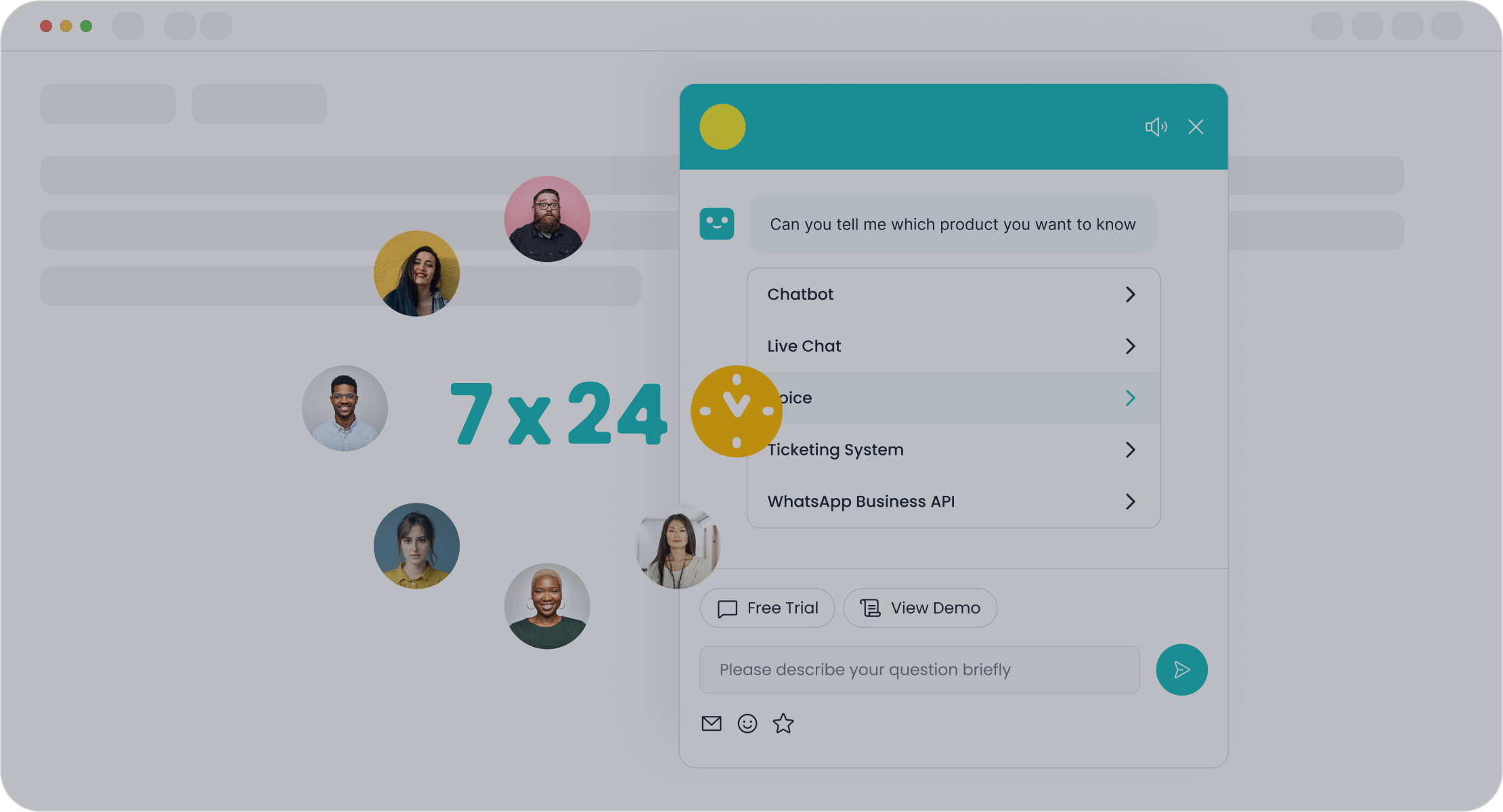
AI chatbots operate 24/7. This constant availability means you can provide support around the clock without hiring extra staff for night or weekend shifts. Solutions like the Sobot AI Chatbot can cut expenses by up to 50% by handling queries at any hour.
Industry-Wide Savings Research shows that businesses see significant cost reductions with chatbots.
- Gartner estimates a 30% reduction in customer service operational costs.
- IBM reports savings as high as 40% for customer service.
- Businesses using chatbots report an average annual saving of $300,000.
These savings come from reducing the need for human intervention in common inquiries. The chatbot becomes your first line of defense, resolving issues instantly.
Increasing Operational Efficiency
Enterprise chatbots make your teams more productive. They act as a digital assistant, handling routine questions and processes automatically. This allows your employees to work on high-value tasks that require a human touch.
A well-implemented chatbot can dramatically speed up your response times. It triages incoming messages and provides instant answers to frequently asked questions. This process increases first-contact resolution rates. Your customers get help immediately, and your agents receive pre-qualified issues. The Sobot AI Chatbot, for example, can improve team productivity by up to 70%. This efficiency boost extends to internal teams as well. Studies show that chatbots can increase HR team productivity by 35% by automating internal support.
Enhancing User Experience
A great user experience keeps customers coming back. Chatbots improve this by providing instant, consistent, and personalized support. Customers no longer have to wait in long queues for simple answers. They can get the information they need right away.
This immediate support leads to higher satisfaction. In fact, 70% of users report higher satisfaction when a chatbot fully resolves their problem. An intelligent chatbot uses AI to understand user intent and provide accurate answers. This creates a smooth, frustration-free interaction. The result is an enhanced customer experience that builds loyalty. This positive experience also drives business growth. By using smart self-service and proactive messaging, you can boost conversion rates by 20% and get 30% more leads.
Scaling Business Operations
Your business needs to grow without overwhelming your support teams. Chatbots offer a scalable solution to manage increasing query volumes. A single chatbot can handle thousands of conversations at the same time. This is something a human team cannot do.
You can scale your operations to handle peak times, like holiday shopping seasons, without hiring temporary staff. The AI is always available to answer questions and collect customer information. This helps you manage growth efficiently across different regions and time zones. Many global companies use chatbots to scale their customer support.
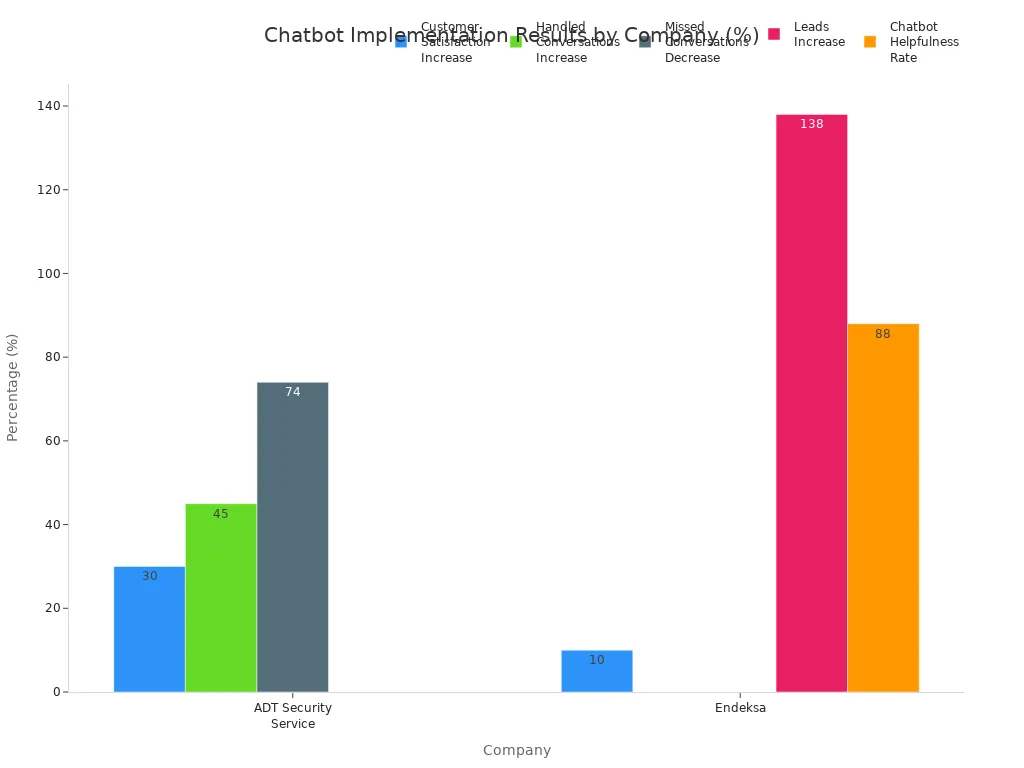
| Company | Key Objectives | Results of Chatbot Implementation |
|---|---|---|
| Marriott International | Enhance guest interactions and reduce staff workload. | Streamlined guest requests and boosted customer satisfaction. |
| ADT Security Service | Speed up response times and improve user experience. | Achieved a 30% increase in customer satisfaction and a 45% increase in handled conversations. |
| Endeksa | Manage overwhelming call volumes and boost lead generation. | Slashed waiting times by 59% and saw a 138% increase in leads. |
By automating responses, you can easily expand into new markets. A multilingual chatbot can communicate with customers worldwide, helping you build a global presence.
Common Enterprise Use Cases

Enterprise chatbots are versatile tools that you can apply across your entire organization. They solve specific problems in different departments, from helping customers to supporting your employees. Understanding these use cases helps you see where a chatbot can deliver the most value for your business.
The Role of AI Chatbots in Support
In customer support, AI chatbots act as your first line of defense. They handle common questions instantly, which frees up your human agents for more complex problems. This creates a more efficient and responsive customer support operation.
An advanced chatbot can resolve a significant number of customer inquiries on its own.
- Industry benchmarks show that advanced AI agents can achieve resolution rates between 55% and 70%.
- Many retail and travel companies report that their AI deflects over 50% of incoming queries.
When a problem is too complex for the AI, the handover to a human agent is smooth. The chatbot recognizes when you need more help based on your frustration or the issue's complexity. It then transfers the full conversation history to an agent. This means you never have to repeat yourself, creating a seamless support experience.
HR and Internal Help Desk
Your employees need quick answers, too. An internal chatbot can automate many routine HR and IT tasks, improving employee satisfaction and productivity. You can build a self-service portal that gives your team instant access to company information.
Chatbots can automate many essential HR functions:
- Onboarding: A chatbot guides new hires through paperwork, answers questions about company policies, and helps them request necessary equipment.
- Policy Questions: Instead of searching through documents, employees can ask the chatbot about benefits, leave policies, or expense reporting.
- Feedback Collection: You can use a chatbot to automatically send surveys to new hires to monitor their onboarding experience and gather valuable feedback.
Companies like Unilever and Deloitte use internal chatbots to streamline HR queries. These tools provide intelligent responses for daily tasks, helping employees find information quickly and boosting overall productivity.
E-commerce and Retail Support
In the competitive world of e-commerce, a great customer experience drives sales. Chatbots are essential for providing the instant support that online shoppers expect. They can guide customers through their buying journey, answer product questions, and provide real-time order updates. This level of service can lead to significant growth.
Studies show that e-commerce sites using an effective chatbot can see conversion rate improvements of 20% or more. Some reports even find that sales chatbots can achieve a 3x higher conversion rate on product recommendations.
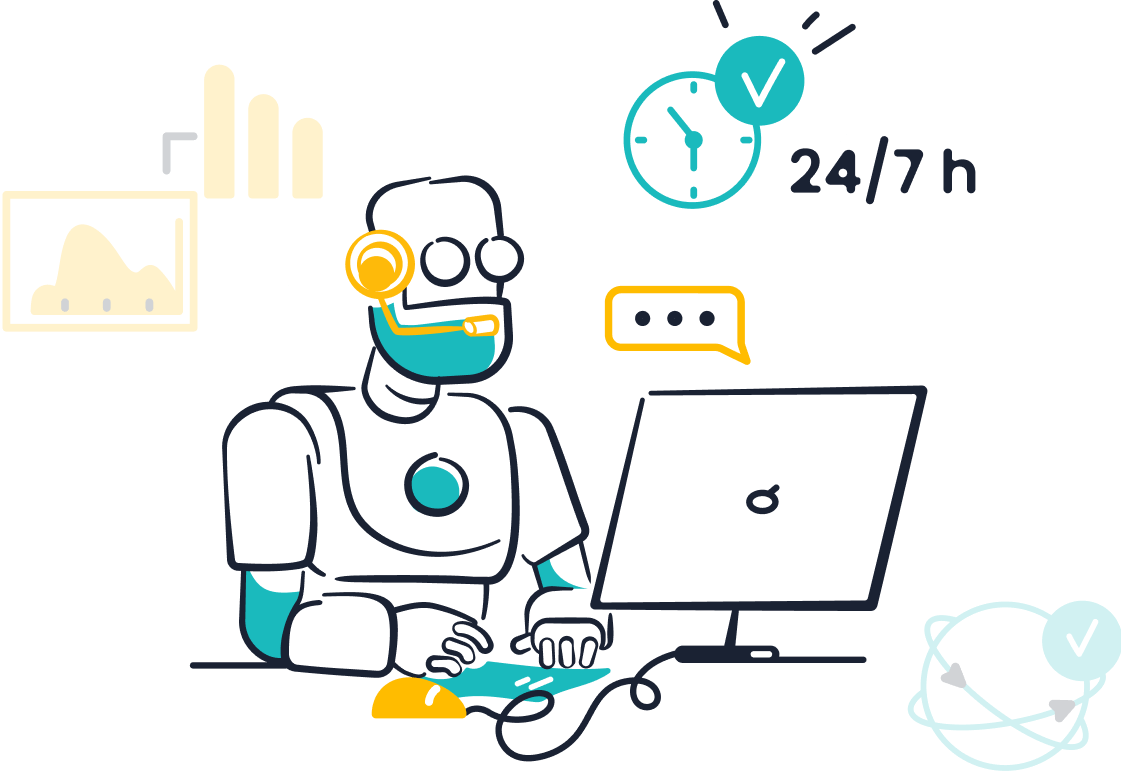
A powerful example of this is the smart device innovator OPPO. The company needed to manage a high volume of customer questions during peak shopping seasons. By implementing Sobot's solution, OPPO embraced a human-machine cooperation model.
- The Sobot chatbot handled repetitive questions, achieving an impressive 83% resolution rate.
- This freed human agents to focus on complex issues, improving service quality and efficiency.
The result was a more satisfied customer base and a stronger bottom line. OPPO saw a 57% increase in its repurchase rate, proving that a well-implemented chatbot is a powerful tool for driving both loyalty and revenue.
Technical Support Automation
Technical support teams often face a high volume of repetitive tickets. Enterprise chatbots can automate Level 1 support by guiding users through basic troubleshooting steps. This process is known as ticket deflection because it resolves issues before they become a formal support ticket.
An AI chatbot can walk users through common fixes for issues like:
- Connectivity Problems: Guiding a user to reboot a router or reset network settings.
- Software Glitches: Providing steps to clear a cache or reinstall an application.
- Password Resets: Automating the entire process of account unlocks and password changes.
By handling these predictable requests, the AI ensures that your technical experts can focus on high-priority incidents. The chatbot gathers all necessary information from the user upfront. If the issue requires escalation, it creates a detailed ticket and routes it to the correct team, providing them with the full context to solve the problem quickly.
Implementing Your First Enterprise Chatbot
Putting your first enterprise chatbot into action is a strategic process. You can start small and build momentum. By identifying the right opportunities and choosing a flexible platform, you set your business up for success.
Identifying High-Impact Use Cases
You should start where a chatbot can make the biggest difference. Look for tasks that are repetitive and happen frequently. These are often the best places to begin.
- High-Volume Tasks: Focus on areas with many simple questions, like customer service or lead qualification.
- Time-Sensitive Needs: Use a chatbot where quick responses are critical for business outcomes.
- Scalability Challenges: Automate processes that slow down your business as it grows.
For example, a company might find more initial value in using a chatbot for sales lead qualification than for complex technical support. This approach often delivers a faster return on investment.
Choosing the Right Chatbot Platform
The right platform makes all the difference. You need a tool that is powerful yet easy to use. Look for a solution with a no-code, point-and-click interface. This allows your business teams to build and manage chatbots without needing developers.
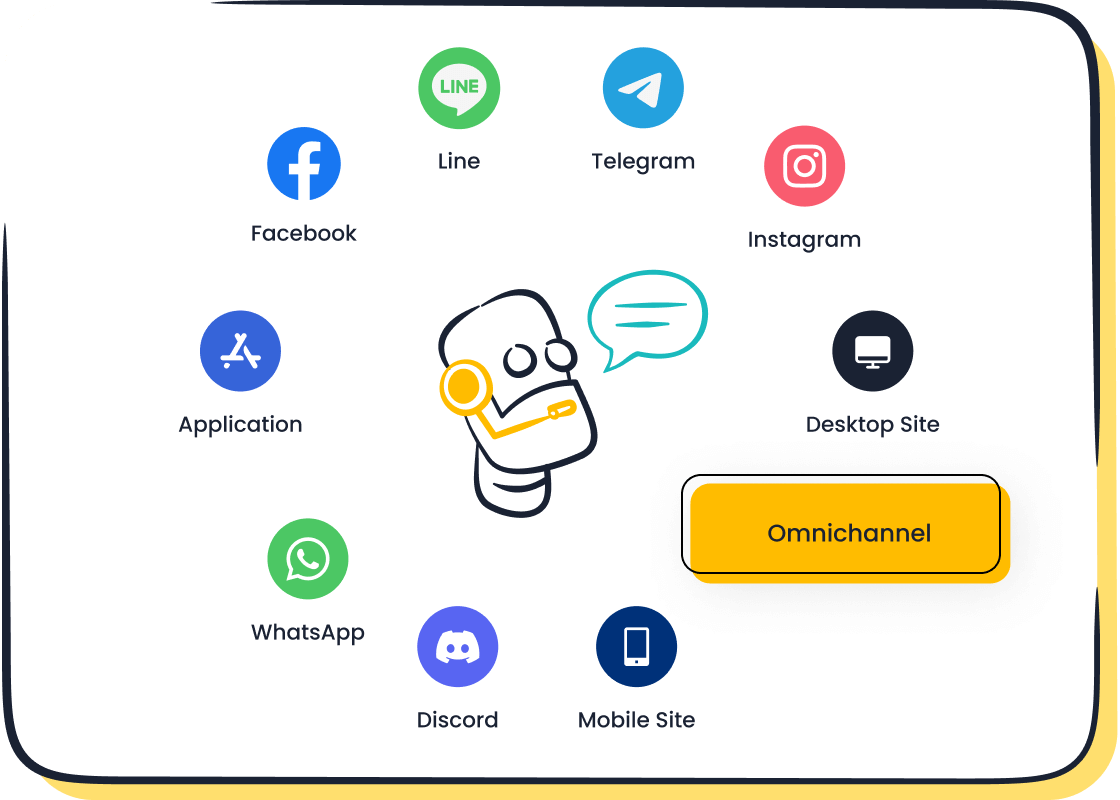
A great platform also offers omnichannel support. Your customers want to connect on their favorite channels. A solution like Sobot lets you deploy AI chatbots across WhatsApp, SMS, and more, creating a unified experience. This flexibility helps you meet customers where they are.
Piloting and Scaling with Sobot
You do not need to automate everything at once. A pilot project helps you learn and grow. You can follow a simple, phased approach:
- Crawl: Start with a basic chatbot for a high-impact task, like answering FAQs.
- Walk: Use data from your pilot to improve the AI and expand its skills.
- Run: Fully integrate the AI chatbots into your operations and scale across departments.
Platforms like Sobot make this easy. The no-code builder lets you launch a pilot quickly. As you see success, you can easily scale your chatbots to handle more complex workflows.
Measuring Success with KPIs
You need to measure your chatbot's performance to know if it is working. Key Performance Indicators (KPIs) show you the value your AI delivers.
Key metrics to track include:
- Self-Service Resolution Rate: A good rate is above 65%. This shows the chatbot is solving problems on its own.
- Customer Satisfaction (CSAT): Aim for a score above 80%. This proves your chatbots are creating a positive experience.
- Automation Rate: This measures how many queries the chatbot resolves without human help.
Tracking these numbers helps you understand your return on investment and find areas for improvement.
Enterprise chatbots are strategic assets. These AI chatbots drive efficiency, reduce costs, and improve user experiences. The future of chatbots is evolving. These AI tools are becoming proactive partners in your business strategy, not just simple automation tools. The best chatbots use AI to predict your needs.
Ready to start? Audit your business for high-volume tasks. You can explore a versatile chatbot solution like Sobot. Embark on Your Contact Journey today and see how chatbots can transform your operations.
FAQ
What is the main goal of an enterprise chatbot?
An enterprise chatbot automates your customer interactions. It solves regular questions on its own. This powerful AI chatbot also helps your agents, which improves their productivity and makes your business more efficient.
How does an enterprise chatbot reduce business costs?
This AI tool operates 24/7. It handles customer questions without needing extra staff. This constant availability can save your business up to 50% on agent costs, especially during nights and weekends.
Do I need coding skills to build an enterprise chatbot?
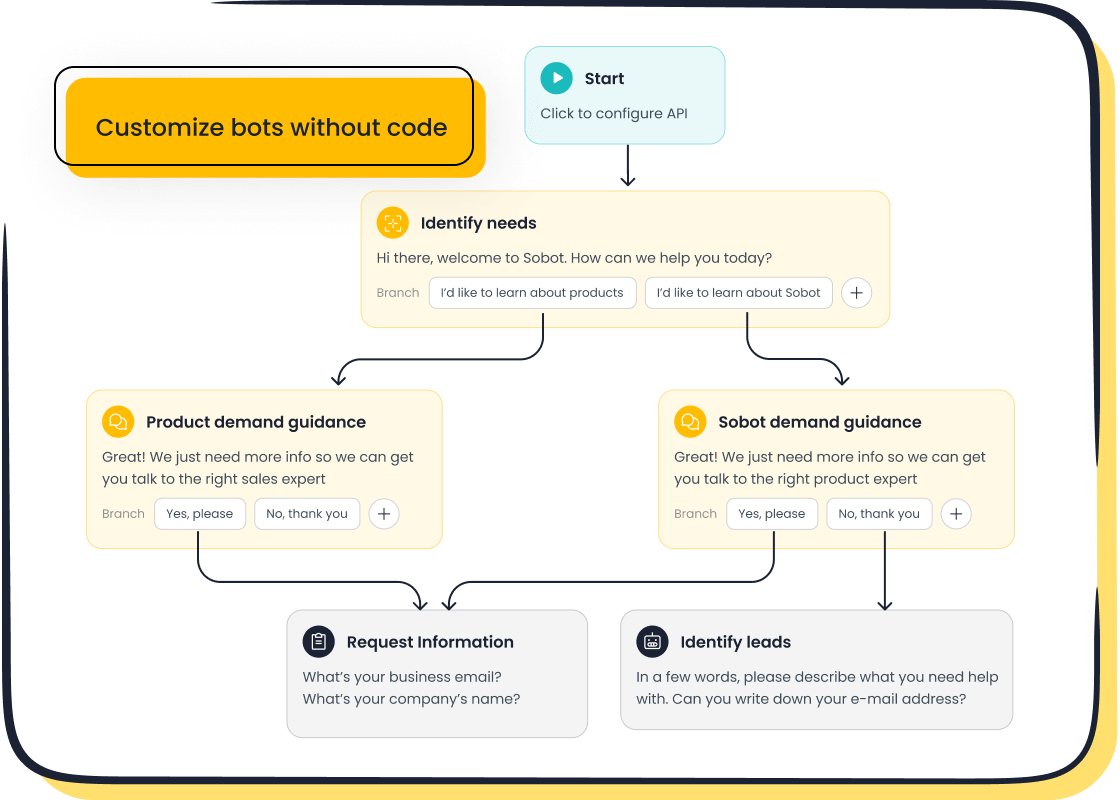
No, you do not need to code. Modern platforms like Sobot offer a point-and-click interface. You can use simple building blocks to design and launch your AI chatbot workflows easily.
Tip: A no-code builder empowers your non-technical teams. They can create and manage the enterprise chatbot without relying on developers.
Can this type of chatbot speak multiple languages?
Yes, a key feature of an enterprise chatbot is its multilingual ability. Solutions like the Sobot AI Chatbot can talk with your global customers in their preferred language, helping you scale support worldwide.
See Also
Selecting Optimal Chatbot Software: A Comprehensive Guide for Your Business
Building an Effective Chatbot for Enhanced Website Performance and Growth
Effortlessly Deploying Website Chatbots: Practical Examples for Quick Integration
Simple Steps to Integrate a Chatbot Seamlessly Onto Your Website
Discovering the Top 10 Superior Chatbot Solutions for Websites in 2024

