Top Enterprise Chatbot Use Cases to Know Now

Enterprise chatbots are now an essential tool for improving your customer experience and achieving increased efficiency. This is not a future trend. The market for AI chatbots is growing fast, with statistics showing strong adoption.
- The global chatbot market is projected to reach $46.6 billion by 2029.
- Roughly 60% of B2B companies now use a chatbot.
The most critical enterprise chatbot use cases today fall into four key areas: supercharging customer service, accelerating sales, streamlining internal support, and boosting operational efficiency. This conversational experience is powered by conversational AI. Advanced conversational AI and chatbot solutions, like the Sobot AI chatbot, make powerful AI chatbots and AI-driven tools accessible for all chatbots for enterprises, enhancing your Sobot call center with strong integration capabilities for a better customer experience.
Top Customer Service Chatbot Use Cases
Excellent customer service is the backbone of a successful enterprise. AI chatbots have become a game-changer, transforming how you manage customer interactions and deliver support. These conversational AI tools handle routine tasks, freeing your human agents to focus on complex issues that require a personal touch. Let's explore the top chatbot use cases that are revolutionizing customer support.
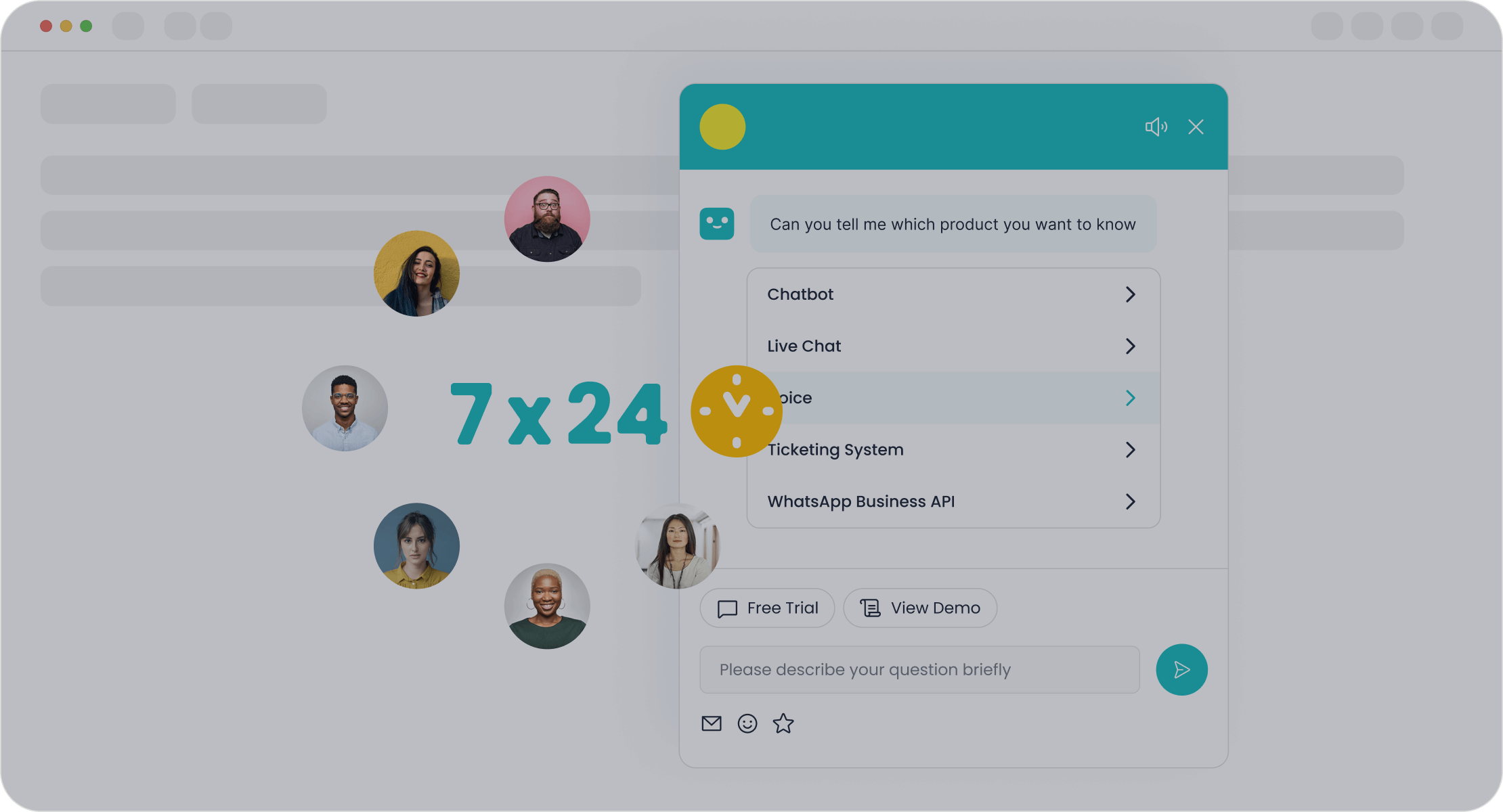
24/7 Instant Customer Support
Your customers expect answers now, not just during business hours. A chatbot provides instant, 24/7 support across all your digital channels. This immediate availability dramatically improves the customer experience. Instead of waiting in a queue, customers get their questions answered right away.
This round-the-clock service also leads to significant cost savings. A human agent costs much more per interaction than a conversational AI agent. By automating simple queries, you can reduce overall support costs substantially.
Cost of Support: AI Chatbot vs. Live Agent Data shows that AI chatbots can handle up to 80% of simple questions, leading to a 30-40% reduction in overall support costs.
| Metric | AI Chatbot | Live Agent |
|---|---|---|
| Cost Per Interaction | $0.50-$0.70 | $8-$15 |
| Availability | 24/7 | Business Hours |
Faster responses directly lead to happier customers. Studies show that businesses using conversational AI see a 27% improvement in customer satisfaction (CSAT) because of quick and accurate answers. When you reduce response times to under an hour, you can achieve a 15-20% higher CSAT score, boosting customer loyalty and retention.
Automated Ticket Creation and Routing
A cluttered support inbox slows everyone down. AI chatbots streamline your entire ticketing process. When a customer has a complex issue that a chatbot cannot solve, the bot can automatically create a support ticket. It gathers all the necessary information from the customer upfront, such as their name, contact details, and a description of the problem.
This automated ticket is then intelligently routed to the right department or agent. For example, a billing question goes to the finance team, while a technical problem goes to IT support. This eliminates manual sorting and ensures the ticket lands with an expert who can solve it quickly. Companies like Accenture use this exact method to categorize and route tickets efficiently.
This process delivers two key benefits:
- Reduces Ticket Volume: AI chatbots deflect common questions, reducing the number of tickets your agents handle. A telecom provider, for instance, used a chatbot to deflect 25% of its tickets.
- Faster Response Times: By routing tickets to the right expert instantly, you significantly cut down customer wait times and improve your team's efficiency.
Sobot's Ticketing System works seamlessly with its AI Chatbot to make this a reality, creating a smooth handoff from automated conversation to human agent.
Proactive Issue Resolution
The best customer service solves a problem before the customer even knows they have one. Proactive customer support chatbots initiate conversations to help users. For example, a chatbot can send you a reminder about a software update or a notification about your bill. AT&T uses its chatbot to send billing alerts, which helps reduce late payments and support inquiries.
Most unhappy customers don't complain; they just leave. In fact, for every one customer who voices a complaint, 26 others silently churn. Proactive conversational AI helps you get ahead of this by identifying potential issues. AI systems can even spot at-risk accounts nearly 47 days before a customer decides to cancel. This gives you a valuable window to intervene and improve their experience, which is critical for user retention.
Real-Time Order and Shipment Tracking
"Where is my order?" (WISMO) is one of the most common questions in e-commerce. Answering it manually consumes a massive amount of your support team's time. This is one of the most effective chatbot use cases for freeing up your agents.
An AI chatbot integrated with your logistics system can provide customers with instant, real-time updates on their order status and location.
Note: 9 out of 10 shoppers now expect real-time tracking. AI chatbots are the only scalable way to meet this demand 24/7.
By automating WISMO inquiries, you can:
- Reduce Support Costs: Deflecting 5,000 WISMO tickets a month can save you up to $14,000.
- Improve Service Levels: Companies using AI in their supply chains report a 65% improvement in service levels.
- Free Up Your Team: Your agents can stop answering repetitive tracking questions and focus on complex customer interactions that drive value.
The Role of Sobot's AI Chatbot in Self-Service
Empowering customers to find their own answers is the ultimate goal of modern customer service. A powerful knowledge base combined with an intelligent chatbot creates an unbeatable self-service experience. This is where Sobot's solutions shine.
Leading companies are already seeing incredible results. For example, the smart device innovator OPPO partnered with Sobot to manage a high volume of customer inquiries. By implementing Sobot's AI Chatbot in a human-machine cooperative model, OPPO achieved:
- An 83% chatbot resolution rate, handling most queries without human intervention.
- A 94% positive feedback rate from customers.
- A 57% increase in their repurchase rate.
You can read more about their success here.
OPPO's results are a powerful example of what's possible with the right enterprise chatbot use cases. While an 80% CSAT score is considered excellent for chatbots for customer service, top performers like OPPO demonstrate that exceeding expectations is achievable. By leveraging conversational AI, you can build a customer support engine that is efficient, effective, and loved by your customers.
Sales & Marketing with Conversational AI
Beyond support, conversational AI is a powerful engine for driving revenue and growth. You can use AI chatbots to transform your sales and marketing efforts, turning passive website visitors into qualified leads and loyal customers. These tools automate key parts of the sales funnel, creating a seamless customer experience that boosts your bottom line. This is one of the most valuable enterprise chatbot use cases for revenue generation.
Solutions like Sobot’s AI Chatbot are designed for this purpose. They help you achieve a 20% increase in conversions and generate 30% more leads through proactive engagement and intelligent self-service. Let's explore the specific chatbot use cases that unlock this revenue potential.
Automated Lead Qualification
Your sales team's time is valuable. You don't want them spending it on leads that aren't ready to buy. This is where lead qualification chatbots excel. These AI chatbots act as your digital front line, engaging website visitors the moment they show interest.
A chatbot can ask targeted questions to gather crucial information. This process separates the curious browsers from the serious buyers. This is a critical step for sales and lead generation. The conversational AI uses a scoring system based on the visitor's answers.
How Conversational AI Scores Leads A chatbot can use a framework like BANT (Budget, Authority, Need, Timeline) to qualify leads.
- It engages a visitor and asks about their role, company size, and needs.
- It assigns points to each answer. For example, a "Marketing Director" might get +15 points, while needing a tool "this quarter" adds +10 points.
- Once the lead's score passes a set threshold, the chatbot identifies them as a qualified lead.
- It then triggers an automated handoff, alerting your sales team or booking a demo directly.
This automated process is highly effective. Businesses using AI chatbots for lead qualification see significant gains in their conversion rates.
- Some companies report a 15% increase in lead conversion.
- Others have seen prospect conversion rates jump by as much as 40%.
This approach ensures your sales team only engages with high-intent prospects, dramatically improving their efficiency and boosting revenue.
Proactive Website Engagement
You shouldn't wait for visitors to ask for help. Proactive customer engagement is key to maximizing lead generation. A chatbot can initiate conversations with visitors at just the right moment. This timely interaction can prevent drop-offs and guide users toward a purchase.
The key is to be helpful, not intrusive. You can set up your conversational AI to trigger messages based on specific user behaviors.
- Time on Page: Offer help to a visitor who has been on your pricing page for over 30 seconds.
- Scroll Depth: Engage a user who has scrolled 70% down a product page.
- Exit Intent: Present a special offer when a visitor moves their cursor to exit the site.
This strategy turns a passive browsing experience into an active, conversational one. By addressing questions in real-time, you build momentum and reduce friction in the sales process. This approach has a direct impact on revenue. Brands that use AI chatbots for real-time support during checkout have seen over a 20% lift in cart completions. These targeted customer interactions make your website a more effective tool for lead generation.
Scheduling Sales Demos and Appointments
Coordinating schedules for demos and meetings can be a frustrating, time-consuming task. AI chatbots eliminate this friction completely. By integrating with your sales team's calendars, a chatbot can book appointments 24/7 without any human effort.
Here’s how it works:
- After qualifying a lead, the chatbot offers to schedule a demo.
- It displays the sales representative's available time slots.
- The lead picks a time that works for them.
- The chatbot automatically sends a calendar invitation to both parties.
This automated process does more than just save time. It also helps reduce no-show rates. The conversational AI can send automated reminders via email or SMS before the meeting. Some advanced systems even use predictive analysis to identify clients who are likely to miss an appointment, allowing you to send extra reminders and ensure your team's schedule stays full. This seamless experience improves efficiency and accelerates your sales cycle, contributing directly to revenue generation.
Personalized Product Recommendations
A generic customer experience no longer works. Today's shoppers expect personalization. AI chatbots can act as personal shopping assistants, guiding customers to the perfect products based on their unique needs and preferences. This creates better customer interactions and drives more revenue.
The chatbot starts a conversational interaction by asking questions to understand what the customer is looking for. Based on their answers, it provides tailored recommendations, just like a helpful sales associate in a store. This is one of the most effective chatbot use cases for e-commerce.
Many top brands are already using this strategy to boost revenue.
| Company | How They Use a Chatbot for Personalization | Impact on Revenue |
|---|---|---|
| Sephora | The chatbot asks about skin type and beauty goals to recommend specific makeup and skincare products. | Creates a highly personalized shopping experience that guides customers to the right purchase. |
| H&M | The chatbot acts as a personal stylist, asking about style preferences and budget to suggest outfits. | Drives higher engagement than email marketing and makes online shopping feel more personal. |
| Lego | A gift-finder bot asks about age, budget, and interests (like superheroes or space) to suggest the perfect Lego set. | Achieved a 6x return on ad spend and a 31% lower cost per conversion by reducing choice overload. |
This level of personalization has a massive impact on sales. Data shows that smart cross-selling and upselling through a chatbot can increase Average Order Value (AOV) by 20-30%. By making the shopping experience more relevant and helpful, you not only increase immediate revenue but also build the kind of loyalty that fuels long-term retention.
Internal Support with Chatbots for Enterprises
Your employees are your internal customers, and their experience matters. Enterprise chatbot use cases extend beyond external support to streamline your internal operations. By deploying conversational AI, you empower your teams with instant access to information, freeing up HR and IT departments to focus on strategic initiatives. These AI chatbots create a more efficient and supportive workplace.
Employee Onboarding and Training
You can make a great first impression on new hires with a smooth onboarding process. An AI chatbot acts as a 24/7 guide, answering questions and automating tasks. This conversational approach significantly reduces the time your HR team spends on repetitive work.
| Company | Before Automation (Time) | After Automation (Time) | Time Saved (HR Involvement) |
|---|---|---|---|
| Hitachi | 10-15 days (onboarding) | 4 days saved | 20 hours to 12 hours per new hire |
| Texans Credit Union | 15-20 minutes (access setup) | Less than 1 minute | N/A |
Beyond onboarding, AI chatbots deliver personalized training. For example, Walmart uses conversational AI to train over 1 million associates, cutting onboarding time by nearly 50%. This method uses microlearning to deliver bite-sized lessons, improving information retention by up to 20%.
Instant HR Policy and Benefit Answers
Your HR team often fields the same questions repeatedly. A chatbot can instantly answer common inquiries, providing your employees with immediate support. This is one of the most effective chatbot use cases for improving internal efficiency. Common questions include:
- "What is our vacation policy?"
- "How do I add my spouse to my health insurance?"
- "When are pay days?"
- "Where can I find information on our 401k plan?"
Integrating an AI chatbot with a ticketing system greatly improves how you handle employee tickets. The conversational AI can generate a draft response based on company policies, which an agent can quickly review and send. This process significantly reduces ticket response times and enhances overall efficiency.
IT Helpdesk and Automated Troubleshooting
You can reduce the burden on your IT helpdesk with conversational AI. An IT chatbot can automate 40-50% of support ticket volume by guiding employees through common troubleshooting steps. This includes issues like restoring network connections or accessing software. The chatbot asks guided questions to diagnose the problem and can often resolve it without needing to create a ticket for your human AI agents.
Password Resets and Account Management
Password-related issues are a major drain on IT resources, accounting for 20-50% of all helpdesk calls. An AI chatbot completely automates this process. The chatbot uses secure protocols like multi-factor authentication (MFA) to verify an employee's identity. It then guides them through the reset process securely and instantly. This frees up your IT team and gets employees back to work faster, making it a high-impact use case for any enterprise.
Key Operational Enterprise Chatbot Use Cases
You can unlock major efficiency gains by using AI chatbots for core business operations. These powerful conversational AI tools go beyond support and sales to automate fundamental processes. This is one of the most impactful enterprise chatbot use cases for boosting productivity. Using a chatbot for these tasks frees your team from manual work, reduces errors, and accelerates workflows.
Internal Knowledge Base Navigation
Your employees need fast access to company information to do their jobs well. A conversational AI chatbot acts as an intelligent search engine for your internal knowledge base. This is one of the most practical chatbot use cases. Instead of searching through scattered documents, your team can simply ask the chatbot a question.
The chatbot offers instant, 24/7 responses. This immediate problem-solving capability minimizes downtime and enhances efficiency. Your employees no longer need to chase down help desk staff or spend hours navigating internal systems.
These AI chatbots use Natural Language Processing (NLP) to understand conversational questions and provide accurate answers. This conversational approach empowers your team with:
- Rapid support for any query, reducing time spent waiting for help.
- A central hub for company policies, procedures, and FAQs.
- Self-service interfaces that let employees resolve issues on their own.
This instant access makes your entire organization more productive. The conversational AI ensures everyone gets consistent information quickly.
Automating Repetitive Data Entry Tasks
Data entry is a time-consuming and error-prone task. You can use AI chatbots and task automation bots to handle these repetitive jobs. This is one of the key chatbot use cases for improving operational accuracy. A conversational AI can extract information from documents and input it directly into your business systems.
This automation is especially useful for finance and operations teams. These AI chatbots can manage tasks such as:
- Invoice processing
- Purchase order management
- Expense report creation
- Payment validation
For example, a chatbot can read a purchase order request sent in an email. The conversational AI then finds the information in your database and provides an update. This process eliminates manual data entry, saves countless hours, and reduces the risk of human error.
You have seen how enterprise chatbot use cases deliver transformative results. They enhance customer service, accelerate sales for more revenue, and streamline internal support. Implementing powerful chatbot solutions is crucial for staying competitive. Sobot's all-in-one contact center platform, with its strong integration capabilities, combines AI chatbots and ai-driven tools to deliver on these conversational use cases. This approach boosts revenue and improves key metrics.
- Retention Rate: A higher retention rate shows long-term satisfaction with your conversational chatbot.
- Active Users: More active users for your AI chatbots signal successful engagement.
Ready to embark on your contact journey? Schedule a demo of Sobot's AI Chatbot today to see how these conversational AI chatbots can revolutionize your business and drive revenue.
FAQ
### What is the main benefit of using an AI chatbot?
You gain major efficiency. An AI chatbot automates repetitive questions 24/7. This frees your team to handle complex issues, reduces costs, and improves your customer satisfaction scores. It is one of the most valuable enterprise chatbot use cases for any business.
### How do chatbots help with sales and marketing?
Chatbots turn your website into a lead generation tool. They proactively engage visitors, qualify leads, and even schedule sales demos automatically. Solutions like Sobot's AI Chatbot can help you boost conversions by 20% and generate 30% more leads.
### Can you use chatbots for internal support?
Yes, you can use chatbots to support your employees. They provide instant answers to HR questions, automate IT helpdesk tasks like password resets, and help new hires during onboarding. This creates a more efficient internal workflow for your entire team.
### Is it difficult to set up an enterprise chatbot?
No, it does not have to be. Modern platforms offer user-friendly tools.
For example, Sobot's AI Chatbot uses a point-and-click interface. You can design and launch a powerful chatbot without writing a single line of code, making advanced AI accessible to everyone.
See Also
Effortlessly Implement Website Chatbot Examples: A Simple Guide for Success
Selecting the Ideal Chatbot Software: Your Comprehensive Guide to Excellence
Discovering the Top 10 Websites Utilizing Chatbots Effectively in 2024
Essential AI Tools for Enterprise Contact Centers: A Top 10 List

