7 Tips for Personalized Guest Services

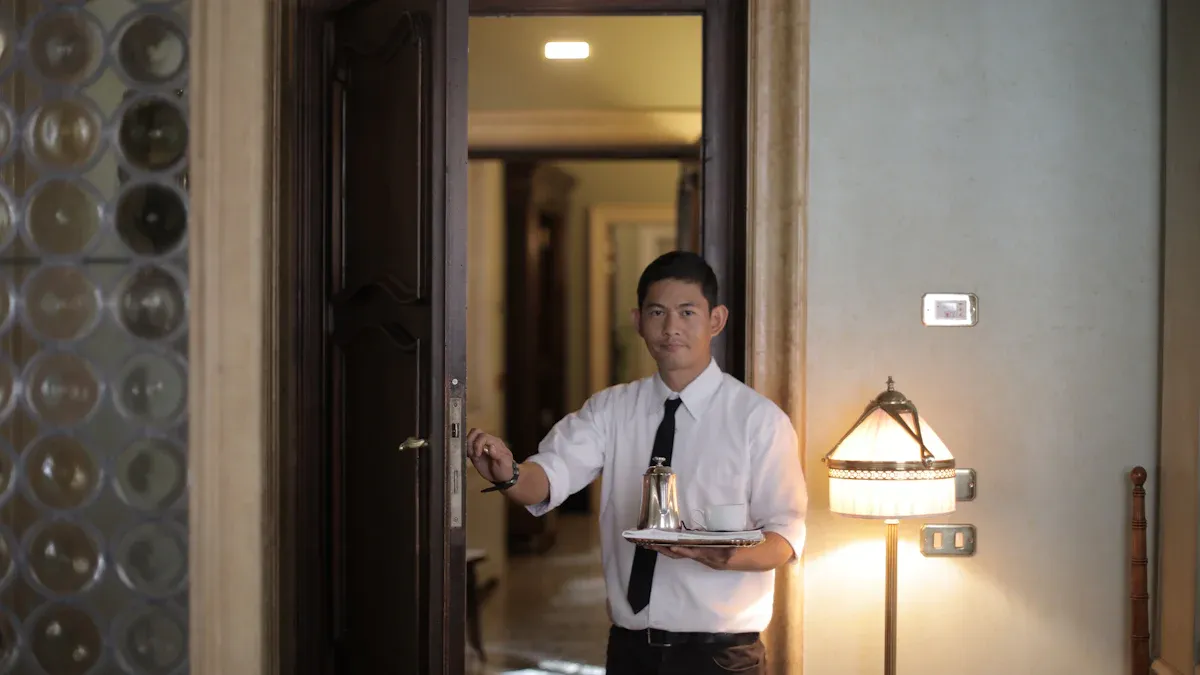
Modern travelers expect personalization. It is no longer a perk but a standard for a first-class stay. You can impress hotel guests by anticipating needs to create a unique, customized experience. For independent hotels, effective guest experience personalization is a powerful tool. It builds genuine loyalty and drives repeat business.
The art of personalization in hospitality is about making your guests feel seen and valued. Excellent personalized guest services, powered by tools like a Sobot call center and Sobot AI, create memorable stays. This customer experience personalization turns one-time visitors into loyal advocates. These tips will guide you in crafting exceptional personalized guest experiences.
Tip 1: Build Profiles for Personalized Guest Services
Effective personalization in hospitality starts with understanding your guests. You can impress hotel guests by building detailed profiles. This practice is the foundation for predicting guest needs and crafting a memorable experience. Strong profiles turn basic information into opportunities for exceptional service.
How to Collect Actionable Data
You can gather valuable information from multiple touchpoints. Each interaction offers a chance to learn more about your guests. Start with the basics during the reservation process. Then, expand your knowledge throughout their stay.
- Reservation Data: Collect contact details, room preferences, and special requests at booking.
- Website and App Interactions: Track guest searches and booking history to understand their interests.
- Wi-Fi Portals: Use your Wi-Fi login page to gather insightful first-party data for targeted recommendations.
- Feedback and Surveys: Gain direct insight into guest satisfaction and find opportunities for personalization.
Track and Apply Guest Preferences
Collecting data is only the first step. You must track and apply guest preferences to make a real impact. A guest who requests extra-soft pillows on one visit should find them waiting in their room on the next. This attention to detail shows you value their comfort. Keep a record of specific preferences. This might include frequent early check-in requests or an interest in spa services. This information allows you to proactively offer upgrades and tailor packages that enhance the guest experience.
Remember, the goal is to use data to create a better stay. When you track preferences, you can anticipate needs before guests even have to ask.
Use Your PMS and CRM Effectively
Your Property Management System (PMS) and Customer Relationship Management (CRM) software are powerful tools. You should integrate them to create a single, unified view of each guest. This integration combines booking details with communication history and spending patterns. It eliminates data silos and reduces manual errors. A unified profile helps your team deliver personalized guest services. You can segment guests for targeted marketing, reward loyal visitors with exclusive offers, and automate post-stay follow-ups to build lasting relationships.
Tip 2: Personalize Guest Communication
Effective communication is the heart of personalization in hospitality. You can impress hotel guests by tailoring your messages at every stage of their journey. Thoughtful communication shows you care about their individual experience. This approach builds trust and sets the stage for a wonderful stay.
Crafting Targeted Pre-Arrival Emails
Your pre-stay communication is a key opportunity for personalization. Guests are excited about their trip, and emails sent before arrival have very high open rates, often over 60%. You should send two main emails. The first is a booking confirmation. The second, sent about a week before check-in, can build anticipation and gather information.
- Remind guests of their booking details.
- Ask about their arrival time or any special preferences.
- Offer relevant upgrades, like a room with a view or a spa package.
- Share helpful tips about local events or attractions.
Use the data you have to tailor these messages. Acknowledge if they are a returning guest or mention an activity related to their previous interests. This makes your communication feel personal, not automated.
Offering Personalized Upgrades
Personalized upgrades are a powerful way to increase revenue and enhance the guest experience. Data shows that 73% of guests will spend more on their stay when offered upgrades that feel personal to them. Use your guest profiles to offer relevant add-ons. Does a guest always book a king bed? Offer an upgrade to a suite. Did they mention an anniversary? Suggest a romance package with champagne and chocolates. This targeted approach feels like a helpful suggestion, not a generic sales pitch. It shows you understand their needs and want to make their stay special.
Following Up Post-Stay to Build Loyalty
The conversation should not end at checkout. A follow-up email is essential for building long-term loyalty. You should send a thank-you message within 24 to 48 hours. This is your chance to show appreciation and gather valuable feedback.
You can segment your email list to make these messages more effective.
- First-time guests might receive a survey and a discount for their next visit.
- Loyal fans could get an exclusive offer or an invitation to your loyalty program.
A thoughtful follow-up makes guests feel valued. It encourages them to book directly with you next time, turning a one-time visitor into a loyal advocate for your hotel's personalized guest services.
Tip 3: Train Staff for Personalized Service
Your team is the face of your hotel. Technology helps gather data, but your staff delivers the human touch that defines personalization in hospitality. You can impress hotel guests by training your team to deliver exceptional personalized service. This training creates a culture where every employee feels empowered to make a guest's stay unforgettable.
Empowering Your Team to Go Beyond Scripts
Empowerment gives your team the freedom to make decisions. You should provide ongoing training in customer service, communication, and problem-solving. This equips employees with the confidence to handle guest requests creatively. An empowered team can resolve issues on the spot without needing a manager's approval. This autonomy leads to higher job satisfaction and lower turnover. Engaged teams also drive better business results.
| Impact Area | Empowered/Engaged Workforce | Less Engaged Workforce |
|---|---|---|
| Profitability | 23% more profitable | Less profitable |
| Turnover Rates | 18% to 43% lower | Higher |
Empowerment turns routine service into memorable personalized interactions.
Remembering Guest Names and Details
Using a guest's name is a simple yet powerful form of personalization. It creates memorable 'moments of difference'. When your staff remembers returning guests' names or preferences, it fosters a strong sense of belonging and appreciation. This small detail enhances the guest's psychological well-being during their experience. It shows you see them as an individual, not just a room number. This practice is a cornerstone of excellent personalized guest services.
Authorizing Thoughtful Gestures
You should authorize your staff to perform thoughtful gestures. Give them a small budget or clear guidelines to surprise guests. This allows for spontaneous acts of kindness that leave a lasting impression. These gestures do not need to be expensive. The value comes from the thought behind them.
- Deliver hot chocolate to a family's room after a cold day.
- Leave a handwritten note and a local snack for a guest celebrating a birthday.
- Provide a small, useful amenity, like an olive pit dish at the bar.
These actions show you are proactively thinking about your guests' comfort and enjoyment.
Tip 4: Offer Personalized Hotel Touches
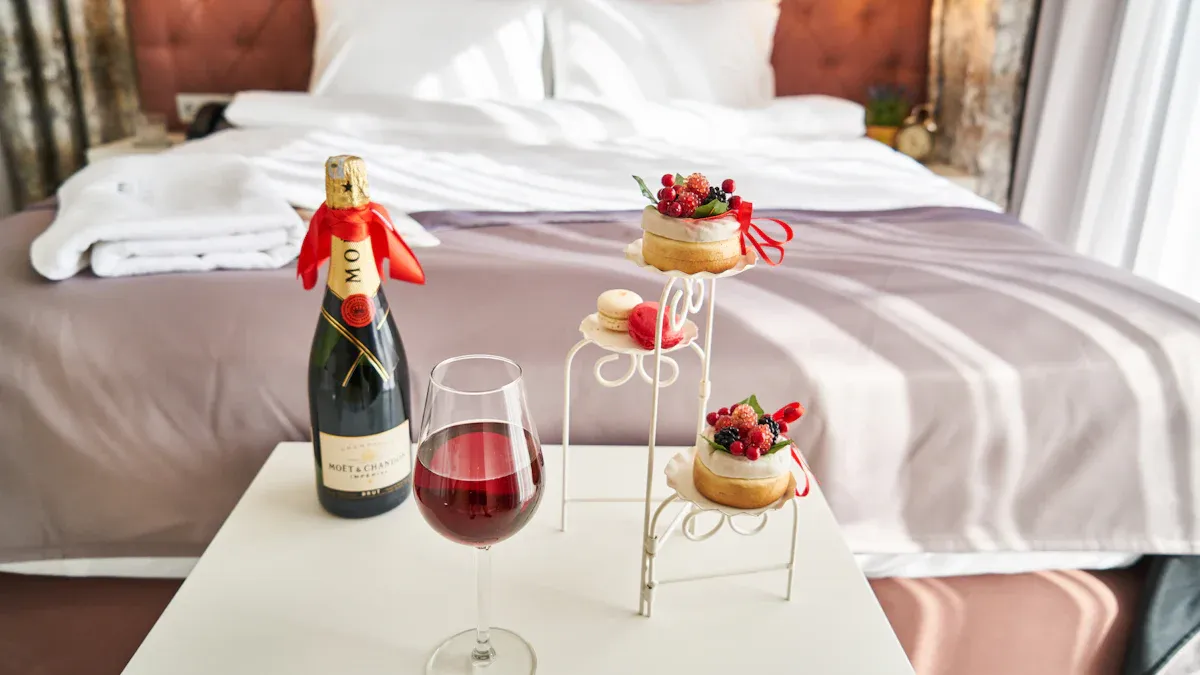
You can impress hotel guests with thoughtful details that go beyond standard service. The smallest personal touches often leave the biggest impression. These gestures show you are paying attention to the individual, not just the reservation. This level of personalization in hospitality is what transforms a good stay into a great one.
The Impact of Low-Cost Surprises
Unexpected thoughtful surprises create powerful, positive memories for your guests. The value of these gestures comes from their relevance, not their cost. A simple, handwritten welcome note makes a guest feel seen and valued. If you know a guest loves craft beer from their profile, leaving a complimentary local brew in their room is a memorable touch. These small acts of kindness show genuine care and elevate the guest experience.
Remember, effective personalization is about making guests feel special. A small, locally made snack or a thoughtful note can be more impactful than an expensive, generic gift.
Unique In--Room Amenity Ideas
You can enhance the stay by offering unique hotel amenities tailored to different guest needs. Think beyond the standard soap and shampoo. Consider creating personalized room settings that cater to specific travelers.
- For the Wellness Seeker: Provide in-room yoga mats or a list of local running trails.
- For Families: Offer milk and cookies at turndown or a small toy.
- For the Business Traveler: Ensure a comfortable workspace with good lighting and plenty of outlets.
These personalized welcome gifts show you have anticipated their needs, making their experience much more comfortable and convenient.
Acknowledging Special Occasions
Acknowledging a special occasion is a fantastic way to deliver personalized guest services. You can easily gather this information by sending a pre-arrival email asking if guests are celebrating a birthday or anniversary. This simple question opens the door for wonderful personalization.
When a guest confirms a celebration, you have a perfect opportunity to create a memorable moment. You could surprise them with a complimentary dessert after their dinner or even a room upgrade upon arrival. These personalized hotel touches show you care about their milestones and are happy to celebrate with them.
Tip 5: Leverage Technology to Enhance Human Touch
You can use technology to empower your team, not replace them. The right tools handle routine tasks. This frees up your staff to create the personal connections that impress hotel guests. Strategic technology integration supports your team and allows them to deliver a truly exceptional experience.
"Technology undoubtedly enhances efficiency and guest experiences, but it is paramount to retain a core focus on the value of human interaction. By strategically integrating technology... staff are supported and empowered to genuinely enrich guest touchpoints." – Leila Jiwnani, Head of Hospitality and Leisure, Deloitte UK
Use Guest Messaging for Real-Time Service
Modern guests expect to communicate on their terms. A recent survey shows that nearly 60% of travelers prefer using SMS or WhatsApp to contact their hotel. You can meet this demand by offering guest messaging. This allows for quick, convenient conversations. Guests can ask for extra towels or make a dinner reservation right from their phones, creating a frictionless experience.
Unify Communications with an Omnichannel Solution
Guests contact you through many channels, including web chat, email, and social media. Managing these separately can be inefficient. You can provide a seamless experience with an omnichannel solution. A platform like the Sobot Omnichannel Solution integrates all guest communications into a single, unified workspace for your staff. This approach dramatically improves efficiency. For example, after implementing Sobot's platform, luxury brand Michael Kors reduced its response times by 83% and achieved a 95% customer satisfaction rate.
Automate Routine Queries with an AI Chatbot
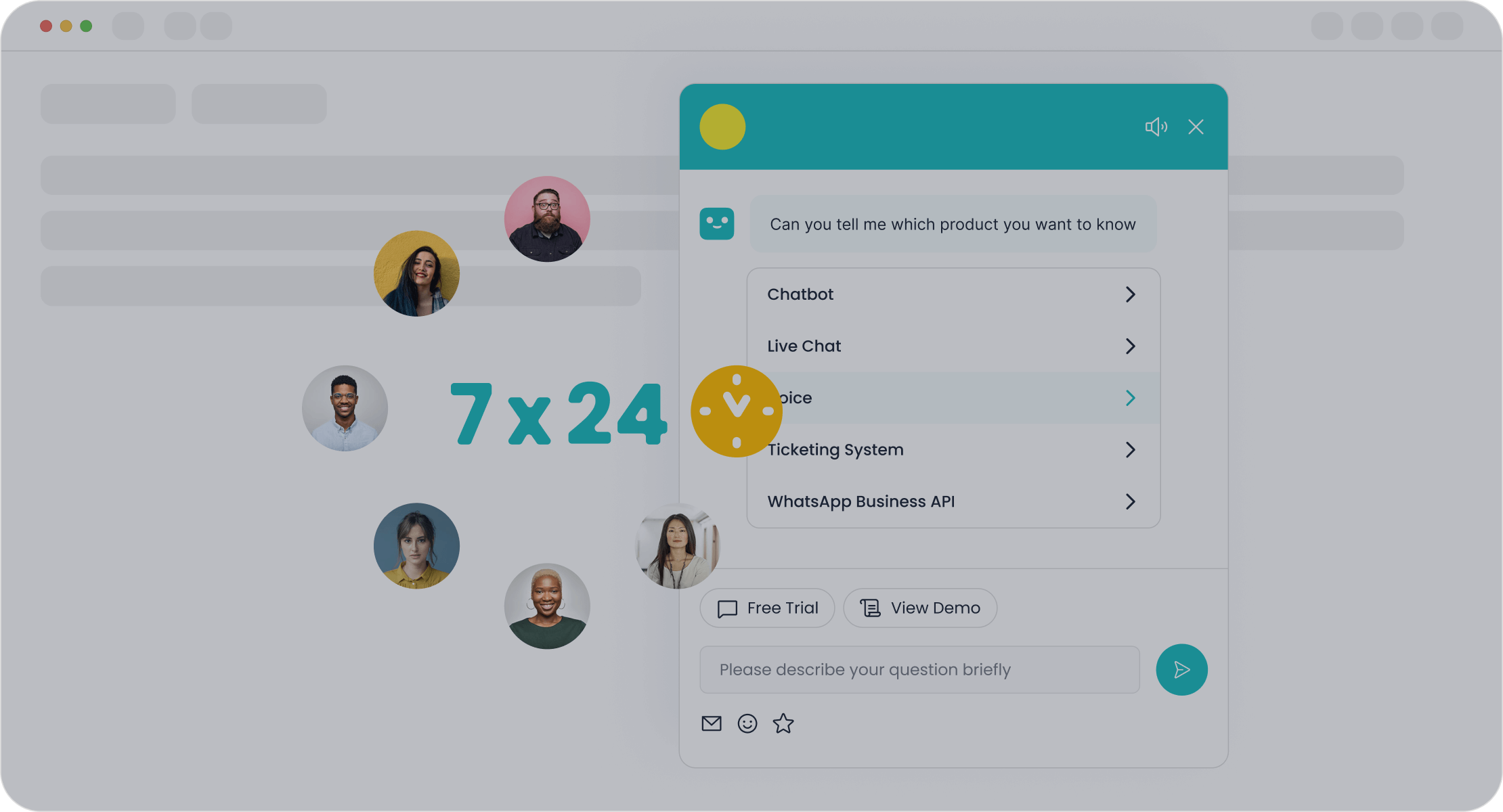
Your team spends a lot of time answering the same questions. You can automate these routine queries with an AI chatbot. A tool like the Sobot AI Chatbot provides 24/7, multilingual customer service for common questions about Wi-Fi, breakfast times, or pool hours. This has a major impact:
- AI chatbots can handle up to 80% of guest inquiries automatically.
- They reduce customer response times from minutes to seconds.
- This automation frees your staff for more complex issues.
This level of personalization allows your team to focus on high-value interactions that define excellent personalization in hospitality.
Tip 6: Provide Curated Local Recommendations
You can impress hotel guests by offering local advice that feels personal and exclusive. Today’s travelers want to "live like a local," not just visit as a tourist. Your hotel can become their trusted guide to authentic experiences. This form of personalization builds a deep connection and makes their stay truly memorable.
Move Beyond Generic Tourist Brochures
You should replace the rack of generic brochures with genuine, curated advice. A list of popular pizza places is not helpful. A specific recommendation is much more powerful.
Tell your guests, "You should try ABC Pizzeria on Main Street; it serves the best pizza in the city!" This turns a simple suggestion into an endorsed experience.
This approach shows you have insider knowledge. You can also suggest unique activities that guests will not find in a standard guidebook.
- Offer sunset horseback rides.
- Arrange bonfires under a star-filled sky.
These special touches create lasting memories and show you care about their trip.
Tailor Suggestions to Guest Interests
The best recommendations match your guests' unique preferences. You can use your knowledge of their interests to suggest the perfect activity. This is a key part of personalization in hospitality.
- For food lovers: Arrange a private cooking class with a local chef.
- For adventurers: Offer a guided hiking tour tailored to their skill level.
While technology can suggest ideas, a knowledgeable concierge is essential. Your team can have real conversations to refine suggestions and perfectly match the guest's desires. This level of personalization makes guests feel understood and valued.
Position Your Hotel as a Local Insider
You can build your hotel's reputation as a local expert. This strategy attracts guests and encourages positive reviews. You can partner with local businesses to create exclusive packages or tours. This gives your guests access to unique opportunities. You can also create video guides, like "Top 10 Hidden Gems in Our Neighborhood," to showcase your expertise. When you provide insider tips, you enhance the guest experience. Satisfied guests are more likely to leave glowing reviews, which boosts your online reputation and attracts new business.
Tip 7: Elevate the Guest Experience at Check-In and Out

The first and last moments of a stay define the entire visit. You can elevate the guest experience by making check-in and check-out seamless and personal. These touchpoints are your final opportunities to impress hotel guests and ensure they leave with a positive, lasting impression.
Create a Warm, Personalized Welcome
Your chance to create a welcome to remember begins the moment guests arrive. This first interaction sets the tone for their whole stay. Use the information you have gathered to make this experience special.
- Greet guests by name as they walk through the door.
- Offer a unique arrival surprise, like a specialty drink that reflects your local culture.
- Have their room ready with personal touches, such as a towel animal for a family or rose petals for a couple on their honeymoon.
This level of personalization shows you have been expecting them and are genuinely happy they are there. It transforms a simple check-in process into a warm, memorable welcome.
Acknowledge and Reward Returning Guests
You should make your loyal guests feel like VIPs. Acknowledging their return is a cornerstone of personalization in hospitality. Your PMS and CRM data are key here. Before they arrive, ensure your team knows their name and preferences.
You can show your appreciation with simple, thoughtful gestures.
- Have their favorite drink waiting for them.
- Offer a small gift, like a basket of local treats or a chocolate with a personalized note.
- Provide loyalty benefits, such as a complimentary late check-out.
This focused personalization makes returning guests feel truly valued and strengthens their connection to your hotel.
Ensure a Memorable Departure
A great experience should end on a high note. A smooth and friendly departure is just as important as a warm welcome. Instead of a transactional farewell, make it a personal one. Ask about their stay and listen to their feedback. Offer to help with luggage or arrange transportation. A simple gesture, like offering a bottle of water for their journey, shows you care about their comfort even after they have checked out.
You can achieve exceptional personalization in hospitality by blending smart technology with a genuine human touch. These seven tips show that effective personalization is not about expensive gestures. It is about consistent, thoughtful efforts. This approach to customer experience personalization is how you impress hotel guests and create a memorable experience. You can set your hotel apart by using this strategy. It turns your guests into loyal advocates and gives you a strong competitive advantage.
FAQ
How can I start with personalization if my budget is small?
You can begin with low-cost, high-impact actions. Use guest names during conversations and send handwritten welcome notes. Acknowledging special occasions or remembering past preferences shows you care. These thoughtful gestures create a memorable experience without significant expense.
What is the best way to learn guest preferences?
You can collect information at multiple points. Use pre-arrival emails to ask about the purpose of their trip or any special requests. Pay attention to choices they make during their stay, from the restaurant to hotel amenities. This helps you build a profile for future personalization.
How does technology help with personalization in hospitality?
Technology automates routine tasks. An AI chatbot can answer common questions 24/7. This frees your staff to focus on high-value interactions. A good CRM helps you track guest data, making it easier to provide a consistent and personal experience for your guests.
See Also
Elevate Live Chat Satisfaction: Ten Strategies for Happier Customers
Selecting Social Media Customer Service Software: A Guide to Ten Key Tips
Implementing Shopify Live Chat: Ten Essential Steps for Seamless Support
Achieving Omnichannel Excellence: Ten Steps for Contact Center Solutions
Understanding QMS: A Comprehensive Guide to Call Center Principles

