How to Streamline Inventory Accounting for Ecommerce Clients

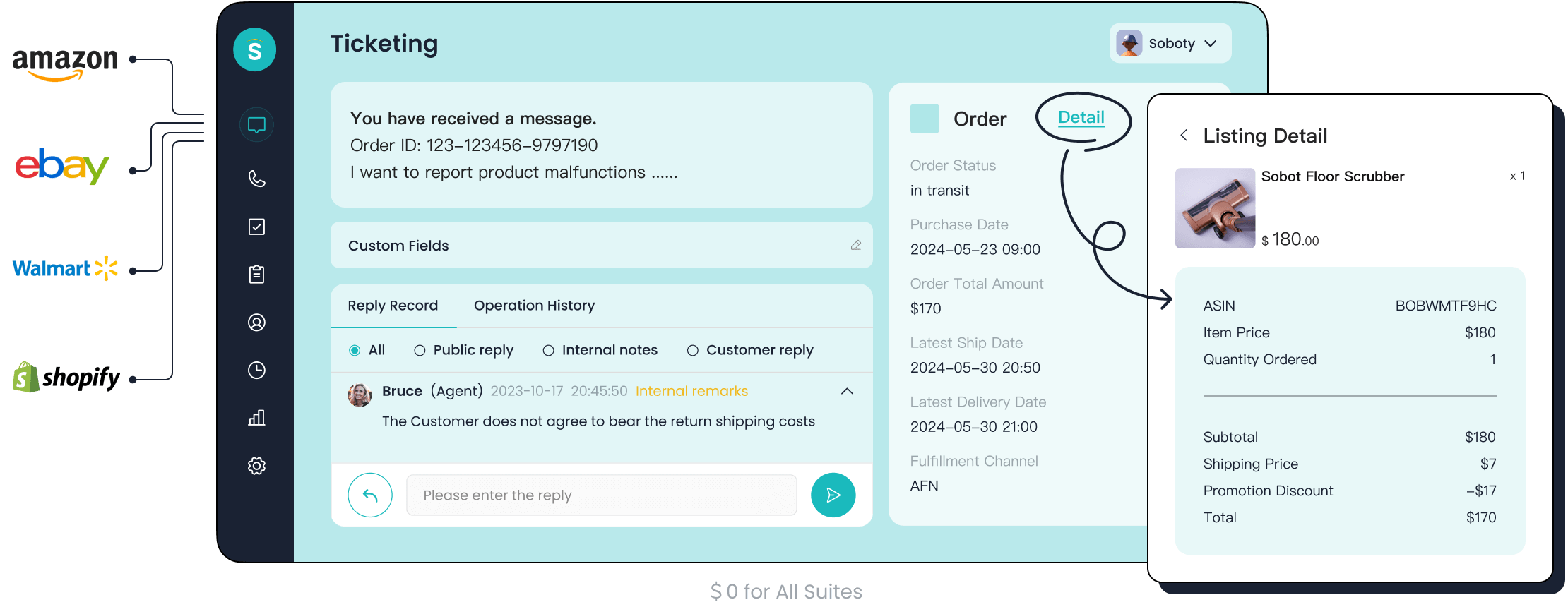
Managing inventory and accounting can feel overwhelming for ecommerce clients, especially when you juggle multiple sales channels. You might find it tough to keep up with accurately reporting inventory, tracking costs, and meeting demand. In fact, 34% of ecommerce businesses face challenges with inventory across different platforms. Automated systems like Sobot and Sobot AI make a real difference. With solutions such as the Sobot call center, you can boost inventory accuracy from 65% to 99.9%. Real-time data helps with demand forecasting, tax compliance, and financial control, all while keeping your customers happy.
Tip: Streamlined inventory accounting leads to better cost control and customer satisfaction.
| Source | Average Inventory Accuracy Rate | Improvement with Automated Systems |
|---|---|---|
| University of Arkansas’ RFID Lab | 65% | 99.9% order accuracy |
Inventory Accounting Basics
What Is Inventory Accounting
Inventory accounting tracks the value and movement of your products. You record how much inventory you buy, sell, and keep on hand. This process helps you know the real cost of goods sold (COGS) and how much profit you make. In ecommerce accounting, you need to include all costs related to selling a product. These costs can include buying, storing, managing, and shipping items.
You have a few ways to value your inventory. Some ecommerce businesses use FIFO (First-In, First-Out), LIFO (Last-In, First-Out), or the weighted average cost method. Each method affects your financial reports and tax obligations in different ways. For example, FIFO can show higher profits during times of inflation, but it may also increase your tax bill. The weighted average cost method helps balance profit reporting and keeps your financial statements steady.
Tip: Accurate inventory accounting helps you avoid mistakes and keeps your business healthy.
Why It Matters for Ecommerce Clients
If you run an ecommerce store, inventory accounting is more than just counting products. It helps you make smart decisions about what to buy, how to price items, and when to run promotions. Good inventory management lets you meet customer demand and avoid running out of stock. It also helps you spot slow-moving products so you can take action before they become a problem.
Here are some key reasons why inventory accounting matters:
- It gives you a clear picture of your costs and profit margins.
- Proper inventory valuation ensures your financial reports are accurate and meet standards like GAAP or IFRS.
- Tracking inventory turnover helps you avoid overstocking or stockouts.
- Good inventory management supports demand planning and stock control.
- Accurate records help you stay compliant with tax rules.
| Financial Risk | Description |
|---|---|
| Rising storage costs | Extra inventory increases rent and utility costs, lowering profits. |
| Product obsolescence | Overstocking can lead to outdated products and extra disposal costs. |
| Missed sales opportunities | Understocking means lost sales when customers cannot find what they want. |
| Diminished customer satisfaction | Stock-outs can upset customers and hurt your reputation. |
| Strained cash flow | Too much inventory ties up money you could use elsewhere. |
When you keep your inventory accounting accurate, you improve customer satisfaction, control costs, and make better business decisions.
Ecommerce Inventory Management Challenges

Running an ecommerce business means you face some tough inventory management challenges every day. You need to track inventory across different channels, handle lots of orders, and keep your stock levels accurate. Let’s break down the biggest hurdles you might see.
Multi-Channel Sales and Returns
Selling on multiple platforms like Shopify, Amazon, and your own website sounds great, but it can make inventory management tricky. You have to update inventory counts everywhere, and sometimes things get out of sync. Take a look at the common challenges:
| Challenge | Description |
|---|---|
| Synchronization | You might struggle to manually update and synchronize inventory counts across locations. |
| Visibility | Without real-time visibility, you risk costly stockouts or deadstock. |
| Demand Fluctuations | Customer demand goes up and down, which can mess with inventory levels. |
| Overselling and Overstocking | Both can lead to unhappy customers and financial losses. |
| Data Insights | It’s hard to get the right data to guide inventory decisions. |
Returns add another layer of complexity. You need to reverse sales, update inventory, and manage costs like shipping and handling. Sometimes, sales and returns data get scattered across platforms, making it tough to track inventory and report accurately. Different return policies and timelines can mess with your accounting, and you have to adjust your financial statements when returns happen. You also need to set up a refund liability so you don’t overstate your revenue. Processing returns means inspecting, restocking, or even disposing of items, which affects your cost structure and tax reporting.
High Transaction Volumes
Ecommerce inventory management gets even harder when you deal with hundreds or thousands of orders every day. You need to track inventory for each sale and return, and mistakes can pile up fast. High volumes mean more chances for errors, like selling items you don’t have in stock or missing updates when products come back as returns. If you don’t keep up, you might lose money or upset your customers. Fast-moving inventory needs quick updates so you always know what’s available.
Tip: Automate your inventory updates to keep up with high transaction volumes and avoid costly mistakes.
Real-Time Stock Tracking
You can’t afford to guess how much stock you have. Real-time inventory tracking helps you meet customer demand and avoid stockouts. Technologies like inventory management software, barcode scanners, RFID systems, and IoT sensors make it easier to track inventory and get instant updates. For example, Levi’s Brazil boosted their inventory accuracy from 67% to nearly 100% after using RFID technology. The Siman Group saw their accuracy jump from 65-70% to 95% with similar tools. These systems help you keep the right amount of stock, make smart decisions, and stay on top of your financial and tax obligations.
Real-time inventory tracking gives you the data you need to manage inventory, meet demand, and keep your business running smoothly.
How to Account for Inventory in Ecommerce Accounting
Inventory Accounting Methods
When you run an ecommerce business, you need to choose how you account for inventory. This choice affects your ecommerce accounting, your financial reports, and even your tax bill. There are three main ways to account for inventory in ecommerce accounting. Here’s a quick look:
| Method | Description | Best For |
|---|---|---|
| FIFO | First In First Out; assumes the first goods purchased are the first sold. | Products with a short full-price life or perishable items (e.g., food, fashion, tech). |
| LIFO | Last In First Out; assumes the last goods purchased are the first sold. | Products that typically rise in price each year, helping to match revenues with expenses. |
| Average Cost Valuation | Cost of Goods Sold is determined by calculating the weighted-average unit cost of inventory. | Most small- to medium-sized ecommerce businesses due to its simplicity and reliability. |
You need to pick the method that fits your business best. Each one changes how you see your costs and profits in your accounting.
Choosing the Right Method
Picking the right way to account for inventory in ecommerce accounting can help your business grow. You should think about these things:
- Are your costs going up or down?
- How often does your stock change?
- FIFO works well for most, but LIFO can help if prices change a lot.
- Your business needs may be unique, so talk to a tax advisor.
- Think about how accurate you want your inventory valuation to be.
- Check if your country has rules about which method you can use.
- Look at the type of inventory you sell.
- Decide if you want to show higher profits or manage your tax bill.
Tip: The way you account for inventory in ecommerce accounting can affect your profit, your tax, and your financial planning.
Cost of Goods Sold (COGS) Tracking
Tracking cost of goods sold is a big part of ecommerce accounting. You need to know your beginning inventory, what you buy, and your ending inventory. This helps you see your real costs and profits.
- Beginning inventory: What you have at the start.
- Purchases: What you buy during the period.
- Ending inventory: What you have left at the end.
You can use two main ways to track cost of goods sold:
- Purchase-based COGS: Figure out cost of goods sold from what you buy.
- Sales-based COGS: Figure out cost of goods sold from what you actually sell.
Accurate cost of goods sold tracking helps you see which products make money. It also helps you set prices and plan for demand. Good ecommerce accounting means you always know your costs, your profits, and your tax needs.
Tools for Ecommerce Inventory Accounting

Sobot Ticketing System for Ecommerce Clients
You want your inventory systems to work smoothly. The Sobot Ticketing System helps you manage inventory-related customer questions and automate support. When a buyer sends a message on Amazon, Sobot creates a ticket right away. You do not have to worry about missing requests. The system routes tickets to the right team member using custom rules. You get instant alerts, so nothing falls through the cracks. Sobot keeps all message content and ticket records in one place. This makes it easy to check past actions and make better decisions. You can set reminders for different roles, so your team always follows up on time.
| Feature | Description |
|---|---|
| Automated Ticket Generation | Creates a ticket for each new buyer message on Amazon. |
| Routing and Alerts | Sends tickets to the right person and gives instant alerts. |
| Cross-Departmental Collaboration | Lets agents follow workflows or reassign tickets for better handling. |
| Synchronization | Keeps all message content and records up to date for smart decisions. |
| Custom Reminder Rules | Lets you set reminders for different roles to process tickets on time. |
Sobot also brings together email, chat, and Shopify messages. You see everything in one dashboard. This unified approach helps you solve inventory problems faster and keeps your customers happy.
Integrating with Ecommerce Platforms
You need inventory software solutions that connect with your favorite ecommerce platforms. Sobot integrates with Shopify, Amazon, and email. This means you can manage all your inventory and customer messages in one place. Your team can work together to solve issues and keep your inventory accurate. Sobot helps you consolidate customer interactions, which makes inventory management easier. You do not have to switch between different systems. This saves time and reduces mistakes.
- Sobot works with Shopify and email.
- It helps teams collaborate for better customer experiences.
- You can streamline inventory management by bringing all customer interactions together.
With Sobot, you can automate stock tracking and keep your inventory systems up to date. This helps you meet demand and control costs.
Automation and Analytics
Automation changes how you handle inventory accounting. Sobot’s accounting software automates ticket creation, routing, and reminders. You do not have to enter data by hand. This reduces errors and keeps your financial records accurate. Automation also helps you with tax compliance software needs. You get real-time inventory tracking, so you always know your stock levels. This prevents overselling and helps you fulfill orders quickly.
| Benefit | Description |
|---|---|
| Real-time inventory tracking | Automation tracks sales, returns, and restocking in real time, so you never run out of stock. |
| Improved order fulfillment | Automation speeds up order processing and delivery, making customers happy. |
| Enhanced accuracy in financial management | Automation removes manual entry errors, which is key for tax and financial reporting. |
Sobot’s accounting software gives you real-time insights. You can see your inventory, costs, and demand forecasting data in one place. This helps you make smart decisions and stay ahead of tax rules. Analytics from Sobot’s inventory software solutions show you trends and help you plan for the future. You can set service level agreements (SLAs) to make sure your team responds fast. With Sobot, you get the tools you need to manage inventory, meet demand, and keep your accounting on track.
Action Steps for Streamlined Ecommerce Inventory Management
Streamlining your ecommerce inventory management can feel like a big job, but you can break it down into clear steps. When you set up efficient workflows, run regular audits, and use smart tools like Sobot’s Ticketing System, you make ecommerce accounting much easier. Let’s walk through how you can do this.
Setting Up Efficient Workflows
You want your inventory to move smoothly from the moment you forecast demand to the time you ship out orders. Here’s a step-by-step guide to help ecommerce clients set up efficient inventory accounting workflows:
-
Forecasting
Start by predicting how much inventory you’ll need. Look at your past sales, seasonal trends, and upcoming promotions. This helps you avoid overstocking or running out of popular items. -
Purchasing
Order inventory from your suppliers based on your forecasts. Keep records of every purchase order so you can track costs and plan for future needs. -
Receiving
When inventory arrives, check it against your purchase orders. Record what you receive right away. This step keeps your records accurate and helps with financial reporting. -
Selling
As you sell products, update your inventory records. Each sale should reduce your available stock in real time. This is where automation really helps. -
Fulfillment
Pick, pack, and ship your products. Update your inventory as soon as items leave your warehouse. This step keeps your customers happy and your records up to date. -
Returns
Handle returns quickly. When customers send items back, inspect them and update your inventory. This helps you keep accurate records for ecommerce accounting and tax purposes. -
Warehouse Counting / True Up
Do regular physical counts of your inventory. Compare what you count to what your system says you have. Fix any differences right away.
Tip: Automate as many steps as possible. Sobot’s Ticketing System can help you track every customer inquiry, order, and return, so nothing gets missed.
Regular Audits and Optimization
You can’t just set up your workflows and forget about them. Regular audits keep your inventory and ecommerce accounting accurate. Here’s how you can stay on top of things:
- Run a full inventory audit at least once or twice a year. Many ecommerce clients do this at the end of a financial reporting period.
- If you want even more accuracy, try quarterly audits. This helps you spot seasonal trends and fix problems before they grow.
- Full audits can disrupt your business, so some ecommerce businesses use cycle counting. This means you count a small part of your inventory more often, like monthly or quarterly.
- Always compare your physical counts to your system records. Fix any mistakes right away.
Note: Regular audits help you catch errors, prevent theft, and keep your financial and tax records clean.
Optimization is just as important as auditing. You want to keep improving your processes so you can save money and keep customers happy. Here are some proven strategies from top ecommerce inventory management case studies:
| Strategy | Description | Example Company | Outcome |
|---|---|---|---|
| Effective inventory management | Predict trends and adjust stock levels. | Beardbrand | Fewer stock issues, happier customers. |
| Quality control | Watch product performance and catch problems early. | Nike | Better customer experience, less overstock. |
| Inventory forecasting | Use past sales to predict future demand. | Beardbrand | Popular items always in stock, no overordering. |
| JIT Inventory System | Order stock as needed to cut costs and waste. | Nike | More efficient, lower costs. |
| Return Management Process | Process returns fast and update your system. | Beardbrand | Hassle-free returns, higher customer satisfaction. |
| Supplier relationships | Build strong partnerships for flexibility during busy times. | Nike | Faster restocking, better response to demand spikes. |
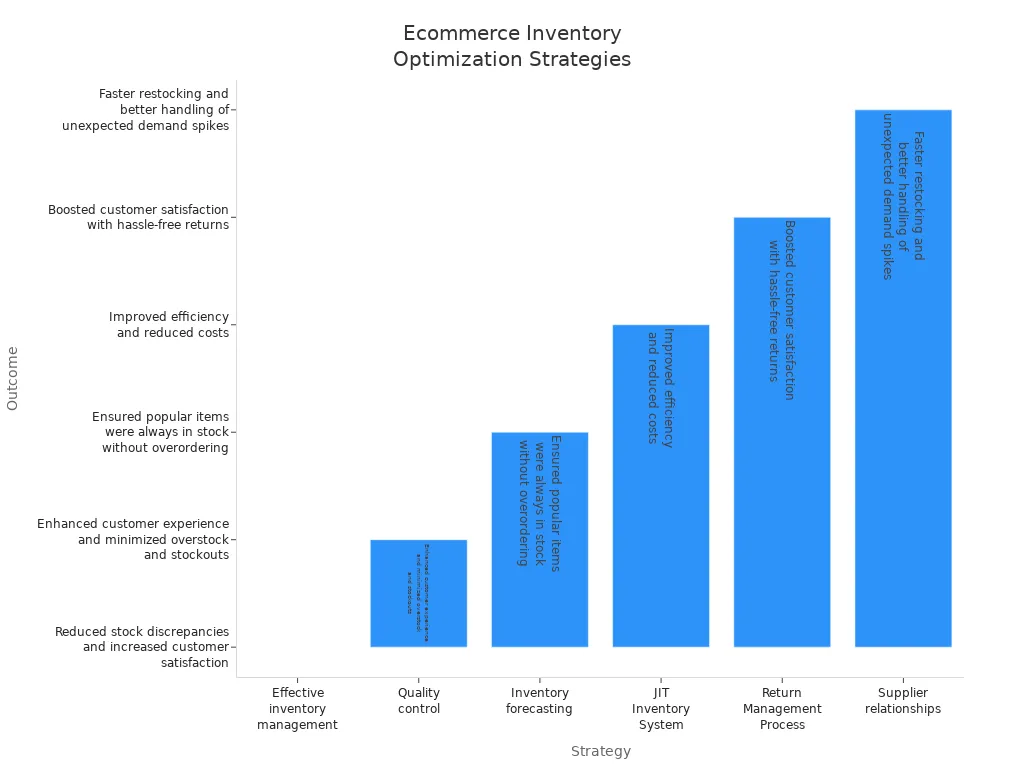
Tip: Use these strategies to boost your inventory accuracy, lower your costs, and keep your customers coming back.
Leveraging Sobot Solutions
You don’t have to do all this work alone. Sobot’s Ticketing System and ecommerce solutions give you the tools you need to automate and optimize your inventory-related support and reporting.
-
Unified Communication
Sobot brings all your customer messages—email, chat, and even Shopify or Amazon inquiries—into one dashboard. You never miss a question about inventory or an order issue. -
Automated Ticketing
When a customer asks about a product or return, Sobot creates a ticket automatically. The system routes each ticket to the right team member using custom rules. You get instant alerts, so you can respond fast and keep your customers happy. -
Real-Time Updates
Sobot syncs with your ecommerce platforms. Every sale, return, or inquiry updates your inventory records in real time. This keeps your ecommerce accounting accurate and helps you avoid costly mistakes. -
SLA Management and Analytics
You can set service level agreements (SLAs) for your team. Sobot tracks how quickly you respond and resolve tickets. The analytics dashboard shows you trends in inventory questions, returns, and order issues. This helps you spot problems early and make better decisions. -
Multilingual Support
If you sell to customers around the world, Sobot translates tickets into multiple languages. You can serve more people and grow your business. -
Easy Integration
Sobot connects with Shopify, Amazon, and other ecommerce platforms. You don’t have to switch between systems. This saves you time and reduces errors in your inventory management.
Callout: Sobot’s Ticketing System helps ecommerce clients automate repetitive tasks, improve accuracy, and focus on what matters—growing your business.
Best Practices for Ongoing Improvement:
- Review your workflows every quarter. Look for steps you can automate or improve.
- Use Sobot’s analytics to track common inventory issues and fix them fast.
- Train your team to use the Ticketing System for all inventory-related support.
- Keep your integrations up to date so your data stays accurate.
- Stay flexible. As your business grows, adjust your workflows and tools to fit your needs.
When you follow these action steps, you make ecommerce inventory management easier and more accurate. You save time, reduce costs, and keep your customers satisfied. Sobot’s solutions give you the power to automate, analyze, and optimize every part of your inventory and ecommerce accounting process.
You can streamline inventory accounting by documenting processes, auditing regularly, and using technology for automation. Sobot’s Ticketing System boosts efficiency and customer satisfaction, with businesses reporting up to a 70% productivity improvement and a 95% customer satisfaction score. Check your current financial workflows, set up regular audits, and integrate tools that help with tax compliance. Ready to take action? Explore Sobot’s solutions or start a free trial today.
| Best Practice | Description |
|---|---|
| Document Processes | Minimize errors with clear documentation |
| Audit Regularly | Verify inventory counts for accuracy |
| Leverage Technology | Automate accounting and inventory management |
FAQ
How can you account for inventory across multiple ecommerce platforms?
You can use inventory software solutions that sync with all your sales channels. These tools help you track inventory in real time, reduce manual errors, and keep your ecommerce accounting accurate. Automation makes it easier to manage stock and demand.
What’s the best way for ecommerce clients to handle inventory management challenges?
You should automate stock tracking and use accounting software that integrates with your ecommerce systems. Regular audits and demand forecasting help you avoid stockouts and overstocking. Efficient workflows make inventory accounting much simpler.
Why is accurately reporting inventory important for ecommerce businesses?
Accurately reporting inventory helps you control costs, meet tax requirements, and improve customer satisfaction. When you track inventory correctly, you avoid financial mistakes and keep your ecommerce accounting up to date.
How does cost of goods sold affect ecommerce accounting?
Cost of goods sold shows you the true costs of your products. Tracking it helps you set prices, forecast demand, and manage your financial records. Good inventory accounting means you always know your profits and tax obligations.
Can accounting software help with tax compliance software needs?
Yes! Accounting software automates financial reporting and tracks inventory for tax compliance. You get real-time updates, accurate records, and easy access to data for audits. This makes tax season less stressful for ecommerce clients.
Tip: Automate your inventory systems to save time and reduce errors in ecommerce inventory management.
See Also
Enhancing Sales Through Ecommerce Live Chat Solutions
Best Live Chat Tools for Ecommerce This Year
Quick Solutions for Shopify Live Chat Problems

