Simple Ways to Identify Types of Customers Today


You can identify types of customers in today's market by observing patterns in customer service interactions. Imagine working in a busy retail store, where you meet customers using chat, phone, and social media through Sobot call center. You notice how each customer has a unique definition of good service. Think about your own experiences as a customer and how your definition of satisfaction changes. Understanding the definition of customer types helps you improve customer service and business efficiency. Sobot AI uses data-driven insights to analyze customer needs, leading to better resource allocation and higher employee productivity.
- Analyzing customer service statistics helps you spot operational inefficiencies.
- Tailoring service based on customer definition enhances customer experiences.
Why Customer Types Matter
Service Impact
You meet many types of customers every day. Each customer brings unique needs and expectations to your business. When you understand these differences, you improve customer service and build stronger relationships. You notice that some customers want quick answers, while others need detailed help. You see that customer satisfaction rises when you match your service to customer needs.
Customer service teams who recognize types of customers can personalize their approach. You create tailored solutions for each client. This leads to higher customer loyalty and better customer experiences. You see that customer expectations change over time. You adjust your customer service to meet these new demands.
Tip: When you listen to customer feedback, you learn what matters most to each customer. This helps you deliver service that meets customer needs and builds trust.
You find that businesses using customer segmentation report a 15% annual profit growth. Tailored in-app experiences boost customer satisfaction and engagement. Targeted marketing efforts improve conversion rates and help you reach the right customers.
Business Efficiency
You want your business to run smoothly. Identifying types of customers helps you focus your resources where they matter most. You allocate budgets to the most profitable client segments. You maximize returns by offering solutions that fit customer needs.
Here is a table showing how segmenting customers benefits your business:
| Benefit | Description | Measurable Impact |
|---|---|---|
| Personalized Marketing Campaigns | Tailoring campaigns to unique customer needs enhances relevance and engagement. | Higher conversion rates |
| Efficient Resource Allocation | Focus budgets on the most profitable segments. | Maximized returns with tailored solutions |
| Improved Customer Experience | Catering to segment-specific preferences enhances satisfaction. | Builds long-term relationships |
| Higher ROI | Targeted efforts reduce marketing waste and deliver better results. | Higher sales without overspending |
You see that McKinsey reports a 5 to 15 percent revenue lift from precise audience definition. Marketing efficiency gains reach up to 30 percent when you personalize efforts for each customer. Your sales team closes more deals when they focus on high-quality leads. You save time and money by targeting customers who are most likely to convert. You build customer loyalty by meeting customer expectations and delivering value.
You notice that a unified understanding of the ideal customer improves efficiency across departments. Better segmentation leads to tailored marketing and sales strategies. You strengthen customer service and drive business growth by knowing your customers well.
Types of Customers in 2025
You meet many types of customers every day. In 2025, you see new patterns in how customers interact with businesses. The pandemic and economic changes have shifted the distribution of customer types, especially in retail and finance. You notice higher income households now play a bigger role in retail, even though they visit less often. Lower income households visit more frequently, searching for essential items and better deals. This shift means you must understand the types of customers you serve to deliver the right experience.
New Customers
New customers are people who interact with your business for the first time. You see them exploring your products, asking questions, and comparing options. They often need guidance and reassurance. You help new customers by providing clear information and easy onboarding. In retail, you notice new customers may visit less often but spend more per visit. In finance, new customers want to see proof of reliability before making decisions.
Tip: Welcome new customers with simple instructions and friendly support. This builds trust and encourages repeat visits.
You can use Sobot’s AI Chatbot to answer common questions and guide new customers through their first purchase. This helps you create a positive first impression and increases the chance of turning new customers into loyal customers.
Loyal Customers
Loyal customers return to your business again and again. You recognize them by their repeat purchases and positive feedback. Loyal customers spend more and try new products more often than first-time buyers. Financial studies show that existing customers are 50% more likely to try new products and spend 31% more on average. When you increase customer retention by just 5%, you can boost profits by 25% to 95%. Loyal customers also spend 67% more than new ones.
- Loyal customers drive long-term revenue growth.
- Emotionally engaged loyal customers spend twice as much as those with low engagement.
- You build loyalty by offering personalized service and rewards.
You can use Sobot’s omnichannel support to recognize loyal customers and offer them special deals. This keeps them coming back and strengthens your brand.
Analytical Customers
Analytical customers make decisions based on facts and data. You see them comparing prices, reading reviews, and asking detailed questions. Analytical customers want transparency and clear information. In retail, they check product specifications and compare features. In finance, they look for evidence of past success and consistent performance.
You help analytical customers by providing detailed product descriptions, comparison charts, and honest answers. Sobot’s AI Insights can help you track what analytical customers value most, so you can tailor your communication and offers.
| Analytical Customer Traits | Description |
|---|---|
| Data-driven | Makes decisions based on research and facts |
| Detail-oriented | Asks specific questions about products or services |
| Seeks transparency | Wants clear and honest information |
Impulsive Customers
Impulsive customers make quick decisions and buy on the spot. You see them responding to flash sales, limited-time offers, and emotional triggers. In 2025, triggers like scarcity (“Only 3 left in stock!”), urgency (“Offer ends in 30 minutes”), and FOMO (“Everyone’s buying this”) drive impulse buying. Emotional triggers such as joy, stress, or boredom also play a role.
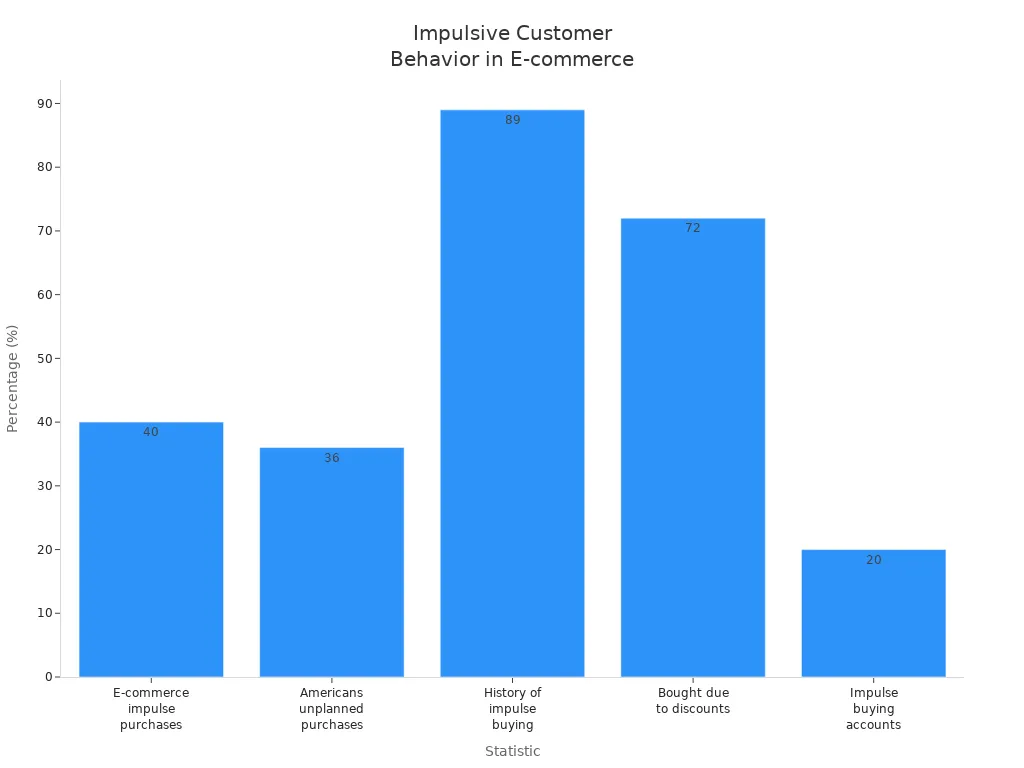
You notice that 36% of Americans say most of their purchases are unplanned. 89% of consumers have a history of impulse buying. 54% have spent $100 or more on an impulse buy. In e-commerce, impulse buying accounts for 20% of purchases, while 40% of all money spent online comes from impulse purchases.
| Trigger Type | Description |
|---|---|
| FOMO & Livestream Commerce | Livestream events trigger impulse buys with charismatic hosts and time-limited deals. |
| Scarcity Promotions | “Only a few left” messages cause buyers to act quickly. |
| Emotional Triggers | Economic stress leads to “doom spending” as a coping mechanism. |
| Discount Triggers | Price cuts motivate 70% of consumers to make spontaneous purchases. |
You can use Sobot’s proactive messaging to alert impulse customers about special deals and limited-time offers. This increases conversions and keeps customers engaged.
Bargain Seekers
Bargain seekers look for the best deals and lowest prices. You see them using deal sites, cashback tools, and alerts for discounts. In 2025, 89% of Americans shop at discount retailers, with 58% visiting dollar stores and 50% shopping at off-price stores. Bargain seekers use strategies like setting up alerts, scheduling browsing time, and learning platform rhythms for consistent savings.
| Shopper Type | Strategy Description |
|---|---|
| Professional Resellers | Use alert-driven tools for immediate notifications and monitor forums for mispriced items. |
| Casual Bargain Hunters | Check daily deal sites and use cashback tools for passive savings. |
| Small Business Owners | Source supplies directly from platforms, considering shipping and quality. |
| Collectors and Hobbyists | Use advanced search filters and alerts to find rare items. |
| General Strategy | Set up alerts, schedule browsing, and learn platform rhythms for savings. |
You can attract discount customers by offering exclusive promotions and loyalty rewards. Sobot’s AI can help you identify bargain seekers and send them personalized offers.
Note: Bargain seekers often compare prices across platforms. You can win their loyalty by providing transparent pricing and easy access to deals.
Skeptical Customers
Skeptical customers question your business and seek proof before making decisions. In finance, skeptical customers worry about reputational and operational risks. Past scandals and financial crises have made customers more cautious. You see skeptical customers asking for evidence of success and consistent follow-through.
- Trust is essential when dealing with skeptical customers.
- Transparency and clear communication address their concerns.
- Empathy and professional conduct help build relationships.
| Impact on Brand Reputation Metrics | Description |
|---|---|
| Decreased Brand Loyalty | Erosion of trust leads to weakened loyalty, with 75% of consumers changing shopping behaviors since the pandemic. |
| Increased Demand for Transparency | Consumers expect high levels of transparency about business practices and product information. |
| Preference for Authenticity | Consumers favor brands that demonstrate commitment to their values. |
| Peer Recommendations Over Advertising | 88% of consumers trust online reviews as much as personal recommendations. |
You can use Sobot’s AI Insights to monitor customer feedback and address concerns quickly. This helps you build trust and improve your brand reputation.
Quiet Customers
Quiet customers rarely voice their opinions or frustrations. You notice they may disengage if their expectations are not met. Silent customers often show their dissatisfaction through reduced purchases or shorter interactions. You identify quiet customers by monitoring subtle signals, such as changes in buying patterns or less frequent communication.
- Silent customers do not always share feedback.
- Their silence can mean unmet expectations.
- You can listen beyond words and use anonymous surveys to gather insights.
- Listen Beyond Words: Pay attention to behavioral signals that indicate disengagement.
- Solicit Feedback Thoughtfully: Use simple, anonymous surveys to gather insights.
- Show That Feedback Matters: Acknowledge and act on customer feedback to demonstrate its value.
You can use Sobot’s omnichannel tools to track customer interactions and spot quiet customers early. This allows you to reach out and improve their experience before they leave.
Tip: Quiet customers may need extra encouragement to share their thoughts. You can build trust by showing that you value their feedback.
Summary Table: Types of Customers in 2025
| Customer Type | Key Traits | How to Engage |
|---|---|---|
| New Customers | First-time buyers, need guidance | Welcome messages, easy onboarding |
| Loyal Customers | Repeat buyers, high engagement | Personalized rewards, special offers |
| Analytical Customers | Data-driven, detail-oriented | Transparent info, comparison charts |
| Impulsive Customers | Quick decisions, emotional triggers | Flash sales, urgency messaging |
| Bargain Seekers | Price-sensitive, deal hunters | Exclusive discounts, loyalty programs |
| Skeptical Customers | Cautious, seek proof | Transparency, clear communication |
| Quiet Customers | Silent, disengaged | Proactive outreach, anonymous surveys |
You see that understanding the types of customers helps you deliver better service and grow your business. Sobot’s experience across retail, finance, and other industries shows that using AI and omnichannel tools makes it easier to identify and engage each customer type. You can use these insights to improve customer satisfaction and build lasting relationships.
Identifying Types of Customers
Observation
You can spot different types of customers by watching how they act in both digital and physical spaces. In a store, you see some customers walk straight to what they want, while others browse or ask for help. Online, you notice customers who spend time comparing products, use live chat, or quickly click through to checkout. Sobot’s omnichannel tools let you track these actions across chat, phone, and social media. You learn to recognize need based customers by their focused questions and direct requests.
Here is a table showing common behaviors you can observe:
| Type of Behavior | Examples |
|---|---|
| Online Behavioral Data | Website clicks, app usage, shopping cart activity, email opens, social media messages |
| Offline Behavioral Data | In-store purchases, call center topics, loyalty program use, foot traffic patterns |
You also notice signals that help you identify customers:
- Anonymous signals: general browsing or clicks
- Privately observable signals: chat history or purchase records
- Publicly observable signals: reviews or social media posts
Data Analysis
You use data to understand customer service needs and segment customers by type. Sobot’s AI Chatbot collects data from every interaction, helping you spot patterns. You see which customers respond to discounts, who needs more support, and which ones are loyal. Need based customers stand out because they ask for specific solutions.
Here is a table of data analysis methods you can use:
| Method | Description |
|---|---|
| Data Preprocessing | Clean and organize customer data for accuracy |
| Customer Profiling | Build profiles using age, gender, and buying habits |
| Behavioral Analysis | Track actions to predict what customers want |
| Cross-Channel Integration | Combine data from chat, calls, and social media |
| Real-Time Data Monitoring | Update customer information as new data comes in |
You can use these insights to offer unique deals to high-value customers or adjust your service for need based customers. Sobot’s AI helps you keep your customer service up to date and effective.
Communication Cues
You learn a lot from how customers communicate. Some customers ask many questions, while others give short answers. Need based customers often use clear, direct language. You listen for cues in chat, email, or phone calls. Sobot’s Chatbot can spot keywords and flag customers who need extra help.
You also gather customer feedback to improve your service. For example, Samsung used Sobot’s solutions to unify customer service channels. This helped agents spot quiet customers and respond faster, raising customer satisfaction. You can use customer feedback to adjust your approach and make sure every customer feels heard.
Tip: Pay attention to both words and actions. This helps you deliver better customer service and meet the needs of all customers.
Tools and Strategies with Sobot
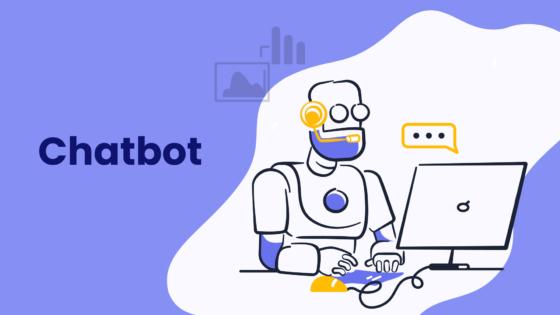
Sobot gives you powerful tools to identify and serve every type of customer. You can use advanced chatbot features, AI insights, and omnichannel support to improve customer service and meet the needs of all customers.
Chatbot Features
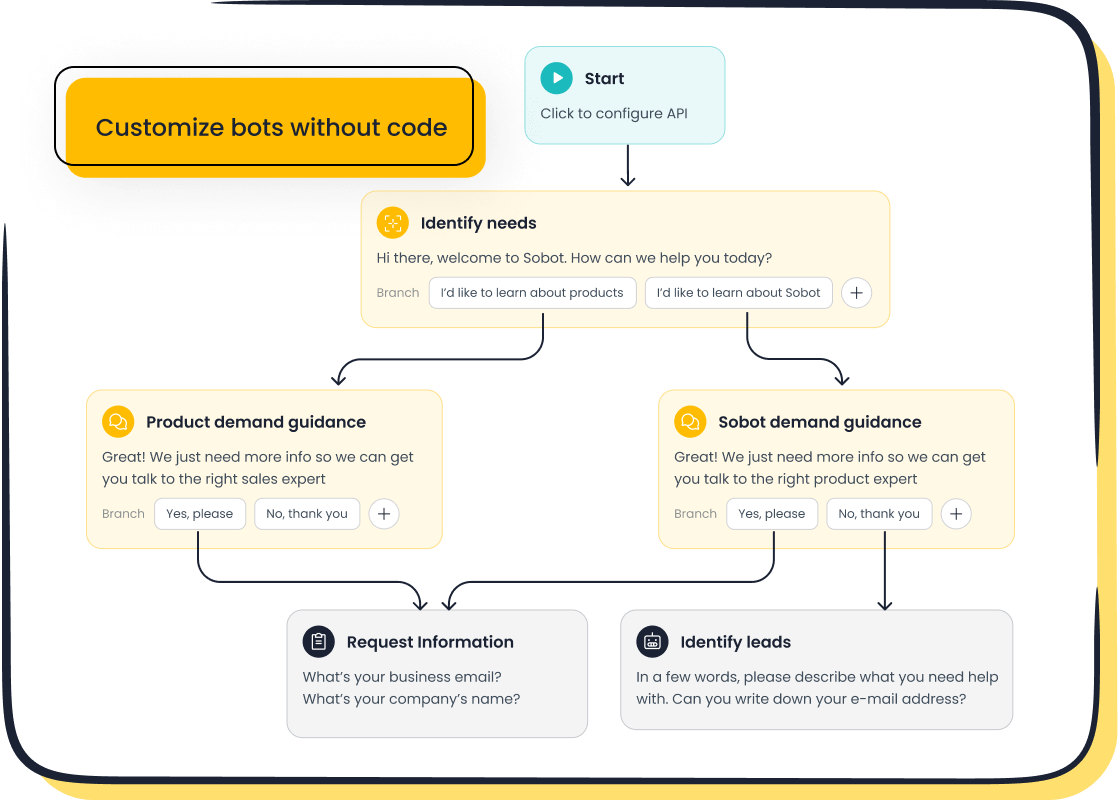
Sobot’s AI Chatbot works around the clock to help you deliver fast and accurate customer service. You can answer questions, solve problems, and guide customers through every step of their journey. The chatbot supports multiple languages, so you can serve customers from different backgrounds. You do not need coding skills to set up the chatbot. You can use a simple point-and-click interface to create workflows that match your customer service goals. The chatbot collects data from every interaction, helping you spot patterns in customer behavior. For example, OPPO used Sobot’s chatbot and ticketing system during shopping festivals. They handled a high volume of customer inquiries, reached an 83% chatbot resolution rate, and saw a 57% boost in repurchase rates.
AI Insights
Sobot’s AI gives you real-time insights into customer behavior and preferences. You can see how customers interact with your business and adjust your customer service approach quickly. AI updates customer profiles as soon as new data comes in. This helps you understand what each customer wants and how their needs change over time. You can:
- Track changes in customer behavior and preferences.
- Trigger personalized interactions, like sending a follow-up message if a customer leaves their cart.
- Tailor marketing and customer service to each customer, increasing loyalty and conversion.
Omnichannel Support
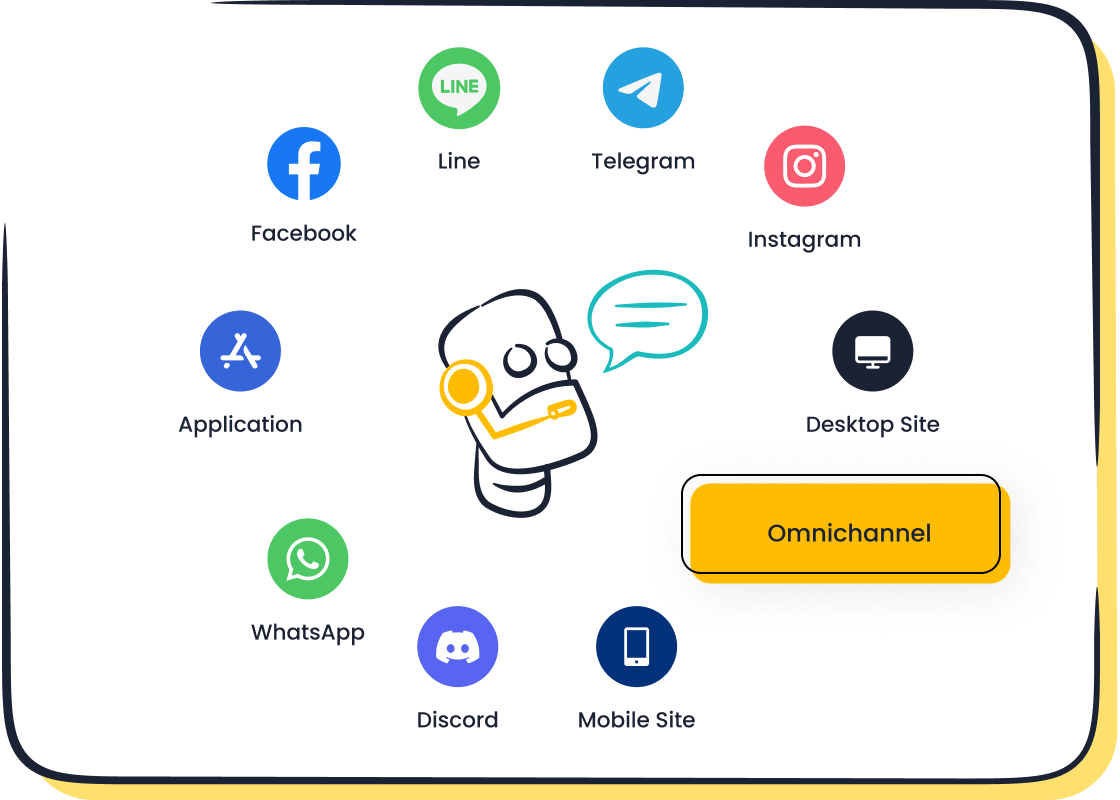
Sobot’s omnichannel support lets you connect with customers on chat, phone, email, and social media. You can see every customer interaction in one place, making it easy to spot trends and deliver consistent customer service. Studies show that understanding customer interactions across channels improves engagement and satisfaction. Customers expect personalized information on every channel. Sobot helps you gather and manage customer data safely, so you can build trust and deliver the right service every time.
| Study Title | Key Findings |
|---|---|
| Factors of customers’ channel choice in an omnichannel environment | Understanding customer interactions across channels boosts engagement and satisfaction. |
Tip: Use Sobot’s tools to deliver personalized customer service and keep every customer happy.
You now know how to identify different types of customers and improve customer service. You can use Sobot’s tools to spot patterns, segment customers, and deliver the right support.
- Understand the difference between each customer and client.
- Use data to group customers and personalize customer service.
- Track metrics like engagement and retention to measure success.
- Collect feedback to keep your customer service strong.
Start observing your customers today. Apply these strategies to build better customer service and help every customer feel valued.
FAQ
What are the main benefits of identifying different types of customers?
You can improve your service and increase sales when you know who your customers are. You match your support to their needs. This helps you build stronger relationships and keep people coming back.
How can I use AI to recognize customer needs?
You can use AI tools to track customer actions and spot patterns. These tools help you see what customers want. You can then offer better support and faster answers.
Why is omnichannel support important for customer service?
You reach customers on their favorite channels with omnichannel support. You see every interaction in one place. This helps you give quick and consistent service.
How do I handle quiet customers who rarely give feedback?
You watch for changes in their behavior. You send simple surveys or messages to ask for their thoughts. You show them that their feedback matters.
Can a chatbot help with customer questions at any time?
Yes, a chatbot works 24/7. It answers questions, guides customers, and collects feedback. You save time and help more people, even outside business hours.
See Also
Essential Guidelines for Selecting Social Media Support Tools
Comparative Analysis of Leading Customer Feedback Software
Best Live Chat Solutions: Shopify Compared to Rivals
Guide to Successfully Implementing Omnichannel Support Systems

