Proactive vs Reactive Service in 2026


In 2026, your business must evolve beyond choosing between proactive and reactive service. The superior strategy is a smart integration of both. Your focus should shift to proactive customer support as the main driver for customer loyalty. The modern customer is hyper-informed and expects you to anticipate their needs. In fact, 85% of customers now expect this level of foresight. Your business can deliver an excellent customer experience by blending proactive customer service with efficient reactive customer support. This hybrid approach, powered by tools like a Sobot AI chatbot sending a proactive message or a Sobot call center, makes proactive support your first line of defense, leaving reactive customer service for complex issues.
The Core Difference: Proactive vs. Reactive

To build a successful hybrid model, you first need to understand the fundamental differences between proactive and reactive strategies. One is about preventing problems, while the other is about solving them. Both have a place in your 2026 service plan.
Defining Proactive Customer Service
Proactive customer service is a preventative approach. You anticipate customer needs and address potential issues before they arise. Instead of waiting for customers to contact you, your business takes the first step. This creates a smoother experience for everyone.
Effective proactive customer support often involves:
- Creating detailed FAQ pages to answer common questions.
- Sending automated onboarding emails to guide new users.
- Notifying customers about planned server maintenance ahead of time.
This strategy shows customers you are thinking ahead, which builds trust and satisfaction.
Understanding Reactive Customer Service
Reactive customer service is the traditional model of support. You respond to customers only after they initiate contact with a question or problem. This is your safety net for issues that your proactive customer support could not predict.
Examples of reactive customer support include:
- Answering phone calls on your support line.
- Responding to help requests from email or social media.
- Engaging with users who start a live chat session.
While necessary, relying solely on reactive support means you are always one step behind your customers' needs.
Key Distinctions in the 2026 Market
The biggest difference between these two models is how they make your customers feel. A reactive customer service interaction often begins with frustration, while a proactive one starts with helpfulness. In the 2026 market, this distinction directly impacts customer loyalty. When you anticipate needs, customers feel valued. When they always have to chase you for answers, they feel ignored.
| Feature | Reactive Customer Care | Proactive Customer Care |
|---|---|---|
| Customer Experience | Customers may feel frustrated or ignored. | Customers feel valued and cared for. |
| Result | Customers might leave due to frustration. | Higher customer satisfaction and loyalty. |
Ultimately, proactive customer service helps you build relationships, while reactive customer support focuses on fixing transactions.
The Competitive Edge of Proactive Service
Shifting to a proactive model gives your business a significant advantage. You stop putting out fires and start building stronger customer relationships. This approach directly impacts your bottom line by improving loyalty, cutting costs, and boosting your brand's image.
Reducing Customer Churn
A proactive customer support strategy is one of your best tools for keeping customers. When you anticipate problems, you prevent the frustration that causes people to leave. This builds strong customer loyalty. Studies confirm this approach works:
- Targeting customers with the highest churn risk proactively reduces churn and boosts revenue.
- One telecom company successfully lowered churn by proactively calling the friends of likely churners.
- Offering coupons to the top 10% of at-risk customers decreased churn rates and increased revenue for a major retailer.
Lowering Operational Costs
Proactive customer support also saves your business money. Every issue you prevent is one less support ticket your team has to handle. Research shows that effective proactive strategies can reduce incoming support tickets by 20-40%. For example, the company Asana saw a 30% drop in onboarding-related tickets after it created guided training courses for new users. This frees up your agents to focus on more complex problems that require a human touch.
Enhancing Brand Reputation
Your brand's reputation depends on trust. Proactive communication is essential for building trust and loyalty. If a shipping delay occurs, telling customers about it before they ask shows you care. This simple act of transparency can turn a negative situation into a positive one for customer satisfaction.
An expert noted that when customers are proactively informed about a delivery delay, 98% of them never contact customer service to complain.
By keeping customers in the loop, you demonstrate professionalism and strengthen customer relationships, which is key to a positive brand image.
Turning Service into a Revenue Driver
Ultimately, proactive customer service transforms your support department from a cost center into a revenue engine. By reducing churn, you retain more paying customers. By lowering operational costs, you improve your business's profitability. A great reputation attracts new customers. This complete approach makes your proactive support a powerful driver of growth.
Building Your Proactive Customer Support Engine

Transitioning from a reactive model to a proactive one requires the right foundation. You need an engine that can anticipate customer needs and act on them automatically. Building this engine is not about guesswork. It is about using technology and data to create a system of proactive customer support that works for your business 24/7. This system turns customer service from a cost center into a powerful tool for growth.
Leveraging Customer Data and Analytics
Your journey to proactive customer support begins with data. You already have a wealth of information about your customers. The key is to use it to predict their future needs. By collecting and analyzing the right data points, your business can spot potential problems before they happen.
Effective data points for triggering proactive support include:
- User Activity Patterns: Notice when a user repeatedly fails a setup process or when their engagement with your product drops. These are clear signals they may need help.
- Purchase History: Track what customers buy and when. This helps you offer relevant products or support for items they already own.
- Support Interactions: Analyze trends in support tickets. If many customers ask the same question, you have found an opportunity for a proactive message.
Using predictive analytics, you can monitor these metrics to create a customer health score. This score helps you identify at-risk customers and automate alerts for your team. This data-driven approach allows you to provide personalized support at the perfect moment.
Using AI for Proactive Message Automation
Once you identify a potential need, the next step is to reach out. Artificial intelligence is the perfect tool for this job. AI can analyze user behavior in real-time to determine the best moment for a proactive message. It recognizes patterns and uses predictive analytics to engage customers when they are most receptive.
For example, AI can:
- Reduce Cart Abandonment: If a customer hesitates at checkout, an AI can trigger a proactive message with a special offer, like free shipping, to encourage them to complete the purchase.
- Offer Personalized Recommendations: Based on a customer's browsing history, AI can send a proactive message suggesting products they might like, turning a simple visit into a sale.
- Provide Timely Help: If a user spends a long time on a help page, AI can send a proactive message asking if they need assistance.
This level of personalized service shows customers you understand their needs. It makes your customer interactions feel more human and helpful, building trust with your brand.
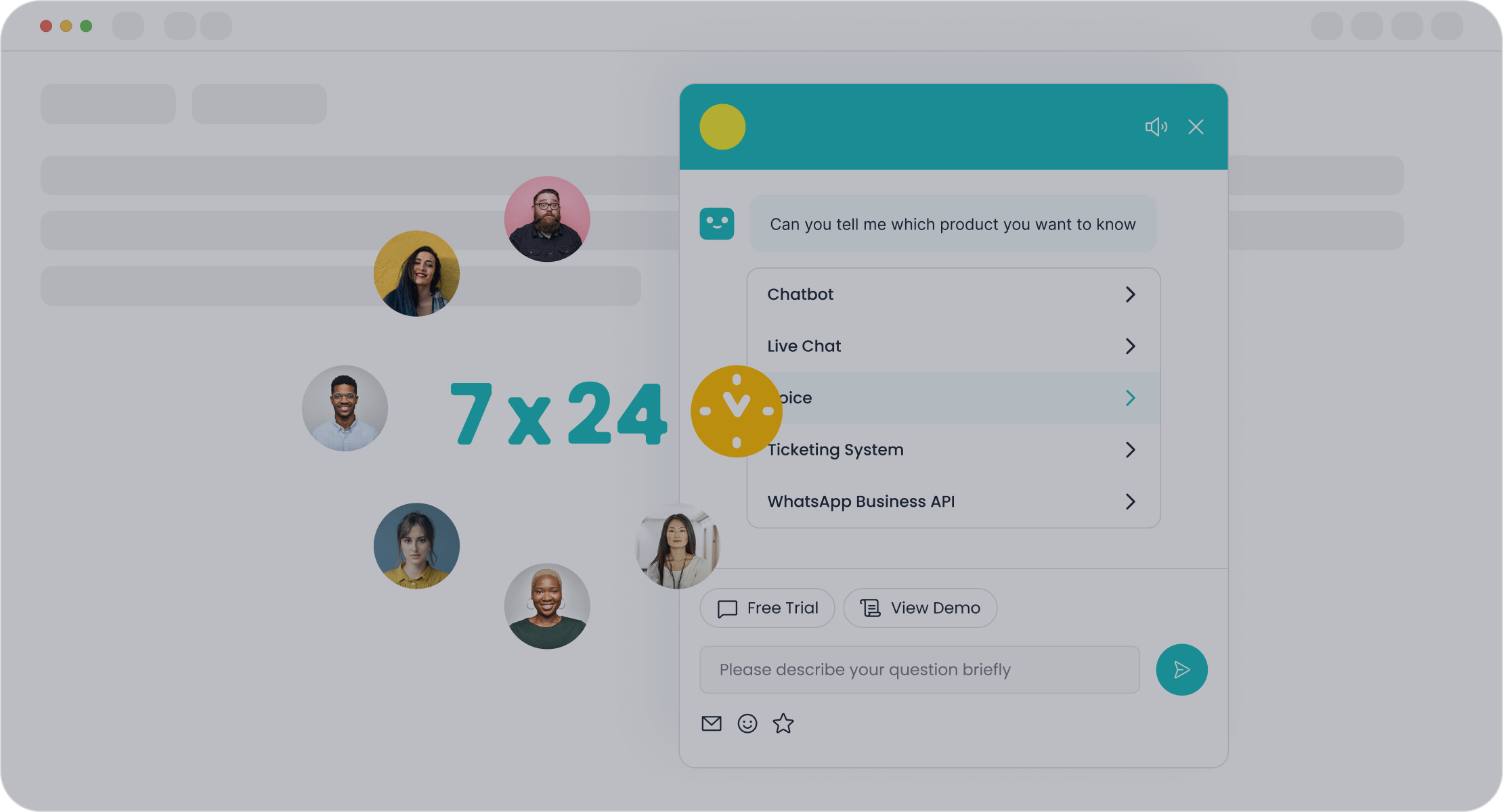
Implementing a Sobot AI-Powered Chatbot
The most effective way to power your proactive engine is with an AI-powered chatbot. A chatbot can manage thousands of customer interactions at once, providing instant, personalized support. Sobot’s AI Chatbot is designed specifically for this purpose. It is a central tool for any business looking to build a modern proactive customer support strategy.
With Sobot, you can use proactive push messaging to engage customers at key moments in their journey. This feature alone can help your business boost conversions by up to 20%.
Setting up the chatbot is simple. It features a no-code, point-and-click interface, so you can design and deploy automated workflows without any technical experience. This makes it easy to start sending a proactive message to customers right away.
The success of this approach is clear. The global tech brand OPPO implemented Sobot’s chatbot to manage high volumes of customer inquiries. The result was an 83% chatbot resolution rate, which freed up human agents to handle more complex issues. This proves that a well-implemented chatbot is essential for an effective proactive support system.
Creating a Robust Self-Service Knowledge Base
Finally, a strong proactive customer support strategy empowers customers to find their own answers. Many people prefer to solve issues themselves. A study from Harvard Business Review found that 81% of customers try to find solutions on their own before contacting a support agent.
You can meet this need by creating a comprehensive, easy-to-navigate knowledge base. This is a form of proactive support that works around the clock. Your knowledge base should include:
- Detailed FAQ pages
- Step-by-step tutorials
- Video guides
- In-depth product articles
By providing these resources, you reduce the number of inbound support tickets your team receives. This lowers operational costs and allows your agents to focus on high-value tasks. For example, Sobot helped OPPO optimize its knowledge base with AI, reducing manual maintenance efforts by 90% and ensuring customers always had access to accurate information. This is a critical component for any business aiming to master proactive vs reactive service.
Modernizing Reactive Customer Support
Even with the best proactive strategy, your business will always need a strong reactive customer support team. Some issues are simply too unique or complex to anticipate. When customers do reach out, their experience must be seamless, efficient, and empathetic. Modernizing your reactive support means transforming it from a simple help desk into an intelligent, integrated system that resolves problems quickly and strengthens customer relationships.
Mastering Omnichannel Support
In 2026, customers expect to connect with your business on their own terms. They might start a conversation on social media, switch to email, and finish on a phone call. A modern reactive customer support strategy must meet them wherever they are. This is the core of omnichannel support. It is not just about being present on multiple channels; it is about integrating them into a single, unified experience. Shockingly, while 90% of customers expect consistent interactions across channels, many businesses fail to deliver.
An effective omnichannel strategy has several key components:
- Unified Customer Database: All customer information and interaction history from every channel are stored in one place. This gives agents a complete view of the customer's journey.
- Seamless Channel Integration: Customers can move between channels like live chat, email, and phone without having to repeat themselves. The conversation picks up right where it left off.
- Mobile-First Experience: Since most customers use mobile devices, your support options must be optimized for smaller screens, including mobile-friendly websites and apps.
This is where a powerful platform becomes essential. Sobot’s Omnichannel Solution is designed to modernize your reactive support by creating a unified workspace for your agents. It integrates all your communication channels—from live chat and voice calls to email and social media—into one dashboard. This integration allows your team to manage conversations effortlessly and can improve agent productivity by 30%. When your team has a complete picture of every customer, they can provide the fast, personalized service that today's market demands. The result is a significant boost in customer retention. Companies with strong omnichannel strategies retain 89% of their customers, compared to just 33% for those with weak strategies.
Empowering Agents with AI and Empathy
Your support agents are the heart of your reactive customer service. To help them succeed, you need to empower them with two critical assets: advanced technology and genuine empathy. AI is no longer just for chatbots; it is a powerful co-pilot for your human agents.
AI tools can assist your team in real time by:
- Providing Instant Information: AI can surface relevant knowledge base articles or customer history during a live conversation, helping agents find answers faster.
- Suggesting Smart Responses: Based on the context of the conversation, AI can recommend the best next steps or replies, ensuring consistency and accuracy.
- Automating Repetitive Tasks: AI can handle ticket classification, prioritization, and routing, freeing up agents to focus on the human side of the interaction. For instance, Sobot's AI can instantly manage complex inquiries and build workflows that support customers at scale.
However, technology is only half the equation. Empathy is what turns a good support interaction into a great one. You must train your agents to listen actively, understand customer emotions, and respond with compassion. Effective training methods include:
- Scenario-Based Roleplay: Agents practice handling difficult situations, like dealing with frustrated customers, in a safe environment.
- Ongoing Coaching: Regular feedback and coaching sessions help agents continuously refine their empathy skills. This approach can increase customer satisfaction scores by 15-25%.
- Peer Learning: Team members share experiences and learn from each other, fostering a supportive and collaborative culture.
When you combine AI-driven efficiency with human empathy, you create a reactive support team that can solve any problem while making customers feel heard and valued.
Establishing Clear Escalation Paths
Not every issue can be solved by a frontline agent. For complex or sensitive problems, you need a clear and efficient escalation path. An escalation path is a formal process that defines when and how an issue should be passed to a more senior or specialized team member. Without one, customer complaints can get lost, leading to frustration and churn.
A well-designed escalation process includes several key elements:
- Defined Triggers: Clear rules for when an issue needs to be escalated, such as when a problem exceeds a certain complexity or when a Service Level Agreement (SLA) is at risk.
- A Designated Team: A specific team or individual is responsible for handling escalated issues, equipped with the authority and resources to resolve them.
- Clear Communication: Customers are kept informed about the status of their escalated issue, including who is handling it and when they can expect a resolution.
- Thorough Documentation: Every step of the interaction is documented to ensure a smooth handover and provide a record for future analysis.
Technology can help automate and streamline this process. For example, you can use tools to monitor SLAs and automatically escalate tickets that are approaching their deadline. AI-powered sentiment analysis can also detect customer frustration in real-time and trigger an escalation before the situation worsens. By establishing these clear pathways, your business ensures that even the most difficult customer complaints are handled professionally and efficiently.
Using Feedback to Fuel Proactive Fixes
The ultimate goal of modernizing reactive customer support is to create a feedback loop that improves your entire service strategy. Every reactive interaction is an opportunity to learn. The customer feedback you gather from support tickets, calls, and chats is a goldmine of information that can help you identify the root causes of common problems.
You can turn this data into actionable insights by following a simple process:
- Collect and Categorize Data: Use software to organize support tickets by issue type, product, or customer segment. Look for trends and recurring themes.
- Identify the Root Cause: When you spot a common problem, use techniques like the "Five Whys" to dig deeper. Ask "why" repeatedly until you uncover the fundamental issue. For example, if many customers are asking how to use a feature, the root cause might be unclear documentation.
- Implement a Proactive Solution: Once you identify the root cause, create a proactive fix. This could mean updating your knowledge base, creating a new tutorial video, or sending a targeted proactive message to new users.
- Communicate the Fix: Let your team and customers know about the solution you have implemented.
By systematically analyzing customer complaints and feedback, your business can turn reactive problems into proactive solutions. This continuous improvement cycle reduces the number of incoming support requests over time, lowers operational costs, and creates a better overall customer experience. Your reactive customer service team becomes a vital source of intelligence, helping your business get ahead of tomorrow's problems today.
Creating a Unified Hybrid Service Model
A successful service strategy in 2026 is not about choosing one approach over another. You must build a unified hybrid model that blends proactive and reactive support. The tech giant OPPO provides a perfect example. By combining Sobot's chatbot for automated responses with human agents for complex issues, they created a powerful hybrid system. This model led to a 94% positive feedback rate and a 57% increase in the repurchase rate, proving its effectiveness. You can build a similar system by carefully planning each stage.
Mapping the Customer Journey
Your first step is to map the entire customer journey. This visual representation shows every interaction a customer has with your brand. It helps you identify moments of friction and opportunities for proactive customer support. A clear map allows you to anticipate customer needs before they become problems.
Look for key touchpoints where you can intervene, such as:
- Order Status Inquiries: Send proactive shipping notifications with tracking links.
- Stalled Onboarding: Detect when new users get stuck and offer help.
- Repetitive Support Requests: Use dynamic FAQs or status portals for common questions like password resets.
Defining Triggers for Proactive vs. Reactive Actions
Next, you must define clear triggers that tell your system when to act. These rules determine whether a proactive bot or a reactive human agent should handle an interaction.
Proactive triggers are based on user behavior. You can set rules to automatically engage customers when they:
- Spend a long time on a product page.
- Leave items in their shopping cart.
- Visit your website for the first time.
Reactive triggers define when to escalate a conversation from a bot to your reactive customer support team. This ensures complex or emotional issues get a human touch. Common triggers include:
- A user directly asks to speak with an agent.
- The bot fails to understand a query after a few attempts.
- The customer expresses frustration or discusses sensitive topics like billing errors.
Training Your Team for a Hybrid Mindset
Your team is central to making this model work. You need to train them for a hybrid mindset. This means they must understand how to work alongside AI and when to step in. Your training should focus on both hard and soft skills. Agents need to know how the technology works, but they also need the empathy to handle emotionally charged situations that require reactive customer support. Encourage a culture of feedback where your team can share insights to improve the entire system.
Measuring Success with the Right KPIs
Finally, you must measure your success with the right Key Performance Indicators (KPIs). These metrics show you what is working and where you need to improve. Go beyond traditional metrics like response time. In a hybrid model, you should also track:
- Chatbot Resolution Rate: How many issues does your bot solve without human help?
- Escalation Rate: How often do conversations require reactive customer support?
- Customer Satisfaction (CSAT): Are customers happy with their overall experience?
Analyzing these KPIs helps you refine your strategy, optimize your team's performance, and ensure your hybrid model meets your customers' needs effectively.
The future of customer support for your business is a smart, integrated system. It uses proactive support to prevent most issues, leaving exceptions for an efficient team. While reactive customer service fixes today's problems, proactive customer service is about building loyalty for your business. This proactive customer service approach secures long-term value, as demonstrated by solutions from brands like Sobot. Your business must build the right infrastructure now. Poorly deployed AI can undermine self-service and erode your brand. Stop just solving problems; start preventing them to secure the future of your business.
FAQ
What is the main difference in proactive vs reactive service?
Proactive service solves issues before you know they exist. It anticipates your needs. Reactive service responds to problems after you report them. A hybrid model uses both strategies to give you the best experience.
How can my business start with proactive support?
You can begin by analyzing customer data to find common problems. Then, create a self-service knowledge base with FAQs and tutorials. Using an AI tool like Sobot’s Chatbot to send helpful proactive messages is another great first step.
Why is an AI chatbot important for a proactive strategy?
An AI chatbot automates your proactive outreach. It can send targeted messages to customers at the right moment, like offering help on a confusing webpage. Sobot’s AI Chatbot uses a no-code interface, making it easy for you to set up.
If proactive service is better, why do I still need reactive support?
Proactive tools handle most common issues, but they cannot predict every problem. You still need a skilled reactive support team to solve complex or unique customer issues. This human touch is essential for building trust and loyalty.
See Also
Discovering the Foremost Cloud-Based Contact Center Platforms for 2025
Evaluating the Leading Cloud Contact Center Services: A Comprehensive 2024 Review
Analyzing the Premier Contact Center Solutions: An In-Depth 2024 Assessment
The Ten Best Voice of Customer Software Platforms for the Year 2024
Comparing the Foremost Live Chat Solutions Available on the Market for 2024

