5 Do's for Responding to a Client Complaint Email


You can turn a negative experience into a positive one. Handling a complaint correctly protects your brand and builds customer trust. Excellent customer service is key. Knowing how to respond to a complaint email from a client is a vital skill, and tools like the Sobot call center and Sobot AI can help your team excel. Here are five essential tips for your customer service strategy.
- Acknowledge and Thank the Client
- Offer a Sincere Apology
- Provide a Clear Explanation and Solution
- Respond Promptly and Professionally
- Offer Appropriate Compensation
Do #1: Acknowledge and Thank the Client
Your first response to a complaint sets the tone for the entire interaction. Before you investigate or solve the problem, you must first acknowledge the client's effort. A simple "thank you" can transform a tense situation into a productive conversation.
The Psychology of Validation
When a client sends a complaint, they often feel frustrated or ignored. Thanking them for their message validates their feelings and shows you are taking them seriously. This act of empathy is a core part of good customer service. It helps de-escalate tension by showing you are actively listening. When people feel heard and understood, they are more likely to be calm and open to a solution. You create a safe space for communication, which is essential for resolving disputes peacefully.
The Goal of Responding to Customer Complaints
Your main goal is not just to resolve a single issue. Responding to customer complaints is a chance to protect your brand's reputation and improve your business. Each customer complaint provides valuable customer feedback. You can use it to identify and correct weaknesses in your processes or team training. Proactively addressing these issues strengthens your entire customer service operation and prevents future problems.
Effective Opening Lines
Starting your email with the right words is crucial. Your opening line should immediately convey gratitude and understanding. Avoid defensive language and focus on the customer's experience.
Tip: Try one of these proven opening lines to start on the right foot:
- "Thank you for bringing this to our attention. I am so sorry for the frustration this has caused."
- "We appreciate you taking the time to share your feedback. I’m sorry to hear that your experience did not meet your expectations."
- "Thank you for your message. We aim for nothing less than top-notch quality, and it seems we’ve missed the mark in your case."
Do #2: Offer a Sincere Apology
After you acknowledge the client, your next step is to apologize. A genuine apology is a powerful tool for de-escalation. It shows you care about the customer's experience, not just about being right. This simple act can repair trust and open the door to a positive resolution.
The Power of Empathy
Empathy is the foundation of great customer service. When you apologize, you show the client that you understand their frustration. Studies show that customers feel more satisfied when they perceive empathy, especially when emotional language is used. You are not just a faceless company; you are a person who understands their problem.
This empathetic approach delivers real results. For example, Sobot's client Opay transformed its customer service strategy by implementing a unified, empathetic system. This change dramatically increased their customer satisfaction rate from 60% to an impressive 90%. This shows that empathy isn't just a soft skill—it's a business driver.
Apologizing vs. Admitting Fault
Many businesses worry that an apology is an admission of legal fault. However, there is a key difference between apologizing for the customer's negative experience and admitting your company made a mistake. Some states even have "apology laws" that protect expressions of sympathy. To stay safe, focus your apology on the client's feelings. This builds goodwill without creating legal risk.
| Apology Type | Example | Purpose |
|---|---|---|
| Empathetic Apology | "I am so sorry for the frustration this has caused you." | Shows you care about the customer's feelings. |
| Admission of Fault | "I am sorry we made a mistake with your order." | Admits company error, which can have legal implications. |
Phrases That Convey Genuine Concern
Your words matter. You need to sound sincere for your apology to be effective. Generic or robotic phrases can make the situation worse. Use language that shows you are personally invested in solving the problem. Excellent customer service relies on this human connection.
Tip: Use these phrases to show you genuinely care:
- "I can imagine how frustrating that must be."
- "I'm truly sorry you’re going through this."
- "That would upset me, too. Let's figure out how to make this right."
Do #3: Provide a Clear Explanation and Solution
An apology is important, but a solution is what the client truly needs. After you apologize, you must explain what happened and what you will do to fix it. This step shows accountability and rebuilds the client's confidence in your brand.
Investigating the Customer Complaint
Before you can offer a solution, you need to understand the problem. A quick and thorough investigation is essential. First, gather all the necessary information about the complaint. Next, analyze the issue to find the root cause. Was it a process failure or a simple mistake? Your customer service department should review all the facts to understand what went wrong. This careful review ensures you can provide an accurate explanation and prevent the problem from happening again.
Presenting Actionable Next Steps
Once you know what happened, you must tell the client how you will solve it. Be clear and specific. Avoid vague promises. Instead, provide a concrete action plan. Tell the client the exact steps you are taking and give them a timeframe for resolution. This manages their expectations and shows you are in control of the situation. Good customer service means keeping the client informed every step of the way.
Tip: Clearly state the next steps to restore the client's trust. For example: "We have processed a full refund for your order, which will appear in your account within 3-5 business days. We are also reviewing our shipping process to prevent this error in the future."
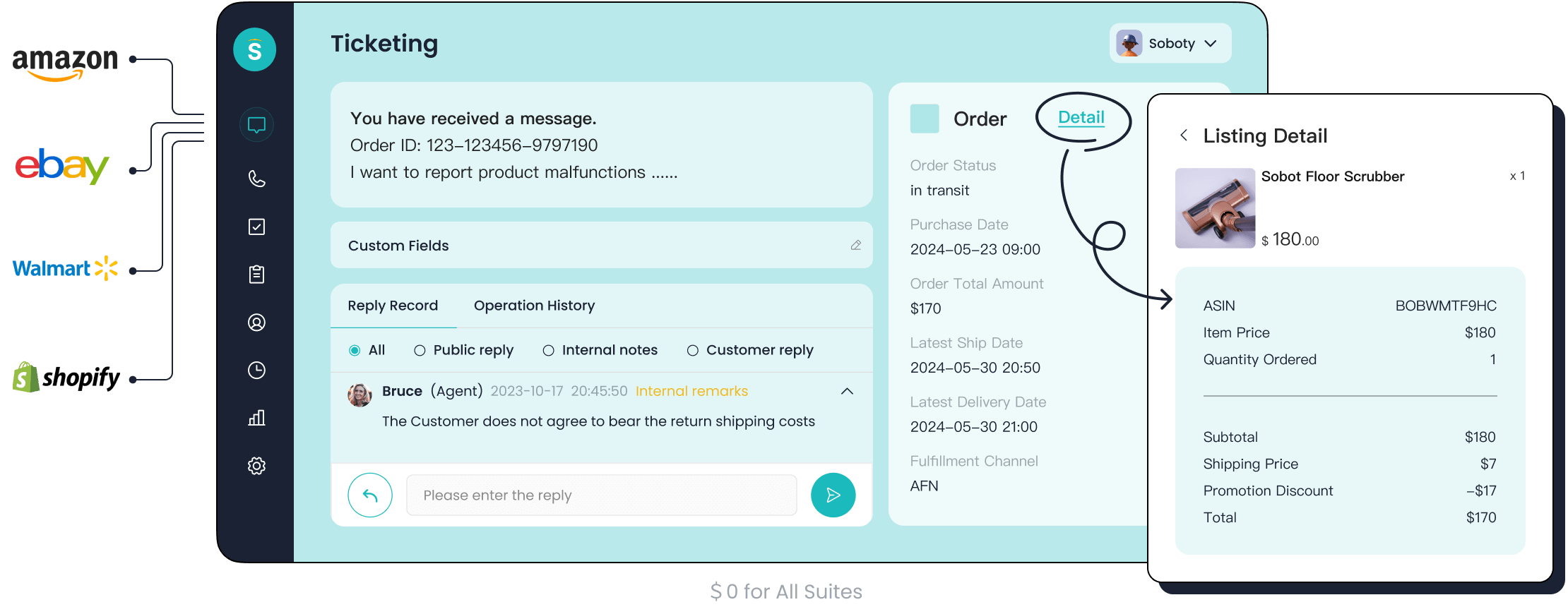
Using Sobot's Ticketing System for Clarity
Providing a fast and accurate solution is much easier with the right tools. A disorganized system can lead to confusion and delays. This is where a tool like Sobot's Ticketing System makes a huge difference. It creates a unified workspace where all customer interactions are in one place. Features like the 'One Customer ID' allow your agents to see the entire customer history next to their ticket. This complete view helps your customer service team understand the issue quickly and provide a comprehensive, personalized solution without asking repetitive questions.
Do #4: A Guide on How to Respond to a Complaint Email from a Client

How you respond is just as important as what you say. A prompt and professional reply shows the client that you value their business and take their concerns seriously. This is a critical part of knowing how to respond to a complaint email from a client.
The Importance of a Timely Response
Speed is essential in modern customer service. When a client complains, they want to know you are listening. A quick response, ideally within a few hours, makes them feel prioritized. Slow replies can increase frustration and lead to customer churn. For example, while logistics customers expect a reply in about four hours, the industry average is closer to 12 hours, creating a major service gap. Meeting or beating expectations is a key part of how to respond to a complaint email from a client.
Different industries have different standards, but promptness is always valued.
| Industry | Standard Response Time |
|---|---|
| E-commerce and Retail | 24 hours |
| Technology and Software | 4 to 8 hours |
| Financial Services | 24 hours |
Maintaining a Professional Tone
Your tone can either de-escalate or worsen a situation. Always remain calm, polite, and helpful, even if the client is angry. Following email best practices means avoiding defensive language or phrases that shift blame.
Phrases to Avoid 🚫
- "That's not our fault."
- "You should have..."
- "Calm down."
- "I can't do anything about that."
Using these phrases will only damage the relationship. A core part of how to respond to a complaint email from a client is to maintain a professional and empathetic tone throughout the interaction. This is fundamental to good customer service and effective email best practices.
Ensuring Accuracy with Sobot's AI Copilot
Balancing speed with accuracy can be challenging for any customer service team. This is where technology can help. Sobot's AI solutions provide powerful support for your agents. The AI Copilot helps agents generate professional, error-free responses in seconds.
The Copilot connects directly to your company's knowledge base, ensuring all information is accurate and approved. It generates a draft response that your agent can quickly review and edit before sending. This combination of AI speed and human oversight is the perfect strategy for how to respond to a complaint email from a client, ensuring every reply is fast, accurate, and consistent with your brand's voice.
Do #5: Offer Appropriate Compensation
Words are powerful, but actions can speak louder. Sometimes, an apology and a solution are not enough. Offering appropriate compensation is a tangible way to show you are sorry and that you value the client's business. This final step can secure their loyalty for years to come.
Deciding When Compensation Is Needed
You do not need to offer compensation for every complaint. However, you should strongly consider it when your company is clearly at fault for a significant issue. This could be a product defect, a major shipping delay, or a serious service failure. Offering compensation is a powerful act of accountability. It helps rebuild the client's trust and shows you are willing to invest in restoring the relationship. This gesture of goodwill proves your commitment to excellent customer service.
Forms of Goodwill Compensation
Compensation does not always have to be a full refund. The goal is to offer something that the client perceives as valuable and fair. Your offer should match the scale of the problem.
Tip: Consider these forms of goodwill compensation to make things right:
- A full or partial refund for the product or service.
- A discount or credit toward a future purchase.
- A small gift or a complimentary product.
- Free expedited shipping on their next order.
- An upgrade to a premium service level.
Turning a Negative into a Positive
A well-handled complaint can make a customer more loyal than if the mistake never happened. Researchers call this the "service recovery paradox." When you resolve a problem effectively, especially with a gesture of goodwill, you show the customer you are reliable even when things go wrong. This experience can transform an angry client into one of your biggest fans. They feel valued and heard, turning a negative event into a positive story about your brand's excellent customer service. This is your opportunity to create a loyal advocate who will share their positive experience with others.
You can turn complaints into loyalty. Remember these five steps:
- Acknowledge and Thank
- Apologize Sincerely
- Provide a Solution
- Respond Promptly
- Offer Compensation
A complaint is an opportunity to improve your customer service. A structured approach helps you build stronger client relationships. Using an all-in-one contact center solution like Sobot empowers your team. It provides the tools for excellent customer service, helping you resolve issues effectively. This transforms negative feedback into positive outcomes and strengthens your customer service.
FAQ
What if the client is wrong?
You should still acknowledge their feelings and apologize for their negative experience. Focus on de-escalating the situation and finding a resolution. Your goal is to repair the relationship, not to win an argument. This approach is a key part of good customer service.
How long is too long to wait before responding?
You should aim to respond within a few hours. A reply that takes longer than 24 hours can make the client feel ignored and increase their frustration. A prompt response shows you prioritize their concern.
Should I use a template for my reply?
Templates can help ensure speed and consistency. However, you must personalize each message. Use the client's name and reference specific details from their complaint. A tool like Sobot's AI Copilot can help you generate accurate, personalized drafts quickly.
What should I do if the client is still angry after my response?
Remain calm and professional. Reiterate your apology and your desire to help. If they remain hostile, it may be time to escalate the issue to a manager. Your company should have a clear policy for these situations.
See Also
Achieve Superior Customer Delight: 10 Live Chat Enhancement Strategies
Selecting Top Social Media Customer Service Software: 10 Essential Guidelines
Optimizing Call Center Performance: Essential Quality Management Best Practices
Understanding QMS Principles: A Comprehensive Guide for Call Centers
Mastering Depop Live Chat: Rapid Strategies for Enhanced Success

