How to Handle Employee Complaints for Better Team Morale


If you want better team morale, you need to know how to handle complaints the right way. When you respond to employee concerns quickly and fairly, you build trust and show respect. Take a look at the numbers below:
| Evidence | Description |
|---|---|
| Positive Workplace Culture | Employees in positive cultures are almost four times more likely to stay. |
| Loyalty and Commitment | Valued staff often stay long-term, helping create a stable environment. |
| Investment in Staff | Companies that invest in staff see less turnover. |
Sobot AI and Sobot call center tools help you create a workplace where people feel heard and valued.
How to Handle Complaints Effectively

Handling complaints the right way can change your team’s mood and boost morale. You want your employees to feel safe, respected, and heard. Let’s break down how to handle complaints step by step, so you can properly handle employee concerns and keep your workplace running smoothly.
Responding Quickly
Speed matters when you deal with employee complaints. If you wait too long, small problems can grow into big ones. Quick responses show your team that you care and take their concerns seriously. Here’s how to handle complaints fast and effectively:
- Listen actively. Let the employee talk about their frustration without cutting them off.
- Validate their feelings. Use phrases like “I understand how you feel” or “That sounds tough.”
- Ask questions. Try to find out what’s really bothering them.
- Offer support. Let them know you’re here to help.
- Investigate allegations. Act quickly to get all the facts.
- Promote confidentiality. Remind the employee to keep things private while you look into the issue.
- Arrange a meeting. Bring together everyone involved to talk things out.
Tip: When you respond quickly, you build trust and prevent long-term damage to workplace relationships and morale. Employees feel valued and heard, which helps create a respectful and harmonious work environment.
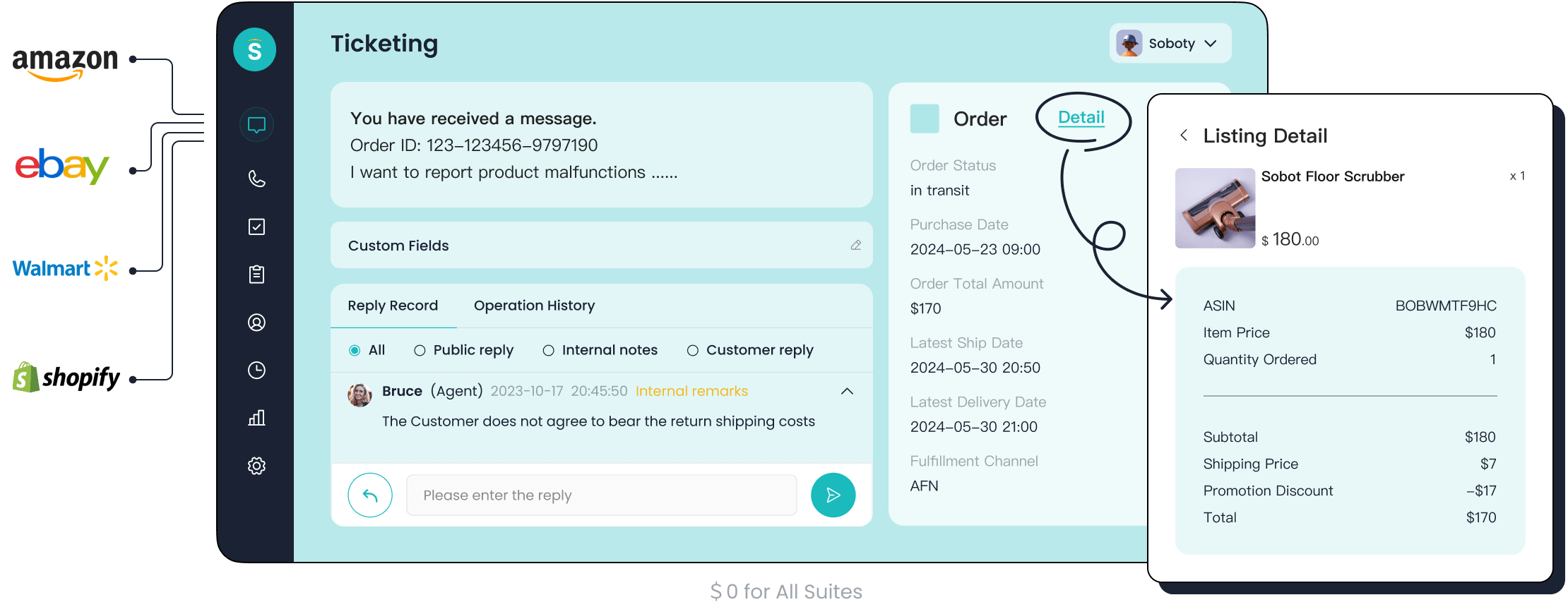
You don’t have to do everything by hand. Sobot’s Ticketing System can help you respond to complaints faster. The system automatically creates tickets, routes them to the right person, and sends smart notifications. You can set rules for urgent issues, so nothing slips through the cracks. Sobot’s Ticketing System even supports multiple languages, so everyone can speak up in their own words.
Learn more about Sobot’s Ticketing System
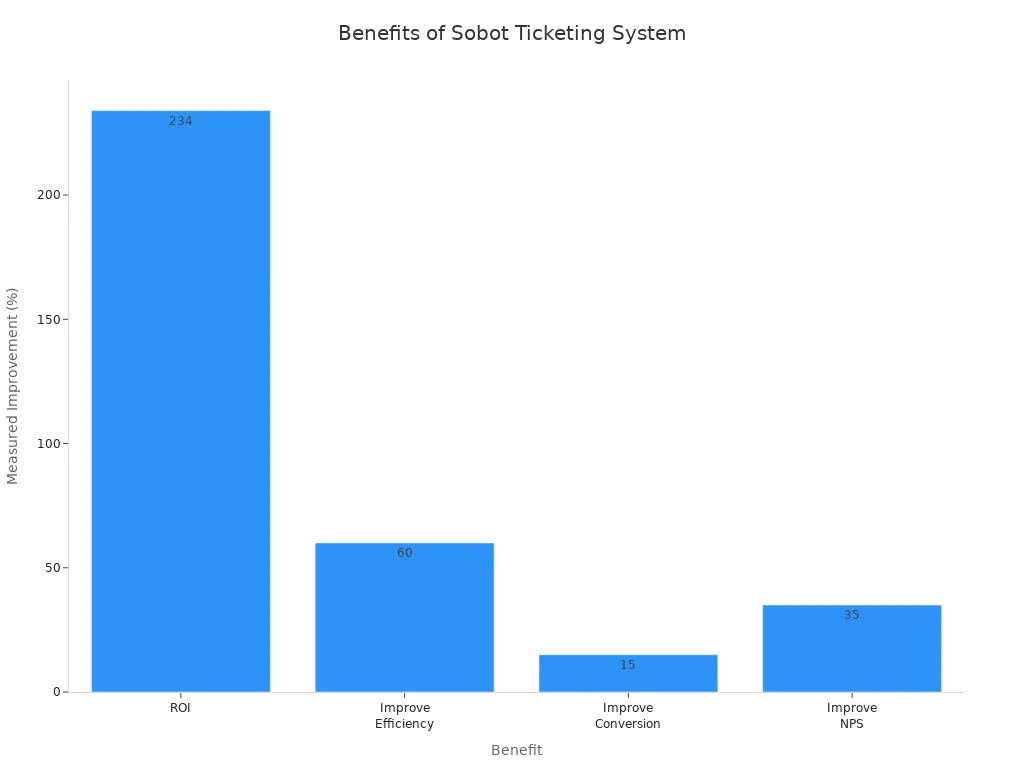
Here’s a look at how digital tools like Sobot’s Ticketing System improve complaint resolution:
| Benefit | Measurement |
|---|---|
| ROI | 234% |
| Improve Efficiency | 60% |
| Improve Conversion | 15% |
| Improve NPS | 35% |
| Resolution Time | <1 minute |
J&T Express used Sobot’s Ticketing System and saw a 35% boost in sign-off rates and a 40% increase in COD collection rates. That’s real impact.
Listening Actively
Active listening is the heart of any good complaint process. You want your employees to know you’re paying attention. Here’s how you can listen better:
- Don’t interrupt. Let the employee finish speaking.
- Show you’re listening. Nod, use facial expressions, and say things like “I see” or “Go on.”
- Repeat back what you heard. This helps confirm you understand.
- Remove distractions. Put away your phone and close your email.
- Don’t joke about the complaint or talk about it with others.
- Avoid rushing to judgment or picking sides.
Active listening builds trust and accountability. When you listen, employees feel safe sharing feedback. This leads to meaningful change and keeps your team engaged. Take a look at how active listening impacts workplace complaints:
| Evidence Description | Impact on Workplace Complaints |
|---|---|
| Active listening builds trust and accountability | Fosters a culture of engagement and encourages employees to share feedback. |
| Feedback leads to meaningful change | Increases employee investment and engagement in the organization. |
| Frequent feedback loops | Allows for quicker detection and resolution of issues before they escalate. |
| Trust in the feedback process | Encourages candid input from employees, sustaining meaningful dialogue. |
Listening carefully and showing empathy helps you understand the real issue. Ask open-ended questions and acknowledge feelings. This makes your team feel supported and keeps the conversation positive.
Sobot’s Ticketing System helps you keep track of every conversation. You can see all messages, notes, and updates in one place. The system even merges tickets about the same issue, so you don’t miss anything. This makes it easier to follow up and show your team you care.
Documenting Concerns
If you want to properly handle employee concerns, you need to keep good records. Documentation protects you and your team. It helps you stay fair and follow the rules. Here’s how to document workplace complaints:
- Write down every incident involving employee performance or behavior.
- Use standardized templates for consistency.
- Stick to the facts. Avoid opinions or vague language.
- Include employee feedback in your notes.
- Keep everything professional to avoid legal trouble.
Note: Accurate documentation helps you stay compliant with laws like the National Labor Relations Act (NLRA), Title VII of the Civil Rights Act, and the Americans with Disabilities Act (ADA). You must keep things confidential and protect employees who speak up.
Sobot’s Ticketing System makes documentation easy. You can attach notes, files, and messages to each ticket. The system uses categorized templates and time-triggered actions, so you never miss a deadline. You can filter tickets by type, urgency, or status, making it simple to review and report on your complaint process.
When you document complaints well, you can measure success. Organizations track customer and employee satisfaction, quality of complaint handling, and fairness. Surveys, attrition rates, and training hours help you see what’s working. Sobot’s analytics give you real-time data, so you can spot trends and make improvements.
| Measure Type | Description |
|---|---|
| Customer Satisfaction | Organizations track overall satisfaction with complaint handling through surveys from customers. |
| Employee Satisfaction | Measured through surveys and predictive indicators like attrition rates and training hours. |
| Quality of Complaint Handling | Qualitative measures include understanding of decisions and fairness felt by the parties involved. |
Performance measures change as you reach goals and improve your complaint process. The focus now is on group and team performance, not just individuals. Customer satisfaction with complaint resolution is a key goal.
How Sobot Supports Your Complaint Process
Sobot offers more than just a Ticketing System. You get a full suite of tools to help you handle complaints. The live chat brings all messages into one inbox, so you never miss a concern. The AI-powered chatbot answers questions 24/7, giving employees instant support. The voice call center lets you talk to your team directly, with smart routing and analytics. The WhatsApp Business API helps you reach employees on their favorite app, with multi-login and workflow automation.
Sobot’s mission is to make your workplace better. You get secure, scalable, and easy-to-use solutions. Over 10,000 brands trust Sobot to improve Net Promoter Scores, reduce costs, and boost efficiency. Sobot’s system stability reaches 99.99%, so you can rely on it every day.
If you want to know how to handle complaints and keep your team happy, Sobot gives you the tools you need. You can streamline your complaint process, respond quickly, listen actively, and document everything with ease. That’s how you build a workplace where everyone feels valued.
Investigating Employee Complaints
When you want to know how to handle complaints, you need to investigate them the right way. A fair investigation helps you solve conflicts and build trust in your team. Let’s look at what makes a strong investigation process.
Objective Investigation
You should always keep investigations fair and unbiased. If you show favoritism, employees lose trust. Here are the key elements of an objective investigation:
- Legal compliance keeps your process safe and fair.
- Due process means everyone gets a chance to share their side.
- Stay unbiased. Don’t let personal feelings guide your decisions.
- Protect confidentiality for all parties.
- Act quickly to keep trust strong.
- Use the same steps for every case.
- Document everything thoroughly.
You need clear workplace policies. Pick investigators who don’t have a stake in the outcome. Keep everyone informed and allow them to respond. When you follow these steps, you show your team you care about managing conflicts fairly.
The U.S. Equal Employment Opportunity Commission (EEOC) says impartial and thorough investigations are key to stopping harassment at work. Source
| Evidence Type | Description |
|---|---|
| Employee Trust | Only 25% of U.S. employees feel their organization cares about their well-being. |
| Fear of Retaliation | 43% of employees fear retaliation if they report misconduct. |
| EEOC Claims | Retaliation is the most common claim, making up 55.8% of all charges in 2020. |
Confidentiality
You must protect privacy during investigations. Tell employees why you’re interviewing them, but don’t share details about the complaint. Ask everyone to keep things confidential. Use attorney-client privilege when possible. Remind employees that confidentiality keeps the process fair and protects sensitive information. This helps people feel safe reporting problems without fear.
- Keep the investigation private to protect everyone.
- Preserve evidence while memories are fresh.
- Encourage quick reporting of workplace issues.
- Safeguard personal information.
Sobot’s Ticketing System helps you keep everything secure. You can track every step, attach files, and control who sees what. The system keeps records organized and private, so you can focus on solving the issue.
Involving Stakeholders
You get better results when you include the right people in your investigation. Stakeholders bring different viewpoints and help you spot the real problem. Invite feedback and sort inputs by type. This helps you address grievances properly and find root causes.
An investigation’s closure is not the end. You should follow up and check if your solutions work. Sobot’s Ticketing System lets you set reminders and track follow-ups, so nothing gets missed.
If you want to get better at managing conflicts, use a system that supports documentation, privacy, and teamwork. That’s how you build trust and keep your workplace strong.
Communicating Outcomes
When you finish investigating a complaint, your next step is to communicate the outcome. This step matters just as much as the investigation itself. If you want your team to trust you, you need to be open and clear about what happened and what comes next.
Transparency
Transparency builds trust. When you share information openly, your team feels respected and valued. You don’t have to share every detail, but you should explain the process and the reasoning behind your decisions. Here’s what works best:
- Give regular updates to everyone involved.
- Explain the steps you took and why you made certain choices.
- Document and share the final outcome to show you take concerns seriously.
A Gallup study in 2023 found that only 32% of U.S. employees felt engaged at work. Many employees feel left out when leaders don’t share key decisions. If you keep your team informed, you help close this trust gap. Research also shows that transparency at the right time boosts morale and helps people feel empowered.
Sharing Decisions
You need to share decisions in a way that makes sense to your team. Use simple language. Avoid jargon. Let people know what actions you took and what changes, if any, will happen. When you do this, you show that you care about fairness and respect.
| Best Practice | Why It Matters |
|---|---|
| Clear explanations | Employees feel heard and valued |
| Timely updates | Builds trust and keeps morale high |
| Honest feedback | Encourages engagement and ownership |
Studies confirm that when you communicate openly, employees trust you more and feel more satisfied at work.
Following Up
Don’t stop after you share the outcome. Check in with the people involved. Ask if they need more support or if any issues remain. Following up shows you care about their well-being and want to keep the workplace positive. Many organizations see higher satisfaction and engagement when they follow up after resolving complaints.
If you want to master how to handle complaints, remember that communication is key. When you keep your team in the loop, you build a culture of trust and respect.
Preventing Employee Complaints
Positive Culture
You can stop many employee complaints before they start by building a positive workplace culture. When your team feels respected and supported, they are less likely to feel frustrated or unheard. A positive culture helps people solve problems together and keeps everyone engaged. Here are some ways you can create this kind of environment:
- Promote clear communication every day.
- Set clear policies and expectations.
- Encourage kindness and honesty in every interaction.
- Regularly check in with your team and address concerns early.
Studies show that employees who see their workplace as positive are less likely to leave. They also feel less burned out and more engaged. When you focus on respect and support, you help everyone feel safe to speak up. Sobot’s Ticketing System lets you track feedback and spot trends, so you can keep your culture strong and prevent issues from growing.
Training Managers
Managers play a big role in preventing employee complaints. When you give them the right training, they know how to listen, spot problems, and act fast. Training programs like "Managing Complaints" teach managers to:
| Course Name | Description | Learning Objectives |
|---|---|---|
| Managing Complaints | A program designed to equip managers with skills to handle employee complaints effectively. | 1. Recognize all team member complaints. 2. Identify and address issues. 3. Use active listening. 4. Plan and conduct meetings. |
When managers know what to do, they can solve problems before they turn into bigger complaints. Sobot’s Ticketing System helps managers stay organized by keeping all feedback and issues in one place. This makes it easier to follow up and show your team that you care.
Open Communication
Open communication is one of the best ways to prevent employee complaints. When you make it easy for your team to share their thoughts, you catch problems early. Open communication helps everyone feel heard and reduces misunderstandings. Here’s what happens when you keep the lines open:
- Employees can express their feelings and concerns.
- People spot and fix issues before they get worse.
- Job satisfaction and performance go up, while complaints go down.
A supportive environment starts with honest conversations. Sobot’s Ticketing System supports this by letting employees give feedback anytime. You can track every comment, follow up quickly, and make sure nothing gets missed. This keeps your workplace healthy and your team happy.
Handling employee complaints the right way lifts team morale and builds trust. Here’s what works best:
- Listen to every complaint.
- Investigate all facts.
- Resolve the issue, sometimes with expert help.
- Communicate the outcome. 5. Implement changes if needed.
If you want to improve your skills, you can find resources with tips on communication, problem-solving, and building a strong complaints management process. Sobot’s solutions help you create a happier, more productive workplace. 🚀
FAQ
How can I handle employee complaints without hurting team morale?
You can handle employee complaints by listening carefully, acting quickly, and staying fair. Use tools like the Sobot Ticketing System to track issues. When you show respect and solve problems, your team morale goes up.
What steps should I take when an employee files a complaint?
First, listen to the employee. Next, document the concern. Then, investigate the issue. Communicate the outcome and follow up. The Sobot Ticketing System helps you manage each step and keeps everything organized.
Why is documenting employee complaints important?
Good documentation protects you and your team. It helps you stay fair and follow company rules. The Sobot Ticketing System makes it easy to keep records, track progress, and show you handle employee complaints the right way.
How does Sobot’s Ticketing System improve complaint handling?
Sobot’s Ticketing System lets you respond fast, assign issues to the right person, and track every step. You can see all updates in one place. This helps you handle employee complaints better and boost team morale.
What can I do to prevent employee complaints in the first place?
Build a positive culture, train your managers, and keep communication open. Encourage feedback and act on it. Use the Sobot Ticketing System to spot trends early and fix problems before they grow.
See Also
Enhancing Customer Satisfaction Through Effective Live Chat Strategies
Top Strategies for Effective Call Center Quality Management
Effective Strategies for Managing Live Chat Support Agents
Improving Call Center Efficiency Through Effective Monitoring Techniques
Essential Principles of Quality Management Systems for Call Centers

