Build a Better Customer Service Dashboard This Year

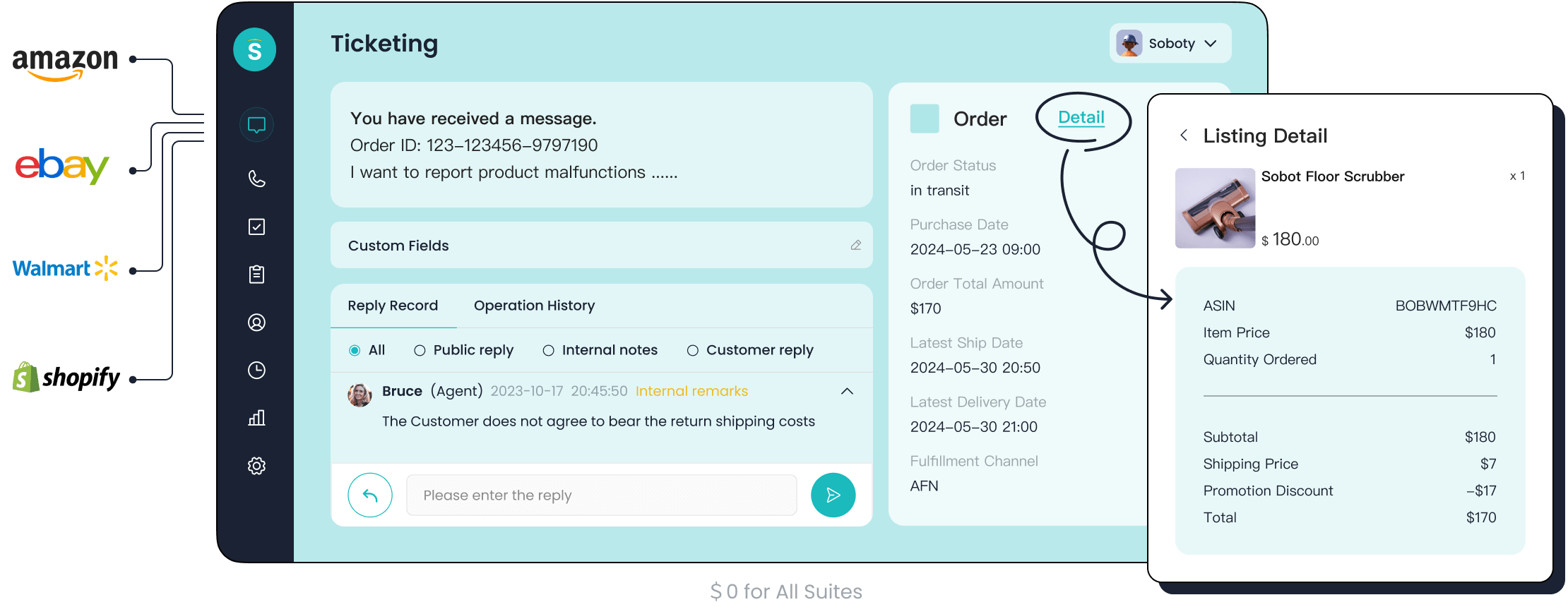
A high-impact customer service dashboard is essential for your team's success. You can improve performance and boost customer satisfaction by making data-driven decisions. This approach delivers powerful and measurable results.
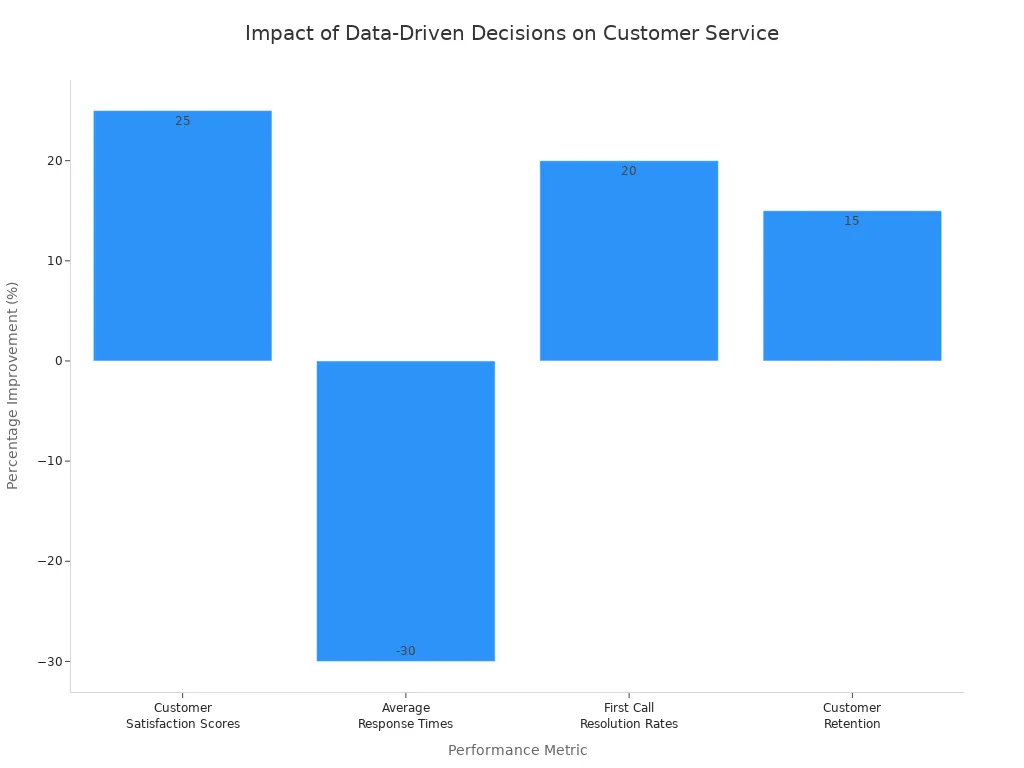
The right dashboard transforms raw data into clear actions. Solutions like the Sobot call center, enhanced with Sobot AI, provide the tools to achieve these gains. Let Sobot guide you in building a better system this year.
Define Metrics for Your Customer Service Dashboard
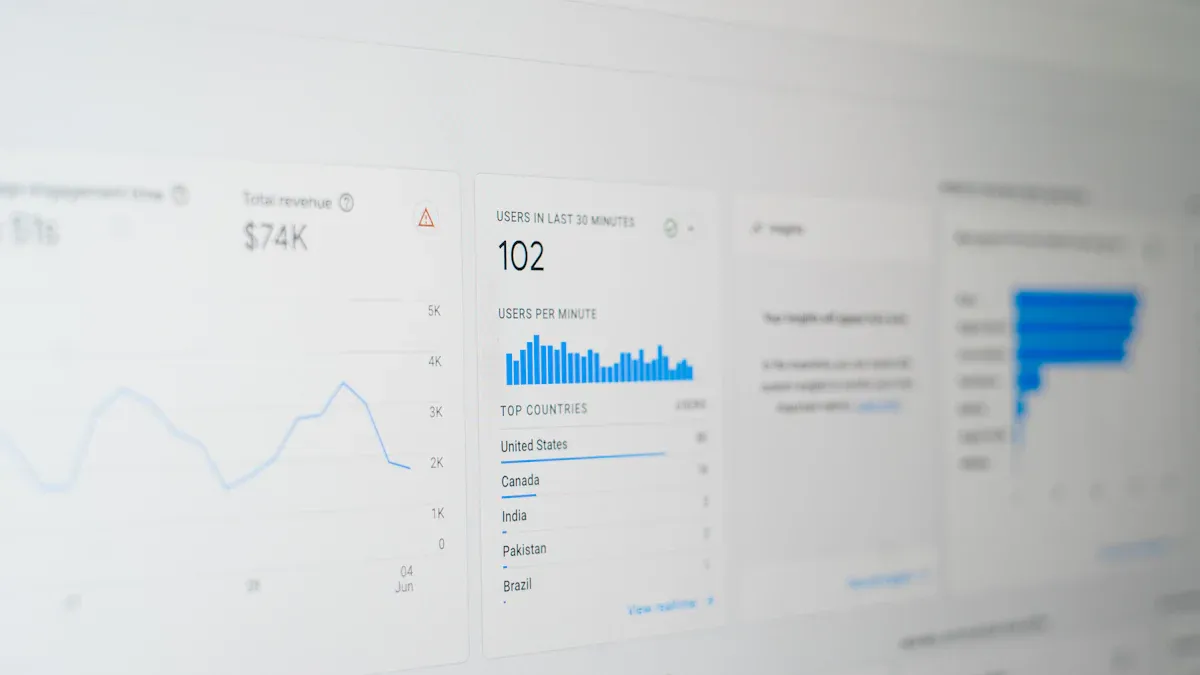
Before you build anything, you must decide what to measure. A powerful customer service dashboard focuses on metrics that align with your business goals. These metrics fall into three key areas: team efficiency, customer happiness, and workload patterns. Choosing the right ones will give you the insights needed to drive real improvement.
Track Core Efficiency KPIs
Efficiency metrics show you how well your team uses its resources. They help you identify bottlenecks and optimize workflows. Your dashboard should make these numbers easy to see at a glance.
- Average First Response Time (AFRT): This measures how quickly an agent responds to a customer's initial request. A low AFRT shows your customers that you are attentive and ready to help.
- Average Handle Time (AHT): This is the total time an agent spends on a ticket, from opening it to resolving it. Tracking AHT helps you understand agent capacity and identify needs for more training or better tools.
- First Contact Resolution (FCR): This is the percentage of issues resolved in a single interaction. A high FCR is a strong indicator of both efficiency and customer satisfaction. Industry benchmarks show that a good FCR rate is between 70% and 79%, with the cross-industry average sitting around 69%.
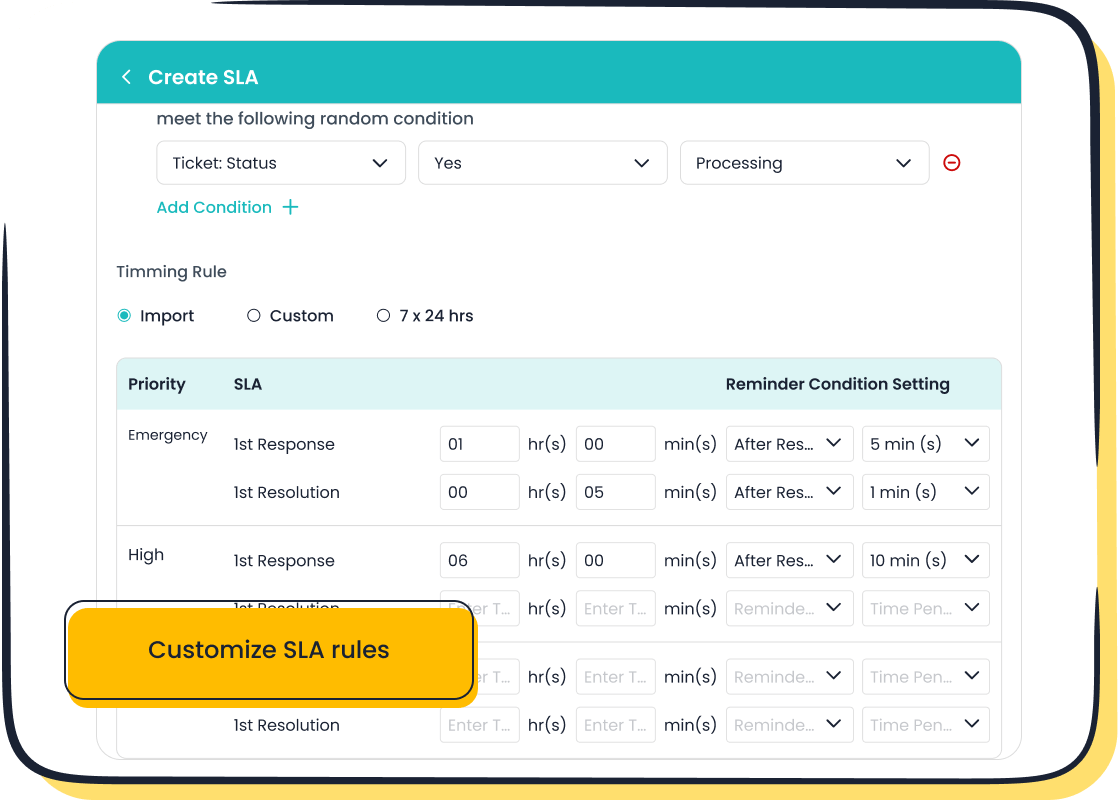
💡 Pro Tip: Use a platform with smart notifications to monitor your Service Level Agreements (SLAs). For example, Sobot's trusted analytics empower managers to track response times and resolution goals in real-time. This helps you maintain high standards and can lead to significant gains, like the 30% increase in agent efficiency seen by Samsung.
Monitor Customer-Centric Metrics
These metrics tell you how your customers feel about their support experience. They are crucial for measuring loyalty and identifying areas where you can improve the customer journey.
-
Customer Satisfaction (CSAT): You measure CSAT by asking customers to rate their satisfaction with a recent interaction. Scores are usually expressed as a percentage. For e-commerce businesses, a strong CSAT score is around 80-82. Reaching for a high score pays off. For instance, global leader Samsung achieved an incredible 97% customer satisfaction rate by using Sobot's all-in-one solution to deliver intelligent, customized service.
-
Net Promoter Score (NPS®): NPS measures long-term customer loyalty. You ask customers one simple question: "On a scale of 0-10, how likely are you to recommend our company to a friend or colleague?"
- Promoters (score 9-10) are loyal fans.
- Passives (score 7-8) are satisfied but not enthusiastic.
- Detractors (score 0-6) are unhappy customers. Your NPS is the percentage of Promoters minus the percentage of Detractors. A score above 0 is good, while a score above 50 is considered excellent.
-
Customer Effort Score (CES): CES measures how easy it was for a customer to get their issue resolved. Research shows that 94% of customers who have a low-effort experience will buy from the same company again. You can measure this by asking, "How easy was it to resolve your issue?" on a simple scale. A high score means you are making things easy for your customers, which builds powerful loyalty.
Analyze Ticket and Workload Trends
Understanding your ticket data helps you manage your team's workload and plan for the future. An effective analytics dashboard reveals patterns that you can act on. This is where you move from being reactive to proactive.
- Ticket Volume: This is the total number of incoming tickets over a specific period. Tracking this helps you anticipate peak times and staff your team accordingly. You can view volume by day, week, or month to spot trends.
- Ticket Backlog: This metric shows the number of unresolved tickets. Analyzing your backlog helps you understand if your team is keeping up with demand. It allows you to anticipate future needs and allocate resources effectively, preventing agents from becoming overwhelmed.
- Tickets by Category: Categorizing tickets helps you identify common issues. Are many customers reporting bugs? Are there frequent questions about a specific feature? Common categories include:
- Problem tickets (e.g., software bugs, product defects)
- Technical queries
- Feedback and complaints
Manually tracking all these data points is time-consuming and prone to error. A unified platform like the Sobot Ticketing System automatically captures metrics like Ticket Volume and Resolution Rates across all your channels. This saves your team valuable time and ensures your dashboard is always powered by accurate, up-to-date information.
Choose Your Path for Building an Efficient Dashboard
Once you know which metrics to track, your next step is to decide how to build your dashboard. You have two main paths: using ready-made software or building a custom solution. Each path has its own benefits. The right choice depends on your team's size, budget, and specific needs. Let's explore both options so you can make an informed decision for your business.
Evaluate Off-the-Shelf Software
Off-the-shelf software offers a fast and powerful way to get a customer service dashboard up and running. These platforms are designed by experts and come packed with features that most support teams need. This approach helps you avoid the long development times of a custom project.
When you evaluate these tools, look for a few key features:
- Multi-channel Support: The software should bring all your customer conversations from email, chat, social media, and phone into one place.
- Automation and AI: Look for tools that automate workflows, route tickets, and use AI to handle simple questions. This frees up your agents for more complex issues.
- Analytics and Reporting: The platform must have strong reporting tools to track the metrics we discussed earlier. A good dashboard makes this data easy to understand.
- Ease of Use: The software should be easy to set up and connect with your existing systems. Your team should be able to use it without extensive training.
A great example of a ready-made platform is Sobot's Omnichannel Solution. It provides a unified workspace where agents can see every customer interaction in one view. This solution accelerates deployment by offering seamless integration with channels like email, chat, and WhatsApp. Its AI-driven automation handles repetitive tasks, which helps your team become more efficient.
Industries like e-commerce, financial services, and healthcare see huge benefits from this kind of automation.
- E-commerce teams can use AI to answer common questions about orders and shipping.
- Financial services can guide customers through account inquiries with secure, automated assistance.
- Healthcare providers can manage appointments and answer patient questions 24/7.
Using a platform like Sobot gives you a pre-built, powerful dashboard from day one.
Consider a Custom-Built Dashboard
The second path is to create a dashboard from scratch. This option gives you complete control over the design, features, and data sources. You can tailor every element to fit your unique business processes.
Pros of a Custom Build:
- Personalized Insights: You can design the dashboard to show the exact data you need for your current business goals.
- Total Control: You own the solution and can modify it anytime. It can be branded to match your company's look and feel.
- Data Consolidation: You can combine data from different systems, like your CRM, sales software, and marketing tools, into a single view.
Cons of a Custom Build:
- High Initial Cost: Building a custom solution requires a significant investment of time and money.
- Longer Development Time: It can take months to design, build, and test a custom dashboard.
- Requires Expertise: You will need a team of developers and data analysts to build and maintain the system.
- Maintenance Burden: Any changes or updates become a new project, which can be slow and costly.
Building a custom dashboard is a major undertaking. It offers ultimate flexibility but comes with higher costs and resource demands.
Make the Right Decision for Your Business
So, which path is right for you? The answer depends on your business's complexity, budget, and timeline.
For most businesses, especially small to medium-sized ones, an off-the-shelf solution provides the best balance of power, speed, and cost. A custom build is often better for large enterprises with highly specialized needs and the resources to support a development team.
Let's compare the costs. A custom solution has a high initial cost, often between $30,000 and $50,000. While you own it, you are also responsible for all maintenance. A SaaS platform has a predictable subscription fee.
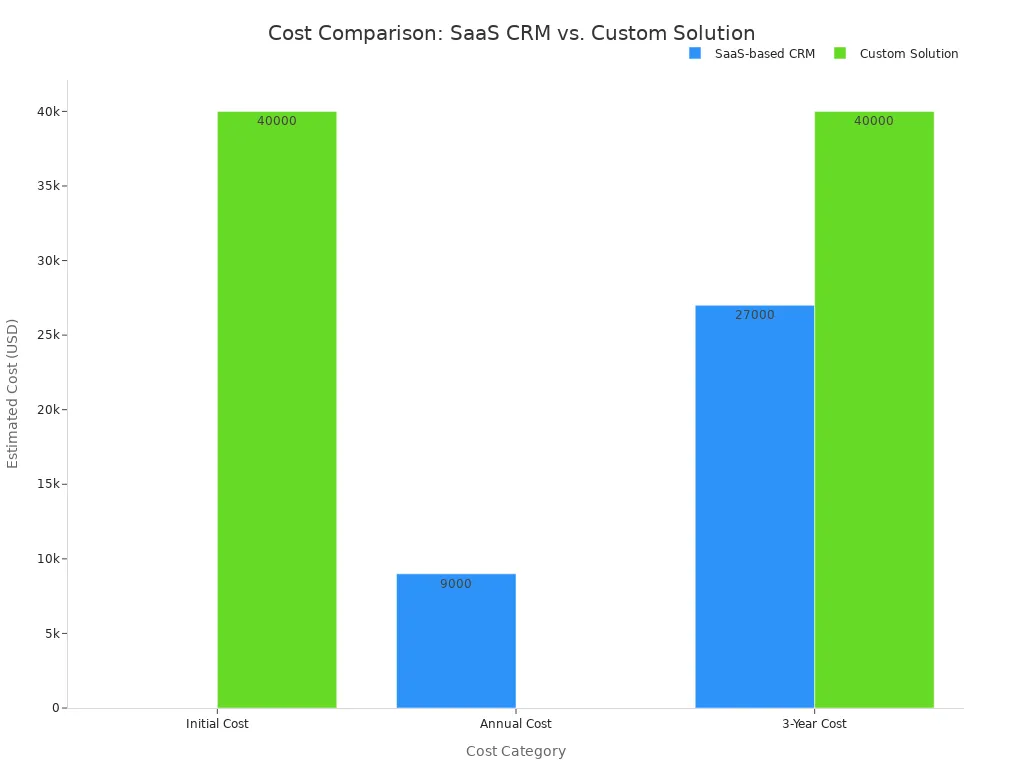
Use this table to help guide your decision:
| Criteria | Custom-Built Dashboard | Off-the-Shelf Dashboard |
|---|---|---|
| Budget | High initial investment | Lower, predictable subscription cost |
| Time to Deploy | Months or longer | Days or weeks |
| Flexibility | Fully customizable | Powerful features, less customization |
| Maintenance | Requires in-house IT team | Handled by the software provider |
| Best For | Large enterprises with unique needs | Small to large businesses needing a fast, proven solution |
The Bottom Line: Building an efficient dashboard doesn't have to be a massive project. By choosing a powerful, ready-made platform, you can gain deep insights and improve performance quickly. A solution like Sobot gives you the advanced analytics and tools you need without the high cost and long timeline of a custom build. This allows you to focus on what truly matters: delivering exceptional service to your customers.
Implement and Optimize Your Dashboard
You have your metrics and a build strategy. Now it is time to bring your customer service dashboard to life. This process involves connecting your data, designing for clarity, and using the insights to improve team performance. A well-executed dashboard becomes your command center for service excellence.
Connect Your Data Sources
Your dashboard is only as good as the data it uses. You need to connect all the places where customer interactions happen. This can be a complex task if you do it manually. However, modern platforms make this step much easier.
For example, the Sobot Ticketing System simplifies this process with built-in integrations. It automatically pulls data from your email, chat, and e-commerce platforms into one place. This saves you from the technical headache of building custom connections. When you create a dashboard with a unified system, you ensure your data is accurate and always up-to-date.
Design for Clarity and Action
A cluttered dashboard is an ignored dashboard. Your goal is to present information so that anyone can understand it in seconds. Place your most important metrics, like CSAT and Ticket Volume, at the top where they are easy to see. Use simple charts like bar graphs for comparisons and line charts for trends.
💡 Design Tip: Use color to tell a story. A simple red-yellow-green system can instantly show performance levels. Red might signal a missed SLA, while green shows you are meeting your goals. This visual cue helps managers spot issues without digging through numbers.
Use Your Dashboard to Drive Performance
A great dashboard is more than just numbers; it is a tool for action. Use the data to have meaningful one-on-one coaching sessions with agents. You can review their Average Handle Time or First Contact Resolution rates and set clear goals for improvement.
This is where a powerful platform truly shines. Sobot's trusted analytics and smart notifications empower managers to monitor SLAs in real-time. If a ticket is nearing its deadline, the system can send an alert, allowing your team to act before a breach occurs. This proactive approach helps you optimize team workload and boost productivity. It is how global brands like Samsung used Sobot to achieve a 30% increase in agent efficiency.
A well-built customer service dashboard is a powerful asset. It turns your data into clear actions for your team. You can achieve great results by defining the right metrics and choosing your build path. A platform like Sobot offers a fast and effective solution. Now is the time to build a better dashboard. Embark on your contact journey to boost customer satisfaction and team efficiency this year.
FAQ
What is the most important metric to track?
The best metric depends on your goals. However, Customer Satisfaction (CSAT) is a great starting point. It directly measures how happy customers are with your service. A high CSAT score shows your team is meeting customer expectations and building loyalty.
How long does it take to set up a dashboard?
The timeline depends on your approach. A custom-built dashboard can take months. An off-the-shelf solution like Sobot allows you to deploy a powerful dashboard in just days or weeks, giving you faster access to critical insights.
Can I connect my existing tools to a new dashboard?
Yes. Modern platforms are designed for easy integration. For example, the Sobot Ticketing System connects with email, chat, and e-commerce platforms. This unifies your data automatically, saving you time and ensuring your dashboard is always accurate.
Why is a customer service dashboard so important?
A dashboard turns complex data into simple visuals. It helps you see what is working and what is not. You can use these insights to improve team performance, make customers happier, and make smart, data-driven decisions for your business.
See Also
Maximize Your Always-On Live Chat Support Efficiency Now
Discover The 10 Leading Customer Service Software Solutions For 2024
Achieve Greater Live Chat Customer Happiness With These 10 Strategies
How AI Customer Service Agents Are Transforming Support Operations
Elevate Call Center Performance Through Effective Monitoring Strategies

