The Future of AI Chatbot SaaS in 2026

Key trends show the AI chatbot SaaS market is rapidly evolving. Projections indicate the AI market will grow from 5.3 billion USD in 2024 to 21.9 billion USD by 2033. This raises a critical question: is a business's current chatbot strategy prepared for a future where autonomous AI agents manage entire customer journeys? This evolution toward Native-AI SaaS signals fundamental changes. Innovators like Sobot are rethinking technology and platform architecture, moving beyond basic AI tools like the Sobot call center to integrated Sobot AI solutions.
Tech Shifts Defining AI Chatbot SaaS
The evolution of the AI chatbot SaaS market is driven by powerful technological trends. These shifts are redefining what businesses can expect from their customer communication platforms. The future is not about adding more features; it is about rebuilding the foundation. Companies are moving away from simple AI-enabled applications and embracing architectures where AI is the core. This change enables autonomous agents, deep personalization, and advanced communication methods that were once impossible.
From AI-Enabled to Native-AI Architecture
The most significant change in the SaaS industry is the pivot from AI-enabled tools to Native-AI SaaS platforms. An AI-enabled application treats intelligence as an add-on. It integrates AI features into existing software. A Native-AI SaaS platform, however, is built with AI as its central nervous system. This core design influences everything from data processing to user interaction.
This architectural difference creates major impacts on performance, privacy, and scalability. Native-AI systems are designed for cognition and autonomous action. Traditional systems focus on reliable data transport. This new approach supports continuous learning and memory, allowing the AI to adapt based on new information.
Note: The shift to Native-AI SaaS architecture represents a move from digital assistants to digital teammates. While traditional platforms primarily assist humans, a native platform anticipates needs, makes decisions, and acts on its own.
The differences between these two approaches become clear when compared directly.
| Aspect | AI-Native Platform | AI Add-On Platform |
|---|---|---|
| Architecture Foundation | Purpose-built for AI, designed for long-term AI evolution | Legacy-first; AI constrained by original system design |
| Data Structure & Accessibility | Unified data models, streamlined access across the platform | Siloed or fragmented data requiring costly integrations |
| Scalability | Designed to scale smoothly with AI workloads | Scaling can become expensive and complex due to legacy bottlenecks |
| Performance Consistency | Predictable, optimized infrastructure for AI workloads | May introduce overhead; performance varies by workload |
| Customization & Integration | Deep customization across workflows and models | Constrained to vendor-supported modules and APIs |
| Cost Efficiency | Higher upfront investment, more efficient over time | Lower upfront cost, higher ongoing inefficiencies |
Ultimately, a platform with intrinsic AI capabilities delivers more transformative value. This is a key factor driving SaaS market expansion as businesses seek more powerful and efficient solutions.
Rise of Autonomous Agents in Customer Service
The rise of Native-AI architecture enables the next major evolution: autonomous AI agents. These are not the simple, script-following chatbots of the past. Autonomous agents are goal-oriented systems. They can understand complex requests, create multi-step plans, and execute tasks across different applications.
Traditional chatbots are passive. They wait for a user's prompt and rely on keyword matching. An autonomous agent takes initiative. It learns from every interaction, remembers past conversations, and proactively solves problems. This allows the AI to handle complex workflows, such as rescheduling a delivery, processing a refund, and updating the customer's CRM profile, all without human intervention.
The table below highlights the fundamental differences in their abilities.
| Feature | Autonomous AI Agents | Traditional Chatbots |
|---|---|---|
| Initiative | Takes initiative, proactively solves problems, and optimizes processes. | Waits for user prompts and remains passive. |
| Learning & Adaptation | Continuously learns from interactions, feedback, and context. | Requires manual programming for every improvement. |
| Context Understanding | Grasps full context, intent, and conversation history. | Depends on keyword matches and predefined patterns. |
| Workflow Complexity | Executes complex, multi-step workflows and plans task sequences. | Handles single actions or answers FAQs. |
| System Integration | Integrates seamlessly with other systems (CRMs, APIs) to pull live data. | Cannot orchestrate tasks in multiple systems without developer support. |
| Memory | Possesses persistent memory to adapt over time. | Lacks persistent memory and starts fresh with each request. |
| Goal Orientation | Decomposes big tasks into steps to achieve overarching goals. | Primarily answers one question at a time. |
This leap in capability transforms customer service from a cost center into a value-driving operation.
Hyper-Personalization Through Proactive AI
Modern AI does more than just react to customer queries. It proactively anticipates their needs to deliver hyper-personalized experiences. This is one of the most impactful trends in customer engagement. Hyper-personalization uses real-time data and predictive models from generative AI to adjust interactions as they happen.
Proactive AI achieves this through several key functions:
- Sentiment Analysis: The AI gauges a customer's emotional state from their word choice and tone, allowing for more empathetic responses.
- CRM Integration: It pulls the customer's entire history, including past purchases and open support tickets, so the customer never has to repeat themselves.
- Predictive Personalization: Generative AI analyzes patterns to anticipate needs. It might offer a relevant help article, suggest a product upgrade, or alert an agent to a potential issue before the customer even notices.
This proactive approach drives powerful business outcomes. Studies show that proactive engagement can lower customer churn by up to 36% and improve customer satisfaction scores by an average of 33%. For example, by using AI to analyze user behavior and identify at-risk accounts, the communication platform Slack reduced its churn rate by 30%. This demonstrates how generative AI turns data into loyalty.
Advanced Multimodal Communication
The future of customer interaction is not limited to text. Advanced AI now supports multimodal communication, seamlessly blending text, voice, images, and video. Customers can describe a problem with their voice, upload a photo of a damaged product, or watch a video tutorial—all within a single conversation.
This is made possible by sophisticated generative AI models and techniques.
- Transformer Models: These architectures are fundamental for processing and aligning different data types, like text and images.
- Cross-Attention Mechanisms: This technology helps the AI identify contextual relationships between different inputs, such as connecting a spoken phrase to a specific part of an image.
- Co-Embedding Techniques: This method places different data types into a shared space, allowing the AI to correlate information from multiple sources.
Businesses are already using these applications to solve complex issues across various industries. A customer in retail can use a photo to find a product. A patient in healthcare can describe symptoms using their voice. These SaaS industry trends are making digital interactions more natural and effective. The following table shows just a few examples of how multimodal AI is being applied in the market today.
| Industry | Application |
|---|---|
| Healthcare | Patients check symptoms by describing them vocally and uploading images of a condition for preliminary assessment. |
| Retail & E-commerce | Customers find products by uploading a photo or use virtual try-on experiences guided by the AI. |
| Manufacturing | Technicians receive troubleshooting instructions with augmented reality overlays guided by voice commands. |
| Finance | Users verify their identity through voice biometrics or facial recognition to authorize transactions securely. |
| Travel & Hospitality | Travelers book flights using voice commands and receive personalized video guides for their destinations. |
This ability to understand and communicate across multiple formats makes the AI more accessible, intuitive, and powerful, setting a new standard for customer experience. The evolution of SaaS is clearly heading towards more integrated and intelligent systems.
Evolving Pricing for AI-Driven SaaS
As AI technology reshapes software capabilities, the pricing models for AI-driven SaaS are also undergoing a major transformation. The old ways of charging for software access no longer align with the value that modern AI delivers. Businesses now expect to pay for results, not just seats. This shift is forcing the SaaS industry to innovate its revenue strategies, moving from predictable flat fees to dynamic, value-oriented models. These new pricing trends reflect a deeper understanding of AI's role in driving business outcomes.
Decline of Per-Seat, Per-Chat Pricing
Traditional SaaS pricing, particularly the per-seat model, is quickly becoming outdated. This model charges businesses based on the number of users, which made sense when software primarily assisted human workers. However, with autonomous AI agents handling tasks, a company can achieve significant results with fewer human users. This makes seat-based pricing a penalty for efficiency. AI workloads are also compute-intensive and can fluctuate, making flat-rate fees unsustainable for providers.
Data shows a clear move away from these legacy models.
| Pricing Model | Previous Popularity | Current Popularity |
|---|---|---|
| Flat-rate pricing | 29% | 22% |
| Seat-based pricing | 21% | 15% |
This decline highlights that buyers want to pay for outcomes, not just access. The core value of an AI chatbot SaaS platform lies in its autonomous capabilities, rendering user counts an irrelevant metric.
Rise of Usage-Based & Hybrid Models
In response to the limitations of old models, usage-based and hybrid pricing are gaining momentum. By 2024, 25% of SaaS companies had already adopted usage-based pricing. This model connects cost directly to consumption, such as the number of API calls or customer conversations. It ensures fairness, as customers pay only for what they use.
Hybrid models offer a powerful balance. They combine a fixed subscription fee for platform access with a variable component tied to usage. This structure provides budget predictability for the buyer while allowing the SaaS provider to cover variable AI computation costs. This approach offers several advantages:
- Fairness: Customers pay in proportion to the value they receive.
- Scalability: The model flexes to support small teams and large enterprises.
- Predictability: A fixed base fee allows for stable budgeting.
Introducing Outcome-Based Value
The most advanced pricing evolution is the move toward outcome-based value. Here, the cost is directly tied to the business results the AI generates. This model represents the ultimate alignment between a SaaS provider and its customer. Instead of paying for features or usage, a business pays for measurable success.
A True Partnership: Outcome-based pricing turns the vendor-client relationship into a partnership. The provider is financially motivated to ensure the customer achieves their goals, creating a win-win scenario.
Modern solutions demonstrate this by connecting their value to tangible performance metrics. For example, a platform like Sobot illustrates this trend by helping businesses achieve specific goals, such as saving up to 50% on additional agent costs through automation or boosting conversions by 20% with smart, proactive engagement. This is one of the most important SaaS industry trends, as it shifts the focus from selling software to delivering guaranteed results.
Comparison: Old vs. New Pricing Models
The evolution in AI-driven SaaS pricing reflects a fundamental change in how value is created and measured. The table below summarizes the key differences between traditional and modern approaches.
| Aspect | Old Models (Per-Seat, Flat-Rate) | New Models (Usage, Hybrid, Outcome) |
|---|---|---|
| Value Metric | Access to software, number of users | Resources consumed, business results achieved |
| Alignment | Penalizes efficiency and automation | Rewards efficiency and successful outcomes |
| Fairness | Low-usage customers subsidize high-usage ones | Customers pay for the value they receive |
| Scalability | Poor; costs grow with headcount, not results | Excellent; costs scale with business growth |
These new pricing trends are not just a reaction to new technology; they are a proactive strategy to align the cost of AI with the immense value it delivers.
The Rise of Unified SaaS Platforms
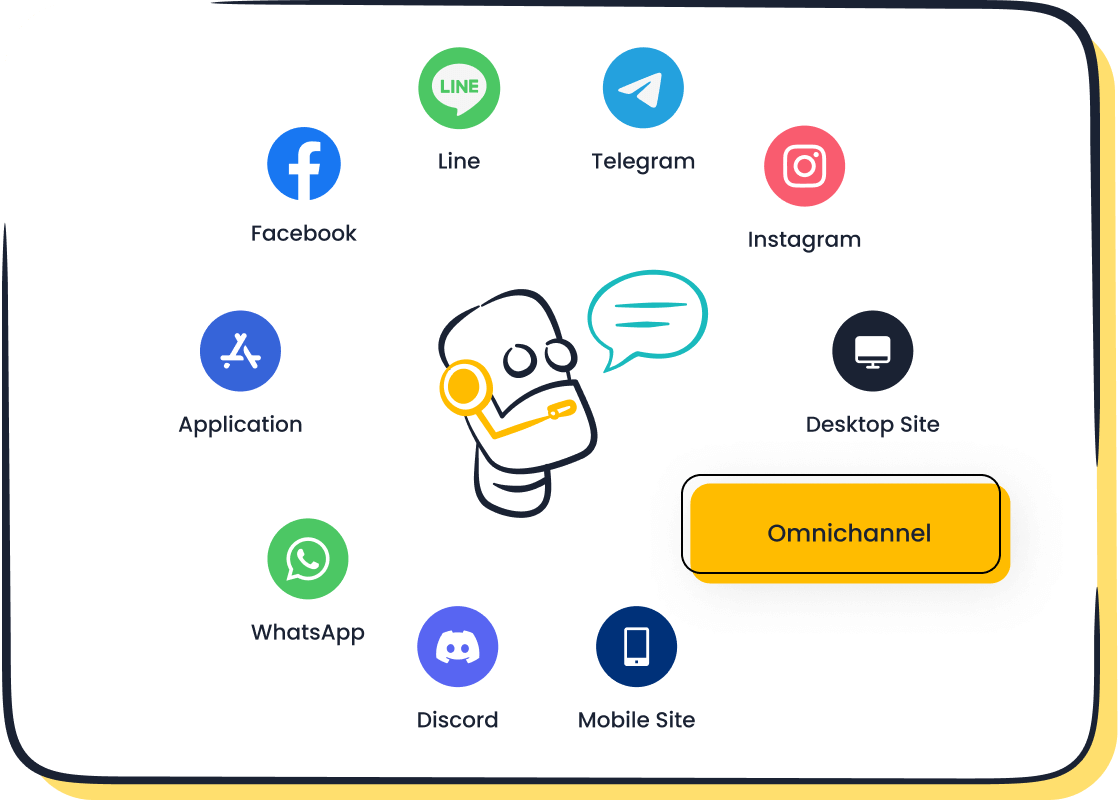
The future of customer communication is not a collection of separate tools but a single, intelligent system. Unified platforms consolidate tools to reduce complexity and improve efficiency. As businesses scale, managing a patchwork of disconnected SaaS applications becomes costly and ineffective. The market is rapidly moving toward integrated solutions that provide a seamless experience for both customers and agents. This is one of the most important SaaS industry trends.
Why Standalone Chatbots Are Obsolete
Standalone chatbots are becoming a liability. They often fail because they lack the deep integration needed to solve real problems. These isolated bots create frustrating experiences for customers.
- Shallow AI: Basic bots cannot handle complex queries, leading to dead ends.
- No Data Access: Without a connection to CRMs or order systems, they cannot provide personalized or accurate information.
- Integration Nightmares: A significant number of AI projects fail due to poor data quality and architectural issues, making standalone bots unable to scale.
A chatbot that cannot access a customer's order history is not a solution; it is just another obstacle. This is why the future belongs to integrated AI.
Managing Costs with Integrated Systems
Adopting a unified platform significantly reduces operational costs. Instead of paying for multiple licenses and training teams on different systems, businesses consolidate expenses into one predictable cost. Data shows that companies moving to a single vendor for communications see major benefits. For example, some healthcare organizations have cut administrative costs by up to 20% by integrating their systems. A unified SaaS platform eliminates redundant spending on maintenance and IT support. This approach allows teams to focus on strategic goals instead of managing software.
Enhancing Security on a Single Platform
Using multiple, disconnected SaaS applications creates serious security risks. Each new application expands the company's attack surface, and misconfigurations are a common cause of data breaches. A unified platform enhances security by centralizing data governance. With a single system, it is easier to manage user permissions, monitor for threats, and ensure compliance with regulations like GDPR. This centralized control provides real-time visibility into security status and helps maintain audit-ready documentation, protecting sensitive customer data across all interactions.
Seamless CRM & Customer Data Integration
A powerful AI chatbot SaaS platform must connect seamlessly with a CRM. However, integrating separate applications often presents technical challenges, including data compatibility issues and security risks. Unified platforms are built to solve this. Solutions like Sobot's all-in-one contact center are a prime example of these trends. It integrates Live Chat, Chatbot, Voice Call Center, and Ticketing into a single AI-enhanced workspace. This native integration ensures the AI has real-time access to customer data, enabling it to deliver accurate, personalized, and effective support without the friction of third-party connectors.
Redefining the Customer Experience
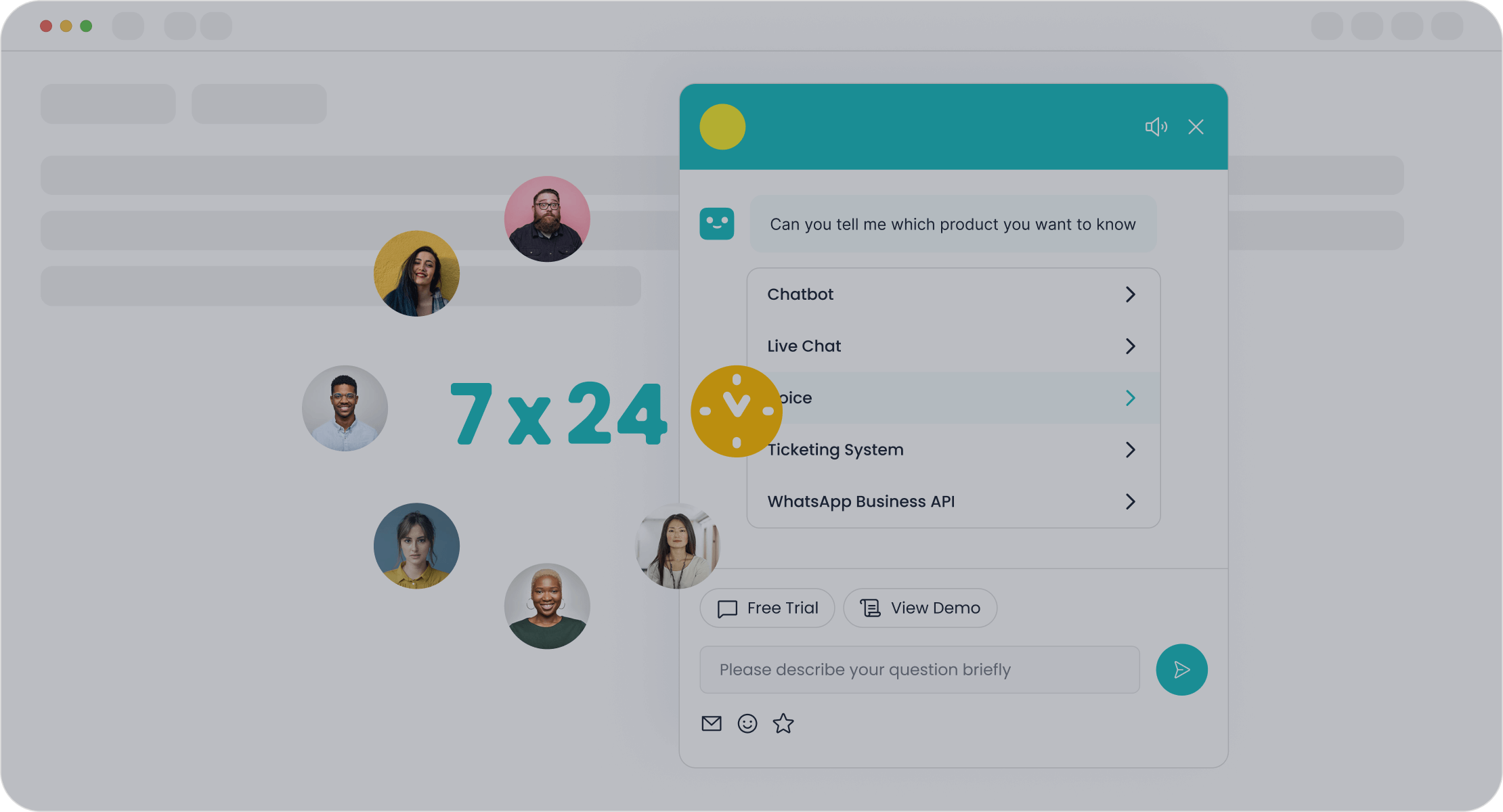
Advanced AI is transforming the customer experience from a series of reactive fixes into a proactive, personalized journey. Modern SaaS platforms no longer just solve problems; they anticipate needs. This evolution creates more satisfying interactions and drives measurable business growth. The focus has shifted to delivering value at every touchpoint.
From Reactive Support to Proactive Assistance
The old model of customer support involved waiting for a customer to report an issue. Today, AI enables businesses to act first. Proactive assistance uses data to predict customer needs and offer solutions before problems arise. This approach builds loyalty and improves satisfaction. Leading companies already demonstrate the power of proactive AI.
- Netflix uses its recommendation engine for proactive personalization, adding immense value.
- Starbucks employs predictive AI to tailor promotions based on real-time factors.
- Sobot leverages its AI tools to offer 24/7 support, automating tasks to proactively manage customer needs.
How AI Agents Handle Complex Communication
Modern AI agents manage conversations far beyond simple keyword responses. They understand context, recall past interactions, and execute complex, multi-step tasks. These intelligent systems can access different business applications to provide comprehensive solutions. For example, an agent can process a return, update inventory, and notify the customer without any human help. This level of autonomy turns customer service into a highly efficient operation.
AI's Role in Optimizing the Customer Journey
AI plays a crucial role in mapping and optimizing the entire customer journey. It gathers data from every interaction to build a complete picture of customer behavior. AI then uses this information for predictive analytics, anticipating what a customer will do next. This allows SaaS platforms to personalize content, suggest relevant products, and remove friction points in real time. These AI capabilities ensure a smooth and enjoyable experience, which increases conversion rates.
Measuring ROI in an Agent-Driven Model
Measuring the return on investment (ROI) for AI is critical. Success is measured through tangible outcomes like cost savings, efficiency gains, and improved customer satisfaction. The partnership between Sobot and OPPO provides a clear example. By implementing Sobot's AI solutions, OPPO transformed its customer service operations. The results show the clear value of these advanced applications.
OPPO achieved an 83% chatbot resolution rate, freeing up human agents for complex issues. The company also saw a 94% positive feedback rate and a remarkable 57% increase in its repurchase rate. These metrics prove that a well-integrated AI strategy delivers significant and measurable business value.
The future of AI chatbot SaaS is defined by three core trends. These trends include the evolution to autonomous AI agents, the shift to value-based pricing, and platform consolidation. The market is clearly moving toward integrated ecosystems, as 62% of enterprises are already deploying unified AI solutions. Preparing for 2026 means adopting a Native-AI SaaS strategy.
Businesses must now evaluate their current SaaS stack and vendor relationships to stay competitive in this evolving market.
FAQ
What is the difference between AI-enabled and Native-AI?
AI-enabled tools add features to existing software. Native-AI platforms are built with AI as the core. This design allows for true autonomous action and continuous learning. It creates a smarter, more scalable system than a simple software add-on.
Why is a unified platform better than a standalone chatbot?
Standalone chatbots lack access to customer data, creating frustrating dead ends. A unified platform integrates all communication channels. For example, Sobot's all-in-one solution connects Live Chat, Chatbot, and Ticketing, giving the AI complete context to solve problems effectively.
How do new pricing models reflect AI value?
Old per-seat models penalize efficiency. New models like usage-based or outcome-based pricing align cost with results. Businesses pay for tangible outcomes, such as cost savings or conversion boosts. This approach directly reflects the value the AI platform delivers.
How does an AI chatbot improve business results?
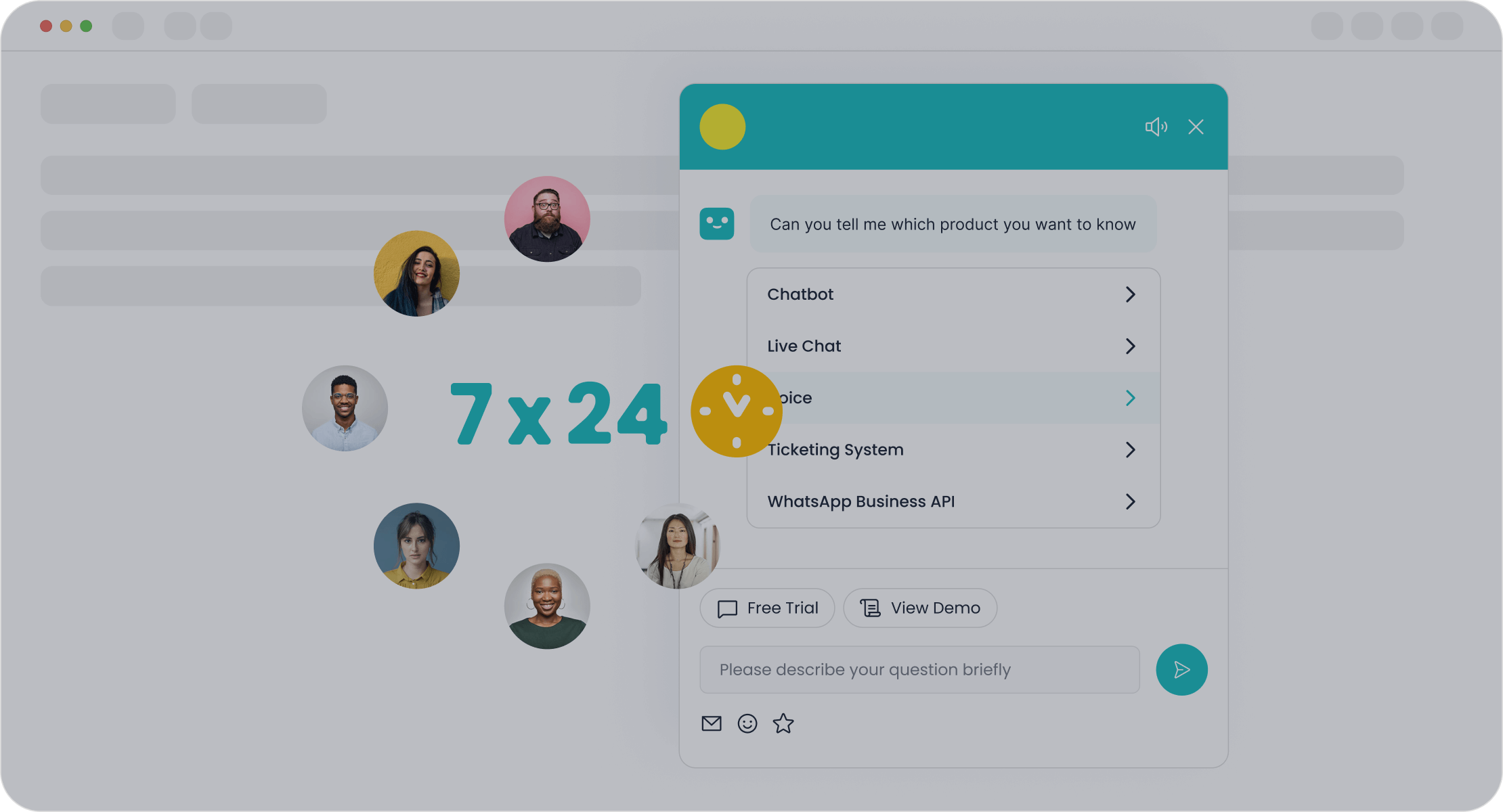
An advanced AI chatbot SaaS platform drives measurable ROI. It enhances efficiency and cuts expenses by automating tasks 24/7. For instance, Sobot's AI Chatbot can save up to 50% on agent costs and boost conversions by 20% through smart, proactive engagement.
See Also
Leading Websites Leveraging Chatbot Technology: A 2024 Overview
Discovering The Top 10 Chatbot Solutions For Websites This Year
Your Essential Guide To Selecting Optimal Chatbot Software Solutions
Crafting Effective Chatbots To Drive Your Website's Success
Effortlessly Implementing Website Chatbot Examples For Enhanced User Experience

