Find the Best Customer Service Careers in 2025


Are you ready to explore the exciting world of customer service careers in 2025? With industries evolving rapidly, opportunities abound for those who stay ahead of the curve. While the employment of customer service representatives may decline by 5% from 2023 to 2033, over 365,300 job openings are expected annually due to turnover and retirements. This means you can still carve out a thriving career by mastering essential skills and leveraging tools like Sobot's Voice/Call Center. Whether you're aiming for remote roles or specialized positions, the future of customer service is yours to shape.
Understand the 2025 Customer Service Job Market
Key Trends in Customer Service Careers
The impact of AI and automation on customer support roles
AI and automation are reshaping customer support roles. You’ll notice that repetitive tasks like answering FAQs or routing calls are now handled by AI-powered tools. This shift allows customer service agents to focus on complex issues that require human empathy and problem-solving. For example, tools like Sobot's Voice/Call Center use AI to route calls intelligently, saving time and improving efficiency. Digital literacy is becoming essential as these technologies become more integrated into daily operations. By 2025, professionals who adapt to these tools will have a significant edge in the job market.
The growing demand for personalized customer experiences

Personalization is no longer optional—it’s expected. Customers want interactions tailored to their preferences and needs. Businesses are using data analytics and omnichannel strategies to meet these expectations. For instance, Sobot’s unified workspace helps agents access customer data across platforms, enabling personalized responses. This trend is driving demand for professionals skilled in interpreting data and delivering tailored solutions. If you can master these skills, you’ll play a key role in building customer loyalty and satisfaction.
In-Demand Customer Support Roles in 2025
Customer Success Manager
This role focuses on ensuring customers achieve their goals with a product or service. As a Customer Success Manager, you’ll act as a bridge between the company and its clients, driving customer loyalty and retention. Companies value this role because it directly impacts customer satisfaction and long-term revenue.
Remote Customer Support Specialist
Remote work continues to grow, and customer support is no exception. As a Remote Customer Support Specialist, you’ll handle inquiries from anywhere, offering flexibility and work-life balance. Tools like Sobot’s Voice/Call Center make remote support seamless by integrating communication channels into one platform.
AI Support Specialist and Chatbot Trainer
AI tools need human oversight. As an AI Support Specialist, you’ll train chatbots and refine their responses to improve customer interactions. This role combines technical skills with an understanding of customer needs, making it one of the most in-demand positions in 2025.
Industries Driving Customer Service Careers
E-commerce and retail

E-commerce thrives on excellent customer service. You’ll find opportunities to manage inquiries, returns, and personalized shopping experiences. Companies in this sector rely on tools like Sobot’s AI-powered Voicebot to enhance efficiency and meet customer expectations.
Technology and SaaS companies
Tech companies prioritize customer support to retain users and build loyalty. SaaS firms, in particular, need skilled professionals to manage subscriptions and troubleshoot issues. With hiring trends favoring tech-savvy candidates, this industry offers exciting prospects.
Healthcare and financial services
These industries face unique challenges, such as cybersecurity threats and operational efficiency. Customer service representatives in these fields must handle sensitive data while ensuring a positive customer experience. For example, Sobot’s secure and scalable solutions help businesses in these sectors maintain high standards of service.
Develop the Right Skills and Qualifications
Essential Skills for Customer Support Roles
Communication and interpersonal expertise
Strong communication is the backbone of customer support roles. You need to convey information clearly and listen actively to understand customer needs. Whether you're resolving an issue or guiding a customer through a process, your ability to connect with them builds trust and strengthens customer relationships. Omnichannel communication is especially important in 2025, as customers expect seamless interactions across platforms like email, chat, and phone. Tools like Sobot's Voice/Call Center can help you manage these channels efficiently, ensuring you meet customer expectations every time.
Problem-solving and critical thinking
Every customer service interaction is unique, and problem-solving skills are key to finding tailored solutions. Critical thinking helps you analyze situations quickly and make decisions that satisfy customer needs. For example, if a customer faces a technical issue, your ability to diagnose the problem and offer a step-by-step resolution can turn a frustrating experience into a positive one. This skill not only improves customer satisfaction but also fosters customer loyalty.
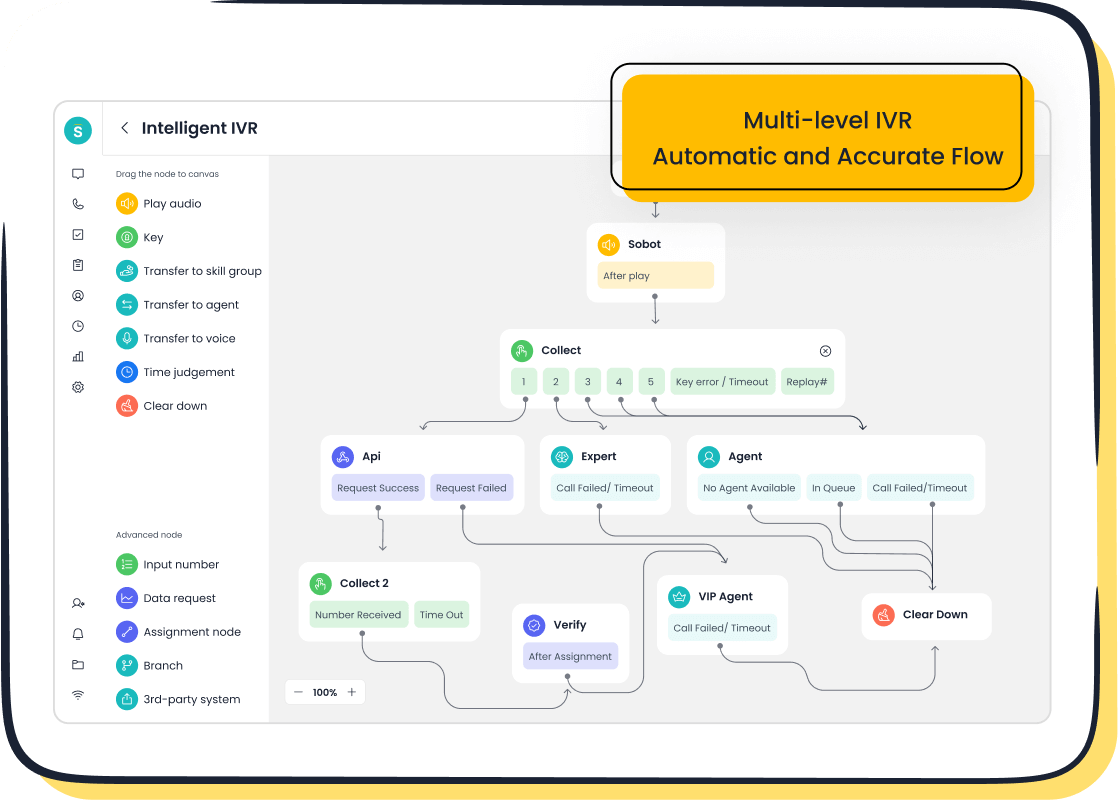
Technical proficiency with tools like Sobot's Voice/Call Center
In 2025, technical skills are non-negotiable. You’ll need to master tools like Sobot's Voice/Call Center, which integrates AI-powered features like intelligent call routing and real-time monitoring. These tools streamline customer service interactions, allowing you to focus on delivering exceptional experiences. To stay ahead, invest in customer service training programs that teach you how to use advanced software and AI-driven solutions effectively.
Certifications and Training for Customer Service Careers
Industry-recognized certifications (e.g., CCSP, HDI)
Certifications validate your expertise and make you stand out in the job market. Programs like the Certified Customer Service Professional (CCSP) or HDI certifications equip you with essential customer service job skills. They cover everything from customer communication to service management, ensuring you're prepared for the challenges of modern customer support roles. Other options, like the Google IT Support Professional Certificate, are ideal for those in technical support roles.
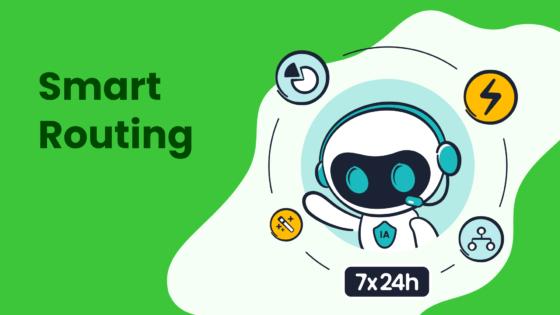
Training in AI and chatbot management
AI is transforming customer service, and training in AI tools can boost your career prospects. Learning how to manage chatbots or interpret customer data through analytics gives you a competitive edge. For instance, Sobot's AI-powered Voicebot offers 24/7 support, handling routine inquiries while you focus on complex tasks. Upskilling in AI literacy ensures you can work alongside these tools to enhance customer experiences.
Soft Skills That Differentiate You
Empathy and emotional intelligence
Empathy is your secret weapon in building strong customer relationships. It helps you understand customer emotions and respond with care, even in challenging situations. Emotional intelligence goes a step further, enabling you to manage your own emotions while navigating complex customer interactions. These skills not only improve customer satisfaction but also reduce employee burnout, creating a more positive work environment.
Adaptability in dynamic environments
Customer service is fast-paced, and adaptability is crucial. You’ll need to adjust to new tools, processes, and customer needs quickly. For example, if your company adopts a new platform like Sobot's unified workspace, your ability to learn and adapt ensures a smooth transition. Staying flexible helps you thrive in dynamic environments and meet evolving customer expectations.
Where to Search for Customer Service Jobs
Top Platforms for Customer Service Careers
LinkedIn, Indeed, and niche job boards
When it comes to finding customer service jobs, platforms like LinkedIn and Indeed are your go-to options. LinkedIn not only lists job openings but also lets you connect with hiring managers directly. Indeed aggregates listings from multiple sources, making it easy to find opportunities in one place. If you're looking for something more specialized, niche job boards like CareerBuilder and Glassdoor can help. CareerBuilder even offers tools to identify skill gaps, while Glassdoor provides company reviews to help you assess workplace culture. These platforms are perfect for staying updated on hiring trends and finding roles that match your skills.
Remote job platforms like Remote.co and We Work Remotely
If you're interested in remote and hybrid options, platforms like Remote.co and We Work Remotely are excellent choices. Remote.co focuses exclusively on remote jobs, making it easier to find flexible opportunities. We Work Remotely offers a wide range of listings, from customer support to tech roles. For even more options, check out FlexJobs, which specializes in remote and flexible work. These platforms cater to the growing demand for remote roles, ensuring you can find a position that fits your lifestyle.
Networking for Customer Support Roles
Leveraging LinkedIn and professional associations
Networking is a powerful tool for landing customer service jobs. Start by optimizing your LinkedIn profile to showcase your skills and certifications. Join professional associations related to customer service, like the International Customer Service Association (ICSA). These groups often share job postings and provide networking opportunities. Personalize your connection requests to make a lasting impression. For example, mention shared interests or experiences to build rapport. This approach not only expands your network but also keeps you informed about hiring trends in the industry.
Attending industry events and webinars
Industry events and webinars are goldmines for networking. Webinars let you interact with speakers and attendees through chat or video, creating meaningful connections. Take screenshots of participant lists to identify potential contacts. After the event, follow up with personalized LinkedIn requests to strengthen these connections. Events like customer service summits or tech expos often feature companies like Sobot, where you can learn about their innovative tools like the Voice/Call Center. These interactions can open doors to exciting job opportunities.
Exploring Company Career Pages
Researching companies like Sobot for customer service opportunities

Company career pages are treasure troves for job seekers. Research companies like Sobot, which specialize in customer service solutions. Sobot’s career page often lists roles that align with the latest hiring trends, from AI Support Specialists to Customer Success Managers. By exploring these pages, you can find positions tailored to your expertise. Plus, learning about a company’s products, like Sobot’s Voice/Call Center, can give you an edge during interviews.
Setting up job alerts for relevant roles
Job alerts save time and keep you organized. Create alerts using specific job titles like "Customer Support Specialist" or "AI Chatbot Trainer" for better results. Use platforms like CareerCircle to set up alerts by location or certifications. For example, if you're targeting remote and hybrid options, check the "Remote" box to filter results. Setting up a separate email for alerts ensures you won’t miss any opportunities. Daily alerts work best if you're actively searching, while weekly alerts are ideal for casual browsing.
Tips for Standing Out in Applications and Interviews
Crafting a Winning Resume for Customer Service Careers
Highlighting achievements in customer support roles
Your resume is your first impression, so make it count! Highlight your accomplishments in customer support roles by quantifying your impact. For example, mention how you increased customer satisfaction ratings by 15% or reduced response times by 20%. Employers love seeing measurable results because it shows your ability to deliver. Balance your soft skills, like communication and empathy, with hard skills, such as proficiency in CRM tools or platforms like Sobot's Voice/Call Center. This combination demonstrates your versatility and readiness for modern customer service careers.
Tailoring your resume to specific job descriptions
Tailoring your resume is essential to stand out in today’s competitive job market. Start by mirroring the language used in the job description. If a role emphasizes "customer communication" or "problem-solving," make sure those terms appear in your resume. Use resources like "Top Customer Service Resume Skills by Job Title" to identify the exact skills hiring managers seek. Here's a quick example:
| Resource Title | Description |
|---|---|
| Customer Service Skills Worth Developing in 2025 | These skills will help you stand out, land interviews, and secure job offers. |
| Top Customer Service Resume Skills by Job Title | Insights into specific skills required for various customer support roles. |
Writing a Compelling Cover Letter
Personalizing your message to the company
A personalized cover letter can set you apart. Start with an elevator pitch that highlights your enthusiasm for the company and the role. For instance, if you're applying to a company like Sobot, mention how their innovative tools like the Voice/Call Center align with your passion for improving customer experiences. Use bullet points to make your letter scannable and include a story that showcases your skills. For example, describe how you resolved a challenging customer issue, leading to increased customer loyalty.
Demonstrating knowledge of tools like Sobot's Voice/Call Center
Showcasing your familiarity with industry tools can give you an edge. Mention how you’ve used or are eager to learn platforms like Sobot's Voice/Call Center, which integrates AI-powered features to streamline customer interactions. Highlighting this knowledge demonstrates your technical proficiency and readiness to meet customer expectations in 2025.
Acing the Interview Process
Preparing for common customer service interview questions
Interviews can be nerve-wracking, but preparation is key. Practice answering questions like:
- What skills do you possess that will help you excel in this role?
- What do you think makes a good teammate?
- What are your career goals?
These questions help hiring managers assess your fit for the role and your alignment with their hiring trends. Be honest and concise, and always tie your answers back to how you can enhance the customer experience.
Showcasing problem-solving skills with real examples
Employers value problem-solving skills, so be ready to share examples. Discuss a time when you thought outside the box to resolve a customer issue. For instance, explain how you used active listening to identify a hidden customer need and provided a creative solution that exceeded their expectations. Highlight teamwork by describing how you collaborated with colleagues to tackle a complex problem. These stories not only demonstrate your skills but also show your commitment to building strong customer relationships.
Take Action to Secure Your Dream Job
Building a Strategic Job Search Plan
Setting clear goals and timelines
A clear plan can make your job search less overwhelming. Start by defining what you want in a customer service career. Are you aiming for a remote role, or do you want to specialize in AI tools like Sobot's Voice/Call Center? Write down your goals and break them into smaller steps. For example, set a timeline to update your resume, apply to five jobs weekly, or complete a certification like CCSP.
Use tools like Google Calendar or Trello to track your progress. These tools help you stay organized and focused. Remember, setting realistic deadlines keeps you motivated and ensures steady progress. By sticking to your plan, you’ll feel more in control and closer to landing your dream job.
Tracking applications and follow-ups
Tracking your applications is just as important as sending them out. Create a simple spreadsheet to log the jobs you’ve applied for, including company names, roles, and submission dates. Add columns for follow-up dates and interview statuses.
Following up shows employers you’re serious. Send a polite email a week after applying to express your interest. Mention specific skills, like your experience with tools such as Sobot’s AI-powered Voicebot, to stand out. Staying organized with your applications ensures you don’t miss opportunities and keeps your job search on track.
Staying Motivated and Persistent
Overcoming rejection and staying positive
Rejection is part of the process, but it doesn’t define your worth. Instead of dwelling on it, treat each rejection as a learning opportunity. Ask for feedback when possible and use it to improve.
Celebrate small wins, like completing an application or getting an interview. Surround yourself with supportive people who encourage you. Remember, even top companies like Sobot value persistence and adaptability in candidates. Staying positive helps you maintain momentum and confidence.

Continuously improving skills with tools like Sobot's Voice/Call Center
The job market in 2025 rewards those who keep learning. Take time to sharpen your skills, especially with tools like Sobot's Voice/Call Center. This platform offers features like intelligent call routing and real-time monitoring, which are essential for modern customer service roles.
Enroll in online courses or attend webinars to stay updated on industry trends. For example, learning how to manage AI-powered tools can make you a stronger candidate. By investing in your growth, you’ll not only boost your resume but also feel more prepared for your next opportunity.
Finding the best customer service careers in 2025 starts with understanding industry trends and honing the right skills. You’ve learned how AI and tools like Sobot's Voice/Call Center are transforming the job market. By mastering communication, problem-solving, and technical proficiency, you’ll stand out in competitive roles like Customer Success Manager or AI Support Specialist.
Take action today! Set clear goals, stay persistent, and keep improving your skills. Whether you're exploring remote opportunities or aiming for leadership roles, the future of customer service is yours to shape. Ready to start? Visit Sobot and explore how their tools can elevate your career.
FAQ
What are the top skills needed for customer service careers in 2025?
You’ll need strong communication, problem-solving, and technical skills. Familiarity with tools like Sobot's Voice/Call Center is a big plus. These skills help you manage customer interactions efficiently and stand out in roles like Customer Success Manager or AI Support Specialist.
How can I gain experience in customer service if I’m just starting?
Start with internships or entry-level roles. Volunteer for positions that involve customer interaction. Use tools like Sobot’s Voice/Call Center to practice handling calls and managing customer data. Certifications like CCSP can also boost your resume and build credibility.
Are remote customer service jobs still in demand?
Yes! Remote roles are growing, especially in industries like e-commerce and SaaS. Tools like Sobot’s unified workspace make remote work seamless by integrating communication channels. Companies value candidates who can adapt to remote environments while maintaining high service standards.
How does AI impact customer service careers?
AI automates repetitive tasks, letting you focus on complex issues. For example, Sobot’s AI-powered Voicebot handles routine inquiries, improving efficiency. Learning to manage AI tools can make you a valuable asset in roles like AI Support Specialist or Chatbot Trainer.
Where can I find customer service job openings?
Check platforms like LinkedIn, Indeed, and Remote.co. Explore company career pages, like Sobot’s, for specialized roles. Set up job alerts to stay updated. Networking through industry events and webinars can also connect you with potential employers.
See Also
Best Customer Service Tools You Need in 2024
Best Reviewed Contact Center Solutions for This Year
Leading Cloud Contact Center Services Reviewed for 2024

