Customer Care Objectives Examples That Set You Apart

In 2025, customer care objectives examples that set brands apart use artificial intelligence, omnichannel strategies, and proactive engagement to raise customer experience. Companies see up to a 25% increase in online sales and a 30% jump in customer lifetime value by adopting these trends. The most effective objectives focus on hyper-personalization, proactive support, and agent empowerment.
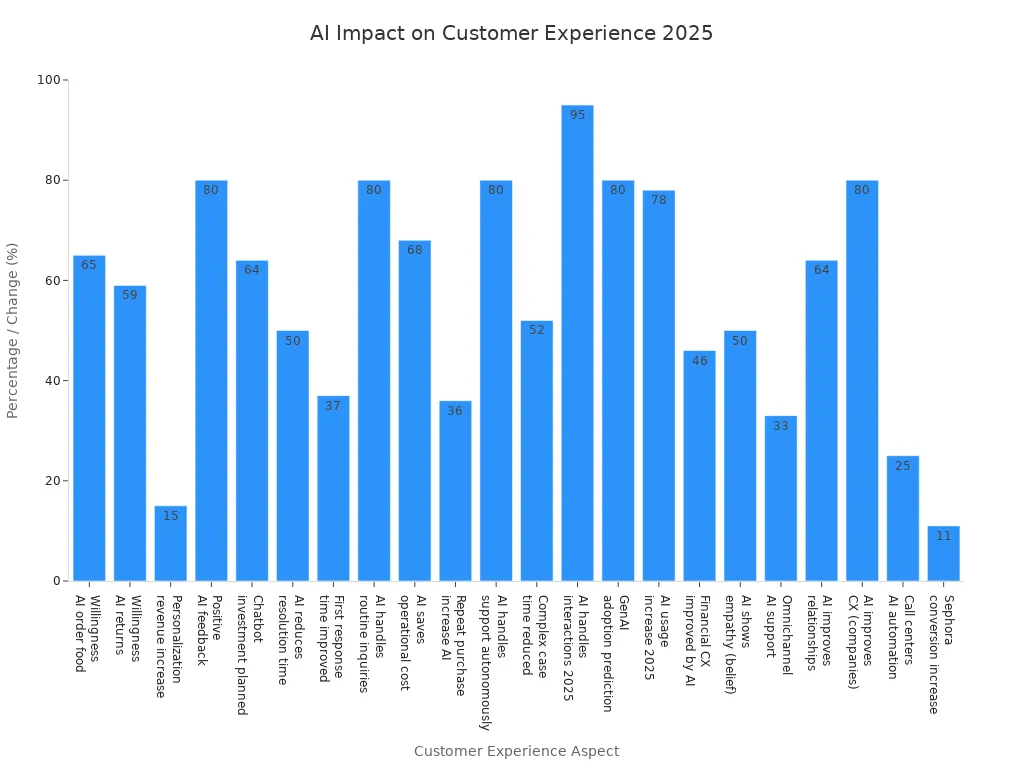
Sobot AI and Sobot call center solutions lead the way in meeting rising customer expectations, building strong relationships, and driving lasting customer engagement. Brands can use these trends to improve relationships and deliver memorable experiences across every customer service interaction.
Customer Care Objectives Examples for 2025
Defining Standout Objectives
Unique customer care objectives examples set brands apart in 2025. Companies face rising customer expectations and must deliver more than just basic service. Customers now demand fast, seamless, and personalized experiences across every channel. These expectations drive the need for clear, actionable objectives that focus on customer satisfaction, retention, and efficient issue resolution.
Well-defined objectives help teams stay accountable and focused. When businesses set specific, measurable, and time-bound goals, they see real results. For example, companies that prioritize 24/7 service, empower employees, and act on feedback often report higher customer retention and revenue growth. Automation and AI-powered chatbots, like those from Sobot, reduce service costs while maintaining high satisfaction. These strategies build trust, foster loyalty, and encourage repeat purchases, which directly impact business growth.
Sobot supports brands by providing advanced omnichannel solutions and AI-driven tools. These solutions help companies unify customer data, automate routine tasks, and deliver proactive support. As a result, brands can achieve higher customer engagement and operational efficiency. Sobot’s expertise ensures that customer care objectives examples are not just aspirational but also operationally impactful.
Key Trends Shaping 2025
Several trends will shape customer care objectives examples in 2025:
- Increased adoption of AI and automation, including chatbots and agentic AI, to assist both customers and agents.
- A shift to omnichannel customer experience, ensuring seamless transitions across voice, email, chat, SMS, and social media.
- Personalization powered by data insights and AI analytics to anticipate customer needs.
- Enhanced self-service options using generative AI for virtual assistants and knowledge bases.
- Focus on employee experience, reducing agent burnout with real-time AI assistance and workforce management.
- Integration of Voice of the Customer programs, using AI to analyze feedback and drive innovation.
These trends reflect the evolution of customer service trends and emerging customer service trends. Businesses must adapt to new customer trends and leverage technology to deliver exceptional customer experience. Sobot’s omnichannel platform and AI capabilities position brands to meet these demands, ensuring they stay ahead in 2025.
Personalization in Customer Experience
AI-Driven Personalization
In 2025, personalization stands as a core trend in customer service. Brands use artificial intelligence to deliver personalized experiences that match each customer’s needs. Sobot’s AI Chatbot leads this trend by using data-driven insights to understand customer intent and provide relevant responses. The chatbot analyzes customer data in real time, offering recommendations and solutions that feel unique to each interaction. This approach boosts customer satisfaction and increases conversions.
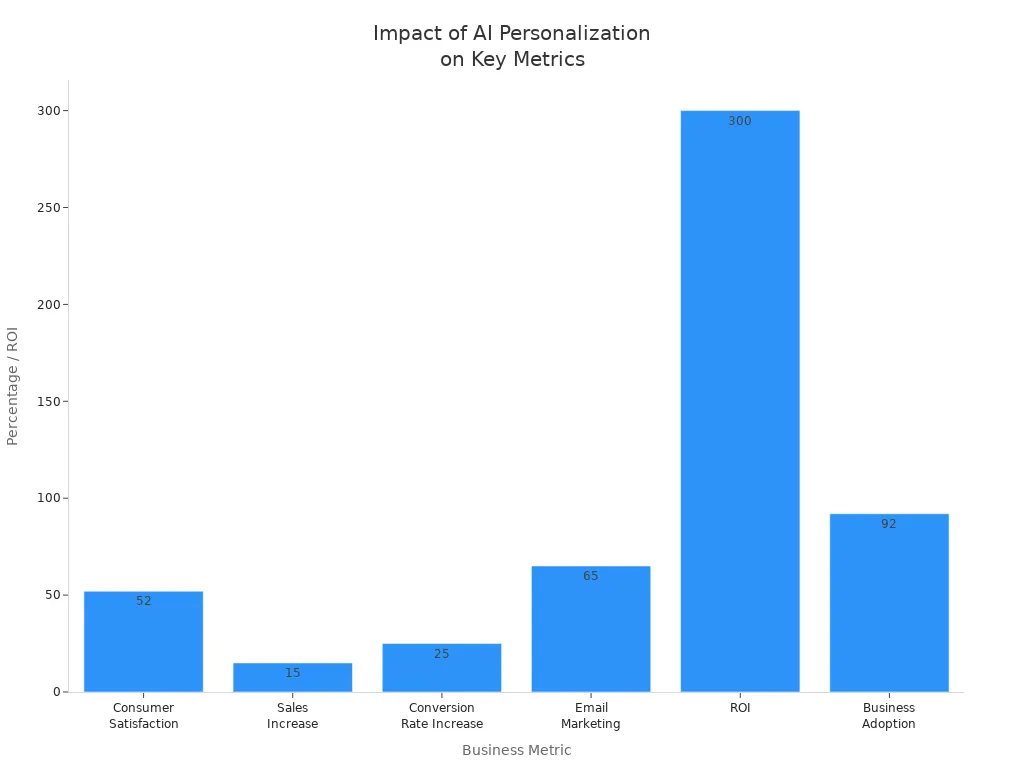
A recent industry report shows that 52% of consumers feel more satisfied with personalized experiences. Businesses that use AI-driven personalization see an average 15% increase in sales and a 25% jump in conversion rates. These trends highlight the value of artificial intelligence in shaping customer experience. Sobot’s chatbot uses these trends to help brands build stronger relationships and improve customer engagement.
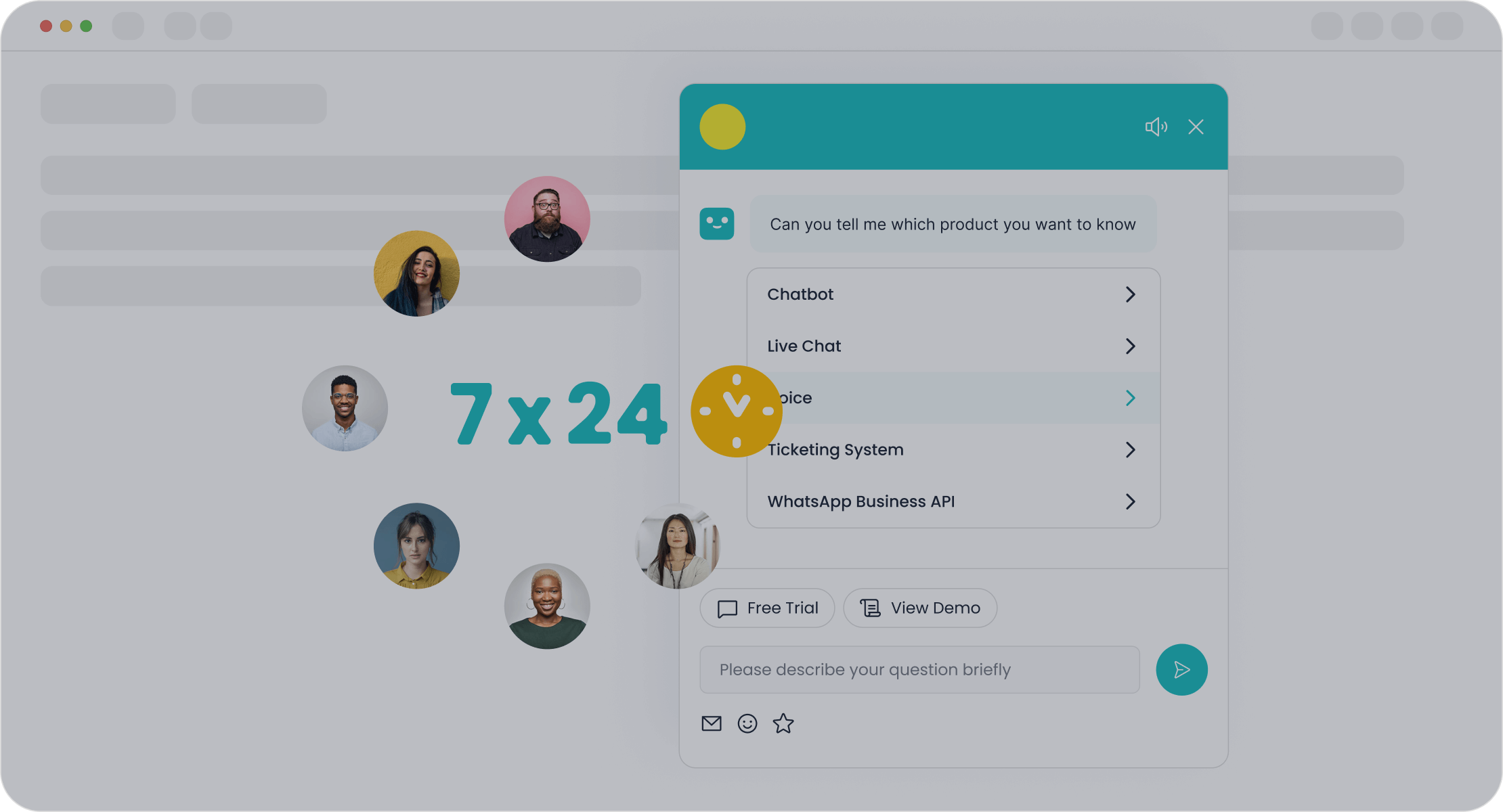
Tip: AI-powered chatbots like Sobot’s can operate 24/7, ensuring every customer receives a personalized service experience at any time.
Hyper-Personalized Interactions
Hyper-personalization takes customer service to the next level in 2025. Brands use artificial intelligence and data-driven insights to create experiences tailored to each customer’s preferences and behaviors. Sobot’s chatbot enables hyper-personalization by analyzing intent, past interactions, and customer data. This allows the system to deliver proactive suggestions, such as product recommendations or instant answers, that match the customer’s needs.
The impact of hyper-personalization appears across industries. For example, Sephora’s AI-powered virtual artist increased product views by 50% and sales by 20%. SuperAGI’s omnichannel messaging led to a 25% sales increase and higher customer engagement. Bank of America’s Erica assistant now serves over 10 million users, improving customer experience and satisfaction.
| Company | Hyper-Personalization Approach | Business Outcomes and Metrics |
|---|---|---|
| Sephora | AI-powered Virtual Artist for personalized makeup try-on | 50% more product views, 20% sales increase, 25% retention boost |
| SuperAGI | AI-driven journey orchestration with segmentation | 25% sales increase, 20% conversion rate, improved satisfaction |
| Bank of America | Erica Virtual Assistant for financial guidance | 10M+ users, 100M+ interactions/month, higher engagement |
These trends show that hyper-personalization drives better customer service, deeper relationships, and higher business growth. Sobot’s solutions help brands stay ahead by delivering personalized experiences that customers expect in 2025.
Omnichannel Customer Service Strategies
Unified Customer Journeys
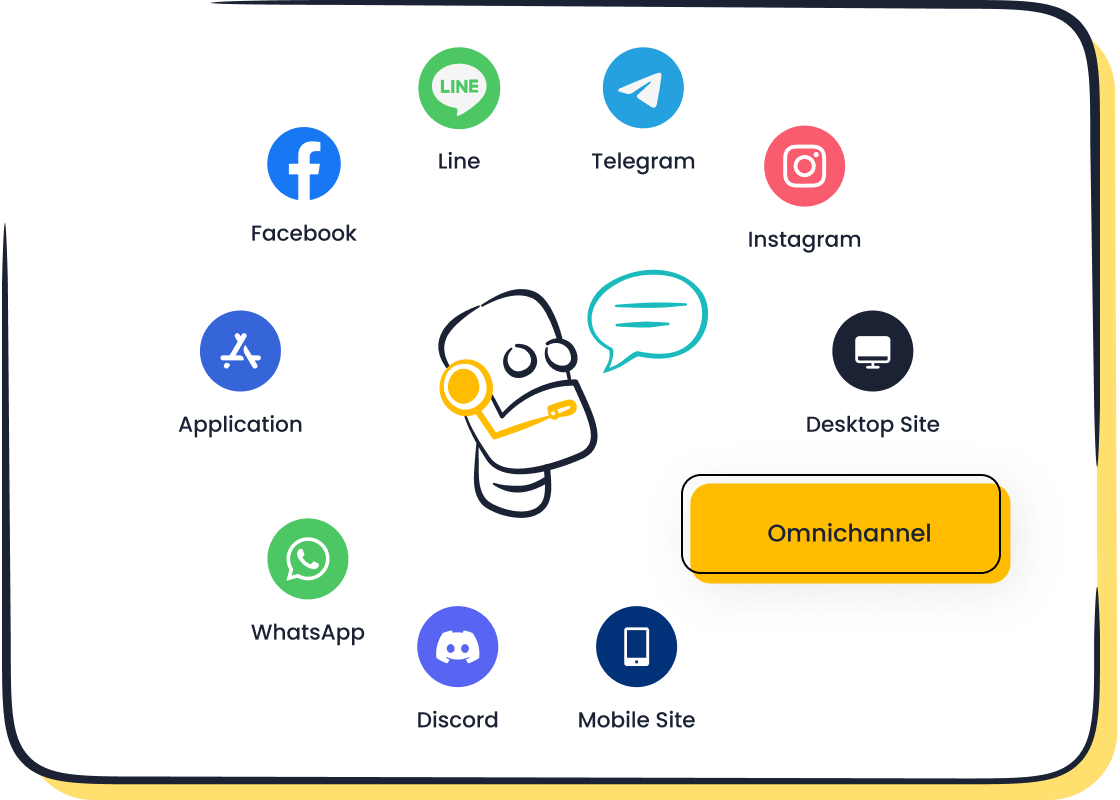
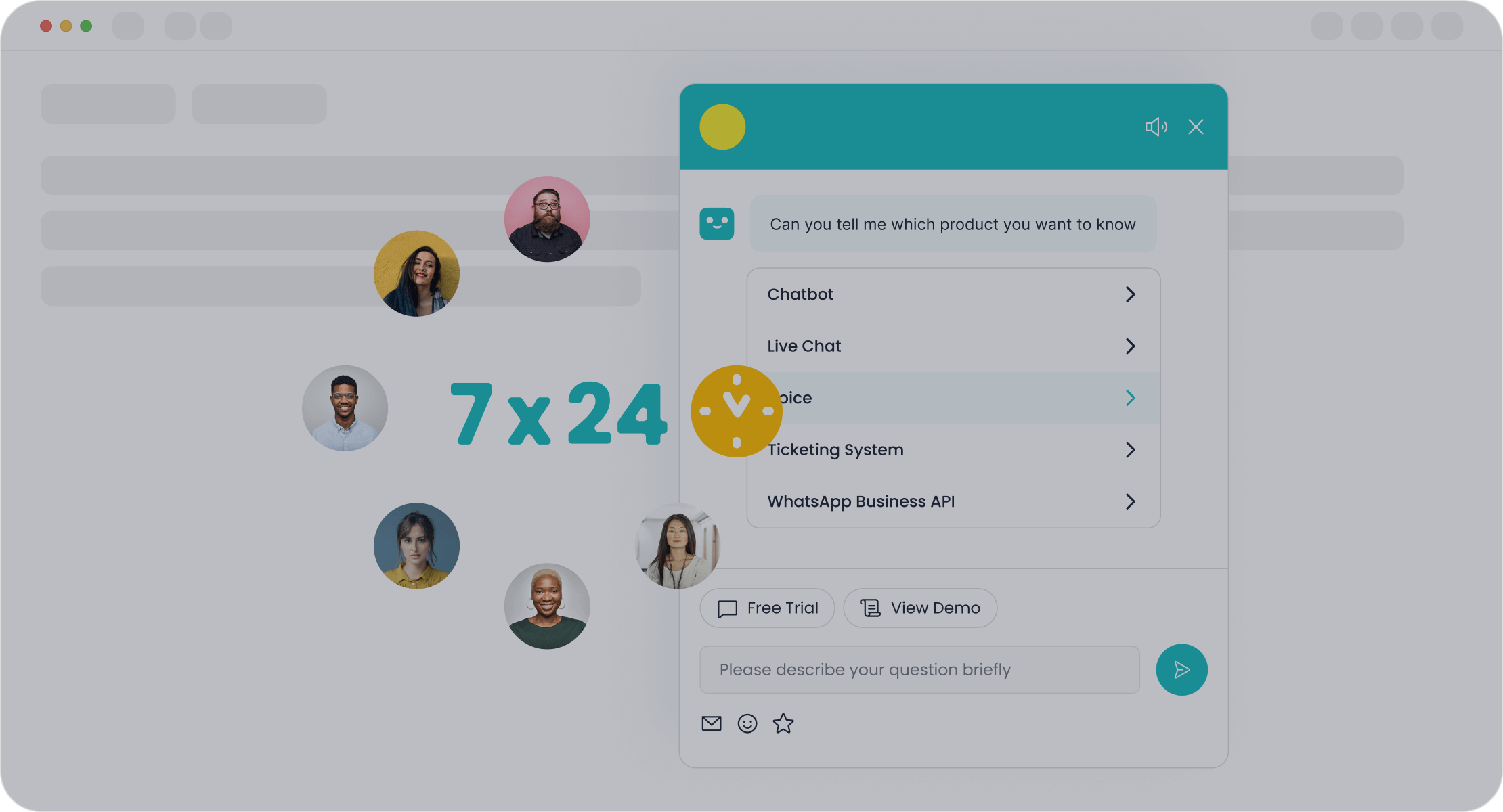
In 2025, unified customer journeys define the future of customer service. Companies use omnichannel strategies to connect every touchpoint, creating a seamless customer experience. Sobot’s Omnichannel Solution brings together chat, voice, email, social media, and SMS in one platform. This integration allows agents to view all customer interactions in a single workspace, making it easier to deliver fast and accurate support.
Customers expect consistent experiences across every channel. Studies show that 87% of customers want personalized service, no matter where they reach out. When companies provide a unified journey, they see higher customer satisfaction and loyalty. For example, a telecommunications company improved its Net Promoter Score by 149% and first-call resolution by 93% after adopting a unified customer experience management system. Positive experiences lead to repeat purchases and more recommendations, which drive business growth.
Omnichannel customer service strategies also help companies spot problems early. Predictive analytics identify signs of dissatisfaction, so teams can act before issues grow. This proactive approach boosts retention and builds trust. Companies that use unified customer journeys see a 25% increase in customer satisfaction and a 30% rise in retention rates.
Seamless Channel Integration
Seamless channel integration stands at the heart of effective customer service in 2025. Sobot’s Omnichannel Solution enables real-time switching between channels, so customers never have to repeat themselves. Agents access complete customer histories, which helps them resolve issues faster and personalize every interaction. This approach reduces manual work and errors, improving agent productivity by up to 30%.
Businesses face challenges when integrating multiple channels. They must manage rapid responses, keep messaging consistent, and adapt to each platform’s needs. Sobot addresses these challenges by automating routine tasks and providing AI-powered chatbots for 24/7 support. As a result, companies see a 20% increase in sales and a 25% boost in conversion rates.
OPPO, a global smart device leader, partnered with Sobot to unify its customer service channels. During peak shopping periods, OPPO used Sobot’s chatbot and ticketing system to handle repetitive queries, freeing agents for complex issues. This integration led to an 83% chatbot resolution rate, a 94% positive feedback rate, and a 57% increase in repurchase rate. OPPO’s story shows how seamless channel integration transforms the customer service experience and drives measurable results.
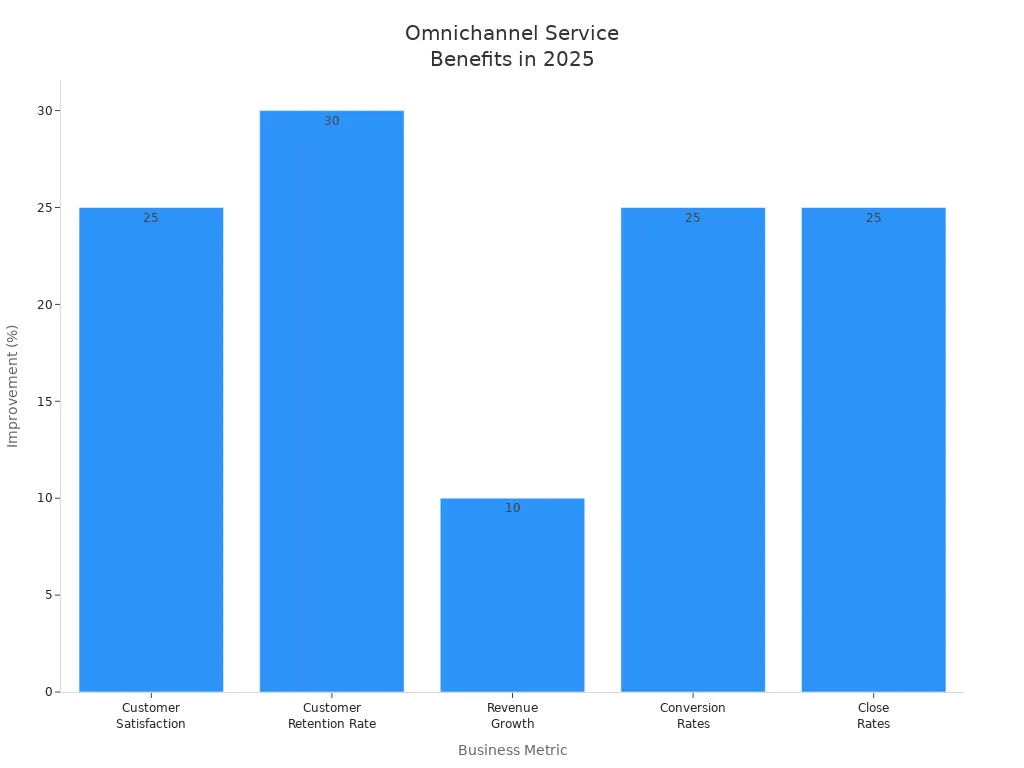
Omnichannel customer service strategies in 2025 deliver real benefits:
- Emotional connections with customers increase loyalty and lifetime value.
- Real-time interactions improve engagement and responsiveness.
- Enhanced data collection enables targeted marketing and higher conversion rates.
- Integrated CRM systems reduce manual work and errors.
- Brands gain a competitive edge by offering a seamless omnichannel customer experience.
These trends show that omnichannel customer service is essential for success in 2025. Sobot’s solutions help companies meet rising expectations, improve customer satisfaction, and achieve operational excellence.
Proactive and Automated Support

Anticipating Customer Needs
In 2025, proactive customer service stands out as a key trend. Companies use data and artificial intelligence to predict what customers want before they ask. This approach builds trust and strengthens relationships. Businesses that anticipate needs see higher retention and better customer experience. For example, Amazon and Netflix use AI-powered forecasting to personalize recommendations and prevent churn. Predictive customer data platforms help companies create dynamic segments, such as high-value or abandoned cart customers, and target them with timely offers. These strategies lead to a 10-15% increase in engagement and a 20-30% rise in revenue over traditional methods.
Companies also benefit from dynamic micro-personalization. AI analyzes real-time data and adjusts interactions based on customer behavior. This method improves operational efficiency and gives businesses a competitive edge in 2025. Sobot’s solutions use these trends to help brands deliver proactive customer support and stay ahead of changing expectations.
Note: Businesses that use anticipatory AI report improved customer lifetime value and stronger customer service outcomes.
Self-Service and Automation
Self-service options have become essential in customer service for 2025. Customers expect to solve problems quickly, at any time. Sobot’s AI Chatbot provides 24/7 self-service, handling up to 80% of routine questions. This reduces wait times and lets agents focus on complex issues. Companies see a 25% reduction in handling time and a 15% boost in satisfaction through personalized self-service.
| Benefit | Impact |
|---|---|
| 24/7 Availability and Immediate Response | Customers get help anytime, improving experience and satisfaction |
| Cost-Effective and Scalable Solutions | Fewer agents needed for routine calls, lowering support costs |
| AI Chatbots Handling Routine Questions | Up to 80% of inquiries managed, freeing agents for complex support |
| Reduced Handling Time | Support time cut by 25%, increasing efficiency |
Digital self-service automates tasks, cuts costs, and scales easily as demand grows. Sobot’s chatbot uses real-time intent analysis and proactive messaging to guide customers, making every interaction smooth. Companies that invest in self-service options see higher customer satisfaction and lower operational costs. These trends show that automated support is vital for delivering top customer service in 2025.
Empowering Agents for Better Service
Training and AI Assistance
Empowering agents remains a top priority for customer service leaders in 2025. Sobot’s unified workspace brings together ticketing, customer data, and communication channels, allowing agents to access everything they need in one place. This setup reduces time spent searching for information and helps agents deliver faster, smarter support. AI-powered tools, such as real-time suggestions and sentiment analysis, guide agents during live interactions. These features improve accuracy and boost confidence.
Effective training programs combine classroom learning, online modules, and simulations. Many companies now use AI-powered platforms to personalize training for each agent. Microlearning and just-in-time training deliver relevant content exactly when agents need it. Peer learning and mentoring encourage knowledge sharing and team growth. Soft skills training, including communication and emotional intelligence, helps agents build strong relationships with customers.
Tip: Personalized coaching and ongoing skills development keep agents engaged and ready to handle any customer service challenge.
Companies like Zappos and Marriott International show that agent empowerment leads to higher satisfaction and loyalty. When agents have autonomy and access to the right tools, they resolve issues more naturally and build better customer relationships. Sobot’s AI assistance and unified workspace make this possible for brands in every industry.
Workforce Flexibility
Workforce flexibility shapes the future of customer service in 2025. Self-scheduling and vacation bidding let agents manage their work-life balance, reducing stress and preventing burnout. Flexible scheduling increases engagement and job satisfaction, which leads to higher retention and a more experienced workforce.
Automated forecasting and smart scheduling ensure balanced workloads and high service quality. Satisfied agents provide better customer experience, which results in improved satisfaction and loyalty. Companies that offer flexibility see real improvements in both employee well-being and customer outcomes.
Sobot’s platform supports flexible work arrangements and empowers agents to focus on complex customer support tasks. By reducing repetitive work through automation and self-service, agents can spend more time on meaningful interactions and personalization. This approach strengthens relationships and delivers a superior customer service experience in 2025.
Building Trust in Customer Service
Data Transparency
Data transparency forms the foundation of trust in customer service. Companies that openly share how they collect, store, and use customer data build stronger relationships. Customers want to know their information is safe and handled with care. In 2025, 39% of consumers say transparency is the top way organizations can earn their trust, more than any other privacy practice. When companies explain their data policies, customers feel reassured and more likely to stay loyal. This approach also helps businesses follow global privacy laws like GDPR and CCPA, reducing risks and supporting ethical AI development.
Sobot’s platform demonstrates a commitment to transparency. The system provides clear data usage policies and empowers users to manage their own information. Sobot’s secure infrastructure includes multi-layered encryption and real-time security alerts, which protect customer data and support long-term engagement. By making data practices visible and understandable, Sobot helps brands build lasting trust and improve the overall customer experience.
Note: Transparency not only reassures customers but also encourages them to engage more deeply with brands, leading to higher customer loyalty and satisfaction.
Consistency and Reliability
Consistency and reliability are essential for excellent customer service in 2025. Customers expect the same high-quality experience every time they interact with a brand, no matter the channel. Companies achieve this by standardizing workflows, training employees, and using integrated systems. For example, omnichannel support and CRM integration allow agents to access the same customer data across phone, chat, and email, ensuring uniform responses.
Sobot’s solutions deliver on these expectations. The platform offers 99.99% system stability, which means businesses can rely on it for uninterrupted service. Automation and AI-powered chatbots handle routine tasks, reducing errors by up to 50% and improving service reliability. Real-time monitoring and analytics help teams spot issues quickly and maintain high standards. These features lead to a 27% increase in customer satisfaction scores and a 60% reduction in operational costs, supporting scalable, consistent service as businesses grow.
| Strategy | Benefit |
|---|---|
| Standardized workflows | Fewer errors, improved consistency |
| Omnichannel support | Seamless experience across all channels |
| AI-powered automation | Reliable, 24/7 customer service |
| Real-time analytics | Quick issue resolution, better performance |
Reliable service and transparent data practices set brands apart in 2025. Sobot’s secure, scalable solutions help companies earn trust and deliver a superior customer experience.
Forward-thinking customer care objectives examples drive long-term business growth. Companies that set clear goals see a 42% higher chance of success and four times the industry leadership rate. Sobot’s AI and omnichannel solutions help brands achieve faster resolutions, higher customer lifetime value, and lower support costs.
| Metric | Benefit |
|---|---|
| First Contact Resolution | Higher satisfaction, lower support load |
| Customer Lifetime Value | Consistent revenue growth |
| Reduced Support Tickets | Lower operational costs |
- Understand the customer journey.
- Listen and act on feedback.
- Offer proactive, multi-channel support.
Adapting these customer care objectives examples ensures lasting impact and sets brands apart in 2025.
FAQ
What is omnichannel customer service and why does it matter?
Omnichannel customer service connects all communication channels, such as chat, email, and phone, into one seamless experience. This approach helps agents respond faster and improves customer satisfaction. Sobot’s Omnichannel Solution unifies data, making every interaction more efficient and consistent.
How does artificial intelligence improve customer support?
Artificial intelligence analyzes customer data and predicts needs. AI-powered chatbots, like those from Sobot, handle routine questions 24/7. This reduces wait times and lets agents focus on complex issues. Companies using AI see up to a 30% increase in customer satisfaction.
Why are self-service options important for customer experience?
Self-service options let customers solve problems anytime. Sobot’s AI Chatbot provides instant answers and guides users through common issues. Businesses report a 25% reduction in support costs and higher customer loyalty when offering effective self-service.
What role does personalization play in customer engagement?
Personalization uses data-driven insights to tailor interactions. Customers receive relevant recommendations and support. Sobot’s solutions deliver personalized experiences, which boost engagement and increase conversion rates by up to 20%, according to industry studies.
How can companies build trust through data transparency?
Companies build trust by clearly explaining how they use customer data. Sobot’s secure platform offers transparent policies and real-time security alerts. Customers feel safer and more loyal when they understand data practices. According to PwC, 39% of consumers value transparency most.

