Mastering First Response Time A Sobot Guide

First response time is the average time your team takes to reply to a customer inquiry. Mastering this metric is one of the most impactful ways to boost customer satisfaction, loyalty, and revenue. This is because 90% of customers now consider an immediate response critical. This guide from Sobot provides a complete roadmap. You can significantly reduce your first response time with our proven strategies and intelligent tools.
The Business Impact of First Response Time
A low first response time directly impacts your bottom line. The digital shift has redefined speed. Customers now expect instant engagement. Failing to meet this expectation can damage your brand reputation and profitability. Let's explore why a fast customer response time is a business necessity.
Meeting Modern Customer Expectations
Today's customers demand immediate attention. The pandemic accelerated this trend, pushing digital expectations forward by years. Your customer experience is now as important as your products. Consider these modern expectations:
- Live Chat: 50.4% of consumers expect a reply within minutes.
- Text Message: 34.7% of consumers expect a same-day reply.
If your live chat is offline, over 57% of visitors will simply leave your website. They will not wait or fill out a form. This shows that fast replies are no longer a bonus; they are a basic requirement.
Linking FRT to Customer Loyalty and Retention
Your customer response time is directly linked to loyalty. Long wait times make customers feel disrespected and frustrated. In fact, 55% of consumers will stop doing business with a company if wait times are too long. Nearly 40% of customers who abandon a queue will go to a competitor or give up on their purchase entirely. A poor customer support experience pushes your buyers toward other brands.
How Slow Responses Increase Churn and Costs
Slow customer service response times create a cycle of problems that increase costs.
When you respond slowly, customers send follow-up messages. This multiplies the workload for your team. More time spent on each ticket means higher operational costs and lower productivity. This pressure can also lead to employee burnout, increasing your hiring and training expenses.
Boosting Customer Satisfaction with Faster Replies
Ultimately, fast responses lead to happier customers. Research shows that nearly three-quarters of customers expect a reply within 24 hours. Meeting this benchmark builds trust and improves your overall customer satisfaction. A consistently low first response time shows you value your customers' time, which is a powerful way to build a loyal following.
Measuring and Benchmarking Your FRT
You cannot improve what you do not measure. To master your customer service response time, you first need a clear picture of your current performance. This involves using the right formula, understanding key distinctions, and comparing your results to industry standards.
The Simple Formula for Calculating FRT
Calculating your first response time is straightforward. You can find your team's average by using a simple formula. This gives you a baseline to work from.
Formula:
Total Time to First Response (in hours) / Total Number of Tickets = Average FRT
For example, if your team took 500 hours to first reply to 1,000 tickets in a month, your average FRT would be 0.5 hours, or 30 minutes.
Understanding Business Hours vs. Calendar Hours
When you calculate your FRT, you must decide between two time frames:
- Business Hours: This only includes the hours your team is actively working.
- Calendar Hours: This includes all 24 hours of the day, 7 days a week.
Most teams measure FRT using business hours. This provides a more accurate view of agent efficiency. It prevents off-hours or weekends from negatively skewing your customer response time data.
Benchmarking Your Customer Response Time by Channel
Your target customer response time will vary depending on the communication channel. Customers expect faster replies on live chat than on email. Here are some common benchmarks to aim for:
| Channel | Expected Response Time |
|---|---|
| Live Chat | Under 2 minutes |
| 12-24 hours | |
| Phone Calls | 80% answered in 20 seconds |
While the average email response time across companies is over 12 hours, nearly a third of customers expect a reply within just one hour. Meeting or beating these benchmarks sets you apart.
Using Median vs. Average to Handle Outliers
Sometimes, a few unusually fast or slow replies can distort your average FRT. These are called outliers. To get a more accurate picture, you should also look at your median first response time.
💡 Pro Tip: The median is the middle value in your list of response times. It is less affected by extreme outliers. For example, if you have three responses of five minutes and one of one minute, the average is four minutes. However, the median is five minutes, which better reflects your team's typical performance.
How to Reduce First Response Time with Sobot

Knowing your numbers is the first step. Now, you can take action to improve them. The most effective strategies combine intelligent technology with empowered agents. Sobot provides an all-in-one platform to implement these strategies seamlessly. By unifying customer channels and automating workflows, you can achieve dramatic improvements.
Real-World Success: Luxury fashion brand Michael Kors transformed its service using Sobot's platform. They achieved an incredible 83% reduction in response time and boosted their customer satisfaction rate to 95%. This shows the powerful impact of a unified, intelligent approach.
Let's explore how you can use Sobot's tools to achieve similar results.
Leverage Intelligent Automation with the Sobot Chatbot
The fastest possible reply is an instant one. The Sobot AI Chatbot provides immediate, 24/7 support to your customers, answering common questions without human intervention. This is your first line of defense against long wait times. Our chatbot uses Advanced Response Automation, allowing it to learn continuously from interactions to provide context-aware answers. This is far more powerful than traditional rule-based bots.
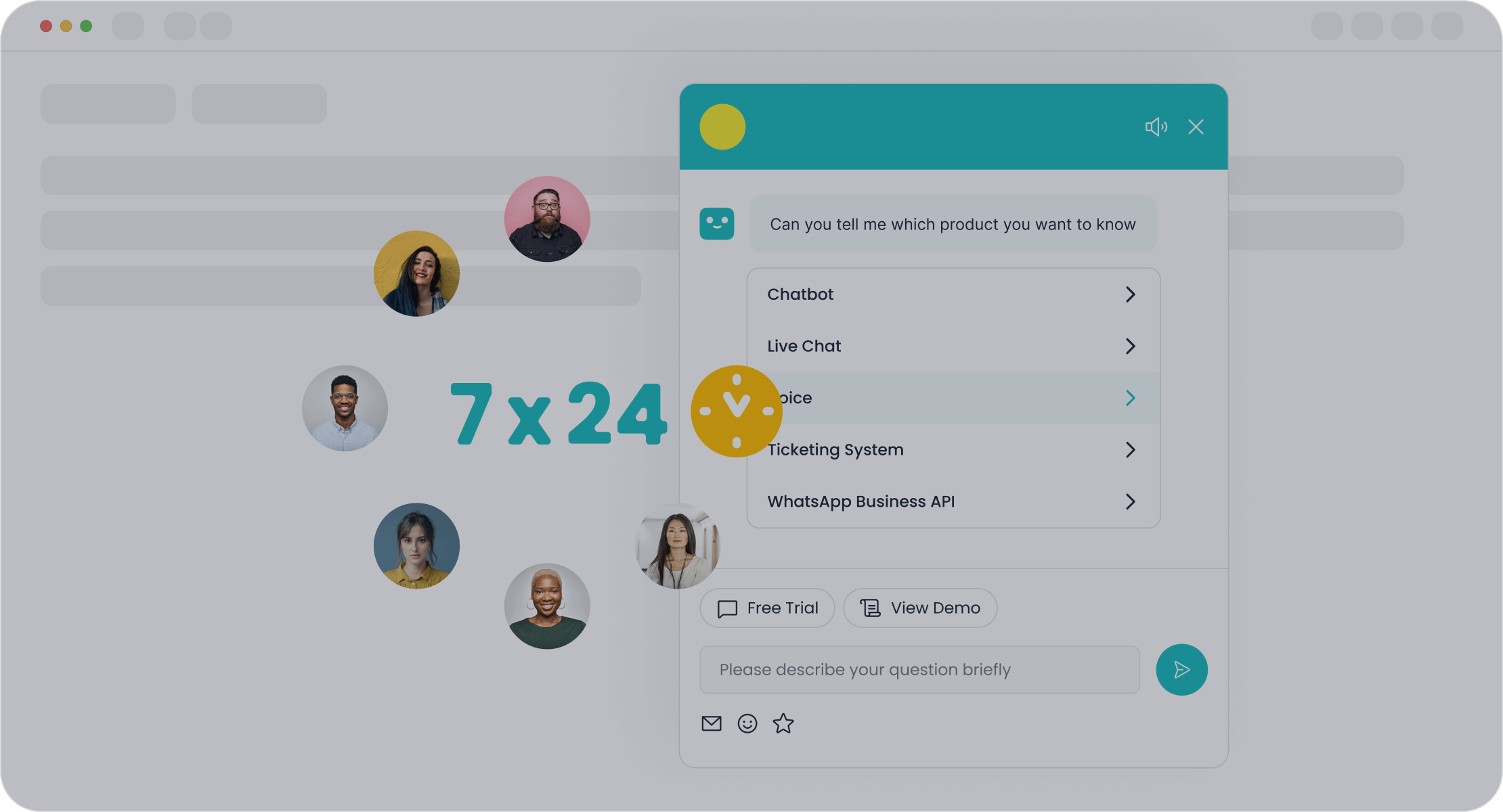
Deploying the Sobot AI Chatbot delivers measurable results:
- Improve Productivity by 70%: The chatbot handles routine inquiries, freeing your agents to focus on complex issues that require a human touch.
- Cut Costs by 50%: You can automate up to 70% of support tickets and triage queries around the clock without needing to hire additional agents.
- Boost Conversions by 20%: Proactive messages and smart self-service can reduce cart abandonment and guide high-intent customers toward a purchase.
By providing these fast responses, the chatbot dramatically improves the customer experience from the very first interaction.
Empower Agents with a Unified Workspace
When a customer inquiry does require a human agent, speed and context are everything. Your agents lose valuable time switching between different tabs and systems to piece together a customer's history. This slows down their ability to provide a quality first response.
Sobot’s Omnichannel Solution solves this with a unified agent workspace. It consolidates all communication channels—including live chat, email, phone, and social media—into a single, intuitive dashboard.
This empowers your agents to:
- Eliminate Context Switching: View every message and customer detail in real-time without leaving the screen.
- Track the Full Customer Journey: Understand past interactions, previous purchases, and support history to provide personalized service from the start.
- Work More Efficiently: With all tools and data in one place, agents can resolve issues faster, improving the entire customer support experience.
This all-in-one approach removes friction and allows your team to focus on what matters: helping the customer.
Optimize Workflows with Smart Ticket Routing
Not all tickets have the same priority. A customer reporting a system-wide outage needs a faster reply than someone asking about a feature. Smart ticket routing automatically sends inquiries to the right person or team based on predefined rules. This is essential to reduce first response time for your most critical issues.
With Sobot’s Ticketing System, you can configure intelligent workflows that:
- Route tickets using keywords like "urgent," "refund," or "broken."
- Assign priority levels based on the customer's plan (e.g., VIP, enterprise) or the issue's potential impact.
- Send high-priority tickets directly to senior agents or specialized teams.
Automating this process ensures that no high-priority ticket gets lost in the queue. It directs your team's attention where it's needed most, guaranteeing a swift and appropriate first response time.
Build a Robust Self-Service Knowledge Base
A comprehensive knowledge base is the backbone of efficient customer service. It serves two critical functions. First, it powers your Sobot AI Chatbot, giving it the information needed to resolve issues on its own. Second, it acts as a single source of truth for your human agents.
When your agents can quickly find approved, accurate answers to customer questions, they can reply with confidence and speed. A well-maintained knowledge base ensures that every response—whether from a bot or a human—is consistent and helpful. This not only helps to reduce response time but also builds customer trust by providing reliable information every time.
Actionable Tactics for FRT Reduction
Theory and measurement are important. Now it is time for action. You can significantly improve your customer service response time by implementing smart, practical tactics. These strategies use technology to empower your team and streamline your processes. Sobot provides the tools you need to turn these tactics into reality, creating a better customer experience and a more efficient workflow.
Deploying 24/7 Support with AI Chatbots
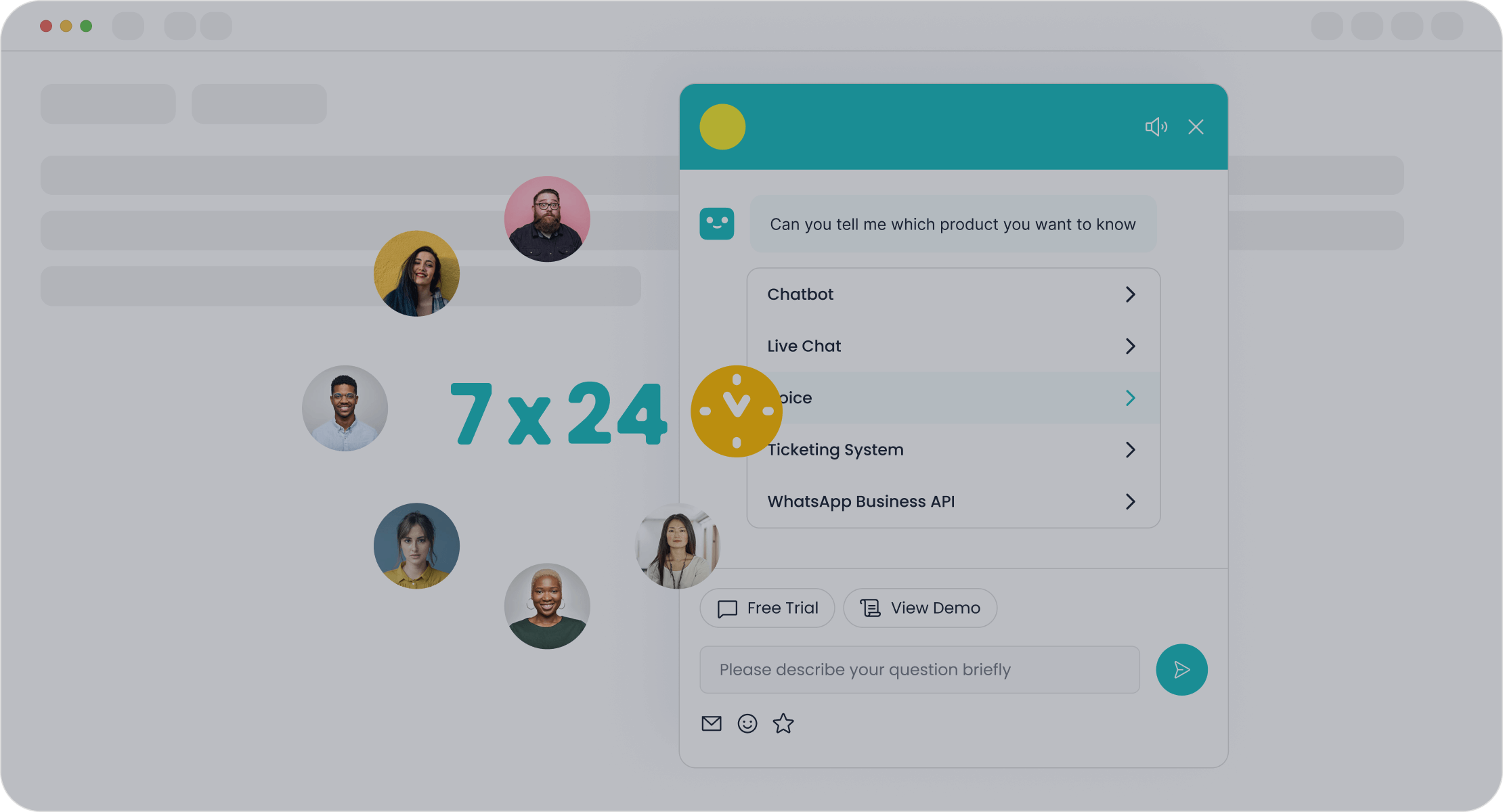
Your customers are not limited to a 9-to-5 schedule. Their questions can arise at any time. Deploying an AI chatbot is the most effective way to provide instant support around the clock. This ensures every customer receives an immediate acknowledgment, which is the first step to a great customer support experience.
The Sobot AI Chatbot acts as your digital front line. It is always on, ready to handle common questions instantly. This capability can reduce your first response time by an average of 37%. The chatbot manages a high volume of inquiries at once, like having an infinite number of receptionists. This prevents backlogs and keeps your customer service response time low, even outside of business hours. For complex issues, the chatbot seamlessly hands the conversation over to a human agent with all the context intact.
Many leading companies already leverage this technology for fast responses.
| Company | AI Chatbot Use Case | Key Features/Impact |
|---|---|---|
| Klarna | GPT-powered chatbot for payment and order queries. | Handles 2.3 million chats per month with a 2-minute average wait time. |
| Amtrak | Voice and text assistant for bookings and schedules. | Manages 20 million calls per year, integrating directly with ticketing. |
| Lyft | AI chatbot for rider and driver support issues. | Achieves 87% faster resolutions through smart escalation. |
You can achieve similar results. By automating initial interactions, you guarantee a swift reply and free up your agents to solve more challenging problems.
Using Templates and Canned Responses Effectively
Templates and canned responses are powerful tools for improving your customer service response time. However, you must use them correctly. A poorly crafted template can sound robotic and impersonal. The key is to treat them as a foundation, not a finished product.
Sobot's platform allows you to create and manage a library of dynamic templates. You can use these to provide quick, consistent answers to frequently asked questions.
💡 Pro Tip: Personalize every canned response. Use placeholders for the customer's name or order details. A small touch of personalization makes the interaction feel more human and less automated.
Here are some simple rules to follow:
- Do: Personalize your templates. Adjust the message to fit the customer's specific situation.
- Don't: Use bland, robotic language like "Please wait a moment while I pull up your account." This makes customers feel like a number.
- Do: Create longer, detailed templates for complex processes, such as explaining a return policy. This saves your agents significant time.
- Don't: Force a canned response if it does not fully answer the question. It is better to ask for clarification than to provide a confusing or irrelevant reply.
By empowering your team to adapt templates, you can improve customer service response time without sacrificing quality.
Optimizing Your Customer Service Response Time
Optimizing your customer service response time requires a holistic view of your support channels. Customers expect to contact you on their preferred platform, whether it is email, social media, or a messaging app. Your team needs a single platform to manage these conversations efficiently.
Sobot's Omnichannel Solution unifies all your communication channels into one workspace. As an official WhatsApp Business Solution Provider (BSP), Sobot allows you to integrate the world's most popular messaging app directly into your support workflow. This means your team can manage WhatsApp conversations alongside emails and live chats without switching screens.
You can further optimize your customer service response time with Sobot’s Ticketing System. It uses powerful workflow automation to eliminate manual tasks.
- Auto-acknowledgment: Instantly send a confirmation email with a ticket number. This simple step manages expectations and improves the customer response time perception.
- Smart Categorization: Automatically tag and categorize tickets based on keywords like "urgent" or "refund." This ensures tickets reach the right agent with the right expertise.
- Analytics Tools: Use real-time data to identify bottlenecks in your workflow. You can see where delays happen and take action to fix them.
These optimizations help you build a more efficient and responsive support system. This is how you can consistently improve customer service response time across all channels.
Establishing and Training on Internal SLAs
A Service Level Agreement (SLA) is a promise. It defines the level of service you commit to providing your customers. An internal SLA sets clear response time targets for your support team. This creates accountability and ensures everyone understands the priority of different inquiries.
You can use Sobot’s Ticketing System to create, manage, and monitor your SLAs. The system automatically tracks performance and can trigger alerts or escalations if a target is at risk of being missed.
A good SLA should include:
- Clear Performance Metrics: Define specific targets for first response time and resolution time based on priority.
- Priority Levels: Categorize tickets to ensure the most critical issues receive the fastest attention.
- Escalation Procedures: Outline the steps to take when an SLA is not met, including who to notify.
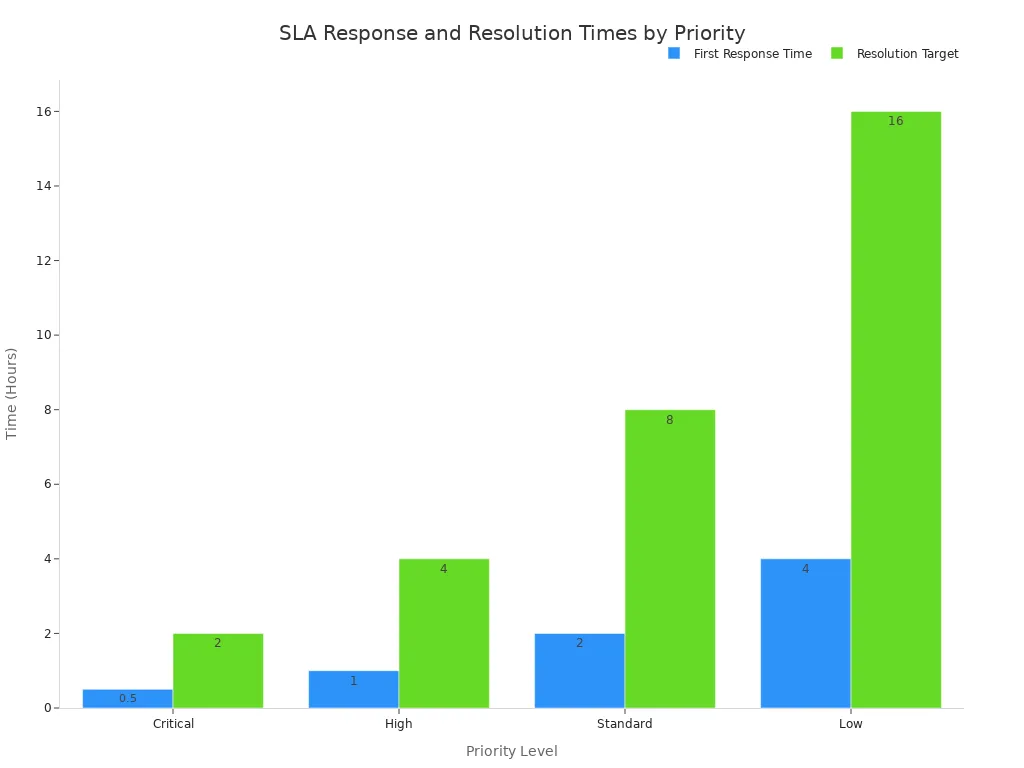
Here is an example of a simple SLA structure:
| Priority | First Response Time | Resolution Target |
|---|---|---|
| Critical | 30 Minutes | 2 Hours |
| High | 1 Hour | 4 Hours |
| Standard | 2 Hours | 1 Business Day |
| Low | 4 Hours | 2 Business Days |
Visualizing these targets can also help your team understand expectations at a glance.
Once you establish your SLAs, you must train your team on them. Everyone should know the targets and the importance of meeting them. This shared understanding is crucial to delivering a consistently excellent customer response time.
You can master your customer service with the right strategy. Reducing wait times is achievable. You can combine Sobot's intelligent automation, team empowerment, workflow optimization, and self-service tools. A faster reply leads to happier customers and a healthier bottom line. Brands like Michael Kors prove this is possible.
Ready to transform your customer service? Embark on your contact journey today. Explore Sobot's Chatbot or request a demo of our Omnichannel Solution to see features like multilingual AI and native Shopify integration in action.
FAQ
What is a good first response time?
Your target depends on the channel. You should aim for under 2 minutes on live chat. A reply within 12-24 hours is a great goal for email. Meeting these benchmarks keeps customers happy and shows you value their time.
How can an AI chatbot reduce first response time?
An AI chatbot provides instant, 24/7 answers to common questions. It ensures every customer gets an immediate reply. This dramatically lowers your overall first response time and frees up your human agents for complex issues.
Why is calendar hours vs. business hours important for FRT?
Business hours measure your team's efficiency during work hours. Calendar hours include nights and weekends. Most teams use business hours. This gives you a more accurate picture of your agents' performance without off-hours skewing the data.
Can Sobot help manage different response times for different channels?
Yes. Sobot's platform lets you set unique Service Level Agreements (SLAs) for each channel. You can prioritize urgent channels like WhatsApp over email. This ensures your team meets the right response time targets everywhere.
See Also
Comparing Leading Interactive Voice Response Software Solutions for Your Business
Effectively Utilizing Depop's Live Chat for Swift Customer Assistance
A Comprehensive Guide to Efficiently Managing Your Live Chat Agents
Achieving Expertise in Live Chat for Superior Customer Service Excellence
Essential Principles of Quality Management Systems for Call Centers

