Which Omnichannel Conversational AI is Best for 2026?

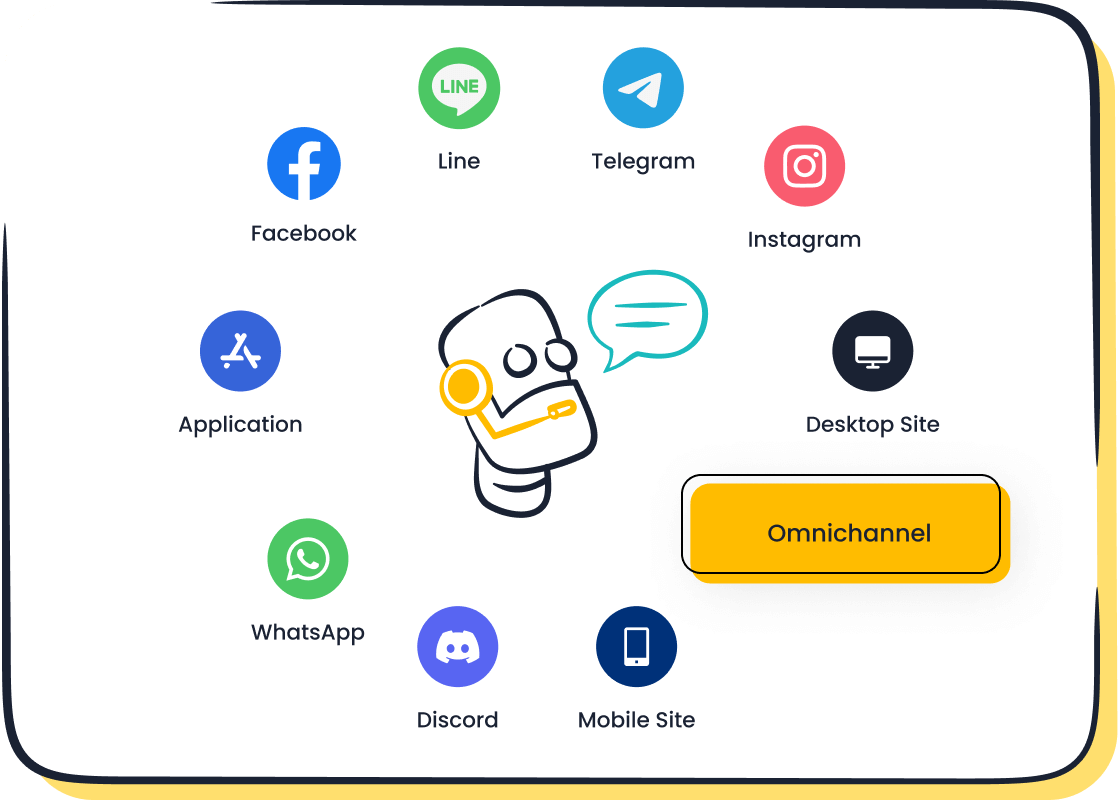
For a large enterprise, Google Vertex AI is a top contender for enterprise conversational AI. Businesses in retail and e-commerce seeking a proven, all-in-one conversational AI platform find Sobot offers a powerful solution. The Sobot AI platform, including the Sobot call center, drives powerful customer service automation.
The global conversational AI market is projected to reach $14.29 billion in 2025, expanding at a compound annual growth rate (CAGR) of 23.7%.
This growth shows why choosing the right omnichannel conversational AI is crucial for any enterprise. This guide breaks down the best conversational AI platforms—from conversational commerce platforms to other conversational AI solutions—to help your enterprise enhance customer interactions and drive growth through AI-powered customer service automation.
Choosing Your Conversational AI Platform
Selecting the right conversational AI platform is a critical decision for any enterprise. The best conversational AI platforms provide more than just automated answers; they deliver seamless customer service automation and enhance the overall customer experience. This requires a careful evaluation of several key factors.
Core Decision Criteria
Businesses must assess platforms based on a core set of criteria to ensure a successful implementation. A strong conversational AI platform should offer:
- Advanced AI and NLP: The ability to understand complex customer language and intent.
- Multi-channel support: A presence across all customer touchpoints, from websites to social media.
- Customization: Options to tailor the AI to a specific brand voice and industry needs.
- Analytics: Robust reporting to monitor performance and identify areas for improvement.
Omnichannel Channel Support
An effective omni-channel approach unifies customer interactions into a single, coherent conversation. Whether a customer starts on a mobile app and moves to a web chat, the conversational AI should maintain context. This consistency is fundamental for modern customer service automation. The right omnichannel conversational AI ensures a smooth journey for every customer.
AI and NLP Sophistication
The intelligence of a conversational AI lies in its Natural Language Processing (NLP) capabilities. Modern AI uses deep learning models to achieve high accuracy. For enterprise conversational ai, systems should reach at least 85-90% intent recognition accuracy. This level of sophistication allows the AI to handle complex, multi-turn conversational dialogues naturally.
Core Platform Scalability
A platform must be able to grow with your business. Scalability ensures the system can handle increasing conversation volumes without a drop in performance, especially during peak times.
For an enterprise, a conversational AI platform needs to be flexible. Cloud-based solutions are often recommended because they can scale resources up or down as needed while maintaining robust security and compliance with standards like GDPR.
Integration Ecosystem
Conversational AI solutions do not operate in a vacuum. They must integrate seamlessly with your existing enterprise systems, such as CRM and helpdesk software. This connectivity allows for a unified data flow, enabling the AI to pull customer history and provide personalized, context-aware responses. This makes conversational commerce platforms more effective.
Total Cost of Ownership
The sticker price of a platform is only part of the story. Businesses must consider the total cost of ownership, which includes potential hidden fees. These can range from ongoing optimization and support to compliance audits, which can add between $10,000 and $30,000 annually. Understanding these costs is vital for budgeting for conversational commerce platforms.
Top 7 Omnichannel Conversational AI Platforms

Choosing from the best conversational AI platforms requires a close look at what each provider does best. The right conversational AI platform aligns with your specific industry, technical resources, and business goals. This section breaks down the top 7 contenders for 2026 to guide your decision.
Sobot
Best For: Retail and E-commerce businesses seeking an all-in-one solution.
Sobot establishes itself as a premier choice for retail and e-commerce companies. It provides a complete customer contact center solution designed to unify sales, marketing, and support. This all-in-one approach simplifies operations and enhances the customer experience. A recent case study highlights how luxury brand Michael Kors successfully used Sobot's solution to improve both customer service and marketing outcomes.
Key Omnichannel Features
Sobot's platform is built for true omnichannel engagement. It delivers a unified experience by integrating multiple touchpoints into a single, cohesive system.
- Integrated Communication Channels: The platform seamlessly brings together proprietary and third-party channels like online chat, voice, email, and social media. This allows customers to connect using their preferred method.
- Unified Agent Workbench: Agents handle all customer inquiries from a single dashboard. Their responses are delivered back to the original channel, creating a smooth conversational flow. This workbench also connects with internal systems like CRM and ERP for complete data access.
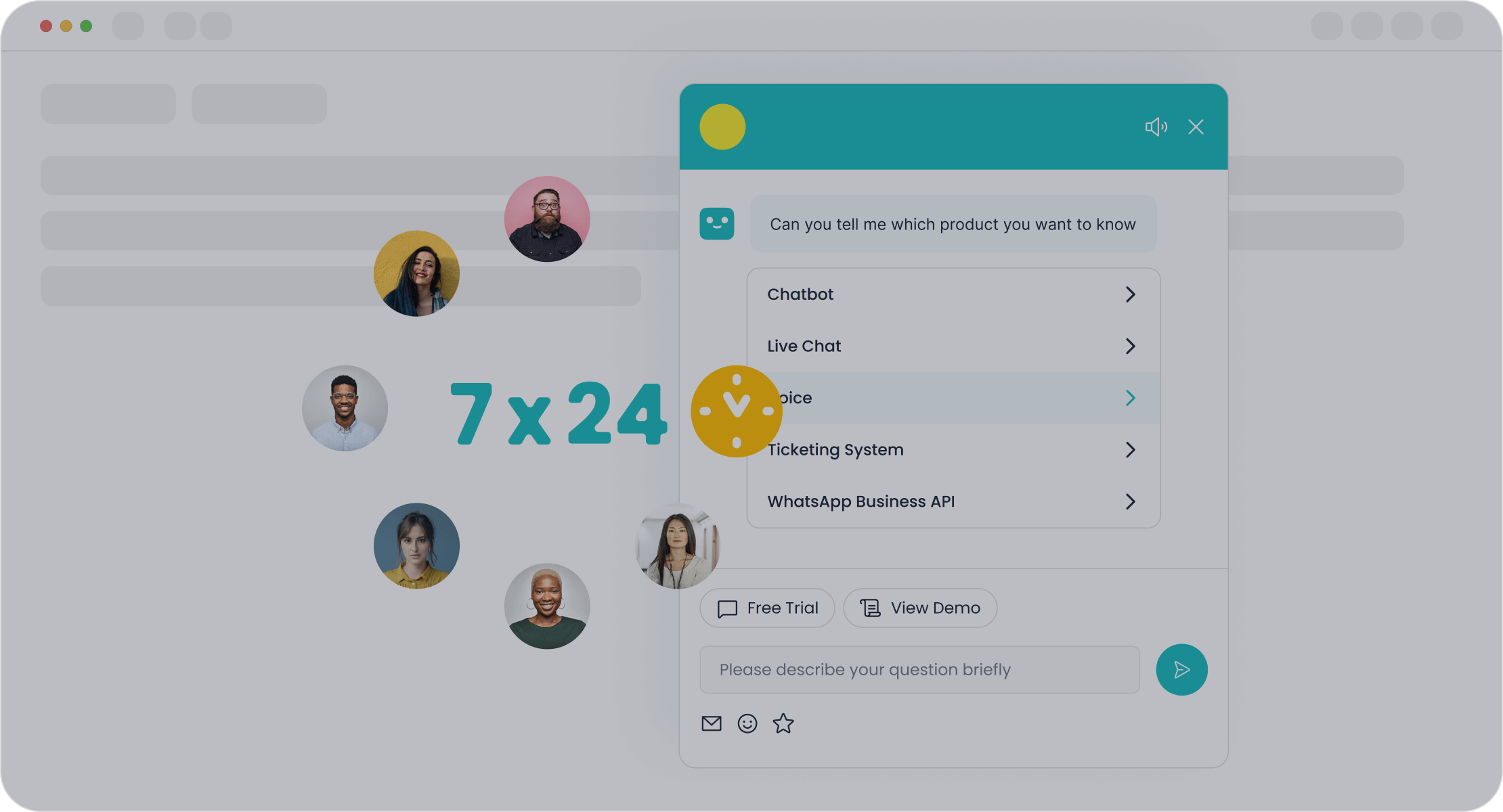
- Multifunctional Platform: Sobot combines a powerful AI chatbot, live chat, a complete voice call center, and an automated ticketing system. This eliminates the need for multiple disparate products and provides robust data analysis with over 300 performance indicators.
Pros
Sobot delivers significant advantages for businesses focused on customer service automation and growth.
- Proven E-commerce Success: Sobot drives tangible results. For example, financial services platform Opay increased its customer satisfaction rate from 60% to 90% and boosted conversion rates by 17% after implementing Sobot's solution.
- Comprehensive AI Capabilities: The platform features a multilingual, ChatGPT-enabled chatbot that improves productivity by 70% and cuts service costs by up to 50%. Its AI Agent and voicebot capabilities handle inquiries 24/7, turning browsers into buyers.
- Official WhatsApp BSP: As an official WhatsApp Business Solution Provider (BSP), Sobot enables businesses to engage customers at scale for both support and marketing, achieving high message read rates.
- No-Code Automation: Users can design and deploy complex workflow automations using a simple point-and-click interface, making powerful customer service automation accessible without coding expertise.
Pricing Model
Sobot offers customized pricing based on the specific needs and scale of the enterprise. Businesses can contact their team at marketing@sobot.io for a detailed quote tailored to their requirements.
Google Vertex AI
Best For: Enterprises needing advanced AI/ML and data analytics.
Google Vertex AI is a powerhouse for the enterprise that wants to build highly customized and data-intensive conversational AI solutions. It provides a comprehensive toolkit for developers to create, deploy, and manage sophisticated AI agents that leverage Google's best-in-class machine learning models.
Key Omnichannel Features
Vertex AI offers a suite of tools for building advanced conversational agents. Its strength lies in its flexibility and deep integration with the Google Cloud ecosystem.
- Managed Runtimes: It offers managed deployment and scaling, with security features like VPC-SC compliance to prevent data exfiltration.
- Advanced Tooling: Developers can use tools for function calling, code execution in a secure sandbox, and an Example Store to improve agent performance with few-shot examples.
- Context and Memory: Features like Sessions and Memory Bank (in Preview) allow agents to store conversational context and user information to deliver powerful real-time personalization.
| Capability | Description | Frameworks/Tools |
|---|---|---|
| Query structured datastores | Understand structured data using natural language. | Vertex AI SDK for Python notebook, Vertex AI Search |
| Query graph databases | Understand graph databases using natural language. | LangChain, Neo4j |
| Agent Development Kit (ADK) | Build and deploy agents. | ADK |
| Multi-agent systems | Build interoperable agents. | A2A protocol |
Pros
- Unmatched AI Power: Provides access to Google's state-of-the-art models, including Gemini, for superior natural language understanding and generation.
- Extreme Customization: Offers developers granular control to build agents tailored to specific, complex tasks, from querying databases to executing code.
- Proven Enterprise Adoption: Leading companies use Vertex AI for critical customer interactions.
| Enterprise | Vertex AI Application | Customer Interaction |
|---|---|---|
| Six Flags | Vertex AI Conversation | Virtual assistant in app and website for personalized recommendations and quick answers. |
| Wendy's | Vertex AI (FreshAI ordering system) | Chatbot for drive-thru orders, interpreting natural language. |
| GE Appliances | Vertex AI (Flavorly AI feature in SmartHQ app) | Generating personalized recipes and troubleshooting appliance issues. |
Cons
- High Complexity: Requires significant technical expertise and a dedicated team of developers and data scientists to fully leverage its capabilities.
- Cost Intensive: Pricing is usage-based across multiple services, which can become expensive for large-scale deployments.
Pricing Model
Vertex AI uses a pay-as-you-go pricing model. Costs are calculated based on the specific services used, such as model predictions, training jobs, and endpoint hosting.
Salesforce Einstein
Best For: Businesses deeply integrated with the Salesforce ecosystem.
Salesforce Einstein is the native AI layer for the Salesforce platform. For any enterprise that runs on Sales Cloud or Service Cloud, Einstein offers the most seamless path to implementing conversational AI and customer service automation.
Key Omnichannel Features
Einstein Bots are designed to work flawlessly within the Salesforce environment, making them a natural extension of existing workflows.
- Deep CRM Integration: Einstein is fully integrated with Salesforce, allowing bots to access and update customer records, create cases, and trigger workflows in Sales Cloud and Service Cloud automatically.
- Guided Setup: The platform provides a guided setup process and pre-built templates to help users launch a chatbot quickly.
- Seamless Agent Handoff: Conversations can be transferred smoothly from a bot to a human agent within the Service Cloud console, with the full conversational context preserved.
Pros
- Unified Customer Data: Pulls data directly from Salesforce CRM, enabling highly personalized conversations based on a customer's history and status.
- Ease of Use for Salesforce Admins: Salesforce administrators can build and manage bots using a familiar, low-code interface without needing extensive programming knowledge.
- End-to-End Workflow Automation: Automates entire processes within Salesforce, from lead qualification in Sales Cloud to case resolution in Service Cloud.
Cons
- Ecosystem Lock-In: Its primary value is tied to the Salesforce platform. It is not a practical choice for businesses that do not use Salesforce.
- Limited Standalone Functionality: Lacks the flexibility and advanced customization options of standalone conversational AI platforms.
Pricing Model
Einstein Bots are included with Salesforce Service Cloud (Unlimited Edition) and Digital Engagement licenses. Additional costs may apply for more advanced features or higher usage tiers.
IBM Watsonx Assistant
Best For: Organizations in regulated industries needing trust and governance.
IBM Watsonx Assistant is a leading enterprise conversational AI platform built on a foundation of trust, security, and governance. It is an ideal choice for organizations in finance, healthcare, and government that handle sensitive data and must comply with strict regulations.
Key Omnichannel Features
Watsonx Assistant provides robust features designed for secure and compliant omnichannel conversational commerce.
- Hybrid Deployments: Supports on-premises or private cloud deployments to meet data sovereignty requirements, ensuring sensitive data never leaves a controlled environment.
- Integrated AI Governance: Natively integrates IBM's trust frameworks, allowing organizations to set policies, audit AI system use, and maintain full traceability of all conversational interactions for regulations like GDPR and HIPAA.
- Advanced Security: Leverages IBM Guardium® for AI security to identify vulnerabilities, manage the security risk of sensitive AI data, and monitor chats for red flags like toxicity or bias.
Pros
- Industry-Leading Accuracy: Watsonx Assistant's latest model is 5.6 percentage points more accurate than Google Dialogflow and 14.7 percentage points more accurate than Microsoft LUIS on a key industry benchmark.
- Efficient Model Training: AI enhancements have reduced average training time by over 60%, allowing teams to build and deploy a functional virtual agent faster.
- Focus on Trust and Transparency: Provides tools to monitor and mitigate bias, explain AI-driven decisions, and ensure compliance, which is critical for regulated industries.
Cons
- Complex Initial Setup: The focus on governance and security can make the initial configuration more complex compared to simpler platforms.
- Higher Cost of Ownership: The enterprise-grade features and security often come with a higher price tag, making it less accessible for smaller businesses.
Pricing Model
IBM offers a free Lite plan, a Plus plan based on monthly active users, and a customizable Enterprise plan for large-scale needs with advanced security and deployment options.
Microsoft Azure Bot Service
Best For: Companies leveraging the Microsoft Azure cloud stack.
Microsoft Azure Bot Service provides a comprehensive framework for developers to build, test, and deploy intelligent bots. It is the logical choice for any enterprise already invested in the Microsoft Azure ecosystem, offering deep integrations with other Azure services.
Key Omnichannel Features
The service provides a flexible environment for creating conversational experiences across multiple channels.
- Multi-Channel Support: Natively supports channels like Microsoft Teams, Slack, Facebook Messenger, and web chat, allowing bots to interact with users on their preferred platforms.
- Integration with Cognitive Services: Seamlessly integrates with Azure Cognitive Services for advanced NLP, speech, and vision capabilities.
- Open-Source Framework: The Bot Framework SDK is open-source and supports multiple languages, including C#, Node.js, and Python, giving developers flexibility.
Pros
- Developer Flexibility: Offers a wide range of tools, templates, and SDKs, including Visual Studio and Visual Studio Code, for efficient bot development.
- Scalability and Reliability: Built on Azure's robust cloud infrastructure, it can handle large volumes of user interactions without performance degradation.
- Cost-Effectiveness: Automates routine tasks and customer interactions, which helps reduce operational costs for businesses already using Azure.
Cons
- Development Complexity: Building and maintaining a sophisticated chatbot can require significant coding expertise and is less suited for non-technical users.
- Vendor Lock-In: Heavy reliance on the Microsoft ecosystem can limit flexibility if a business decides to migrate to a different cloud provider in the future.
- Uncertain Future: Microsoft's strategic shift toward OpenAI solutions creates some uncertainty about the long-term support and innovation for the traditional Bot Framework.
Pricing Model
Azure Bot Service has a free tier that includes a limited number of messages. The Premium channel has a per-message cost, and other costs are incurred based on the consumption of connected Azure services like Azure Cognitive Services and Azure App Service.
Yellow.ai
Best For: Mid-to-large enterprises focused on CX automation.
Yellow.ai is one of the best conversational AI platforms specializing in total customer experience (CX) automation. Its Dynamic Automation Platform (DAP) uses a powerful multi-LLM AI engine to deliver automated and personalized interactions across the entire customer journey, from marketing to support.
Key Omnichannel Features
Yellow.ai's platform is designed for proactive and dynamic AI-driven conversational commerce.
- Dynamic AI Agents: Powered by a proprietary multi-LLM engine, these agents can manage billions of conversations across 35+ channels in over 135 languages.
- Generative AI-Powered Inbox: The agent-assist console uses generative AI to provide ticket summaries, response suggestions, and coaching insights to boost agent productivity.
- Dynamic Workflow Generator: Automatically generates workflows for both marketing campaigns and customer support, enabling nuanced strategies without requiring developers to build complex logic trees.
Pros
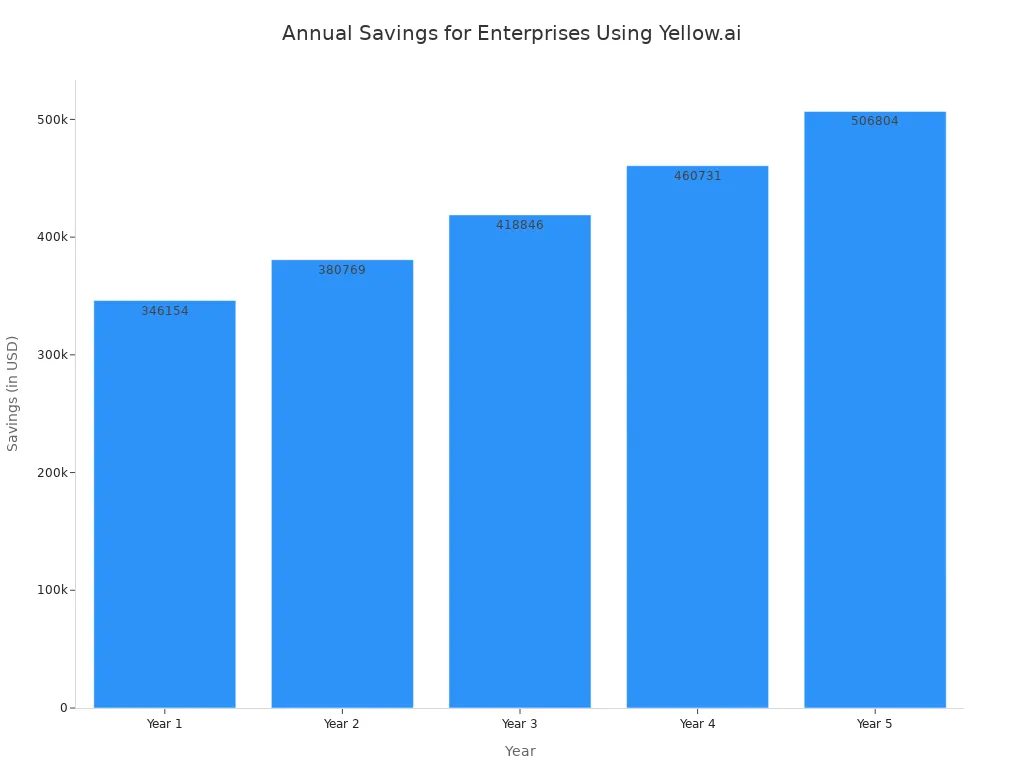
- Demonstrated ROI: Enterprises using Yellow.ai report significant savings and efficiency gains. The platform can automate up to 90% of tickets and improve resolution time by 90%.
- Proactive Engagement: Excels at AI-driven marketing automation, using AI to generate engaging messaging templates and run targeted campaigns that boost conversions.
- All-in-One CX Automation: Provides a unified solution for automating conversations in marketing, sales, and support, creating a consistent customer experience.
Cons
- Complex for Simple Use Cases: The platform's extensive features may be overwhelming and overly expensive for small businesses with basic chatbot needs.
- Learning Curve: Fully mastering the dynamic workflow generator and campaign tools can require dedicated training and time.
Pricing Model
Yellow.ai offers tiered pricing based on conversation volume and feature sets, with custom enterprise plans available for large-scale deployments.
Wonderchat
Best For: SMBs needing a no-code, easy-to-deploy chatbot.
Wonderchat is designed for simplicity, making it an excellent choice for small and medium-sized businesses (SMBs) that need an effective chatbot without a development team. Its no-code platform allows anyone to build and train a conversational AI agent in minutes.
Key Omnichannel Features
Wonderchat focuses on ease of use and quick deployment for essential channels.
- Website and Document Training: Users can train the AI chatbot simply by providing a website URL or uploading documents like PDFs. The platform automatically ingests the content to build its knowledge base.
- Customizable Chat Widget: Provides an easy-to-embed chat widget that can be customized to match a brand's look and feel.
- Live Chat Handover: Includes a feature to transfer a conversation from the bot to a human agent, ensuring that complex queries are handled effectively.
Pros
- Radical Simplicity: The "5-minute setup" promise holds true. Its no-code interface makes it one of the most accessible conversational commerce platforms for non-technical users.
- Affordable Pricing: Offers a free plan and transparent, affordable pricing tiers, making it a cost-effective solution for SMBs.
- Good for Lead Generation: The chatbot can be configured with chat workflows to capture leads, answer common questions, and guide users, helping convert website traffic.
Cons
- Limited Scalability: Not designed for the complex, high-volume needs of a large enterprise. Lacks advanced analytics and integration capabilities.
- Fewer Channels: Primarily focused on web chat and lacks the extensive omnichannel support for social media and voice found in enterprise-grade platforms.
- Basic AI Capabilities: While effective for Q&A, the AI is less sophisticated than the models used by platforms like Google Vertex AI or IBM Watsonx.
Pricing Model
Wonderchat offers several transparent pricing tiers, including a free plan. Paid plans scale based on message credits and features.
| Plan | Monthly Price (Annual) | Message Credits | Webpages for Training | AI Agents |
|---|---|---|---|---|
| Free | Free | 20 | 50 product pages, 10 PDF pages | 1 |
| Starter | $29 ($24) | 1,000 | 100 | 1 |
| Basic | $99 ($83) | 5,000 | 1,000 | 2 |
| Turbo | $299 ($249) | 15,000 | 2,500 | 4 |
| Enterprise | Custom | Unlimited | Custom | Fully customized |
This review of the top omnichannel conversational AI solutions should help you narrow down the best fit for your business. Whether you need a simple chatbot or a full-scale enterprise conversational ai system, the right platform is available to elevate your real-time personalization and customer interactions.
At-a-Glance Comparison Table
To simplify your decision, this section provides a direct comparison of the best conversational AI platforms. The table below summarizes each conversational AI platform, highlighting its ideal use case, channel capabilities, and integration strengths. This allows for a quick visual reference to help you shortlist the right options for your enterprise.
Platform vs. Best Use Case
This identifies the primary business type or goal each platform is designed to serve, from small business needs to large enterprise conversational ai requirements.
Omnichannel Capabilities
This outlines the platform's ability to provide multi-channel support, creating a unified conversational experience for the customer.
Core Integration Strength
This points to the key systems each AI platform integrates with natively, such as a specific CRM or cloud ecosystem.
Pricing Model Overview
This gives a general idea of how each platform structures its costs, which is a critical factor in evaluating conversational commerce platforms.
Note: The following table offers a high-level summary. An enterprise should conduct a deeper review and request demos before making a final decision.
| Platform | Best For | Omnichannel Support | Key Integrations | Pricing Model |
|---|---|---|---|---|
| Sobot | Retail & E-commerce (All-in-one) | Unified Chat, Voice, Email, Social Media, WhatsApp | All-in-one platform with CRM/ERP connectivity | Custom Quote |
| Google Vertex AI | Enterprise needing advanced AI/ML | Custom-built agents for any channel | Deep Google Cloud ecosystem integration | Pay-as-you-go |
| Salesforce Einstein | Businesses in the Salesforce ecosystem | Web, Mobile, Messaging (within Service Cloud) | Native Salesforce CRM integration | Included with Salesforce licenses |
| IBM Watsonx Assistant | Regulated industries needing governance | Secure web, voice, and messaging channels | IBM Cloud and on-premises systems | Tiered (Free, Plus, Enterprise) |
| Microsoft Azure Bot | Companies on the Azure cloud stack | Microsoft Teams, Web, Slack, Social Media | Azure Cognitive Services & cloud ecosystem | Tiered (Free & Premium per message) |
| Yellow.ai | Mid-to-large CX automation focus | 35+ channels including WhatsApp, Voice, Web | CRM, Helpdesk, and Marketing platforms | Usage-based (per conversation) |
| Wonderchat | SMBs needing a no-code chatbot | Website chat with live chat handover | Basic embeddable widget | Tiered (Free to Enterprise) |
This comparison clarifies how each conversational AI platform addresses different customer and business needs. The right omnichannel conversational ai depends on your specific goals, technical resources, and the scale of your conversational AI strategy.
The Future of Customer Service Automation

The world of customer service automation is evolving quickly. The best conversational AI platform of tomorrow will do more than just answer questions. It will anticipate needs, create unique interactions, and empower human agents. An enterprise must understand these trends to stay competitive. The future is built on proactive engagement, deep personalization, and a seamless partnership between AI and people.
The Rise of Proactive Engagement
Future conversational AI systems will not wait for a customer to start a chat. They will initiate contact at the right moment. This proactive customer engagement turns a simple service tool into a powerful sales and support asset. This approach is already delivering results for many businesses.
- Experro uses predictive AI to find sales opportunities. This has led to a 30% increase in online sales.
- The Faulkner Organization doubled its showroom traffic. It used an AI assistant for real-time lead qualification.
- Mayo Clinic uses AI to match patients with clinical trials. This has boosted enrollment by 80%.
This shift makes AI a key driver of growth for any enterprise. It moves the conversational chatbot from a cost center to a revenue generator.
Hyper-Personalization at Scale
Customers expect businesses to understand them. Future AI will deliver hyper-personalization to every single customer. A conversational platform can use data to create a unique journey for each user. This real-time personalization makes the customer experience feel special and relevant. This technology goes beyond using a customer's name. The AI understands past purchases and browsing history. It can then offer perfect recommendations. This level of real-time personalization builds loyalty and improves the overall user experience. An enterprise can use this AI capability to make every interaction meaningful, scaling a one-to-one relationship to millions. This is the core of modern ai-driven conversational commerce.
Seamless Agent and AI Collaboration
The goal of customer service automation is not to replace human agents. The goal is to create a powerful team of AI and humans. The best systems create a smooth collaboration between a chatbot and an agent. This ensures the customer always gets the right support. A smart conversational AI platform handles most routine questions. This frees up human agents for complex problems.
A seamless transition from a chatbot to a human and back to AI creates a dynamic partnership. This bi-directional flow ensures consistency. It saves time and fosters a unified customer experience.
The ideal model allows AI to resolve 70-80% of queries. The remaining issues move to a human agent with the full conversational context. This makes the handoff efficient. The AI can even detect customer frustration to escalate the chat sooner. This intelligent partnership is the future of effective customer service automation.
Choosing the right conversational ai platform is critical for the modern enterprise. For a powerful, integrated solution tailored to retail, Sobot's platform stands out with its proven results in customer service automation. For an enterprise needing deep analytics, Google Vertex AI offers unparalleled power for enterprise conversational ai. This level of enterprise conversational ai is data-intensive. The best conversational ai platforms and conversational commerce platforms use conversational ai to improve the customer experience. This ai is the future of customer service automation.
The best omnichannel conversational ai for 2026 scales with your future vision. Use this guide to find the perfect conversational ai platform for your customer. This is how an enterprise succeeds with customer service automation and conversational commerce platforms.
FAQ
What is omnichannel conversational AI?
Omnichannel conversational AI is a technology that unifies customer conversations. It allows a single, seamless dialogue across many channels like chat, email, and social media. The AI maintains context as customers switch between platforms, creating a consistent experience.
Why is omnichannel support so important?
Omnichannel support meets customers on their preferred channels. This approach improves customer satisfaction and loyalty. It provides a smooth, uninterrupted journey for the user. A business can deliver better service and build stronger relationships with this strategy.
How does a business choose the right platform?
A business should first define its goals and budget. It must evaluate a platform's AI sophistication, integration options, and scalability.
A great first step is to shortlist two or three vendors. Then, a business can request demos to see which platform best fits its specific needs.
Can a small business use conversational AI?
Yes, many platforms serve small and medium-sized businesses (SMBs). Solutions like Wonderchat offer no-code setups and affordable plans. All-in-one platforms like Sobot also provide scalable solutions that can grow with a business, making powerful AI accessible to everyone.
See Also
Your Essential Guide to Mastering Omnichannel Call Center Software Solutions
Discover the 10 Leading Chatbots Enhancing Websites This Year
Exploring the Top 10 AI Innovations for Enterprise Contact Centers
The 10 Best Speech Analytics Tools for Call Centers in 2024
An In-Depth Review of AI-Powered Enterprise Call Center Solutions

