Smarter Support with AI Automation

Slow responses and inconsistent service define traditional enterprise support. An enterprise often sees overwhelmed staff. A digital transformation powered by artificial intelligence and automation provides a smarter path. This AI approach delivers instant answers, boosting efficiency. It frees human experts for complex IT support. The Sobot enterprise leverages generative AI to enhance its Sobot AI platform and Sobot call center. These tools offer the enterprise-grade support systems features needed for modern enterprise support, where generative AI and AI work together.
Smarter Enterprise Support Across Departments

Modern AI and automation extend benefits far beyond a single helpdesk. This technology creates a smarter, more responsive backbone for the entire enterprise. Departments from IT to HR and finance can transform their operations, improving service delivery and internal satisfaction.
IT Support with Proactive AI Automation
AI tools transform IT support from a reactive function into a proactive powerhouse. Instead of waiting for systems to fail, predictive maintenance models use machine learning to forecast hardware or software errors before they cause downtime. This shift enables automated troubleshooting and prevents productivity loss.
AI automation can instantly alert employees about upcoming device threats. This allows them to manage risks proactively before they impact work.
Intelligent systems also accelerate resolutions for issues that do arise. AI-powered IT service management includes:
- Automated Ticket Resolution: Instantly categorizing and routing tickets to the right expert.
- Root Cause Analysis: Using machine learning to analyze data logs and identify the source of recurring problems.
Streamlined HR Services and Onboarding
HR departments use automation to create a seamless employee journey from day one. AI-powered assistants can guide new hires through onboarding, granting system access and answering initial questions in minutes, not days. This provides immediate support and builds confidence. For existing employees, AI offers 24/7 support for common inquiries about benefits and policies. Chatbots using natural language processing understand employee questions and provide instant, accurate answers. Behind the scenes, robotic process automation handles repetitive data entry, freeing HR professionals to focus on strategic initiatives.
Efficient and Compliant Finance Operations
In finance, accuracy and compliance are critical. AI delivers on both fronts. Automated workflows accelerate invoice processing and expense approvals, reducing manual coding and chasing down stakeholders. Some companies have used this technology to reduce their invoice cycles by as much as 70%. At the same time, generative AI helps ensure the enterprise remains compliant with financial regulations. These systems monitor transactions in real-time to detect anomalies and flag potential risks. This provides a new layer of security and makes enterprise support in finance both efficient and secure.
The Core Business Benefits of AI-Powered Support
Integrating AI and automation into enterprise support delivers significant returns. This technology drives increased efficiency, provides deeper insights, and enhances the employee experience. An enterprise can transform its support functions from cost centers into strategic assets.
Boosted Efficiency and Lower Costs
AI automation directly boosts efficiency and reduces operational costs. It handles repetitive inquiries around the clock. This frees human experts to focus on complex problems that require critical thinking. The result is faster resolution times and a more productive workforce. AI improves first-contact resolution by:
- Providing agents with real-time guidance and customer history.
- Surfacing relevant knowledge base articles instantly.
- Automating workflows to reduce the need for follow-ups.
The Business Value of Generative AI
The business value of generative ai extends beyond simple automation. This advanced AI unlocks new capabilities for IT support and other departments. Generative AI can analyze vast datasets to synthesize information and provide intelligent recommendations. Key use cases include:
- Enhanced Search Tools: Employees and agents find precise information quickly, from technical protocols to product details.
- Data Synthesis: Machine learning models consolidate information from multiple sources into a single, actionable report for root cause analysis.
Enhanced Employee Experience and Satisfaction
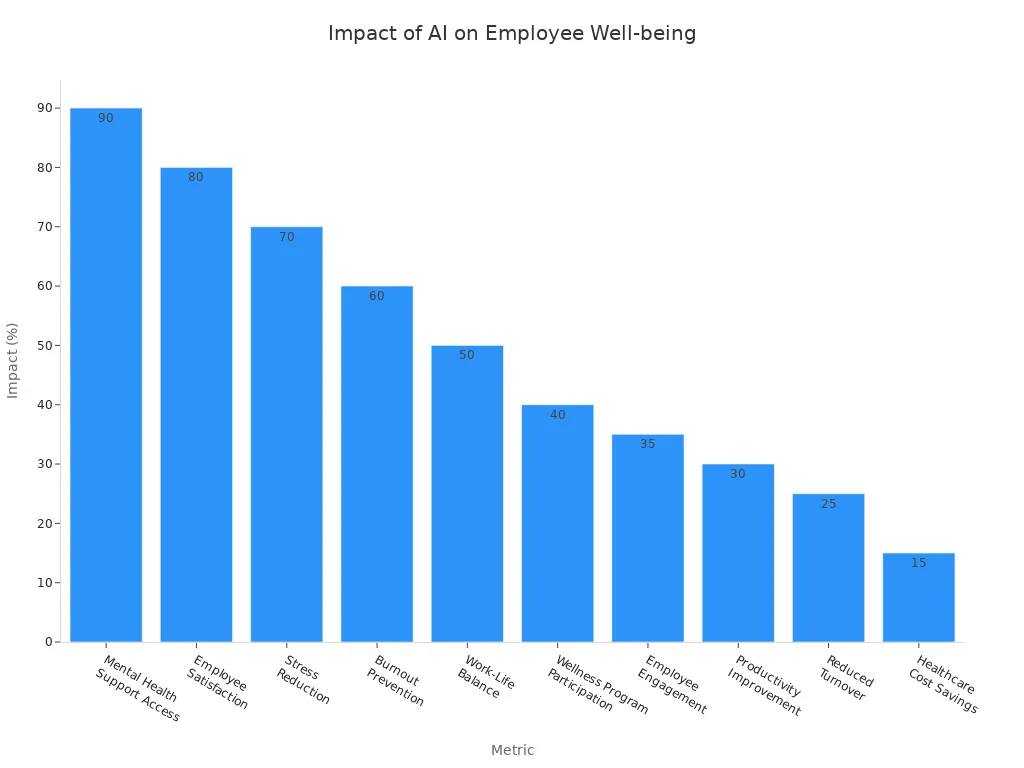
A smarter enterprise support system improves the daily lives of employees. AI offers instant, 24/7 answers to common questions about IT, HR, or benefits. This immediate support reduces frustration and allows staff to resolve issues independently. Access to AI-powered wellness tools and scheduling assistants also helps prevent burnout and improve work-life balance. As a result, employees feel more supported and engaged.
Data-Driven Insights for Improvement
Artificial intelligence turns support interactions into a source of valuable business intelligence. Every chat, ticket, and call generates data. Machine learning algorithms analyze this data to uncover trends, customer sentiment, and operational gaps. These data-driven insights allow leaders to make smarter decisions.
AI helps turn customer complaints into opportunities. It identifies patterns in feedback to drive process improvements and prevent future issues.
By analyzing interaction data, a business can gain actionable insights to refine products, optimize workflows, and enhance training for better IT support. The scalability of automation ensures this analysis happens in real time.
Key Enterprise-Grade Support Systems Features
Choosing the right platform is crucial for a successful AI transformation. Modern businesses should look for specific enterprise-grade support systems features that enable efficiency and scalability. These capabilities form the foundation of a smarter enterprise support ecosystem.
Omnichannel AI and Automation
Employees and customers interact with a business across many channels. A disconnected experience creates frustration. Omnichannel AI and automation solve this by unifying communications. Platforms like Sobot integrate channels such as chat, email, and voice into a single agent workspace. This approach provides key benefits:
- Unified Customer Profiles: All interactions appear in one continuous conversation timeline.
- Contextual Routing: The system intelligently routes the entire conversation to the right specialist based on customer data and intent.
This creates a seamless journey and eliminates the need for users to repeat information.
Intelligent Knowledge Base Management
A knowledge base is only useful if its content is accurate and current. Intelligent management systems use AI and machine learning to maintain and improve knowledge repositories. The AI analyzes support tickets and user queries to identify information gaps. It can then suggest or even generate new articles. This ensures the knowledge base evolves with the business, providing reliable answers for IT support and other departments. This automation keeps information fresh with minimal manual effort.
No-Code Customization and Deployment
Powerful technology should be accessible to everyone. The best enterprise-grade support systems features include no-code development environments. These platforms empower non-technical teams to build and deploy their own solutions.
With a simple point-and-click interface, like the one offered by Sobot, department leaders can design chatbots or create automated workflows without writing a single line of code.
This user-friendly design accelerates deployment and allows the enterprise to adapt quickly to changing needs.
Advanced Reporting and Analytics
Data provides the map for continuous improvement. Advanced reporting is one of the most critical enterprise-grade support systems features. These tools track key performance indicators (KPIs) to measure the impact of AI and automation. Leaders can monitor metrics like chatbot resolution rates, unsupported user requests, and reductions in manual processing time. This data offers clear insights into what works, helping the enterprise optimize its processes and enhance service quality.
5 Steps to Implement AI in Enterprise Support
Adopting artificial intelligence requires a clear strategy. A phased approach helps an enterprise manage change, demonstrate value, and build momentum. This practical, five-step guide provides a roadmap for a successful transition to smarter enterprise support.
1. Identify High-Impact Opportunities
The first step is to identify where AI and automation can deliver the most value. Instead of chasing technology trends, businesses should focus on solving genuine problems. A structured framework helps pinpoint these opportunities.
- Start with Business Problems: Begin by identifying process pain points and constraints. Look for repetitive, data-heavy tasks or areas with high error rates where AI can improve efficiency.
- Gather Feedback: Collect input from different departments to understand their challenges. Analyze support transcripts and survey results to find use cases that will enhance employee satisfaction.
- Define AI Targets: For each potential use case, set a clear goal and define how to measure success. This ensures every AI initiative aligns with strategic business objectives.
Common high-volume, low-complexity tasks are ideal starting points. These often include:
- IT Support: Password resets, account provisioning, and automated ticket routing.
- HR Services: Answering policy questions, managing leave requests, and guiding new hires through onboarding checklists.
- Finance Operations: Processing expense reports and tracking reimbursement status.
2. Start with a Focused Pilot Project
Once high-impact opportunities are identified, the next step is to launch a focused pilot project. A small-scale pilot delivers quick wins and builds leadership buy-in. It also allows the team to learn and adapt without disrupting the entire organization.
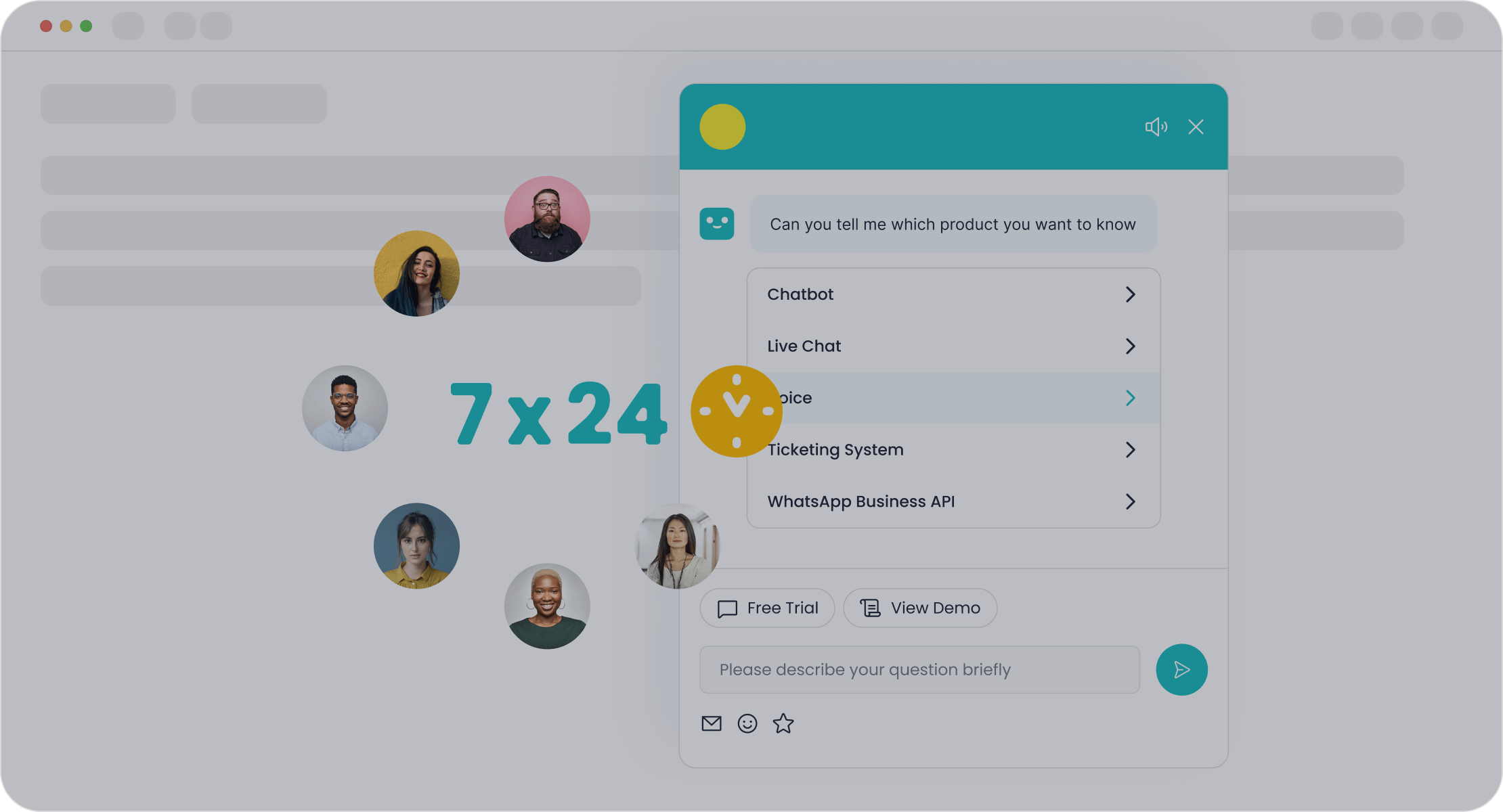
A great way to start is by deploying a tool like the Sobot Chatbot for a specific function, such as an internal IT helpdesk or answering common HR inquiries. This demonstrates immediate value and provides a controlled environment for testing.
Best practices for a successful pilot include:
- Set Clear Objectives: Define measurable goals for the pilot, such as reducing ticket volume or improving first-contact resolution.
- Assemble the Right Team: Involve subject matter experts, IT support staff, and key stakeholders who are genuinely interested in AI.
- Communicate Transparently: Explain how the AI tool will assist employees, not replace them. This helps reduce resistance and encourages adoption.
3. Build on a Foundation of Quality Data
An AI system is only as intelligent as the data it learns from. Inaccurate or incomplete data leads to poor performance and unreliable answers. Building a foundation of quality data is essential for any AI or machine learning initiative.
The process involves three key stages:
- Recognize and Agree on the Problem: Start by auditing existing knowledge sources. Identify data silos, inconsistent formats, and outdated information.
- Clean the Data: Teach the AI what "good" data looks like using a reliable sample. This enables the system to process larger datasets and suggest corrections, reducing manual cleanup efforts. The data must be accurate, complete, and consistent across all systems.
- Govern and Continuously Improve: Implement processes to maintain data quality over time. An AI-powered system can help by flagging exceptions and diagnosing process failures, ensuring the knowledge base remains current.
4. Train Your Team for Human-AI Collaboration
Technology alone does not create a smarter support system. Success depends on creating a collaborative human-AI environment where people and technology work together. This requires training teams to view AI as a partner that handles routine tasks, freeing them for more complex work.
Effective training strategies include:
- Introduce AI Early: Hold training sessions to show employees how generative AI can help with daily tasks, like summarizing tickets or drafting responses.
- Focus on New Skills: Emphasize the development of skills like data analysis, critical thinking, and digital fluency. Agents will need to evaluate AI outputs and manage sensitive issues that require human empathy.
- Promote Collaboration: Encourage teams to share success stories and troubleshoot challenges together. This fosters a culture of continuous learning and innovation.
With AI handling routine inquiries, human agents can focus on advanced problem-solving and managing challenging customer interactions. This combination of automation and human expertise elevates the quality of support.
5. Measure and Optimize for Success
The final step is to measure performance and continuously optimize the system. Tracking the right metrics provides data-driven insights into what is working and where improvements are needed. This allows leaders to calculate ROI and justify further investment in automation.
Key metrics to monitor include:
- Efficiency Metrics: Reduction in ticket resolution time and percentage of tasks automated.
- Accuracy Metrics: The rate of correct answers provided by the AI.
- Financial Metrics: Cost savings from reduced labor and revenue generated from AI-enhanced services.
Real-world success stories show what is possible. For example, after implementing Sobot’s AI solutions, electronics leader OPPO achieved an 83% chatbot resolution rate. This meant most issues were solved without human intervention. The company also earned a 94% positive feedback score, demonstrating how generative AI and machine learning can dramatically improve the user experience.
By regularly analyzing these metrics, an organization can refine its AI strategy, optimize workflows, and deliver ever-smarter support.
Integrating AI and automation is the key to creating a smarter enterprise support ecosystem. This transformation delivers significant benefits, including greater efficiency and a superior employee experience. An enterprise can achieve these gains with accessible AI solutions. Platforms like Sobot make powerful AI and automation tools available to every enterprise.
Take the first step on your contact journey. Start by identifying a high-impact pilot project to begin your AI transformation today.
FAQ
How does AI improve enterprise support?
Artificial intelligence boosts efficiency by automating repetitive tasks. This allows human experts to focus on complex problems. An AI system provides instant answers and 24/7 support, which enhances the employee experience and reduces resolution times for common issues like IT support requests.
What is the role of machine learning in support?
Machine learning powers key functions like predictive maintenance and automated troubleshooting. It analyzes data to forecast system failures before they happen. This proactive approach from machine learning helps organizations prevent downtime and maintain operational continuity, improving overall service reliability.
How does generative AI differ from standard AI?
Standard AI often follows predefined rules to automate tasks. Generative AI creates new content, like summarizing complex support tickets or drafting responses. This advanced generative AI capability helps agents resolve issues faster and provides deeper insights for IT support and other departments.
Can AI understand employee questions?
Yes, AI systems use natural language processing to understand and interpret human language. This technology enables chatbots and virtual assistants to comprehend employee questions accurately. It allows the AI to provide relevant, conversational answers, which greatly improves the self-service experience.
See Also
Elevating Customer Service Efficiency Through Advanced AI Software Solutions
Discovering the Best AI Tools for Enterprise Contact Center Optimization
A Comprehensive Guide to Implementing Artificial Intelligence in Call Centers
An In-Depth Review of Leading AI Solutions for Enterprise Call Centers
How AI Customer Service Agents Are Revolutionizing Modern Support Experiences

