5 Chatbot Trends Redefining Banking in 2026

Artificial intelligence (AI) fuels a major digital transformation in the banking industry. This shift reflects strong customer demand, with a clear preference for digital-first service channels. The AI market in finance is expanding rapidly, underscoring this technology trend.
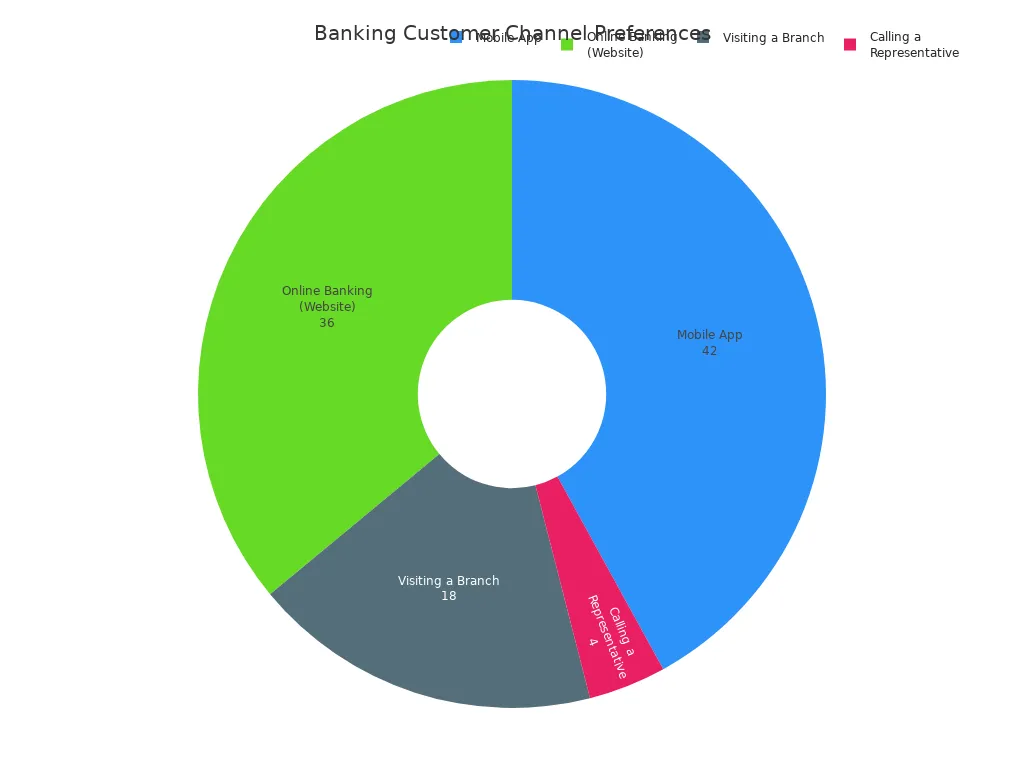
- The Banking, Financial Services, and Insurance (BFSI) segment leads AI adoption with a 19.60% market share.
- The AI in finance market is projected to exceed $22.6 billion by 2026.
This transformation highlights key technological advancements in chatbots. The following five trends, driven by innovation from solutions like the Sobot AI chatbot and Sobot call center, are redefining the north america chatbots for banking market. These trends are shaping the future of chatbots in banking and the wider north america chatbots for banking market.
- Hyper-Personalization at Scale
- Proactive Engagement for Customers
- Generative & Conversational AI
- Voice and Multimodal Interface Trends
- Emotional AI: The Empathetic Chatbot
1. Trend: Hyper-Personalization at Scale
The future of banking is deeply personal. The era of one-size-fits-all financial services is ending, replaced by one of the most important trends in the north america chatbots for banking market: hyper-personalization. AI-driven solutions are moving beyond simple name recognition. They now analyze vast amounts of data to deliver truly personalized banking experiences.
Defining Personalized Banking
Traditional banking relied on broad customer segments. This often resulted in generic offers. Hyper-personalization, powered by AI, changes this dynamic completely. It focuses on each individual customer. AI chatbots analyze real-time behaviors, preferences, and financial context to create personalized interactions. This approach allows banks to anticipate a customer's needs and deliver relevant advice at the perfect moment. Solutions like Sobot's Financial Solution leverage this by using customer segmentation for highly targeted promotions, turning data into opportunity. The north america chatbots for banking market is rapidly adopting this strategy.
Use Case: The AI Financial Advisor
Embedded banking chatbots are evolving into sophisticated AI-powered financial advisors. These AI tools analyze a wide range of data points to offer tailored guidance.
AI chatbots process information such as:
For example, Capital One’s chatbot, Eno, analyzes transaction data to predict fraud and offer budgeting tips. This level of personalization helps customers make smarter financial decisions. These AI advisors are a key part of the evolving chatbots in banking landscape.
Improving the Experience for Customers
Hyper-personalization directly enhances the customer experience. When chatbots offer relevant advice, customers feel understood and valued. This builds trust and strengthens loyalty. This improved experience leads to tangible benefits for financial institutions. It creates more opportunities for cross-selling relevant products, like insurance or investment plans. Ultimately, AI-driven personalization helps customers improve their financial wellness. This shift meets rising customer expectations in the digital banking market and sets new standards for the entire industry. The growth of these trends in the north america chatbots for banking market shows a clear direction for the future of banking.
2. Proactive Engagement for Customers
The best chatbots in banking do not wait for a customer to ask for help. They initiate contact. This marks a fundamental shift in the north america chatbots for banking market. Proactive engagement is one of the most powerful trends transforming the industry. AI chatbots now use data to anticipate needs and offer timely support.
From Reactive to Proactive Support
Traditional banking service has been reactive. A customer contacts the bank with a problem. Proactive banking flips this model. AI systems analyze customer data to predict future needs. This allows a bank to offer guidance before a customer even realizes they need it. Financial institutions are building a single intelligence layer. This layer unifies data from all channels. AI then uses this complete customer profile to surface opportunities for engagement. This approach moves banking from simple service to a true partnership.
Use Case: Smart Fraud Alerts & Offers
Proactive chatbots are excellent tools for security and marketing. AI can monitor transaction data for suspicious activity. The chatbots then send instant alerts to the customer. This allows for immediate action, like freezing a card. Beyond security, AI identifies opportunities for personalized offers.
A leading financial platform, Opay, demonstrates this perfectly. Opay used Sobot's omnichannel solution and official WhatsApp Business API for proactive customer engagement. This strategy allowed them to send targeted messages and updates, leading to:
- A 17% increase in conversion rates.
- A jump in customer satisfaction to 90%.
This case shows how proactive communication drives real business results in the banking market.
Impact on Customer Trust and Retention
Proactive engagement has a massive impact on the customer experience. When a bank helps a customer avoid a fee or find a savings opportunity, it builds trust. This positive experience strengthens loyalty. Research shows that proactive service is a key driver of retention. Companies with proactive engagement strategies see a 15% increase in customer retention. Improving retention rates can boost profits by as much as 25% to 95%. These trends show that proactive chatbots are essential for any financial institution looking to thrive in the competitive north america chatbots for banking market. The future of the north america chatbots for banking market depends on this level of customer care.
3. Generative AI & Conversational AI
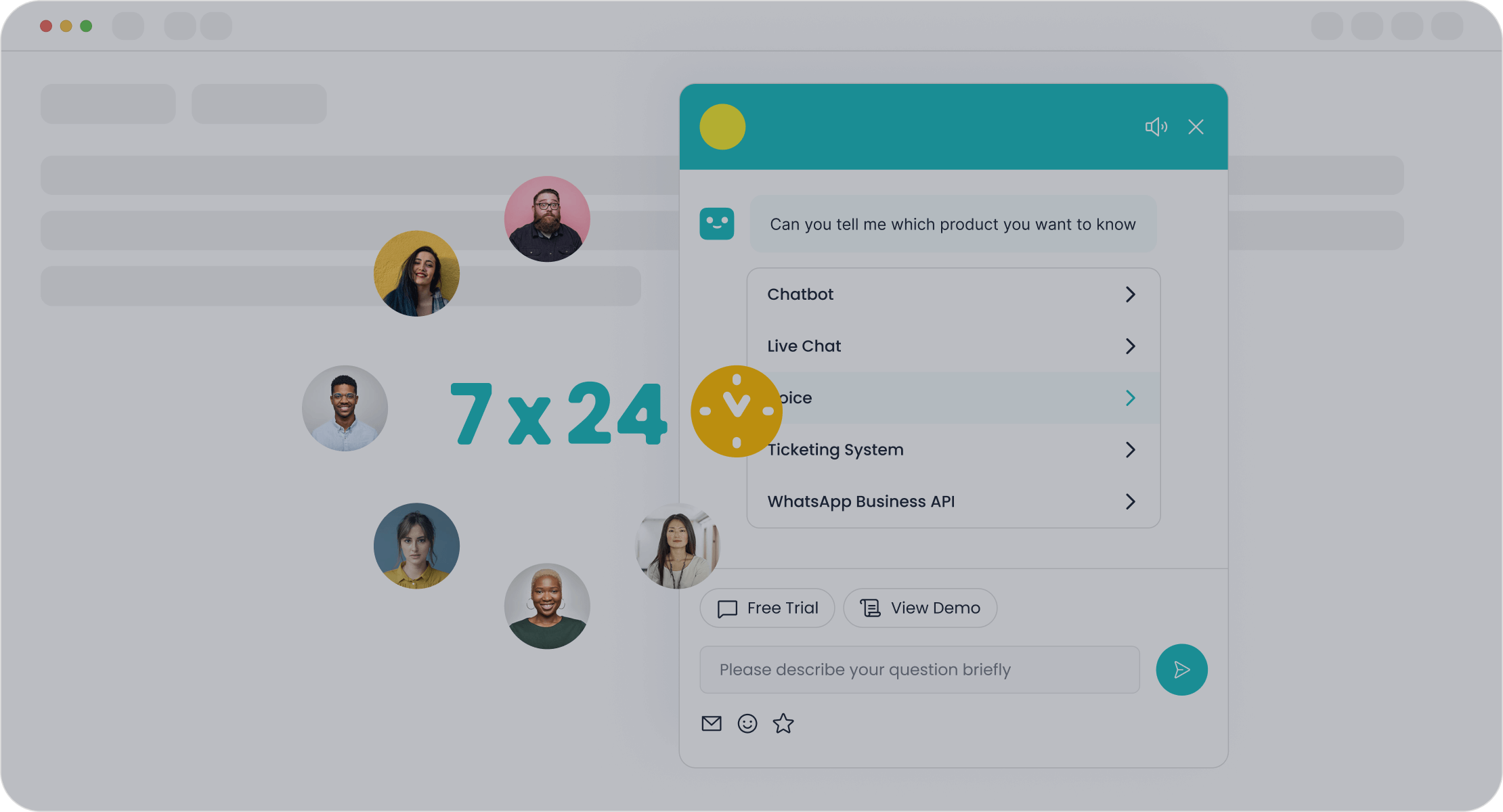
The evolution of chatbots in banking is accelerating. Simple, scripted bots are giving way to sophisticated AI agents powered by generative and conversational AI. This shift represents one of the most significant trends in the north america chatbots for banking market, enabling a new level of intelligent automation.
The Rise of Advanced Conversational AI
Modern banking chatbots are built on powerful new technological advancements. These AI agents leverage complex models to understand context and manage multi-step dialogues without confusion. Key developments driving this change include:
- Generative AI Models: These allow AI agents to create human-like, relevant responses.
- Natural Language Processing (NLP): Advanced NLP helps AI understand nuances in customer language.
This technology allows AI virtual assistants to move beyond basic questions. They can now analyze user behavior and needs from data, making interactions in the banking market feel more natural and effective.
The Role of Chatbots in Banking Automation
Advanced chatbots are becoming central to banking automation. They handle complex tasks that were once reserved for human agents. For example, the Sobot Chatbot is ChatGPT-enabled and can be trained on a bank's internal knowledge base, including PDFs and articles. This allows the AI to provide highly accurate answers to detailed financial questions. These AI agents can guide a customer through a loan application or explain complex investment products, transforming the possibilities for self-service in the banking sector. This capability is a core driver of innovation in the north america chatbots for banking market.

Impact on Agent Productivity & Complex Queries
The impact of these AI trends on banking operations is profound. By automating routine and complex inquiries, generative AI frees up human agents to focus on high-value interactions. This dramatically boosts efficiency.
For instance, Klarna's AI assistant now performs the work of 700 human agents, handling a wide range of customer requests 24/7.
Solutions like Sobot's AI agents are designed to deliver similar results, improving productivity by up to 70%. When AI virtual assistants handle the initial data gathering and common questions, human experts can resolve the most challenging customer issues faster. This hybrid approach is defining the future of the north america chatbots for banking market.
4. Voice and Multimodal Interface Trends
The way customers interact with their banks is expanding beyond text. The next wave of technological advancements involves voice and multimodal interfaces. These trends are reshaping the banking market by making services more intuitive and accessible. AI agents are at the forefront of this shift, offering new ways for a customer to manage their finances.
Defining Multimodal Communication
Multimodal communication allows a user to switch between different interaction methods seamlessly. A customer might start a loan application using voice commands, continue by texting with AI agents, and finalize details with a visual interface. This approach combines voice, text, and visuals into one unified experience. Unlike standard chatbots that primarily rely on text, multimodal AI agents maintain context across channels. This creates a more natural and efficient journey for customers. The banking market is quickly adopting these AI agents to improve engagement.
Use Case: Hands-Free Banking Services
Voice-activated AI virtual assistants are enabling hands-free banking services. This allows users to perform financial tasks while multitasking. Common hands-free banking actions include:
- Checking account balances and transaction histories.
- Transferring funds between accounts.
- Scheduling bill payments and setting reminders.
While convenient, this technology introduces security challenges. Financial institutions must implement robust security, such as voice biometrics and multi-factor authentication, to protect against threats like voice cloning. Advanced AI chatbots and AI virtual assistants are crucial for a secure banking experience in this evolving market.
Enhancing Accessibility and Convenience
Multimodal interfaces significantly improve banking accessibility. These AI-powered chatbots offer features that cater to users with diverse needs. For instance, voice control helps users with motor impairments, while automatic transcription supports those with hearing difficulties. These powerful trends ensure that digital banking is inclusive. By allowing users to choose their preferred interaction method, banks can deliver a more convenient and personalized experience. This focus on accessibility is a defining feature of the modern banking market and its AI-powered chatbots.
5. Emotional AI: The Empathetic Chatbot
The final frontier for chatbots in the banking market is emotional intelligence. The latest technological advancements are enabling AI agents to understand and respond to human emotion. This creates more empathetic and effective interactions. These trends are moving AI beyond transactional support toward genuine connection.
Understanding Customer Sentiment
Emotional AI gives chatbots the ability to perceive a customer's feelings. These advanced AI agents analyze communication far beyond simple keywords. They use sophisticated techniques to interpret emotional cues.
Emotional AI analyzes voice and text data by examining:
- Vocal Cues: Pitch, tone, and pace of speech.
- Linguistic Patterns: Word choice and sentence structure.
- Acoustic Features: Sound characteristics that signal frustration or satisfaction.
This deep analysis allows AI agents to gauge customer sentiment in real time. This capability is transforming the potential of automated support in the banking sector.
Use Case: De-escalating Service Issues
A primary application for emotional AI is managing difficult customer interactions. When AI agents detect rising frustration or anger in a customer's voice, they can immediately adapt their approach. The chatbot might change its tone, offer a more direct solution, or seamlessly escalate the conversation to a human agent. This proactive de-escalation prevents poor experiences. However, implementing this AI technology requires careful attention to ethics. Financial institutions must address key challenges to maintain trust, including data privacy, algorithmic fairness, and the need for human oversight in critical situations. This ensures the banking market uses AI responsibly.
Building Stronger Customer Relationships
Empathetic interactions build lasting loyalty. When customers feel heard and understood, their trust in a banking institution grows. Emotional AI helps chatbots create these positive experiences at scale. Relationship marketing shows that empathy is a core driver of long-term value. An excellent customer experience in retail banking can lead to 14% more spending. By personalizing responses based on emotion, AI agents help foster stronger connections. This focus on empathy is not just a feature; it is a core strategy for retention and growth in the competitive banking market.
The convergence of these five trends—from hyper-personalization to emotional AI—is reshaping the banking market. Adopting these chatbots in banking is crucial for enhancing customer engagement and efficiency. Financial institutions see a significant return, boosting customer satisfaction by up to 25% while reducing service costs for each customer. For forward-thinking banking leaders, solutions like Sobot's all-in-one contact center platform are key to navigating this transformation. It is time for all customers to embark on their contact journey.
FAQ
What is the main benefit of using AI chatbots in banking?
AI chatbots enhance the customer experience through 24/7 support and personalization. They improve operational efficiency for financial institutions. This leads to higher customer satisfaction and significant cost savings, making them a key part of the modern north america chatbots for banking market.
Are AI chatbots difficult for banks to implement?
No, modern solutions simplify implementation. For example, the Sobot Chatbot uses a point-and-click interface. This allows banks to design and deploy powerful AI agents without any coding experience, accelerating their digital transformation.
Do AI chatbots replace human customer service agents?
AI chatbots do not replace human agents. Instead, they handle routine queries and assist agents with complex issues. This collaboration boosts agent productivity by up to 70%. It allows human experts to focus on high-value customer interactions.
How do chatbots ensure the security of customer data?
Advanced chatbots for banking use robust security measures. They operate within secure public or private cloud environments. Features like voice biometrics and multi-factor authentication protect sensitive financial information and build customer trust.
See Also
Leading Websites Leveraging Chatbot Technology Effectively This Year
Discover The Ten Best Chatbot Solutions For Your Website Now
Simple Steps To Integrate Effective Chatbot Examples On Your Site
Elevating E-commerce Customer Satisfaction Through Strategic Chatbot Implementation

