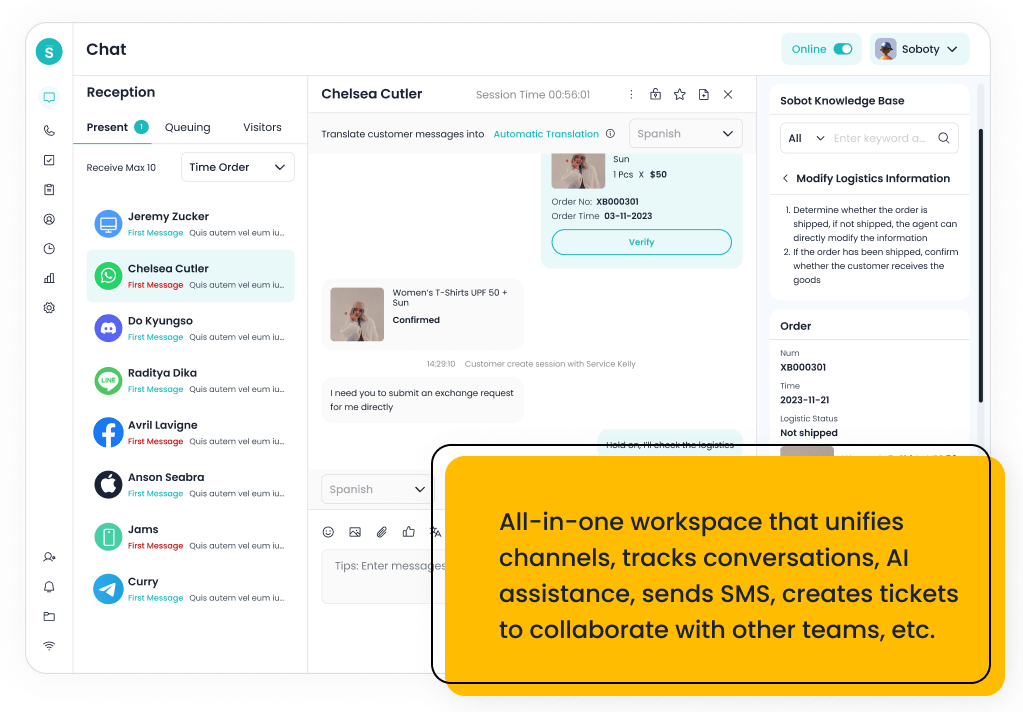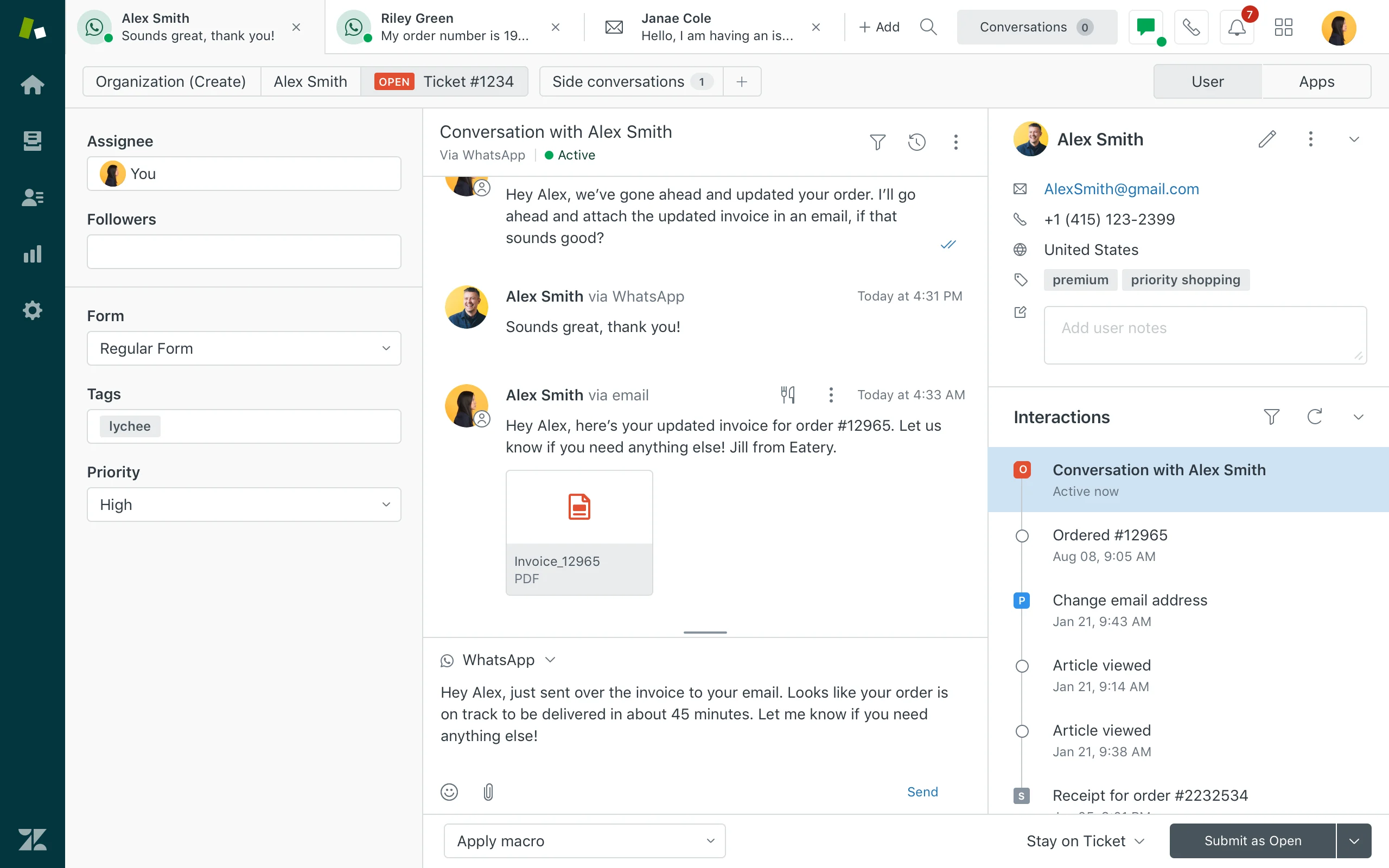
Zendesk helped define modern help desk software, but 2026 has made the market far more competitive. Per-agent pricing that ranges from $19 to $169 per agent per month, AI features that sit behind add-on charges, and growing demand for native voice and AI agents are pushing teams to evaluate alternatives. The broader customer service market reached $55.76 billion in 2026 and continues to grow at double-digit rates, and most of that growth is going to platforms built around unified AI workflows rather than layered add-ons.
This guide compares ten of the strongest Zendesk alternatives available in 2026. For each platform, you’ll find what it does well, who it’s designed for, and the type of team that will get the most out of it.
What Is Help Desk Software?
Help desk software is a category of customer service technology that centralizes support requests from email, chat, phone, social media, and messaging apps into a single workspace where agents can prioritize, assign, and resolve tickets. Modern help desk platforms — sometimes called customer service platforms or service desk software — go beyond basic ticketing to include AI-powered automation, self-service knowledge bases, omnichannel routing, and analytics dashboards. According to G2’s help desk software category, the top-rated platforms in 2026 include Salesforce Service Cloud, Zoho Desk, Freshdesk, Zendesk Support Suite, and Intercom. Zendesk has long been the default choice in this category, but rising costs and AI-native competitors are reshaping the landscape — which is why teams increasingly search for Zendesk alternatives that deliver better value.
Key Takeaways
- Zendesk’s main weaknesses in 2026 are complex per-agent pricing with AI add-ons, steep enterprise learning curves, and limited native voice AI.
- Sobot, Freshdesk, and HubSpot Service Hub offer the strongest omnichannel coverage at mid-market pricing without Zendesk’s layered add-on structure.
- Gorgias and Re:amaze are purpose-built for e-commerce, while Intercom and Kustomer lead on AI agent resolution capabilities.
- Help Scout, Zoho Desk, and Front suit smaller teams that want simpler pricing and faster onboarding than Zendesk provides.
Why Teams Are Looking for Zendesk Alternatives in 2026
1. Pricing complexity and add-on creep
Zendesk advertises entry plans starting at $19 per agent per month, but most support teams end up on the Suite tiers once they need messaging, voice, and AI. With median annual contracts reported at roughly $47,772 per year for a median enterprise deployment, and AI add-ons charged on top of base plans, total cost of ownership often runs two to three times the advertised sticker price.
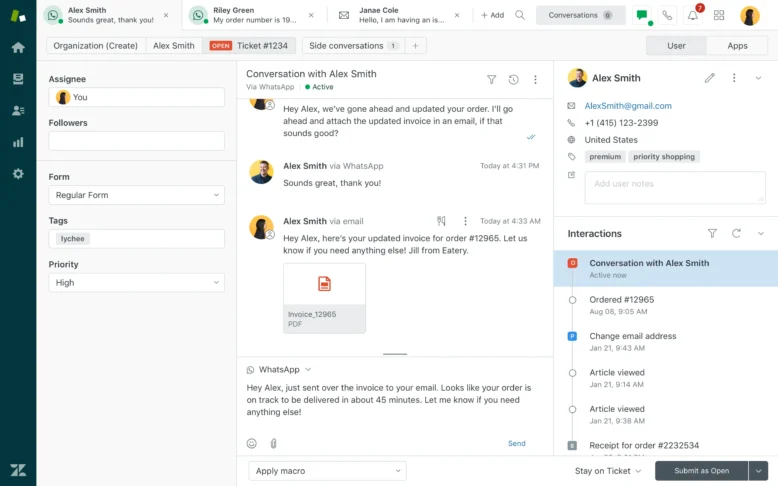
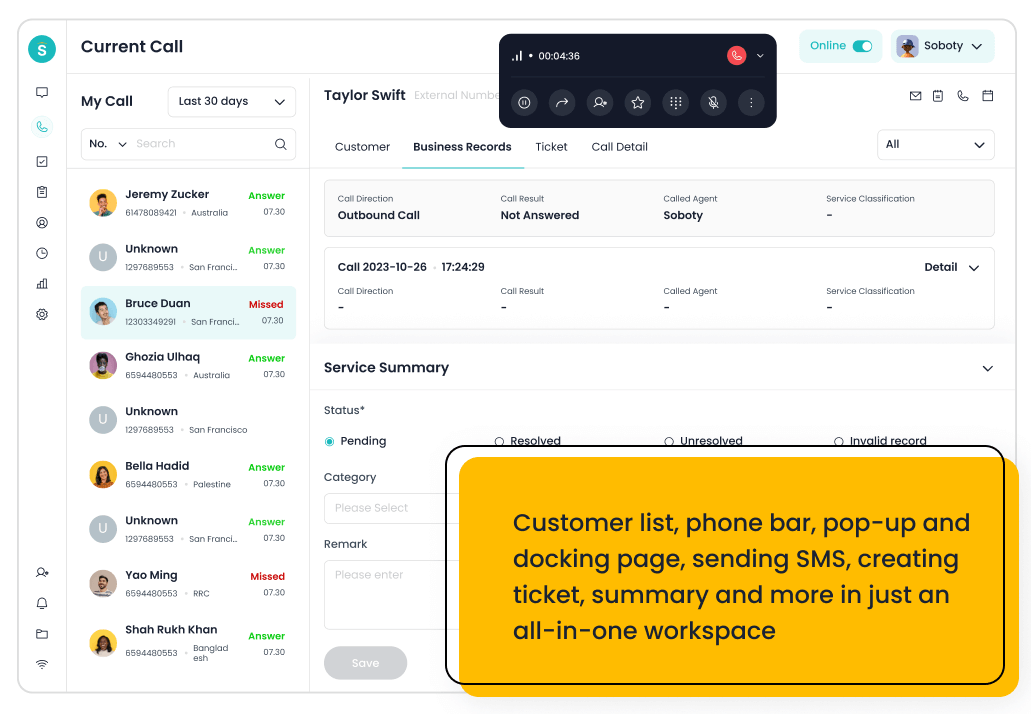
Zendesk’s Unified Workspace consolidates every channel into one view.
2. AI features locked behind premium tiers
Modern buyers expect generative AI and autonomous resolution to be part of the core product, not a $50-per-agent add-on. According to industry analysis reported by CX Today, Gartner predicts agentic AI will autonomously resolve 80% of common customer service issues by 2029. Platforms that treat AI as foundational — rather than as a revenue add-on — are pulling ahead. Data from Zendesk’s own CX Trends report shows that the majority of support leaders now view AI as essential rather than experimental, yet many find Zendesk’s own AI pricing at odds with that vision.
3. Slow deployment and heavy customization
Even Zendesk’s own documentation acknowledges that mid-market and enterprise deployments often require several weeks of configuration. Teams that need to launch quickly — particularly in e-commerce, fintech, and cross-border retail — increasingly favor platforms that ship with pre-built industry templates.
Quick Comparison: Zendesk Alternatives at a Glance
| Platform | Best For | Key AI Feature | Starting Price | G2 Rating |
|---|---|---|---|---|
| Sobot | All-in-one AI contact center | AI Agent + Voicebot included | Custom (free trial) | 4.7 |
| Freshdesk | Affordable omnichannel | Freddy AI routing & suggestions | Free / $15/agent/mo | 4.4 |
| Intercom | AI-native SaaS support | Fin AI Agent (per-resolution) | $39/seat/mo + $0.99/resolution | 4.5 |
| HubSpot Service Hub | CRM-integrated support | Breeze AI + unified CRM data | Free / $90/seat/mo (Pro) | 4.4 |
| Help Scout | Email-first small teams | AI summarization & rewriting | $25/user/mo | 4.4 |
| Gorgias | Shopify e-commerce | AI Agent for retail workflows | $10/mo | 4.6 |
| Kustomer | AI omnichannel at scale | 360° timeline + AI automation | $89/user/mo | 4.4 |
| Zoho Desk | Budget + Zoho ecosystem | Zia AI sentiment & suggestions | Free / $7/agent/mo | 4.4 |
| Gladly | Voice-first consumer brands | Sidekick AI guided deflection | Custom | 4.7 |
| Front | Collaborative shared inbox | AI reply drafting & intent | $19/seat/mo | 4.7 |
G2 ratings as of Spring 2026. Pricing reflects published entry tiers; actual cost varies by features and team size. Source: G2 Help Desk Category.
The 10 Best Zendesk Alternatives in 2026
1. Sobot — Best All-in-One AI Contact Center Alternative
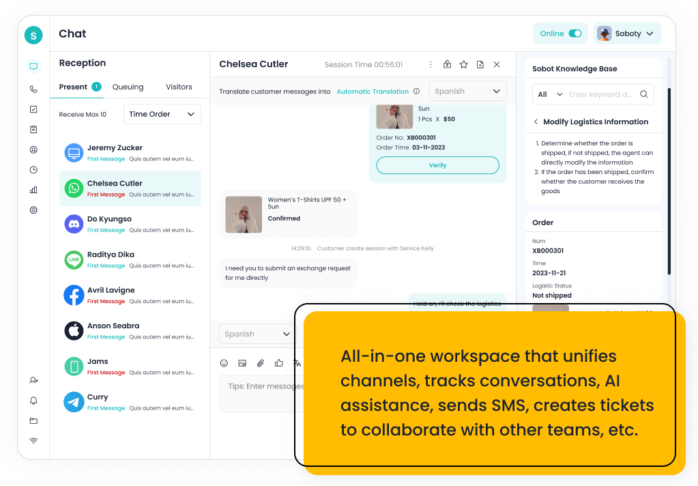
Best for: Growing and mid-market teams that want omnichannel messaging, voice, ticketing, and AI agents on a single platform — without Zendesk’s add-on structure.
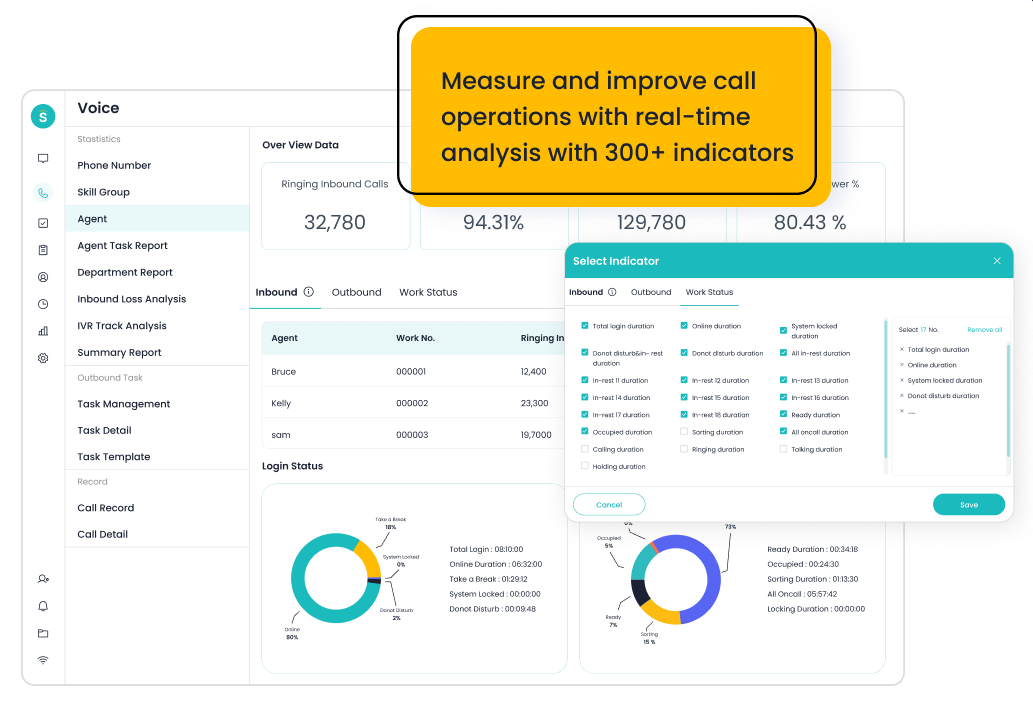
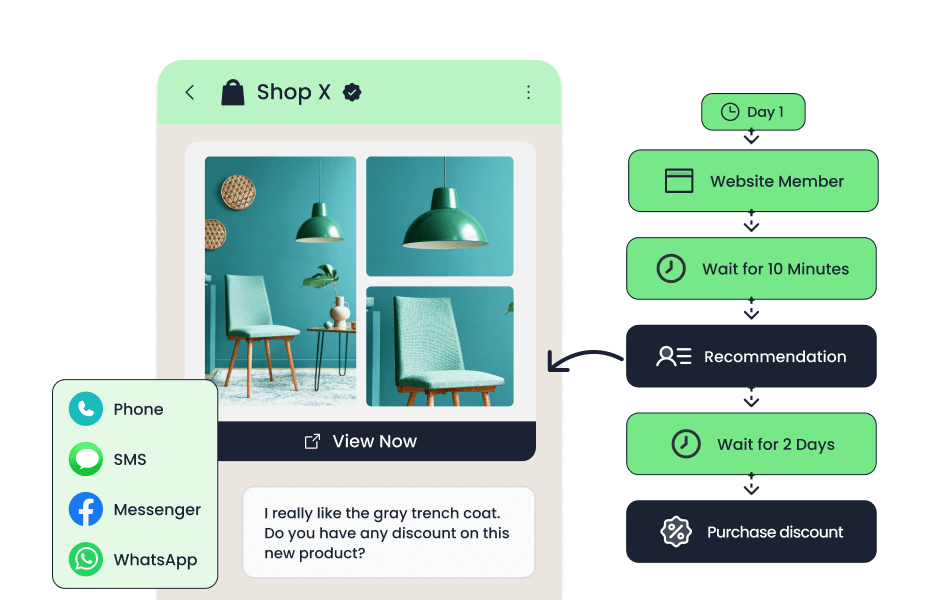
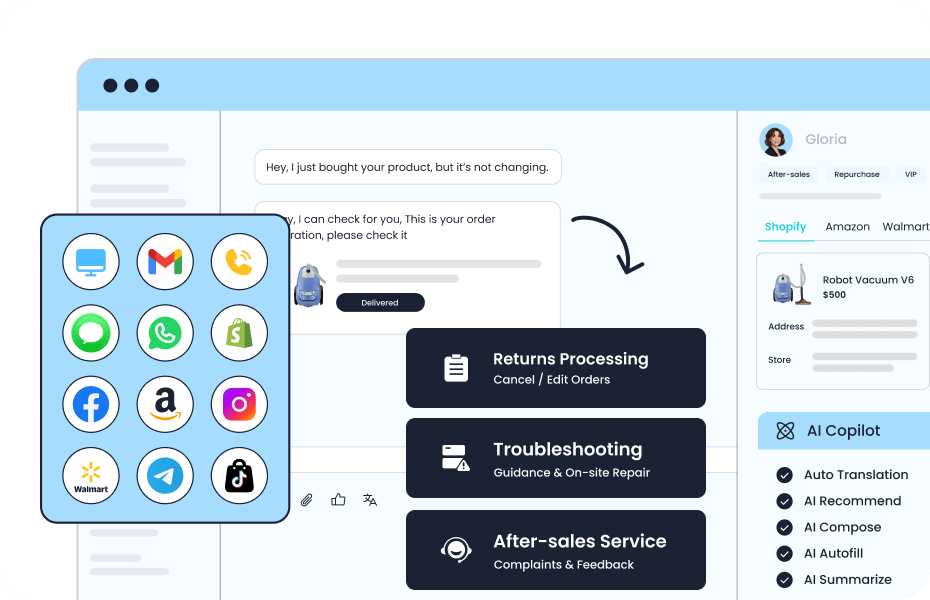
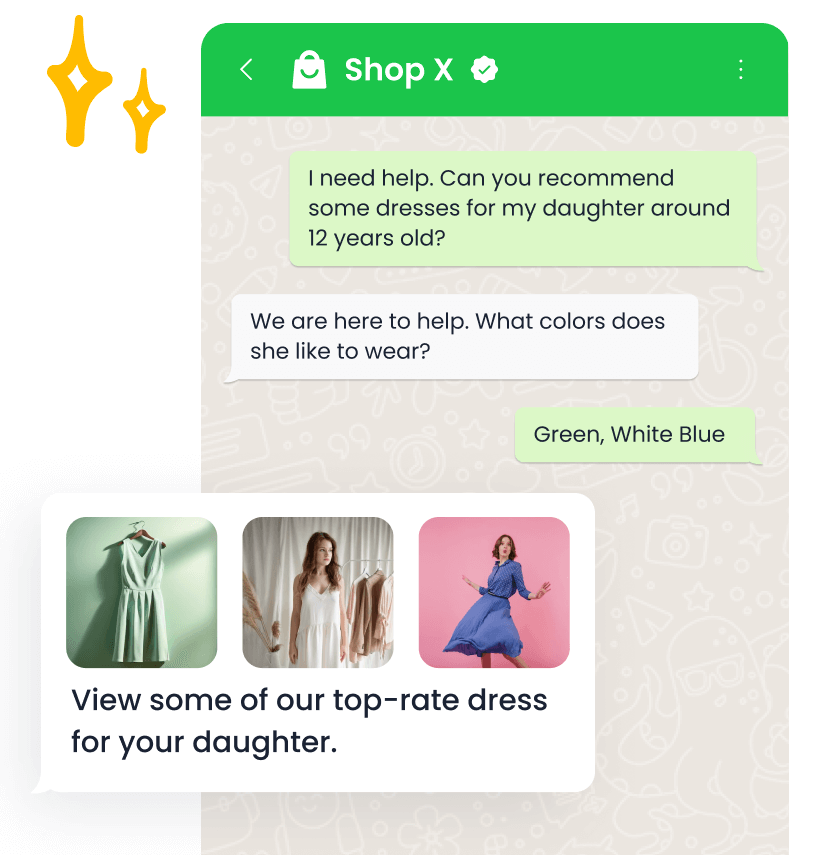
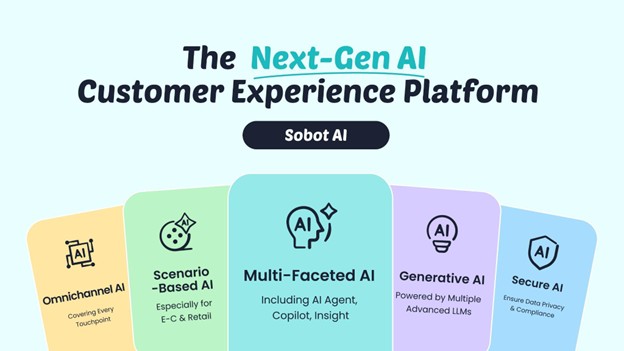
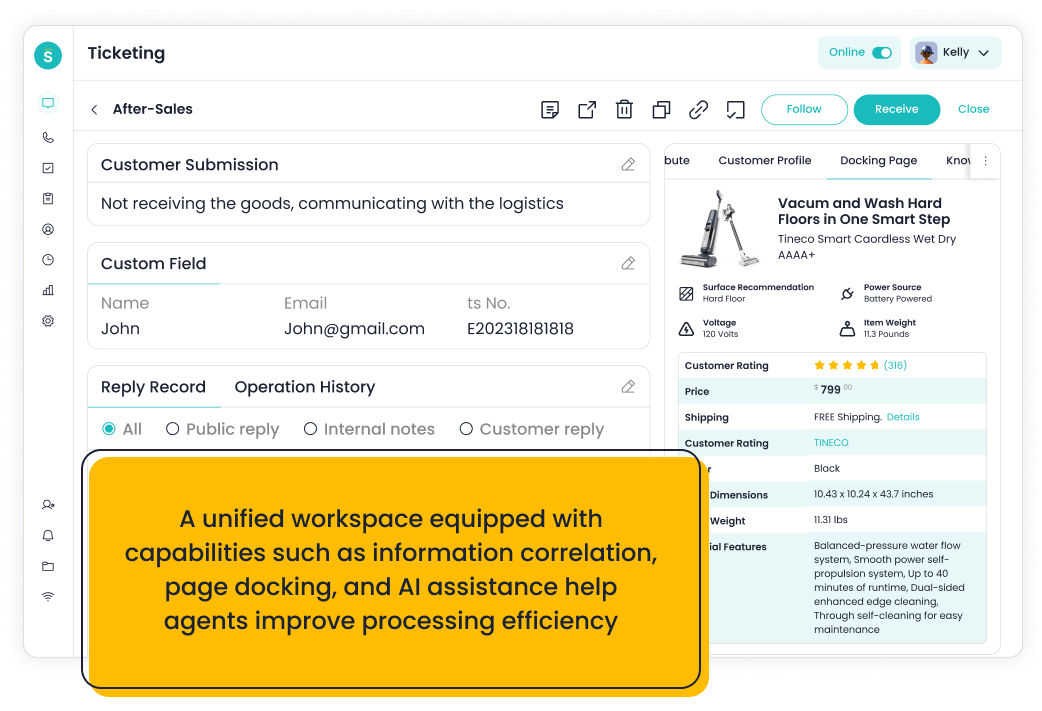
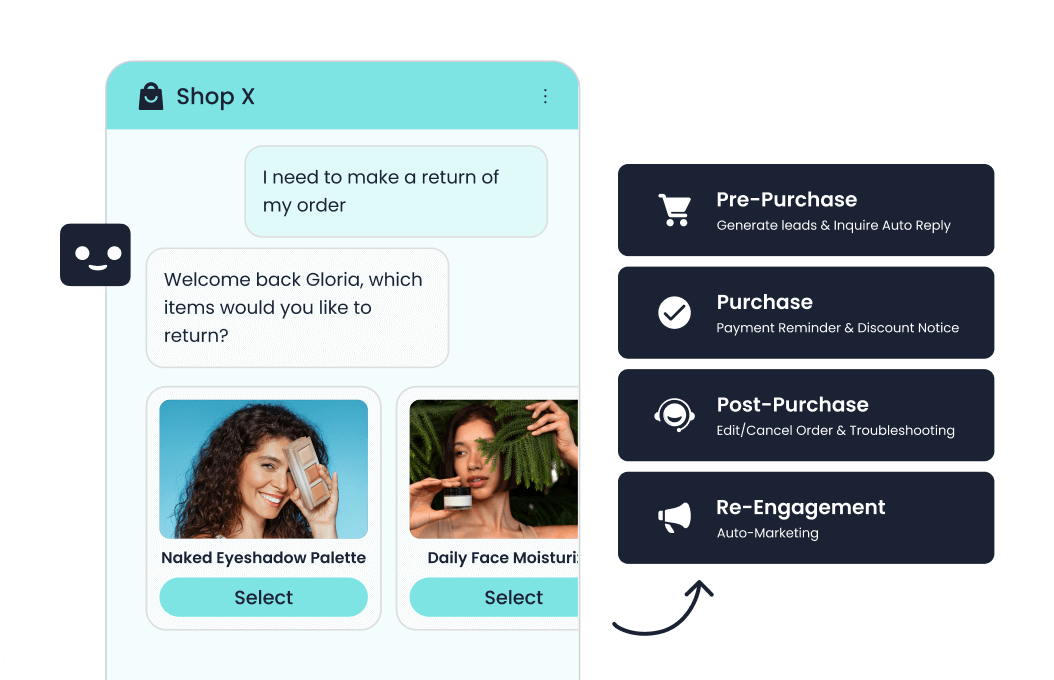
Sobot combines AI-powered chatbots, voice AI, live chat, ticketing, and a unified agent workspace into one contact center platform. Unlike Zendesk’s tiered approach where voice and AI come as separate purchases, Sobot’s core product includes AI deflection, omnichannel routing, and a shared workspace out of the box. The platform supports native integration across WhatsApp, live chat, email, voice, and social channels, which is particularly valuable for brands serving international customers.

Sobot all-in-one Agent Workspace — a mature but increasingly pricey platform.
Strengths: AI agents included in core plans, 70%+ inquiry resolution rates, global voice coverage, transparent pricing, and strong multilingual support for cross-border teams. If you want to understand how Sobot’s AI solution fits into a customer service workflow, the documentation walks through specific deployment scenarios.
Weaknesses: Younger brand outside Asia-Pacific means less name recognition than Zendesk in North American enterprise RFPs.
2. Freshdesk — Best Zendesk Alternative for Simple, Affordable Omnichannel

Best for: Growing teams that want a clean interface, fast setup, and omnichannel support without a steep learning curve.
Freshdesk delivers robust multichannel ticketing, Freddy AI automation, and an intuitive interface at a noticeably lower price point than Zendesk. Its generous free tier and straightforward upgrade path make it a common first stop for teams leaving Zendesk’s Suite Team plan. The unified inbox pulls email, chat, social, and voice into a single view, and Freddy AI handles intelligent routing without the add-on fees that define Zendesk’s pricing.
Strengths: Generous free tier, quick setup, strong automation on mid-tier plans, intuitive interface.
Weaknesses: Advanced reporting and some AI features require higher tiers, and custom workflow depth lags behind Zendesk’s enterprise offering.
3. Intercom — Best for AI-Native Support Automation

Best for: SaaS and digital-first companies that want conversational AI as the centerpiece of their support operation.
Intercom pivoted its entire product strategy around Fin, its AI agent that resolves tickets end-to-end. Fin is available across Intercom plans and integrates with existing support platforms on a per-resolution pricing model. For companies whose primary channel is in-app chat or website messaging, Intercom’s combination of proactive messaging, custom bots, and Fin AI offers a more modern alternative to Zendesk’s ticket-centric foundation.
Strengths: Industry-leading AI agent resolution, modern messenger, strong proactive messaging, tight CRM-style customer data model.
Weaknesses: Per-resolution fees can add up at scale, less suited for phone-heavy support, and enterprise ticketing workflows remain less mature than Zendesk’s.
4. HubSpot Service Hub — Best for Teams Already on HubSpot CRM

Best for: Companies already invested in the HubSpot ecosystem who want service, sales, and marketing on one platform.
HubSpot Service Hub turns customer support into an extension of your CRM. Every ticket is tied to a full contact record that includes marketing engagement, sales history, and product usage. That single customer view makes context-switching between teams far smoother than Zendesk’s integration-heavy approach. HubSpot also includes sentiment analysis, predictive routing, and a help desk workspace designed for cross-functional visibility.
Strengths: Deep CRM integration, unified contact history across functions, strong knowledge base and customer portal, generous free tier for small teams.
Weaknesses: Real value comes from the wider HubSpot ecosystem — teams not already using HubSpot may find the platform overbuilt for support alone.
5. Help Scout — Best for Small Teams Who Want Email-First Simplicity
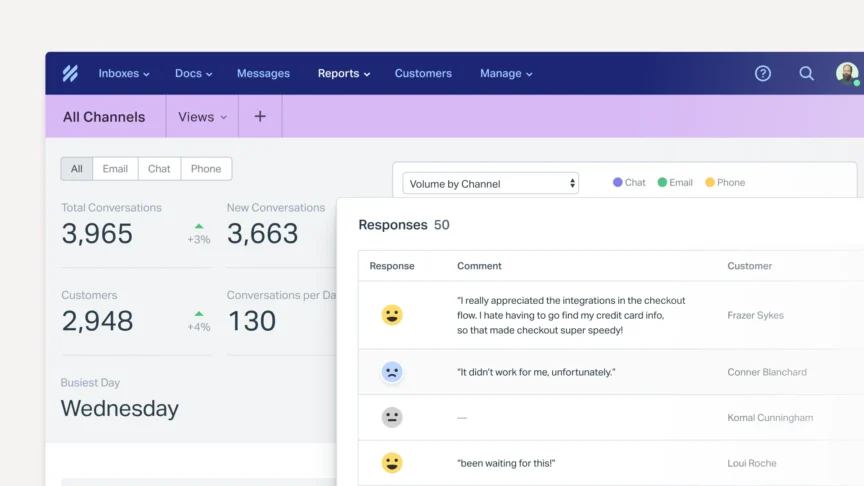
Best for: Teams of 5–30 agents who prefer an inbox-style interface and human communication style over complex ticketing.
Help Scout feels more like a shared email inbox than a traditional help desk. That’s by design — teams that want a personal communication style and minimal learning curve often find Zendesk’s ticket-first paradigm heavy-handed. Help Scout includes AI features like response rewriting and conversation summarization, a built-in knowledge base called Docs, and strong analytics without requiring upgrades to the top tier.
Strengths: Fastest onboarding in this comparison, HIPAA compliance option, clean reporting, transparent per-user pricing.
Weaknesses: Limited voice capabilities, less suitable for large teams handling high-volume phone support.
6. Gorgias — Best Zendesk Alternative for Shopify and E-commerce

Best for: E-commerce brands on Shopify, BigCommerce, or Magento that need deep order-level context in every ticket.
Gorgias is built for online retail. Its Shopify integration surfaces order history, shipping status, and customer lifetime value inside every conversation, and its AI Agent is trained on e-commerce-specific workflows like refunds, exchanges, and order tracking. For merchants leaving Zendesk because the platform doesn’t understand their commerce stack, Gorgias typically delivers faster time-to-value with pricing that starts lower than Zendesk’s Suite Team tier.
Strengths: Purpose-built e-commerce integrations, AI Agent with retail-specific training, strong macro and automation library, Shopify App Store presence.
Weaknesses: Limited fit outside e-commerce, ticket-based pricing can become unpredictable at high volumes.
7. Kustomer — Best for AI-Powered Omnichannel at Scale
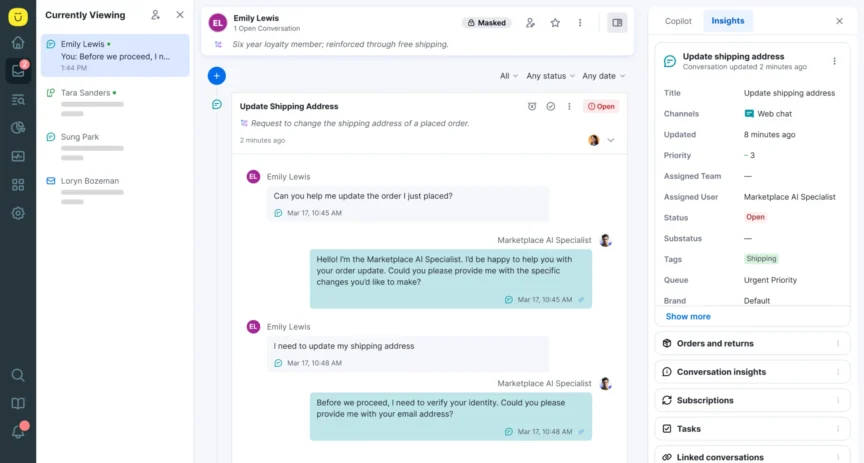
Best for: Brands that need a unified customer timeline and AI automation across every channel, not just chat or email.
Kustomer was acquired by Meta in 2022 and operates as an omnichannel engagement platform with AI at the center. Instead of organizing work around tickets, Kustomer organizes it around the customer — every interaction across voice, chat, email, SMS, and social lives in one continuous timeline. Its AI Agents automate across channels with what the company describes as precise, AI-powered conversations, which reduces the handoff friction common in Zendesk deployments.
Strengths: 360-degree customer timeline, strong voice and SMS support, all-inclusive base plans with fewer hidden add-ons than Zendesk.
Weaknesses: Enterprise positioning means pricing is less accessible for small teams, and the data model requires more setup investment.
8. Zoho Desk — Best Budget Zendesk Alternative with Zia AI
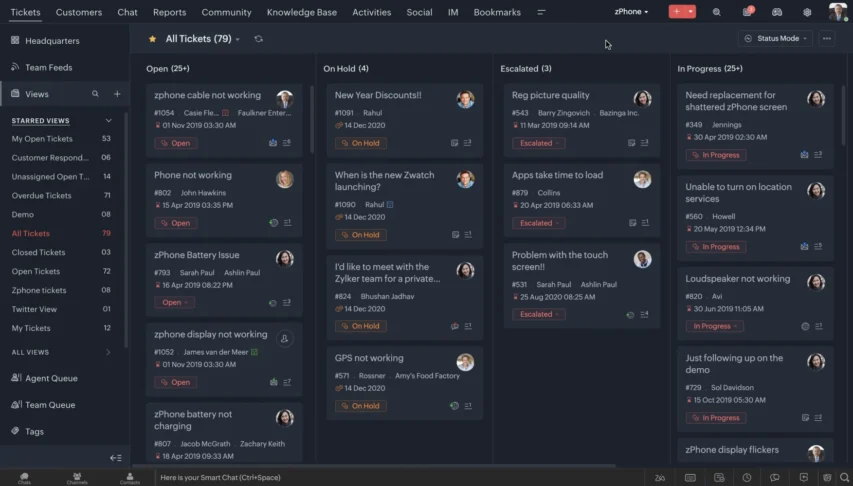
Best for: Small and mid-market teams already using Zoho CRM or looking for the lowest-cost feature-rich alternative.
Zoho Desk delivers a full help desk experience — multichannel ticketing, automation, knowledge base, and Zia AI assistant — at a price point that significantly undercuts Zendesk. The platform integrates natively with Zoho CRM and the wider Zoho One suite, which can consolidate multiple subscriptions for teams already in that ecosystem. Zia offers sentiment analysis, reply suggestions, and anomaly detection on higher tiers.
Strengths: Free tier for up to 3 agents, transparent pricing, strong value when combined with Zoho CRM, improving AI capabilities.
Weaknesses: Interface feels denser than Zendesk’s modern design, and integration outside the Zoho ecosystem can require more configuration work.
9. Gladly — Best for Voice-First, Relationship-Centric Support
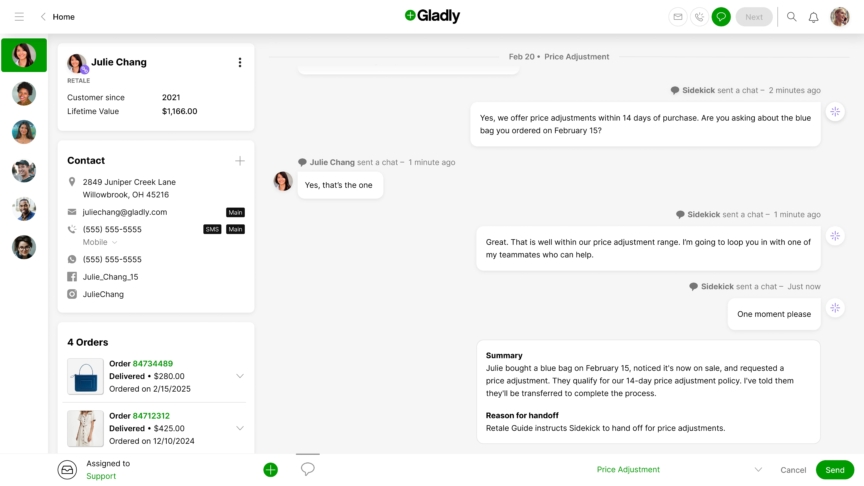
Best for: Premium consumer brands and hospitality teams that want a single lifelong customer conversation, not a series of disconnected tickets.
Gladly replaces the ticket with the customer. Every interaction — phone, SMS, chat, email — threads into one lifetime conversation, giving agents full context before they respond. That model suits brands where relationships and repeat purchases matter most. Gladly’s Sidekick AI agent handles routine requests while preserving the conversational thread for human escalation.
Strengths: People-first data model, strong voice integration, premium consumer brand fit, Sidekick AI for guided deflection.
Weaknesses: Premium pricing aimed at mid-market and above, less flexible for teams that prefer traditional ticket workflows.
10. Front — Best for Collaborative Inbox-Style Support

Best for: Operations-heavy teams that handle shared inboxes across support, sales, and logistics.
Front turns shared email into a collaborative workspace. Teammates can comment internally on conversations, assign owners, and loop in experts from outside the support team — all without forwarding or CC’ing. Front’s AI features cover reply drafting and intent detection, and its integrations span CRM, e-commerce, and project management tools. Teams that find Zendesk’s ticket format too rigid often prefer Front’s email-native design.
Strengths: True shared inbox with collaboration, 80+ integrations, modern interface, strong fit for hybrid sales-and-support teams.
Weaknesses: Less robust at high ticket volumes than Zendesk, limited voice and self-service functionality compared with contact-center-focused alternatives.
How to Choose the Right Zendesk Alternative
The best Zendesk alternative depends on the problem you’re actually solving for. A few decision heuristics:
- If your core issue is cost and add-on creep — look at Freshdesk, Zoho Desk, and Sobot.
- If you need AI agents as a core feature — consider Intercom, Kustomer, or Sobot.
- If you run e-commerce — Gorgias is purpose-built, with Sobot as a strong omnichannel alternative.
- If you want an all-in-one contact center with voice, chat, and ticketing unified — Sobot’s all-in-one platform covers the full stack without requiring bolt-on purchases.
- If you’re a small team that wants simplicity — Help Scout and Front excel at email-first collaboration.
Most teams evaluating Zendesk alternatives find it useful to pilot two or three options in parallel for 30 days, with real tickets and real agents. Book a Sobot demo if you want to see a working AI contact center before committing.
Frequently Asked Questions
What is the cheapest Zendesk alternative in 2026?
Zoho Desk offers the lowest entry point with a free plan for up to three agents and paid plans starting around $7 per agent per month. Freshdesk also offers a strong free tier. For teams that need omnichannel and AI capabilities in the base package, Sobot typically delivers better value than Zendesk’s Suite Team tier once AI and voice add-ons are factored in.
Which Zendesk alternative has the best AI agent?
Intercom’s Fin and Kustomer’s AI Agents lead on autonomous resolution benchmarks for SaaS and omnichannel use cases. Sobot and Gorgias AI Agent perform particularly well in e-commerce and cross-border contact center scenarios. According to industry reports compiled by CX Today, autonomous AI resolution rates on well-implemented platforms now reach 70–90% for tier-1 issues.
How long does it take to migrate from Zendesk?
Most Zendesk migrations take 2–4 weeks for mid-sized teams. The timeline depends on the volume of tickets, macros, and automations being moved. Platforms like Freshdesk, Sobot, and HubSpot offer migration assistance and native importers that can shorten that window.
Is Zendesk still the best choice for any team?
Yes — Zendesk remains a solid fit for large enterprises with complex IT service management needs, sandbox requirements, or standardized multi-brand support operations. For teams below 100 agents or those prioritizing AI-first support, the alternatives in this guide often deliver better value. For a broader perspective on how service teams are evolving, Salesforce’s State of Service report provides useful benchmarks on AI adoption, agent productivity, and customer expectations.
Can I use multiple help desk platforms together?
Technically yes, but most teams consolidate to one platform after an initial evaluation phase. Splitting tickets across tools creates data fragmentation that defeats the purpose of switching. If you need specialized capabilities (e.g., e-commerce ticketing plus voice AI), look for an all-in-one alternative rather than stitching together multiple Zendesk replacements.
Ready to evaluate a Zendesk alternative? Start a 15-day free trial of Sobot to see an all-in-one AI contact center in action — including AI agents, voice, live chat, and ticketing in a single workspace.