Cross-border ecommerce has become a core growth driver for global brands. As international expansion accelerates, businesses must manage increasingly complex customer expectations across languages, time zones, and platforms.
According to Shopify, cross-border ecommerce is a key driver of global retail growth as international buyers increasingly shop across regions and platforms rather than within domestic markets.
This is where cross border ecommerce customer service becomes a critical competitive advantage. Brands that can deliver seamless, localized, and always-on support outperform competitors in retention, trust, and lifetime value. Platforms like Sobot provide the technological foundation needed to unify global support operations through AI chatbot, live chat, call center, voicebot, ticketing system, and omnichannel customer contact center capabilities.
Challenges in Cross Border Ecommerce Customer Service
Language and cultural barriers in global support
One of the biggest challenges in cross border ecommerce customer service is communication. Customers expect support in their native language, but many brands struggle to scale multilingual teams. Miscommunication can directly impact trust and conversion rates.
Time zone differences and 24/7 expectations
Global shoppers expect instant responses regardless of geography. A delay of even a few hours can lead to cart abandonment or negative reviews. Studies show that 53% of customers expect responses within an hour on digital channels.
Cross-border logistics and order visibility issues
International shipping introduces uncertainty—delays, customs clearance, and tracking issues often generate support tickets. Without real-time visibility, customer frustration increases significantly.
Payment disputes and compliance complexities

Different regions mean different currencies, tax regulations, and fraud risks. Customer service teams must handle disputes efficiently while complying with regional laws.
Cross Border Ecommerce Customer Service Communication Channels Powered by Sobot
Modern cross border ecommerce customer service requires a unified communication strategy that brings all channels into one system.
AI chatbot for multilingual instant responses
AI chatbot solutions allow businesses to provide instant answers to FAQs such as shipping times, return policies, and order tracking. Sobot’s AI chatbot supports multilingual interactions, helping brands scale without increasing headcount.
Live chat for real-time global engagement
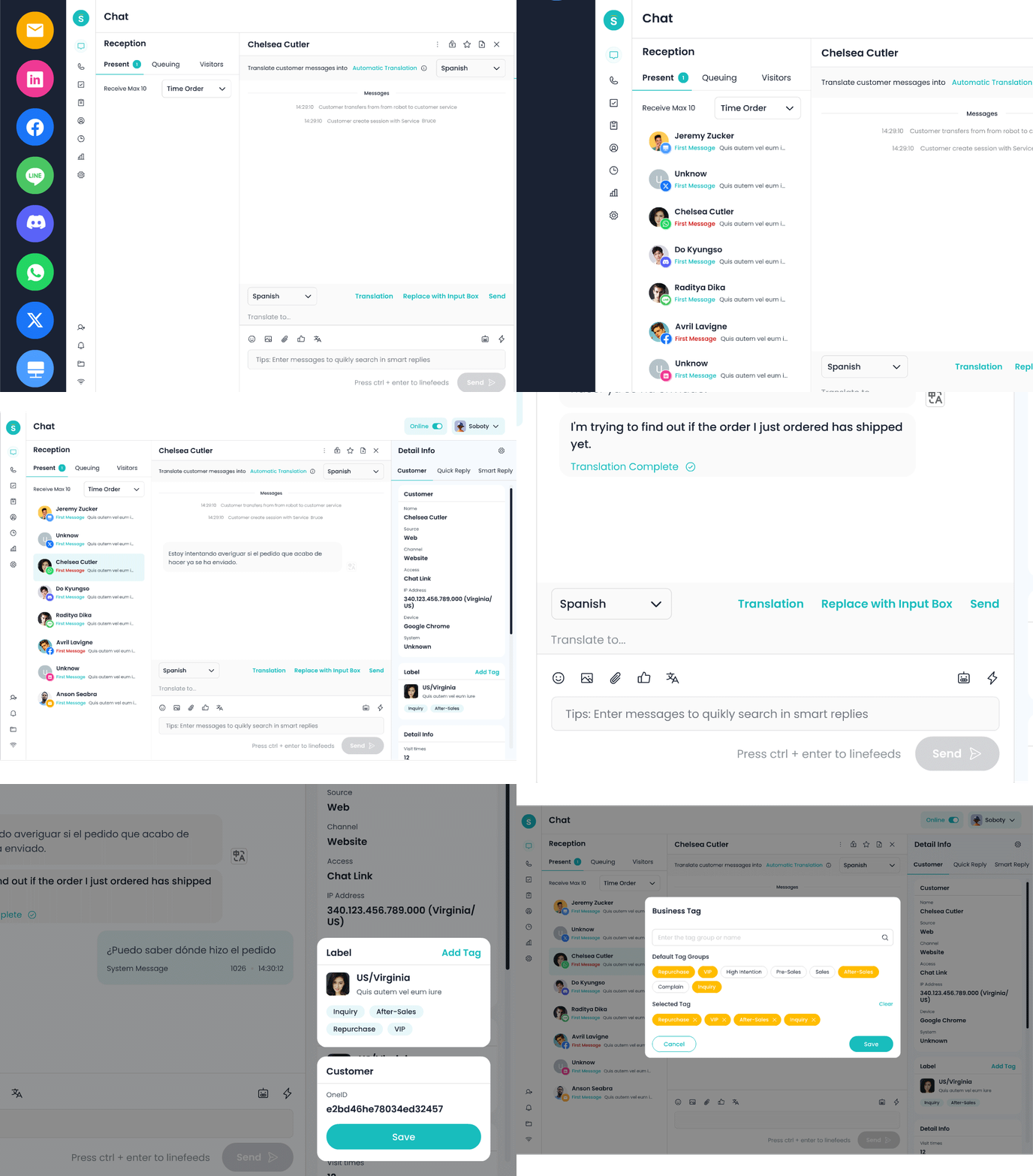
Sobot Live Chat enables real-time communication during critical purchase moments. Key capabilities include:
- Website visitor engagement triggers
- Real-time agent routing based on workload or language
- Pre-chat forms for faster issue classification
- Conversation history linked to customer profiles
Unlike standalone chat tools, Sobot Live Chat is integrated into a broader omnichannel system, ensuring continuity across channels.
Call center/voice support for high-value customer issues
Voice support is essential for resolving complex issues like refunds, fraud verification, and logistics escalation. Sobot’s call center/voice solution ensures seamless routing and global accessibility.
Omnichannel messaging unification across platforms
Sobot unifies WhatsApp, Facebook Messenger, Instagram, email, and web chat into a single interface, ensuring consistent conversation history across channels.

Building a Unified Omnichannel System for Cross Border Ecommerce Customer Service
As cross-border e-commerce continues to expand globally, brands are now serving customers scattered across diverse regions, time zones and online platforms. Fragmented customer messages scattered in emails, social media and various marketplaces often lead to delayed replies, inconsistent service experiences and missed user demands, which greatly hinders brand reputation and customer retention. To break through these service pain points and deliver standardized, efficient support to global consumers, building an integrated omnichannel customer service system has become an inevitable choice for cross-border enterprises. The following elaborates on the core functional modules and value advantages of this unified system powered by Sobot.
Integrating email, social media, and marketplace channels
Successful cross border ecommerce customer service depends on centralizing all communication channels. Sobot enables integration with major platforms, reducing fragmented communication.
Ticketing system for structured cross-border issue tracking
A ticketing system ensures that every customer issue is tracked, assigned, and resolved efficiently. It helps global teams maintain accountability and SLA compliance.
Data synchronization across regions and departments
Without synchronized data, teams operate in silos. Sobot’s system ensures real-time updates across departments, improving collaboration and reducing duplication.
KPI tracking for global service performance optimization
Metrics such as first response time, resolution rate, and CSAT are essential for improving cross border ecommerce customer service performance.
AI Automation in Cross Border Ecommerce Customer Service with Sobot
AI Agent
Sobot’s AI Agent is not simply a ticket automation tool or chatbot replacement.
Instead, it functions as an intelligent orchestration layer that assists service teams by:
- Assisting with intent recognition and classification
- Recommending responses and resolution paths
- Supporting workflow automation across systems
- Enhancing human-agent decision-making rather than replacing it
This distinguishes it from traditional chatbots, which primarily handle predefined Q&A flows.
Voicebot for automated call handling in multiple languages
Voicebots can handle repetitive inquiries like order tracking or return policies, freeing human agents for complex issues.
Smart routing and intent detection for faster resolution
AI-powered routing ensures customers are directed to the right department immediately, reducing resolution time.
Reducing operational costs through automation
Automation in cross-border ecommerce customer service reduces operational costs not only by replacing manual effort, but by restructuring how service workloads are distributed across AI and human agents.
With Sobot, cost reduction is achieved through three concrete implementation mechanisms:
- AI-driven ticket deflection and auto-resolution
- Intelligent routing to eliminate inefficient labor allocation
- Reduction of peak-period staffing pressure
Real-world scenario: scaling support during peak global sales events
During peak global sales events such as Black Friday, Cyber Monday, and Singles’ Day, cross-border ecommerce platforms often experience a 300-500% surge in customer inquiries across chat, email, and social channels.
Sobot addresses this surge through a combination of AI automation, intelligent routing, and omnichannel workload balancing, enabling enterprises to maintain stable service quality without proportional headcount expansion.
Best Practices to Optimize Cross Border Ecommerce Customer Service Operations

Building 24/7 support coverage strategies
Global customers expect always-on support. Combining AI chatbot and human agents ensures uninterrupted service coverage.
Enhancing localization and personalization at scale
Localization goes beyond translation—it includes cultural tone, currency, and region-specific policies.
Leveraging analytics for customer satisfaction improvement
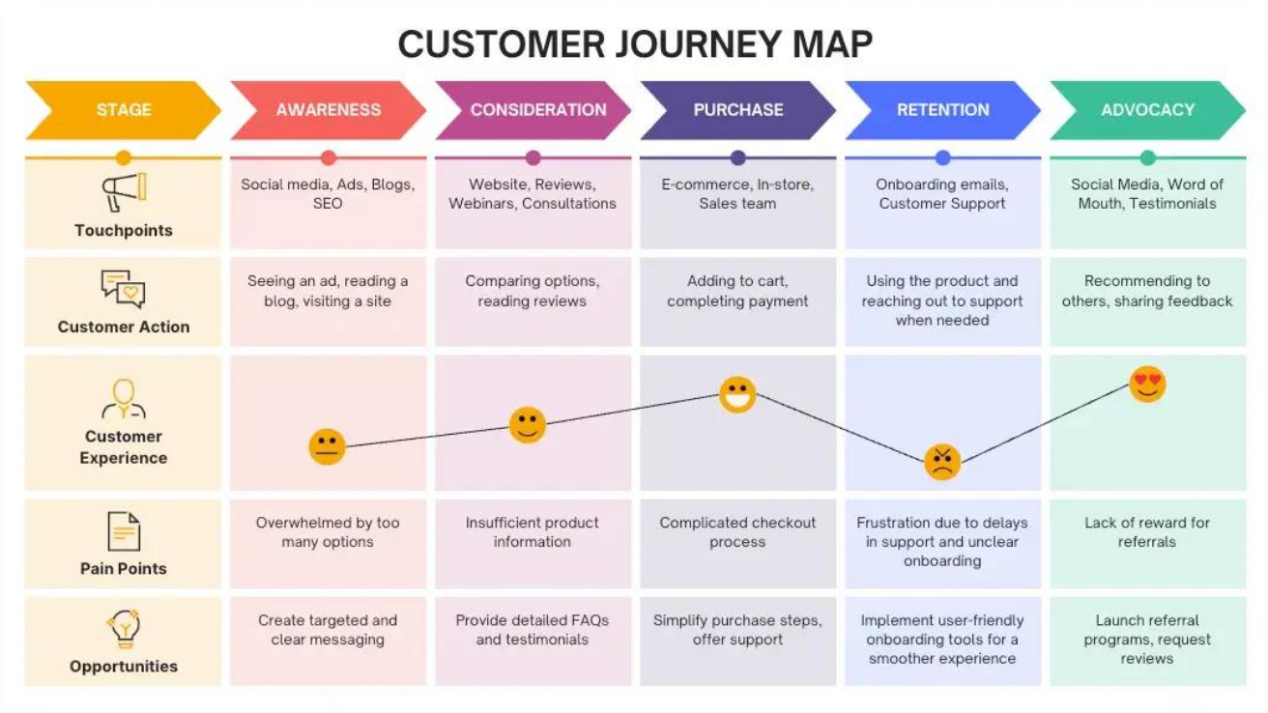
Data-driven insights help identify friction points in the customer journey and improve service quality continuously.
Reducing response time with automation-first workflows
Automation reduces repetitive tasks, allowing agents to focus on high-value interactions.
Continuous improvement through feedback loops
Customer feedback should be systematically collected and analyzed to refine service processes.

According to McKinsey, companies that prioritize customer experience achieve up to 2x higher revenue growth source.
Conclusion
In today’s global digital economy, cross border ecommerce customer service is a defining factor in brand success. Businesses that fail to localize, automate, and unify their support systems risk losing customers to competitors that offer faster and more seamless experiences.
By leveraging Sobot, enterprises can build a scalable, intelligent, and omnichannel support ecosystem that integrates AI chatbot, live chat, voicebot, call center, and ticketing systems into one platform.
As ecommerce continues to expand globally, investing in advanced customer service infrastructure is no longer optional—it is essential for sustainable growth.
FAQs
How fast should cross border ecommerce support respond to customers?
For cross border ecommerce customer service, speed matters because customers may already feel uncertain about international shipping, customs, returns, and payment security. A practical benchmark is to provide instant automated answers for common questions through an AI chatbot, respond to live chat inquiries within minutes, and resolve more complex tickets within clearly defined SLA windows. Sobot can help ecommerce teams combine AI chatbot, live chat, and ticketing workflows so urgent issues are identified quickly and routed to the right team.
What customer service issues are most common in cross border ecommerce?
The most common issues include order tracking, customs delays, shipping fees, damaged packages, return eligibility, refund timelines, payment verification, and product-size or compatibility questions. These issues often require coordination between customer service, logistics, finance, and warehouse teams. A unified platform like Sobot’s customer contact center helps agents view conversation history and manage follow-ups instead of switching between disconnected tools.
When should a cross border ecommerce business move from basic support tools to an omnichannel contact center?
A business should consider an omnichannel contact center when customer conversations are spread across email, live chat, social media, phone calls, and marketplace messages. Warning signs include repeated customer questions, missed messages, inconsistent replies, slow escalations, and poor visibility into agent performance. Sobot’s omnichannel customer contact center helps unify these channels so service teams can manage global conversations from one workspace.
How does better cross border ecommerce customer service affect customer retention?
International customers often face more uncertainty than domestic buyers. They may worry about delivery delays, customs fees, returns, or whether the brand is trustworthy. Fast, transparent, and localized service reduces that uncertainty. When customers receive reliable support before and after purchase, they are more likely to buy again, leave positive reviews, and recommend the brand in their local market.