Imagine this: a customer spends 20 minutes explaining their order issue to a support agent, only to log in later through a different channel and be asked, “Can you tell me what happened?” They repeat the same story, yet again. This isn’t an isolated incident.
56% of customers report having to repeat information across disconnected support channels, which erodes trust, slows resolution, and pushes shoppers to competing brands. Source. E‑commerce has fundamentally changed how people shop, but it has also reshaped how they expect to be supported.
In this article, we explore how e-commerce businesses can manage customer support across these platforms through an omnichannel approach, the key challenges involved, and how platforms like Sobot help unify conversations, improve response efficiency, and deliver seamless customer experiences at scale.
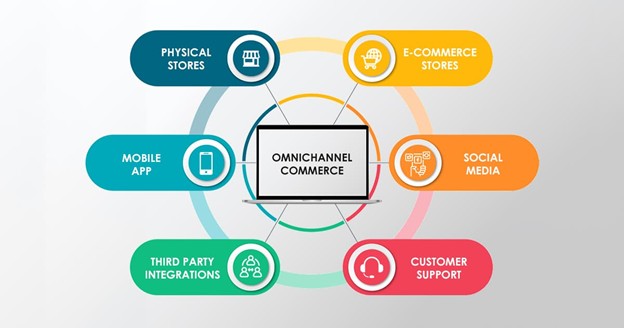
Why Omnichannel Matters for E-commerce
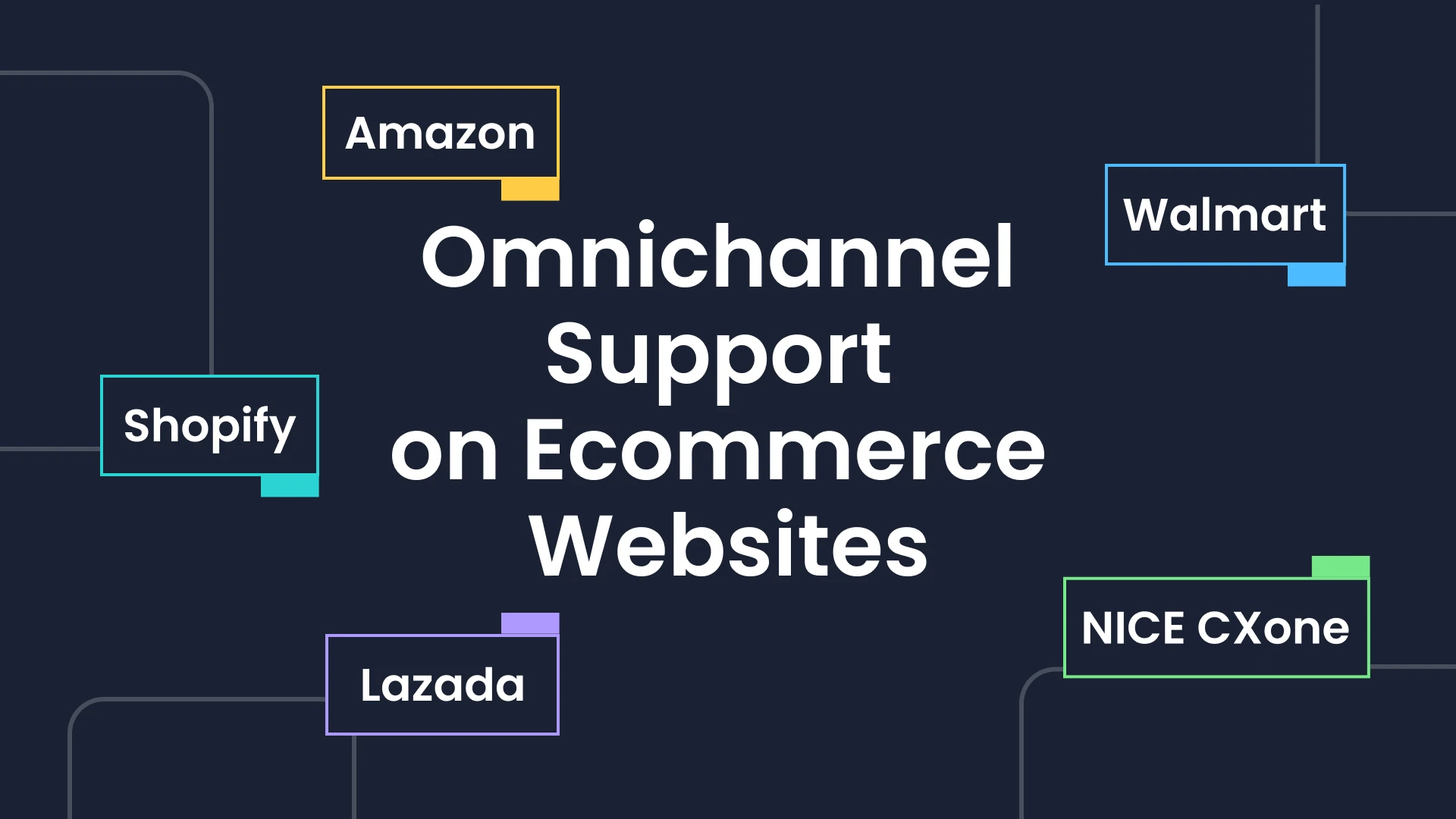
Today’s online shoppers rarely stick to a single platform. They might discover a product on Amazon, compare prices on Walmart, then purchase directly from a Shopify‑powered brand store, and later reach out for help via messaging apps, social media, or live chat. This cross‑platform behavior is no longer an exception; it is the norm. 73% of customers expect companies to understand their needs across all channels, meaning they assume your brand “knows” their history, preferences, and context wherever they show up. Source.
Delivering consistent support across these touchpoints plays a critical role in customer retention. When businesses can manage inquiries related to orders and post-purchase issues seamlessly, they build trust and encourage repeat purchases. Companies with strong omnichannel strategies retain 89% of their customers, compared to 33% for those with weaker engagement approaches, highlighting the importance of connected support experiences. Source.
Omnichannel support also directly impacts revenue. Customers who receive better service experiences can spend up to 140% more than those with poor experiences, making omnichannel support a key driver of e-commerce growth. Source.
Why E-commerce Platforms Require Integrated Customer Support
Amazon: Managing High-Volume Marketplace Customer Support
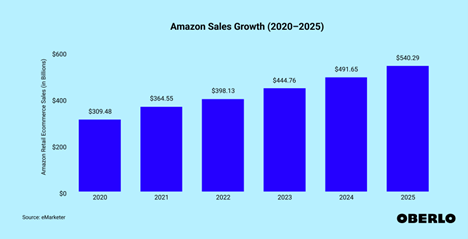
- Amazon dominates U.S. e‑commerce: Amazon accounts for 37.6% of U.S. e‑commerce sales, making it by far the largest online marketplace and a primary sales channel for many brands.
- Scale brings pressure, not just opportunity: While the volume of orders creates revenue potential, it also means sellers must handle a constant stream of customer inquiries without letting response quality slip.
- High Expectations for Fast and Immediate Support: Amazon’s reputation for fast delivery, easy returns, and a “customer‑first” promise has trained shoppers to expect quick resolutions from every seller on the platform. Customer expectations continue to increase, with 90% of customers rating an immediate response as important when contacting customer service, making fast and unified support essential.
- Common support issues on Amazon: Common support issues on Amazon include order status inquiries, refund and return requests, product questions (specs, compatibility, usage), delivery issues such as late shipments or lost packages, and warranty or post‑purchase service claims
- Need for Integrated Omnichannel Support Systems: Without centralized tools, managing high volumes of inquiries across platforms becomes inefficient, highlighting the importance of omnichannel solutions to streamline operations and improve response efficiency.
- Operational Complexity for Multi-Channel Sellers: Businesses selling on Amazon alongside Shopify, Walmart, or their own websites must manage conversations across multiple systems, leading to fragmented workflows.
Shopify: Direct-to-Consumer Customer Support Management
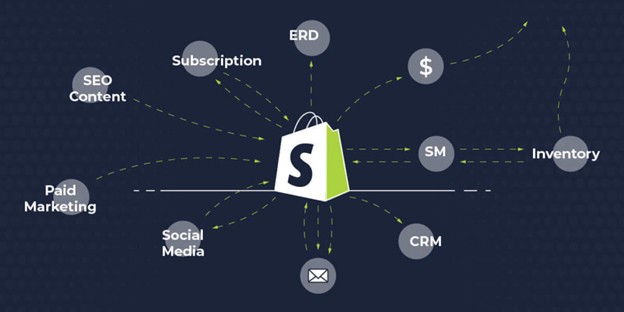
Shopify powers over 4.8 – 6.9 million live websites globally, making it one of the largest e‑commerce platforms and a core channel for direct‑to‑consumer (DTC) brands. Source.
- End-to-End Ownership of Customer Experience: Shopify merchants handle all interactions, including pre-purchase inquiries, checkout issues, and post-purchase support, increasing the importance of efficient support systems.
- High Volume of Pre- and Post-Purchase Inquiries: Customers frequently reach out before buying and continue after purchase, making support a continuous process rather than a one-time interaction.
- Wide Range of Customer Support Requests: Common inquiries include product questions (features, sizing, compatibility), shipping and delivery details, payment and checkout issues, and returns or exchange requests.
- Relationship-Driven Customer Interactions: As brand-owned stores, Shopify businesses are expected to provide personalized responses, clear policies, and consistent communication across interactions.
- Multi-Channel Communication Increases Complexity: Customers contact Shopify stores through email, live chat, social media, and messaging apps, creating fragmented conversations without centralized tools.
- Operational Challenges Without Integration: Managing support across multiple channels can lead to missed or duplicated responses, inconsistent answers, and repeated customer inquiries due to lack of conversation continuity.
Walmart Marketplace: Rapidly Expanding E-commerce Ecosystem
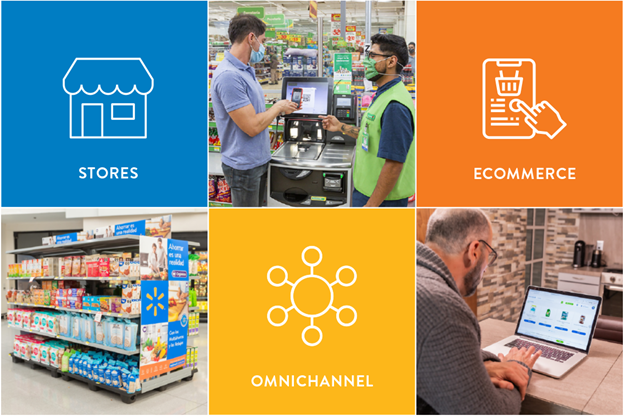
Walmart’s e-commerce business is growing rapidly, with global online sales expected to reach $122.6 billion, accounting for around 18% of total revenue, highlighting its expanding role as a major online marketplace. Source.
- Rapid Marketplace Growth: As Walmart expands its e-commerce operations, the volume of customer inquiries related to orders, delivery, and products continues to rise.
- Customer Support Impacts Seller Performance: Response speed and issue resolution directly influence seller ratings and visibility on the platform. Delayed or poor support can negatively affect performance and future sales.
- Common Customer Support Requests: Typical inquiries include delivery delays, order tracking, product availability questions, refunds, and return processing.
- Growing Seller Base Increases Interaction Volume
As more businesses join Walmart Marketplace, the number of customer interactions increases. This adds pressure on sellers to manage higher volumes of support requests efficiently. - Need for Omnichannel Support Systems: Centralized support tools help unify customer conversations across platforms. This improves response times, reduces operational complexity, and ensures a consistent customer experience
- Omnichannel Retail Model Increases Support Complexity: Walmart operates both online and offline, meaning customers may interact through stores, websites, or apps. This creates more touchpoints and increases the need for unified customer support.
- Price Sensitivity Drives Higher Customer Expectations: Walmart’s value-focused positioning means customers are highly sensitive to pricing, refunds, and promotions, leading to more frequent inquiries and support requests.
eBay: Long-Established Marketplace With High Customer Interaction

eBay remains one of the most established global marketplaces, with 132 million active buyers worldwide, generating continuous buyer–seller interactions. Source.
- Large Global Marketplace Presence: eBay’s long-standing global reach and diverse seller base create a steady flow of customer inquiries. Buyers frequently interact with sellers before and after purchases, increasing support demand.
- Wide Product Variety Increases Customer Questions: Listings often include auctions, used products, and items from independent sellers. This leads to more detailed product inquiries, negotiations, and clarification requests before purchase.
- Common Customer Support Requests: Typical interactions include questions about product condition, delivery issues, refunds, and dispute resolution. These often require more detailed responses compared to standard retail platforms.
- Seller Ratings and Feedback Impact Sales Performance: Customer reviews and feedback scores are highly visible and directly influence seller credibility, making responsive and effective support critical.
- Unique Product Listings Require Personalized Support: Since many listings are unique or one-of-a-kind, customer support often requires personalized responses rather than standardized answers.
Lazada: Leading E‑commerce Platform in Southeast Asia
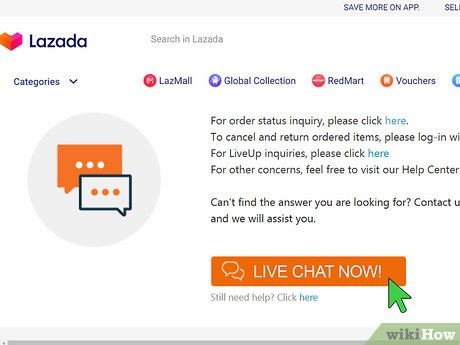
Lazada operates across Indonesia, Malaysia, Thailand, Vietnam, Singapore, and the Philippines, serving over 160 million active users annually, making it a major regional marketplace. Source.
- Strong Presence in Southeast Asian Markets: Lazada’s wide regional coverage makes it a key platform for both local and international sellers, increasing the scale of customer interactions across diverse markets.
- Rapid Growth of Regional E-commerce: Southeast Asia’s digital economy is expanding quickly, leading to a growing volume of online transactions and customer support demands across the platform.
- High Volume of Customer–Seller Interactions: Customers frequently contact sellers regarding order tracking, delivery timelines, refunds, and product availability, requiring timely and accurate responses.
- Mobile-First Shopping Drives Messaging-Based Support: Many users shop through mobile apps, making in-app messaging and real-time communication essential for effective customer support.
- Cross-Border Selling Adds Operational Complexity: Businesses selling on Lazada alongside Amazon, Shopify, or Walmart must manage inquiries across multiple platforms and regions, increasing the need for centralized omnichannel support systems.
- Localized Customer Expectations Across Markets: Operating across multiple Southeast Asian countries means sellers must handle different languages, cultural expectations, and service standards, increasing support complexity.
- Promotions and Campaign Events: Major sales events like 11.11 and 12.12 drive spikes in orders, leading to a surge in customer inquiries related to discounts, orders, and delivery.
Key Challenges in Managing E-commerce Customer Support Without Omnichannel
- Fragmented and Inconsistent Customer Conversations Across Channels: Customers interact with businesses across Amazon, Shopify, Walmart, email, and social media. Without centralized systems, conversations remain disconnected, making it difficult to track context. This leads to repeated queries, inconsistent responses from different agents, and a fragmented customer experience.
- Complexity of Managing Multi-Platform Support Operations: Businesses selling across multiple marketplaces and websites must handle inquiries from each channel separately. This creates operational inefficiencies, increases manual work, and makes it difficult to maintain consistent service quality.
- High Inquiry Volume and Scalability Challenges: E-commerce businesses receive continuous inquiries related to orders, shipping, returns, and product details. During peak periods such as sales events and holidays, this volume increases significantly, making it difficult to maintain response times without automation and centralized workflows.
- Limited Visibility Into Customer and Order Data: Customer interactions and order information are often stored across different systems. Without integration, agents lack a complete view of the customer journey, leading to slower and less accurate issue resolution.
- Duplicate, Missed, and Inefficient Handling of Inquiries: When conversations are spread across multiple platforms, messages may be missed or handled multiple times. This reduces efficiency, increases response delays, and negatively impacts the overall customer experience.
How Platforms Like Sobot Enable Omnichannel E-commerce Support

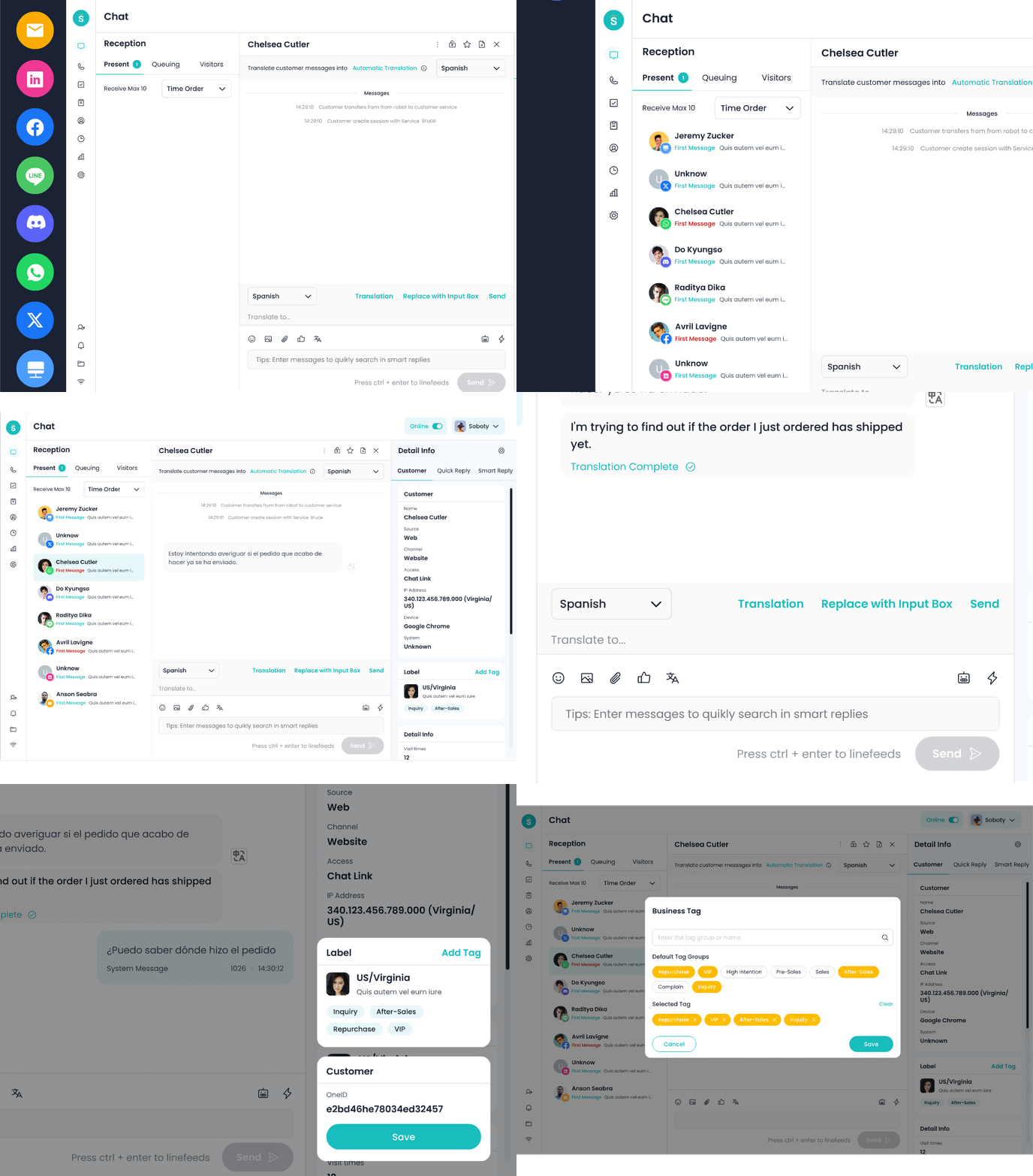
- Centralized Inbox for All Channels: A unified dashboard allows support teams to manage customer inquiries from platforms such as Amazon, Shopify, Walmart, and other sales channels in one place.
- Support Across Multiple Communication Channels: Platforms like Sobot enable businesses to handle customer service through live chat, email, voice, messaging apps, and social media.
- Automatic Message Routing and Organization: Incoming inquiries from different platforms are automatically captured, categorized, and routed to the appropriate team or agent, helping reduce response times and avoid missed messages.
- Unified Customer Profiles and Order Context: Customer interaction history, order details, and previous conversations are combined into a single profile. This enables agents to provide more personalized and context-aware support.
- AI Automation for Routine Inquiries: Chatbots and automation tools handle common queries such as FAQs, order status, and basic support requests, allowing agents to focus on more complex issues.
- Performance Analytics and Reporting: Built-in reporting tools track key metrics such as response times, resolution rates, customer satisfaction, and inquiry volumes, helping businesses optimize their support operations.
Conclusion
E-commerce businesses today operate across multiple platforms such as Amazon, Shopify, Walmart, and regional marketplaces, making customer support increasingly complex. Managing these channels separately often results in fragmented conversations, slower response times, and inconsistent customer experiences.
To meet growing customer expectations, businesses need a more unified approach. Omnichannel support enables companies to connect conversations across platforms, streamline workflows, and maintain context throughout the customer journey.
Platforms like Sobot help centralize customer interactions, automate routine processes, and improve response efficiency. By adopting omnichannel solutions, e-commerce businesses can deliver faster, more consistent support while strengthening customer satisfaction and long-term loyalty.