Your Guide to Ecommerce AI Chatbots

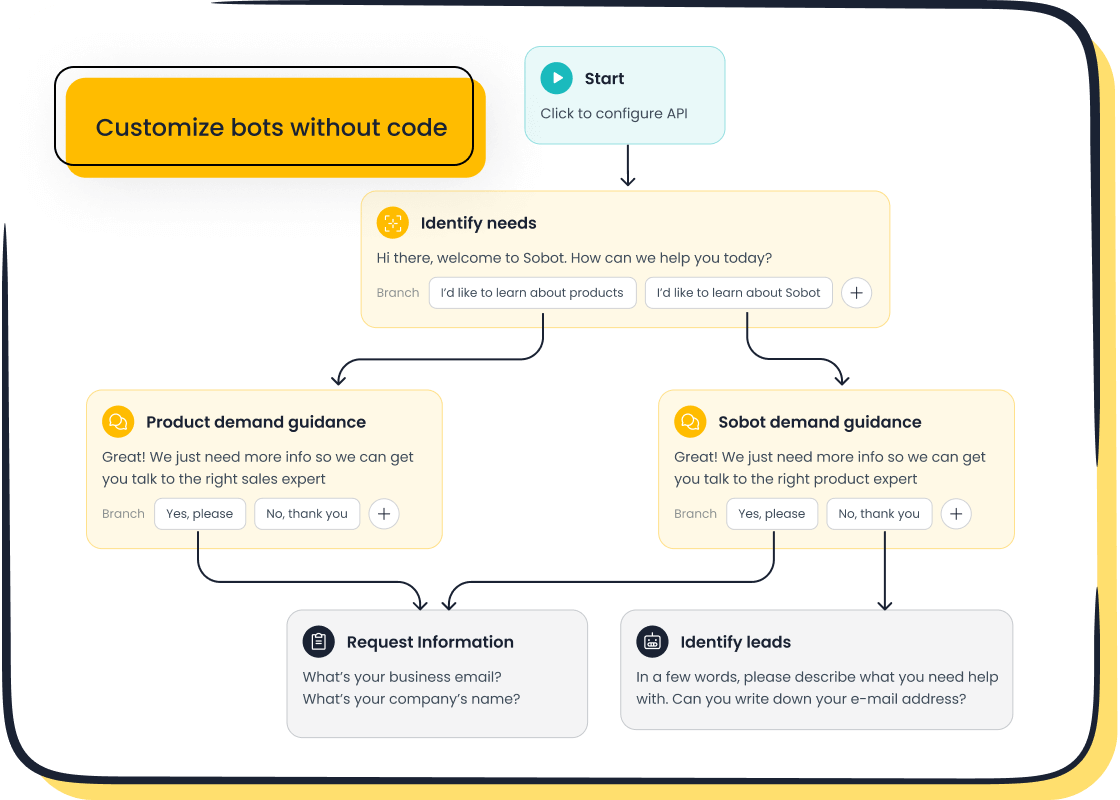
Ecommerce AI chatbots are digital assistants for your ecommerce site. These AI chatbots use AI to talk with each customer, creating a human-like conversation experience. This AI improves the customer experience for every customer.
The primary purpose of ecommerce chatbots? A chatbot provides instant 24/7 customer support. This chatbot guides customers. The chatbot answers any customer question. These ecommerce chatbots help every customer.
The right chatbot solution, such as Sobot's AI chatbot, increases sales and customer satisfaction. Good chatbots are a great tool for any ecommerce business. These chatbots help every customer. AI makes these chatbots smart. The customer is always the focus for this AI.
What Are Ecommerce Chatbots?
Ecommerce chatbots are sophisticated software programs. They simulate human conversation on ecommerce websites. These tools are not simple, rule-based bots. Modern ecommerce AI chatbots are powered by advanced technologies that allow them to understand, learn, and adapt.
The core technologies include:
- Conversational AI: This allows a chatbot to understand context and intent. It helps the chatbot hold a natural, flowing conversation.
- Natural Language Processing (NLP): This technology helps the AI understand human language. It makes conversations feel organic and less robotic.
- Machine Learning (ML): These algorithms analyze customer data. The chatbot learns from past interactions to provide better, more personalized recommendations over time.
These technologies work together. They create an intelligent assistant for your ecommerce store. This assistant can handle a wide range of tasks to improve the customer experience.
Answering Questions Instantly
Shoppers have questions. They want answers immediately. Waiting for a human agent can lead to frustration and lost sales. AI chatbots solve this problem by providing instant answers 24/7. A customer never has to wait in a queue.
In ecommerce, a large portion of customer inquiries are repetitive. Data shows that up to 80-90% of these routine questions can be automated. This is where a chatbot excels. It can handle thousands of common questions at once. This frees up human agents to focus on complex problems that require a human touch.
The impact on wait times is significant. Some retailers have used AI chatbots to decrease average customer wait times to under 33 seconds. This immediate support builds trust and improves the overall customer experience. The process for a chatbot to provide instant answers involves several steps:
- Input Processing: The chatbot receives a customer message. It breaks the text down to understand grammar and identify key information.
- Intent Recognition: The AI determines the purpose of the message. Is the customer asking about shipping, product details, or a return?
- Dialogue Management: The chatbot reviews the conversation history. This provides context for the best possible response.
- Response Generation: The AI finds or creates the right answer. It pulls information from a knowledge base or other integrated systems.
- Feedback and Learning: The chatbot learns from every interaction. This helps it improve its accuracy for future conversations.
- Output Rendering: The chatbot delivers the answer to the customer in a clear, easy-to-read format.
Offering Product Recommendations
A key function of ecommerce chatbots is to act as a personal shopping assistant. They use AI to analyze a customer's behavior, browsing history, and stated preferences. This allows the chatbot to offer highly relevant product recommendations. This level of personalization creates a better shopping experience.
Studies show that 91% of consumers prefer shopping with brands that provide personalized recommendations. This is where AI chatbots shine. They can deliver real-time upsell and cross-sell opportunities. This approach can increase sales by 67%. The right recommendations can turn a casual browser into a paying customer.
The results of using chatbots for recommendations are impressive.
- Personalized product recommendation chatbots can increase conversion rates by 4x to 5x.
- They can boost Average Order Value (AOV) by 20-30%.
- Some businesses see a full return on their investment in under four months.
For example, the beauty retailer Sephora uses a Virtual Artist tool. This AI-powered feature lets customers try on makeup virtually. It led to a 35% increase in makeup conversion rates. Similarly, the Starbucks Barista Bot allows for personalized ordering. Users of the bot spent about 20% more on average than other customers.
Guiding the Customer Journey
The customer journey in ecommerce has many stages. A customer moves from awareness to consideration and finally to purchase. An AI chatbot can guide shoppers through every step, creating a smooth and supportive experience. This form of conversational commerce makes shopping feel interactive and personal.
A chatbot can map the entire customer journey with specific actions:
- Product Discovery: The chatbot helps customers find what they need with targeted questions.
- Pre-Sale Questions: It provides instant answers about product features, availability, or policies.
- Checkout Assistance: It can help resolve issues or answer questions during the checkout process.
- Post-Sale Support: It offers help with order tracking, returns, and other post-purchase needs.
This guidance creates personalized shopping experiences that build trust. Imagine a customer looking for a specific item. The chatbot can initiate a helpful conversation.
Customer: "Hi, I'm looking for a waterproof jacket for hiking. My budget is under $300."
Chatbot: "I can help with that! We have a few great options. To narrow it down, do you have a color preference?"
Customer: "Black or dark grey."
Chatbot: "Perfect. Here are three top-rated waterproof jackets under $300 in those colors. Would you like to compare their features?"
This interaction feels like talking to a knowledgeable sales associate. It makes the customer feel understood and valued.
Reducing Cart Abandonment
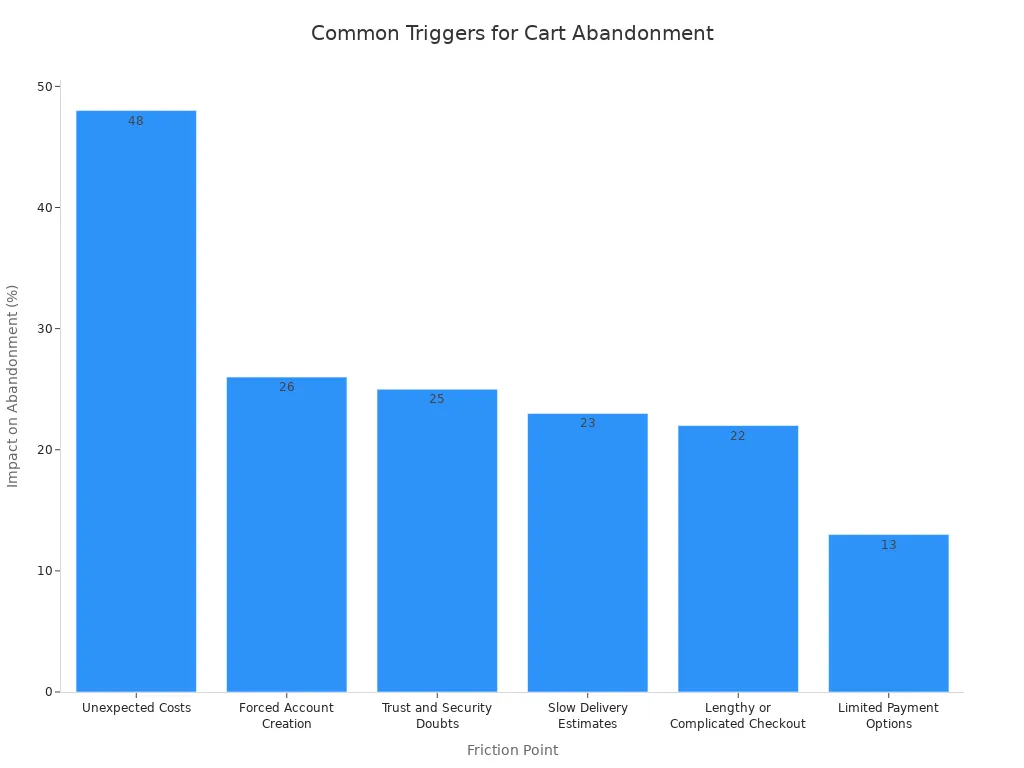
Cart abandonment is a major challenge in ecommerce. The average cart abandonment rate is around 70%. This means 7 out of 10 shoppers leave a site without completing their purchase. This results in an estimated $18 billion in lost revenue for ecommerce stores each year.
AI chatbots are an effective tool for reducing this number. They can lower cart abandonment by 20-30% by proactively addressing common issues. Many factors cause a customer to abandon their cart. A chatbot can help with most of them.
| Friction Point | Impact on Abandonment | How a Chatbot Helps |
|---|---|---|
| Unexpected Costs (shipping, taxes) | 48% | Proactively clarifies shipping costs and offers discounts. |
| Forced Account Creation | 26% | Offers guest checkout or explains the benefits of an account. |
| Trust and Security Doubts | 25% | Displays trust badges and answers security questions. |
| Lengthy or Complicated Checkout | 22% | Guides the customer through each step of the checkout process. |
When a chatbot detects hesitation, it can intervene. For example, if a customer is inactive on the cart page, the chatbot can send a message. It might offer a discount code or answer a question about the return policy. These timely nudges encourage the customer to complete the purchase.
Automating Order Support
The customer experience does not end at checkout. Post-purchase support is critical for building long-term loyalty. Many questions in this phase are about order status, returns, or exchanges. These are ideal tasks for automated customer support.
An AI chatbot can fully automate many common order support tasks. This gives customers self-service options available anytime. The chatbot integrates with your ecommerce and logistics systems. This allows it to provide accurate, real-time information.
Tasks that a chatbot can automate include:
- Order Status: Provide real-time updates and tracking information.
- Returns and Exchanges: Initiate the return process and provide instructions.
- Change Order Address: Help customers update their shipping address before an item ships.
- Cancel Order: Allow customers to cancel an order within a specific time frame.
By automating these tasks, you reduce the workload on your support team. More importantly, you empower customers to find the information they need on their own terms. This leads to higher satisfaction and a more efficient operation.
Key Benefits of an AI Chatbot for Ecommerce
Integrating AI chatbots into an ecommerce strategy offers more than just automated responses. These tools are powerful engines for growth, efficiency, and customer loyalty. They transform the customer experience from a simple transaction into an interactive conversation. Let's explore the key benefits that ecommerce chatbots bring to your online store.
Increased Sales and Conversions
An AI chatbot acts as a 24/7 sales assistant, actively working to turn browsers into buyers. By providing immediate engagement and personalized recommendations, chatbots directly impact your bottom line. This proactive approach is a core part of conversational commerce, where every interaction is an opportunity for conversion.
The impact on sales is well-documented. Many businesses see significant growth after implementing a chatbot.
- Fashion retailer H&M saw a 15% sales increase after launching its chatbot.
- Companies that use chatbots for personalized promotions and abandoned cart recovery have reported a 40% increase in sales.
- Proactive engagement from a chatbot can lead to a 67% sales increase.
These ecommerce chatbots excel at lead generation and upselling. They initiate conversations with visitors, asking qualifying questions to understand their needs. This process helps capture valuable customer data like names, emails, and budget information. With this data, the AI can guide the customer toward the right products. This strategy can boost lead generation by up to 40%. The chatbot can also suggest relevant add-ons or upgrades during a conversation, turning a simple support chat into a sale. This can lift sales by 20% and increase upsell revenue significantly.
Enhanced Customer Satisfaction
A positive customer experience is the foundation of loyalty. AI-powered chatbots enhance this experience by providing instant, reliable support around the clock. Customers no longer have to wait in long queues for simple answers. This immediate assistance reduces frustration and gives the customer a sense of control.
The availability of 24/7 support has a direct effect on customer satisfaction scores (CSAT).
- The fashion brand Tiger of Sweden saw its CSAT score jump from 73% to 96% after adding an AI chatbot.
- A major UK bank reported that satisfaction for certain chat queries soared by 150% with an AI agent.
- Some businesses have seen overall CSAT scores increase by up to 25% after implementing AI support.
Faster issue resolution is a key driver of this improvement. AI-driven systems learn from every interaction, providing more accurate and personalized responses over time. When customers get quick, correct answers, they are happier and more likely to remain loyal. This improved customer satisfaction leads to repeat purchases and positive word-of-mouth marketing, which are essential for long-term growth in ecommerce. The chatbot ensures a seamless experience across the entire customer journey.
Reduced Operational Costs
Customer support can be a significant operational expense. AI chatbots offer a cost-effective solution by automating a large volume of inquiries. A single chatbot can handle thousands of conversations simultaneously, reducing the need for a large team of human agents. This automation leads to substantial savings.
The cost difference between an AI and a human interaction is stark. An AI chatbot interaction can cost as little as $0.50, while a live agent interaction costs around $6.00. AI voice agents can resolve inbound calls for under $1, a fraction of the average cost. This efficiency allows businesses to reduce operational costs by a wide margin, with some seeing reductions between 65% and 90%.
This does not mean human agents become obsolete. Instead, their role evolves.
The rise of AI in support is fundamentally changing the role of the support agent. Instead of being on the front line of every single customer query, human agents are evolving into supervisors, troubleshooters, and relationship-builders who step in when AI reaches its limits.
With ecommerce AI chatbots handling up to 80% of routine questions, human agents can focus on complex issues that require empathy and critical thinking. This human-machine collaboration creates a more efficient and effective support system. Agents develop new skills in AI literacy and analytics, becoming more valuable assets to the company.
Valuable Customer Insights
Every conversation a customer has with your chatbot is a source of valuable data. These interactions provide direct insight into customer needs, preferences, and pain points. Unlike third-party cookies, this is first-party data that you own and can use to make smarter business decisions.
An AI chatbot collects a wide range of information, including:
- User Metrics: See how many customers are actively engaging with your brand.
- Conversation Metrics: Understand conversation duration and engagement rates.
- Outcome Metrics: Track goal completion, self-serve rates, and customer satisfaction.
- Customer Feedback: Gather direct opinions on products and services.
This data is a goldmine for improving your ecommerce business. By analyzing chatbot conversations, you can identify gaps in your product offerings, discover new marketing angles, and understand how customers talk about your brand. This allows you to update your buyer personas with real data, creating marketing campaigns that truly resonate with your audience. The chatbot helps you tailor the entire customer experience, from personalized recommendations to targeted promotions, fostering greater engagement and loyalty.
Why Choose Sobot's AI-Powered Chatbots?
Choosing the right AI chatbot is a critical decision for any ecommerce business. The ideal solution should not only automate conversations but also drive tangible results. Sobot's AI-powered chatbots are designed to do just that. They offer a comprehensive suite of tools that enhance efficiency, reduce costs, and boost sales, making them a powerful asset for your ecommerce store.
Boost Efficiency and Productivity
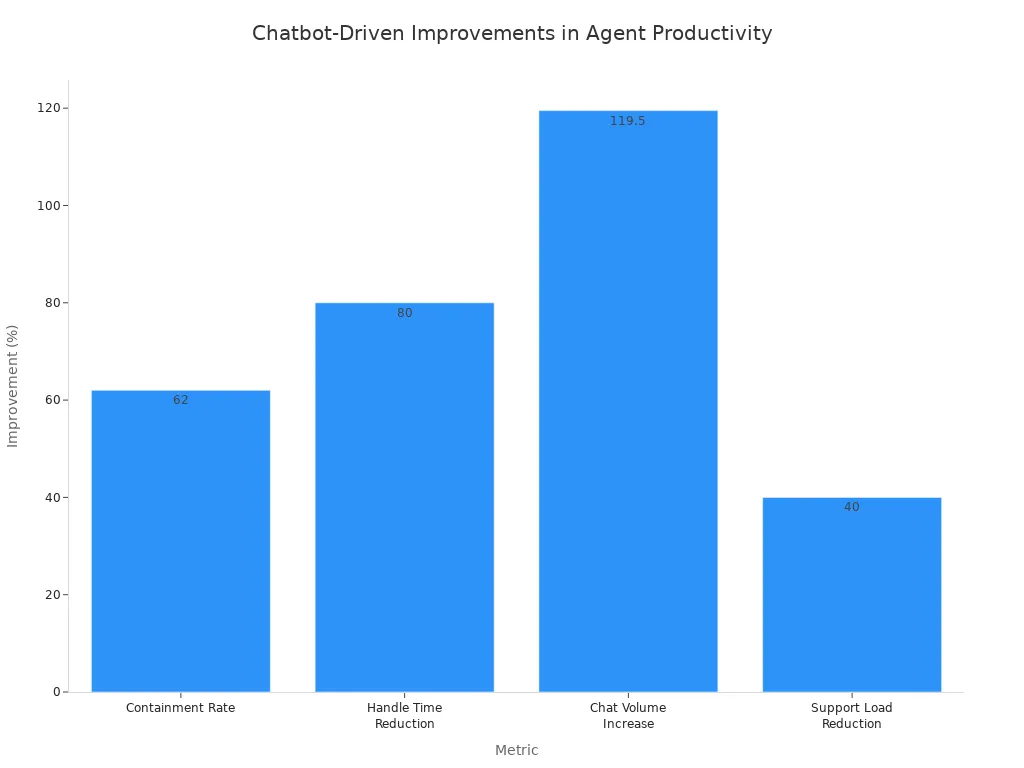
An effective chatbot frees up your human agents to handle complex customer issues. Sobot's AI chatbots can improve agent productivity by 70% by autonomously solving regular queries. This allows your team to focus on high-value interactions. The AI works as a copilot, assisting agents and streamlining workflows. This human-machine collaboration is key to a modern customer support strategy. Industry data shows the powerful impact of such AI.
Cut Expenses with 24/7 Triage
Hiring a 24/7 support team is expensive. Ecommerce chatbots offer a cost-effective alternative. Sobot's chatbot provides round-the-clock service, triaging customer inquiries at any hour. This 24/7 operation can save up to 50% on agent costs. The AI handles the initial contact, resolving simple issues and routing complex ones to the right department. This efficiency reduces the overall cost per customer interaction.
Increase Conversions and Leads
A great customer experience leads to more sales. Sobot's ecommerce chatbots use smart self-service and proactive messaging to increase conversion by 20%. The chatbot initiates engagement with visitors, offering personalized recommendations and assistance. This guided selling process turns browsers into buyers. Research shows that customers who interact with a chatbot are more likely to complete a purchase, leading to a higher conversion rate.
No-Code, Point-and-Click Setup
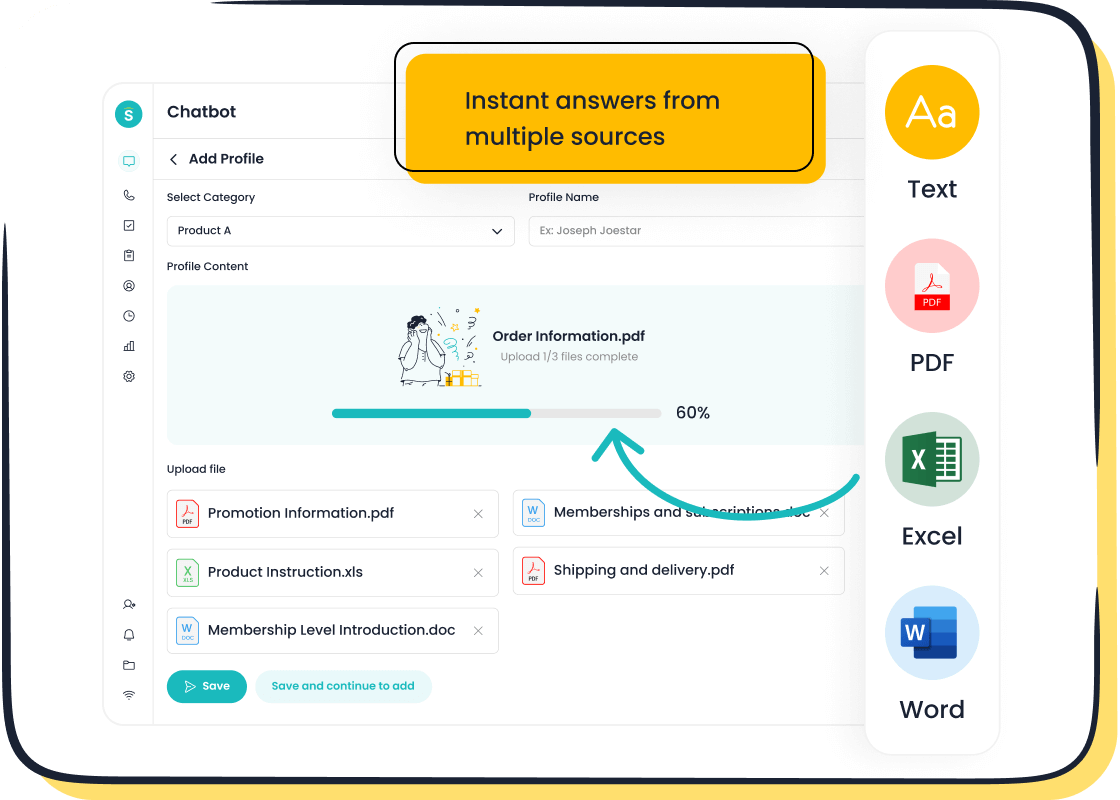
You do not need to be a developer to build powerful chatbots. Sobot offers a no-code, point-and-click setup. This makes it easy for non-technical teams to design and deploy a chatbot.
- Accessibility: Anyone can create a chatbot without writing code.
- Speed: You can launch a chatbot for your ecommerce store quickly.
- Control: Your business team can manage and update the chatbot independently.
This user-friendly approach saves time and reduces development costs.
Omnichannel and Multilingual Support
Today's customers connect with brands across many channels. Sobot provides a true omnichannel experience, integrating with live chat, email, and social media. The AI chatbots are also multilingual. This is vital, as over 70% of online shoppers prefer to buy products in their native language. Supporting multiple languages helps you build trust with a global customer base. These ecommerce chatbots ensure a consistent and personalized experience for all customers.
Ecommerce AI Chatbots in Action: OPPO's Success
Theory is one thing, but results are what matter. Let's look at how ecommerce AI chatbots transformed the customer experience for OPPO, a leading global smart device brand. This case study shows the real-world impact of a well-implemented AI strategy in a competitive ecommerce environment.
The Challenge: High Inquiry Volume
OPPO faced a common ecommerce challenge. During peak shopping seasons, the company experienced a massive surge in customer inquiries. This high volume overwhelmed human agents. It led to long wait times and lower customer satisfaction. OPPO needed a solution to manage these inquiries efficiently without sacrificing service quality. The goal was to provide fast, accurate support to all customers.
The Solution: Sobot's Human-Machine Cooperation
OPPO partnered with Sobot to implement a powerful human-machine cooperation model. This approach combines the strengths of AI chatbots and human agents. The AI chatbot handles the bulk of repetitive questions. This frees up the human customer service team to focus on complex issues.
This hybrid model is a core part of modern customer support. The AI and human agents work together to deliver a seamless customer experience.
Sobot's AI solution also helped OPPO optimize its knowledge base. The AI automated the process of adding Q&A pairs. This reduced the manual maintenance effort by an incredible 90%. A smarter knowledge base means the chatbot can provide better answers, improving the entire customer support system. The ecommerce chatbots became a vital tool for both customers and agents.
The Results: A 57% Repurchase Rate Increase
The results of implementing Sobot's ecommerce chatbots were remarkable. The AI chatbot successfully handled a high volume of interactions. This led to major improvements across key business metrics. The AI-powered chatbot delivered a better customer journey, which boosted loyalty and conversion.
Here are some of the key achievements for OPPO:
- The chatbot achieved an 83% resolution rate, solving most customer issues without human help.
- The positive feedback rate from customers soared to 94%.
- Most importantly, the improved customer service led to a 57% increase in the customer repurchase rate.
These numbers show the power of a great chatbot. By providing instant, effective support, Sobot's AI chatbots helped OPPO increase customer satisfaction, drive a higher conversion rate, and build a more loyal customer base in the fast-paced ecommerce world.
How to Implement an AI Chatbot
Implementing AI chatbots is a strategic move for any ecommerce business. A successful launch requires careful planning. Following a clear, step-by-step process ensures your new chatbot meets your goals and delivers a great customer experience. This guide breaks down the process into five manageable steps.
Step 1: Define Your Goals
Before you build anything, you must define what success looks like. Setting clear goals keeps the project focused. Your main goal will guide the chatbot design, content, and tone.
- Lead Generation: The chatbot can collect contact details from potential customers.
- Customer Support: The AI can resolve common questions and direct customers to help articles.
- Product Discovery: The chatbot can recommend products to shoppers.
Once you have a goal, define Key Performance Indicators (KPIs) to measure it. These metrics track how well the chatbot is performing. Common KPIs include resolution rate, user satisfaction, and conversation completion rate. This data helps you justify the investment in ecommerce chatbots.
Step 2: Choose the Right Platform
The right platform is the foundation of your AI strategy. When choosing, consider your specific business problems, integration needs, and budget. Some platforms charge per conversation, while others have a flat fee. It is important to evaluate vendor support to avoid operational risks. A comprehensive platform like Sobot offers integrated tools, including AI chatbots, ticketing systems, and AI agents, to create a unified customer service solution for your ecommerce store. The ideal choice balances functionality with usability for your team.
Step 3: Build Your Knowledge Base
An AI chatbot is only as smart as the information it can access. Building a strong knowledge base is essential. This is the brain of your chatbot. You should fill it with information that your customers frequently ask for. This includes:
- Frequently Asked Questions (FAQs)
- Product details and specifications
- Shipping and return policies
- Company information
A well-built knowledge base allows the AI to provide instant and accurate answers. This improves the overall customer experience.
Step 4: Design Conversation Flows
A conversation flow is a map of the conversation between the chatbot and a customer. You need to design flows for different scenarios. Think about what your customers will ask and create logical paths for the AI to follow. A good flow makes the interaction feel natural and helpful. It guides the customer to a solution without frustration. These chatbots should make the customer journey smoother.
Step 5: Integrate, Test, and Launch
The final step of implementing AI chatbots is the technical setup. First, integrate the chatbot with your ecommerce platform and other systems. This allows the AI to access order information and customer data. Next, test your chatbots thoroughly. Use real customer questions to find any issues or gaps in the knowledge base. After testing and making improvements, you are ready to launch. Your new ecommerce chatbot is now ready to help customers.
Ecommerce AI chatbots are a powerful tool for any ecommerce business. These ecommerce chatbots automate conversations across the entire customer journey. The AI chatbot helps every customer from discovery to post-purchase customer support.
Solutions like Sobot's AI chatbots empower your ecommerce business. The AI chatbot boosts sales and enhances customer satisfaction. This AI chatbot improves the customer experience for all customers.
The AI chatbots are a key part of conversational commerce. These ecommerce chatbots give each customer a great AI experience. The AI is smart. Explore how a chatbot can fit your ecommerce strategy. Embark on Your Contact Journey.
FAQ
What is the main purpose of an AI chatbot?
An AI chatbot automates customer conversations. It solves common questions and helps agents. This improves team productivity and efficiency. The chatbot provides 24/7 support for customers, answering questions instantly.
How do ecommerce AI chatbots increase sales?
These chatbots offer smart self-service and proactive messages. They guide customers to products and help recover abandoned carts. Sobot's solution can boost conversions by 20% and generate more leads for your business.
Is coding needed to set up a chatbot?
No, coding is not required for Sobot's chatbot. It uses a simple point-and-click interface. This allows your business team to design and launch workflow automations easily and quickly without technical help.
Can a chatbot support customers in different languages?
Yes. Modern ecommerce AI chatbots offer multilingual support. Sobot's AI chatbot can talk with customers in their preferred language. This feature helps you build trust and connect with a global audience.
See Also
Elevate E-commerce Customer Satisfaction With Smart Chatbot Solutions
Selecting The Optimal Chatbot Software For Your Business Needs
Live Chat Software: Driving E-commerce Sales And Growth
Best E-commerce Live Chat Software Solutions For 2024
Simple Steps To Implement Effective Website Chatbot Examples

