The Role of Wrap-Up Time in Enhancing Customer Service


Wrap-up time (wut) plays a vital role in customer service. It refers to the period after a customer interaction when a customer service agent completes essential tasks like updating records or logging notes. This phase directly impacts both agent productivity and customer satisfaction. For instance:
- Tracking wrap-up time helps managers identify agents who may need additional training to improve efficiency.
- Long wrap-up times can delay service, frustrating customers and reducing satisfaction.
- Monitoring wrap-up time ensures better resource allocation, preventing overburdened agents.
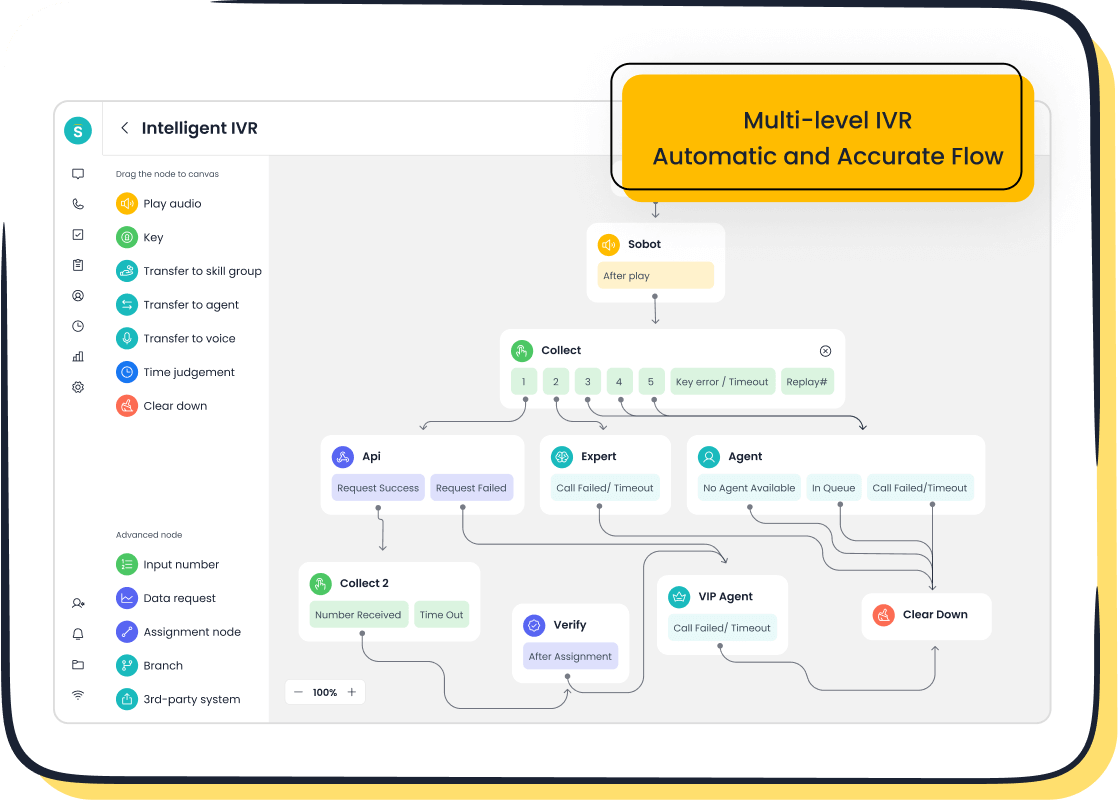
Efficient wrap-up processes also enhance service quality. Studies show that a third of customers feel frustrated when repeating information to multiple representatives. Properly managed wrap-up time minimizes such issues, ensuring smoother future interactions. Tools like Sobot's Voice/Call Center streamline wrap-up tasks, enabling agents to focus on delivering exceptional service.
Understanding Wrap-Up Time in Call Centers

What Is Wrap-Up Time (WUT)?
Definition and Purpose of Wrap-Up Time
Wrap-up time, often referred to as after-call work, is the period agents spend completing tasks after a customer interaction ends. This phase ensures that all necessary details from the call are documented and follow-up actions are initiated. It plays a critical role in maintaining service quality and operational efficiency in a call center.
During this time, agents focus on tasks like recording the reason for the call, noting the resolution, and updating customer records. These activities ensure that customer issues are resolved effectively and that accurate data is available for future interactions. Without proper wrap-up time, agents may overlook important details, leading to errors and reduced customer satisfaction.
Common Wrap-Up Activities
Agents in a call center typically perform several key activities during wrap-up:
- Logging call details, including the issue and resolution.
- Updating CRM systems with customer information.
- Notifying other departments for follow-up actions.
- Categorizing calls for reporting and analysis.

These tasks streamline operations and improve the overall customer experience. For example, Sobot’s Voice/Call Center provides a unified workspace that simplifies these activities, allowing agents to complete them efficiently.
Industry Standards for Wrap-Up Time
Average Wrap-Up Time Benchmarks
The average wrap-up time varies across industries, reflecting the complexity of customer interactions. Here’s a breakdown of typical benchmarks:
| Industry | Average Wrap-Up Time (minutes) |
|---|---|
| Retail | 1 to 3 |
| Telecommunications | 2 to 5 |
| Banking and Financial Services | 3 to 6 |
| Technology | 1 to 4 |
| Healthcare | 4 to 8 |
These benchmarks highlight how industries with more complex customer needs, like healthcare, require longer wrap-up times compared to retail or technology sectors.
Variations Across Industries and Call Centers
Wrap-up time can differ significantly based on the nature of the call center and the services provided. For instance, a call center handling technical support may require more detailed documentation than one focused on sales. Additionally, the tools and systems used can impact wrap-up efficiency. Advanced solutions like Sobot’s Voice/Call Center, which integrates seamlessly with existing CRMs, help reduce wrap-up time by automating repetitive tasks and providing real-time data access.
The Impact of Wrap-Up Time on Agent Productivity
Enhancing Workflow Efficiency
Preventing Task Backlogs

Efficient wrap-up time ensures that agents complete after-call work promptly, preventing task backlogs. When agents delay updating records or logging call details, these tasks pile up, disrupting the workflow. This can lead to errors and missed follow-ups, which negatively impact agent performance and customer satisfaction. By streamlining after-call work, you can maintain a smooth workflow and reduce operational bottlenecks. Tools like Sobot’s Voice/Call Center simplify post-call tasks by offering a unified workspace, enabling agents to complete wrap-up activities faster and more accurately.
Reducing Agent Stress and Burnout
Long and inefficient after-call work time can increase stress levels for agents. When agents struggle to manage their workload, they may feel overwhelmed, leading to burnout. A well-optimized wrap-up process reduces unnecessary effort, allowing agents to focus on delivering quality service. For example, Sobot’s real-time monitoring tools help identify inefficiencies in wrap-up processes, enabling managers to provide targeted support and training. This proactive approach improves agent well-being and boosts overall productivity.
Key Performance Metrics Affected by Wrap-Up Time
Average Handling Time (AHT)
Wrap-up time directly influences AHT, a critical metric in call centers. AHT measures the total time spent on a customer interaction, including talk time, hold time, and after-call work. Efficient wrap-up processes reduce AHT, allowing agents to handle more calls without compromising service quality. Automating routine tasks, such as data entry, can significantly lower wrap-up time, improving agent performance and operational efficiency.
First Call Resolution (FCR)
FCR measures the percentage of customer issues resolved during the first interaction. High FCR rates indicate effective after-call work, as agents document accurate information and initiate necessary follow-ups. According to industry data:
| Metric | Description |
|---|---|
| First Call Resolution (FCR) | Measures the percentage of issues resolved on the first contact. A high FCR reduces follow-ups and enhances productivity. |
By optimizing wrap-up time, you can improve FCR rates, building customer trust and reducing operational costs.
How Sobot's Voice/Call Center Improves Agent Productivity
Unified Workspace for Streamlined Wrap-Up
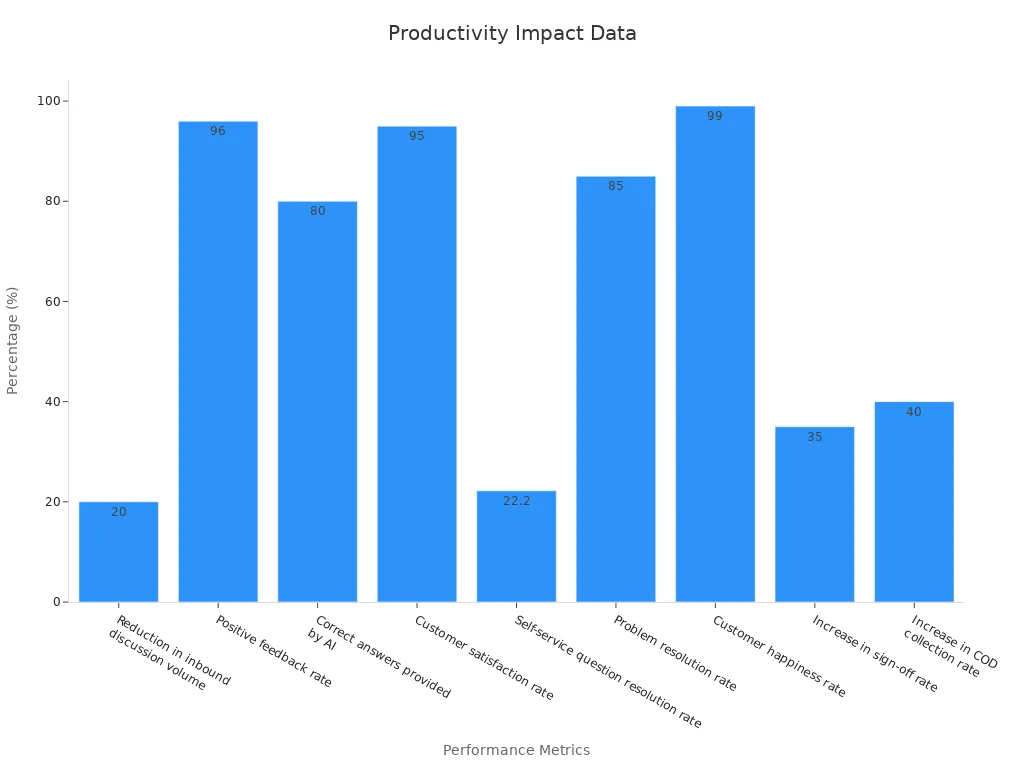
Sobot’s Voice/Call Center provides a unified workspace that consolidates all post-call tasks into a single interface. Agents can log call details, update CRM systems, and categorize interactions without switching between multiple tools. This integration reduces wrap-up time and enhances workflow efficiency. For example, businesses using Sobot have reported a 20% reduction in inbound discussion volume and a 96% positive feedback rate, showcasing the platform’s impact on agent performance.
Real-Time Monitoring and Analysis
Real-time monitoring tools in Sobot’s Voice/Call Center allow managers to track wrap-up time and identify inefficiencies. These insights enable you to set realistic goals and provide targeted training to agents. The platform’s analytics also help measure key metrics like AHT and FCR, ensuring continuous improvement in agent productivity.
The Role of Wrap-Up Time in Customer Satisfaction

Ensuring Accurate Customer Records
How Accurate Notes Improve Future Interactions
Accurate notes taken during wrap-up time play a vital role in maintaining high-quality customer service. When agents document customer interactions thoroughly, they create a reliable record that supports future conversations. This ensures that customers don’t need to repeat their concerns, leading to positive customer experiences. For example, if a customer calls back about an unresolved issue, detailed notes allow the next agent to pick up where the previous interaction ended. This continuity enhances customer satisfaction and strengthens customer relationships.
Enhancing Personalization in Customer Support
Personalized service depends on accurate records. During wrap-up, agents can log specific details about customer preferences or past issues. These insights enable your team to tailor future interactions, making customers feel valued. For instance, Sobot’s Voice/Call Center integrates with CRM systems, allowing agents to access and update customer data seamlessly. This integration supports personalized service, which is key to improving customer relationships and delivering exceptional customer service quality.
Building Trust Through Efficient Service
Minimizing Errors in Follow-Up Actions
Efficient wrap-up processes reduce errors in follow-up actions. When agents complete tasks like updating records or notifying other departments promptly, they ensure that customer needs are addressed accurately. Delays or mistakes in these steps can erode trust. By streamlining wrap-up activities, you can maintain high-quality service and build stronger customer relationships. Sobot’s AI-powered tools automate repetitive tasks, minimizing errors and enhancing service reliability.
Improving Response Times for Future Queries
Quick and accurate wrap-up time improves response times for future customer interactions. When agents log details efficiently, they make it easier for others to access the information later. This reduces the time spent searching for data, allowing your team to respond faster. Studies show that efficient after-call work leads to higher customer satisfaction by ensuring timely follow-ups and resolutions. Monitoring wrap-up metrics helps you identify areas for improvement, further enhancing service speed and quality.
Sobot's Contribution to Customer Satisfaction

AI-Powered Voicebot for Accurate Documentation
Sobot’s AI-powered Voicebot simplifies documentation during wrap-up. It uses intelligent interaction and intent recognition to capture key details automatically. This reduces the burden on agents and ensures that records are accurate. Businesses using Sobot have reported over 95% customer satisfaction rates, demonstrating the effectiveness of this technology in improving customer service quality.
Smart Call Routing for Faster Resolutions
Sobot’s smart call routing feature enhances efficiency by directing calls to the most suitable agents. This reduces wait times and ensures that customers receive prompt assistance. Combined with streamlined wrap-up processes, this feature contributes to faster resolutions and better customer experiences. For example, companies using Sobot have achieved a 96% positive feedback rate and a 20% reduction in inbound discussion volume, highlighting its impact on customer satisfaction.
Factors Influencing Wrap-Up Time in Call Centers
Call Complexity and Customer Needs
Simple vs. Complex Interactions
The complexity of customer interactions significantly affects wrap-up time. Simple inquiries, like checking account balances or order statuses, require minimal after-call work. These interactions often involve straightforward documentation, allowing agents to complete tasks quickly. On the other hand, complex cases, such as technical troubleshooting or financial disputes, demand detailed notes and follow-up actions. These cases naturally extend the wrap-up phase. For example, in a call center handling healthcare queries, agents may need to document medical histories or coordinate with multiple departments, increasing after-call work duration.
Handling Difficult or Escalated Cases
Difficult calls, such as those involving irate customers or escalated issues, also impact wrap-up time. Agents must carefully document the interaction to ensure accurate follow-ups. This includes noting customer concerns, resolutions offered, and any pending actions. Efficient tools, like Sobot's Voice/Call Center, help streamline these tasks by providing a unified workspace. This reduces the time agents spend switching between systems, ensuring even complex cases are handled efficiently.
System and Process Efficiency
Role of CRM and Automation Tools
Efficient systems play a crucial role in reducing after-call work. Modern CRM and automation tools simplify data entry and task management. For instance, Sobot's Voice/Call Center integrates seamlessly with existing CRMs, enabling agents to update records and categorize calls in one interface. Automation features, such as AI-powered voicebots, further reduce manual effort by capturing key details during the call itself. This not only shortens wrap-up time but also improves data accuracy.
Impact of Outdated or Inefficient Systems
Outdated systems can hinder wrap-up efficiency. Slow software, fragmented tools, or lack of integration forces agents to spend extra time on repetitive tasks. This increases after-call work and reduces overall productivity. Upgrading to advanced solutions, like Sobot's platform, eliminates these inefficiencies. With features like real-time monitoring and smart call routing, you can optimize workflows and minimize delays.
Agent Training and Experience
Skill Levels and Familiarity with Processes
An agent's skill level directly influences their ability to complete after-call work efficiently. Experienced agents, familiar with processes and tools, handle wrap-up tasks faster. In contrast, new or undertrained agents may struggle, leading to longer wrap-up times. Providing clear guidelines and access to user-friendly tools, like Sobot's unified workspace, helps bridge this gap.
Importance of Ongoing Training
Ongoing training ensures agents stay updated on best practices and new tools. Role-playing scenarios, for example, can improve note-taking speed and accuracy. Regular workshops on CRM usage and wrap-up techniques also enhance efficiency. By investing in continuous learning, you empower your team to handle after-call work effectively, improving both productivity and customer satisfaction.
How Sobot's Voice/Call Center Addresses These Factors
Intelligent IVR for Call Categorization

Sobot’s Voice/Call Center uses Intelligent IVR (Interactive Voice Response) to simplify call categorization. This feature allows you to customize greetings and build menus that guide callers to the right department or agent. For example, a customer seeking technical support can select the appropriate option, ensuring their call reaches the right team. This reduces misdirected calls and saves time for both agents and customers.
The drag-and-drop interface makes it easy for you to configure workflows without technical expertise. You can go live with changes instantly, adapting to evolving customer needs. Businesses using Sobot’s Intelligent IVR have reported faster call resolutions and improved customer satisfaction. By categorizing calls efficiently, you can reduce wrap-up time and enhance overall call center performance.
Seamless Integration with Existing Systems
Sobot’s Voice/Call Center integrates seamlessly with your existing CRM and business systems. This eliminates the need for manual data transfers, allowing agents to access and update customer records in real time. For instance, when a customer calls about a previous issue, the system retrieves their history instantly. This ensures accurate documentation during wrap-up and improves first-call resolution rates.
The platform supports integration across multiple channels, including voice, email, and messaging apps. This unified approach streamlines operations and reduces the complexity of managing customer interactions. With Sobot’s integration capabilities, you can optimize workflows and minimize delays, making your call center more efficient.
Strategies for Reducing Wrap-Up Time Effectively
Streamlining Processes
Standardizing Post-Call Procedures
Standardizing post-call procedures ensures consistency and efficiency in after-call work tasks. When agents follow a clear, step-by-step process, they can complete documentation faster and with fewer errors. For example, creating templates for common call types, such as billing inquiries or technical support, reduces the time spent on repetitive tasks. Research shows that integrating automated systems into post-call processing significantly reduces wrap-up time. Improving data entry efficiency and using speech analytics further enhance productivity, allowing agents to focus on resolving customer issues effectively.
Eliminating Redundant Tasks
Eliminating redundant tasks in after-call work improves workflow efficiency. Activities like duplicating data entries or manually categorizing calls can waste valuable time. Automation tools, such as those offered by Sobot’s Voice/Call Center, streamline these processes by automatically logging call details and categorizing interactions. This reduces the burden on agents and ensures accurate records. By removing unnecessary steps, you can optimize post-call processing and improve overall call center performance.
Leveraging Technology
Using Automation Tools for Data Entry
Automation tools play a critical role in reducing after-call work tasks. These tools handle repetitive activities like data entry, freeing agents to focus on more complex responsibilities. For instance, AI-powered solutions can transcribe call recordings and update CRM systems in real time. A study highlights how AI eliminates manual tasks in reporting processes, saving time and costs.
| Application Area | Evidence Supporting AI Use |
|---|---|
| Project Management | AI tools analyze data from project management software, summarizing it into real-time updates. |
| Emergency Response | AI extracts and summarizes data from logs, enabling departments to improve safety measures. |
| Reporting Processes | AI completes activities like transcribing and formatting reports much faster. |
Sobot’s Voice/Call Center integrates such automation, helping you reduce wrap-up time and improve efficiency.
Integrating AI for Task Assistance
AI enhances after-call work by assisting agents with complex tasks. For example, AI-powered voicebots can capture key details during calls, reducing the need for manual documentation. These tools also analyze call data to suggest next steps, ensuring accurate follow-ups. Businesses using AI for after-call work report faster documentation and improved customer satisfaction. By leveraging AI, you can streamline post-call processing and enhance your call center’s productivity.
Providing Comprehensive Agent Training
Training on Efficient Note-Taking
Training agents on efficient note-taking techniques significantly reduces after-call work durations. Clear and concise notes ensure that all necessary details are captured without wasting time. For example, teaching agents to use shorthand or predefined templates can speed up documentation. Comprehensive training programs improve agent performance, leading to better handling of calls and shorter wrap-up times.
Role-Playing Scenarios to Improve Speed
Role-playing scenarios help agents practice real-life situations, improving their speed and accuracy in after-call work tasks. These exercises simulate common customer interactions, allowing agents to refine their skills in a controlled environment. Studies show that well-trained agents contribute to better Average Handle Time (AHT) and overall call center performance. By investing in ongoing training, you empower your team to handle after-call work more efficiently.
Monitoring and Adjusting Wrap-Up Time
Analyzing Metrics to Identify Bottlenecks
Monitoring wrap-up time metrics is essential for identifying inefficiencies in your call center. Wrap-up time refers to the duration agents spend completing after-call work, such as updating records or sending follow-up emails. While these tasks are crucial for customer satisfaction, they can increase wait times for other callers if not managed effectively.
Analyzing metrics like average wrap-up time and task completion rates helps pinpoint bottlenecks. For example, if agents spend excessive time on repetitive data entry, it may indicate a need for automation tools. Studies show that integrating automated systems can streamline post-call processes, reducing delays and improving overall efficiency. By regularly reviewing these metrics, you can identify areas for improvement and implement strategies to optimize workflows.
Setting Realistic Wrap-Up Time Goals
Setting achievable wrap-up time goals ensures your agents can complete after-call work without compromising quality. Unrealistic targets may lead to rushed documentation, increasing errors and affecting customer satisfaction. Instead, consider factors like call complexity and agent experience when defining these goals.
For instance, a technical support call may require more detailed notes than a simple billing inquiry. Using tools like Sobot’s Voice/Call Center, which automates repetitive tasks and provides real-time data access, helps agents meet these goals efficiently. Regularly revisiting and adjusting these targets based on performance metrics ensures continuous improvement in your call center operations.
How Sobot's Voice/Call Center Optimizes Wrap-Up Time
Real-Time Data Analytics for Continuous Improvement
Sobot’s Voice/Call Center leverages real-time data analytics to enhance wrap-up time efficiency. The platform uses speech analytics to transcribe calls and analyze data, automating tedious tasks like categorizing interactions. This reduces the time agents spend on after-call work while providing actionable insights for managers.
For example, businesses using Sobot have reported significant improvements in call handling efficiency due to these analytics. By identifying patterns and inefficiencies, you can make data-driven decisions to optimize workflows and improve overall productivity.
AI-Powered Tools for Faster Documentation
Sobot’s AI-powered tools simplify after-call work by automating documentation processes. The platform captures key details during calls, reducing the need for manual data entry. This ensures accurate records while freeing agents to focus on resolving customer issues.
For instance, Sobot’s Voicebot uses intent recognition to log call details automatically, minimizing errors and saving time. Businesses adopting these tools have seen faster wrap-up times and higher customer satisfaction rates, demonstrating the value of AI in modern call center operations.
Wrap-up time plays a pivotal role in balancing agent productivity and customer satisfaction. Efficient processes ensure agents complete tasks quickly, reducing delays and improving service quality. Studies show that optimizing wrap-up time enhances call center efficiency and boosts customer service outcomes. For example:
- Streamlined wrap-up processes improve operational productivity.
- Lower After Call Work (ACW) helps agents conclude calls faster, enhancing resource use.
- Monitoring ACW ensures timely support and better service quality.
Sobot’s Voice/Call Center simplifies wrap-up tasks with AI-powered tools and real-time analytics, enabling agents to focus on delivering exceptional service. By prioritizing wrap-up time management, you can achieve higher efficiency, better customer experiences, and long-term success. Start optimizing today to transform your customer service strategy!
FAQ
What is the ideal wrap-up time for a call center agent?
The ideal wrap-up time depends on your industry. For example, retail agents average 1-3 minutes, while healthcare agents may need 4-8 minutes. Tools like Sobot’s Voice/Call Center help reduce wrap-up time by automating repetitive tasks and streamlining workflows.
How does wrap-up time affect customer satisfaction?
Efficient wrap-up time ensures accurate records and faster responses. This reduces errors and improves customer satisfaction. For instance, Sobot’s AI-powered Voicebot captures key details automatically, helping agents focus on delivering personalized service.
Can automation tools really reduce wrap-up time?
Yes, automation tools like Sobot’s Voice/Call Center significantly reduce wrap-up time. They handle tasks like data entry and call categorization, saving agents valuable time. Businesses using automation report faster documentation and improved agent productivity.
Why do some industries have longer wrap-up times?
Industries like healthcare or financial services involve complex interactions requiring detailed documentation. This naturally extends wrap-up time. Advanced solutions, such as Sobot’s unified workspace, simplify these processes, ensuring efficiency even in complex cases.
How can I monitor and improve wrap-up time in my call center?
Use real-time analytics to track metrics like average wrap-up time. Identify bottlenecks and implement tools like Sobot’s Voice/Call Center for automation. Regularly train agents on efficient note-taking and adjust goals based on performance data for continuous improvement.
See Also
Enhance Customer Satisfaction With These Live Chat Tips
Improve Your Live Chat Efficiency Around The Clock
Excelling At Live Chat Within The Retail Sector

