Why Customer Service Metrics Matter for Satisfaction


Have you ever wondered how businesses keep their customers happy? It’s all about understanding what works and what doesn’t. Customer service metrics give you the tools to do just that. These metrics reveal where your service shines and where it needs work. For example, tracking customer satisfaction scores (CSAT) can show you what customers love about your service. On the other hand, a high customer effort score (CES) might highlight areas causing frustration.

With Sobot’s Voice/Call Center, you can easily track these metrics. Its real-time monitoring and analysis features help you spot service gaps, like long resolution times, and fix them fast. By using these insights, you can make your customer service more efficient and boost satisfaction.
Metrics aren’t just numbers—they’re the key to creating better customer experiences.
What Are Customer Service Metrics?
Definition and Purpose
What customer service metrics measure
Customer service metrics measure how well your team meets customer expectations. These metrics track everything from how quickly you respond to inquiries to how satisfied customers feel after an interaction. For example, the Customer Satisfaction Score (CSAT) reflects how happy customers are with your service. Metrics like First Contact Resolution (FCR) show how often you solve issues on the first try. Others, like the Self-Service Score, reveal how many customers find answers without needing help.
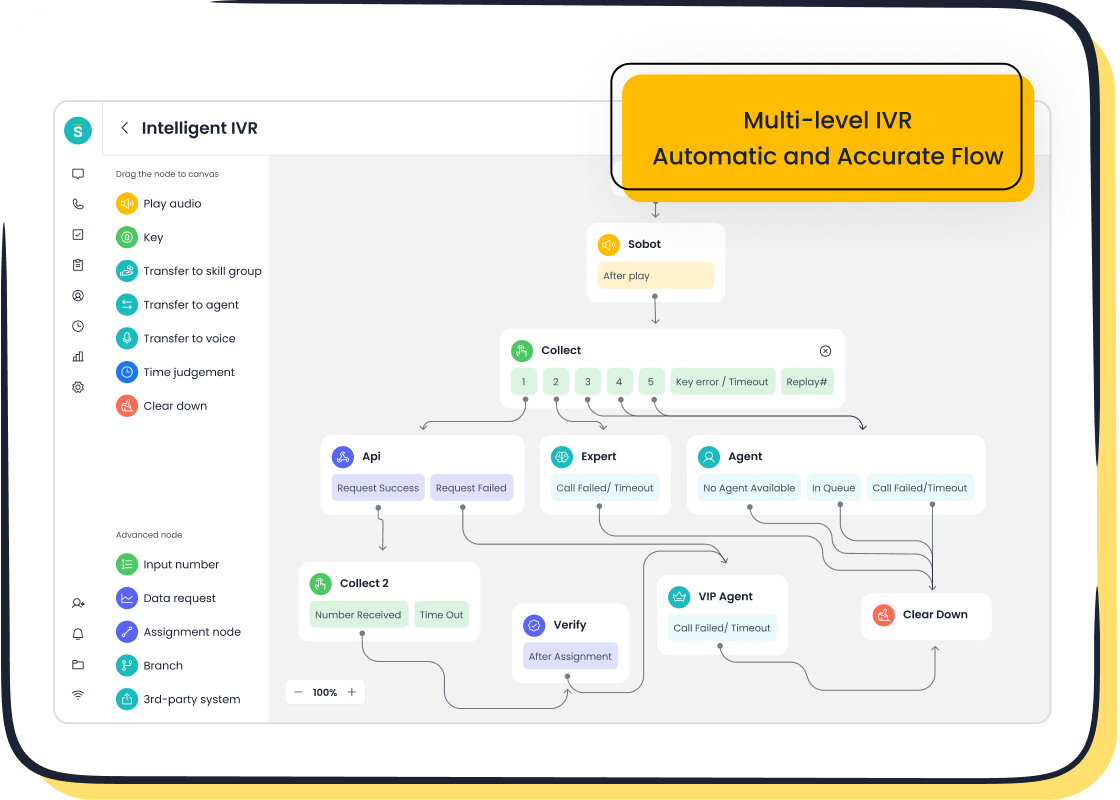
These numbers aren’t just data points. They’re a window into your customer’s experience. By analyzing them, you can uncover what’s working and what needs improvement. Sobot’s Voice/Call Center makes this process seamless. Its real-time call tracking and analysis tools help you monitor these metrics effortlessly, giving you the insights you need to act fast.
Why they are critical for business success
Metrics are more than just tools—they’re your roadmap to success. They align your customer service goals with your broader business objectives. For instance, tracking customer churn rates helps you spot dissatisfaction early, so you can take action to retain customers. Lower churn means higher retention, which directly boosts sales and reduces acquisition costs.
To succeed, you need clear, measurable targets. Metrics like CSAT or FCR help you set these goals and track progress. They also create alignment across departments, ensuring everyone works toward the same objectives. With Sobot’s solutions, you can integrate these metrics into your strategy, making it easier to achieve your business goals.
The Role of Metrics in Customer Satisfaction
How metrics help identify customer pain points
Metrics act like a magnifying glass, helping you spot what’s frustrating your customers. A high Customer Effort Score (CES) might indicate that customers find your processes too complicated. Similarly, a low Bot Deflection Rate could mean your chatbot isn’t resolving enough issues.
Take Agilent, for example. By using Sobot’s tools, they identified gaps in their service and improved efficiency sixfold. Metrics like these give you the power to fix problems before they escalate, keeping your customers happy and loyal.
The connection between metrics and service improvement
When you track metrics, you’re not just collecting data—you’re building a foundation for better service. Metrics like CSAT and FCR highlight areas where you excel and where you need to improve. Companies like Airbnb and Lyft use these insights to refine their strategies, from tweaking customer surveys to enhancing their support systems.

Sobot’s Voice/Call Center takes this a step further. Its AI-powered tools analyze call data in real time, helping you make informed decisions. By acting on these insights, you can enhance your service quality and boost customer satisfaction.
Key Categories of Customer Service Metrics
Engagement Metrics
Examples: First Response Time, Average Handle Time
Engagement metrics measure how quickly and effectively your team interacts with customers. First Response Time (FRT) is a key metric that tracks how long it takes to respond to a customer inquiry. Top-performing teams average a response time of just 32.4 minutes, while live chat responses should ideally happen within 90 seconds. Quick responses show customers you value their time, which builds trust and improves satisfaction.
Average Handle Time (AHT) is another critical metric. It measures the total time spent resolving a customer issue, including talk and follow-up time. A low AHT indicates efficiency, but it’s important to balance speed with quality. Sobot’s Voice/Call Center helps you monitor these metrics in real time, ensuring your team delivers prompt and effective service.
Did you know? 90% of U.S. customers say an immediate response is important, and 60% expect support within 10 minutes or less.
Why engagement metrics matter for satisfaction
Fast response times and efficient handling make customers feel valued. They also enhance your brand’s reputation. Poor engagement metrics, on the other hand, can frustrate customers and harm loyalty. With tools like Sobot’s intelligent call routing and real-time monitoring, you can optimize these metrics and keep satisfaction levels high.
Feedback Metrics
Examples: Customer Satisfaction Score (CSAT), Net Promoter Score (NPS)
Feedback metrics capture how customers feel about your service. The Customer Satisfaction Score (CSAT) is a simple yet powerful tool. It asks customers to rate their experience, often on a scale of 1 to 5. Scores between 70 and 90 are considered healthy across industries like e-commerce and software.
Net Promoter Score (NPS) measures customer loyalty by asking how likely they are to recommend your business. Industries like consulting boast high NPS scores of 76, while others, like internet services, average around 16. These metrics provide a snapshot of customer sentiment, helping you identify strengths and areas for improvement.
How feedback metrics capture customer sentiment
Feedback metrics give you direct insights into what customers think. High scores indicate satisfaction and loyalty, while low scores highlight pain points. Sobot’s Voice/Call Center integrates feedback collection into its platform, making it easy to gather and analyze this data. By acting on feedback, you can improve service and strengthen customer relationships.
Service Quality Metrics
Examples: Resolution Rate, Customer Effort Score (CES)
Service quality metrics focus on how well your team resolves issues. Resolution Rate measures the percentage of problems solved on the first contact. High rates correlate with increased loyalty and satisfaction. Customers appreciate quick resolutions, which foster trust and encourage repeat business.
The Customer Effort Score (CES) tracks how easy it is for customers to get their issues resolved. Lower effort means happier customers. Studies show that 96% of customers with high-effort interactions become disloyal, while only 9% with low-effort experiences do. Sobot’s AI-powered tools streamline workflows, reducing effort and boosting satisfaction.
How these metrics ensure consistent service delivery
Service quality metrics ensure your team consistently meets customer expectations. They highlight inefficiencies and help you refine processes. With Sobot’s advanced analytics and AI-driven insights, you can monitor these metrics and deliver exceptional service every time.
How Metrics Drive Customer Satisfaction
Identifying and Resolving Issues
Using metrics to pinpoint service gaps
Metrics help you uncover hidden service gaps that might frustrate your customers. For instance, high average resolution times often signal inefficiencies in handling queries. Low customer satisfaction scores can point to dissatisfaction with specific aspects of your service. Responsiveness metrics, like first response time and ticket resolution time, reveal how quickly your team addresses issues.
Sobot’s Voice/Call Center simplifies this process. Its real-time call tracking and analysis tools let you monitor these metrics effortlessly. You can identify bottlenecks, like delayed responses, and take immediate action to improve. By addressing these gaps, you create a smoother customer experience and build trust.
How resolving issues improves customer loyalty
When you resolve issues quickly, you show customers that their concerns matter. This effort pays off—83% of customers say they’re more likely to stay loyal to brands that effectively address their complaints. Sobot’s intelligent call routing ensures customers reach the right agent faster, reducing frustration and boosting satisfaction. Quick resolutions not only improve loyalty but also enhance your brand’s reputation.
Personalizing Customer Experiences
Leveraging data to tailor interactions
Personalization is a game-changer. By analyzing customer data, you can tailor interactions to meet individual needs. For example, Netflix uses data to recommend shows, while Amazon suggests products based on browsing history. Sobot’s Voice/Call Center integrates customer data into its unified workspace, enabling agents to provide personalized service.
Imagine knowing a customer’s preferences before they even speak. With Sobot’s tools, you can anticipate needs and offer solutions proactively. This level of personalization makes customers feel valued and understood.
The impact of personalization on satisfaction
Personalized experiences drive satisfaction and retention. Studies show 80% of consumers are more likely to make a purchase when brands offer personalized experiences. By reducing churn and increasing loyalty, personalization directly impacts your bottom line. Sobot’s AI-powered tools help you deliver these tailored experiences, ensuring every interaction leaves a positive impression.
Ensuring Continuous Improvement
Tracking trends over time
Tracking trends in customer service metrics helps you stay ahead of issues. Regularly running CSAT surveys or benchmarking against competitors can reveal areas for improvement. Real-time tracking, like that offered by Sobot’s Voice/Call Center, allows you to diagnose problems as they arise.
By monitoring trends, you can identify patterns, such as seasonal spikes in inquiries, and prepare your team accordingly. This proactive approach ensures consistent service quality.
Using metrics to refine service strategies
Historical data is a goldmine for refining strategies. For example, if customer feedback highlights low satisfaction scores, you can enhance training programs. Sobot’s analytics tools make it easy to analyze past performance and adjust your approach. Whether it’s improving response times or streamlining workflows, metrics guide you toward smarter decisions.
With these insights, you can continuously refine your strategies, ensuring your customer service evolves to meet changing expectations.
Best Practices for Using Customer Service Metrics Effectively
Choosing the Right Metrics
Aligning metrics with business goals
Not all metrics are created equal. To get the most out of customer service metrics, you need to align them with your business goals. For example, if your goal is to improve customer satisfaction, focus on metrics like CSAT or Net Promoter Score (NPS). If efficiency is your priority, track Average Handle Time (AHT) or First Contact Resolution (FCR).
Here’s a quick guide to help you choose the right metrics:
| Criteria | Description |
|---|---|
| Compatibility and Integration | Ensure the tool integrates well with existing systems for a holistic view of customer interactions. |
| Real-Time Data Tracking | Opt for tools that provide real-time insights to promptly address customer service issues. |
| Customization and Flexibility | Choose tools that allow customization to meet unique business needs. |
| Comprehensive Analytics | Look for tools that offer in-depth analytics capabilities, including trend and sentiment analysis. |
| User-Friendly Interface | A user-friendly tool ensures easy access and understanding of data by the team. |
| Scalability | Select a tool that can grow with your business as data tracking needs evolve. |
By aligning metrics with your goals, you’ll ensure your customer service performance improves in the areas that matter most.
Avoiding information overload
Tracking too many metrics can overwhelm your team. Focus on a handful of key metrics that directly impact customer satisfaction. For instance, instead of monitoring every engagement metric, prioritize those that align with your objectives. Sobot’s Voice/Call Center simplifies this by offering customizable dashboards, so you can focus on what truly matters.
Leveraging Technology for Tracking
How tools like Sobot's Voice/Call Center simplify metric tracking

Technology makes tracking customer service metrics easier than ever. Tools like Sobot’s Voice/Call Center provide real-time monitoring and analysis, helping you stay on top of your customer service performance. Its unified workspace integrates data from multiple channels, giving you a complete view of the customer experience.
Other tools, like Google Analytics or Zoho Reports, also offer robust tracking features. However, Sobot’s platform stands out with its AI-powered insights and seamless integration capabilities. These features ensure you can track metrics effortlessly and act on them quickly.
Automating data collection and analysis
Automation takes the guesswork out of metric tracking. It minimizes human error, ensures consistent data handling, and boosts operational efficiency. For example:
- Automation reduces errors in data entry.
- It ensures every customer interaction is logged and analyzed.
- It saves time by eliminating repetitive tasks.
Sobot’s Voice/Call Center automates data collection and analysis, allowing you to focus on improving customer satisfaction instead of crunching numbers.
Acting on Insights
Turning data into actionable strategies
Metrics are only valuable if you act on them. Use the insights you gather to refine your strategies. For example, if your CSAT scores are low, identify the root cause and address it. Sobot’s analytics tools make this process straightforward by highlighting trends and problem areas.
By turning data into action, you’ll not only improve customer satisfaction but also enhance your overall customer service performance.
Training teams based on metric insights
Your team plays a crucial role in delivering great customer service. Use metrics to identify training needs. For instance, if AHT is high, focus on improving your team’s efficiency. Sobot’s platform provides detailed reports that can guide your training programs.
Well-trained teams deliver better service, leading to happier customers and stronger loyalty.
Customer service metrics are your secret weapon for boosting customer satisfaction and driving long-term success. By tracking the right metrics, you can uncover customer pain points, personalize experiences, and deliver consistent service quality. For example, monitoring metrics like Customer Satisfaction Score (CSAT) or First Contact Resolution (FCR) helps you identify what’s working and what needs improvement.
Sobot’s Voice/Call Center makes this process effortless. Its real-time tracking and AI-powered insights let you act quickly on data, ensuring every interaction leaves a positive impression. Over time, these metrics provide valuable insights into customer behavior, helping you predict trends and refine strategies. This proactive approach not only enhances satisfaction but also drives business growth.
Remember, happy customers are loyal customers. With the right tools and metrics, you can create experiences that keep them coming back.
FAQ
What are customer service metrics, and why do they matter?
Customer service metrics measure how well your team meets customer expectations. They matter because they help you identify strengths and weaknesses in your service. For example, tracking metrics like CSAT or FCR can reveal areas for improvement, boosting customer satisfaction and loyalty.
How can Sobot’s Voice/Call Center help track these metrics?
Sobot’s Voice/Call Center offers real-time monitoring and analysis tools. It tracks metrics like Average Handle Time (AHT) and First Contact Resolution (FCR), helping you identify service gaps. Its AI-powered insights make it easy to act on data and improve customer experiences.
Which metrics should I prioritize for my business?
Focus on metrics that align with your goals. If you want to improve satisfaction, track CSAT or NPS. For efficiency, monitor AHT or FCR. Sobot’s customizable dashboards let you prioritize the metrics that matter most to your business.
How does tracking metrics improve customer satisfaction?
Metrics highlight pain points and areas for improvement. For instance, a high Customer Effort Score (CES) might show that your processes are too complex. By addressing these issues, you make interactions smoother, which increases satisfaction and loyalty.
Can Sobot’s tools integrate with my existing systems?
Yes! Sobot’s Voice/Call Center integrates seamlessly with CRM and other systems. This ensures you get a unified view of customer interactions, making it easier to track metrics and deliver exceptional service.
See Also
10 Strategies to Enhance Live Chat Customer Experience
Effective Techniques for Managing Call Center Quality
2024's Leading Customer Service Software Solutions Reviewed
Enhancing Call Center Efficiency Through Effective Monitoring

