Outbound Call AI Explained Simply

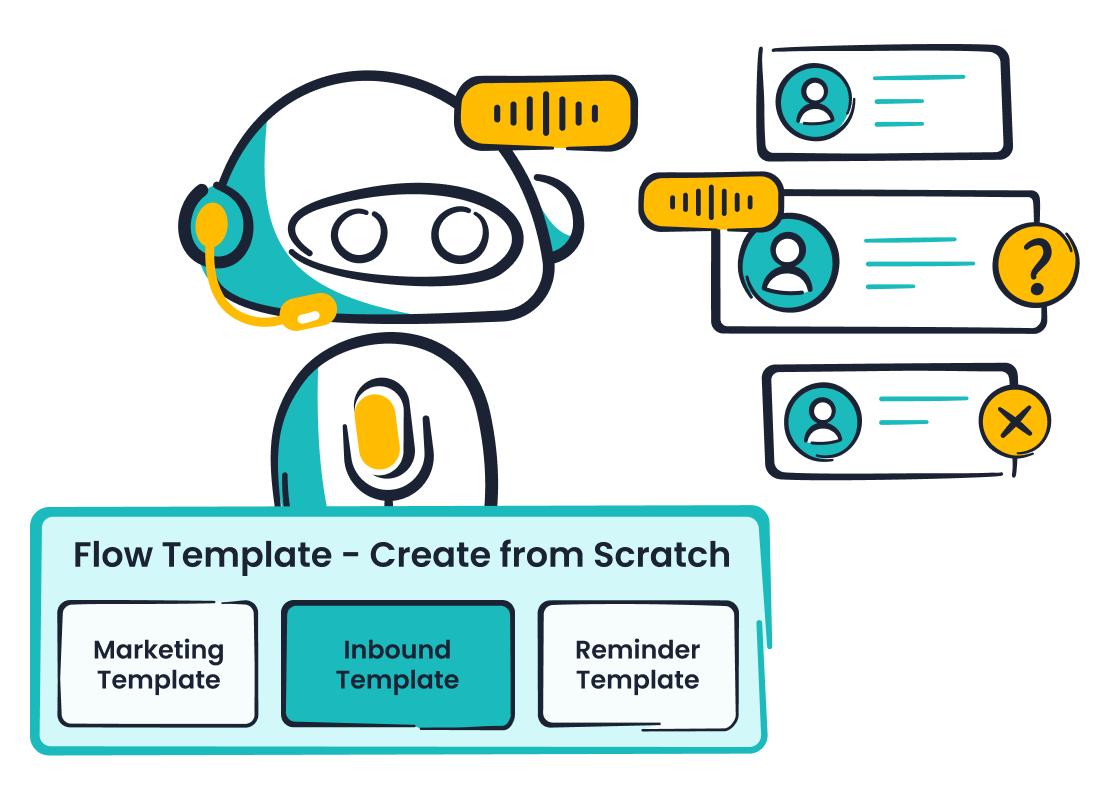
Outbound call AI is an intelligent system that automates phone outreach. It acts like a smart assistant for a calling team.
This AI technology handles repetitive calls for tasks like lead qualification or surveys. The automation frees human agents for more complex conversations. Modern AI makes these calls feel surprisingly human. Solutions from Sobot, for example, leverage advanced AI to enhance customer outreach. The growth in AI outbound calling is clear, with the Sobot AI platform powering the Sobot call center to handle a high volume of calls efficiently.
How Does Outbound Call AI Work?
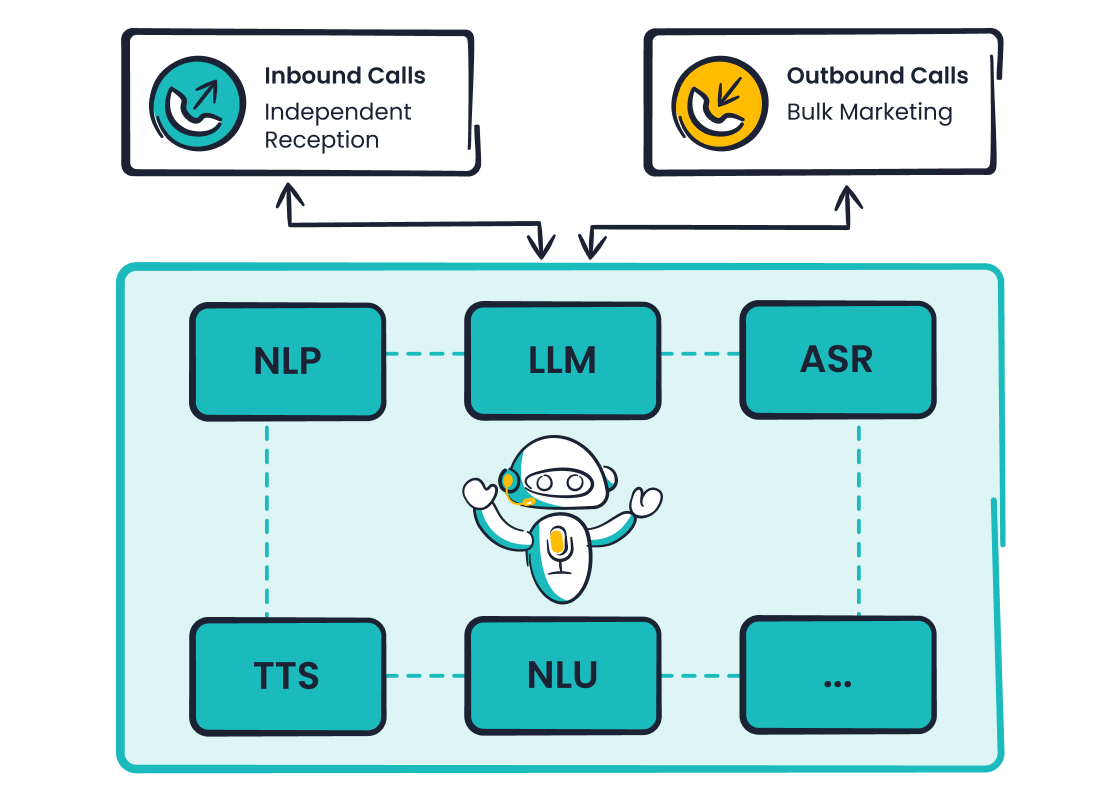
An outbound call AI operates through a sophisticated, multi-step process. The system transforms a simple contact list into a series of productive, automated conversations. This technology combines speed with intelligence to make ai outbound calling effective. Let's explore the five key stages of how this AI works.
Automated Dialing and Initiation
The process begins with automation. The AI system automatically dials numbers from a predetermined list. This list could contain potential leads, existing customers, or survey participants. The system works much faster than a human agent, placing hundreds or thousands of calls in a short period.
However, this automation must follow strict rules to be compliant. For example, AI systems must respect telemarketing regulations.
- Consent Management: The AI must only call numbers where prior express consent has been given. It must also honor any request to withdraw that consent immediately.
- Do Not Call (DNC) Compliance: Systems regularly check lists against national and internal DNC registries to avoid calling restricted numbers.
- Calling Time Restrictions: The AI is programmed to only make calls during legally permitted hours, typically between 8:00 AM and 9:00 PM in the recipient's local time.
- Clear Disclosure: The system must clearly identify the business calling and, in some cases, disclose that the caller is an AI.
Advanced Speech Recognition
Once a person answers, the AI’s most impressive capability comes into play: understanding human speech. Modern AI uses advanced speech recognition to listen and interpret what the person is saying in real-time conversations. This is not like the robotic voice menus of the past.
Leading solutions, like Sobot Voicebot, use advanced Natural Language Processing (NLP) and Large Language Models (LLMs). This technology allows the AI to understand the intent behind words. It can also recognize different accents, dialects, and even the speaker's emotion, such as frustration or happiness. This enables a more natural and effective conversational flow.
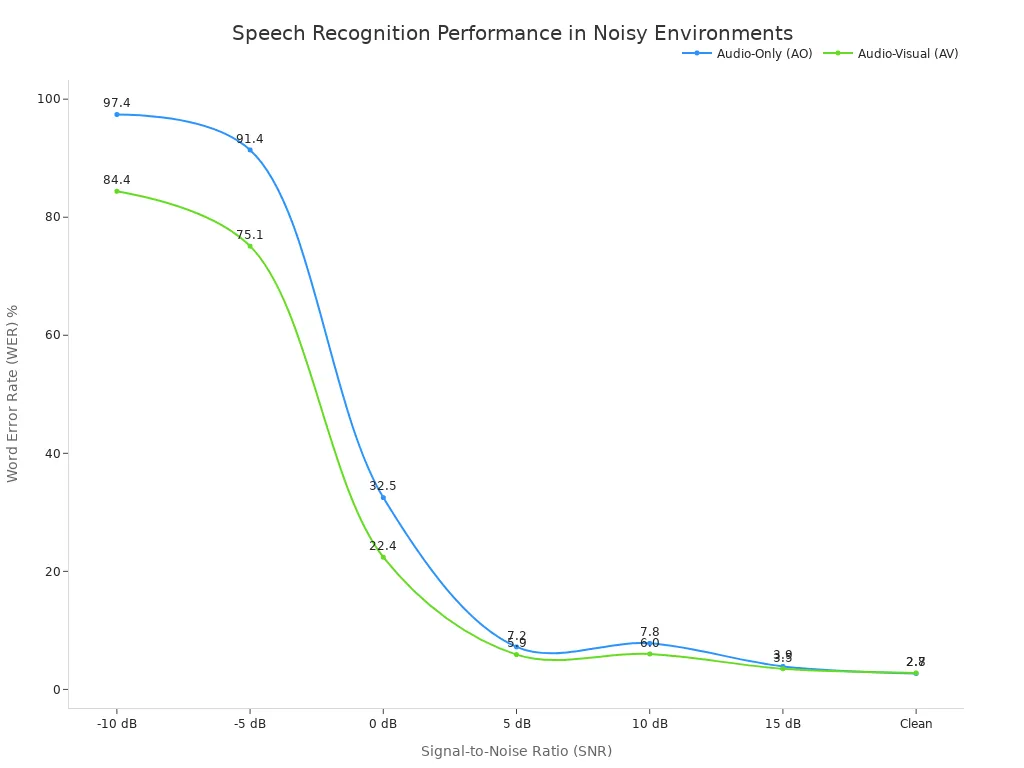
Accuracy can vary based on the environment, but modern AI performs exceptionally well.
| Scenario | Typical Accuracy Range |
|---|---|
| Clean studio recording | 95-98% |
| Phone conversations | 80-88% |
| Noisy environments | 70-85% |
| Heavily accented speech | 75-90% |
Advanced models continue to push these boundaries, with some AI even outperforming humans in noisy conditions.
Dynamic Conversational Scripting
The AI needs to know what to say. It follows a conversational script, but this script is dynamic, not rigid. Unlike old systems that failed with unexpected questions, modern conversational AI can adapt. If a customer asks something unplanned, the AI can access a vast knowledge base to find an appropriate answer. This dynamic capability is crucial for handling the unpredictable nature of human conversation.
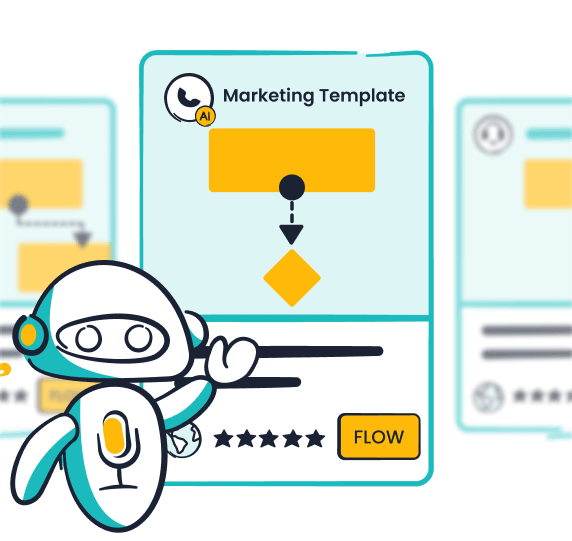
Setting up these complex conversational flows is surprisingly simple. Platforms like Sobot Voicebot feature a no-code, visual flow builder. Teams can design and modify call scripts using a drag-and-drop interface, making the AI easy to customize without needing any programming skills.
This allows the AI to manage a wide range of scenarios, from lead qualification and nurturing to appointment setting. The AI learns from every interaction, continuously improving its ability to handle future calls.
Data Capture and CRM Integration
A key function of ai outbound calling is collecting information. During the call, the AI captures important data points. This information is critical for sales, marketing, and customer service teams. The AI can identify and record:
- Lead information (name, contact details, interest level)
- Customer inquiries and feedback
- Details from financial transactions
- Data for identifying trends and preferences
After the call ends, this data needs to go somewhere useful. The AI automatically syncs the captured information with a Customer Relationship Management (CRM) platform like Salesforce or HubSpot. This automation in lead qualification ensures that the sales team has immediate access to fresh, accurate data. There is no need for manual data entry, which saves time and reduces errors. This integration creates a unified view of the customer journey.
Seamless Handoff to Human Agents
Sometimes, an AI encounters a situation it cannot resolve. The issue might be too complex, or the customer might be too emotional. In these moments, the best AI voice agents know when to ask for help. Instead of ending the call, the system initiates a seamless handoff to a human agent.
This is not a cold transfer. The AI first provides the human agent with all the context. This includes the customer's identity, the reason for the call, and a summary of the conversation so far. The customer does not have to repeat themselves. The human agent can jump into the conversation and provide the high-touch assistance needed. This process ensures that the AI qualifies a lead or identifies a complex problem before smoothly transferring the call, blending the efficiency of AI with the empathy of a human expert.
Real-World AI Outbound Calling Use Cases
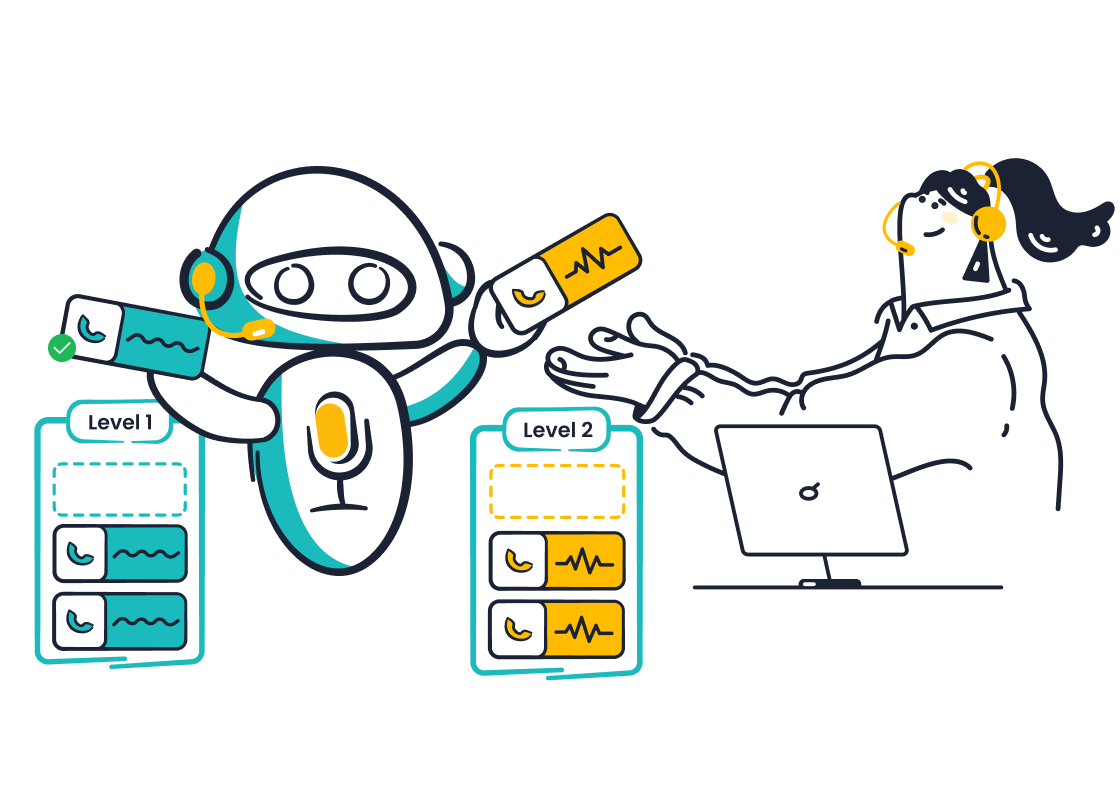
Outbound call AI is transforming how businesses connect with people. This technology offers practical solutions across many industries. Companies use it for everything from finding new customers to keeping existing ones happy. The applications are diverse and powerful, showing why so many sales teams love ai outbound calling.
AI Cold Calling and Lead Generation
AI cold calling automates the most time-consuming part of sales: prospecting. An AI system can make thousands of initial calls to identify potential leads. This process of automated prospecting frees up human agents to focus on conversations with genuinely interested people. The AI handles the repetitive work of dialing and initial screening.
This technology is not just about making more calls; it's about making smarter calls. AI excels at lead qualification and nurturing. It asks screening questions, gauges interest, and scores leads with high precision. This ai sales automation ensures that the sales team receives only high-quality prospects.
| Agent Type | Lead Scoring Precision |
|---|---|
| AI Solutions | 85–90 percent |
| Humans | Varies, drops due to fatigue or lack of standardized criteria |
This level of consistency makes ai-driven lead generation incredibly effective. The AI follows the script perfectly every time. It never gets tired or discouraged. This makes ai cold calling a reliable tool for building a sales pipeline. Industries like real estate are rapidly adopting AI for this purpose.
- Real estate SaaS solutions use AI to automate routine tasks.
- These tools help agents make quicker, more informed decisions.
- For example, the real estate platform VTS uses data analytics to help clients speed up lead-to-lease conversions by 41%.
This shows the power of AI in modern sales outreach and lead generation. The use of ai cold calling and ai voice prospecting is a game-changer for prospecting efforts.
AI-Powered Appointment Setting
Once a lead shows interest, the next step is often booking a meeting. AI-powered appointment setting handles this task seamlessly. The AI can access an agent's calendar, offer available time slots, and schedule the appointment directly during the call. This automation eliminates the back-and-forth emails that often delay the sales process.
This capability is especially valuable in B2B sales. An AI can manage complex scheduling across different time zones without human error. It confirms the meeting details and sends calendar invites automatically. This makes the entire process efficient for both the customer and the sales team. Many companies see significant improvements with this technology.
| Company | Primary Challenge | Solution | Key Results |
|---|---|---|---|
| Enthu.AI | Manual appointment setting and inconsistent call quality monitoring | AI-driven conversation analytics, automated scheduling, and call summarization | Higher appointment booking rates, better follow-up strategies, and increased sales conversions |
This use of ai cold calling for scheduling directly boosts productivity. It ensures that interested prospects get on the calendar quickly, increasing the chances of closing a deal.
Automated Surveys and Feedback
Understanding the customer is vital for any business. AI outbound calling provides a scalable way to collect feedback through automated surveys. An AI can call customers to ask about their recent purchase, service interaction, or overall satisfaction. It can gather valuable data, like a Net Promoter Score (NPS), which measures customer loyalty.
AI voicebots make the survey process more personal. They can use information from past interactions to tailor questions. This improves the customer experience and increases response rates.
This technology is valuable across many industries that Sobot serves, including retail, e-commerce, and financial services. For example, a financial services company can use AI to gather feedback on a new mobile app feature. This approach delivers powerful results.
A great example is Opay, a leading financial service platform. By implementing Sobot's omnichannel solution, Opay streamlined its customer service and feedback collection. The results were remarkable:
- Customer satisfaction soared from 60% to 90%.
- Overall operational costs fell by 20%.
- The company could manage high volumes of interactions efficiently.
This success story, detailed further here, shows how automated calls for feedback can lead to major business improvements. The AI gathers the data, and the business gains the insights needed to grow.
Proactive Reminders and Notifications
AI is also excellent for proactive communication. Businesses use automated calls to send important reminders and notifications. This helps reduce missed appointments and keeps customers informed. Automated reminders have been shown to reduce no-show rates by up to 32%, saving businesses significant time and money.
The applications are widespread.
- Healthcare: Clinics use AI calls to remind patients of upcoming appointments.
- Financial Services: Banks send automated payment alerts or fraud warnings.
- Logistics: Companies notify customers about package delivery times.
This type of ai outbound calling is not just about reminders. In logistics, AI can use sensor data to predict machine failures and notify technicians before a breakdown occurs. In healthcare, it can send alerts for safety compliance, such as a person not wearing a medical mask in a restricted area. These proactive calls improve efficiency and safety. The AI handles these crucial but repetitive communications, ensuring the message is delivered reliably every time. This is a simple yet powerful use of ai cold calling technology for customer retention and operational excellence.
Key Business Benefits of AI Callers
Adopting an outbound call AI brings major advantages to a business. This technology improves how companies manage their outbound call operations. It boosts efficiency, cuts costs, and enhances the overall customer experience. The benefits make AI a powerful tool for modern business growth.
Increased Call Efficiency
AI dramatically increases the number of calls a team can make. An AI dialer works much faster than a human agent. This automation allows businesses to connect with more people in less time. The difference in output is significant.
| Dialing Method | Calls Per Hour |
|---|---|
| Traditional Manual Dialing | 20-30 |
| AI-powered Dialing | 80-100+ |
This boost in call volume directly accelerates sales and outreach efforts. More calls lead to more conversations and opportunities.
Significant Cost Reduction
AI outbound calling offers substantial financial savings. The AI handles repetitive tasks, which reduces the need for a large human staff for simple calls. This lowers expenses related to salaries and training. AI also helps reduce employee turnover by creating a better work environment for human agents. The cost difference is clear.
| Category | Human Staffing (Annual) | AI Agent (Annual) |
|---|---|---|
| Cost Comparison | $212,894 | $1,588 |
This level of ai sales automation frees up budget for other important business areas.
24/7 Operational Capacity
An AI system works around the clock without breaks. This 24/7 availability means a business can engage with a customer at any time. The AI can make calls, answer questions, and capture leads even outside of normal business hours. This constant operation ensures no opportunity is missed and every customer feels supported.
Improved Data Accuracy
Manual data entry often leads to errors. An AI caller solves this problem by capturing information automatically. The AI applies consistent rules and validation for all data it collects during calls. This process eliminates typos and ensures the information entering your CRM is clean and reliable. Accurate data helps teams make better decisions.
On-Demand Scalability
Businesses face busy seasons and sudden peaks in demand. An AI system scales instantly to meet these challenges. A company can increase its call volume for a sales event or a marketing campaign without hiring temporary staff. For example, e-commerce stores use AI to manage huge surges in customer calls during holiday sales, maintaining service quality. This flexibility is essential for growth.
What to Look for in an Outbound AI Solution
Choosing the right ai outbound calling solution is crucial for success. Businesses should look for specific features that ensure a positive customer experience and operational efficiency. The best ai-powered outbound calling solutions combine advanced technology with user-friendly design. This makes the AI a valuable asset for any team.
Human-Like Voice Quality
The quality of the AI voice is extremely important. A robotic voice can make a customer hang up immediately. A natural, human-like voice builds trust and encourages a conversational exchange. Modern AI achieves this using sophisticated technologies.
- Tacotron is a system that turns text into natural speech. It understands context and intonation.
- Vocoders like WaveNet then convert this information into a realistic audio waveform.
This advanced AI creates personalized conversations that feel genuine. The goal is to make the interaction pleasant and effective.
Multilingual Capabilities
Businesses today operate in a global market. An effective AI must communicate with people in their native language. Top-tier AI calling software supports a wide range of languages. Some platforms can handle over 100 languages and dialects. This capability is essential for personalization in messaging and reaching a diverse customer base. A powerful conversational AI like Sobot Voicebot is truly multilingual. It allows a business to deploy one solution for many different regions.
Easy No-Code Customization
Your business needs are unique. Your AI should be easy to customize without needing a team of developers. Leading solutions offer no-code platforms with visual builders.
These tools use a drag-and-drop interface. Teams can design conversational flows, set rules, and modify scripts quickly.
This flexibility allows a business to adapt its AI for different campaigns or customer service scenarios. Platforms like Sobot Voicebot empower users to build and manage their own AI agents, making the technology accessible to everyone. This simple customization is key for effective ai outbound calling.
Robust Integration APIs
An AI caller should not be a standalone tool. It needs to connect with your existing business systems. Robust integration APIs are essential for this. They allow the AI to sync data seamlessly with customer engagement platforms and CRMs. This connection ensures that information captured during a call is immediately available to your sales and support teams. This integration automates workflows and creates a unified view of every customer interaction. The right AI solution works as part of your technology ecosystem.
Outbound call AI is a powerful tool for business growth. This technology uses automation to handle repetitive calls efficiently and at scale. The true value of AI outbound calling, however, is how it empowers human teams. Solutions like Sobot Voicebot free agents from routine calls, allowing them to focus on building relationships. With 81% of sales teams using AI reporting higher revenue, the impact of AI is clear. Businesses should explore how an AI voicebot can enhance their contact journey and improve the efficiency of their calls. This AI is the future of smart communication.
FAQ
Is outbound call AI legal?
Yes, outbound call AI is legal when used correctly. Businesses must follow regulations like the Telephone Consumer Protection Act (TCPA). This includes obtaining prior consent, honoring Do Not Call lists, and making calls during permitted hours. The AI must operate within these legal frameworks.
Will an AI caller annoy my customers?
Modern AI reduces the chance of annoying a customer. High-quality AI uses a human-like voice and understands natural language. This makes interactions smooth. The AI can also detect when a customer is frustrated and transfer the call to a human agent for better support.
How does the AI handle different languages?
Advanced AI solutions are multilingual. A platform like Sobot Voicebot supports many languages and dialects. This capability allows a business to personalize its outreach. The AI can conduct calls in a customer's native language, which improves the overall experience and communication effectiveness.
Can AI make different types of calls?
Yes, AI is very versatile. It can handle various types of calls. This includes lead generation calls, appointment reminders, customer feedback surveys, and proactive notifications. The AI can be customized for many different business objectives, making it a flexible tool for outreach.
See Also
Exploring Top Artificial Intelligence Solutions for Enterprise Call Centers
Your Essential Guide to Advanced AI Software for Call Centers
Unveiling the Efficiency: How Call Center Automation Transforms Operations
The Best Automated Voice Calling Software Solutions Reviewed for 2024
Understanding the Mechanics: How IVR Voice Recognition Software Functions

