The Power of Multichannel Customer Support Today

Multichannel customer support is a strategy to engage your customers across separate channels like email, phone, or social media. Its power lies in giving customers the convenience and choice that meet modern customer expectations. This multi-channel approach is crucial for your business. It directly builds customer loyalty and improves customer retention.
A strong multi-channel customer service strategy can result in an 89% customer retention rate, a massive leap from the 33% seen with single-channel support.
A unified platform from Sobot integrates your entire multi channel customer support system. It connects everything from the Sobot call center to Sobot AI chat, creating a seamless multichannel customer service experience for all customers.
Why Multichannel Customer Support is Imperative
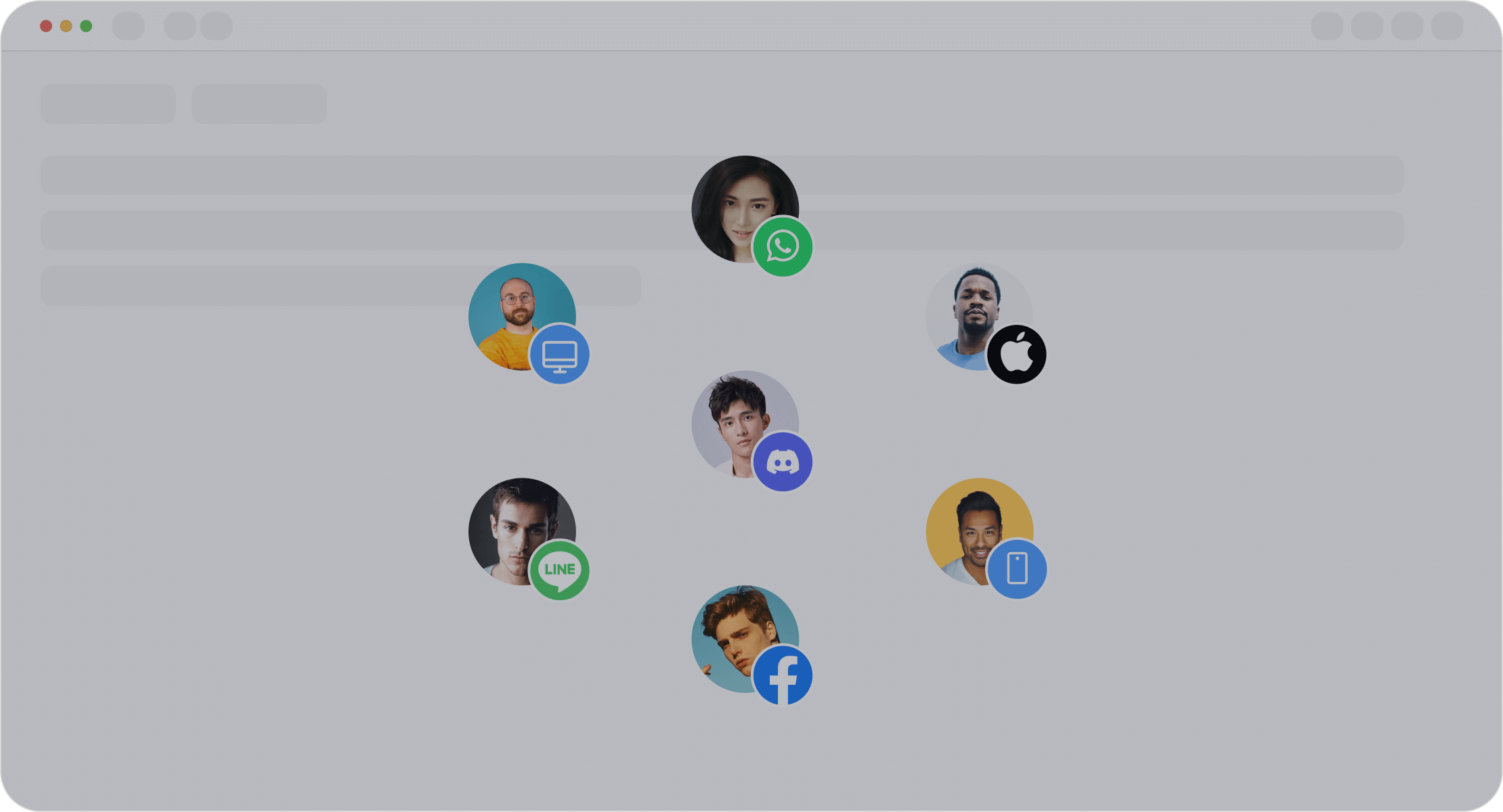
Understanding the importance of multi-channel customer service is key to modern business success. You need to be where your customers are. A multichannel approach is no longer a luxury; it is a fundamental requirement for growth. It allows you to connect with customers on their terms, building a foundation of trust and loyalty. Let's explore the core advantages of multi-channel customer service.
Boosts Satisfaction with Multi Channel Customer Support
Today's customers expect convenience. They want to interact with your business on their preferred platforms. This might mean sending an email for a detailed issue, using live chat for a quick question, or making a phone call to finalize a purchase. Your customers want every interaction to feel like one continuous conversation. A strong multi channel customer support strategy delivers this seamless experience, which directly boosts satisfaction.
When you meet customer expectations, you build stronger relationships. This focus on the customer experience leads to higher customer retention. Leading companies demonstrate the power of this strategy:
- Amazon uses product reviews, surveys, and direct customer service interactions to achieve over 90% customer satisfaction.
- Nike saw a 15% increase in satisfaction by actively responding to customers on social media.
- Marriott improved its Net Promoter Score (NPS) by 15% using guest feedback kiosks and online surveys.
These examples show a clear link between offering multiple channels and creating happy, loyal customers.
Increases Operational Efficiency
A multichannel customer service strategy does more than please customers. It also makes your support team more efficient. By using tools like AI chatbots and self-service portals, you can automate answers to simple, repetitive questions. This frees up your agents. They can then focus their expertise on solving more complex issues that require a human touch. This leads to faster resolution times and a better overall customer experience.
Consolidating your channels into a single platform creates massive operational gains. Instead of juggling different systems, your agents can manage interactions from one unified interface. This has several benefits:
A unified system centralizes all customer information. Your team avoids redundant conversations because they have the full context of a customer's journey. This improves first-contact resolution and reduces the need for follow-up interactions.
This streamlined process reduces operational costs. You eliminate the need for separate software licenses, hardware, and maintenance for each channel. Your agents become more productive, your resource allocation improves, and your business sees a greater return on investment. The right multichannel customer service platform pays for itself through improved efficiency.
Provides Deeper Customer Insights
Every interaction is a chance to learn more about your customers. A multichannel strategy gives you a wealth of data. By analyzing conversations across email, social media, and chat, you uncover valuable insights into customer behavior and preferences. This is a key part of effective customer engagement.
You can use cross-channel analysis to connect data from different touchpoints. This gives you a complete picture of the customer journey. You can track metrics like:
- Preferred communication channels
- Common questions or pain points
- Product feedback and suggestions
- Peak times for customer support requests
With these insights, you can make smarter business decisions. You can personalize the customer experience by offering tailored recommendations based on purchase history and behavior. This data also helps you proactively address potential issues, improve your products, and refine your overall customer service strategy. This multi-channel approach turns your customer support from a cost center into a powerful engine for growth.
Key Channels in a Modern Multichannel Strategy

Choosing the right channels is vital for your multichannel customer service strategy. You must be present where your customers are. A modern approach involves delivering service via multiple support channels. This ensures you meet the diverse preferences of all your customers. Let's explore the key channels that form a powerful multi-channel strategy.
Phone Support
Phone support remains a cornerstone of customer service. Despite the rise of digital options, many customers still value a direct conversation.
- 68% of consumers prefer to communicate with businesses over the phone.
- This channel is perfect for resolving complex or urgent issues that require a human touch.
A strong multi-channel approach integrates phone support with other channels. This gives your customers a reliable option for immediate help.
Email and Ticketing Systems
Email is a fundamental channel for non-urgent, detailed inquiries. You should aim to respond to customers within 12 to 24 hours. A ticketing system transforms these emails into organized tasks for your team. Modern systems use automation and SLA management to improve agent efficiency and ensure timely responses. This organized workflow is a key part of effective multichannel customer service.
Live Chat
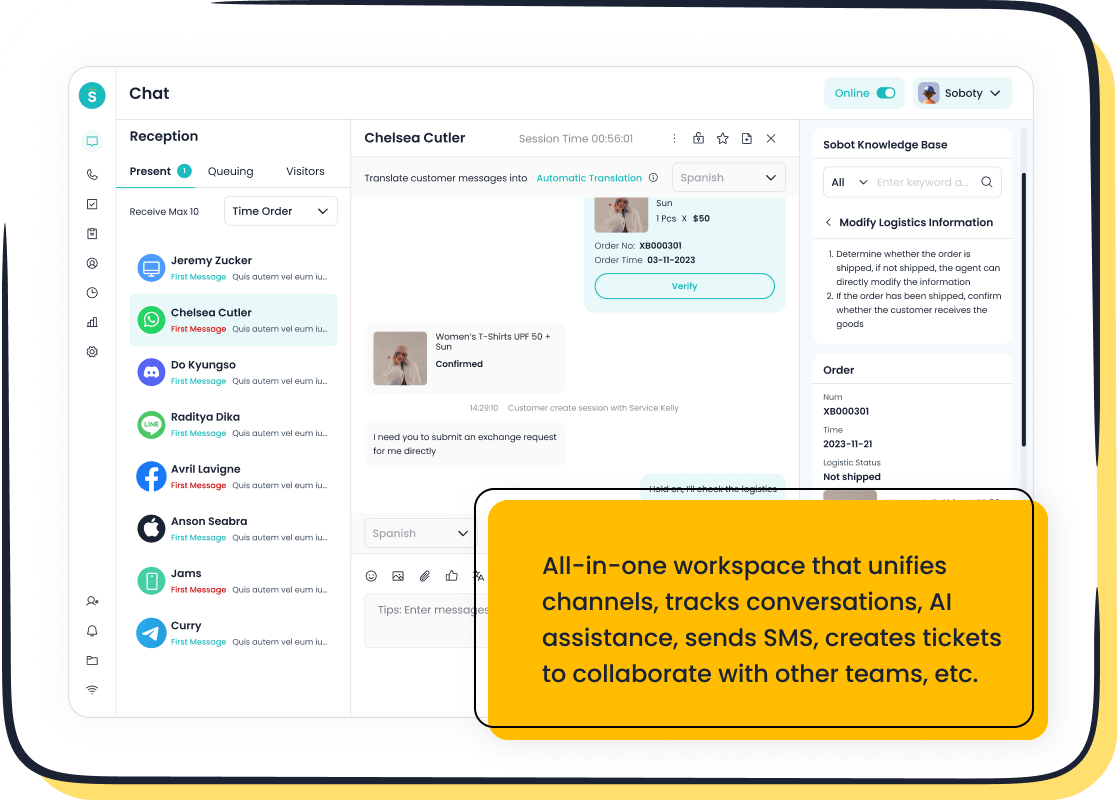
Live chat offers instant support directly on your website or app. It is a favorite for many customers because of its speed and convenience.
Implementing a live chat service can increase website conversions by 20%. Customers who use chat are more likely to make a purchase.
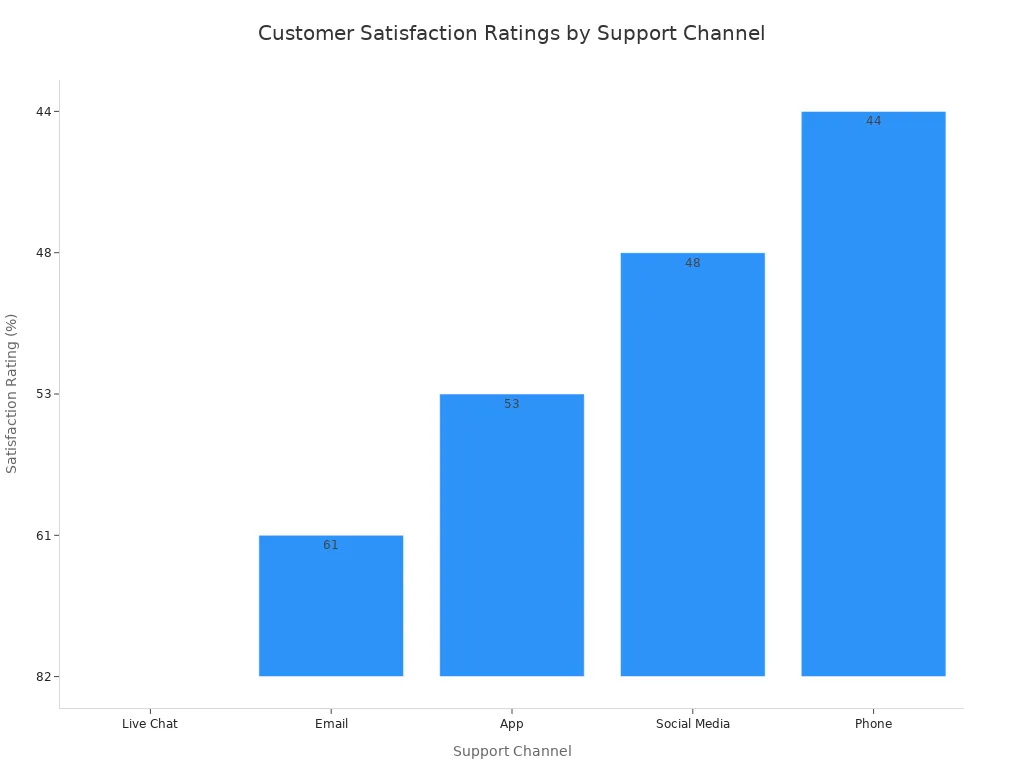
This channel has the highest satisfaction ratings. It allows your customers to get quick answers without leaving your site.
Social Media
Your customers are active on social media platforms like Facebook, X (formerly Twitter), and Instagram. You need a presence there to handle public questions and complaints. Many top brands, like Nike, use dedicated social media accounts for multi-channel customer service. This shows customers you are listening and ready to help on their preferred platforms.
Self-Service Portals
Many customers want to find answers on their own. In fact, 81% of customers try to solve problems themselves before contacting an agent. A self-service portal, like a knowledge base or FAQ page, empowers these customers. This multichannel option reduces ticket volume for your team. It also provides customers with 24/7 access to information.
Building a Powerful Multi-Channel Strategy with Sobot
An exceptional customer experience is built on a foundation of strategic planning and powerful tools. Creating an effective multi-channel customer service strategy requires more than just being present on various platforms; it demands a unified and intelligent approach. With a partner like Sobot, you can transform your customer service from a series of separate interactions into a cohesive and powerful engine for growth. Let's explore the essential steps to build a robust multi-channel strategy.
Unify Your Platforms
Your first step is to break down the silos between your communication channels. Customers expect a seamless journey, and they do not want to repeat themselves. A unified platform is the key to delivering this experience.
Tip: A unified workspace improves agent productivity and efficiency. Centralizing tools and information reduces the time and effort needed for customer interactions, leading to faster resolution times and happier customers.
Sobot's Omnichannel Solution integrates voice, email, social media, and chat into a single, intuitive agent workspace. This consolidation offers several powerful advantages:
- Improved Efficiency: Your agents can manage conversations from multiple channels without switching between different systems. This streamlined workflow boosts productivity.
- Enhanced Customer Experience: With a complete view of a customer's history, your agents provide faster, more personalized support. This boosts customer satisfaction.
- Reduced Errors: A single interface minimizes the mistakes that happen when juggling multiple applications, leading to more accurate service.
By unifying your platforms, you empower your team with a 360-degree view of every customer. This allows them to provide consistent, contextual support that builds trust and loyalty.
Ensure Consistent Messaging
Your brand's voice is its personality. Consistent communication across all your multi-channel touchpoints is crucial for building a recognizable and trustworthy brand. Whether a customer interacts with you via email, social media, or live chat, the tone and style should feel familiar.
To achieve this, you should develop a clear brand voice guide. This document acts as a compass for your team, outlining your brand's personality, tone, and language.
| Guideline Element | Description | Example |
|---|---|---|
| Personality Traits | Define 3-4 key traits. | Professional, Approachable, Trustworthy |
| Tone of Voice | Adapt tone for the situation. | Empathetic for complaints, enthusiastic for praise. |
| Do's and Don'ts | Set clear language rules. | Do: Use conversational language. Don't: Use corporate jargon. |
This guide ensures that every agent, whether they are handling a phone call or a social media message, represents your brand consistently. This multi-channel consistency strengthens your brand identity and fosters a deeper connection with your customers.
Leverage Automation and AI
Automation is a game-changer for modern multichannel customer service. It allows you to provide instant support while freeing up your human agents to handle more complex issues. AI-powered tools can manage a high volume of repetitive queries efficiently.
Sobot's AI-powered Chatbot and Live Chat tools are designed to do just this. They can operate 24/7, providing your customers with instant answers to common questions like order status or password resets. This automation delivers significant benefits:
- 24/7 Availability: Your customers get help whenever they need it, even outside of business hours.
- Instant Resolution: Chatbots resolve simple issues immediately, eliminating wait times.
- Agent Empowerment: By automating routine tasks, you free up your agents to focus on high-value interactions that require empathy and critical thinking. This increases their efficiency by approximately 30%.
Integrating AI into your multi-channel approach not only improves operational efficiency but also enhances the overall customer experience by providing swift and accurate support.
Train Your Team
Your technology is only as good as the people using it. Proper training is essential for your team to master the tools and skills needed for effective multi-channel customer service. Training should go beyond just software and focus on developing both technical and soft skills.
Effective training programs for a multichannel customer support team should include:
- Platform Proficiency: Hands-on training with your unified customer service platform, like Sobot's, to ensure agents can navigate it efficiently.
- Channel-Specific Communication: Teach agents how to adapt their communication style for different channels—concise for chat, detailed for email, and empathetic for phone calls.
- Problem-Solving Scenarios: Use real-life examples to prepare agents for common issues and teach them when and how to escalate complex problems for quick resolution.
- Soft Skills Development: Emphasize empathy, active listening, and patience to ensure every customer feels heard and valued.
A well-trained team is confident and capable, ready to deliver exceptional service across every channel. This investment in your people pays dividends in customer satisfaction and loyalty.
Measure and Optimize
To build a truly powerful multi-channel strategy, you must continuously measure your performance and optimize your approach. Data provides the insights you need to understand what is working and where you can improve. Tracking the right Key Performance Indicators (KPIs) is essential.
Focus on metrics that give you a clear picture of both operational efficiency and customer happiness.
By regularly analyzing customer feedback and performance data, you can make informed decisions to refine your multi channel customer support strategy. This iterative process of measuring and optimizing is the key to long-term success and sustained growth.
Here are some crucial KPIs to monitor:
- Customer Satisfaction Score (CSAT): Directly asks customers how satisfied they were with their interaction.
- Net Promoter Score (NPS): Measures customer loyalty and their likelihood to recommend your brand.
- First Contact Resolution (FCR): Tracks the percentage of issues resolved in a single interaction.
- Average Handle Time (AHT): Measures the average duration of a transaction, from initiation to resolution.
Sobot's platform provides built-in analytics with customizable reports, making it easy to track these metrics across all your channels. Use these insights to identify trends, address pain points, and continually enhance your customer engagement efforts.
A Customer Service Success Story: Opay
Theory is one thing, but real-world results show the true power of a strategy. Look at the success of Opay, a leading financial service platform. They partnered with Sobot to transform their multichannel customer service. This case study proves the value of a unified multi-channel approach for your own business.
The Challenge: Fragmented Communication
Opay serves tens of millions of customers. These customers reached out through social media, email, and phone calls. The company faced a high volume of inquiries across these separate channels. This fragmented system made it difficult to track conversations and provide consistent support. Their agents struggled to keep up, which impacted resolution times and customer satisfaction. Opay needed a way to unify its multi-channel customer service to better manage customer engagement.
The Solution: An Integrated Platform
Opay implemented Sobot's Omnichannel Solution. This single platform integrated all of Opay's communication channels. Sobot's email ticketing system turned customer emails into organized tasks for faster resolution. The intelligent IVR system helped customers find answers themselves, reducing the workload on agents. This integrated system gave Opay a complete view of every customer interaction, creating a seamless multichannel customer service experience.
The Results: A 90% CSAT Rate
The results were transformative. By unifying their multichannel strategy, Opay saw a massive leap in performance.
Opay's customer satisfaction soared from 60% to an incredible 90%. This shows how a streamlined customer service system directly impacts how customers feel about your brand.
The benefits went beyond just satisfaction. Opay also achieved:
- A 20% reduction in overall operational costs.
- A 17% increase in conversion rates.
This success story demonstrates that the right multi-channel tools do more than just organize your support. They drive real business growth, improve satisfaction, and create loyal customers.
The power of multi channel customer support is meeting your customers on their preferred channels. A well-executed multichannel strategy, as Opay's success proves, is a fundamental driver of growth. This effective multi-channel customer service sets you apart. Your customers expect this multi-channel care. Mastering your multichannel customer service is the foundational step. It prepares you for a seamless omnichannel experience, which customers will soon see as a baseline for all customer service. This multi-channel approach to multichannel customer service benefits all of your customers.
FAQ
What is the difference between multichannel and omnichannel?
Multichannel customer service means you offer support on separate channels. Omnichannel support connects these channels. This creates one seamless conversation for the customer. Your agents see the full history of every interaction, no matter the channel.
How do I choose the right channels for my business?
You should study your customers' habits. Find out which platforms they use most often. Start with a few key channels like email and live chat. You can add more channels as your business grows and you learn more about your customers' preferences.
Can a small business use multichannel support?
Yes, absolutely. Modern platforms make multichannel customer service affordable and easy to manage.
You can start with essential channels and scale up as your business grows. A unified solution helps you manage all interactions efficiently, even with a small team.
How does AI help in multichannel customer service?
AI-powered tools like chatbots answer common questions instantly, 24/7. This frees up your human agents. They can then focus their time on solving more complex customer problems. This improves both efficiency and the quality of your support.
See Also
Your Essential Handbook for Omnichannel Call Center Software Solutions
A 10-Step Blueprint for Omnichannel Contact Center Implementation Success
How AI Customer Service Agents Are Revolutionizing Support Experiences
Unlock the Power of Live Chat for Superior Customer Support
Top 10 Tips for Selecting Social Media Customer Service Software

