The 2025 Outbound Call Service Guide

An outbound call service is a business function where your agents make a proactive outbound call. This customer outreach drives growth through sales and proactive customer engagement. Modern platforms like the Sobot call center use technology like Sobot AI to make each outbound call smarter. The importance of this strategy from providers like Sobot is clear from the industry's rapid expansion, making customer engagement more vital than ever.
| Metric | Value |
|---|---|
| Global Call and Contact Center Outsourcing Market Size (2025) | USD 111.95 billion |
| Outbound Services Segment | Expected to expand at the fastest CAGR |
How Does an Outbound Call Center Work in 2025?
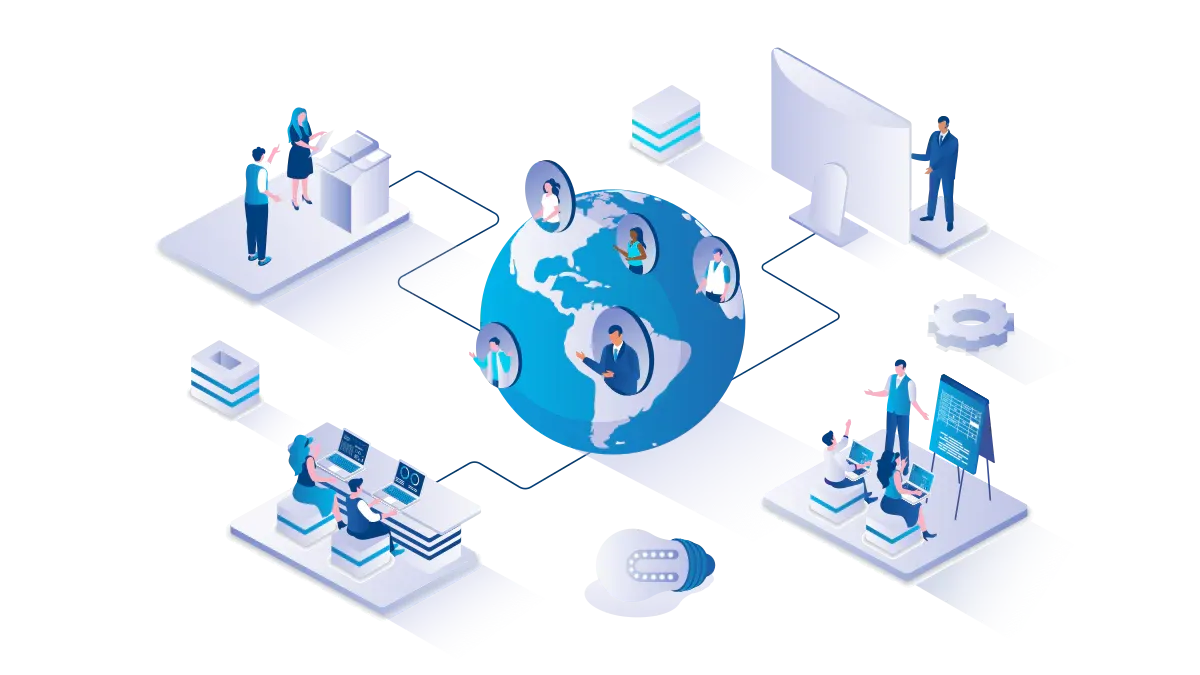
So, how does an outbound call center work in the modern era? It is a sophisticated, four-stage process that blends strategy, technology, and human skill. You can transform your outreach from simple cold calling into a powerful engine for growth. Each stage builds on the last, creating a cycle of continuous improvement.
Campaign Strategy and List Building
🎯 A successful outbound call campaign starts long before anyone picks up a phone. You build a strong strategy first. This initial stage is all about defining your goals and identifying the right audience. The foundation of this strategy is a high-quality prospect list. This list is a database of potential buyers who match your ideal customer profile.
A comprehensive list includes key details for personalization:
- Prospect’s name: This allows for direct and personal messaging.
- Company name: You can align your message with their business goals.
- Industry: This helps you understand their specific challenges.
- Job title: You can customize your approach based on their role.
To build and refine this list, you must segment your audience. You can use customer data to identify where individualized messages will have the most impact. Tailor your approach by using their name, referencing past interactions, and showing you understand their needs. Modern tools and platforms like LinkedIn Sales Navigator are essential for B2B lead generation.
- Optimize Your LinkedIn Profile: Make sure your profile highlights your expertise and shares valuable content.
- Build Connections: Actively identify decision-makers, personalize your connection requests, and engage with their content.
- Use Sales Navigator: This tool provides advanced search filters and real-time updates to help you find high-potential prospects.
Finally, you can supercharge your list with intent data. This data shows you which prospects are actively researching solutions like yours right now. When choosing a data provider, you should consider the types of data offered, its quality, and how well it integrates with your CRM.
Automated Dialing and Call Initiation
⚙️ Once you have your segmented list, the outbound call center uses technology to start the outreach. Manual dialing is slow and inefficient. Modern platforms use automated outbound dialing to connect agents with prospects quickly. This automation dramatically increases productivity. In fact, using predictive dialers can boost agent talk time by as much as 200-300% compared to manual dialing. This means your agents spend more time talking to prospects and less time waiting.
However, with great power comes great responsibility. An outbound call must comply with telemarketing regulations.
A Note on Compliance: Automated dialing systems must follow strict rules like the TCPA in the U.S. and GDPR in the EU. Key requirements include:
- Getting Prior Consent: You need clear, written consent before sending automated marketing messages.
- Honoring Time Zones: You cannot make an outbound call before 8 a.m. or after 9 p.m. in the recipient's local time.
- Providing Easy Opt-Outs: You must give every customer a clear way to opt out (e.g., a "STOP" keyword for texts) and honor it immediately.
- Maintaining Clean Lists: You must regularly scrub your lists to remove unsubscribed contacts and numbers on Do Not Call registries.
A modern outbound call center platform helps you manage this compliance, protecting your business while enabling efficient outreach.
Agent Interaction and Live Support
💬 This is where the human element shines. When the dialing system connects a live person, the call is instantly routed to an available agent. The agent's screen in an outbound contact center typically shows a complete profile of the customer, including their name, company, and any past interactions. This allows for a personalized and relevant conversation from the very first second.
Agent confidence and skill are critical. The best way to prepare your team is through robust training and providing them with effective talk tracks for common objections.
Here are a few examples of how to handle pushback during an outbound call:
- "I don’t have time to talk.": Respond with, "Of course! I’ve contacted you out of the blue. Is there a better time, or could it be that this is not interesting for you at the moment?"
- "It’s too expensive.": You can explain the long-term value. Try saying, "Many of our customers had similar concerns, but they quickly saw savings of X, and the long-term benefits showed it was a smart investment."
- "We already use another provider.": Use this as an opportunity. Ask, "That’s great! Out of interest, why does that work well for you?" This helps you find gaps where your solution might be superior.
To improve agent performance, you should implement continuous skill-building programs. Fostering open communication channels for team and customer feedback also helps agents feel valued and identifies areas for improvement.
Post-Call Analytics and Follow-Up
📊 The work in an outbound call center is not finished when the outbound call ends. After each conversation, the agent logs the outcome. This could be a sale, a scheduled appointment, or a request for more information. This data is vital.
This is how to improve outbound call center operations. Managers use real-time analytics dashboards to track key metrics like connection rates, conversion rates, and average handle time. This information reveals what’s working and what isn’t. You can see which scripts are most effective, which agents are top performers, and which lists are generating the best results.
This data-driven feedback loop allows you to:
- Refine your campaign strategy for the next outbound call.
- Provide targeted coaching to agents.
- Optimize your dialing settings for better efficiency.
- Automate follow-up tasks, like sending an email or scheduling the next contact.
By analyzing every step, an outbound call center turns each interaction into valuable business intelligence, ensuring every future campaign is smarter than the last.
Key Functions of an Outbound Call Service
An outbound call service is more than just a tool for making calls. It is a strategic asset that performs many jobs to help your business grow. You can use it to find new customers, keep existing ones happy, and gather important information. Understanding the key functions for outbound call center operations shows you how to unlock its full potential.
Sales and Lead Generation
The most well-known function of an outbound call center is driving sales and lead generation. Your agents make a targeted outbound call to connect with potential buyers, introduce your products, and close deals. This direct form of customer outreach allows you to build a strong sales pipeline.
Effective lead generation starts with a quality list and a clear strategy. Your agents use personalized scripts to start conversations and identify qualified leads. While the global average conversion rate for outbound sales calls is around 2.5%, you can improve this number. Your success depends on your industry, the quality of your leads, and the skill of your agents. A modern outbound call center helps you track these metrics, so you can refine your approach for better sales results. This process is a cornerstone of telemarketing and sales.
Appointment Setting and Reminders
Setting appointments is a critical step in many sales cycles, especially for B2B companies. An outbound call is one of the most effective ways to schedule meetings with busy decision-makers. Your agents can navigate past gatekeepers and speak directly with prospects to book demos or consultations.
To succeed, your team needs the right skills and strategies.
- Practice Active Listening: You should train agents to listen to a prospect's needs and tailor the conversation.
- Use a Multi-Channel Approach: You can combine an outbound call with email and social media to increase your chances of connection.
- Have a Strong Follow-Up Plan: You must be persistent. Use your CRM to schedule follow-up calls and bring new value with each interaction.
Did You Know? Once an appointment is set, an outbound call service helps ensure the person shows up. Studies show that patients who receive reminders are 23% more likely to attend their appointments. Automated SMS and voice reminders dramatically reduce no-show rates, protecting your revenue and your agents' time.
Market Research and Customer Surveys
Do you want to know what your customers really think? You can use an outbound call to ask them directly. Market research and customer surveys are powerful functions of an outbound call center. You can gather firsthand feedback on your products, brand perception, and overall customer experience. This information is gold for making smart business decisions.
You can ask different types of questions to get the insights you need.
- Product Development: "If you could change one thing about our product, what would it be?" This helps you identify areas for improvement.
- Brand Perception: "What words would you use to describe our brand?" This tells you how your company is seen in the market.
- Customer Experience: "On a scale of 1-10, how satisfied are you with our customer service?" This gives you a clear metric to track over time.
By turning this feedback into action, you can align your product roadmap with actual customer needs. This creates a powerful loop of listening, learning, and improving that drives long-term growth and customer loyalty.
Proactive Support and Retention
Great customer service is not just about reacting to problems. It is also about being proactive. You can use an outbound call center to reach out to your customer base before they even know they need help. This proactive engagement builds strong relationships and boosts retention.
Here are a few ways you can use proactive outreach:
- Onboarding New Customers: Make a welcome call to a new customer to guide them through your product and answer initial questions.
- Checking In: Contact a long-time customer to see how they are doing and if they need any support.
- Announcing Updates: Inform customers about new features or important changes that might affect them.
This type of proactive customer engagement shows you care. It makes your customer feel valued, which turns them into loyal advocates for your brand. A simple outbound call can make all the difference in keeping a customer for life.
Essential Outbound Call Center Technology

The right technology transforms your outbound call center from a simple phone bank into a strategic growth engine. You can use modern tools to automate tasks, empower agents, and gain deep insights from every outbound call. These key features of an outbound call center are essential for effective lead generation and sales.
Types of Outbound Call Center Dialers
Automated dialers are the heart of an efficient outbound call center. They dramatically increase the number of connections your agents make. You should choose a dialer based on your campaign goals for generating leads.
| Dialer Type | Efficiency Focus | Ideal Use Case |
|---|---|---|
| Predictive Dialer | Maximizes call volume | High-volume sales campaigns, low-value leads |
| Progressive Dialer | Balances efficiency with customer experience | Situations where customer experience is important |
| Power Dialer | Eliminates abandoned calls | Medium-value leads, retention campaigns |
Each type helps you manage a high volume of outbound call tasks, ensuring your agents spend more time talking to a potential customer.
Unified Workspace and CRM Integration
Your agents need information at their fingertips to make a successful outbound call. A unified workspace integrates your CRM and other tools into a single screen. This setup gives agents a complete view of the customer.
- You minimize the time agents lose switching between apps.
- You provide all customer information in one place.
This integration helps agents personalize each outbound call, which is crucial for lead generation and building customer relationships.
AI-Powered Call Monitoring
How do you ensure every outbound call meets your quality standards? AI-powered call monitoring provides the answer. AI can analyze 100% of calls, a massive increase from the 2% typically reviewed manually. It automatically scores interactions and uses sentiment analysis to detect customer emotions. If a customer shows frustration during an outbound call, the system can send a real-time alert to a supervisor for immediate assistance. This helps you identify coaching opportunities and protect your brand.
Real-Time Analytics Dashboards
Data drives improvement in a modern outbound contact center. Real-time analytics dashboards give you a live look at performance. You can track essential metrics to see what is working.
- Lead Conversion Rate: See how effectively your team turns leads into opportunities.
- Pipeline Velocity: Measure how quickly leads move through your sales funnel.
- Activity Metrics: Track the number of calls made and demos booked.
This information helps you optimize your strategy and guide your team toward better results.
Choosing the Right Outbound Service: A 2025 Checklist
Selecting the right platform is a critical decision for your sales and support teams. You need a solution that is reliable, intelligent, and can grow with you. This checklist covers the essential features for a modern outbound call service. Platforms like Sobot's Voice/Call Center provide an all-in-one solution that excels in these key areas.
System Stability and SLA
Your outbound call center cannot afford downtime. Every minute your system is offline means lost opportunities and frustrated agents. You should look for a provider that guarantees high availability with a Service Level Agreement (SLA).
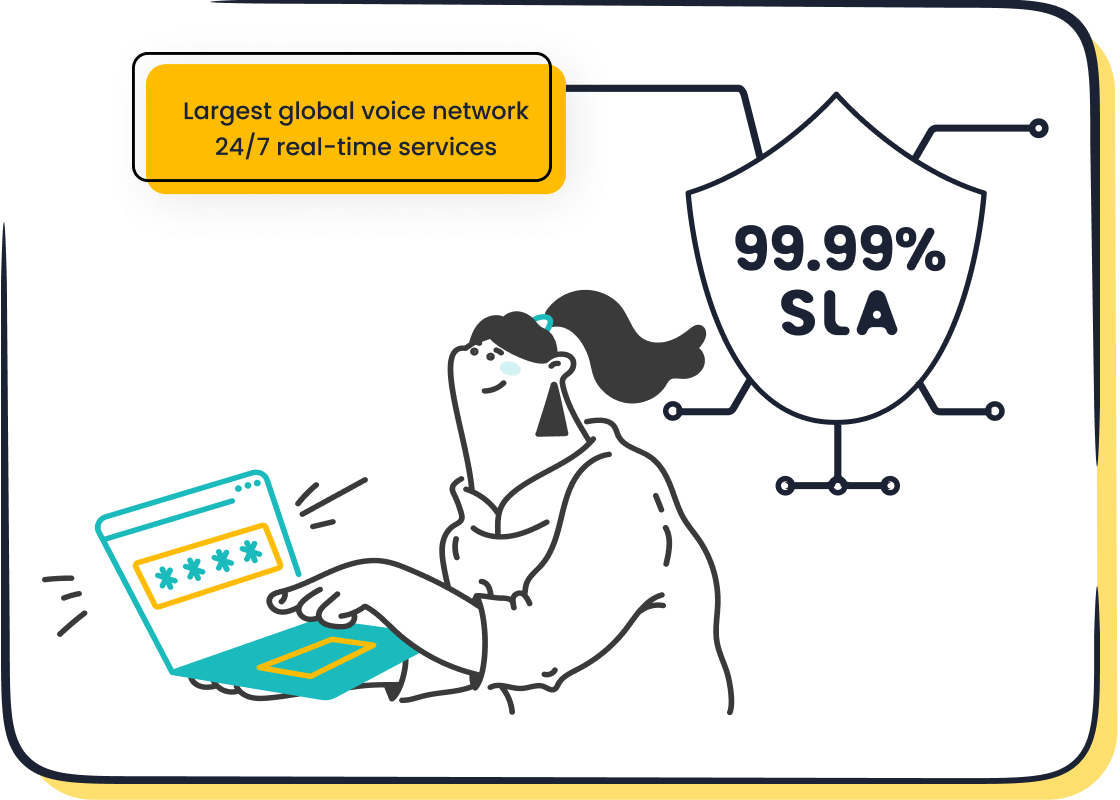
The industry standard for system uptime is 99.99%. This allows for only about 52 minutes of downtime per year, ensuring your operations are consistently running.
A provider like Sobot meets this golden standard, offering a 99.99% SLA. This commitment ensures your outbound call campaigns run without interruption, building trust with every customer.
AI and Automation Capabilities
In 2025, AI is essential for an effective outbound call center. You need tools that go beyond basic dialing. Look for conversational AI that can handle initial qualification and predictive AI that offers next-best-action recommendations for agents. Sobot’s AI-powered Voicebot uses intelligent interaction and intent recognition to make every outbound call smarter. This technology helps your team focus on high-value conversations.
Scalability and Global Reach
Your business goals will change, and your outbound call center must be able to adapt. A scalable, cloud-based solution allows you to expand your operations without major hardware investments. If you have global ambitions, you need a provider with worldwide network support and number availability. This ensures you can make a compliant and clear outbound call to any market.
Integration and Omnichannel Support
An outbound call is just one part of the customer journey. The best platforms integrate seamlessly with your CRM, giving agents a complete view of every interaction. This is a core component of the best practices for outbound call center management. Sobot offers simple CRM integration and a true omnichannel solution.
For example, the financial platform Opay used Sobot’s unified system to manage customer service across multiple channels. This integration helped them increase customer satisfaction from 60% to 90% and boost sales conversion rates by 17%.
In 2025, an outbound call service is a smart, technology-powered strategy for proactive growth. You can use it to drive sales, strengthen customer relationships, and boost your team's efficiency. The future of customer engagement is even more exciting. AI will continue to evolve, enabling deeper, more personalized interactions. Solutions like Sobot lead this charge, helping you turn every conversation into an opportunity and build lasting loyalty.
FAQ
How can I ensure my outbound calls comply with regulations?
You should choose a service provider that builds compliance into its platform. Look for features that manage time zones, honor Do Not Call lists, and help you track consent. A modern outbound call service makes it easier to follow the rules.
Can an outbound call service integrate with my existing CRM?
Yes. Leading platforms like Sobot offer simple, seamless integration with your CRM. This gives your agents a unified view of customer data, which helps them personalize every outbound call and improve efficiency.
What makes an outbound call service "intelligent"?
🤖 Intelligence comes from AI. An intelligent service uses AI-powered Voicebots for smart interactions and intent recognition. It also uses analytics to provide real-time insights, helping you optimize your strategy and coach your agents effectively.
How quickly can I set up an outbound call center?
Modern cloud-based solutions offer fast deployment. With a provider like Sobot, you can get your system running quickly without needing complex hardware. This allows your team to start making a productive outbound call sooner.
See Also
Discovering the Foremost Cloud-Based Contact Center Platforms for the Year 2025
Comprehensive Reviews of Leading Cloud Contact Center Services for 2024
Your Essential Guide to Omnichannel Call Center Software Solutions
Evaluating the Premier Contact Center Solutions and Platforms for 2024
Understanding Quality Management System Principles for Effective Call Centers

