Rethinking the Outbound Call for 2025 Success

You may hear that cold calling is dead. The data shows a different story. 57% of C-level buyers actually prefer phone calls. Effective outbound sales is not dead; it has evolved. Your success in 2025 depends on a new approach.
Forget the image of a rep reading a stale script. Picture a modern sales expert using data and Sobot AI to solve real problems. This is the new standard for what is an outbound call.
The modern playbook for outbound sales strategies is built on three pillars. You need data-driven personalization, technology like the Sobot call center, and evolved human-centric sales skills. Mastering these skills and strategies will define your sales success. This is the future of outbound sales.
What is an Outbound Call in 2025?
So, what is an outbound call in the modern era? It is no longer a numbers game of random dialing. The focus of outbound sales has shifted from high volume to high value. You must move beyond simple cold calling and embrace an intelligent, informed approach to your sales prospecting. This new method treats each call as a strategic touchpoint, not a blind attempt. It requires you to understand your prospect's business before you even pick up the phone. This is the core of effective outbound sales strategies.
Moving Beyond Cold Calling to Intelligent Calling
Intelligent calling transforms your outbound sales process. Instead of a generic script, you lead with insight. This means your sales team uses data to understand a prospect's challenges and goals. What is an outbound call if not an opportunity to solve a problem? This approach respects the prospect's time and positions your sales reps as valuable consultants. Your goal is to open a conversation, not just push a product. This shift in mindset is fundamental to successful prospecting and b2b lead generation.
The Role of Outbound in a Multi-Channel World
Your outbound sales calls do not exist in a vacuum. They are a critical component of a larger multi-channel strategy. The most effective sales cadences combine phone, email, and social media to maximize engagement. This ensures you meet prospects on their preferred platforms.
A modern outreach cadence might look like this:
- Day 1: A targeted call and voicemail.
- Day 2: A follow-up email referencing the call.
- Day 4: A connection request or message on LinkedIn.
This multi-channel approach to outbound sales keeps you top-of-mind and boosts response rates. It is a powerful way to cut through the noise and connect with decision-makers.
Why Personalization is the New Standard
Personalization is no longer optional; it is the expectation. Today, 71% of consumers expect personalized interactions from companies. Generic outreach frustrates potential customers and can damage your brand. Your prospects want to feel that you understand their specific needs. This is why personalized outreach is essential for generating high-quality leads. When you tailor your message, you show that you have done your research. This builds trust and significantly improves your sales results. This focus on personalized communication is what separates successful outbound sales from outdated cold calling and drives real customer engagement.
Three Pillars of Effective Outbound Sales Strategies
To succeed in 2025, you must build your approach on a proven framework. The most effective outbound sales strategies stand on three essential pillars. These pillars work together to transform your sales process from a series of cold calls into a system for building valuable relationships. Mastering these interconnected strategies will elevate your team's performance and drive sustainable growth. Your sales success depends on integrating these core components into every aspect of your outbound sales efforts.
Pillar 1: Data-Driven Personalization in Outbound Sales
The first pillar is data. Modern prospecting is not about guessing; it is about knowing. You must use data to understand your prospects on a deeper level before you ever dial their number. This means moving beyond basic firmographics to embrace micro-personalization. Effective data use involves several key steps:
- Analyze Your Target Prospects: Use market research and listen to sales calls to build your Ideal Customer Profile (ICP).
- Segment Your Audience: Group prospects by demographics, online behavior, or specific needs to tailor your message.
This level of research makes your outreach relevant. For example, mentioning a shared LinkedIn group can increase your chance of booking a meeting to 70%. This data-first approach to outbound sales ensures you connect with the right leads with the right message. As Lewis Gadsdon, Founder at SDRs of London, puts it:
“If I can see that you’ve done your research on me and included personalization points, that’s what will get my attention. It’s not about sending an abundance of messages, it’s about sending good ones.”
Pillar 2: Technology and AI Integration
The second pillar is the intelligent use of technology. AI and automation are your greatest allies in modern outbound sales. These tools handle repetitive, low-value tasks, which frees up your sales team to focus on what humans do best: building relationships and closing deals. AI can analyze vast amounts of data to help you prioritize leads with the highest potential to convert. This technology powers effective outbound sales strategies by ensuring your team spends its time on the most promising opportunities. Integrating intent data into your CRM, for instance, allows you to identify prospects who are actively researching solutions like yours. This turns cold prospecting into warm, relevant conversations and is a cornerstone of modern sales strategies.
Pillar 3: Evolved Human-Centric Sales Strategies
The final pillar brings it all back to your people. As technology automates tasks, uniquely human skills become more critical than ever. Your success in sales hinges on your team's ability to connect with prospects on a personal level. The most important sales skills for 2025 include:
- Emotional intelligence and empathy to build genuine rapport.
- Creative problem-solving to address unique customer challenges.
- Strategic thinking to interpret data and guide conversations.
Active listening is one of the most powerful skills in your arsenal. In fact, nearly 69% of buyers expect sales representatives to truly listen to their needs. Developing these human-centric skills ensures that your team can leverage the insights from data and technology to create real value for prospects. This focus on advanced skills is what completes your modern outbound sales strategies and drives the generation of high-quality leads.
Pillar 2: Integrating Technology and AI
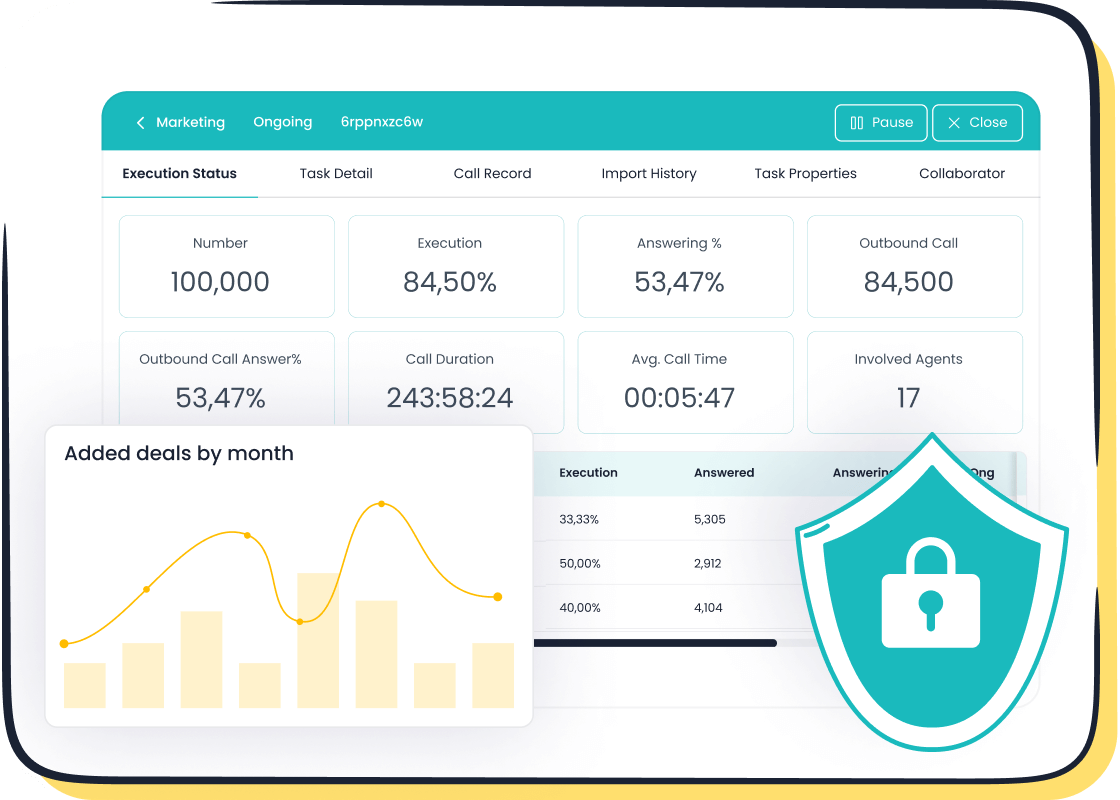
Technology is the engine that powers modern outbound sales. You must build a sales stack that enhances your team's capabilities, automates tedious work, and provides actionable insights. This allows your sales reps to focus on high-value conversations and strategic prospecting.
Building a Modern Sales Stack with Sobot
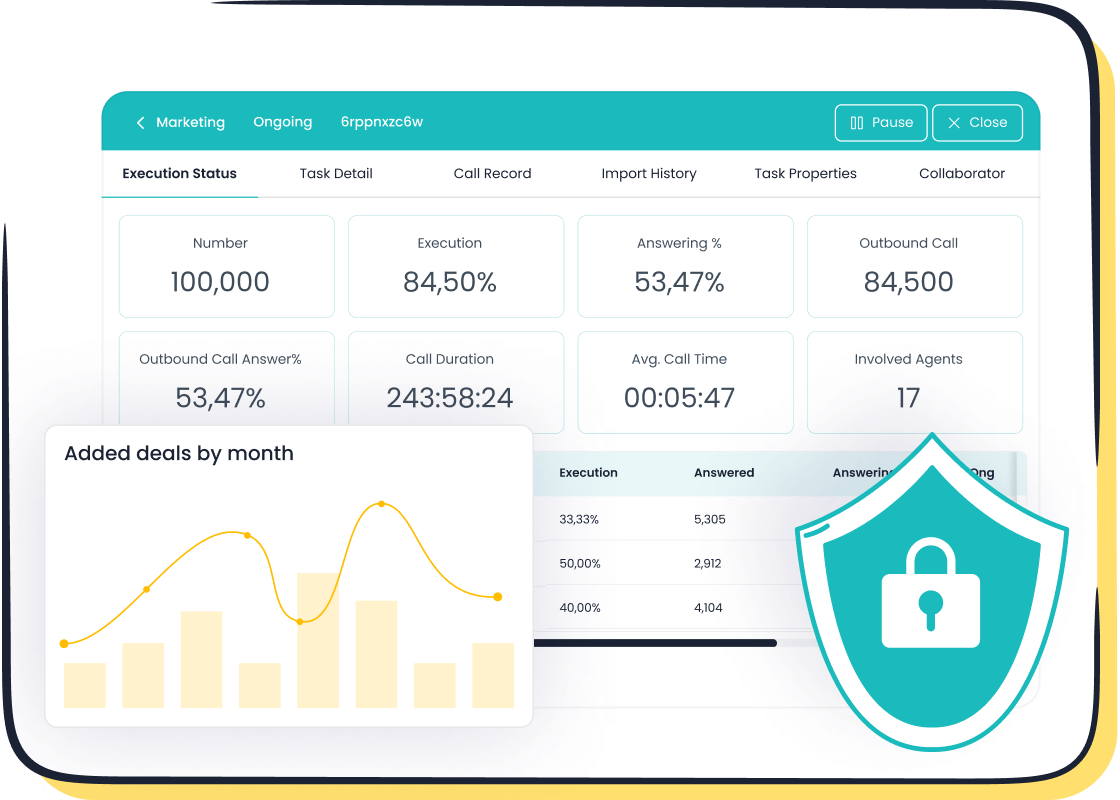
Your success depends on a cohesive technology stack, not a collection of disconnected tools. An all-in-one platform like Sobot Voice for Sales serves as the foundation for your outbound sales strategies. A modern stack helps you achieve:
- Faster sales velocity by automating tasks.
- Higher conversion rates with effective tools.
- Improved pipeline management to track leads.
- Better data hygiene for informed decisions.
Sobot integrates seamlessly with your CRM, like Salesforce or HubSpot, in under 30 minutes. This creates a single source of truth for your sales team. Features like its intelligent dialer boost outbound calling efficiency. Meanwhile, its AI-driven call monitoring provides deep insights to improve sales performance by:
- Analyzing conversations in real-time to refine pitches.
- Transcribing calls and evaluating sentiment to understand prospects better.
- Providing personalized coaching and training recommendations.
Automating Low-Value Tasks, Not Human Connection
Your sales team's time is their most valuable asset. Automation gives them more of it. By automating routine tasks, you increase sales productivity and allow reps to focus on building relationships. You can automate tasks such as:
- Drafting initial outreach and follow-up emails.
- Prioritizing prospects through lead scoring.
- Manual data entry into your CRM.
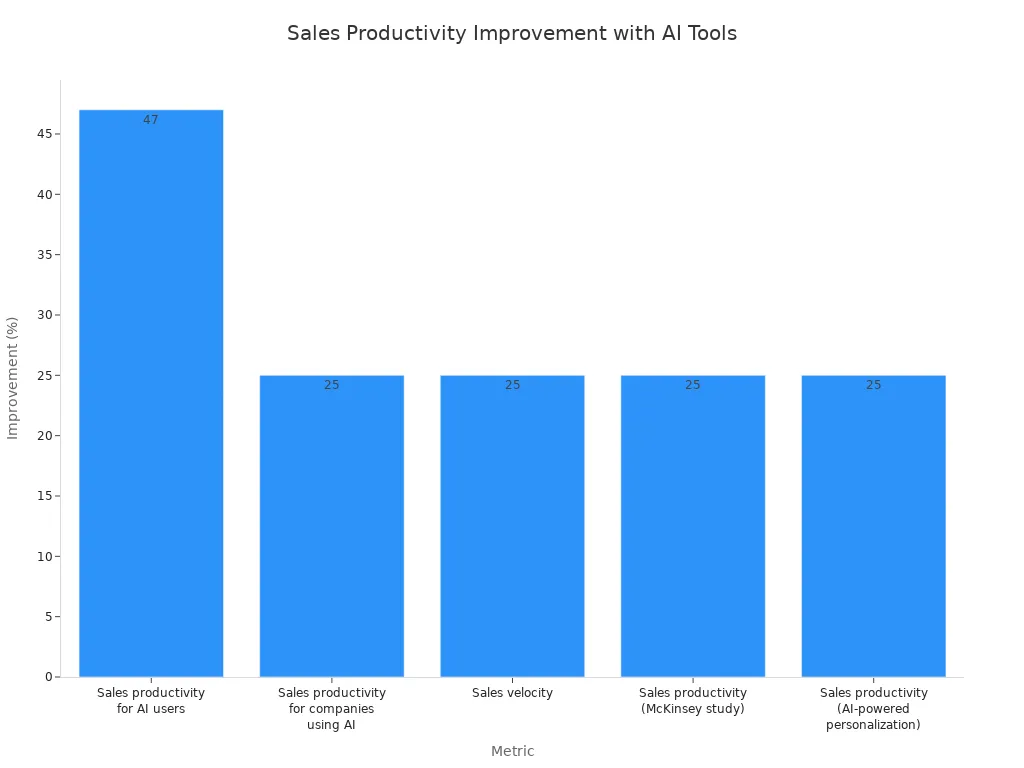
This shift boosts overall efficiency and lets your team dedicate more time to personalized outreach. The impact is significant, with AI adoption leading to major gains in sales productivity.
Integrating Calls into a Multi-Channel Sequence
Outbound sales calls are most effective as part of a broader multi-channel sequence. Combining calls with email and social media can generate 3.5 times more responses than using a single channel. This approach increases engagement by meeting buyers on their preferred platforms.
Your CRM integration can trigger timely follow-up based on prospect activity. This turns your prospecting from a manual effort into an intelligent, automated system. These automated strategies ensure you connect with prospects at the perfect moment.
| Trigger Point | Message Type | Timing | Purpose |
|---|---|---|---|
| Initial Contact | Welcome Series | Immediate | Introduce your business and services |
| Quote Request | Follow-up Sequence | Within 24 hours | Share estimates and outline next steps |
| Post-Meeting | Nurture Drip | 2–3 days after | Reinforce your value and build rapport |
| Inactivity | Re-engagement | After 14 days | Reignite interest and prompt action |
Your 2025 Outbound Calling Playbook in Action
Theory is important, but execution drives growth. You can put these pillars into practice with a clear playbook. This section gives you the frameworks, metrics, and real-world examples to transform your outbound sales. These actionable strategies will help you build a high-performing sales engine for sustainable growth.
A Modern, Value-Driven Call Script Framework
Forget rigid, word-for-word scripts. Modern outbound sales requires a flexible framework that guides conversation. Your goal is to create engagement, not deliver a monologue. Script the first 20 seconds to grab attention, state your purpose, and earn the right to continue. Use permission-based questions like, "Mind if I give you the 30-second version?" to shift the dynamic.
Your framework should be a conversational roadmap. It includes key questions to uncover needs and prepared responses for common objections. This preparation frees you to focus on your tone, build rapport, and listen to your prospects. This approach improves your sales skills and turns cold calling into a valuable dialogue. A strong follow-up is key to nurturing these initial leads.
KPIs for Modern Outbound Sales Strategies
You cannot improve what you do not measure. Tracking the right Key Performance Indicators (KPIs) is essential for effective outbound sales strategies. These metrics provide insight into your team's performance and the health of your sales pipeline. They help you identify bottlenecks and refine your sales strategies for better results and business growth.
| KPI | What It Measures | Why It Matters for Outbound Sales |
|---|---|---|
| Call-to-Meeting Rate | Percentage of calls that result in a booked meeting. | Shows the effectiveness of your opening pitch and value proposition. |
| Sales Cycle Length | The average time it takes to close a deal from first contact. | Reveals the efficiency of your sales process and helps with forecasting. |
| Win Rate | The percentage of qualified opportunities that become customers. | Indicates how well your team sells and targets the right prospects. |
| Lead Response Time | How quickly your team makes a follow-up call to new leads. | Speed is critical for converting inbound interest into sales conversations. |
Case Study: How Opay Boosted Conversions with Sobot
Opay, a major financial services platform, faced challenges managing high volumes of customer inquiries across social media, email, and voice. They needed a unified solution for both service and marketing to drive growth.
By implementing Sobot's omnichannel platform, Opay transformed its customer engagement. Sobot's intelligent IVR and voice call center handled high call volumes, allowing 60% of customers to self-serve. The email ticketing system streamlined agent workflow. This integrated approach allowed for better follow-up and service. The results were remarkable: customer satisfaction jumped from 60% to 90%, operational costs fell by 20%, and conversion rates increased by 17%. This case demonstrates how the right technology fuels powerful sales and drives impressive growth.
Rethinking what is an outbound call is your key to sales growth. Your success in outbound sales no longer comes from volume. It comes from an intelligent, integrated approach. Effective outbound sales strategies are built on three pillars. You need data, technology like Sobot, and evolved human-centric sales skills. These skills are crucial for sales growth.
Audit your current outbound sales process. See how a unified platform like Sobot Voice for Sales can help you implement these strategies. This new approach to sales will improve your skills and drive rapid growth for your outbound sales team. Your sales growth depends on these skills.
FAQ
How quickly can you implement a modern outbound sales platform?
You can deploy a platform like Sobot Voice for Sales in under one week. The user-friendly interface allows your team to start operating within an hour. This rapid setup helps you improve your outbound sales strategies without long delays.
What is the ROI for new outbound sales technology?
You can see a fast return on your investment.
Almost 90% of sales teams using Sobot Voice for Sales achieve a positive ROI within six months. This technology boosts productivity and drives measurable sales growth.
Does this technology work with my current CRM?
Yes, seamless integration is a key feature. Sobot Voice for Sales connects with popular CRMs like Salesforce and HubSpot in under 30 minutes. This creates a unified system for your outbound sales efforts and ensures data consistency.
What is the main difference between cold calling and intelligent calling?
Intelligent calling uses data to personalize your outreach. You understand a prospect's needs before you call. This approach transforms what is an outbound call from a random attempt into a valuable, problem-solving conversation that builds trust.
See Also
Evaluating Leading Contact Center Platforms and Solutions for the Year 2024
Discovering the Foremost Cloud-Based Contact Center Services for 2025
A Ten-Step Guide to Deploying Effective Omnichannel Contact Center Strategies
Reviewing the Best Automated Voice Calling Software Options for 2024
Comprehensive Reviews of Premier Cloud Contact Center Services in 2024

