What Is an Omnichannel Contact Center?

An omni channel contact center is a unified software platform. It integrates all communication channels like phone, email, and chat into one seamless conversation. The goal is to provide a consistent experience for every customer, which is a critical part of modern customer service. This meets a clear customer demand.
A significant majority, specifically 90% of customers, anticipate consistent interactions across all channels.
Leading omnichannel solutions help businesses deliver this seamless customer experience. Platforms from Sobot, featuring the Sobot call center and Sobot AI, provide the essential omnichannel cloud contact center tools to unify every service interaction for the customer.
Omnichannel vs. Multichannel

Understanding the difference between omnichannel and multichannel is key to improving customer service. While both strategies use multiple channels to connect with customers, their approach to the customer experience is fundamentally different. One creates separate conversations. The other builds a single, unified journey.
Multichannel: Separate Channels
A multichannel approach provides customers with several ways to get in touch, such as phone, email, and social media. Many businesses use this model. A recent survey showed that 55% of contact centers operate in multichannel environments. The problem is that these channels work in silos. Each communication channel is a separate island. The history and context of a customer interaction reset every time the customer switches from one channel to another.
This separation creates a disconnected and often frustrating experience for the customer. It also places a heavy burden on support teams.
Today’s customers expect swift, multichannel support. If an organization’s support system can’t evolve with these expectations, it risks becoming obsolete. Support teams using outdated systems face the brunt of customer frustrations when they can’t offer support on preferred channels or in real-time.
This fragmented system leads to several common pain points:
- A lack of a unified view of the customer.
- Disconnected customer experiences that cause dissatisfaction.
- An absence of customer context for support agents, making resolutions longer.
Ultimately, a multichannel strategy focuses on the number of channels offered, not on the quality of the experience between them.
Omnichannel: A Unified System
An omnichannel strategy corrects the shortcomings of a multichannel system. It integrates all communication channels into one cohesive platform. An omnichannel cloud contact center does not just offer multiple channels; it connects them. This omnichannel unification ensures that data and context flow freely in real-time across every touchpoint.
The architectural differences are significant. A multichannel setup uses separate systems and databases, while an omnichannel system uses a single platform and customer database.
| Feature | Multichannel | Omnichannel |
|---|---|---|
| System Architecture | Separate systems and databases for each channel | Unified systems and a single customer database |
| Data Integration | Inconsistent data; information doesn’t sync | All touchpoints share data and context in real-time |
| Channel Operation | Channels operate independently, in silos | All channels work together as a unified system |
| Customer Experience | Fragmented; customers repeat information | Consistent and seamless; conversations follow customers |
This unified architecture is built on a foundation of centralized integration and real-time data synchronization. The software allows for the automation of critical processes, which reduces manual effort and errors. This approach transforms customer service by creating a single, persistent conversation with every customer.
A Unified Customer Journey Experience
The true power of an omnichannel contact center is its ability to create a seamless customer experience. This directly addresses one of the biggest sources of customer frustration. Studies show that 66% of consumers get frustrated when they have to repeat their information to different support staff. An omnichannel approach eliminates this problem entirely.
Let's consider a clear example.
- A customer starts an interaction with a company using the live chat feature on its website to ask about an order.
- Later that day, the customer calls the service line for a more detailed follow-up.

- With omnichannel contact center software like Sobot, the phone agent immediately sees the full chat transcript in a unified workspace.
The agent has all the context. The customer does not need to repeat their name, order number, or issue. The conversation picks up right where it left off. This smooth transition turns a potentially frustrating interaction into a positive one. This focus on a connected journey delivers measurable business results, improving everything from lead conversion to outreach effectiveness.
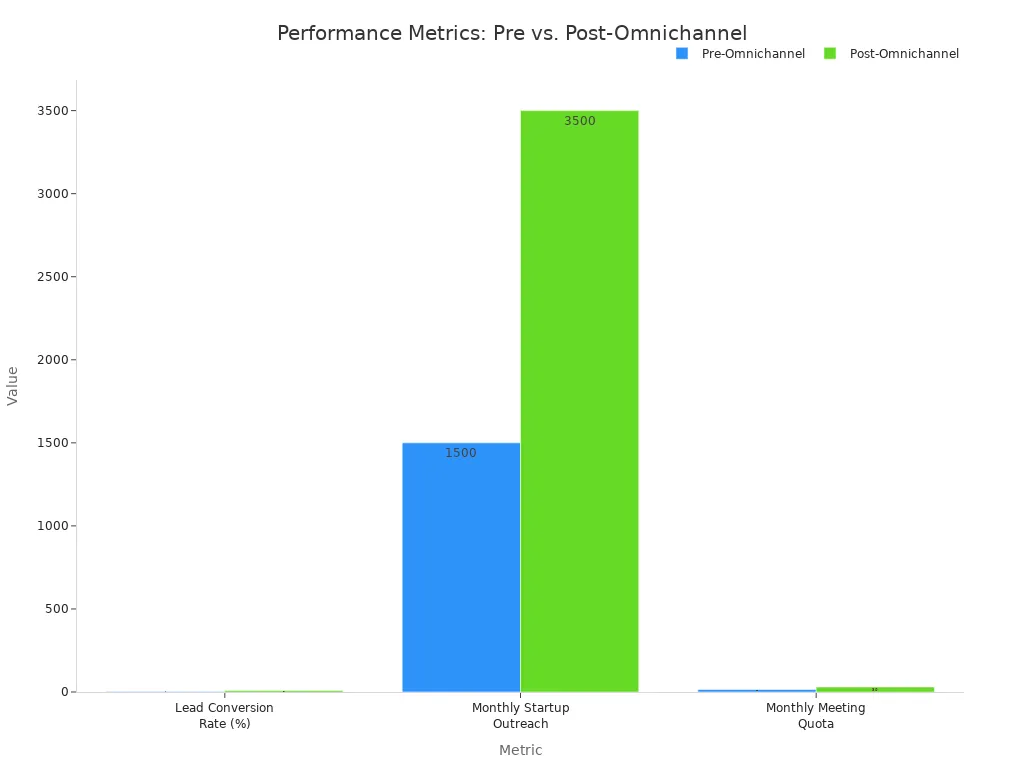
By connecting every touchpoint, an omnichannel strategy ensures the customer journey is a single, continuous conversation, boosting both satisfaction and efficiency.
Core Benefits of an Omnichannel Strategy

Adopting an omnichannel strategy does more than just connect communication channels. It transforms the entire customer service function. This approach delivers powerful benefits that elevate the customer experience, empower support agents, and drive significant operational savings.
Elevating the Customer Experience
A primary benefit of an omnichannel strategy is the dramatic improvement in the customer experience. Businesses can create high-quality, cross-channel interactions that feel personal and relevant to each customer. This is achieved by unifying data to build relationships that lead to long-term loyalty and customer success. A personalized engagement shows that a brand understands its customer, setting it apart from competitors.
This seamless journey builds trust and boosts satisfaction. When a customer feels understood and valued, their loyalty deepens. The result is a stronger brand reputation and higher retention rates.
Real-World Impact: Opay, a leading financial service platform, partnered with Sobot to unify its customer service. By implementing an omnichannel solution, Opay increased its customer satisfaction rate from 60% to an impressive 90%.
This shows how a connected experience directly translates to measurable gains in customer satisfaction and contributes to overall customer success.
Boosting Agent Productivity
An omnichannel platform also directly addresses agent burnout and boosts productivity. Agents often feel overwhelmed by switching between systems and handling repetitive tasks. Omnichannel contact center software, like the solutions offered by Sobot, provides a unified workspace where agents can manage every interaction in one place. This single view eliminates confusion and saves valuable time.
Furthermore, AI-powered tools and automation handle routine work, freeing agents to focus on complex customer issues. This has a profound impact on agent well-being and effectiveness. AI-driven customer service automation helps by:
- Reducing Cognitive Load: AI handles repetitive documentation and data entry, freeing agents from tedious tasks.
- Improving Accuracy: Automation ensures that critical details are not missed, reducing errors in customer records.
- Detecting Stress: AI can identify signs of customer or agent frustration in conversations, allowing supervisors to provide timely support.
- Enhancing Job Satisfaction: By removing the burden of manual post-call work, AI helps agents feel more productive, engaged, and motivated.
This combination of a unified workspace and intelligent automation empowers agents to resolve issues faster, leading to greater job satisfaction and a more effective support team.
Increasing Operational Efficiency
Implementing an omnichannel strategy significantly increases operational efficiency and reduces costs. Consolidating communication channels onto a single platform eliminates redundant systems. This directly lowers operational overhead by reducing licensing fees, hardware needs, and maintenance costs. Businesses can achieve cost savings of 15-30% by integrating channels and introducing automation.
This streamlined approach optimizes resource allocation. IT teams can focus on strategic projects instead of managing multiple vendor contracts. Training becomes simpler and more cost-effective with a single, standardized software platform. The financial benefits are clear and direct. For example, after implementing Sobot's solution, Opay reduced its overall costs by more than 20%.
By unifying the customer service infrastructure, a business can achieve greater efficiency, predictable budgeting, and a lower total cost of ownership. This allows the organization to reinvest savings into further improvements for customer success and growth.
Key Features of an Omni Channel Contact Center
An effective omni channel contact center is built on a foundation of powerful features. These tools work together to create a single, intelligent system for customer engagement. They empower agents, streamline workflows, and provide valuable business insights.
Unified Agent Workspace
A unified agent workspace is the command center for customer service. This single interface consolidates all customer conversations and data. Agents no longer need to switch between different screens or applications. Omnichannel contact center software, like the solutions from Sobot, allows agents to manage calls, support tickets, and messages from all channels in one place. This includes powerful integrations with platforms like the WhatsApp Business API, for which Sobot is an official Business Solution Provider (BSP).
This unified view provides agents with the full context of every customer interaction. Key components include:
- A central dashboard for all work items.
- The ability to manage multiple customer sessions at once.
- A complete history of customer interactions.
This setup gives agents the tools they need for first-contact resolution. It provides a better experience for the customer and improves agent efficiency.
Seamless CRM Integration
Seamless integration with a Customer Relationship Management (CRM) system is essential. An omnichannel platform connects directly to your CRM. This connection syncs customer data in real-time. A CRM integration gives teams a complete view of the customer. This is a core function of customer relationship management. Sobot's software integrates with leading CRM platforms like Salesforce, ensuring data flows freely.
This powerful link between the contact center and the CRM provides many benefits. It supports better collaboration across teams and enables data-driven decisions. A strong customer relationship management strategy relies on this unified data. The CRM becomes the single source of truth for every customer. This customer relationship management approach improves sales cycles and builds loyalty. The CRM is vital for personalized customer relationship management.
AI-Powered Automation
AI-powered automation transforms customer service by handling routine tasks. This frees up human agents to focus on more complex issues. Sobot’s AI-powered Chatbot and Voicebot are prime examples of this technology. They can handle up to 85% of common customer inquiries without human help. This customer service automation works 24/7 across all digital channels.
AI is used in many ways to improve the customer service experience:
- E-commerce: Answering order status questions and processing returns.
- Banking: Assisting with balance checks and fraud alerts.
- Telecom: Diagnosing service issues and providing outage updates.
This automation ensures customers get fast, accurate answers anytime. It also reduces the workload on your support team.
Advanced Analytics and Reporting
An omnichannel cloud contact center provides advanced analytics and reporting tools. This cloud-based contact center software collects data from every interaction across all channels. Managers can use this information to track key performance indicators (KPIs). Important metrics include Customer Satisfaction (CSAT), Net Promoter Score (NPS), and cross-channel conversion rates.
These reports help leaders identify trends in customer behavior and agent performance. For example, a manager can see which channels are most popular or where service bottlenecks occur. This data-driven approach allows businesses to:
- Optimize team configurations.
- Refine marketing strategies.
- Improve the overall customer experience.
By leveraging the power of cloud analytics, a business can continuously improve its service operations.
Implementing an Omnichannel Cloud Contact Center
Transitioning to an omni channel contact center requires a clear plan. A successful implementation starts with a thorough assessment and ends with continuous optimization. This process ensures the technology aligns with business goals and empowers your team to deliver superior customer service.
Assessing Your Business Needs
First, a business must evaluate its current situation. This involves analyzing existing sales channels, customer buying paths, and organizational readiness. A successful transition requires strong leadership support and a team with the right skills. It is also vital to examine the current IT architecture. This review identifies technical constraints and opportunities for a new cloud system. Finally, creating a detailed action plan with clear milestones is essential for a smooth rollout. This plan should define how to best serve each customer.
Choosing the Right Partner
Choosing the right partner is critical. Businesses should look for a vendor that offers key features like AI-powered tools and seamless integration with their existing CRM. The platform must be scalable to handle growth and secure to protect customer data. A provider's reputation and support level are also important. For example, a reliable cloud partner like Sobot guarantees 99.99% system uptime. This ensures the customer service software is always available. A good partner provides a robust cloud platform and a strong CRM connection.
Training Your Team with Sobot
Effective training ensures your team can use the new omnichannel contact center software successfully. A partner like Sobot provides comprehensive training solutions to prepare your staff. This includes:
- Customized training for different roles, such as agents and administrators.
- Modules on building a knowledge base and designing AI chatbot scripts.
- Live and remote sessions to fit your team's needs.
Proper training helps the support team understand the full context of every customer interaction, leading to a better service experience.
Measuring Success and Optimizing
After launch, measuring success is key to long-term improvement. An omnichannel cloud contact center provides the data needed to track important metrics. Key Performance Indicators (KPIs) like Net Promoter Score (NPS) and Customer Lifetime Value (CLV) show the impact on customer loyalty and revenue. Regularly reviewing this data helps leaders identify areas for improvement. This allows for continuous optimization of the omnichannel strategy, ensuring it always meets customer expectations.
An omni channel contact center is essential for modern business. It helps companies meet rising customer expectations and drive growth. The right omnichannel contact center software provides the tools for a successful transition. Platforms like Sobot offer a powerful omnichannel cloud contact center solution. This cloud software includes AI automation and a unified workspace. This technology improves the customer service experience for every customer. It empowers your team to deliver excellent service.
Embark on Your Contact Journey by exploring an omnichannel solution to enhance your customer service.
FAQ
What is the main goal of an omnichannel platform?
The primary goal is to create a single, seamless conversation with every customer. This approach unifies all communication channels. It provides a consistent customer service experience, which helps build customer trust and improves the overall quality of the service provided.
How does this software help a customer service agent?
This software gives agents a unified view of each customer. Agents can see the full history of a customer's interactions in one place. This context helps them provide faster and more effective customer service, improving the experience for every customer.
What kind of businesses benefit from this service?
Nearly any business that interacts with a customer can benefit. Industries like retail, finance, and gaming use this service to improve customer service. It helps any company looking to provide better support and build stronger customer relationships.
Is it difficult to switch to an omnichannel system?
The transition can be straightforward with the right partner. A good provider offers training and support. This ensures your customer service team can use the new software effectively. The process focuses on meeting your business and customer needs smoothly.
See Also
A Ten-Step Guide to Deploying Omnichannel Contact Center Solutions Effectively
Your Comprehensive Handbook for Omnichannel Call Center Software Selection
Evaluating the Leading Contact Center Solutions: A 2024 Review
Assessing the Best Cloud Contact Center Services for the Year 2024
Understanding the Fundamentals of a Remote Call Center Operation

